Precision Human-Machine Interface Engineering · Since 1990

Capacitive Touch Membrane Switch Panel Architecture: Engineering DFM, Advanced Noise Immunity, and OEM Procurement Specifications

In advanced human-machine interfaces (HMI), the Capacitive Touch Membrane Switch Panel has emerged as the definitive solid-state replacement for legacy electromechanical domes and rubber keyboards. Operating via electric field charge transfer rather than mechanical contact closure, these assemblies provide frictionless actuation, zero mechanical wear, IP67/IP69K hermetic sealability, and smooth glass or polycarbonate aesthetics. However, sourcing a reliable capacitive panel is fundamentally an analog engineering challenge: trace parasitic capacitance, dielectric substrate tolerances, ambient electrical transients (ESD/EMC), and liquid film false-triggers demand strict Design for Manufacturability (DFM) discipline.

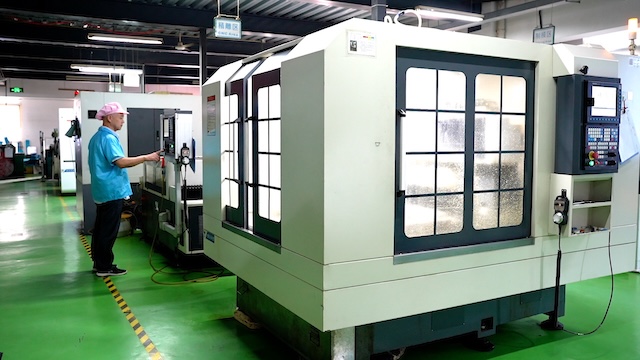
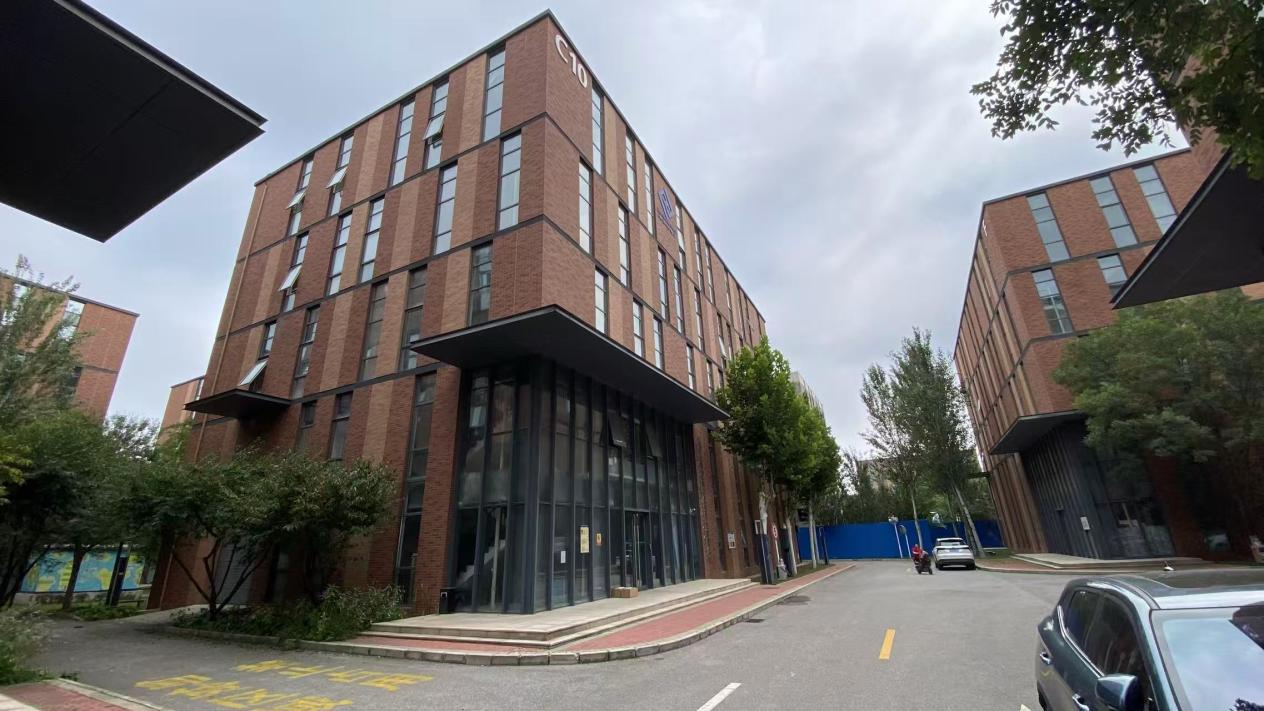
TAVO Electronic Information Technology Co., Ltd. (founded in 1990) integrates over three decades of thin-film screen printing, fine-line copper FPC etching, optical bonding, and microcontroller-based touch firmware calibration. Operating under an ISO 9001 quality management framework across facilities in Xianghe (Hebei) and Huizhou (Guangdong), we engineer fully integrated capacitive touch assemblies tailored for global medical diagnostic systems, aerospace cockpits, industrial automation controls, and outdoor smart kiosks.

Engineering Blueprint

Capacitive Touch Panel Stack-Up & Electro-Physical Properties

A deep dive into high-reliability stack-up architecture, material dielectrics, and noise shielding mechanics for mission-critical solid-state HMI assemblies.

Multi-Layer Solid-State Stack-Up Architecture

Each interface is calibrated to match the dielectric constant (εr) of the front fascia.

Layer 1: Chemically Resistant Graphic Overlay0.175mm–0.25mm Autotex PET / Lexan Polycarbonate with antimicrobial or anti-glare finish
Layer 2: Optically Clear Adhesive (OCA / LOCA)50μm–175μm bubble-free dielectric bonding layer ensuring refractive index balance
Layer 3: Charge-Transfer Capacitive Sensor MatrixPrinted high-conductivity silver ink on optical PET or photolithographic etched copper on Polyimide FPC
Layer 4: Driven Shield & Guard Ring Trace LayerDedicated active shield layer suppressing parasitic board capacitance and continuous moisture film triggers
Layer 5: Micro-Dielectric Bonding SpacerHigh-performance 3M 467MP / 468MP acrylic adhesive transfer tape engineered for environmental shear
Layer 6: Rigid Structural Support Plate & EMI Plane1.0mm–3.0mm CNC aluminum backer or FR4 PCB carrying SMT touch controllers and I2C/SPI connectors

Parametric Electrical & Operational Thresholds

Validated in our Langfang testing facility to guarantee field durability.

Engineering Parameter Screen-Printed Silver on PET Etched Copper on Flex FPC / Rigid PCB
Dielectric Thickness (Overlay) 0.125 mm – 3.0 mm (PET/Glass) 0.125 mm – 6.0 mm (Glass/Acrylic)
Trace Loop Resistance < 50 Ω / run (controlled geometry) < 1.5 Ω / run (high sensitivity)
Parasitic Capacitance (Cp) < 15 pF (via active guard routing) < 8 pF (custom microstrip routing)
Operating Temperature -25°C to +75°C -40°C to +85°C (Automotive grade)
ESD Air / Contact Discharge ±15 kV Air / ±8 kV Contact ±25 kV Air / ±12 kV Contact
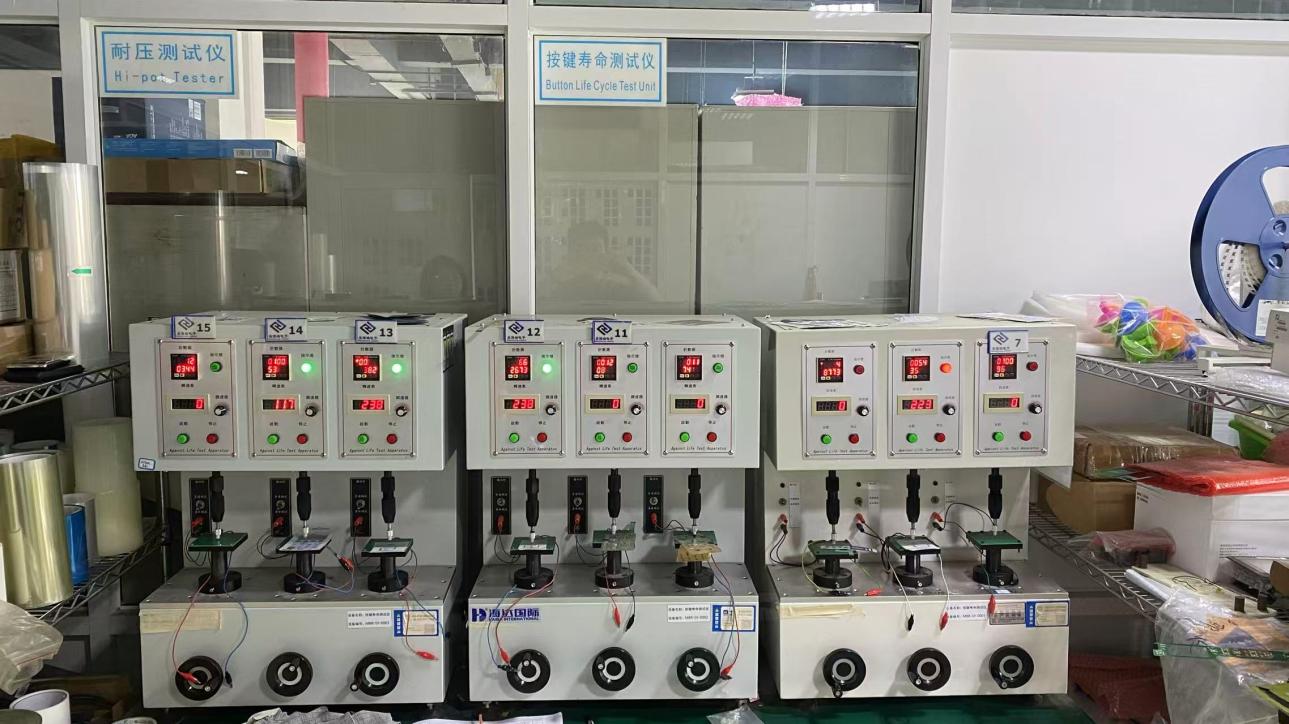
Switch Actuation Life > 10,000,000 continuous cycles > 50,000,000 continuous cycles
Water Rejection Logic Differential software threshold Hardware driven guard + baseline tracking
Engineered Configurations

Recommended Capacitive Touch Membrane Switch Panel Archetypes

Tailored configurations built specifically to resolve technical trade-offs between tactile feedback, washdown resistance, illumination, and electrical noise.

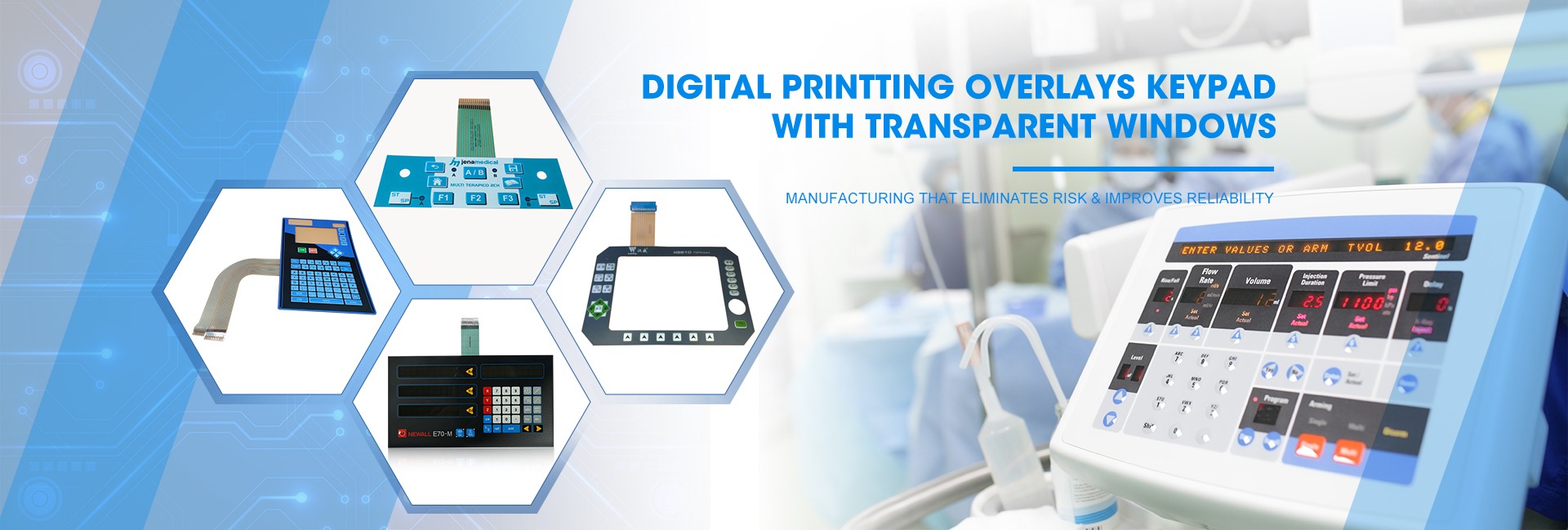
Ultra-Thin PET Capacitive Touch Membrane Sensor Series C100

Screen-Printed Silver Capacitive Sensor Panel

Designed for cost-sensitive commercial appliances and high-volume industrial enclosures. Features sub-surface printed capacitive pads with carbon overcoats to prevent silver migration.

Tailored for thin profiles Subsurface graphic print
Copper FPC Capacitive Touch Switch with Backlight Series C200Precision

Flexible Copper FPC Capacitive Sensor Assembly

Utilizes rolled annealed or electro-deposited polyimide copper flex circuits. Delivers ultra-low trace resistance, fine-pitch ZIF connector bonding, and integrated SMT driver chips directly on the tail.

High-density routing On-flex active ICs
Hybrid Capacitive Membrane Switch with Tactile Domes Series C300Hybrid

Hybrid Tactile Dome & Capacitive Touch Interface

Combines capacitive slider/wheel sensing with physical stainless-steel snap domes for critical emergency or dual-confirmation input actions in medical and marine systems.

Haptic reassurance Zero false-trigger
Backlit Capacitive Touch Panel with Aluminum Backer Series C400

Rigid Backed LED/LGF Illuminated Capacitive Panel

Integrates Light Guide Film (LGF) or side-firing LEDs bonded directly to a CNC machined aluminum backplate with threaded mounting studs for vibration-heavy industrial vehicles.

Uniform illumination Rigid structural plate
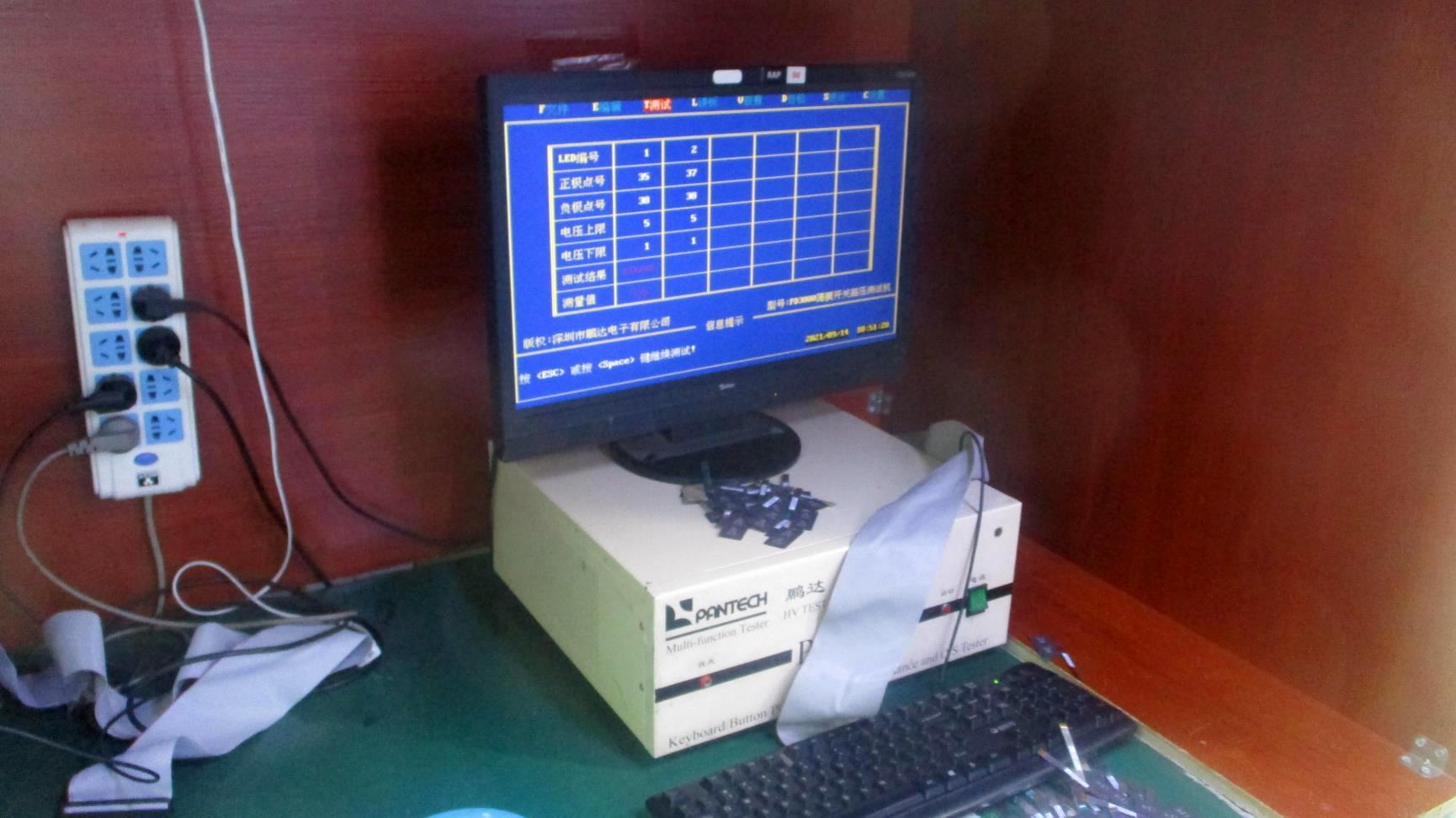
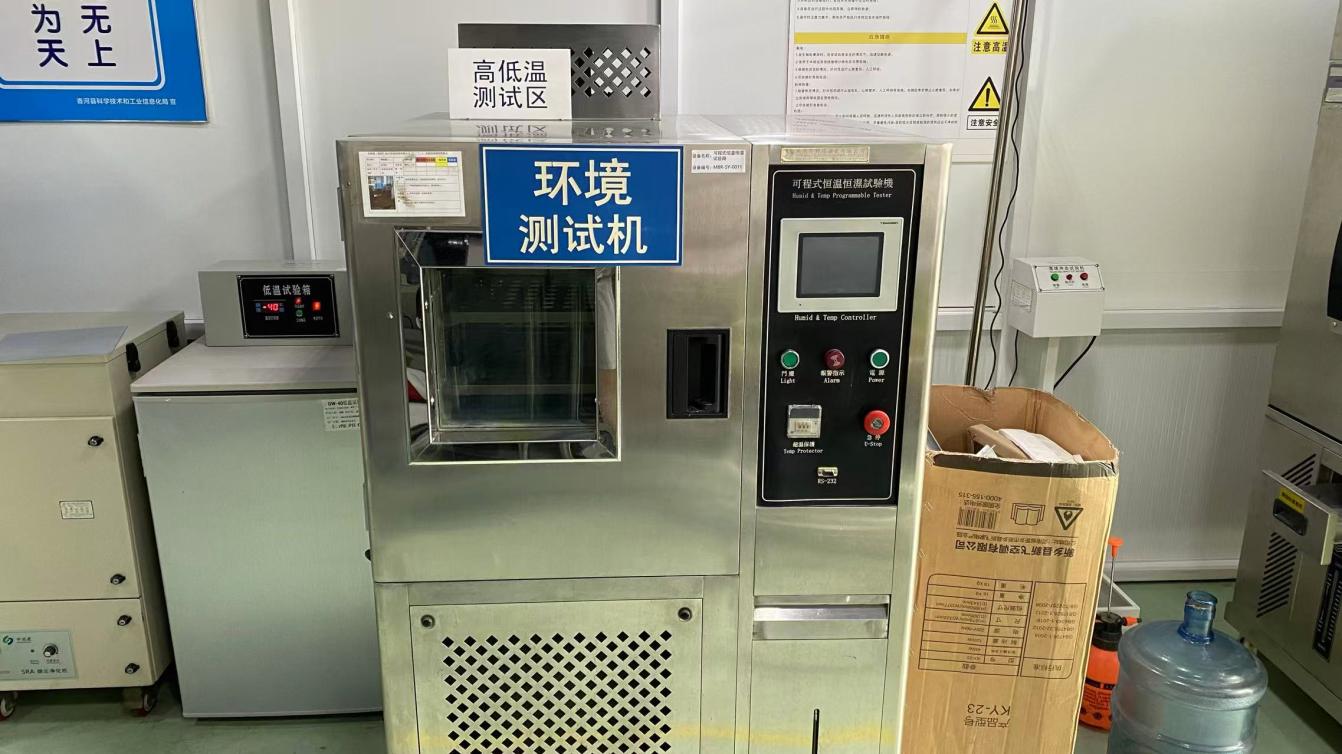
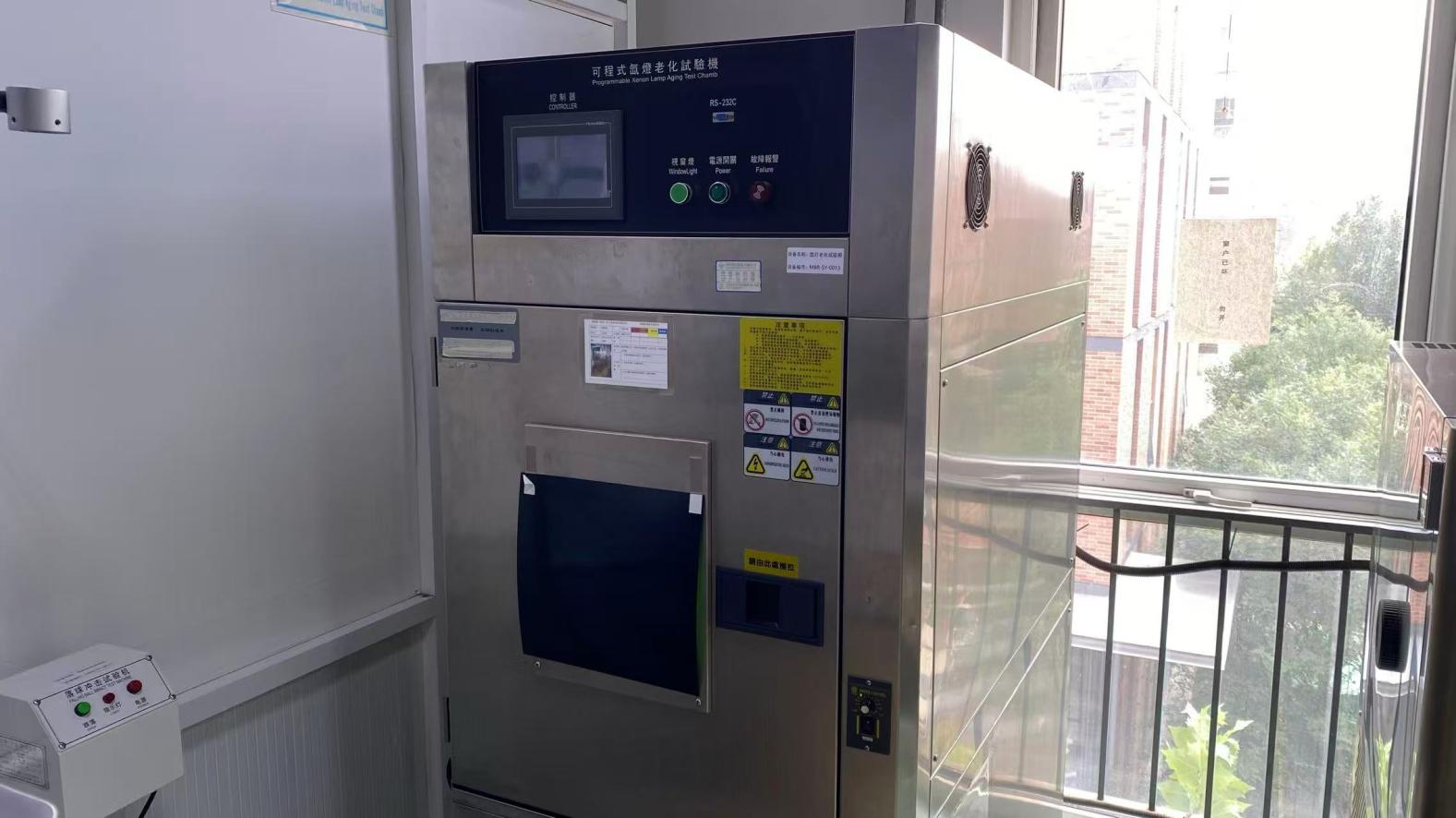
Reliability Laboratory

In-House Precision Testing & Tooling Infrastructure

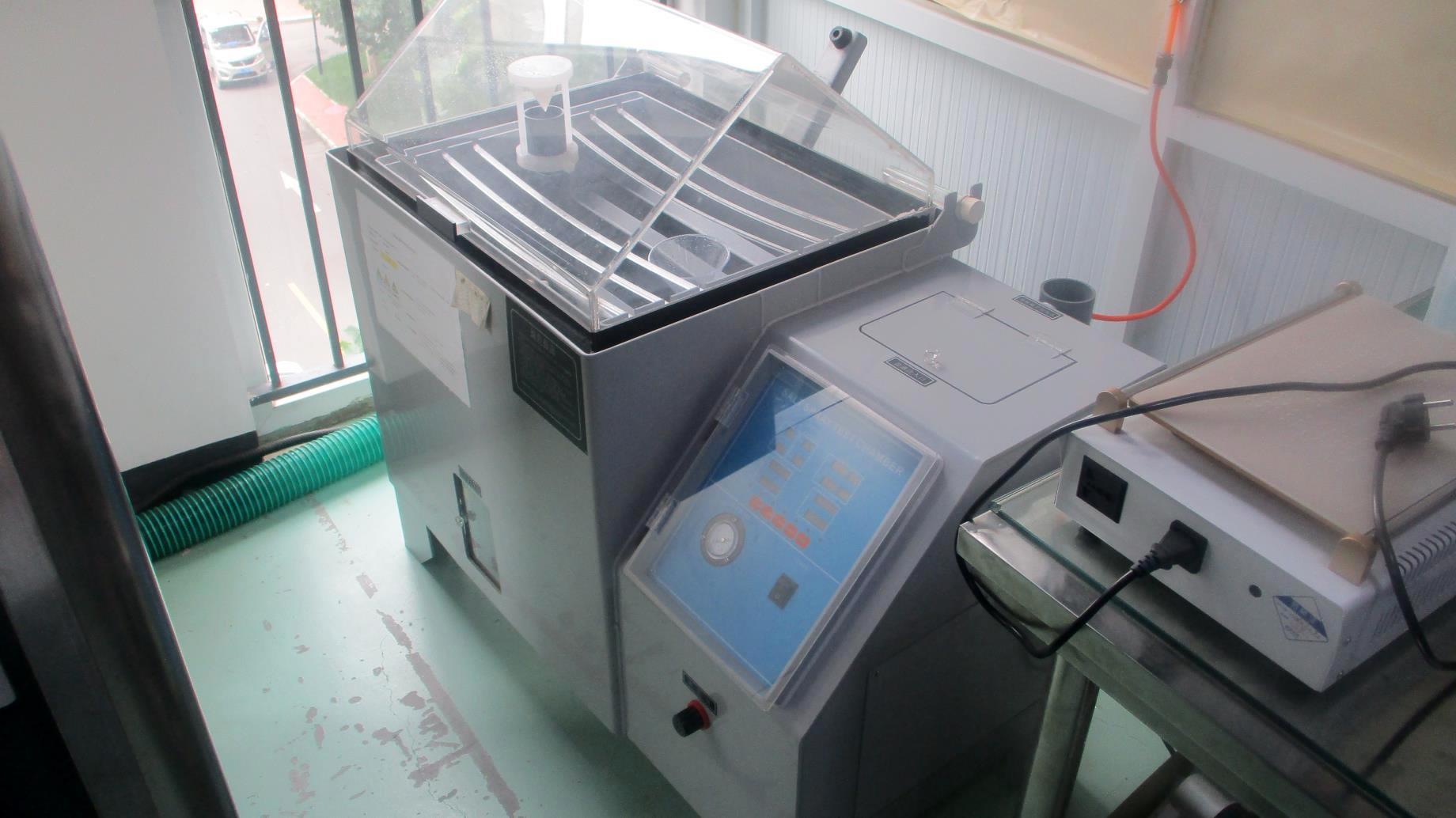
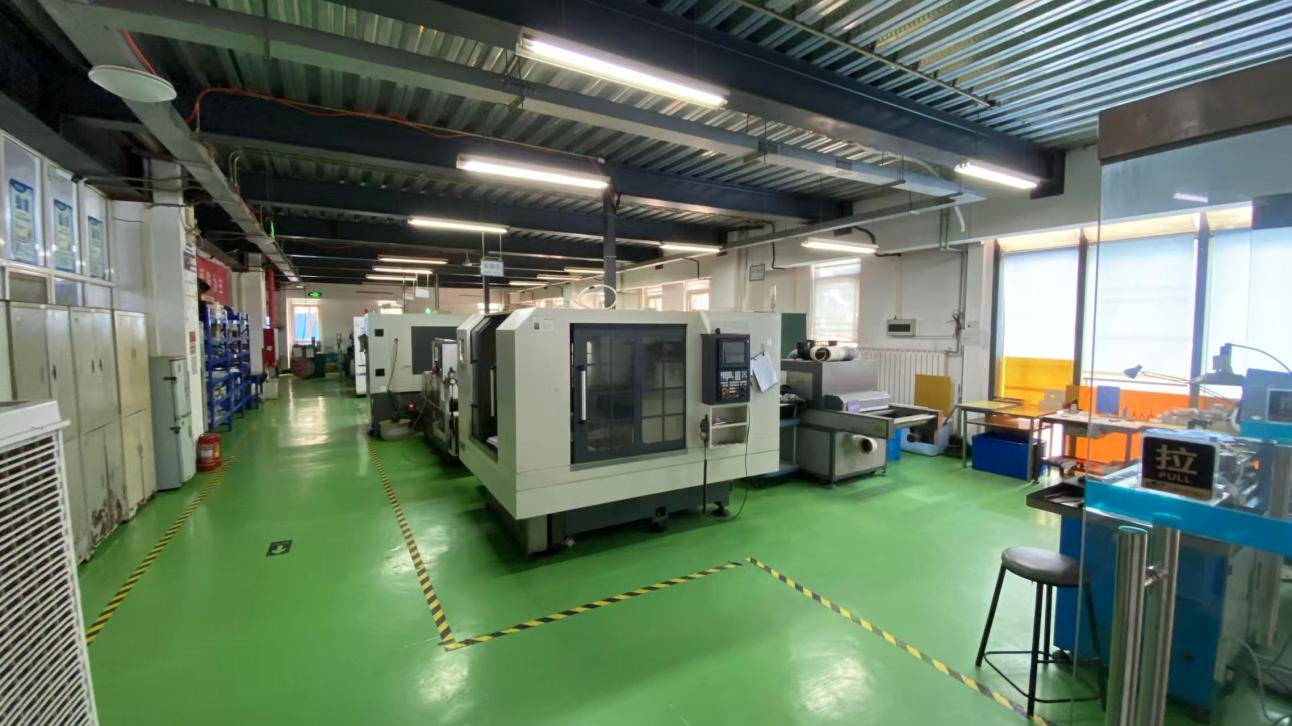
Explore our Langfang laboratory where computerized electrical testing, environmental cycling, and accelerated life testing validate every capacitive switch run.

Enterprise Heritage

Three Decades of Engineering Excellence

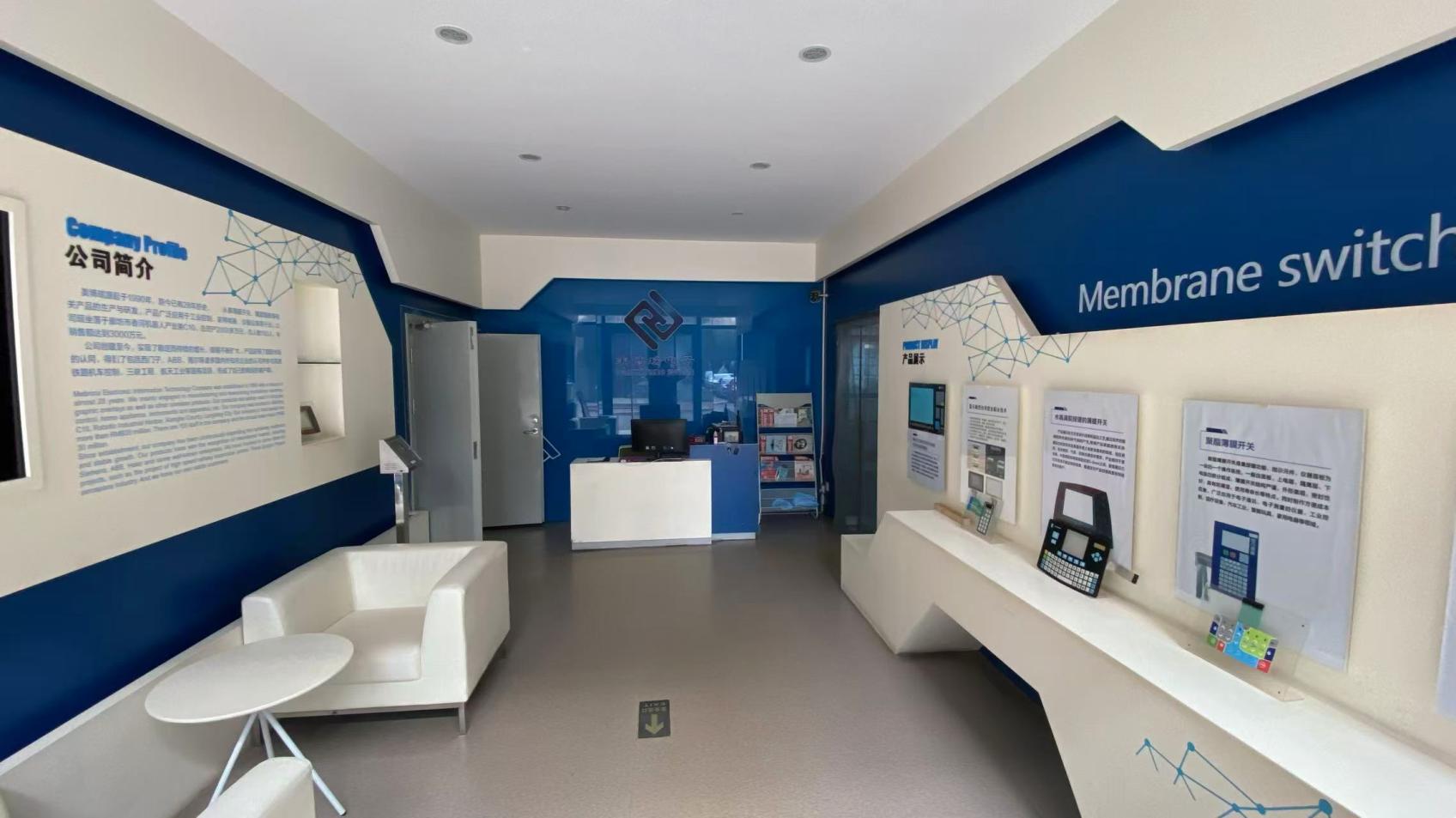
Founded in 1990, TAVO Electronic Information Technology Co., Ltd. (operating historically under MEMBRANE Electronic Information Technology Company) has concentrated on processing and researching membrane switches, membrane keypads, and graphic overlays for over 30 years. Flexible printed copper (FPC) membrane switches, high-brightness LED membrane switches, and custom membrane switches with liner construction represent our core manufacturing specialties.

Our customer-centered, integrity-based engineering principles deliver high quality, rapid prototyping turnaround, and low total cost of ownership. We operate strictly in accordance with the ISO 9001 quality management framework across every phase of fabrication, assembly, and testing.

From our establishment, we have expanded continuously to earn international market recognition. We possess nearly ten years of close technological cooperation with precision HMI manufacturers in the United States, Germany, and throughout European markets. Furthermore, our assemblies have proven their reliability in extreme, high-reliability applications including high-speed railway locomotive controls, the Three Gorges Dam project, aerospace instrumentation, and critical state-run energy programs.
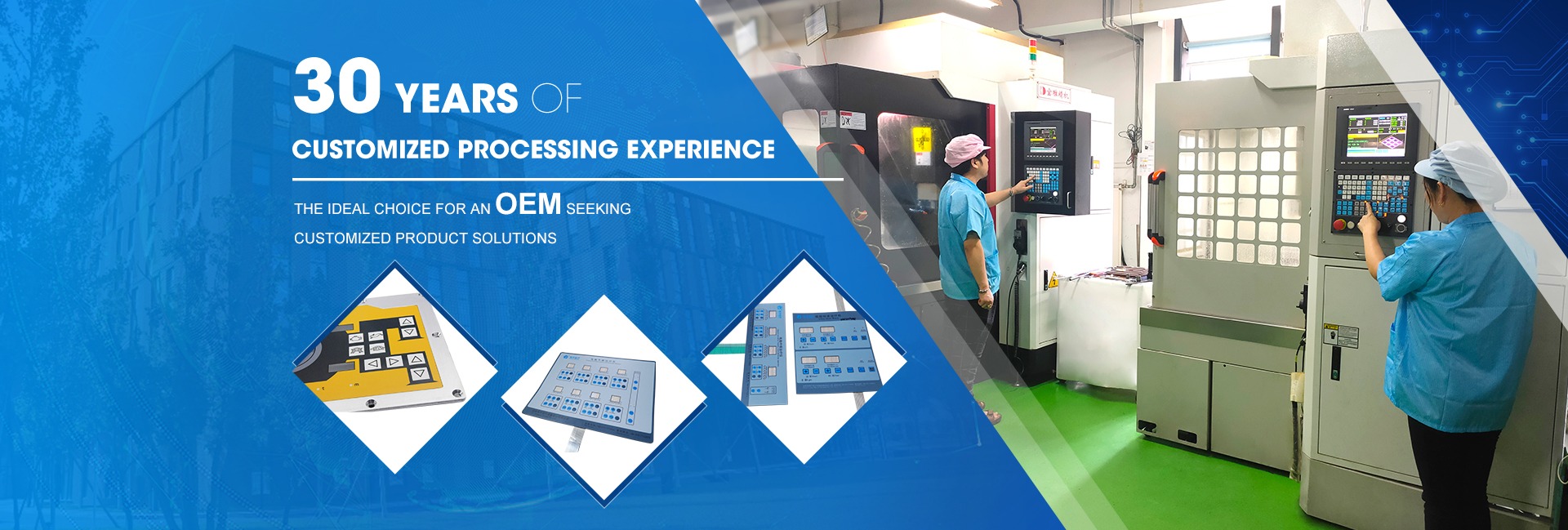
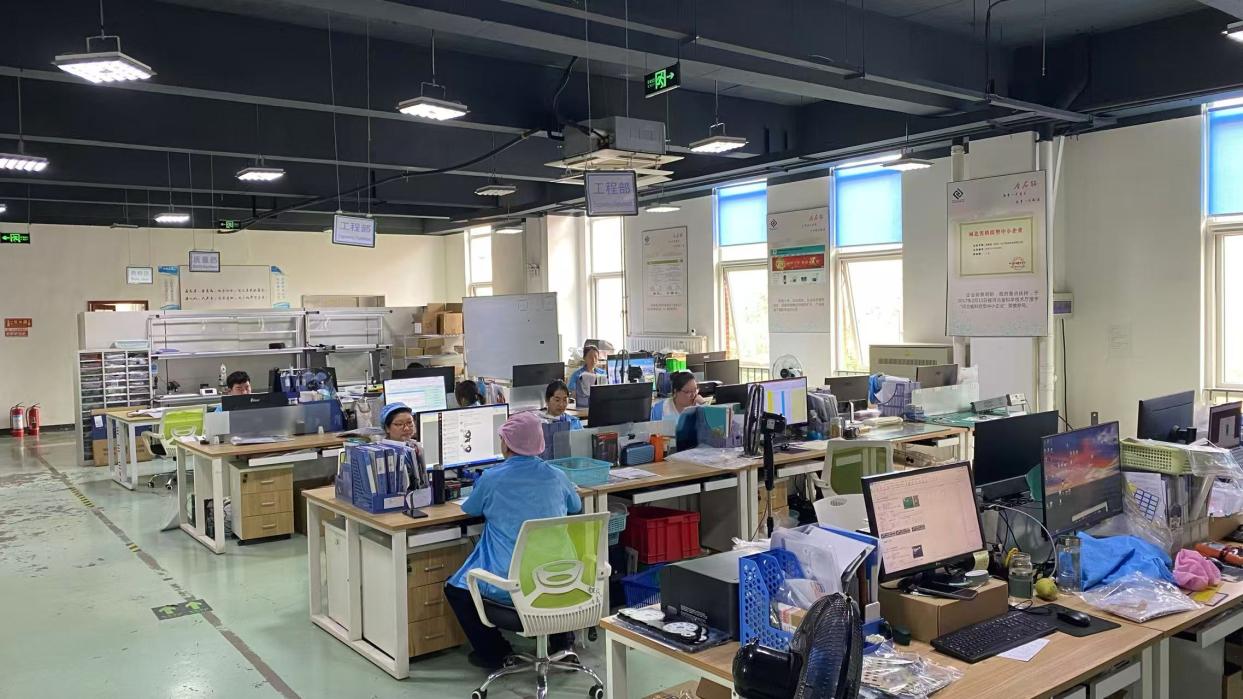
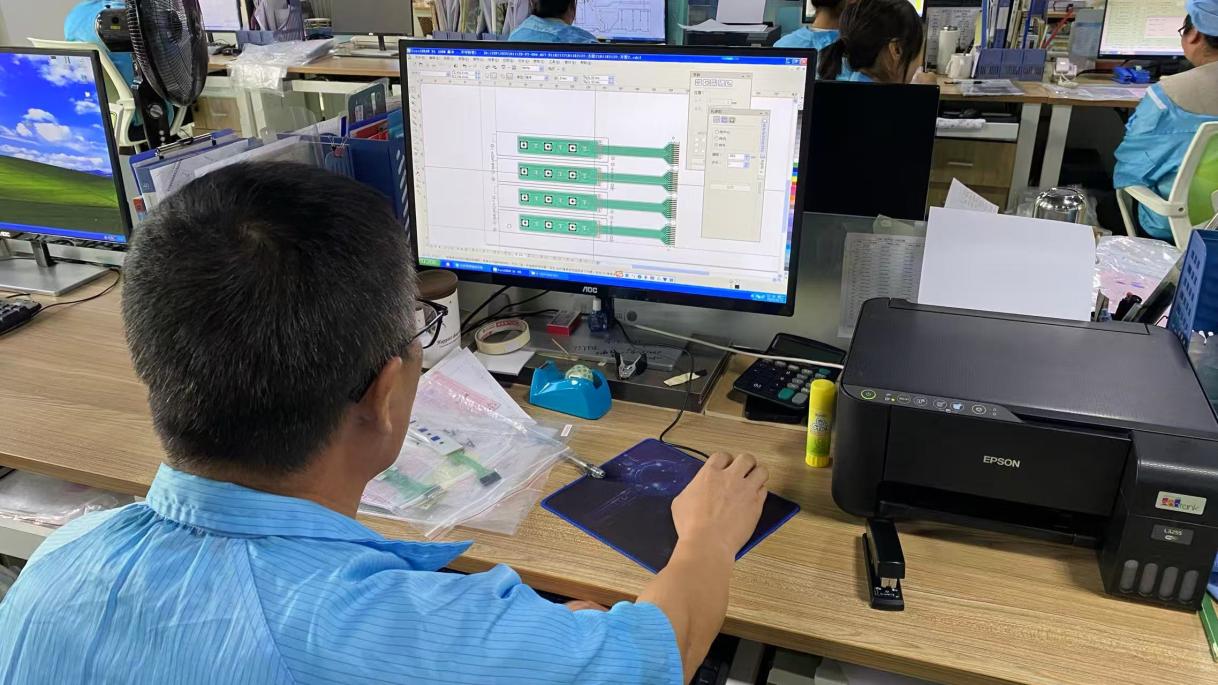
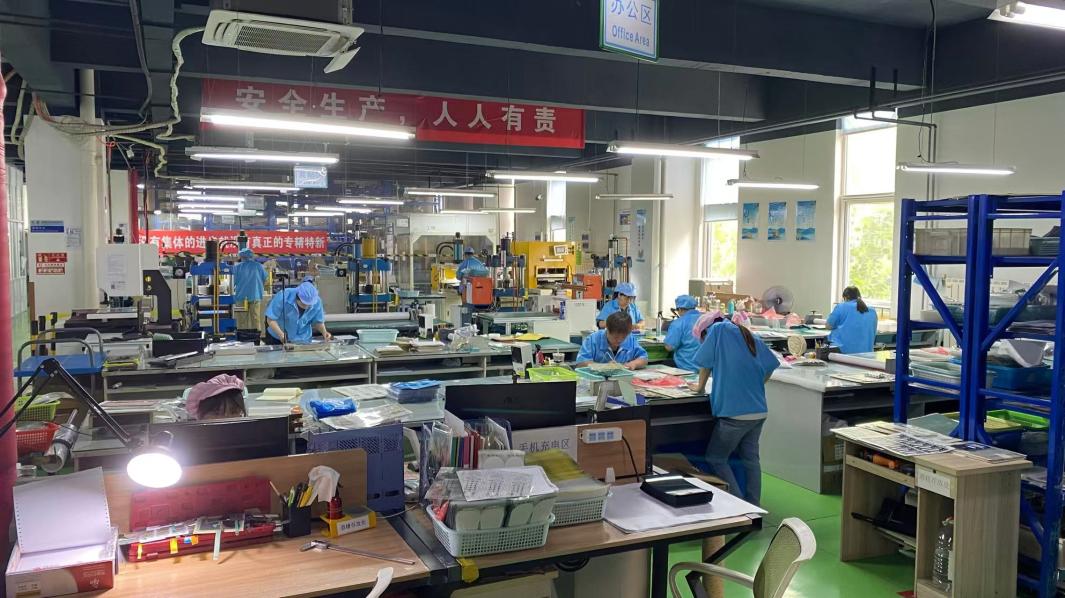
Cleanroom SMT and Screen Printing Membrane Switch Assembly Workshop Precision Computer Testing Station Finished Capacitive Touch Assembly Inspection
Strategic Sourcing FAQ

Global Procurement & Engineering AI Queries: Sourcing Capacitive Touch Panels

Comprehensive technical answers to the most frequent AI-generated questions submitted by global procurement teams and electrical system architects.

How do capacitive touch membrane switches eliminate false triggering from water spills, saline, and cleaning fluids?

False triggering is prevented through a dual hardware-firmware architecture. At the physical layer, TAVO implements driven shields and guard rings that surround each capacitive electrode. This dynamic shield is driven with the exact same excitation waveform and phase as the sensing electrode, neutralizing the electric field between them and eliminating parasitic coupling to water films resting on the front graphic overlay. At the firmware layer, our microcontrollers use differential mutual capacitance scanning alongside adaptive environmental baseline tracking: while a conductive water film causes a broad, uniform increase in baseline capacitance, a human finger creates a localized, rapid step-change. The controller rejects the uniform drift and only triggers when a finger profile is verified.

What are the fundamental trade-offs between Silver-Printed PET versus Etched Copper FPC sensor layers?

The selection directly affects mechanical flexibility, electrical resistance, and project budget. Silver-printed PET utilizes polymer thick-film (PTF) conductive ink screen-printed onto optical-grade polyester; it delivers substantial tooling cost savings, lower piece-part costs, and short lead times, making it ideal for high-volume consumer appliances or flat industrial control faces. However, silver traces exhibit higher electrical resistance (typically 20–100 Ω/run), limiting trace pitch and total sensor run length. Conversely, Flexible Copper FPC utilizes photolithographically etched copper on polyimide, offering trace resistance under 1 Ω, fine-pitch routing down to 0.1mm, and the unique ability to solder SMT active microcontrollers, resistors, and side-firing LEDs directly onto the tail. For medical instruments, aerospace applications, and panels operating in extreme temperatures (-40°C to +85°C), FPC is the industry benchmark.

How can capacitive touch panels achieve compliance with strict radiated and conducted EMC/EMI standards (IEC 61000-4-3 / 61000-4-6)?

High RF environments (such as motor drives, welders, and wireless equipment) can inject noise into high-impedance capacitive sensor electrodes. TAVO designs for EMC immunity via four core measures: (1) Integrating continuous conductive boundary shielding (printed silver grid or copper cross-hatching) around all active sensor pads, connected directly to chassis ground; (2) Maintaining controlled trace routing with balanced impedance differential line pairs; (3) Incorporating active hardware filtering (series RC network) right at the connector tail interface; and (4) Utilizing spread-spectrum frequency hopping inside the touch controller to automatically shift the charge-transfer scanning frequency away from active RF interference bands.

What cover fascia materials and maximum thicknesses can be reliably actuated with gloved hands?

Sensor sensitivity depends inversely on overlay thickness and directly on the material's dielectric constant (εr). Typical cover materials include chemically strengthened glass (εr ≈ 7.0), polycarbonate (εr ≈ 2.9–3.0), PMMA/acrylic (εr ≈ 3.4), and Autotex polyester (εr ≈ 3.2). For bare-finger operation, front overlays up to 6.0mm glass or 3.0mm plastic are supported. When operators wear industrial leather work gloves or multi-layer surgical/nitrile gloves, the effective dielectric distance increases, reducing the signal shift; here, we optimize electrode surface area (enlarging pad geometry) and tune the controller gain to reliably support 2.0mm–3.0mm glass or 1.5mm polycarbonate while preventing ambient hover-triggers.

What files and environmental details are required to issue an engineering DFM and quotation?

To generate a formal Design for Manufacturability (DFM) review and tooling quote, our engineering team requires: (1) Mechanical 2D drawing (DXF, DWG, or PDF) illustrating key layout, window apertures, cutouts, overall dimensions, tail exit location, and critical tolerances; (2) Vector graphic artwork (Adobe Illustrator .AI or vector PDF) with specified Pantone/RAL color codes; (3) Operating environment parameters including operating temperature window, exposure to sunlight/UV, chemicals, washdown requirements, and glove-usage specifications; (4) Backlighting requirements (LED color, Light Guide Film, or dead-front effect); (5) Tail connector interface preferences (bare ZIF contacts, 2.54mm pitch crimp pins, or integrated FPC controller); and (6) Forecast production volume (prototype samples, pilot ramp, and annual usage).

What is TAVO's quality control validation protocol for custom capacitive shipments?

Under our ISO 9001 quality management framework, every batch passes through automated test stations: (1) 100% automated continuity, loop resistance, and isolation tests via computer testing fixtures; (2) Micro-dielectric breakdown and high-voltage insulation tests (≥100 MΩ at 100V DC); (3) Optical inspection verifying print registration, color matching, and bubble-free lamination in a class-10,000 cleanroom environment; (4) Environmental sample testing using programmable temperature/humidity chambers (-40°C to +85°C), salt spray fog chambers, and xenon UV aging chambers; and (5) Functional touch sensitivity, baseline stability, and active liquid-rejection validation.
Inquire Now
Direct Engineering Engagement

Accelerate Your Capacitive HMI Program

Collaborate directly with our Langfang and Huizhou engineering centers. From schematic capture and sensor pad geometry to firmware baseline calibration and tooling, we turn complex solid-state interface concepts into robust series production.

  • Direct access to senior HMI engineers (15+ yrs exp)
  • DFM review with sensor layout optimization
  • Rapid prototyping for early software/firmware testing
  • ISO 9001 certified batch testing & material tracing

Connect with Our Engineering Office

All engineering drawings and custom design briefs are protected under reciprocal NDA.