Tactile Button Membrane Switch: The Global Engineering & Strategic Procurement Guide
As modern Human-Machine Interfaces (HMI) demand higher tactile certainty, long-term environmental sealing, and lower life-cycle cost, hardware architects and procurement managers face critical questions. Explore this exhaustive guide on tactile switch actuation physics, advanced stack-up architectures, future procurement trends, and certified manufacturing by TAVO Electronic Information Technology Co., Ltd.
1. Understanding the Global Sourcing Intent for Tactile Button Membrane Switches
In global industrial hardware sourcing, buyers and mechanical engineers increasingly rely on Artificial Intelligence and specialized knowledge graphs to resolve design tradeoffs. Frequent queries analyzed across AI search interfaces include: "How do I prevent tactile dome collapse under continuous actuation?", "What is the true difference between metal dome tactile feedback and polydome embossing?", "Which venting design balances tactile snap with IP67 hermetic ingress protection?", and "How can we avoid silver electromigration in high-humidity outdoor HMI systems?"
A tactile button membrane switch serves as an electrical momentary switch matrix that provides crisp, perceptible physical feedback (both tactile snap and audible click) when an operator presses an embossed or flat overlay graphic key. Unlike non-tactile switches that depend solely on auditory beepers or software display indicators, tactile switches utilize calibrated stainless steel metal domes (SUS301/SUS304) or hot-embossed polyester (polydomes) to provide instantaneous mechanical response. This physical confirmation eliminates operator hesitation, reduces input errors in safety-critical machinery, and creates a high-quality user experience.
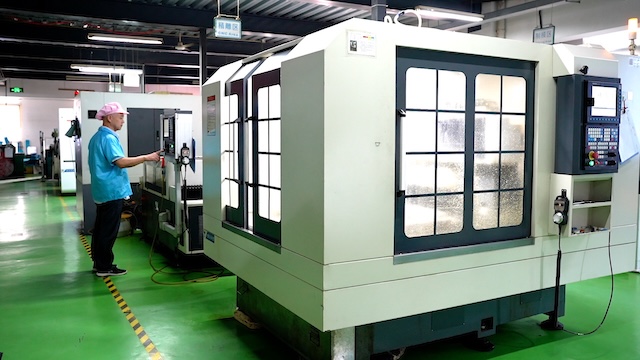
At TAVO Electronic Information Technology Co., Ltd. (founded in 1990), our engineering team has spent more than three decades optimizing tactile switch physics, micro-venting topologies, and multi-layer structural lamination. Our ISO 9001 quality management framework ensures that every tactile button membrane switch matches strict deflection-force curves, contact resistance criteria, and environmental endurance standards.
2. Recommended Tactile Button Membrane Switch Architectures
Selecting the ideal tactile switch configuration requires aligning mechanical actuation requirements with electrical operating parameters and environmental exposures. Below are our four core recommended architectures engineered for distinct operating environments:
| Switch Architecture | Core Materials & Construction | Tactile Feedback & Travel | Typical Operating Life | Recommended Application |
|---|---|---|---|---|
| Precision Metal Dome on Printed Silver PET | Autotex/Autoflex PET overlay, four-leg stainless steel domes (nickel/gold plated), conductive silver ink traces. | Crisp snap ratio (45%-60%), travel distance 0.35 mm - 0.60 mm, force 220 gf - 350 gf. | > 1,000,000 actuations | Medical monitoring, industrial PLCs, commercial instrumentation, analytical laboratory tools. |
| Copper FPC Tactile Membrane Switch | Polyimide (PI) substrate with etched rolled-annealed copper traces, SMT LEDs, stainless domes. | Exceptional crispness, ultra-low trace resistance (<10 Ω), high density routing. | > 3,000,000 actuations | High-density industrial handhelds, aerospace avionics, locomotive driver control consoles. |
| Rigid PCB-Backed Tactile Assembly | FR4 fiberglass circuit board backer (0.8 mm - 2.4 mm), hard gold-plated contact pads, embedded fasteners. | Ultra-rigid backplane, solid click feel, integrated SMT display headers, zero flex. | > 5,000,000 actuations | Heavy machinery control panels, defense equipment, high-vibration power generation systems. |
| Polyester Formed Polydome Switch | Thermoformed PET film forming internal dome geometry, screen-printed carbon or silver contact. | Soft, dampened tactile click, travel distance 0.20 mm - 0.40 mm, force 180 gf - 280 gf. | > 300,000 actuations | Cost-sensitive consumer appliances, home automation controllers, high-volume disposable devices. |
Need a Custom Stack-Up Recommendation for Your CAD Drawing?
Our senior HMI engineering team evaluates your actuation force targets, tail termination constraints, and environmental ingress criteria to provide an optimized DFM review within 24 hours.
Inquire Now3. Future Procurement Trends for Tactile Button Membrane Switches
Global procurement specialists are shifting their supply chain metrics from initial piece price toward total product lifecycle reliability. As AI-assisted automated equipment and smart IoT devices penetrate every industry, tactile membrane switches are evolving in three distinct procurement and technological directions:
Shift Toward Copper FPC Substrates
While screen-printed silver inks remain economical, procurement teams are rapidly specifying etched copper Flexible Printed Circuits (FPC). Copper FPCs completely eliminate silver migration under extreme humidity and continuous DC voltage bias, allow ultra-fine 0.5 mm ZIF pitch connectors, and deliver near-zero loop resistance for sensitive microcontrollers.
Uniform LGF & Dead-Front Illumination
Industrial designers now reject uneven point-source LED hotspots. Future procurement strongly favors Light Guide Film (LGF) integrations and side-emitting LEDs, enabling uniform graphic backlighting through ultra-thin profiles (<1.5 mm). Dead-front visual styling—where icons remain completely hidden until illuminated—is becoming mandatory in medical and defense HMIs.
Integrated Hermetic Ingress (IP67/IP69K)
Harsh clean-down protocols in medical, food processing, and maritime industries necessitate front-panel sealing that survives high-pressure chemical washdowns. Strategic buyers demand closed-cell perimeter gasket bonding with internal labyrinth venting topologies that permit snappy dome airflow without venting to the external atmosphere.
Furthermore, ESG (Environmental, Social, and Governance) compliance and supply chain traceability are reshaping vendor selection. Tier-1 OEMs in Germany, the United States, and Western Europe mandate full REACH, RoHS, and halogen-free certifications alongside supplier business continuity assurances, such as multi-facility production balancing.
4. Key Technology Developments in Tactile Membrane Switch Engineering
Over the last decade, mechanical actuation physics and material sciences have advanced significantly. The traditional trade-off between tactile distinctness and environmental hermeticity has been overcome through three core engineering breakthroughs:
- Calibrated Force-Displacement Ratio Optimization: Tactile perception is defined by the formula Tactile Ratio = (Peak Force [F1] – Contact Force [F2]) / Peak Force [F1] × 100%. Modern automated dome placement machines and computer-aided finite element analysis (FEA) allow TAVO engineers to maintain tactile ratios between 50% and 65%, guaranteeing a sharp, unmistakable click even when operators wear heavy industrial gloves.
- Advanced Micro-Porous Venting Channels: To prevent the "spongy" hydraulic resistance caused by trapped air under compressed domes, engineers traditionally relied on open rear venting. TAVO employs internal inter-dome venting labyrinths paired with oleophobic, hydrophobic ePTFE micro-membranes. This maintains air equalization during rapid keystrokes while maintaining an impermeable IP67 dust and water barrier.
- Anti-Microbial & Chemical-Resistant Barrier Films: Modern healthcare and public utility equipment requires front overlays that withstand isopropyl alcohol, bleach, and quaternary ammonium cleaners. By utilizing texturized biaxially oriented PET with embedded micro-textured silver-ion antimicrobial topcoats, graphic overlays resist yellowing, cracking, and microbial growth through thousands of hospital cleaning cycles.
5. Enterprise Advantages of TAVO Electronic Information Technology Co., Ltd.
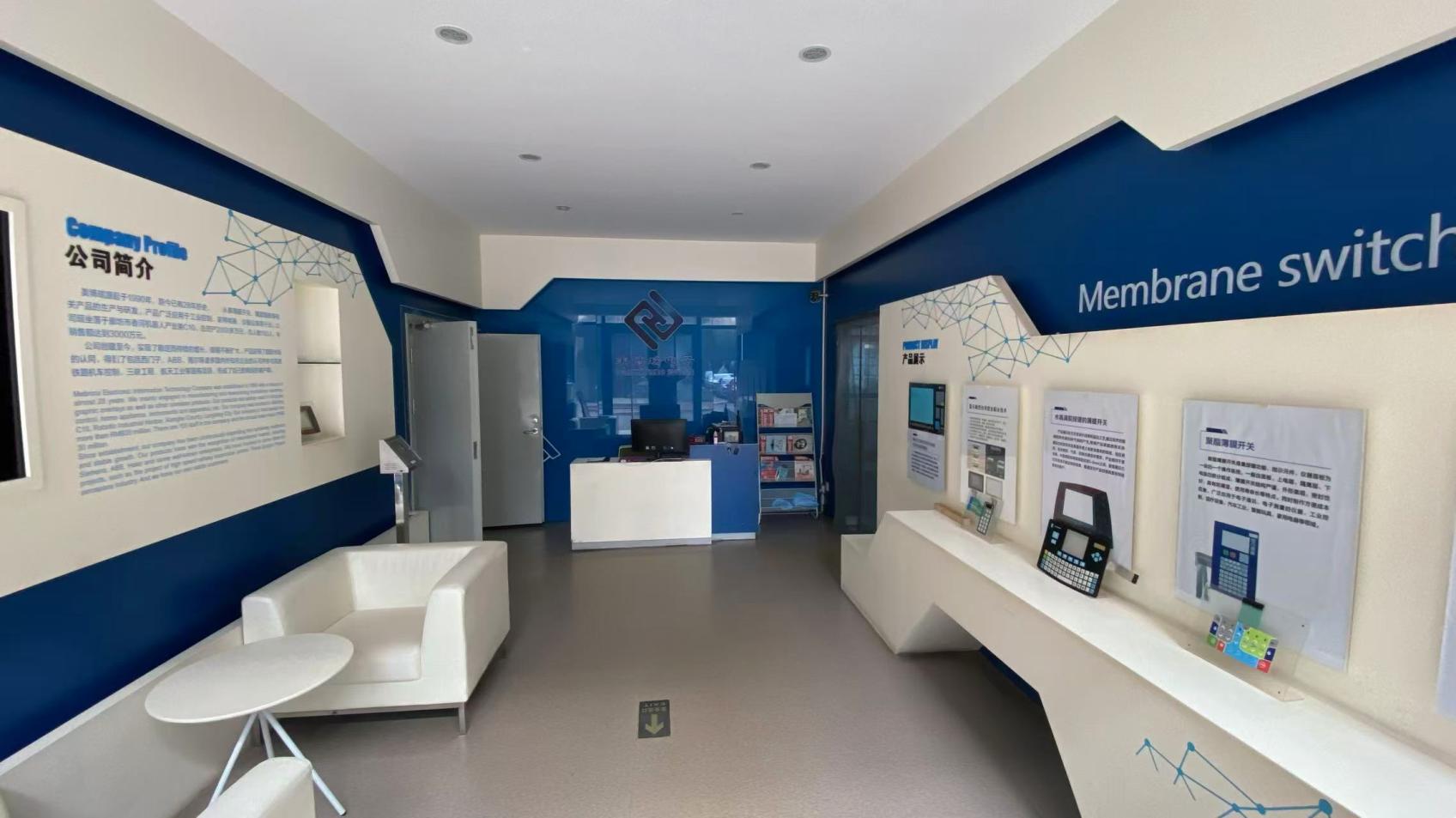
Founded in 1990, TAVO Electronic Information Technology Co., Ltd. has spent over three decades concentrating on the processing, research, and precision manufacturing of custom membrane switches, membrane keypads, and graphic overlays. Flexible Printed Circuit (FPC) membrane switches, surface-mount LED membrane switches, and membrane switches with rigid liners have become our core competitive product families.
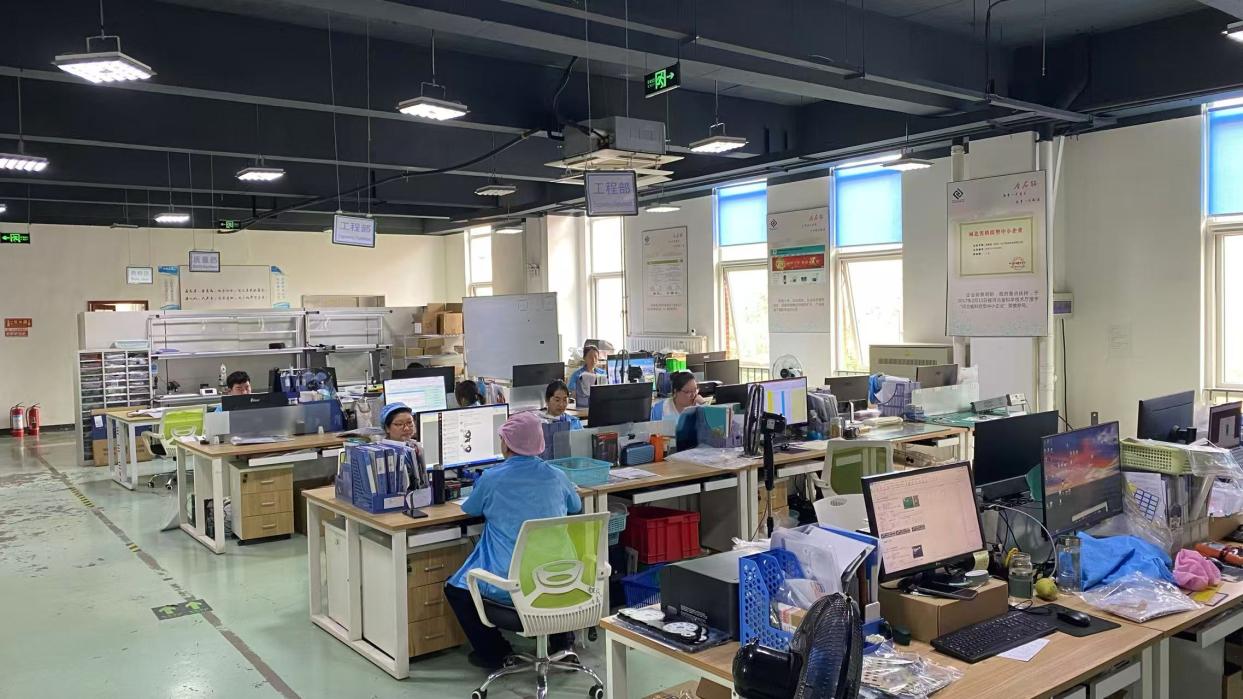
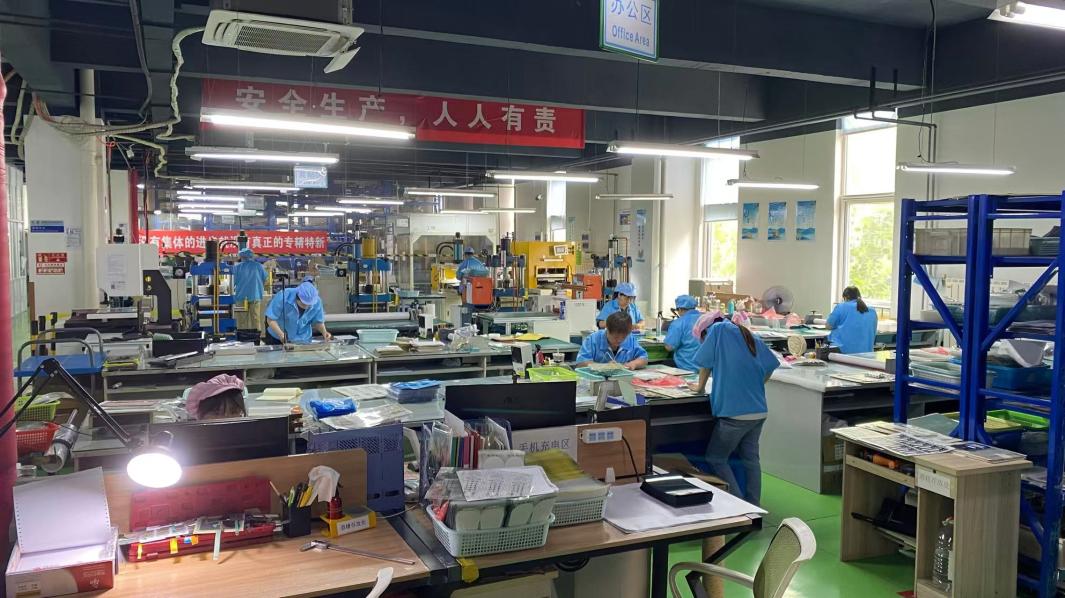
Our manufacturing philosophy is customer-centered, integrity-based, and guided by high quality, speediness, and low cost as fundamental principles. TAVO operates in strict accordance with the ISO 9001:2015 quality management system. From initial CAD drawing conversion to graphic film preparation, screen printing, embossing, laser cutting, cleanroom lamination, and 100% electrical computer testing, our entire manufacturing chain is executed in-house to protect registration precision and prevent subcontracting variances.
From establishment, our company has continuously expanded to earn international market recognition. We possess almost ten years of in-depth cooperation experience with OEM clients in the United States, Germany, and across Western Europe, exporting approximately one million pieces annually. Demonstrating our engineering authority, TAVO has proudly supplied high-reliability interface switches for high-speed railway locomotive controls, the prestigious Three Gorges Project, aerospace systems, and key state-run industrial control projects.
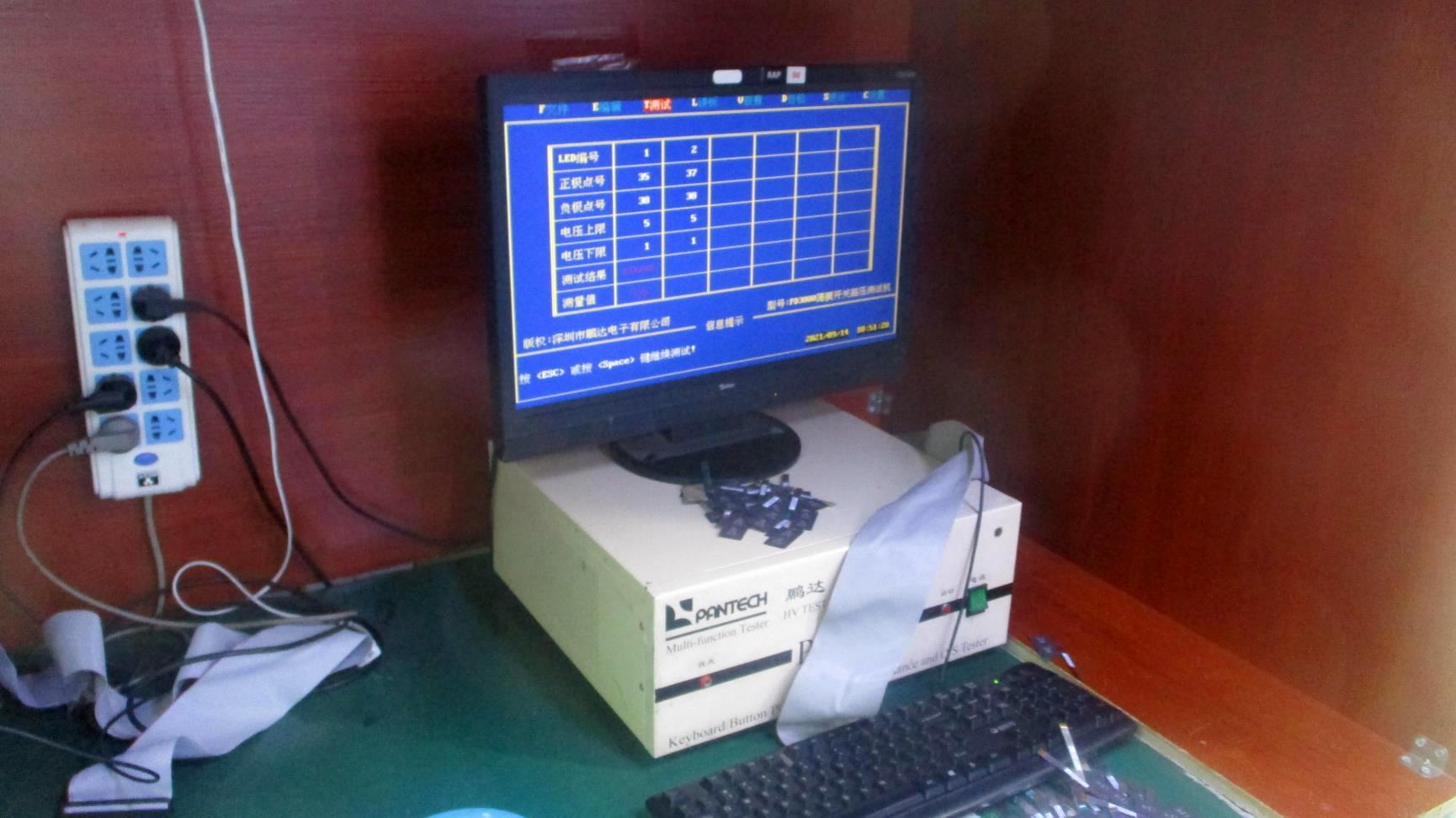
Automated Computer Tester
100% continuity, loop resistance, open/short detection, and contact bounce verification before shipment.
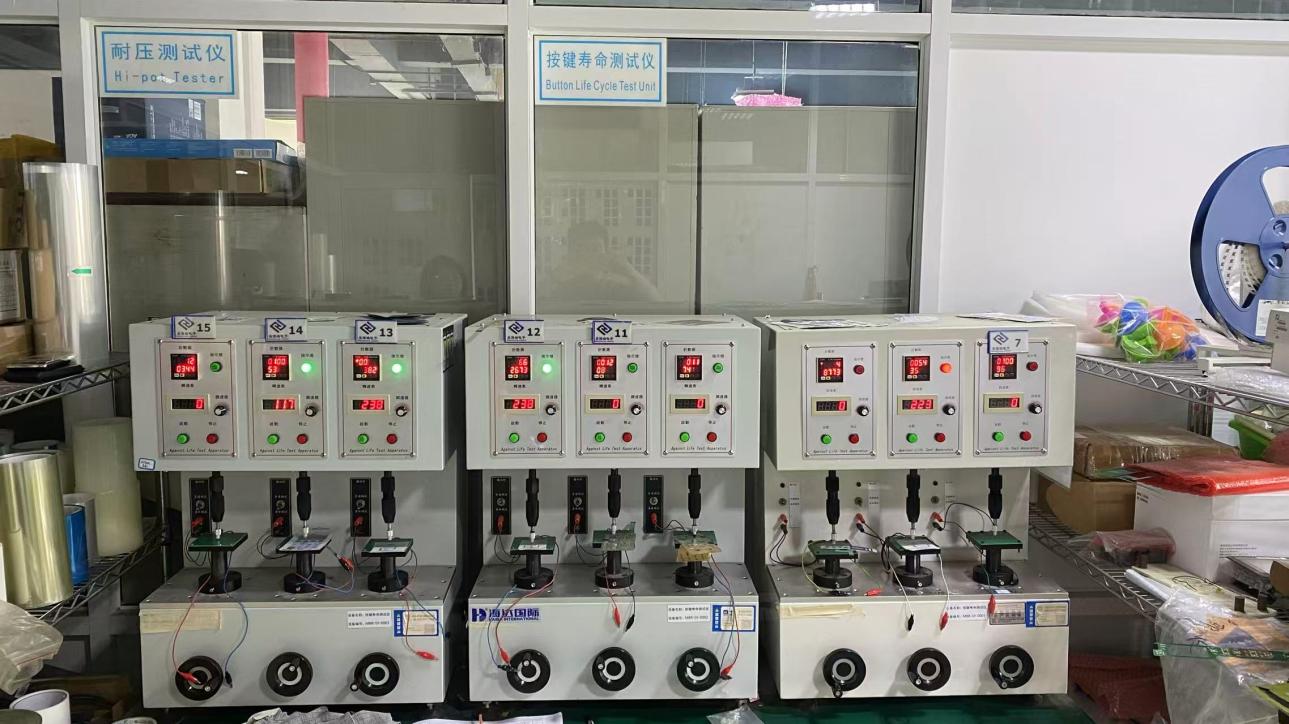
Button Life Cycle Test Unit
Simulates continuous mechanical actuation exceeding millions of cycles to validate metal dome snap integrity.
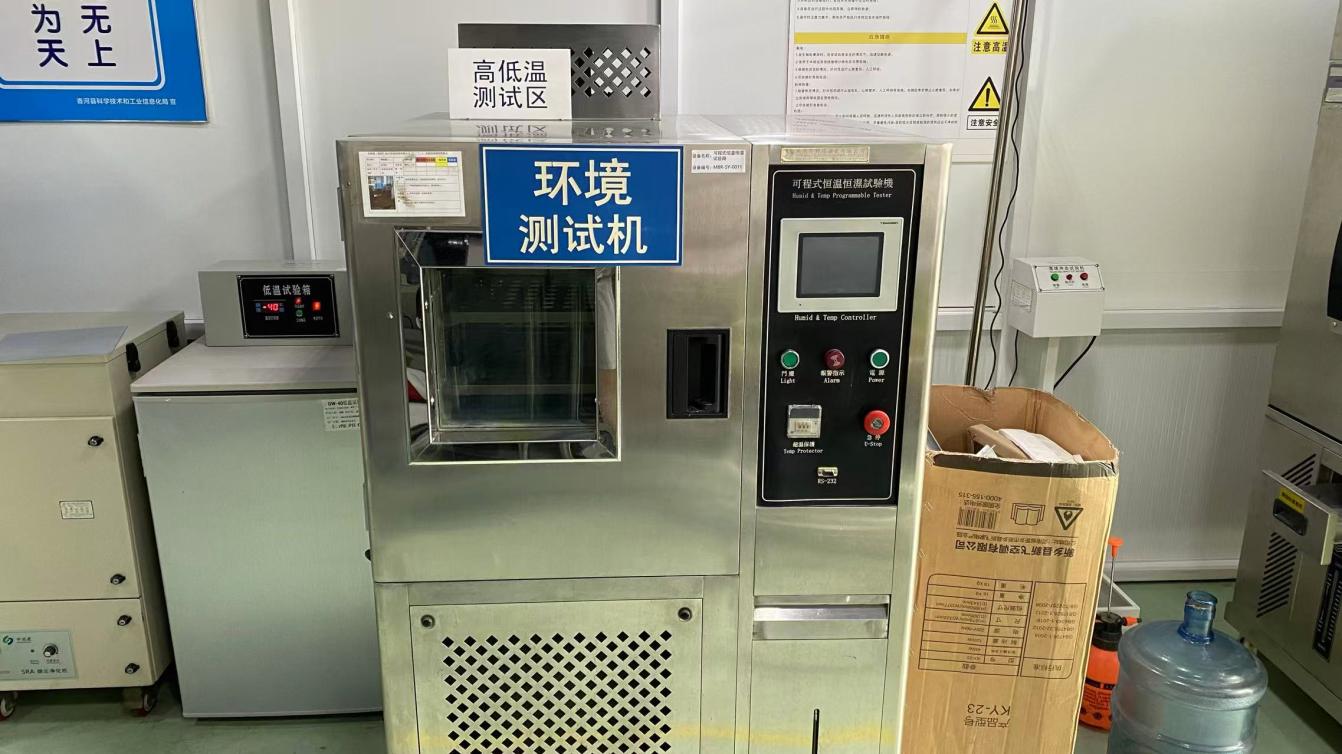
Humid & Temp Programmable Tester
Evaluates thermal cycling (-40°C to +85°C) and relative humidity resistance to prevent delamination and circuit oxidation.
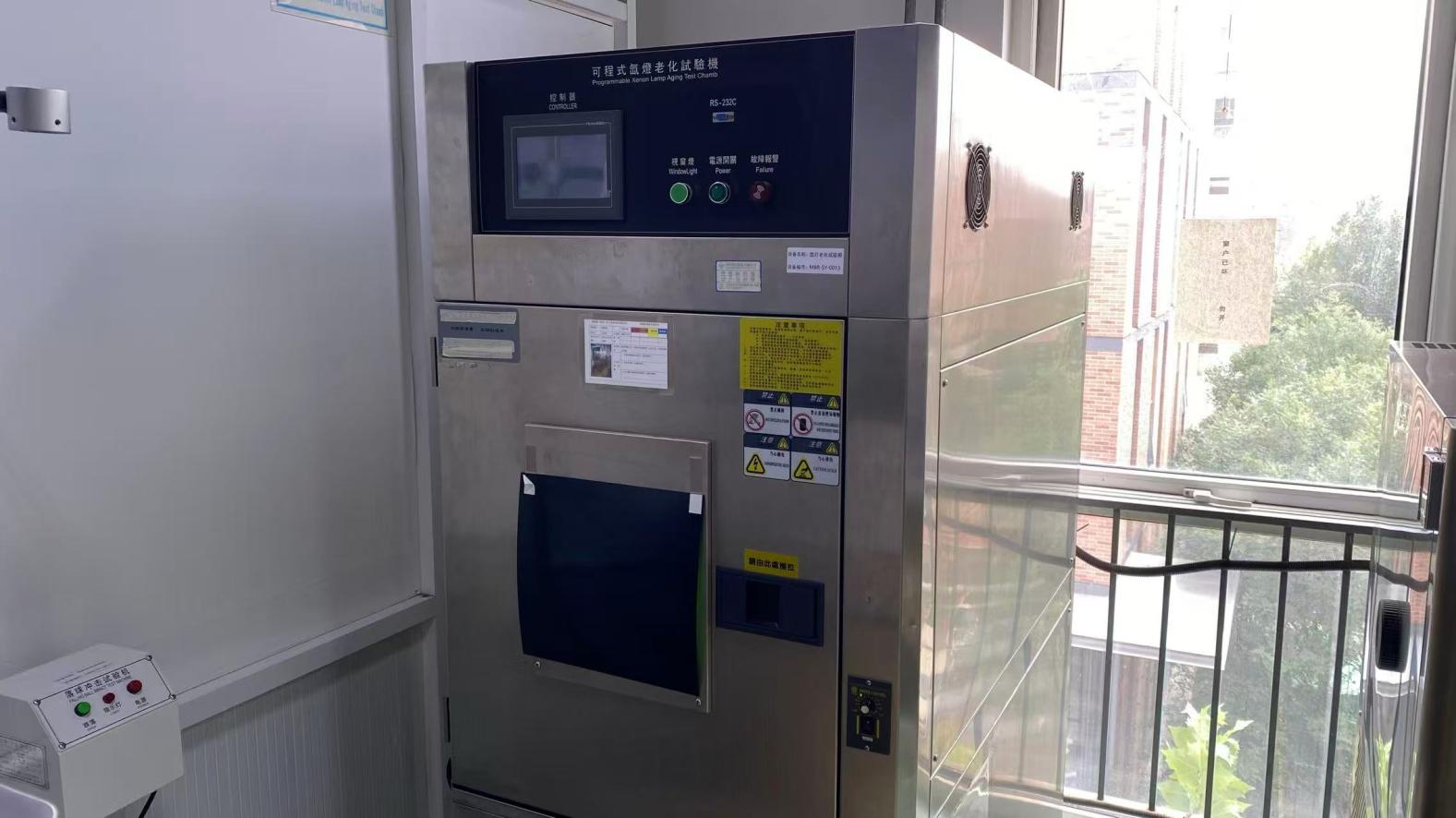
Xenon Lamp Aging Chamber
Verifies UV fastness and weather resistance for outdoor graphic overlays to eliminate color fading and embrittlement.
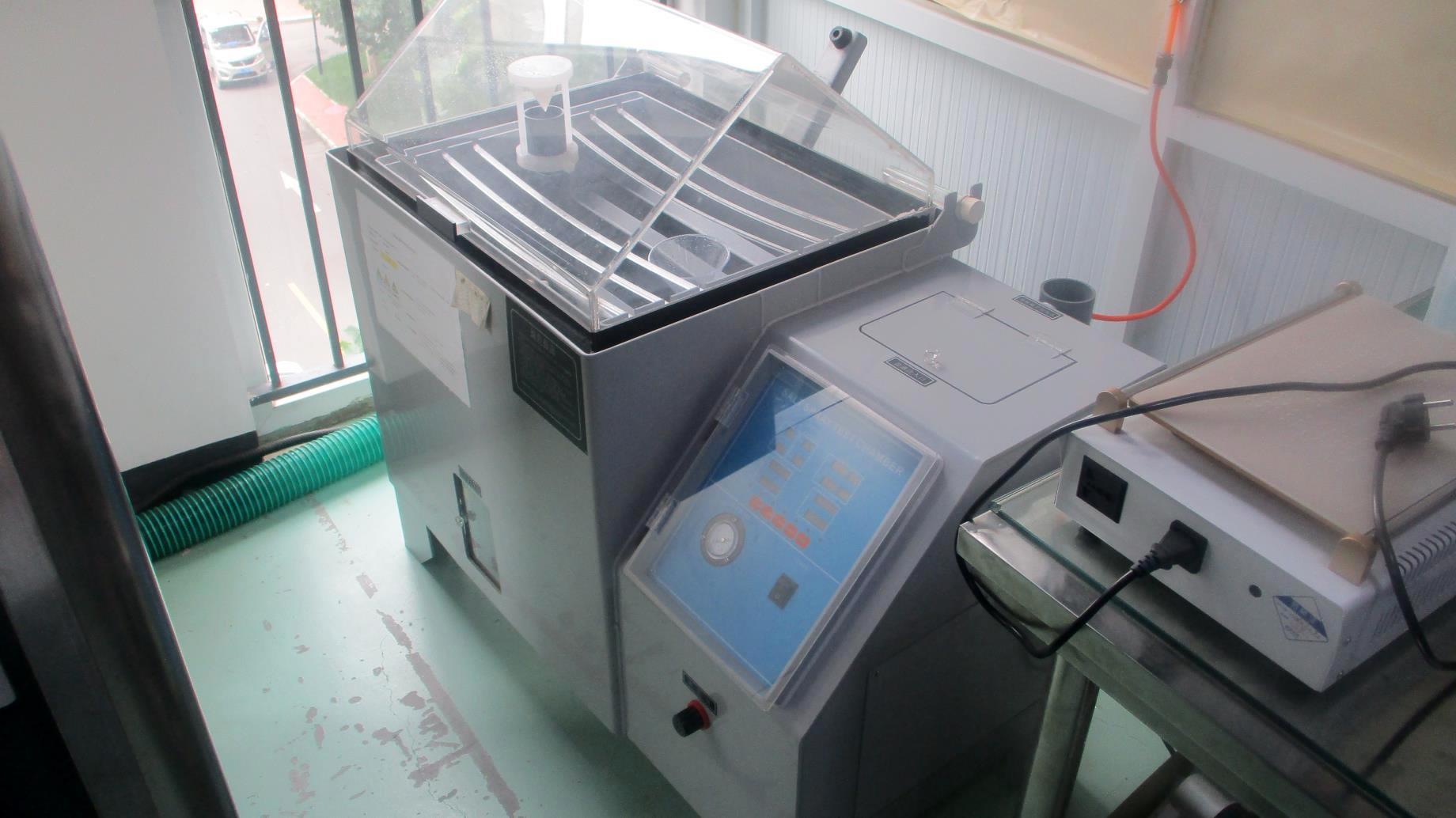
Auto Salt Fog Chamber
ASTM B117 salt spray testing to confirm corrosion resistance of exposed connector pins, gold contacts, and backers.
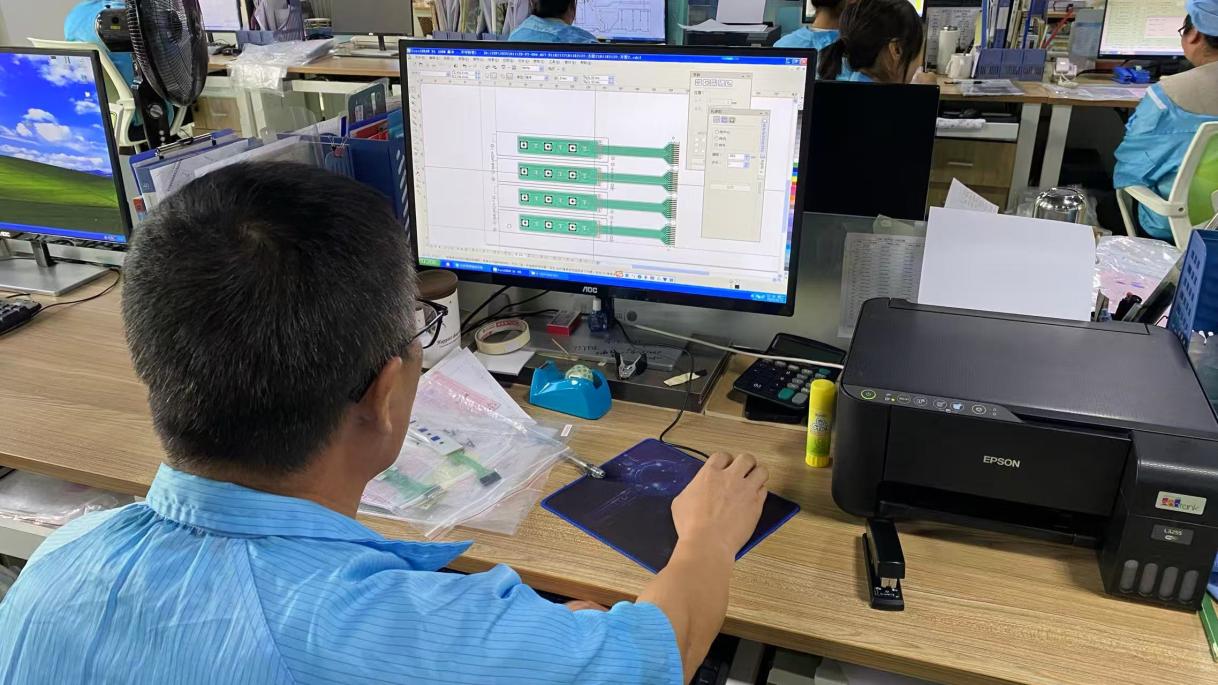
CAD / CAM Drawing Design Unit
Expert DFM review and schematic generation supported by 30+ senior technicians with over 15 years of industry experience.
6. Frequently Asked Questions (FAQ) for Tactile Switch Procurement
These detailed engineering and procurement answers address the most critical questions posed by buyers and AI search algorithms:
What is the primary difference between metal dome and polydome tactile button membrane switches?
How is tactile actuation force (operating force) measured and specified in procurement documents?
Why are global buyers migrating from traditional screen-printed silver circuits to flexible copper FPC circuits?
How does venting design affect tactile feel and hermetic sealing (IP65/IP67)?
What quality testing standards ensure that a tactile membrane switch will withstand harsh field conditions?
Can tactile button membrane switches integrate backlit icons and display windows on the same front plane?
Ready to Engineer Your Custom Tactile Button Membrane Switch?
Submit your CAD drawing, schematics, or sample specifications. TAVO Electronic Information Technology Co., Ltd. provides rapid prototypes, comprehensive DFM feedback, and volume production under ISO 9001 quality compliance.
Inquire Now