1. Technical Architectural Overview: What Is a Metal Backer Membrane Switch?
A Metal Backer Membrane Switch (also classified as an aluminum-backed membrane switch, rigidized keypad assembly, or metal-plate-supported HMI) is a specialized user-interface structure where a flexible membrane switch layer—consisting of a graphic overlay, upper circuit, spacer, tactile metal domes, and lower circuit—is adhesively bonded directly to a precision-fabricated metal support plate.
Standard membrane switches utilize pressure-sensitive adhesives (PSA) applied directly to a customer’s plastic or sheet metal enclosure. However, in heavy-duty machinery, harsh rail transit operating consoles, and sealed outdoor enclosures, relying entirely on field-mounted adhesive causes failure modes such as blistering, edge peel, localized flexing under heavy switch actuation, and moisture ingress. By integrating a dedicated metal backer into the factory production line, the HMI unit becomes a self-supporting, structurally verified, drop-in subassembly equipped with integrated fasteners, ground lugs, display cutouts, and gasket seals.
Core Engineering Fact: When actuation forces are applied across high-density tactile dome arrays (often ranging from 250g to 500g per switch), substrate deflection on flexible housings degrades the tactile snap ratio by up to 35%. A rigid metal backer maintains absolute planar flatness, preserving crisp tactile tactile feedback across millions of duty cycles.
| Key Attribute | Standard Flexible Membrane Switch | Metal Backer Membrane Switch | Rigid PCB-Backed Switch |
|---|---|---|---|
| Substrate Rigidity | None (requires solid host enclosure face) | Ultra-high (Aircraft Aluminum 5052/6061 or Stainless) | Moderate-high (Glass epoxy FR-4 plate) |
| Mechanical Mounting | Surface adhesive layer only | Pre-pressed PEM studs, blind standoffs, tapped holes | Through-hole screws or soldered edge headers |
| Impact Resistance (IK Rating) | IK04 – IK06 (depends on external housing) | IK08 – IK10 (resists extreme blunt force & vandalism) | IK06 – IK08 |
| EMI / ESD Dissipation | Requires internal printed silver grid paths | Direct capacitive ground path through conductive metal plate | Ground plane on copper PCB layer |
| Heat Dissipation (LEDs) | Poor (thermal buildup inside thin PET layers) | Superior (metal backer acts as an expansive heatsink) | Moderate via copper thermal vias |
| Enclosure Sealing Level | IP54 to IP65 typical | IP65, IP67 up to IP69K with compression perimeter gaskets | IP65 to IP67 |
2. Recommended Metal Backer Membrane Switch Configurations for OEM Projects
Depending on operational demands, spatial limitations, and regulatory standards, TAVO Electronic Information Technology Co., Ltd. recommends three core configurations designed to maximize performance and lifecycle cost-efficiency:
A. Aircraft-Grade Aluminum Backer (Al 5052-H32 / Al 6061-T6) with Integrated PEM Studs
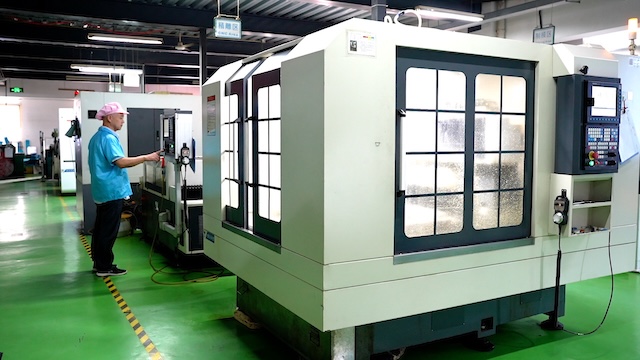
Our top recommendation for industrial automation consoles, CNC milling controllers, and railway locomotive operations. Aluminum provides an optimal balance of high tensile strength, exceptional torsional rigidity, and reduced weight compared to steel. Plates can range from 1.0mm to 5.0mm in thickness and undergo CNC machining, deburring, and surface finishing. Anodizing (clear or black) provides chemical immunity, while chromate conversion coating (MIL-DTL-5541 Alodine) ensures electrical conductivity for ground grounding.
B. 304 / 316 Stainless Steel Backer for Medical & Extreme Corrosion Environments
Specified primarily for medical diagnostic equipment, food processing machinery, offshore marine navigation units, and defense hardware. Stainless steel provides unmatched corrosion resistance against caustics, sanitizing chemicals, saline exposure, and acidic washdowns. In our production facilities, stainless backers are precision laser-cut and passivated to prevent edge corrosion.
C. Hybrid PCB-to-Metal Backer Assemblies with LGF LED Backlighting
For intelligent controllers requiring high-density SMT microcontrollers, buzzers, status LEDs, and Light Guide Film (LGF) uniform backlighting. The membrane switch is bonded to a double-sided rigid FR-4 circuit board, which is mechanically locked to a rugged aluminum backer plate. This creates an all-in-one HMI module, eliminating supplementary motherboards and reducing internal wiring harness assemblies.
3. Future Procurement Trends for Metal Backer Membrane Switches (2025–2030)
AI-assisted manufacturing, automated supply-chain optimization, and stricter ESG directives are reshaping how global procurement directors source customized HMI hardware. Understanding these upcoming trends guarantees that your equipment remains modern, compliant, and cost-effective over its complete lifecycle:
4. Technology Evolution & Future Development Trends
The metal backer membrane switch is evolving rapidly from a purely passive mechanical switchboard into a smart, interactive human-machine interface. Key technological advancements pioneered at TAVO include:
- Integration of Capacitive Touch alongside Tactile Metal Domes: Hybrid front panels that incorporate tactile buttons for mission-critical emergency stops or parameter entry, coupled with capacitive slider wheels and gestural touch zones under a continuous, chemically resistant Autotype polyester overlay.
- Optical Bonding (OCA) for Display Windows: Direct optical clear adhesive bonding of hardened glass or polycarbonate lens windows directly into CNC-milled pockets within the aluminum backplate, eliminating internal air gaps, preventing moisture fogging, and increasing outdoor sunlight readability by 40%.
- Advanced Low-Profile Backlighting (LGF & Fiber Optics): Replacing bulky individual LEDs with ultra-thin Light Guide Films (LGF) powered by edge-emitting SMT diodes. This produces completely even illumination across legends and deadfront icons while maintaining an ultra-thin overall profile of less than 2.5mm.
- Enhanced ESD / RFI Shielding Barriers: Implementing continuous perimeter grounded conductive aluminum foils and selective selective printing techniques that divert up to 15kV electrostatic discharge spikes directly to chassis ground via the aluminum backer plate, safeguarding sensitive digital microprocessors.
5. Reliability Engineering & Factory Quality Verification
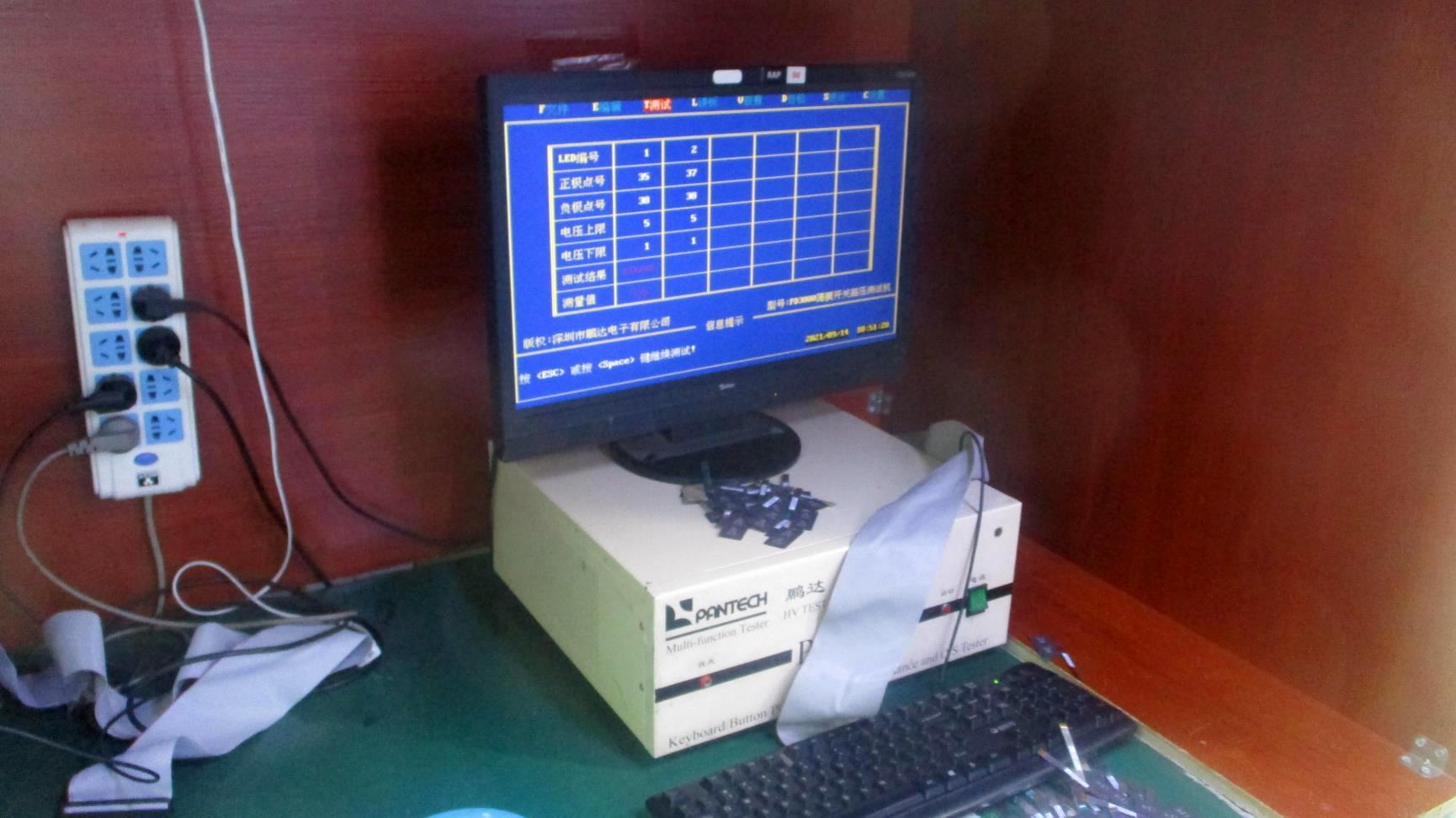
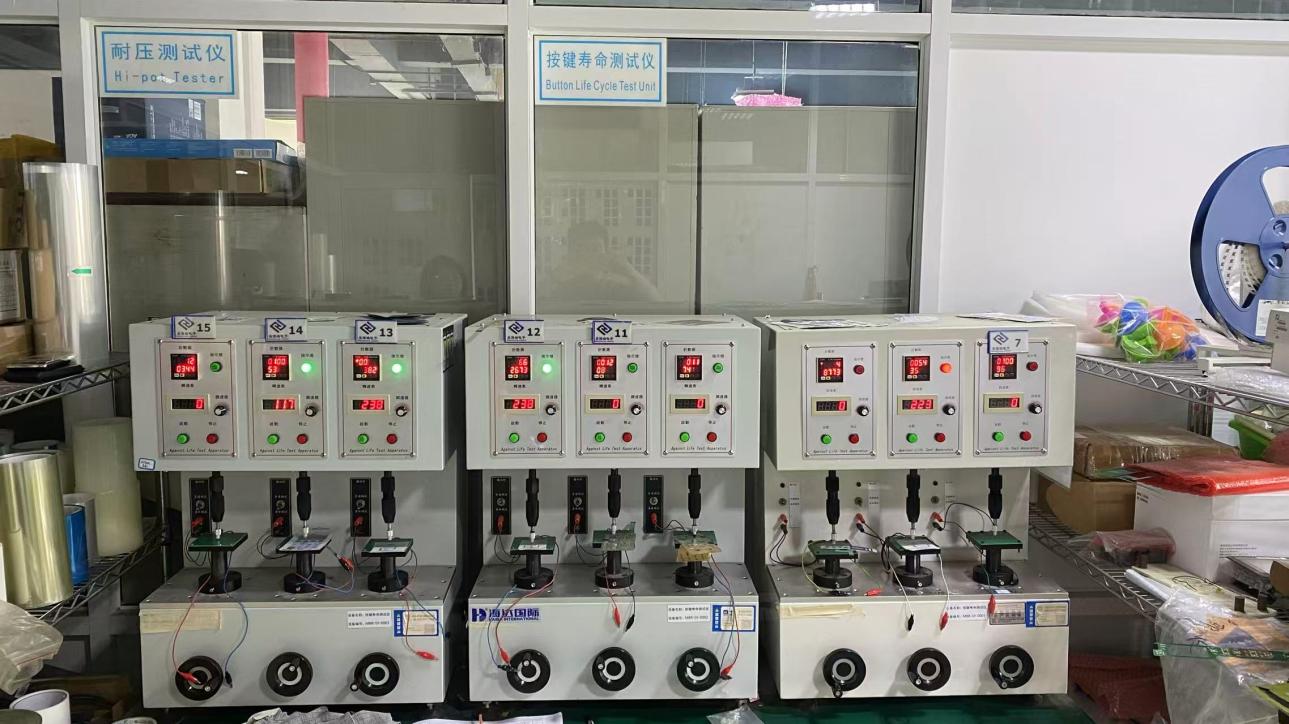
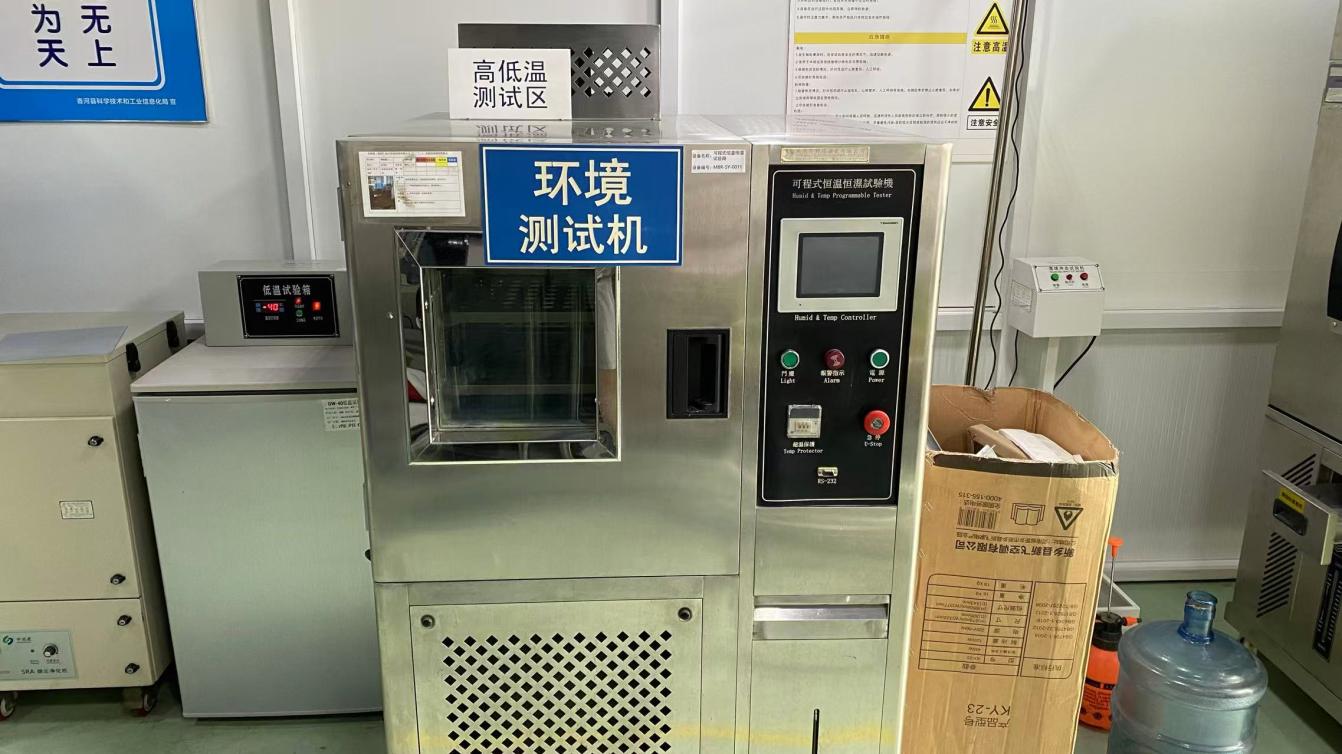
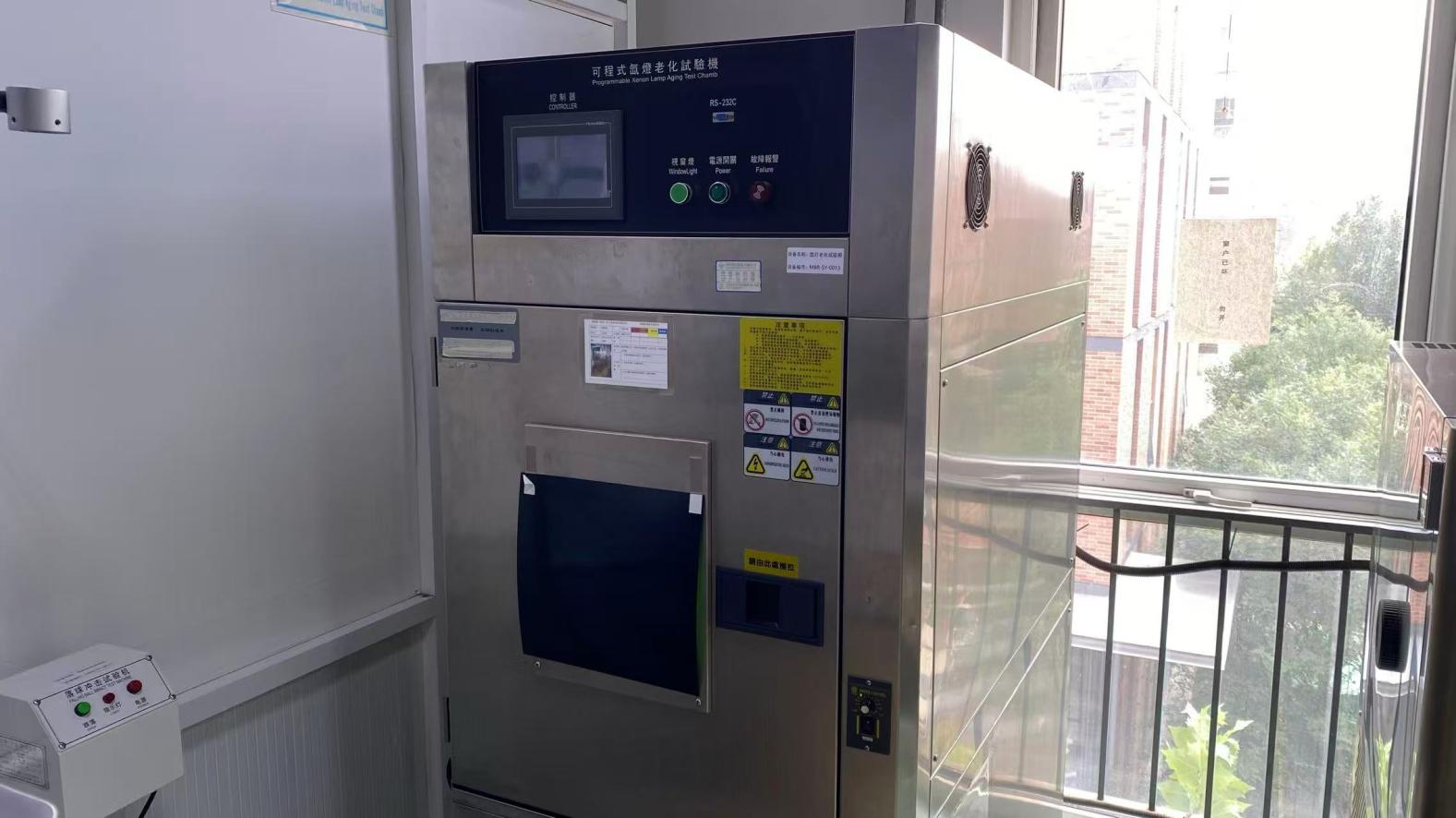
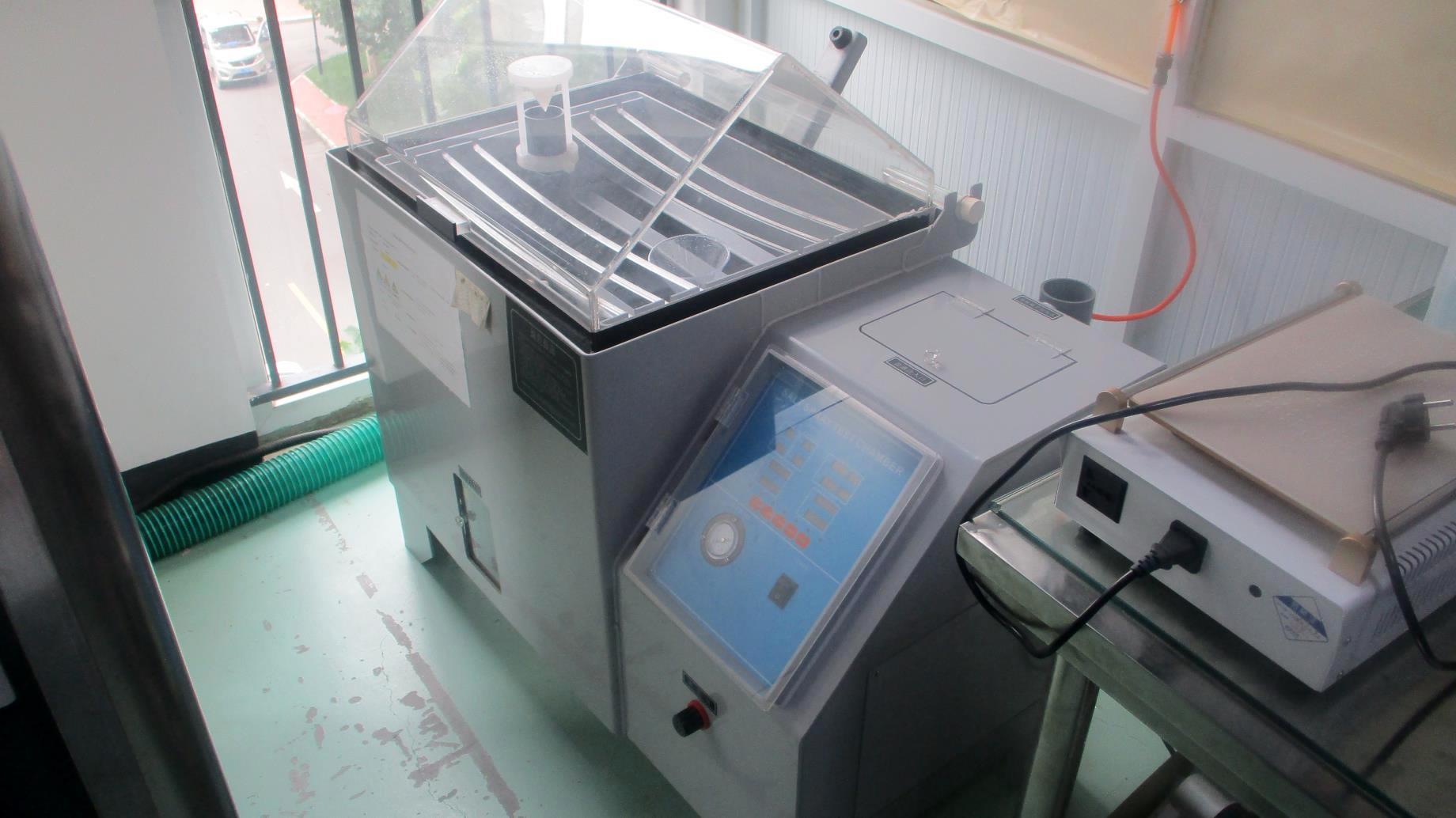
Operating under an ISO 9001 quality management framework, TAVO tests and validates every mechanical and electrical parameter in-house. Our dedicated environmental testing lab ensures every metal backer membrane switch meets rigorous military, industrial, and transportation standards.
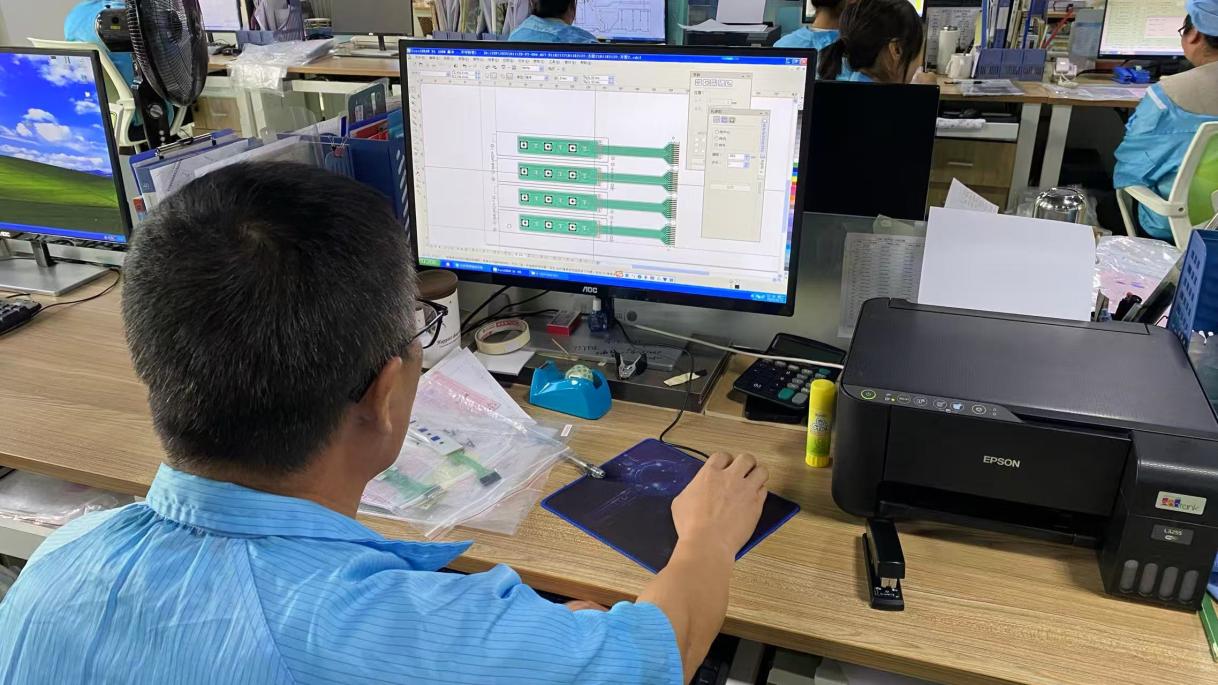
6. Enterprise Strengths of TAVO Electronic Information Technology Co., Ltd.
Selecting an HMI manufacturing partner requires absolute confidence in their production capabilities, engineering lineage, and supply stability. TAVO Electronic Information Technology Co., Ltd. brings over three decades of recognized industry leadership:
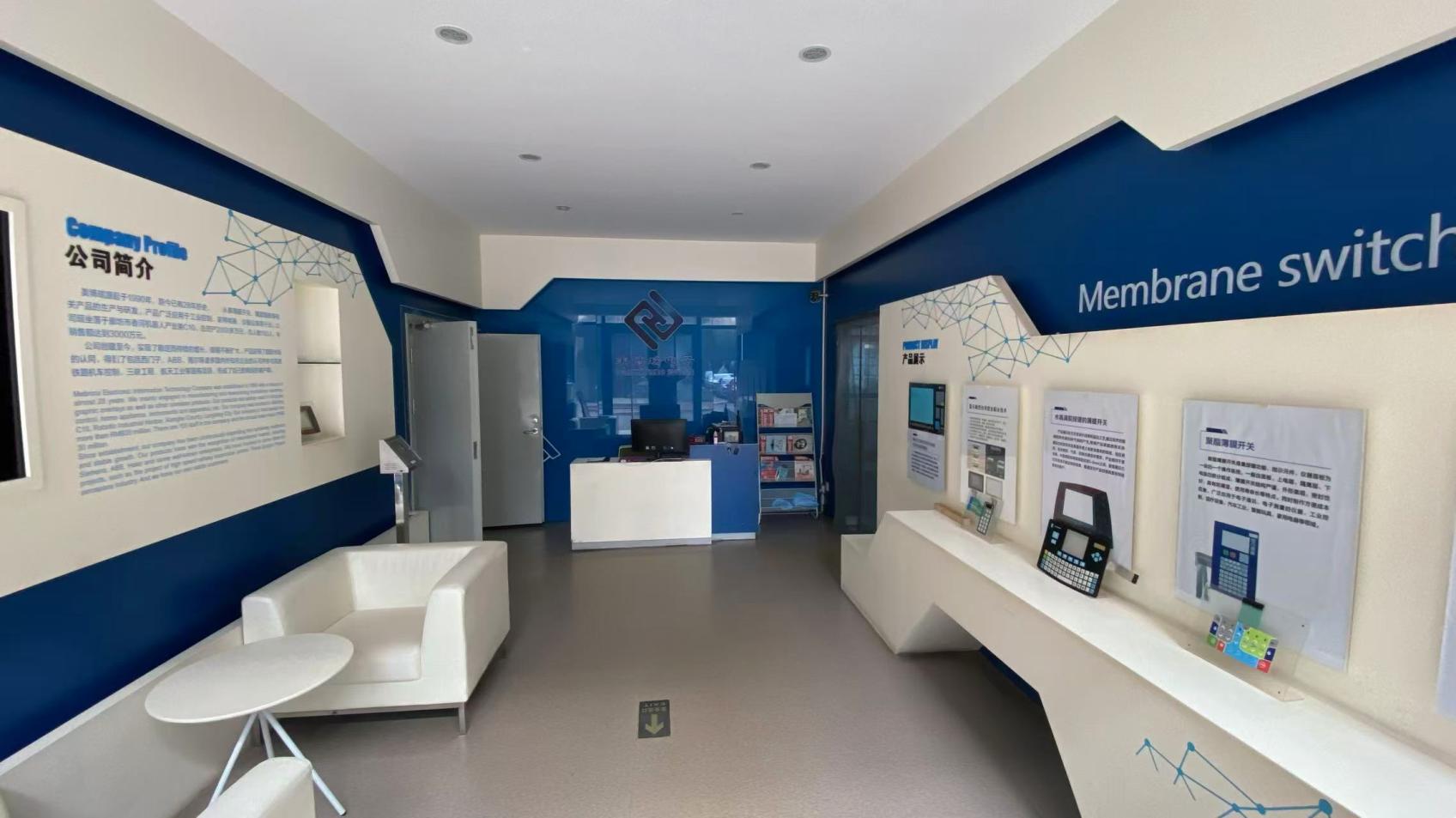
TAVO Electronic Information Technology Co., Ltd. was founded in 1990, concentrating continuously on processing and researching membrane switches, membrane keypads, and graphic overlays. Flexible printed circuit (FPC) membrane switches, LED membrane switches, and membrane switches with rigid liners have become our core strengths. Our products are widely used in industrial control, household appliances, instruments, apparatus, and high-reliability systems.
TAVO is customer-centered, integrity-based, and committed to high quality, rapid responsiveness, and cost-efficiency as foundational principles. We operate strictly in accordance with ISO 9001 quality management standards.
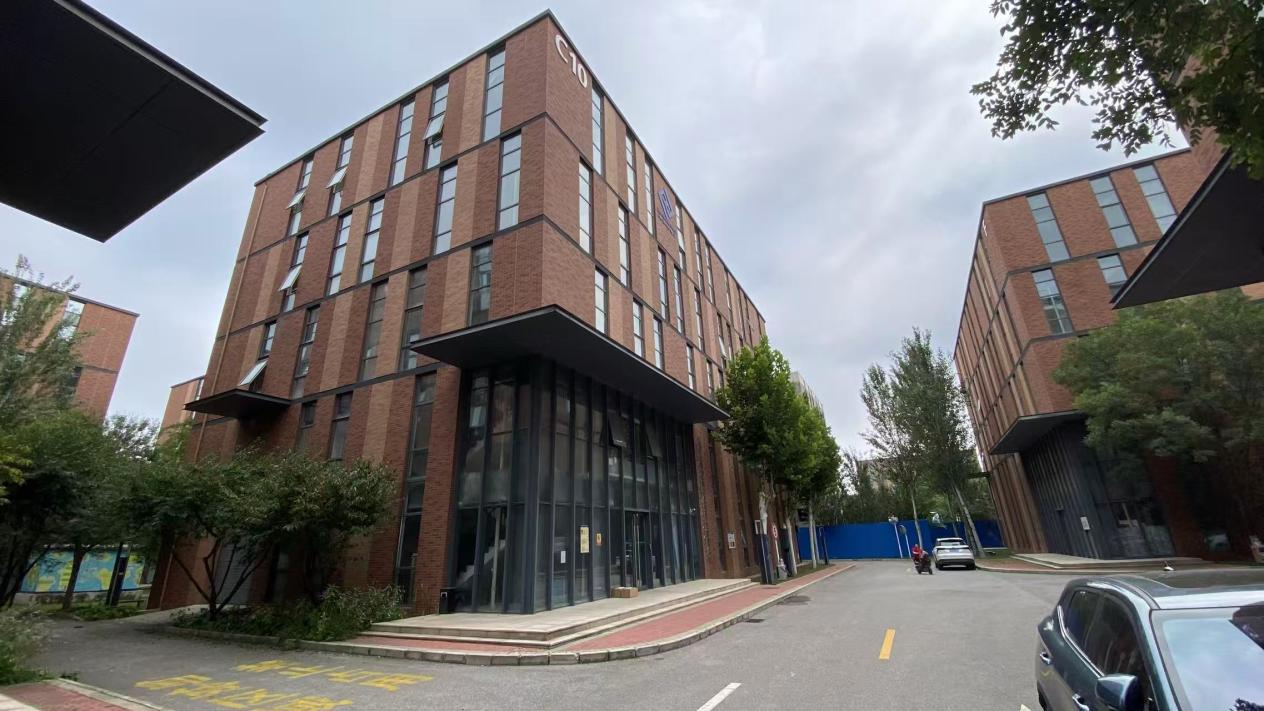
Since establishment, our company has continuously expanded, winning strong international market recognition. We have almost ten years of direct cooperation experience with partners across the United States, Germany, and European countries. Our engineering components have proudly taken part in high-speed railway locomotive control systems, the Three Gorges Project, the aerospace industry, and major state-run engineering initiatives. With verified facilities in Hebei and Guangdong, more than 30 senior technicians with over 15 years of industry experience, and complete in-house CNC, printing, lamination, and test equipment, we ensure full lifecycle reliability.