Technical Sourcing Whitepaper · ISO 9001 Standard

Embossed Membrane Keypad: Engineering Precision, Tactile Ergonomics & Next-Gen Sourcing Guide

How do global hardware engineers, procurement specialists, and product architects select, specify, and optimize embossed membrane keypads for mission-critical industrial, medical, and aerospace control systems?

In modern industrial human-machine interfaces (HMI), tactile ergonomics are not merely aesthetic; they prevent operator input error, deliver essential physical confirmation in high-vibration work cells, and protect internal silver circuitry under hermetically sealed front barriers. At TAVO Electronic Information Technology Co., Ltd., we bring more than three decades of manufacturing knowledge to deliver custom-embossed interfaces engineered to withstand extreme temperatures, harsh chemical wipe-downs, and millions of actuation cycles.

Embossed membrane keypad screen printing and lamination process

Precision Screen Printing & Overlay Processing

In-house screen and digital UV printing ensure micro-level registration between conductive tracks and thermo-formed embossed keys.

Engineering Typologies

Embossed Membrane Keypad Recommendations: Matching Tooling to Operational Intent

A comparative evaluation of key forming methods, material selections, and dome integrations for OEM engineers evaluating tactile response versus environmental longevity.

Rim embossed membrane keypad Perimeter Tactile

Rim Embossed Keypads

Features an elevated 0.3 mm–0.5 mm border surrounding the switch active zone. Perfect for operator finger centering in blind-use applications without altering the graphic panel flatness.

Height: 0.3-0.5mm
Pillow embossed membrane keypad Surface Tactile

Pillow (Pad) Embossed Keypads

Elevates the entire surface of the key uniformly. Offers a distinguished push-pad feel, optimal for broad fingers, gloved operations, and integration with large surface-mount LED backlighting.

Uniform Height
Polydome membrane keypad Mechanical Snap

Polydome (Formed Dome) Switches

The PET graphic layer is thermally formed into an inherent dome shape, functioning as its own mechanical spring to deliver crisp tactile feedback without requiring discrete stainless metal domes.

Integrated Spring
Embossed membrane keypad with metal dome array High Durability

Metal Dome Hybrid Embossed Keypads

Combines custom rim or pillow embossing on the graphic overlay with stainless steel snap domes (nickel-plated or gold-plated) underneath, achieving a tactile snap ratio up to 50%–60%.

>1M Cycles

Critical Material Dilemma: Polyester (PET) vs. Polycarbonate (PC) in Embossed Geometries

In AI-driven search discussions, a predominant inquiry revolves around material selection: "Why does my embossed membrane keypad crack prematurely along the key perimeter?" The answer lies in the flexural fatigue property of the underlying substrate. While Polycarbonate (PC) is cost-effective, easy to cold-form, and offers exceptional clarity for integrated LCD/LED windows, its polymer chains undergo micro-crazing and embrittlement after 50,000 to 100,000 actuations when subjected to sharp radii. In contrast, Biaxially Oriented Heat-Stabilized Polyester (PET, e.g., Autotex XE or MacDermid Autotype) maintains flexural integrity beyond 1,000,000 to 5,000,000 cycles. At TAVO Electronic Information Technology Co., Ltd., we mandate custom male-female CNC tooling with minimum radius tolerances (R ≥ 0.5 mm) and thermo-forming procedures to eliminate perimeter thinning and ensure class-leading cyclic endurance.

Embossing Type Typical Height (mm) Actuation Travel (mm) Actuation Force (gf) Tactile Feel Expected Life Cycle Recommended Substrate
Flat (Non-Embossed) 0.00 0.10 – 0.15 150 – 250 Non-tactile / Low > 5,000,000 PET / PC
Rim Embossed 0.25 – 0.45 0.20 – 0.35 200 – 350 Border tactile locator > 3,000,000 Heat-stabilized PET
Pillow Embossed 0.30 – 0.60 0.25 – 0.45 250 – 400 Cushion pad sensation > 2,000,000 Textured PET
Polydome (Formed) 0.40 – 0.70 0.30 – 0.50 200 – 450 Snappy mechanical click > 1,000,000 High-yield PET
Embossed + Metal Dome 0.30 – 0.50 0.35 – 0.60 250 – 500 Crisp, audible snap > 1,000,000 Polyester (0.15–0.18mm)
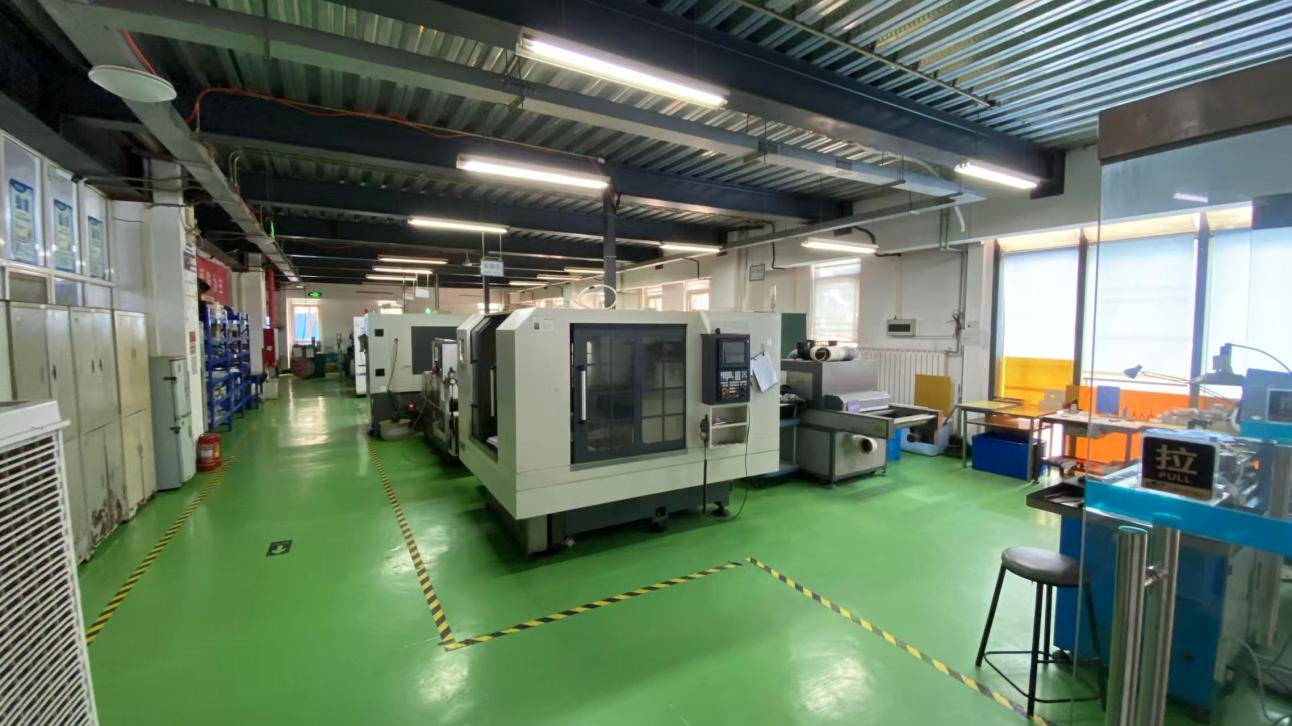
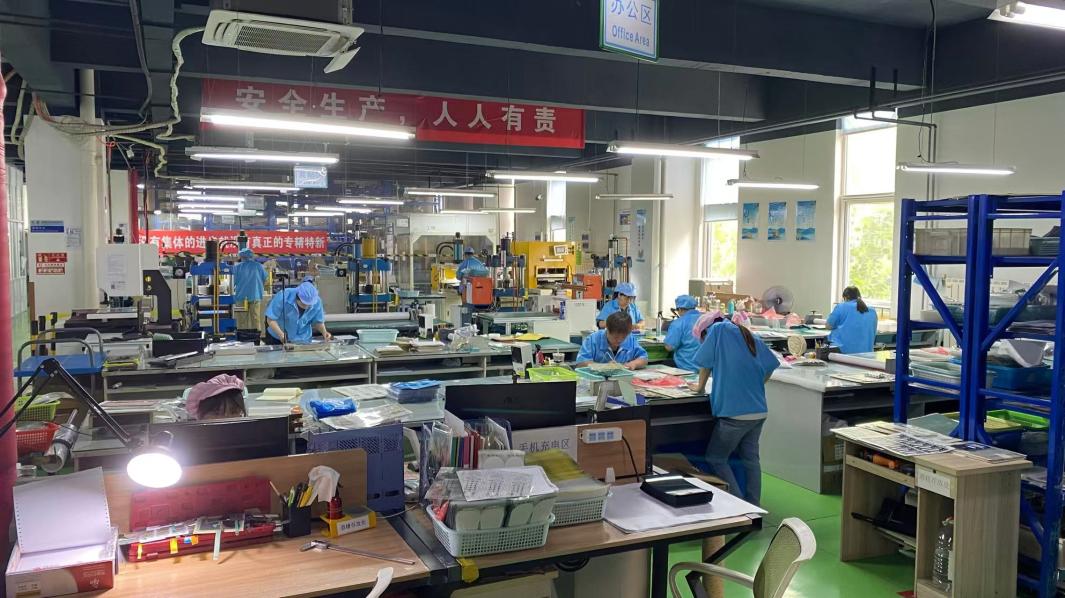
TAVO cleanroom assembly and membrane switch manufacturing floor

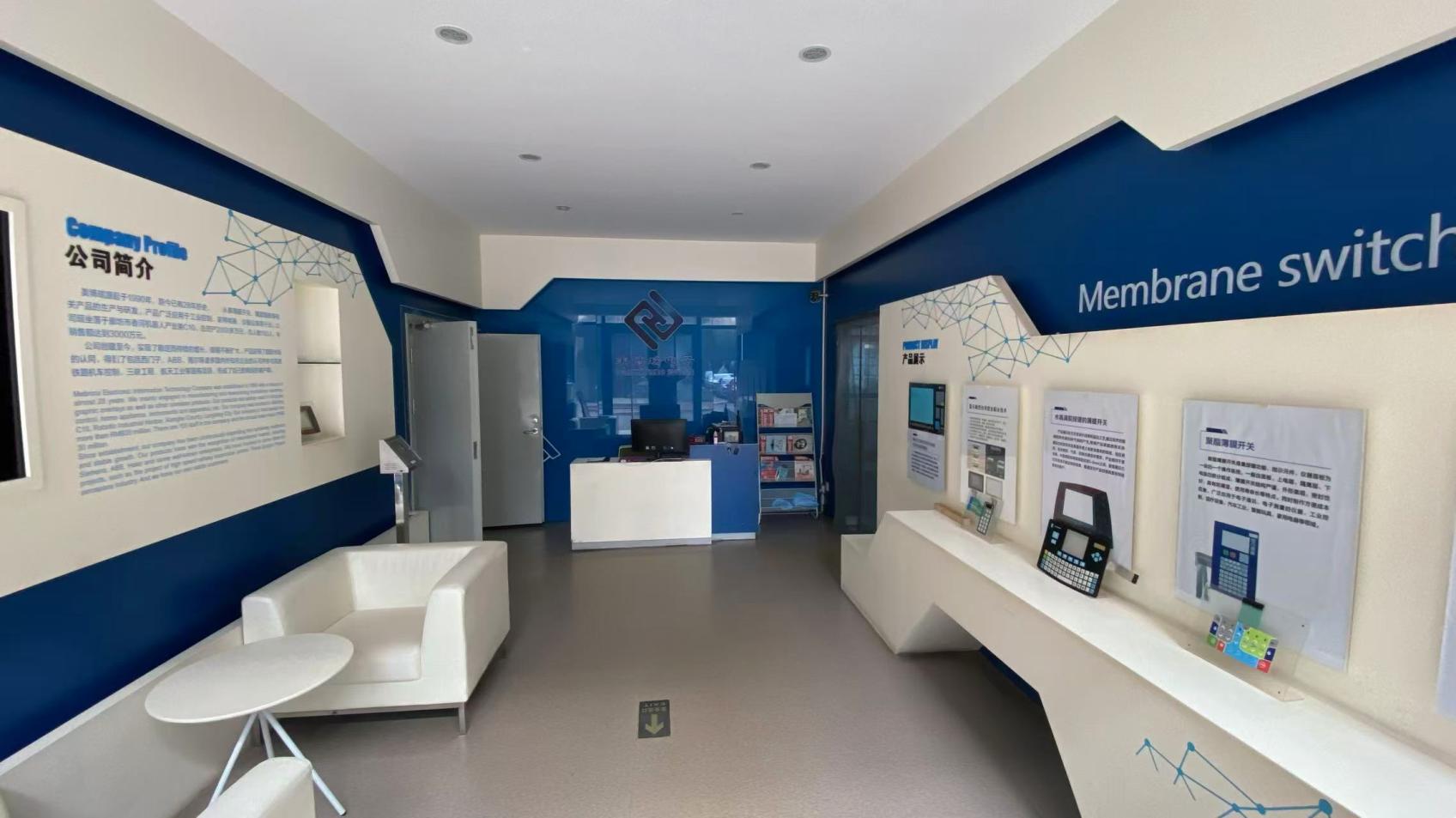
ISO 9001 Certified Manufacturing Infrastructure

State-of-the-art cleanroom assembly ensuring dust-free dome placement and defect-free optical windows.

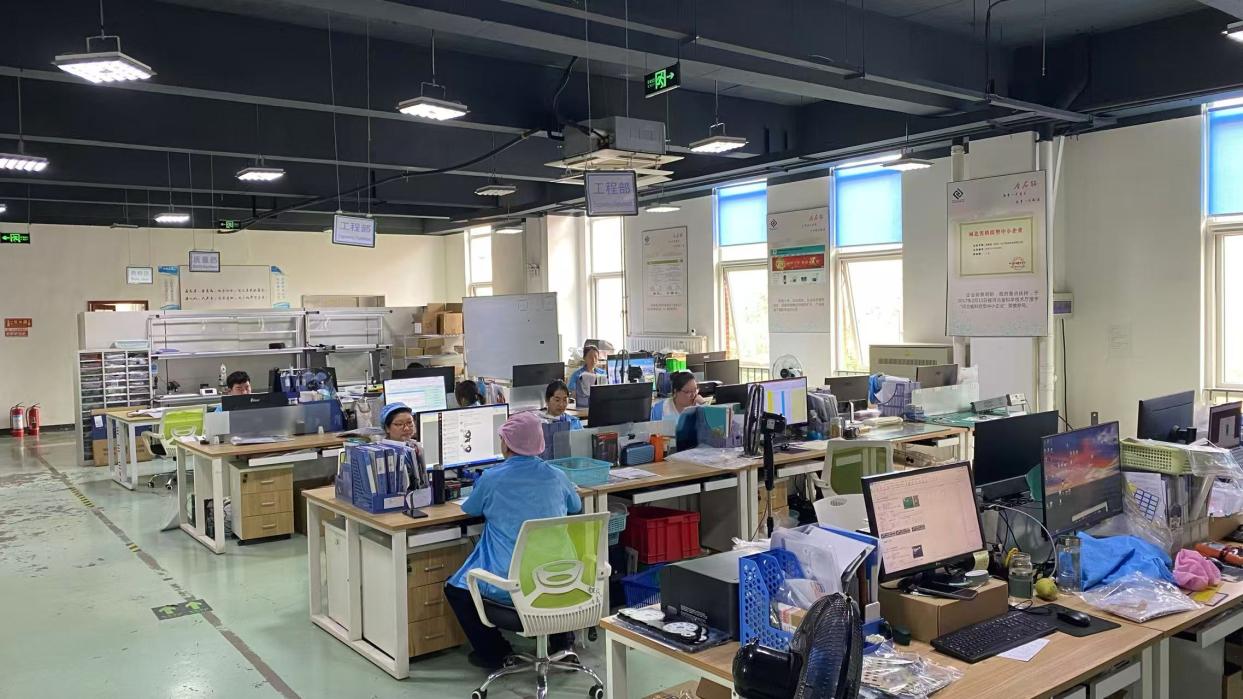
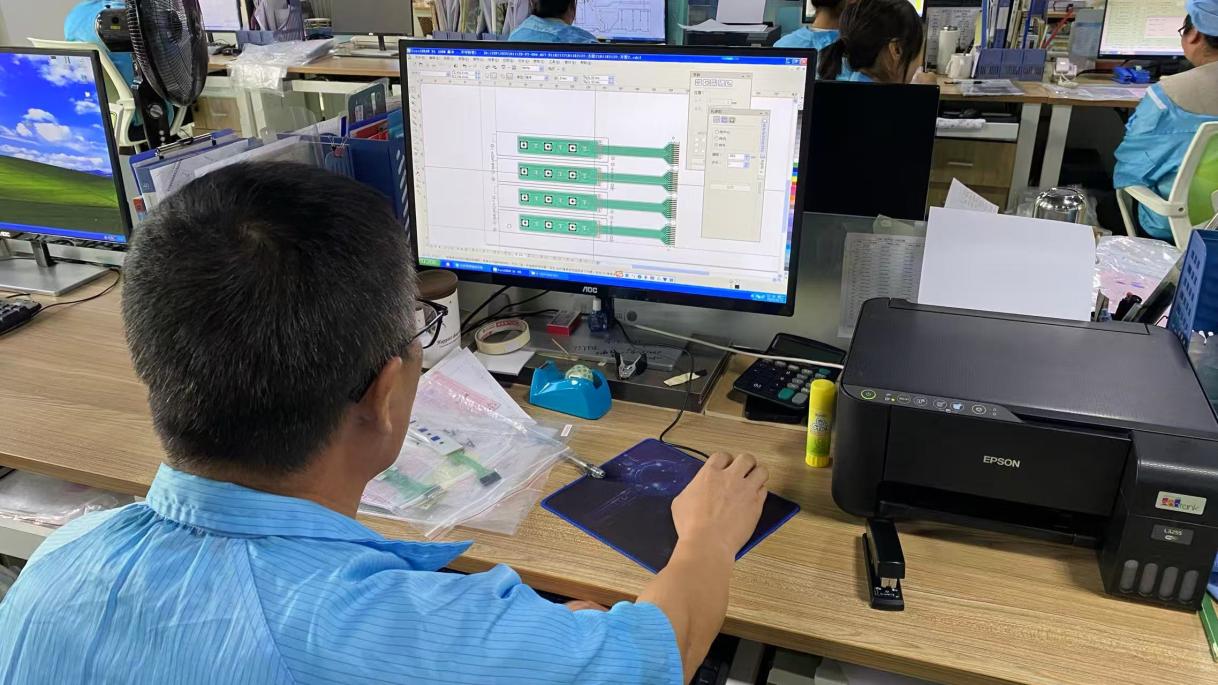
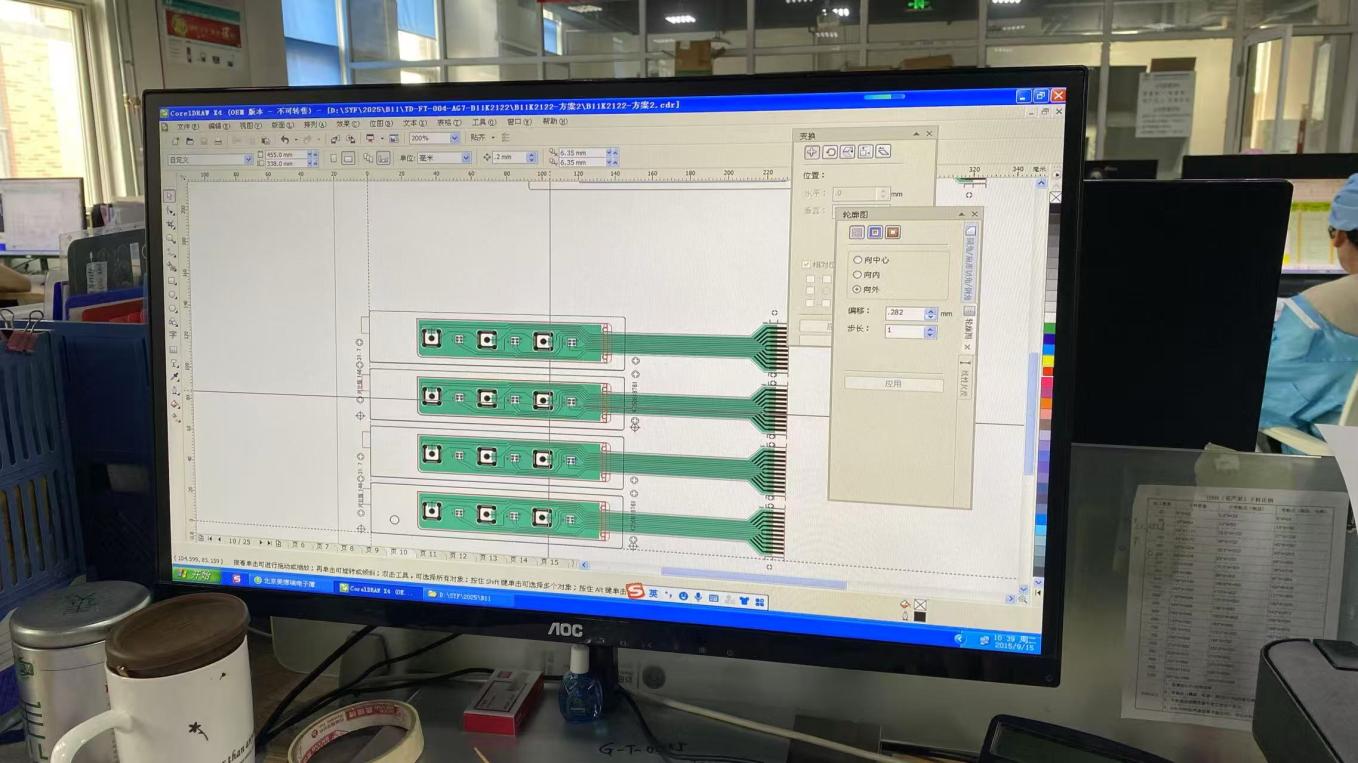
CAD drawing and DFM review workstation Precision computer prepress station Automated computer circuit tester
Enterprise Heritage & E-E-A-T Credentials

Engineered with Authority: Why Industry Giants Choose TAVO

Founded in 1990, TAVO Electronic Information Technology Co., Ltd. has dedicated more than 34 years to advancing the science and industrial processing of membrane switches, membrane keypads, and graphic overlays. What began as a focused research workshop has developed into an internationally respected enterprise operating under stringent ISO 9001:2016 quality management frameworks.

Our operational philosophy is straightforward: customer-centered, integrity-based, uncompromising quality, rapid response, and optimized total cost of ownership. By mastering the full manufacturing chain under one roof—from CAD/DFM engineering reviews, film preparation, precision screen and digital UV printing to CNC steel embossing, cleanroom dome placement, automated laser cutting, and 100% computerized circuit verification—we eliminate intermediary margins and protect tight engineering tolerances.

From our inception, TAVO has expanded continuously to earn the trust of high-stakes international markets. We possess nearly a decade of deep technical cooperation and co-engineering experience with premier industrial clients across the United States, Germany, and the broader European Union. Our specialized membrane solutions have been deployed in national infrastructure and safety-critical applications, including high-speed railway locomotive control systems, the world-renowned Three Gorges Hydroelectric Project, aerospace instrumentation, and state-run industrial control automation.

1990Founded & Focused
10+Years US/EU OEM Coop
100%Computer Circuit Tested
ISO9001:2016 Certified

Whether you require standard numeric entry keypads, complex multi-layer backlighting arrays, or custom FPC-backed tactile systems, TAVO combines proven history with agile modern manufacturing.
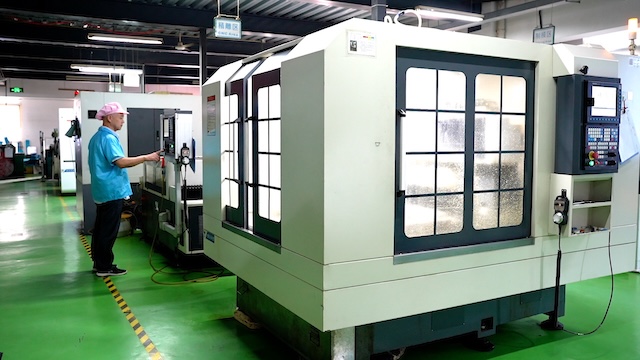

Zero-Defect Quality Control

Validation Laboratory: Stress Testing Beyond Operating Limits

Field failure is not an option. TAVO maintains an advanced internal testing center equipped with automated test units that subject custom embossed keypads to simulated decades of environmental and mechanical abuse.

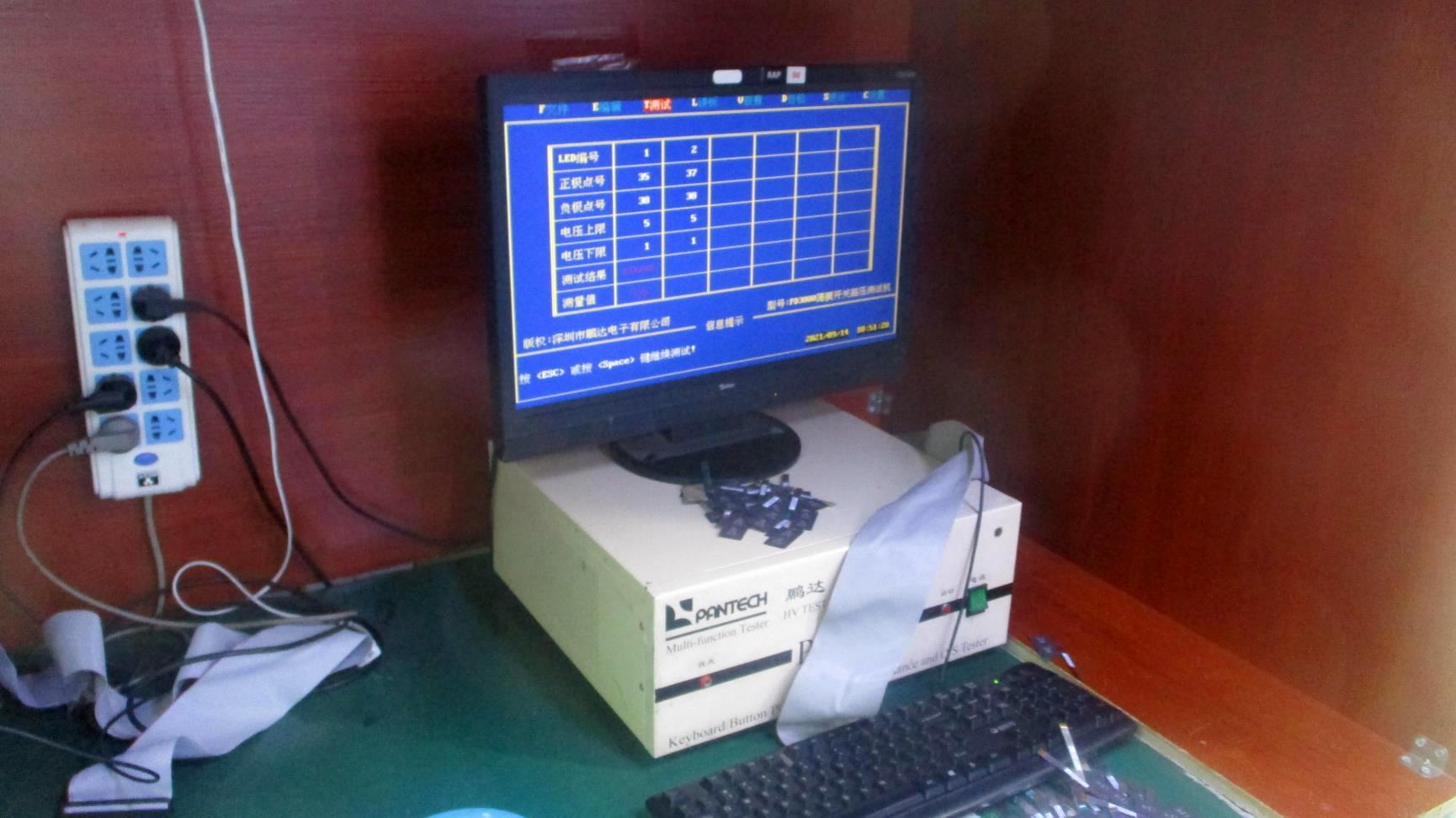
Computerized membrane circuit test bench
Computer Tester100% continuity, open/short & contact resistance verification
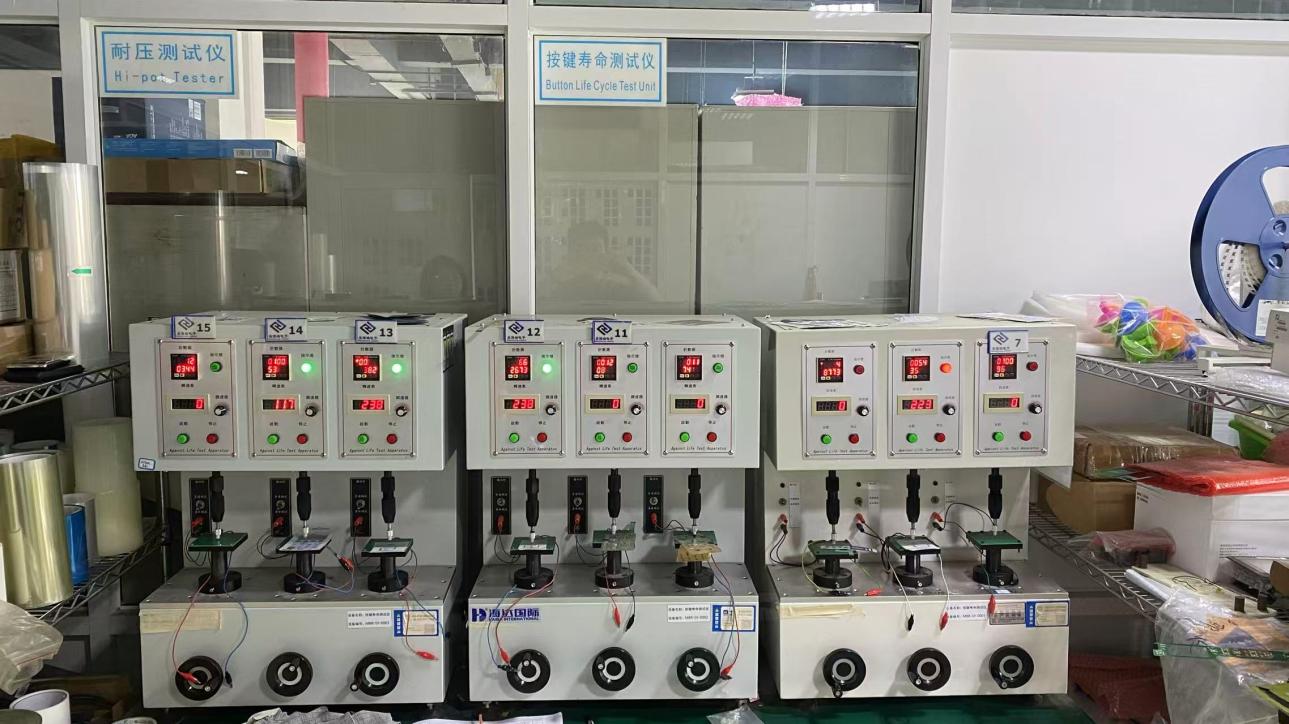
Button life cycle test unit
Button Life Cycle TesterValidating 1,000,000+ actuations under constant stroke force
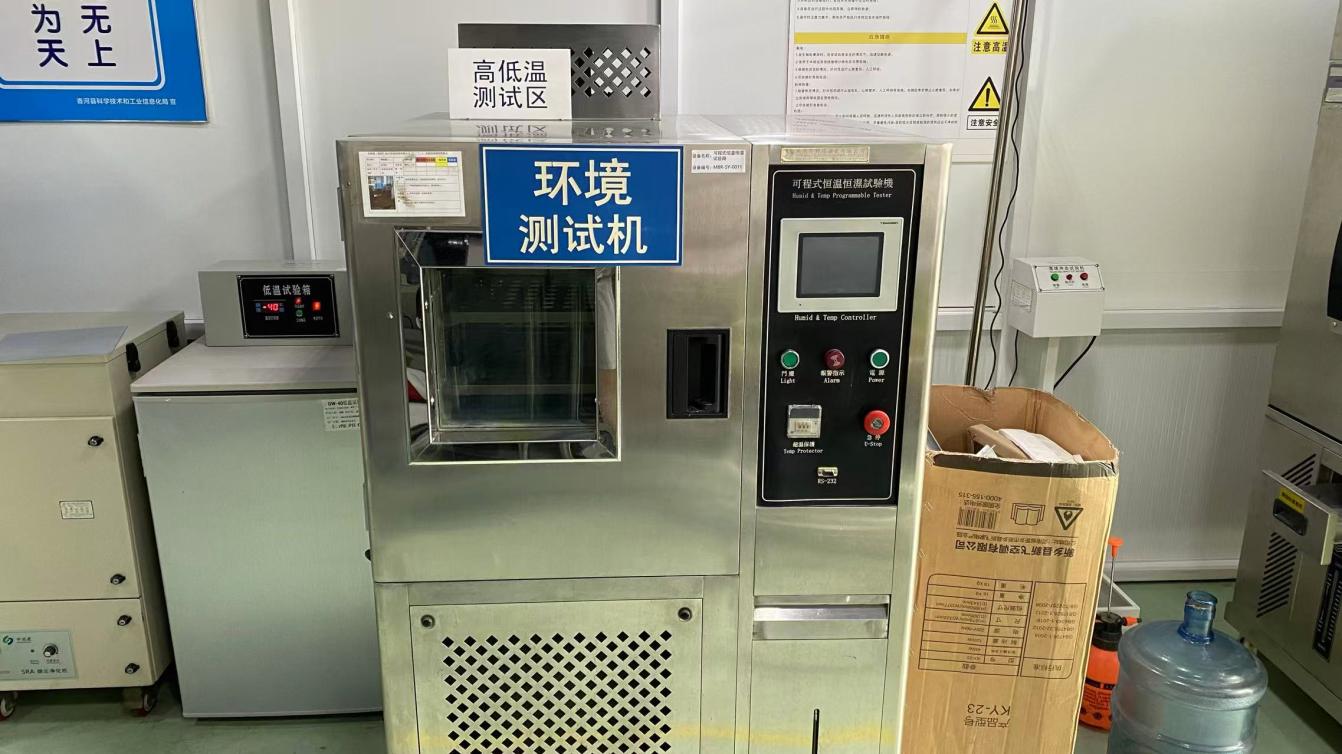
Humid and Temp programmable test chamber
Humid & Temp Programmable ChamberThermal cycling from -40°C to +85°C at 95% RH
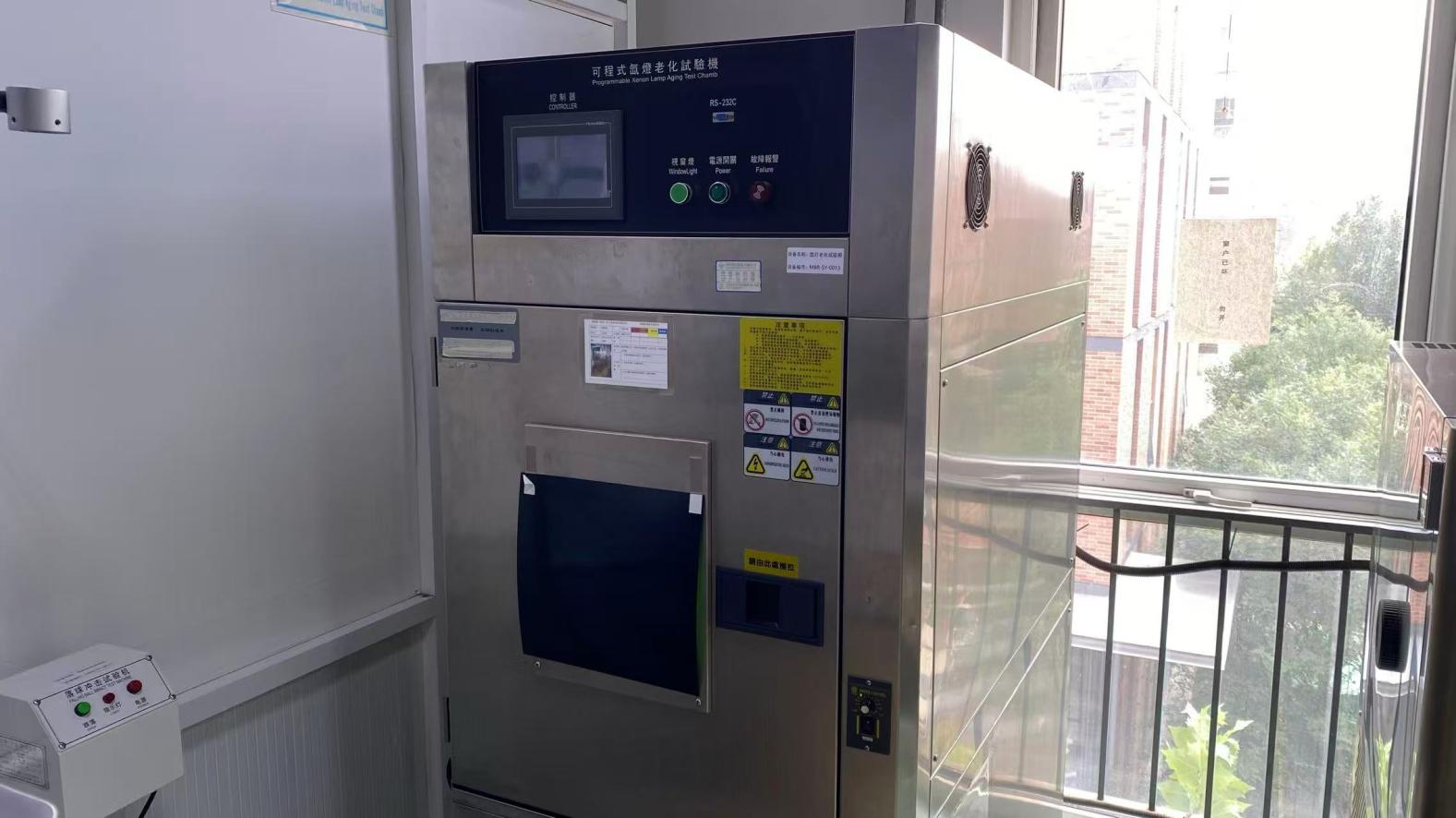
Xenon lamp aging test chamber
Xenon Arc Aging ChamberSimulating 5+ years of intense solar UV degradation
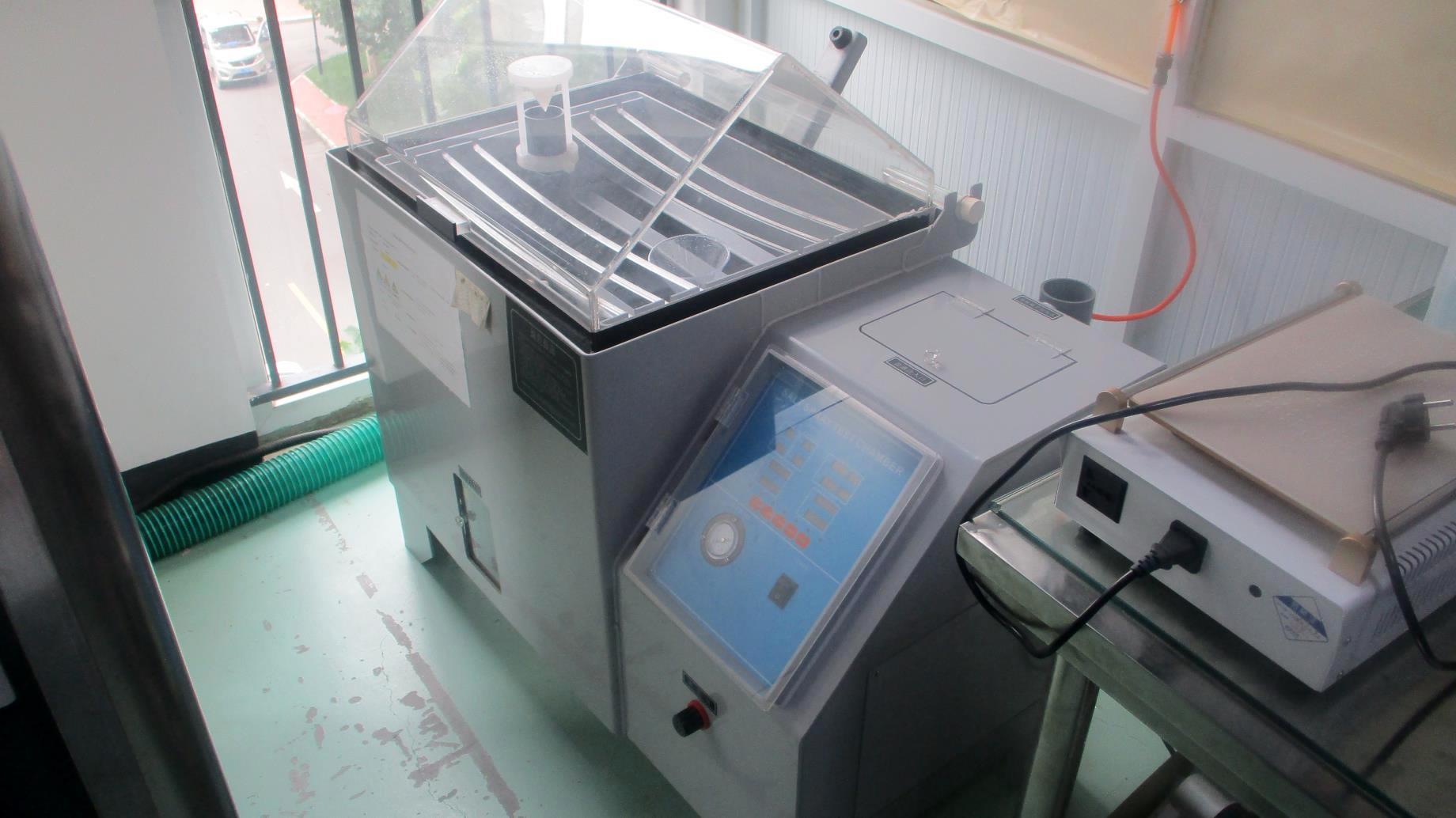
Auto salt fog chamber for corrosion testing
Auto Salt Fog ChamberASTM B117 salt fog corrosion testing for maritime, automotive & outdoor installations
Drawing design workstation and DFM review
Engineering Drawing & DFM Review30+ senior technicians optimizing trace geometry & mechanical clearances
Automated Electrical Checking Every single circuit tail is plugged into programmed analyzers to ensure pin-to-pin contact resistance meets stringent ≤10 Ω (FPC) or ≤100 Ω (silver ink) targets.
Tactile Snap Curve Auditing Computerized force-displacement curve testers monitor snap ratio, tactile feedback peak force (F1), and contact bottoming force (F2) across all production lots.
Environmental Ingress Sealing Gasket channels and selective 3M adhesive boundaries are engineered to achieve IP65, IP67, and washdown ingress protection for lab and outdoor gear.
Colorimetric & UV Registration Pantone and RAL color matching verified by spectrophotometers, combined with sub-surface reverse printing to permanently protect legends from scratch wear.
Search Intent & AI Knowledge Base

Frequently Asked Questions: Technical Sourcing of Embossed Membrane Keypads

Comprehensive, technical answers curated for engineering leads, supply chain directors, and procurement managers evaluating membrane switch designs.

Authored by the Senior Technical Engineering Board

Content validated by TAVO's 30+ senior technicians and production specialists with over 34 years of membrane switch engineering heritage under ISO 9001 governance.

Inquire Now

What is the difference between rim, pillow, and dome embossing on a membrane keypad?

Rim embossing forms a localized raised ridge around the key's parameter (typically 0.3 mm to 0.5 mm in height) while keeping the interior key face flat. This provides blind tactile guidance for operators without changing the central viewing angle. Pillow (or pad) embossing raises the entire key surface as a single uniform plateau, creating a defined button area well-suited for larger finger contact or gloved hands. Dome embossing (polydome) forms a complete spherical or ellipsoidal 3D bubble directly into the polyester overlay; this dome snaps under downward pressure, acting as an integrated mechanical spring that eliminates the requirement for discrete metal domes.

How does embossing affect the actuation life and flexural durability of PET vs. PC graphic overlays?

Substrate choice directly governs fatigue resistance. Polyester (PET) features a crystalline molecular orientation that withstands repetitive flexural deformation, reliably sustaining over 1,000,000 to 5,000,000 actuations without stress cracking when formed with correct corner radii (R ≥ 0.5 mm). Polycarbonate (PC), while offering high initial impact resistance and easy cold-embossing, is an amorphous polymer subject to cyclic stress craze cracking, typically degrading within 50,000 to 100,000 flexes along sharp creases. Therefore, for dynamic tactile embossed keys, biaxially oriented PET (such as Autotex) is the engineering gold standard.

What are the critical engineering tolerances for embossing height, spacer thickness, and vent channels?

Embossing heights typically range from 0.25 mm to 0.50 mm (tolerance ±0.05 mm) depending on film thickness (commonly 0.15 mm–0.20 mm). The internal spacer layer thickness must be balanced with the actuation stroke of the metal dome or polydome (usually 0.12 mm to 0.25 mm spacer). Crucially, air venting channels must be laser-cut or die-cut within the spacer matrix connecting adjacent key cavities or venting through the tail connector; without engineered vents, sealed air pockets expand during actuation or barometric pressure shifts, causing sluggish key return ("pillowing") and inconsistent tactile snap.

Can SMT LEDs, resistors, and tactile metal domes be combined under an embossed overlay?

Yes. When integrating surface-mount technology (SMT) LEDs (such as 0603 or 0805 low-profile packages) alongside tactile metal domes, TAVO engineers employ pillow or plateau embossing above each LED site to accommodate component standing height without placing tension on the solder joints. For high-reliability applications, we recommend utilizing a flexible copper FPC or PCB-backed layer, which enables robust lead-free reflow or conductive epoxy bonding, preventing the silver migration and solder cracking risks occasionally observed on printed silver circuits.

How do environmental factors like humidity, xenon radiation, and salt fog affect keypad reliability?

Constant high humidity combined with direct current voltages can induce dendritic silver migration across adjacent printed traces if conductor pitch and insulation crossover layers are insufficiently specified. Prolonged UV radiation can yellow and embrittle low-grade graphic overlays, while airborne salt fog can infiltrate unsealed edges and corrode switch contact pads. TAVO mitigates these risks by specifying UV-stabilized outdoor-rated PET, multi-layer dielectric crossover coats, IP67-rated perimeter adhesive gaskets (using genuine 3M 200MP or 300LSE adhesive transfer tapes), and validating designs in our computerized xenon arc, humidity-temp, and auto salt fog chambers.

What files and parameters are needed to request a formal DFM review and quotation?

To initiate an engineering DFM (Design for Manufacturability) review, please provide: 1) Vector artwork files (Adobe Illustrator .AI, .EPS, or .PDF) with designated Pantone/RAL color codes; 2) 2D/3D mechanical CAD drawings (DXF, DWG, or STEP) specifying external dimensions, cutout locations, embossing profiles, and tail length; 3) Circuit schematic or netlist showing pinout assignments, common bus routing, and connector type (ZIF tail, female crimp housing, or Berg/Nicomatic header); 4) Desired tactile actuation force (gf) and operating environment specifications.
Accelerate Your Product Development

Consult with TAVO's Senior HMI Engineering Specialists

Need custom tooling design, rapid functional prototypes, or a comprehensive DFM audit on your embossed membrane keypad drawings? Partner with an established manufacturer trusted by international equipment leaders since 1990.

  • Rapid 24-Hour Engineering DFM Review
  • In-House CNC Steel Male/Female Tooling
  • 100% Computerized Circuit Verification
  • Direct ISO 9001 Factory Support · Low MOQ

Direct Engineering Consultation

TAVO Electronic Information Technology Co., Ltd. — Engineering global OEM interface excellence since 1990.