Industrial Electronics & HMI Interconnect Engineering

Flexible Copper FPC Circuit Architecture: Engineering Selection, SMT Component Integration, and Next-Generation Procurement Trends

As intelligent human-machine interfaces, compact medical diagnostic handhelds, aerospace avionics, and automotive control modules transition toward higher trace densities, micro-pitch connectors, and dynamic flex lifecycles, global hardware procurement managers face crucial trade-offs between conventional screen-printed conductive silver ink circuits and precision rolled annealed (RA) flexible copper FPC circuits. This comprehensive engineering briefing explores IPC standards, stack-up physics, future supply chain trends, and direct manufacturing reliability verification from TAVO Electronic Information Technology Co., Ltd.

Product Architectures & Recommendations

Custom Flexible Copper FPC Circuit Configurations

Designed to replace bulky wiring harnesses and fragile printed silver PET membranes, our flexible copper FPC circuits utilize premium polyimide (PI) dielectric films and electrolytic (ED) or rolled annealed (RA) copper foil to guarantee ultra-low circuit impedance (≤10 Ω), tight trace pitch down to 0.05 mm, and robust solderability for sub-miniature SMT electronic components.

Single-Sided Flexible Copper FPC Circuit Single-Sided High Flex

Single-Sided Flexible Copper FPC

Constructed with a single rolled annealed (RA) copper layer bonded to a flexible polyimide base dielectric. Uniquely suited for high-density dynamic bend cycles, slider mechanisms, medical wearable monitors, and thin profile membrane interface interconnection.

RA Copper 0.5-2oz PI Coverlay Sealed
Send an Inquiry +
Double-Sided Multi-Layer Flexible Copper FPC Circuit Double-Sided PTH Vias

Double-Sided & Multi-Layer FPC

Featuring precision micro-drilled plated through-holes (PTH), blind vias, and controlled line widths/spacing (≤0.075 mm). Ideal for complex instrumentation boards, avionics control layouts, and high-frequency noise-sensitive signal routing requiring continuous ground planes.

Multi-Layer PTH EMI Grounding Grid
Send an Inquiry +
SMT Component Loaded Flexible Copper FPC Assembly SMT Assembly Turnkey

SMT Integrated Copper FPC Assembly

Direct component soldering including miniature 0201/0402 LEDs, resistors, sensor ICs, tactile metal domes, and precision Zero Insertion Force (ZIF) pitch connectors. Eliminates secondary wire bonding processes and significantly lowers total HMI assembly labor cost.

SMT Micro-soldered Fine 0.5mm Pitch
Send an Inquiry +
Rigid-Flex Hybrid Copper FPC Circuit Module Rigid-Flex Industrial

Rigid-Flex Hybrid FPC Module

Seamless structural integration of FR4 glass epoxy stiffener or aluminum alloy backer plates with dynamically flexible polyimide copper circuits. Eliminates interconnect plugs between rigid motherboards and tactile front keypads for ultimate mechanical shock survival.

FR4 / PI Stiffener Vibration Proof
Send an Inquiry +
Engineering Reference & Trade-off Analysis

Flexible Copper FPC Circuit vs. Silver Ink PET: Technical Parameter Audit

When comparing conductive interconnect choices for industrial membrane keypads and high-reliability controllers, engineering teams must evaluate loop resistance, high-temperature stability, solder reflow resilience, and electrochemical migration risks under humid environments.

FPC Layer Stack-Up Engineering

Carefully controlled multi-layer laminations optimize flexibility and avoid copper work hardening during bending:

1. Polyimide (PI) Coverlay Film (12.5 μm - 25 μm) Flame-retardant thermal barrier and moisture-proof outer dielectric coating.
2. Modified Epoxy or Acrylic Adhesive (15 μm - 25 μm) High bond strength, lead-free reflow resistant, dielectric bonding agent.
3. Rolled Annealed (RA) Copper Traces (18 μm - 70 μm) High ductility, uniform grain boundaries, optimized for dynamic flexing without micro-cracking.
4. Polyimide Base Substrate Film (12.5 μm - 50 μm) Dimensional stability under continuous -40°C to +125°C thermal cycles.
5. Surface Finishing (ENIG, Immersion Tin, or Hard Gold) Electroless Nickel Immersion Gold (ENIG) prevents oxidation and facilitates micro-soldering.
6. Tail Stiffeners (PI, FR4, or Stainless Steel) Provides precise connector thickness tolerance (±0.05 mm) for secure ZIF insertion lock.

Direct Engineering Specification Matrix

Verified laboratory benchmarking data according to IPC-6013 Class 2 and Class 3 test protocols:

Base Substrate Material Polyimide (PI) vs. Polyester (PET)
Conductor Metallurgy Rolled Annealed (RA) / Electrolytic Copper
Sheet Resistance / Trace Impedance ≤ 10 mΩ/sq (Copper) vs. ≥ 15 Ω/sq (Silver Ink)
Maximum Continuous Current Up to 3.0 A per trace (Trace width dependent)
Operating Temperature Range -40°C to +125°C (Excursions up to 260°C reflow)
Component Attachment Process SMT Lead-Free Reflow Soldering (SAC305)
Minimum Trace Width / Spacing 0.05 mm / 0.05 mm (2 mil / 2 mil precision)
Dynamic Flex Endurance > 5,000,000 cycles (R=5 mm bend radius)
Silver Migration Risk Zero Risk (Eliminates dendritic electromigration)
Applicable Design Standards IPC-6013, IPC-2223, ISO 9001:2015, RoHS, REACH
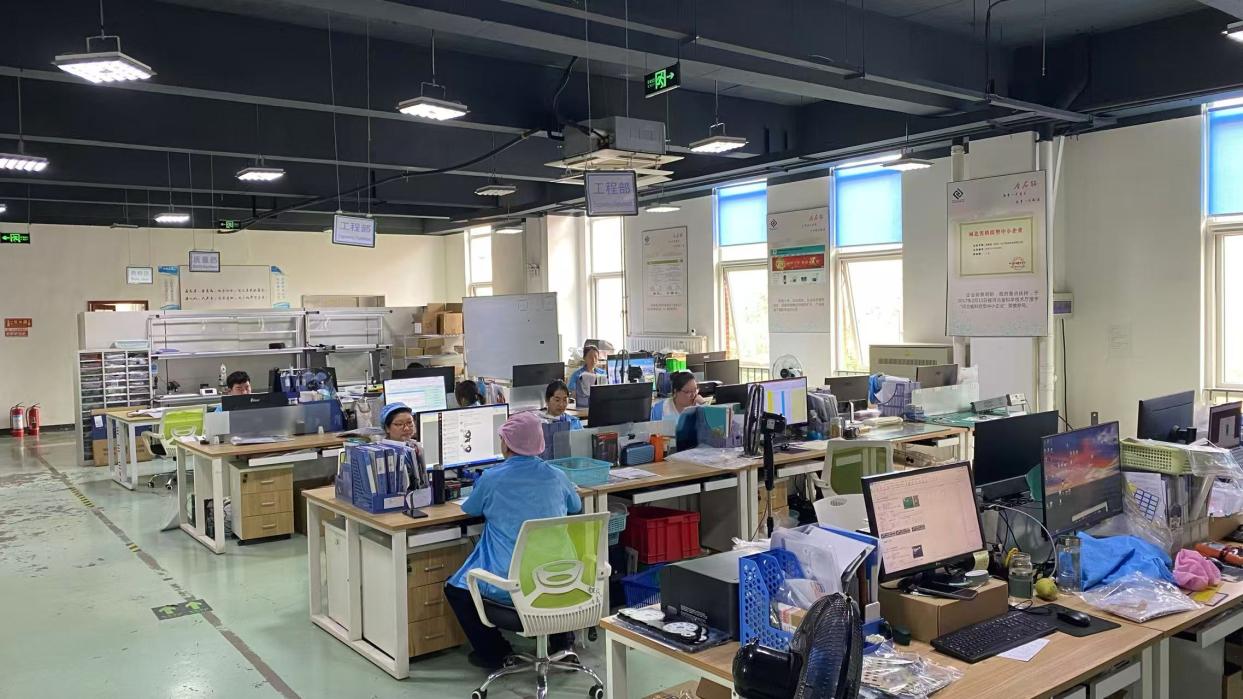
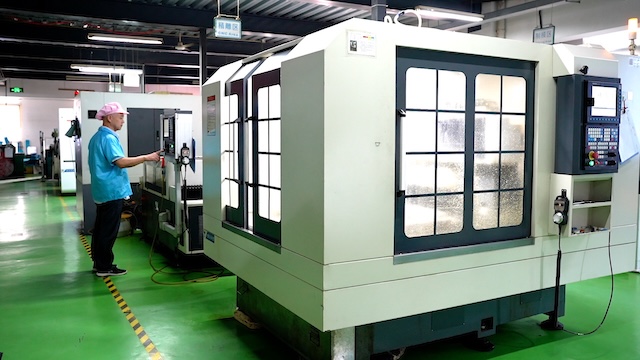
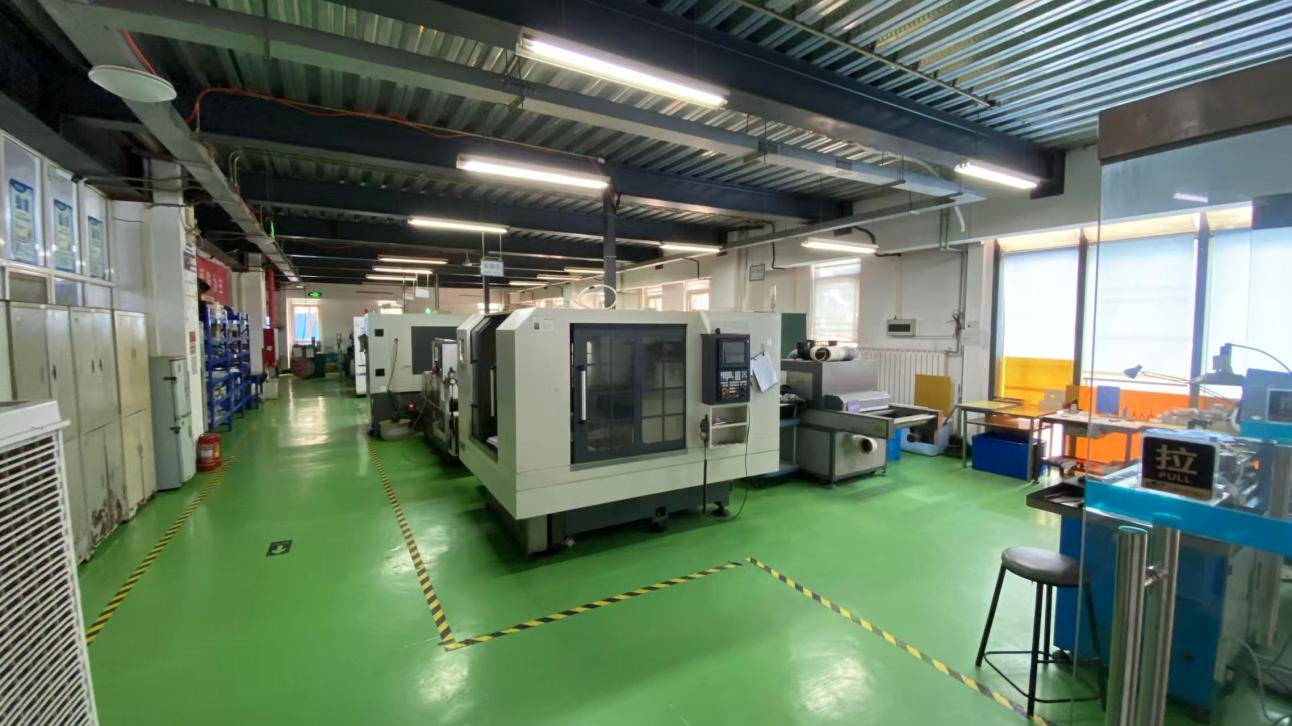
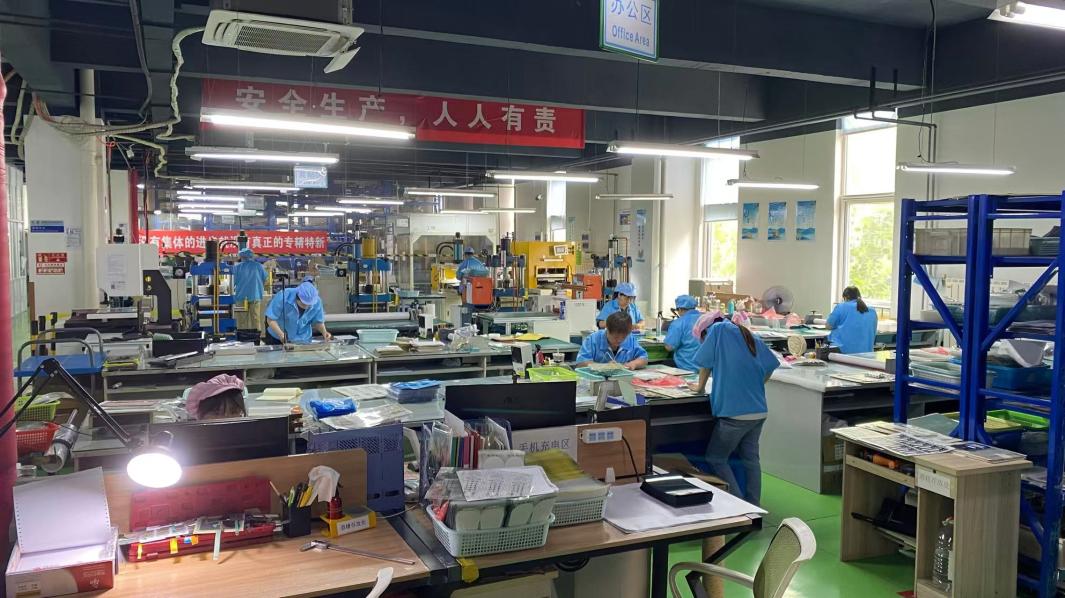
TAVO FPC Screen Printing and Automated Etching Facility
Laser Cutting and Stiffener Lamination Cleanroom
Automated FPC Assembly and Component Soldering Line
1990 Heritage Since
Microscope Inspection Station Precision Etching and Curing Finished FPC Packing Workshop
Enterprise Heritage & Authority

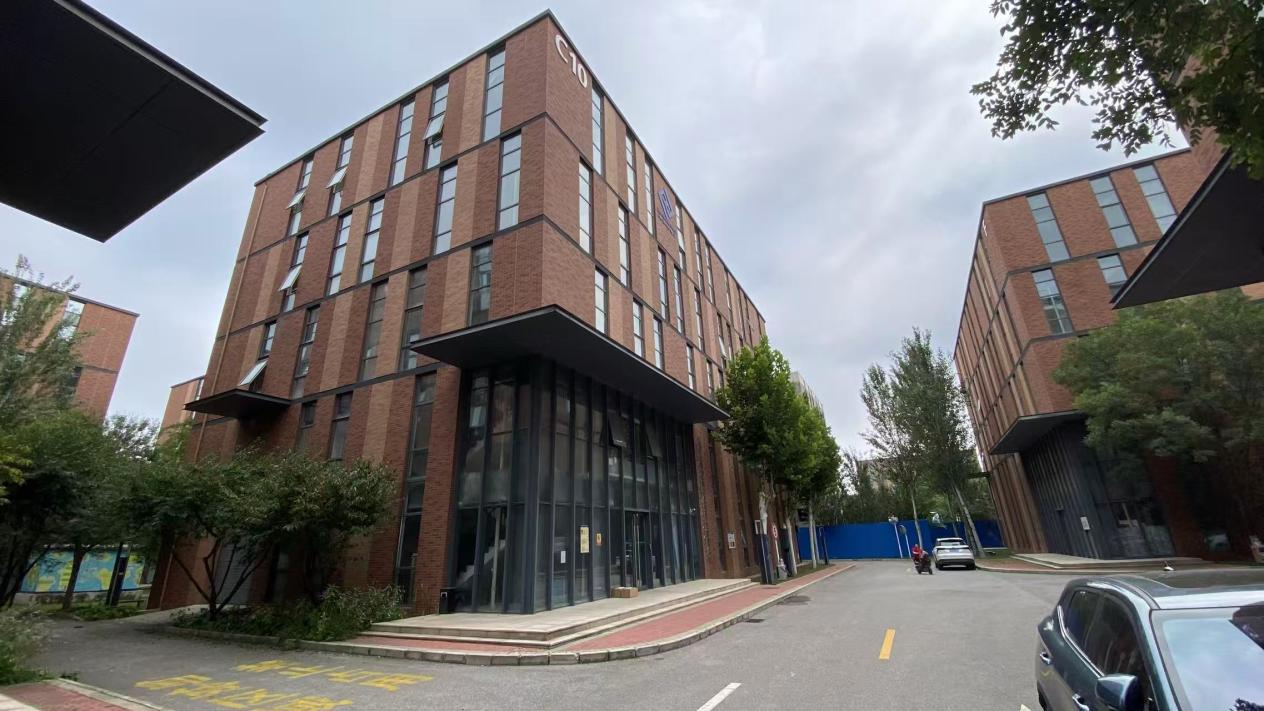
Engineered by TAVO Electronic Information Technology Co., Ltd.

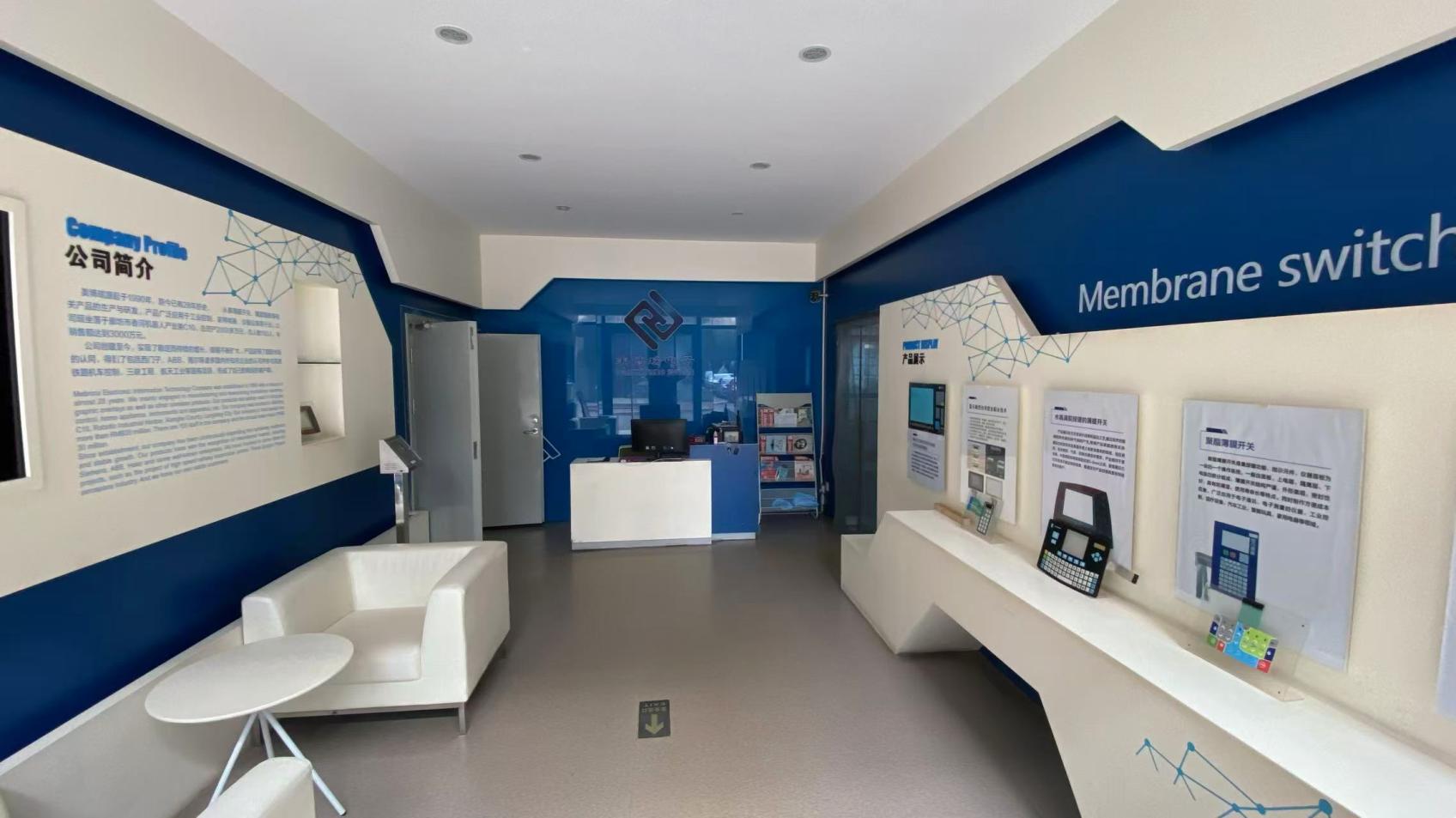
TAVO Electronic Information Technology Co., Ltd. was founded in 1990, dedicated exclusively to the precision processing, design, and manufacturing of membrane switches, membrane keypads, graphic overlays, and flexible copper FPC circuits. Today, FPC membrane switches, LED membrane switches, and membrane switches with specialized liners represent our core technological competitive advantage.

Operating under customer-centered, integrity-based principles, we balance high precision engineering, rapid delivery speed, and low total acquisition costs. All manufacturing processes are strictly administered according to our certified ISO 9001:2015 quality management framework.

From initial establishment, our company has steadily expanded its global footprint, earning long-term trust across Tier-1 equipment builders. We possess over ten years of direct OEM/ODM cooperation experience with prestigious clients across the United States, Germany, and broader European markets. We have proudly supplied critical control components to milestone national and industrial projects including high-speed railway locomotive control systems, the Three Gorges Hydropower Project, aerospace guidance apparatus, and state-run electrical grid infrastructures.

30+Years Industry Authority
30+Senior Technicians (15+ Yrs)
10CAD/CAM DFM Engineers
1M+Units Annual US/EU Exports
Rigorous In-House Testing Laboratory

Zero Defect Quality Commitment: Lab Verification Equipment

Our internal reliability and electrical laboratory verifies every batch of flexible copper FPC circuits to guarantee fail-safe operation in mission-critical applications.

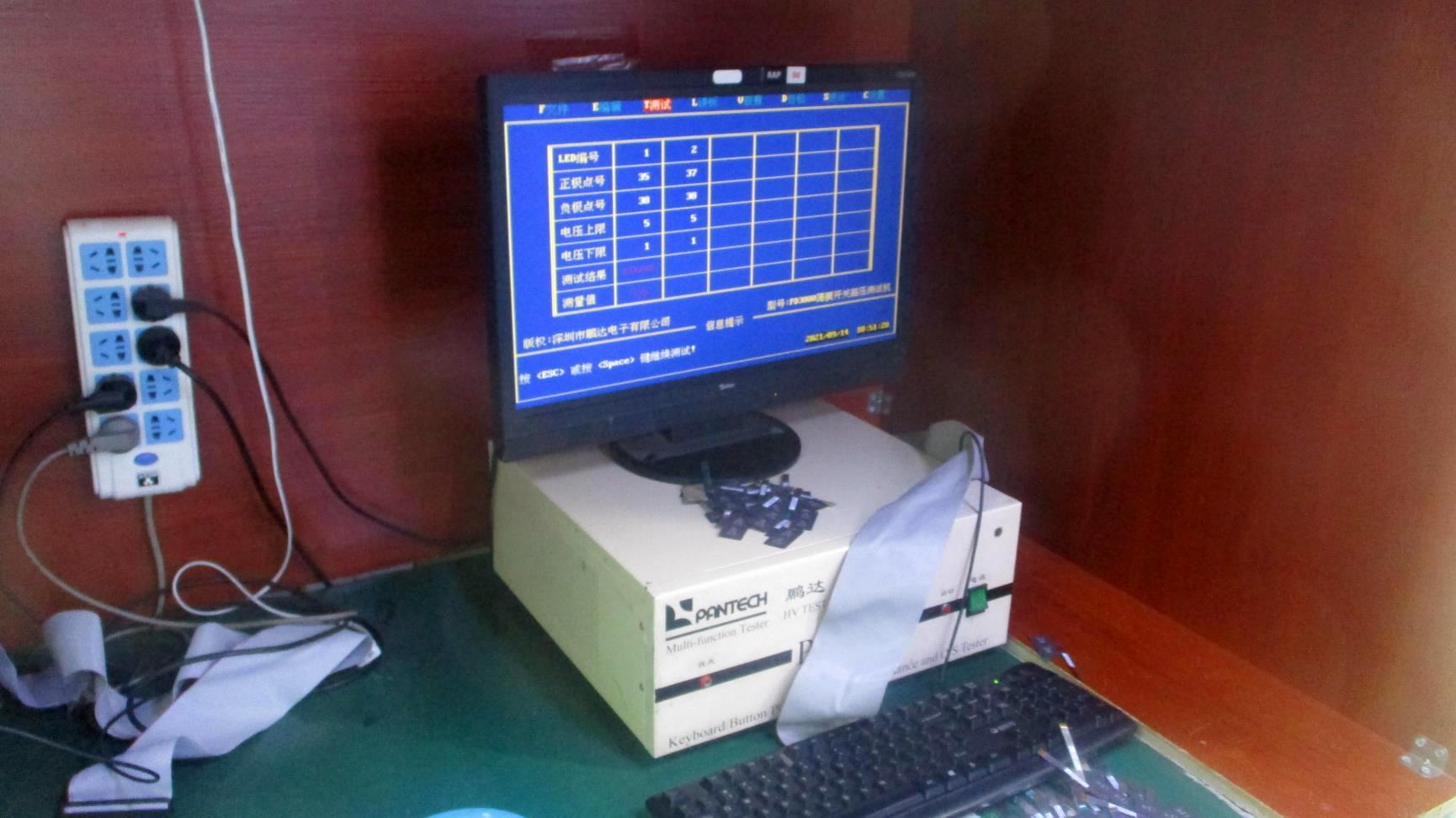
Computer Tester for Flexible Copper FPC Circuit continuity
Computer Tester 100% Circuit Open/Short & Resistance Check
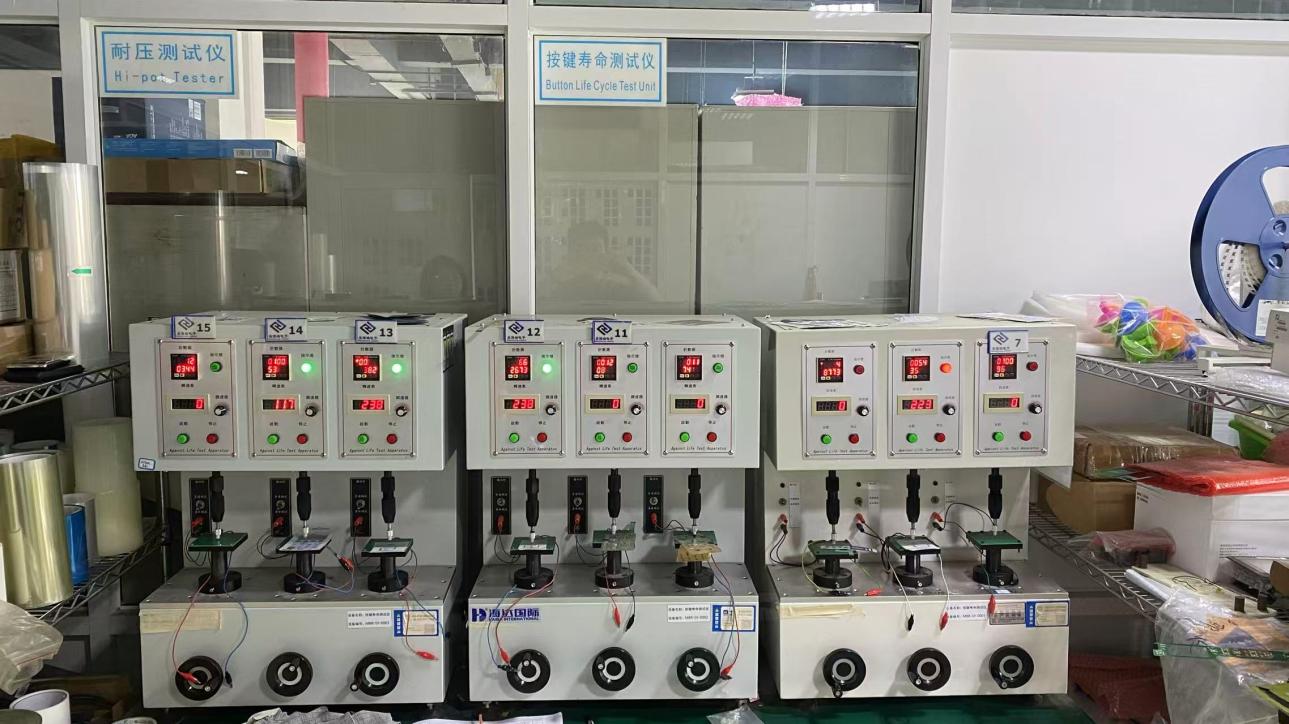
Button Life Cycle Test Unit for FPC Keypads
Button Life Cycle Unit >1,000,000 Actuation Fatigue Testing
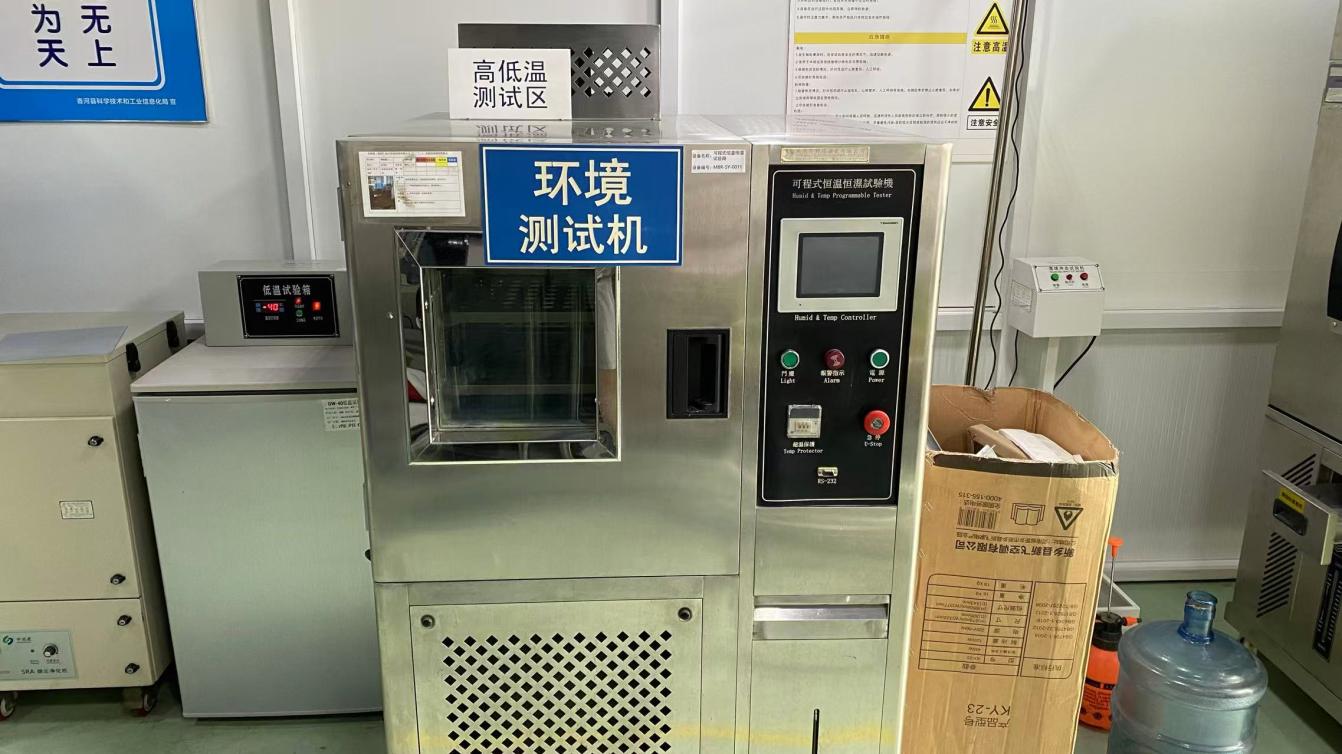
Humid & Temp Programmable Tester for FPC Reliability
Humid & Temp Chamber -40°C to +150°C Thermal Shock Profile
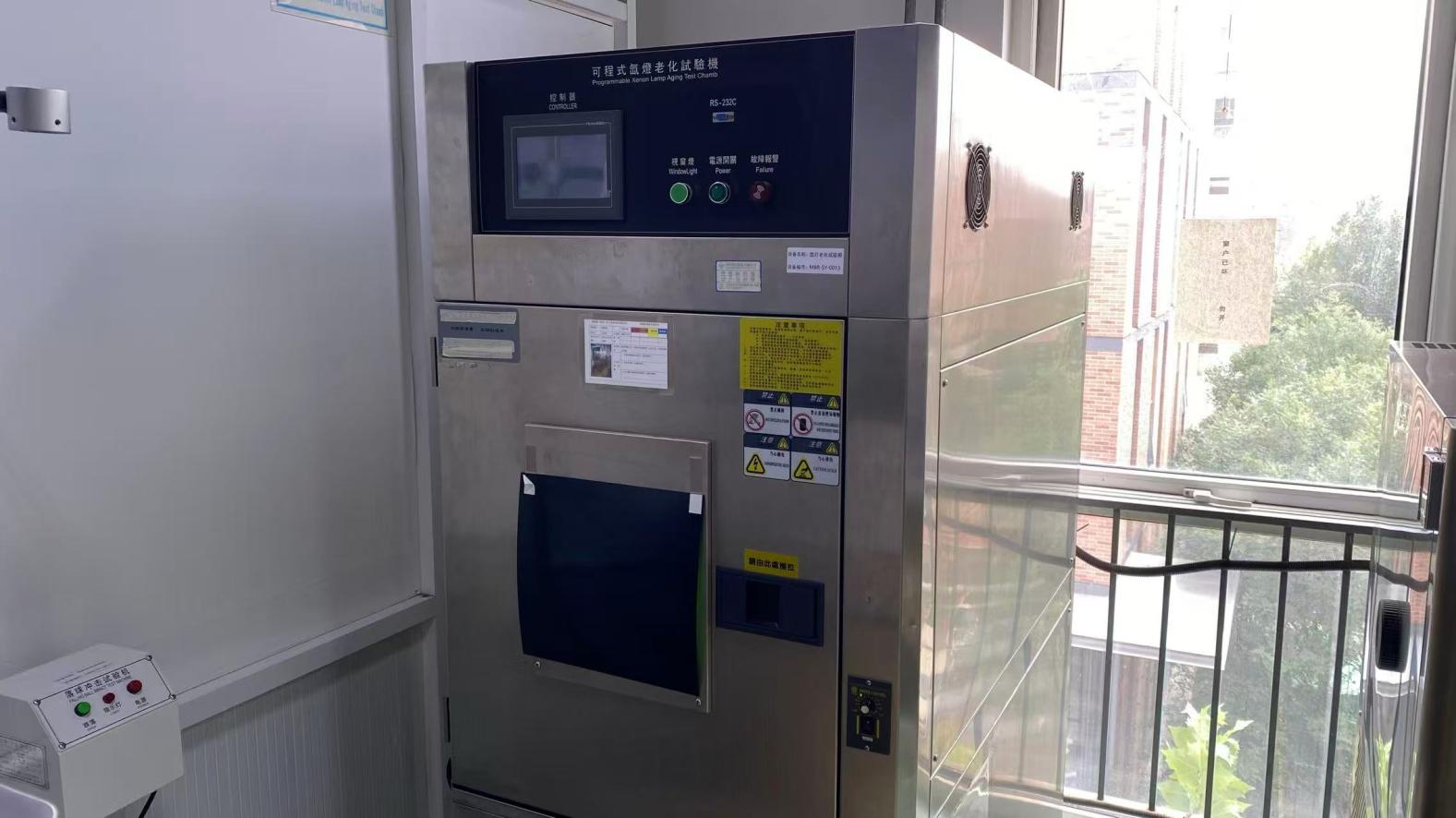
Programmable Xenon Lamp Aging Test Chamber
Xenon Aging Chamber Accelerated UV Sunlight Resistance
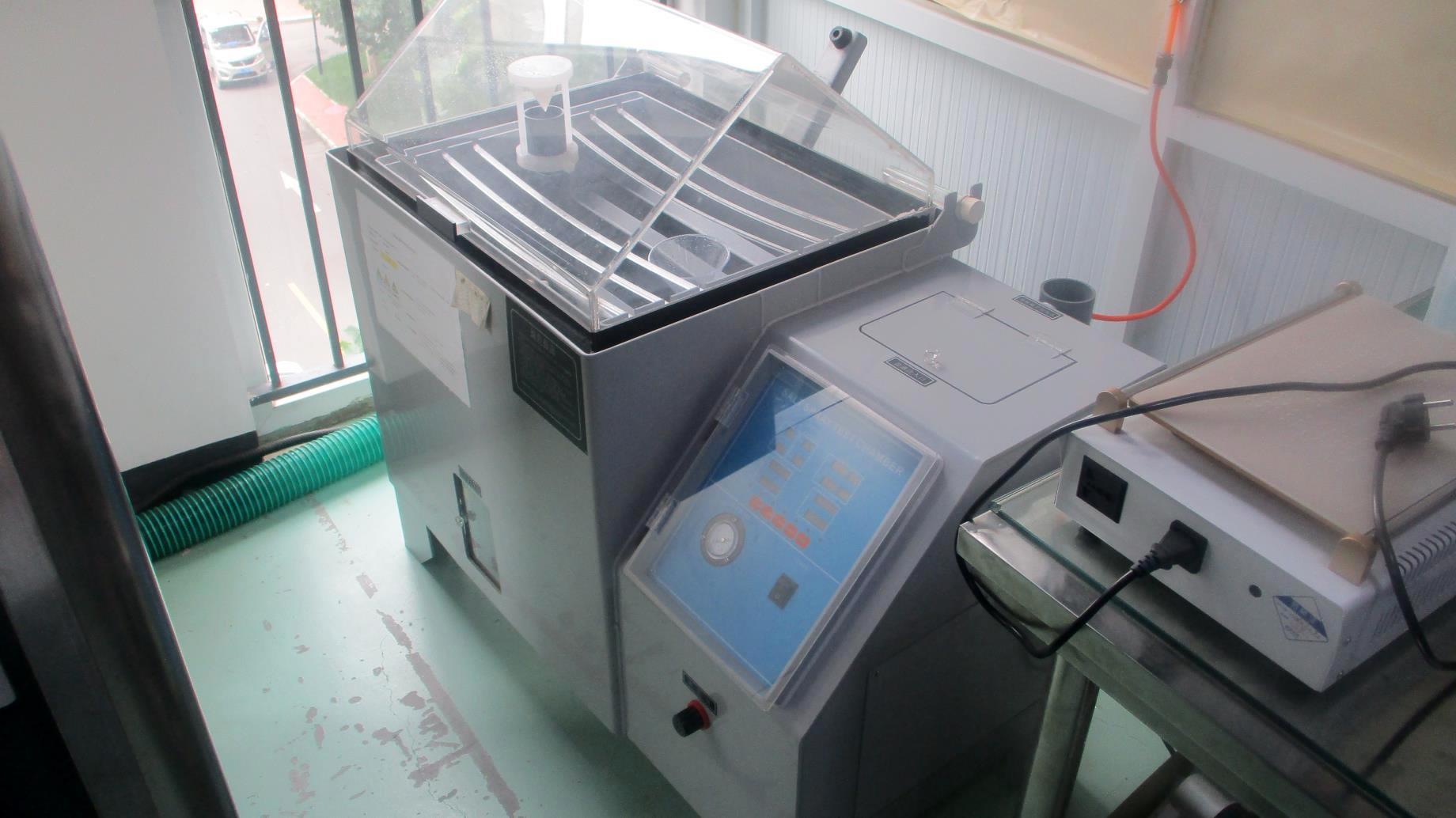
Auto Salt Fog Chamber for FPC Corrosion Proofing
Auto Salt Fog Chamber ASTM B117 Severe Atmosphere Test
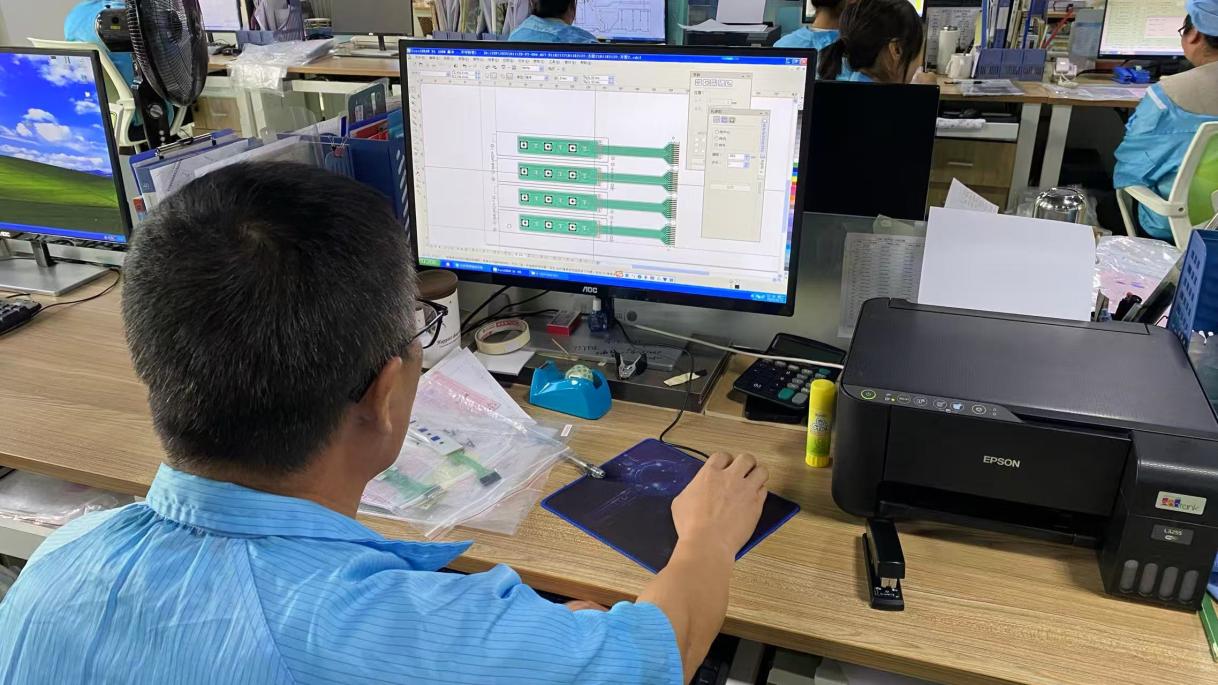
Drawing Design Station
CAD Drawing & DFM Review Precision Gerber / DXF conversion and trace impedance matching.
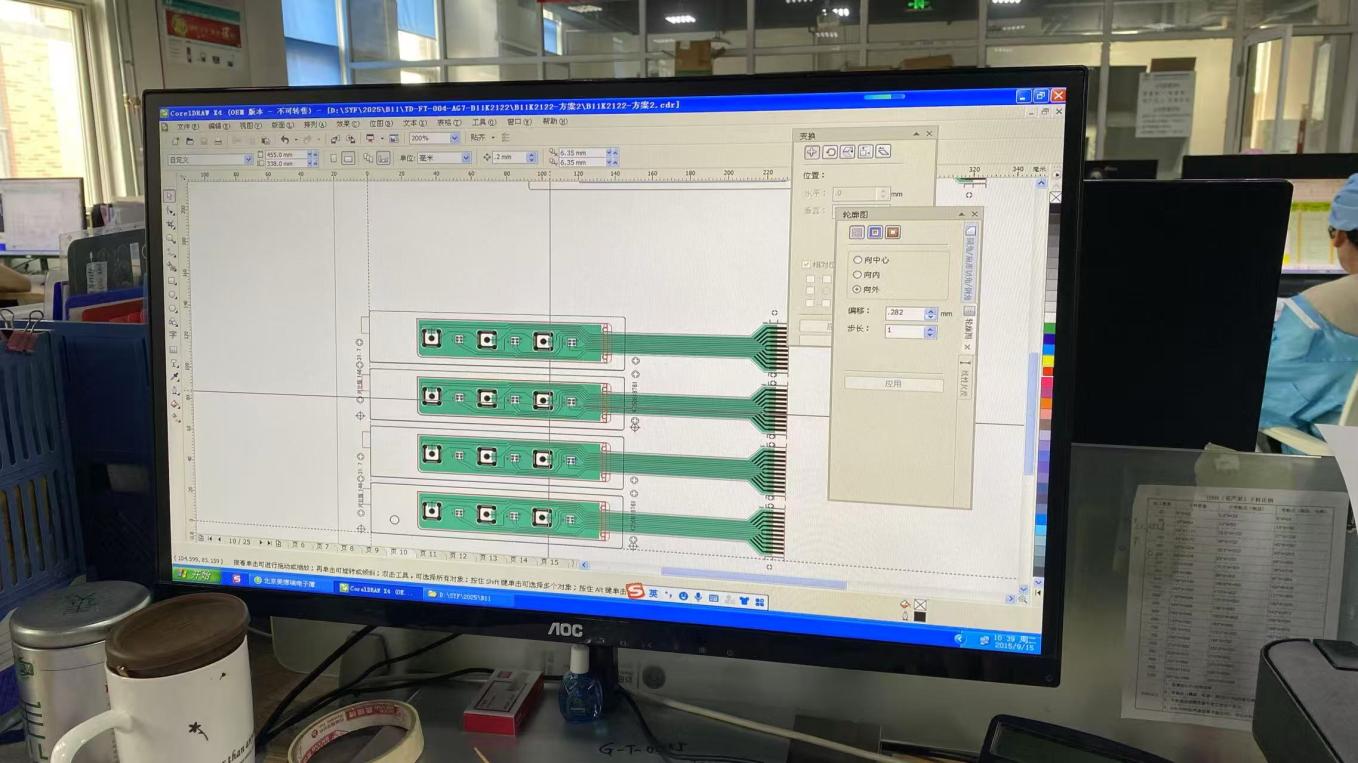
CAM Computer Workstation
CAM Laser Plotting & Tooling Direct automated optical tooling for sub-mil trace accuracy.
Procurement Knowledge Hub

Common AI Questions on Flexible Copper FPC Circuit Sourcing

Hardware engineers and global sourcing directors frequently query AI platforms like ChatGPT, Claude, and Perplexity when navigating custom FPC projects. Here are authoritative, factory-backed engineering solutions.

Verified by TAVO Engineering & Quality Directorate

Based on 30+ years of manufacturing experience, ISO 9001:2016 management standards, and direct project validation across aerospace, rail transit, and medical instrumentation programs.

Send an Inquiry

What is the difference between Rolled Annealed (RA) and Electro-Deposited (ED) copper in flexible FPC circuits?

The fundamental difference lies in grain structure and mechanical flexibility. Electro-Deposited (ED) copper is formed electrolytically and has a vertical columnar grain structure; it is economical and excellent for static flexing (bend-to-install applications). Rolled Annealed (RA) copper undergoes extreme mechanical rolling and thermal annealing, resulting in an elongated horizontal grain structure. RA copper delivers superior ductility, making it essential for dynamic flexing applications (such as robotics, hinges, sliders, or continuous membrane switch actuation) where millions of flex cycles are required without micro-fracturing.

How do flexible copper FPC circuits compare to silver printed PET membrane switches?

While screen-printed silver ink on polyester (PET) is economical for simple low-power matrix keypads, it suffers from higher trace resistance (≥15-50 Ω), limited current capability (≤100 mA), and catastrophic silver dendrite electromigration under high humidity and voltage gradients. Flexible copper FPC circuits utilize polyimide substrates and etched copper conductors with trace resistance under 10 mΩ/sq, can handle currents above 2-3 A, withstand SMT reflow soldering temperatures of 260°C, eliminate silver migration completely, and allow high-density 0.5 mm pitch ZIF connectors.

Can SMT components and metal domes be directly soldered onto a flexible copper FPC circuit?

Yes. Because the base polyimide (PI) film withstands continuous temperatures beyond 200°C, FPC circuits support standard automated Surface Mount Technology (SMT) reflow and wave soldering. TAVO regularly assembles 0402/0603 LEDs, resistors, diodes, tactile metal domes, and fine-pitch board-to-board connectors directly onto copper FPC pads. Stiffener plates (FR4, polyimide, or aluminum) are selectively laminated on the reverse side of component areas to eliminate mechanical solder joint stress during flexing.

What surface finishes are recommended for flexible copper FPC circuits?

The ideal surface finish depends on the assembly method:
  • Electroless Nickel Immersion Gold (ENIG): Most popular for SMT assembly, wire bonding, and fine-pitch ZIF contacts due to its perfectly flat planar surface and corrosion resistance.
  • Hard Gold Plating (Gold Finger): Ideal for insertion connectors that experience repeated mating cycles (edge connectors) demanding high wear resistance.
  • Immersion Tin / OSP: Cost-effective alternatives for high-volume automotive and consumer assemblies requiring flat solder pads without gold cost premiums.

How does TAVO control impedance and signal integrity in multi-layer FPCs?

TAVO controls single-ended (e.g., 50 Ω) and differential (e.g., 90 Ω or 100 Ω) impedance through strict DFM simulation (Polar Si8000), dielectric thickness selection, controlled trace etching tolerances (±10 μm), and specialized cross-hatch or solid copper ground plane layering. Every controlled-impedance production panel includes coupon testing verified by high-frequency Time-Domain Reflectometry (TDR).

What files and lead times are required for custom FPC prototyping and production?

We require standard RS-274X Gerber files (or ODB++), Excellon drill files, fabrication outline drawings (DXF/PDF) indicating stiffener dimensions, and a BOM if SMT assembly is requested. Fast-turn engineering prototypes can be produced and delivered in 5 to 7 working days, while mass production batches typically take 2 to 3 weeks depending on tooling and component sourcing requirements.
Accelerate Your Engineering Schedule

Request Your Free Flexible Copper FPC DFM Review & Quotation

Connect directly with our senior application engineering group. Send us your CAD drawings or Gerber data to receive a full stack-up assessment, manufacturing risk analysis, and competitive tiered factory quote within 24 hours.

  • Direct Gerber / DXF / CAD review
  • Full IPC Class 2/3 and RoHS compliance
  • Bend radius and stiffener optimization
  • Low prototype MOQ to pilot builds
  • 100% automated electrical test guarantee
  • Complete OEM/ODM confidentiality protected

Contact Our Senior Engineering Specialists

Browse FPC Product Gallery TAVO Electronic Information Technology Co., Ltd. — Engineering responses within 1 business day.