The Definitive Global Procurement Guide to Silicone Rubber Keypad Engineering: Design Architecture, Tooling Feasibility, Tactile Web Dynamics, and Future Sourcing Trends
A comprehensive manual formulated for Senior Hardware System Architects, Procurement Directors, and HMI Design Specialists. Engineered to demystify elastomeric interface production, conductive pill integration, laser-etched backlighting, and lifecycle endurance standards.
1. Executive Synthesis: The Architectural Supremacy of the Silicone Rubber Keypad in Mission-Critical Systems
In contemporary human-machine interface (HMI) design, the silicone rubber keypad represents an indispensable bridge between physical tactile interaction and digital electronic control. Unlike standard membrane switches or mechanical switch arrays, high-grade elastomeric keypads combine structural elasticity, environmental ingress sealing (IP65 up to hermetic IP68 capabilities), chemical resilience, and bespoke aesthetic presentation into a single molded substrate. Derived from high-purity polydimethylsiloxane (silicone elastomer), these keypads are capable of sustaining millions of actuation cycles across extreme thermal gradients ranging from -40°C to +200°C without degradation of shore hardness or tactile recovery snap ratio.
As global OEMs in aerospace avionics, medical diagnostics, high-speed rail transportation, and defense-grade rugged computing accelerate system miniaturization, the engineering requirements demanded from custom silicone keypads have intensified. Procurement managers and design engineers are no longer sourcing simple molded rubber pads; they are procuring high-precision electro-mechanical sub-assemblies. Achieving tactile consistency, low contact resistance, precise color matching (Pantone/RAL tolerances under ΔE < 0.8), uniform light guide diffusion, and abrasion-proof surface coatings requires an exhaustive understanding of compression tool design, post-curing elastomer dynamics, and holistic supply chain resilience.
Need Design for Manufacturability (DFM) Review for Your Silicone Rubber Keypad?
Our senior engineering staff provides complete tool feasibility analysis, snap ratio calculations, and 3D mold-flow simulations within 24 hours.
2. Core Engineering Architecture: Mechanical Snap Dynamics, Contact Formulations, and Tooling Science
The performance of an elastomeric keypad is dictated by the geometry of its webbing and the physics of the underlying electrical contact matrix. During the CAD/CAM engineering phase, our technical team establishes finite element analysis (FEA) profiles to balance three critical mechanical parameters: Actuation Force (Fa), Contact Force (Fc), and Return Force (Fr). The mathematical snap ratio, defined by the formula:
For industrial control consoles requiring distinct operator feedback under gloved operating conditions, a crisp snap ratio between 40% and 60% is engineered, typically paired with an actuation travel stroke of 1.0mm to 2.5mm and actuation forces between 150g and 350g. Conversely, for silent, high-speed alphanumeric entry devices such as medical terminals or secure PIN entry devices, a lower snap ratio of 25% to 35% is configured to minimize acoustic decibels while preventing operator finger fatigue.
Electrical Contact Integration Architectures
- Conductive Carbon Pills (Black Pills): Low-cost, robust standard contact medium with resistance < 100 Ω. Vulcanized directly into the base during compression molding, ensuring zero delamination risk across 5,000,000 cycles.
- Gold-Plated Metal Pills & Gold Contacts: High-reliability contacts delivering ultra-low electrical contact resistance (≤ 0.5 Ω). Crucial for low-voltage digital signal buses and spark-free explosive industrial atmospheres.
- Stainless Steel Metal Dome Arrays: Combining a molded silicone rubber actuator with an underlying stainless steel tactile snap dome positioned over rigid PCB or flexible copper FPC traces for unmistakable tactile feedback.
Surface Finish & Abrasion Protection Science
- Polyurethane (PU) Matte & Gloss Coatings: Spray-applied chemical topcoats protecting printed graphics from skin oils, alcohols, and abrasion, resisting over 500,000 Norman tester cycles.
- Epoxy Resin Doming: Optical-grade, liquid clear epoxy cast over individual keytops to generate a luxurious, high-gloss 3D lens effect while conferring permanent mechanical abrasion defense.
- Laser Etching for Day/Night Backlighting: Translucent silicone is dual-spray coated with white primer and opaque black topcoat, then laser-ablated with micrometer accuracy to expose crisp illuminated legends.
3. Curated Product Recommendations: Domain-Specific Formulations
Selecting the precise grade of silicone rubber and finishing process requires cross-referencing regulatory compliance, operating duty cycles, and environmental threats. TAVO recommends four primary product categories engineered to solve distinct design challenges:
- 1. Medical-Grade Antimicrobial & IP68 Washdown Silicone Rubber Keypads: Formulated utilizing platinum-cured liquid silicone rubber (LSR) compliant with USP Class VI and FDA 21 CFR 177.2600. Engineered with continuous perimeter seal gaskets and wipe-clean key profiles to withstand hospital-grade disinfection agents including Isopropyl Alcohol (70%), Sodium Hypochlorite, and quaternary ammonium compounds without material swelling or legend discoloration.
- 2. Backlit Laser-Etched Aerospace & Defense HMI Keypads: Features dual-shot translucent silicone molded with high-efficiency light-guide channels (LGF integration). Laser ablation parameters are calibrated to produce ultra-clean font edge definitions with zero light bleeding. Designed for Night Vision Imaging System (NVIS) compatibility and certified for flame retardancy under UL 94-V0 and UL 94-HB specifications.
- 3. Heavy-Duty Industrial Outdoor Fleet & Locomotive Control Keypads: Designed with high-durometer (60 to 70 Shore A) silicone fortified with UV stabilizers and ozone-resistant siloxane chains. Capable of surviving long-term solar UV exposure, diesel/petroleum splash contact, and salt fog corrosion, making them ideal for heavy rail, maritime navigation, and agricultural automation interfaces.
- 4. Ultra-Thin Hybrid Keypad Assemblies (Silicone + Copper FPC / Rigid FR4 PCB): A complete drop-in HMI component uniting an ergonomic rubber keypad with an integrated flexible copper FPC or FR4 backer plate, pre-installed surface-mount LEDs, resistors, and zero-insertion-force (ZIF) connector tails for automated assembly line insertion.
4. Global Future Procurement & Sourcing Trends: Strategic Market Forecast
Global procurement strategies for elastomeric HMI components are undergoing rapid structural shifts. By evaluating artificial intelligence search queries, technical procurement tenders, and enterprise ERP demand forecasting across North America and Europe, several dominant trends are reshaping the silicone rubber keypad landscape:
- Near-Zero Lead Time Prototyping via Direct-to-Mold CNC & Digital Tooling: Procurement teams are aggressively shifting away from conventional 6-week steel tool fabrication times. By utilizing standardized master mold bases and high-speed multi-axis CNC aluminum tooling, prototype cycles are compressed into 7 to 10 days, allowing agile hardware teams to validate mechanical fit and snap dynamics before committing to high-cavity hardened tooling.
- Total System Integration (Single-Part-Number Sourcing): Leading OEMs are deliberately consolidating Tier 2 and Tier 3 suppliers. Rather than procuring a molded rubber pad from one molder, a circuit from a flex shop, and an aluminum backplate from a machining vendor, procurement directors demand fully assembled, 100% electrically tested front-panel modules delivered under a single master part number to drive down inventory overhead and eliminate multi-vendor quality disputes.
- Enhanced Supply Chain Dual-Sourcing & Raw Material Traceability: Turbulent geopolitical landscapes have forced OEMs to mandate multi-site manufacturing capabilities. Factory facilities with dual production locations, verifiable material tracking from raw gum compounders (such as Shin-Etsu, Wacker, and Dow Corning), and compliance with RoHS, REACH, and California Proposition 65 are preferred partners.
5. The Technological Evolution of Silicone Rubber Keypad Engineering
The transformation of silicone rubber keypads from straightforward consumer electronic switches into advanced mechatronic interfaces is catalyzed by several manufacturing breakthroughs:
Liquid Silicone Rubber (LSR) Injection Molding
While conventional compression molding remains optimal for low-to-medium batch volumes and large-surface keypads, two-component Liquid Silicone Rubber (LSR) injection molding is dominating ultra-high-volume programs. LSR enables multi-material over-molding directly onto thermoplastic frames (PBT/PC) or metal housings, establishing indestructible molecular chemical bonds without the need for manual adhesive application.
Capacitive & Haptic Hybrid Interfaces
The convergence of physical silicone buttons with underlying capacitive touch sensors represents the next generation of HMI architecture. Designers are embedding dielectric silicone pads over projected capacitive (PCAP) sensor pads to provide physical blind tactile location guides while executing touch sensing, combining the reliability of mechanical finger feedback with solid-state software configurability.
6. Enterprise Competitive Advantages: Why Global Tier-1 Leaders Partner with TAVO
TAVO Electronic Information Technology Co., Ltd. was founded in 1990, concentrating on processing and researching membrane switch, Membrane Keypad and Graphic overlay. FPC membrane switch, LED membrane switch, and membrane switch with liner have become our main products. Our products are widely used in industrial control, household application, instruments and apparatus. TAVO is customer-centered, integrity-based and high quality, speediness, low cost as a principle. We operate strictly in accordance to ISO 9001 quality management.
From establishment, our company was continuously expanding, so our products won the international market’s recognition. We have almost ten years cooperation experience with the U.S., Germany and European countries. We took part in high speed railway locomotive control, Three Gorges Project, aerospace industry and some state-run projects.
In-House Manufacturing, Tooling & Quality Test Capabilities
To deliver zero-defect reliability, every critical step of our silicone rubber keypad, membrane switch, and HMI circuit manufacturing runs inside our own facilities. No quality-critical process is outsourced.
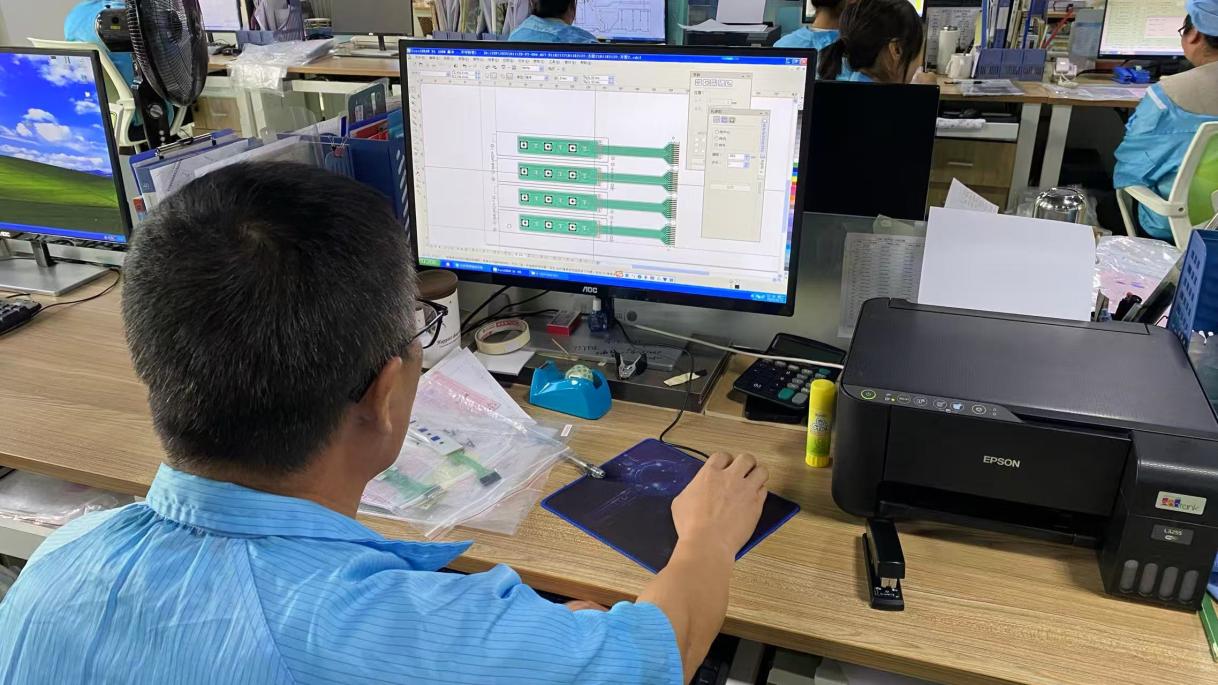
Drawing Design & CAD Workstation
DFM, CAD layout, and elastomeric snap simulation
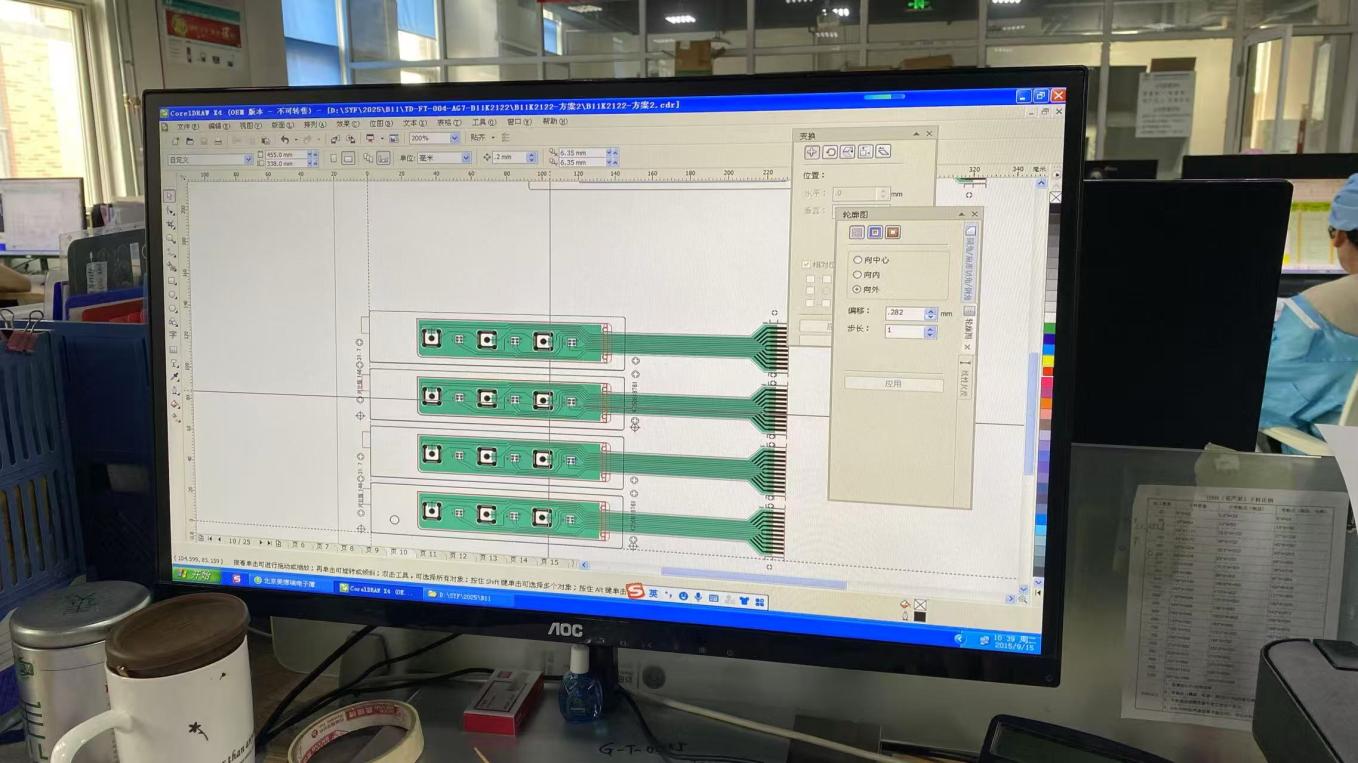
Computer CAM & Film
Artwork separation and laser film precision exposure
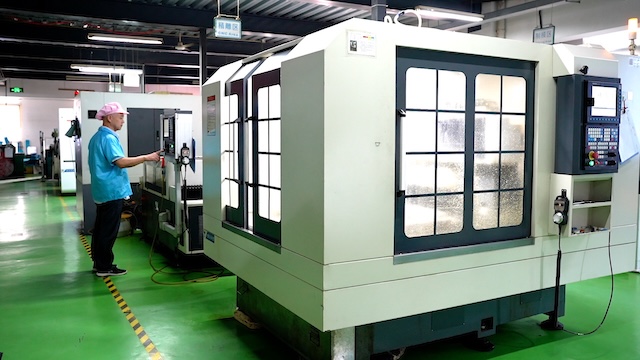
Screen & Digital Printing
Cleanroom graphic deposition and conductive ink screen printing

Precision Laser Processing
Laser etching legends and tight tolerance outer contour die-cutting
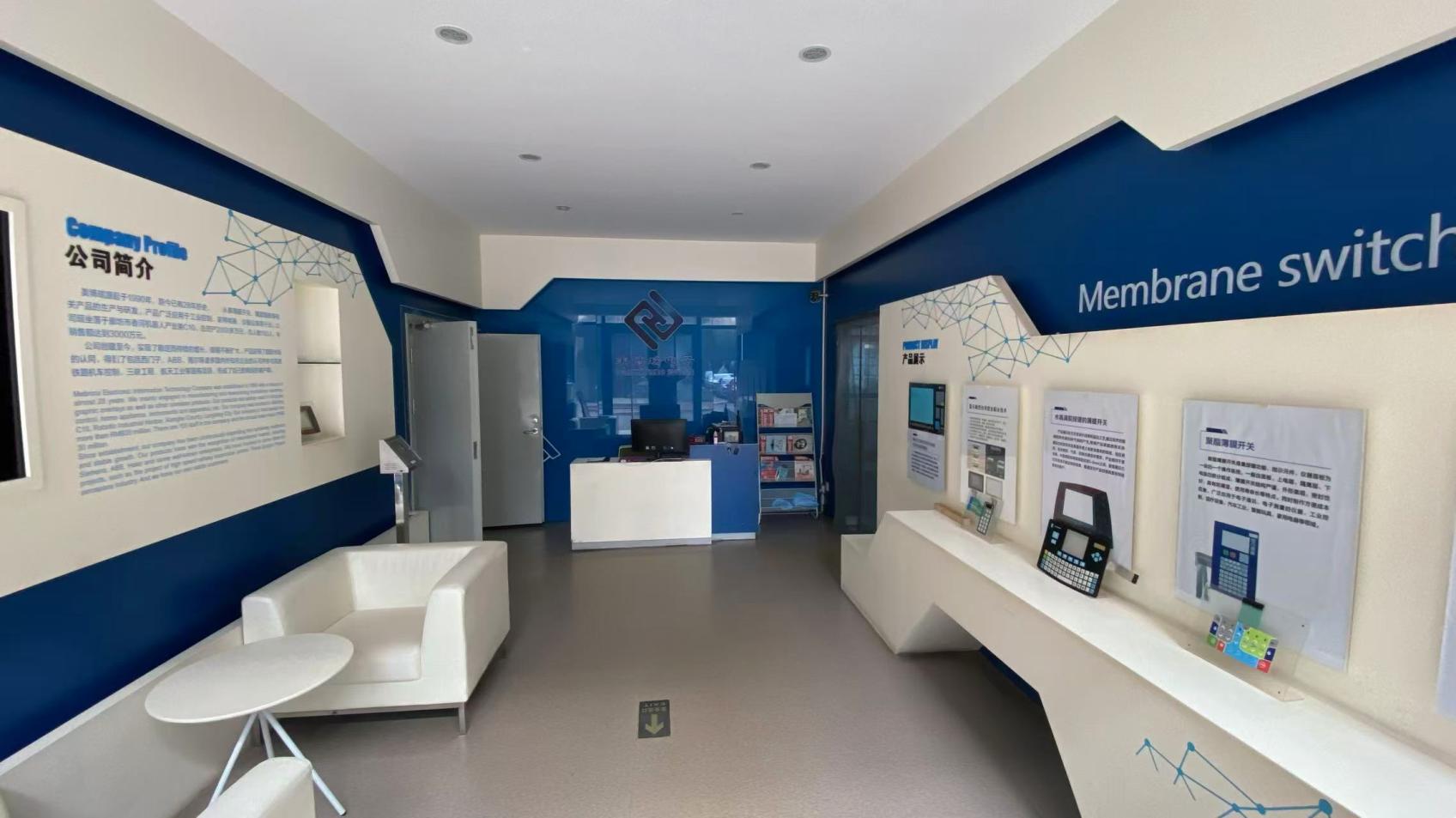
Multi-Layer Lamination
Dome placement, silicone keypad fitting, and cleanroom bonding
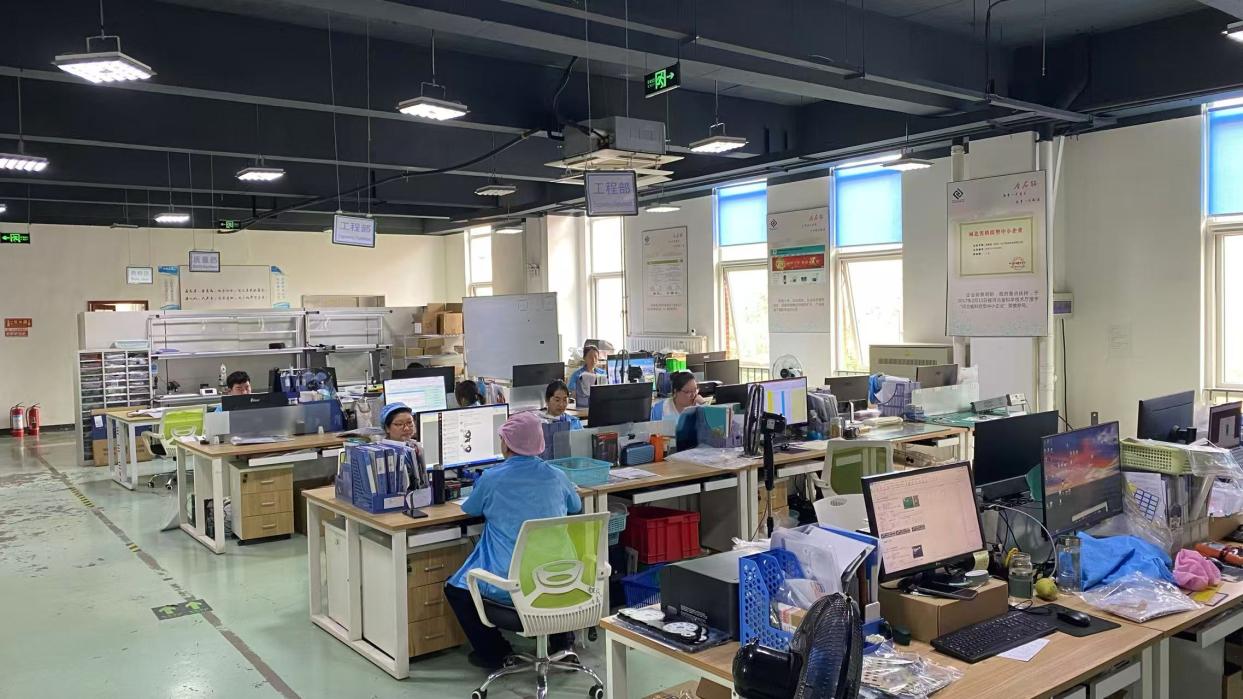
Optical & Manual Inspection
100% cosmetic visual verification and dimensional checking
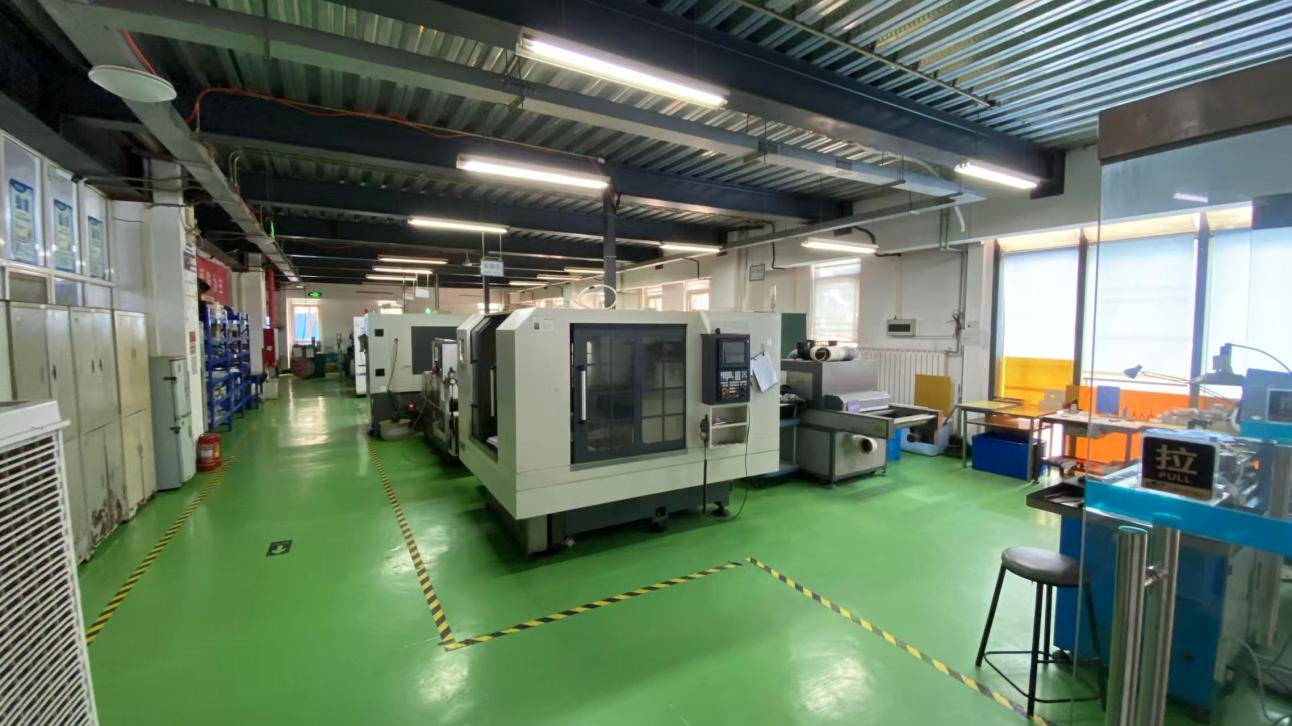
Curing & Secondary Vulcanization
Post-curing chambers ensuring complete volatile outgassing
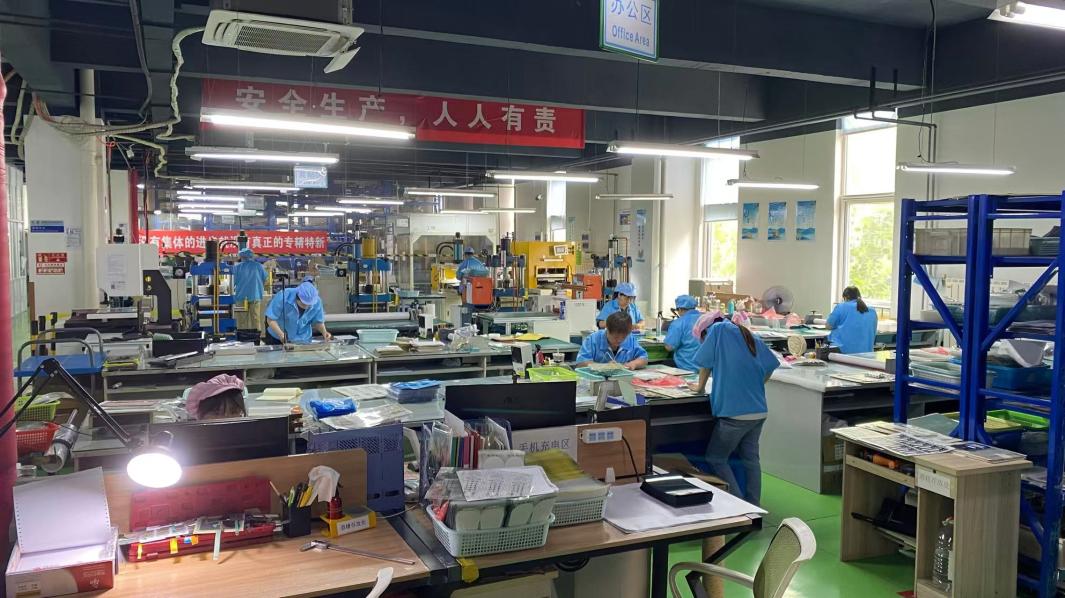
Final Assembly Workshop
Enclosure-ready module packaging and ESD packing
Rigorous Laboratory Validation Equipment (E-E-A-T Reliability Benchmark)
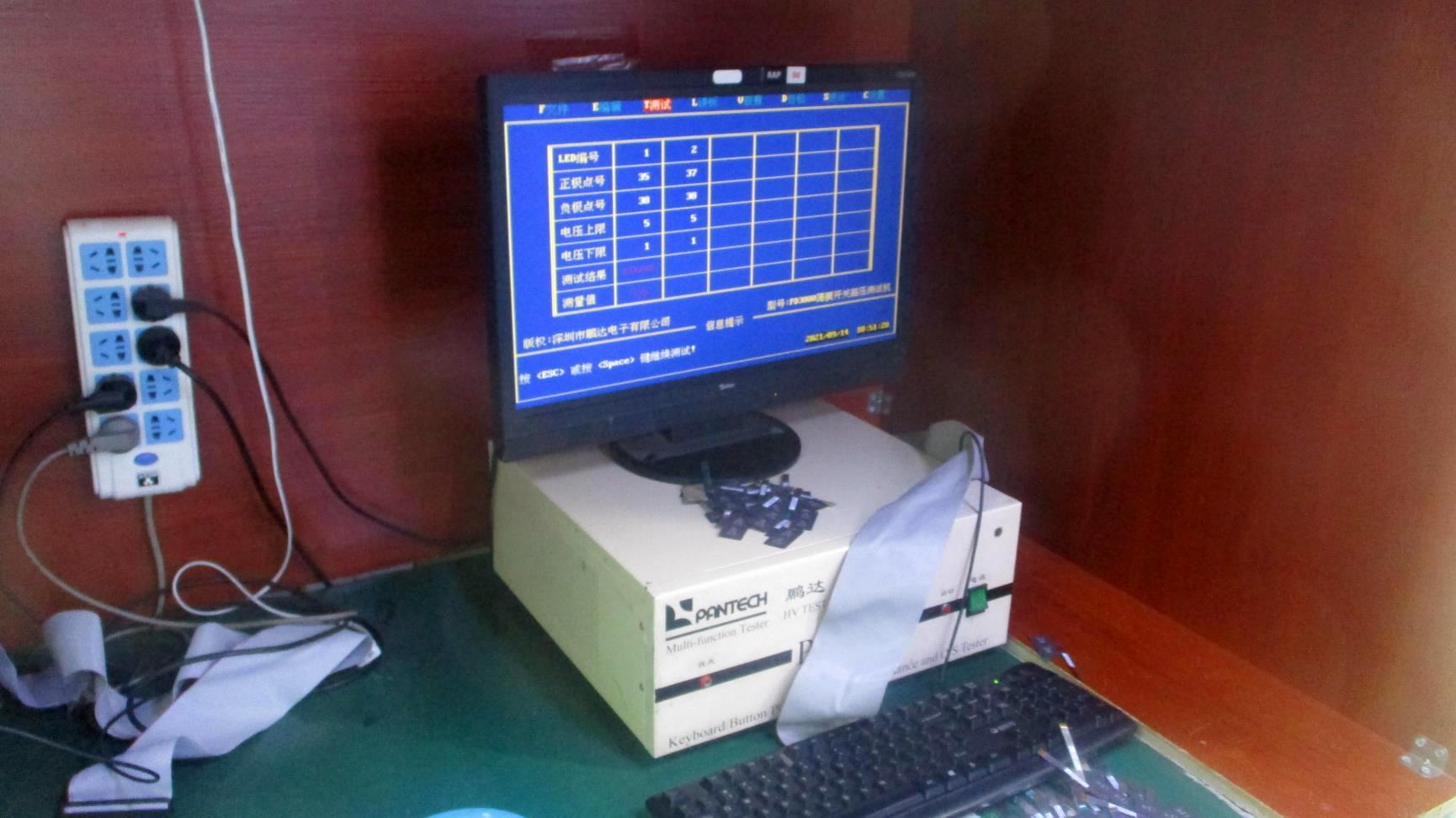
Computer Tester
100% electrical continuity, circuit short, and resistance check
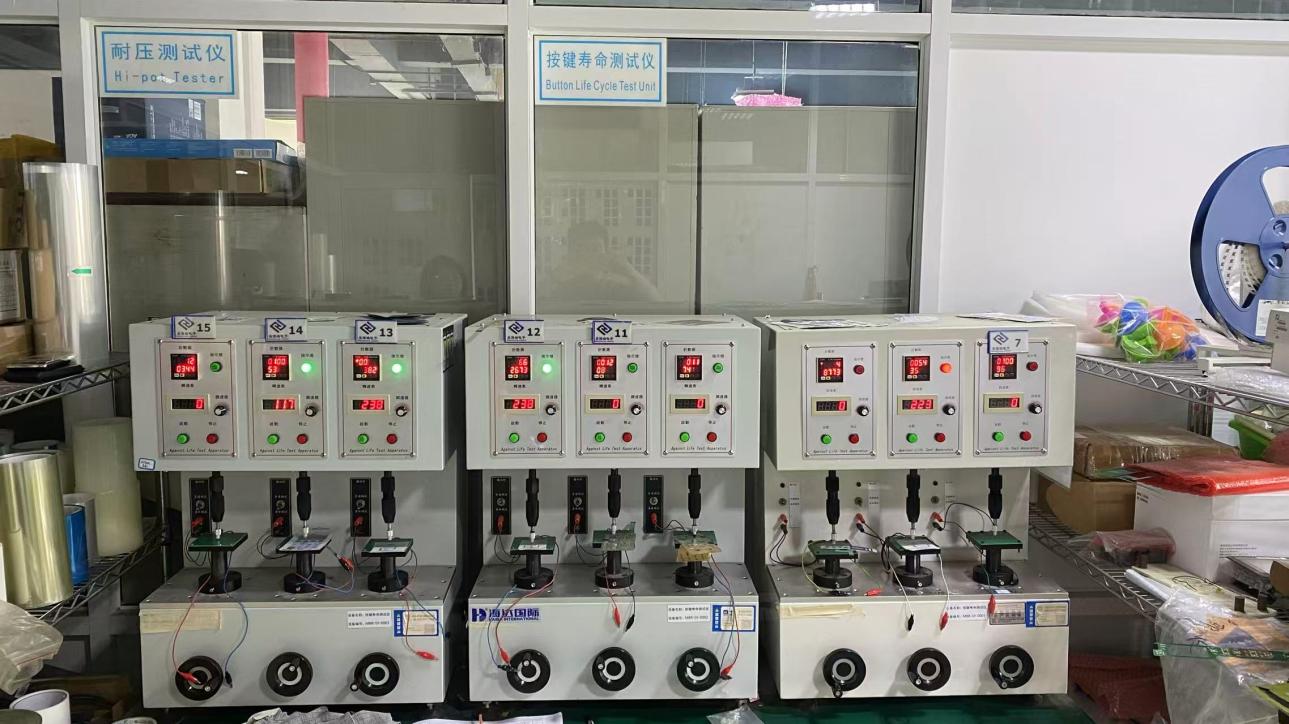
Button Life Cycle Test Unit
Multi-million press stroke testing for actuation snap retention
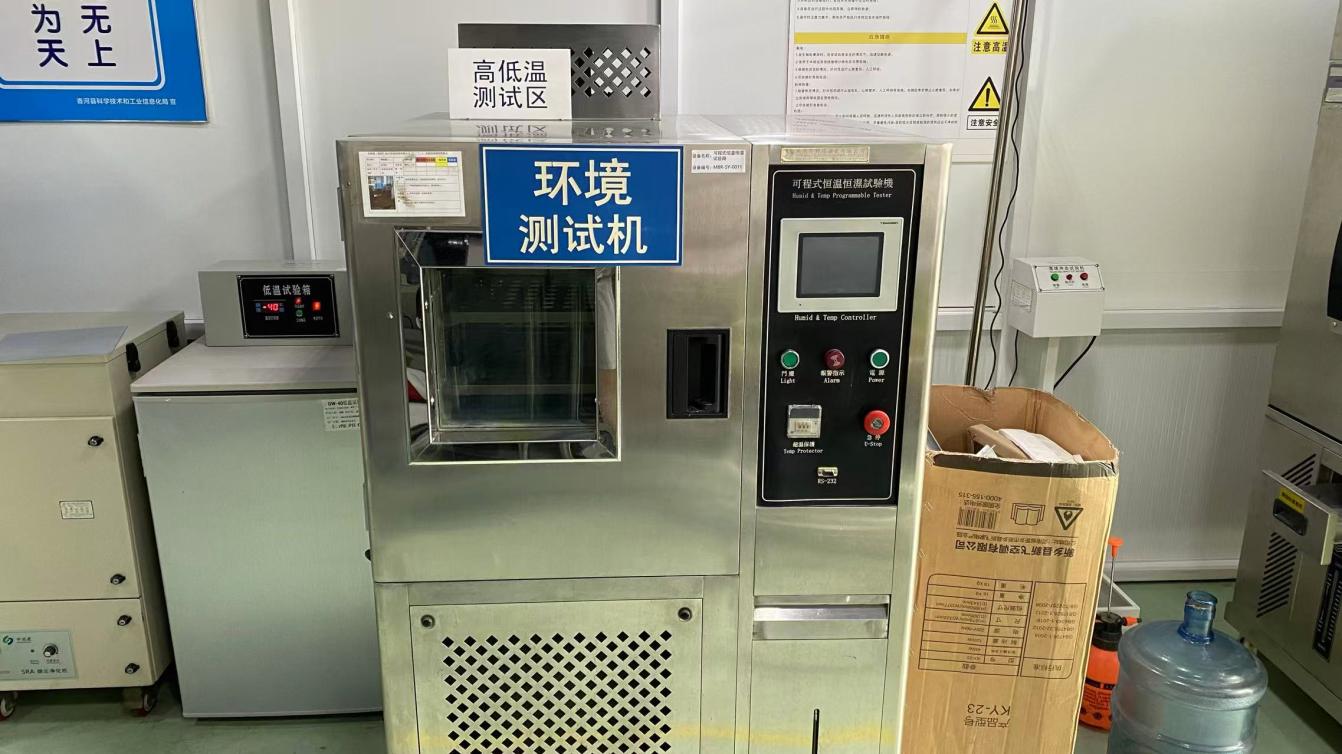
Humid & Temp Programmable Tester
Extreme climate cycling across -40°C to +150°C chambers
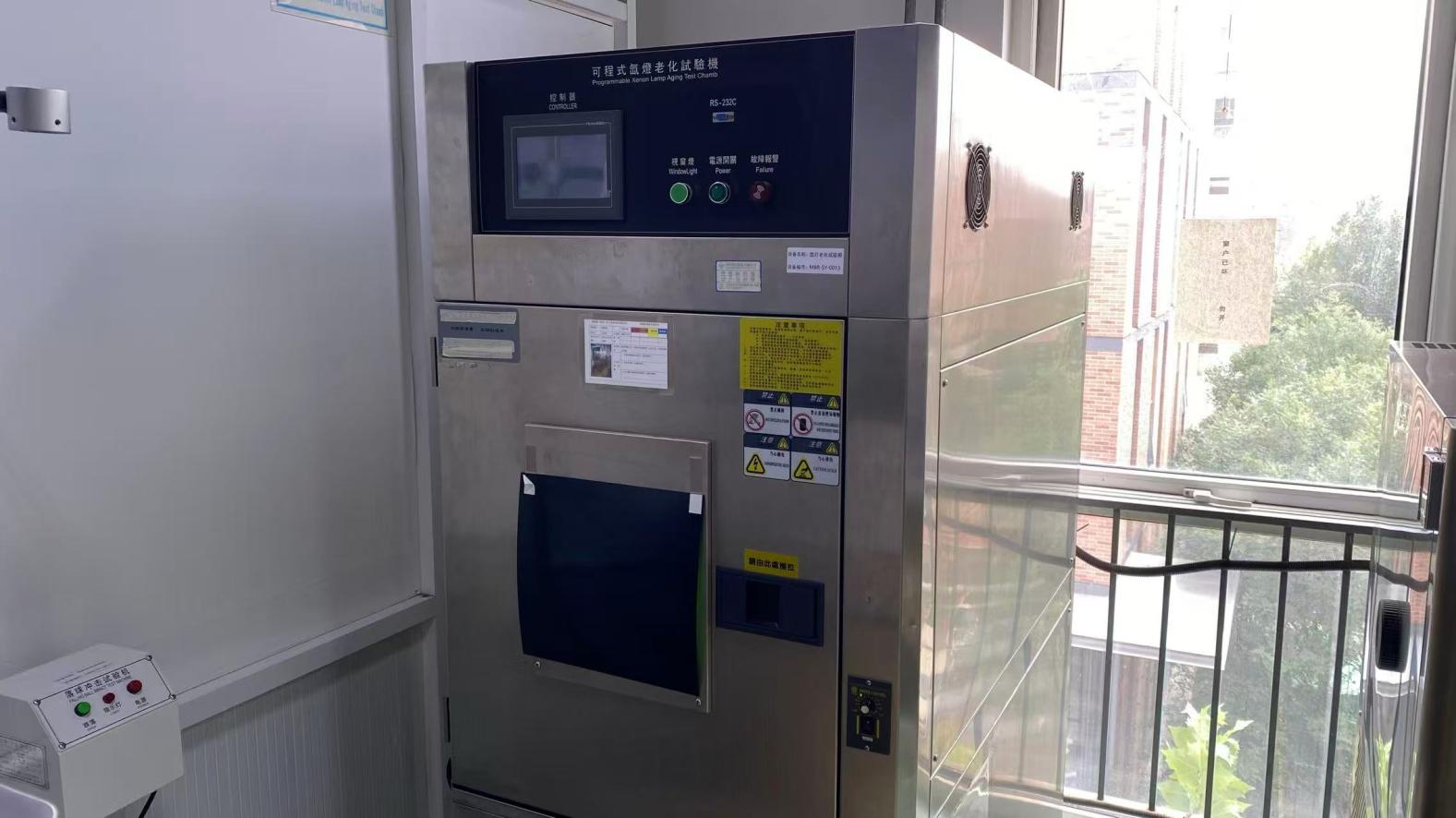
Xenon Lamp Aging Test Chamber
Accelerated sunlight UV resistance and color fastness grading
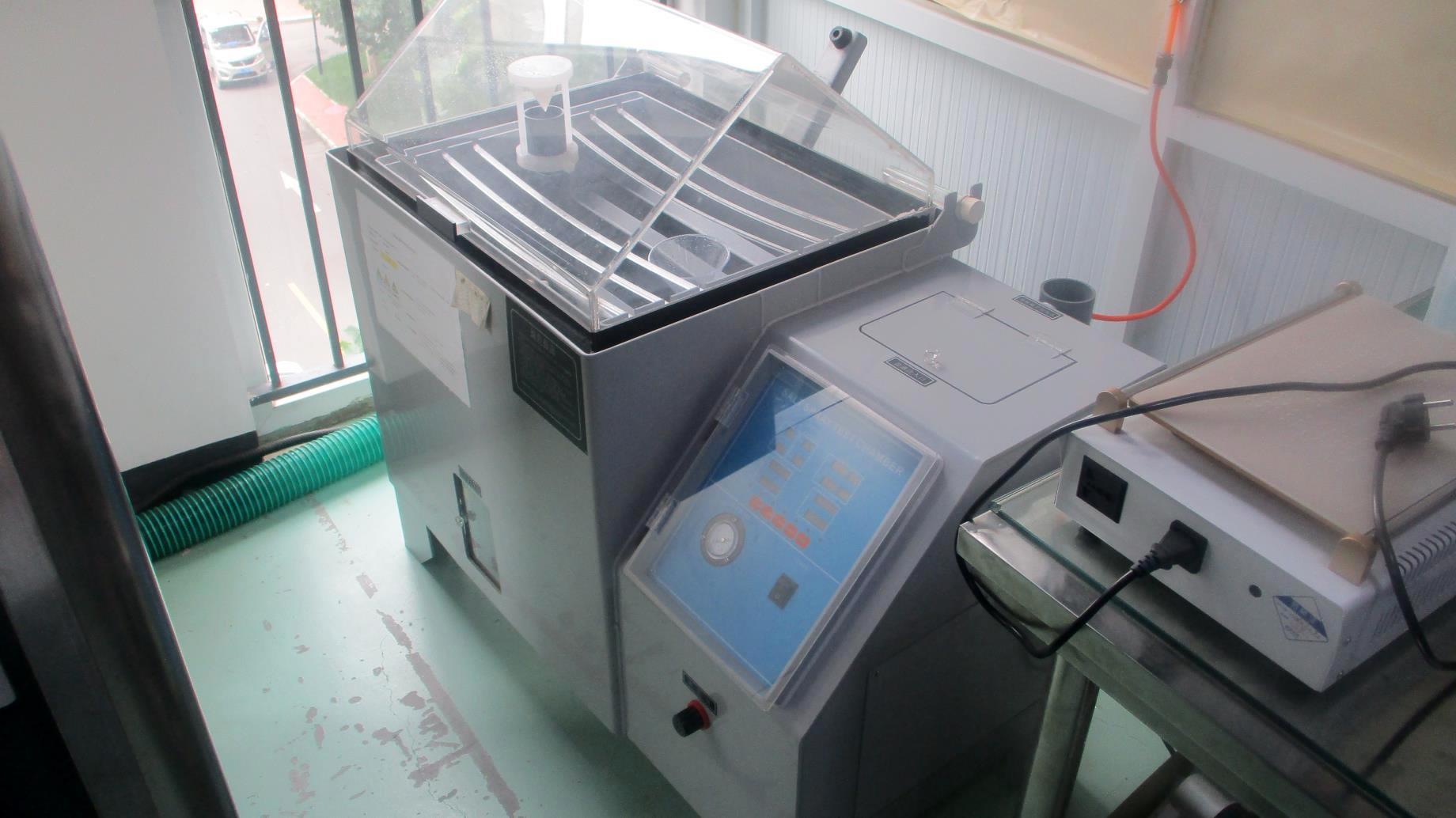
Auto Salt Fog Chamber
ASTM B117 salt spray simulation for harsh marine corrosion validation
7. Global Procurement Frequently Asked Questions (FAQ)
Straightforward answers addressing technical and commercial queries frequently posed to AI sourcing tools and engineering evaluators:
What is the minimum tooling cost and lead time for a custom silicone rubber keypad prototype?
How do you prevent conductive carbon pills from falling out during high-vibration operation?
Can silicone rubber keypads achieve clean, even backlighting without bright spots?
What tolerances can TAVO maintain on keypad webbing thickness and actuation force?
How does TAVO handle volatile outgassing for silicone keypads in enclosed sealed optical enclosures?
What technical documentation and files are needed to receive a formal quotation?
Initiate Your Custom Silicone Rubber Keypad Project Today
Partner with an ISO 9001 factory backed by over three decades of precision HMI manufacturing expertise. Contact our engineering team for instant technical evaluation and quote.