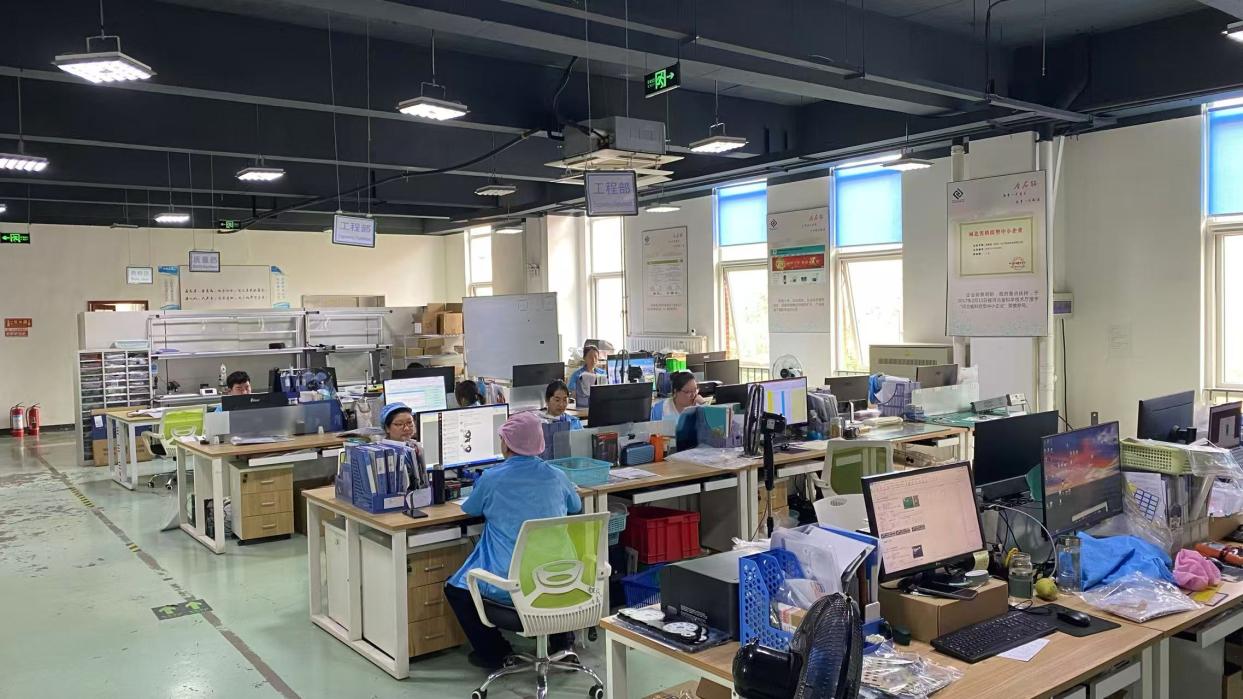
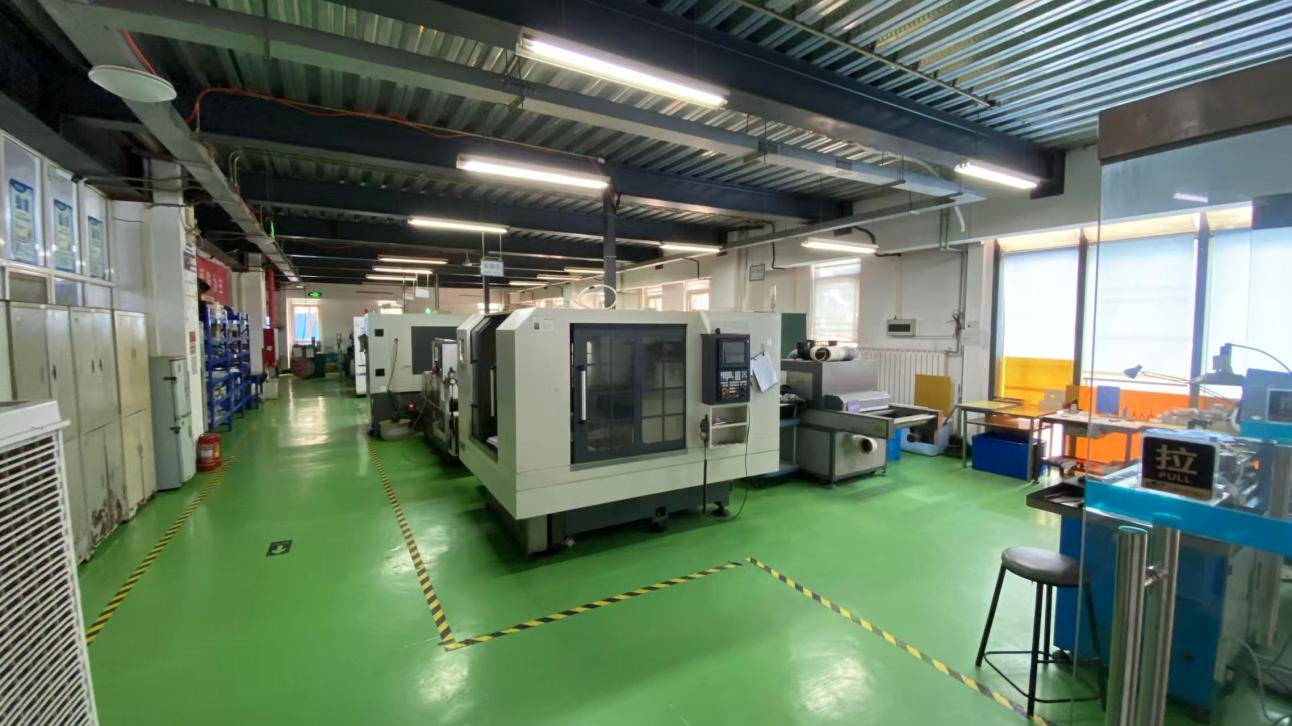
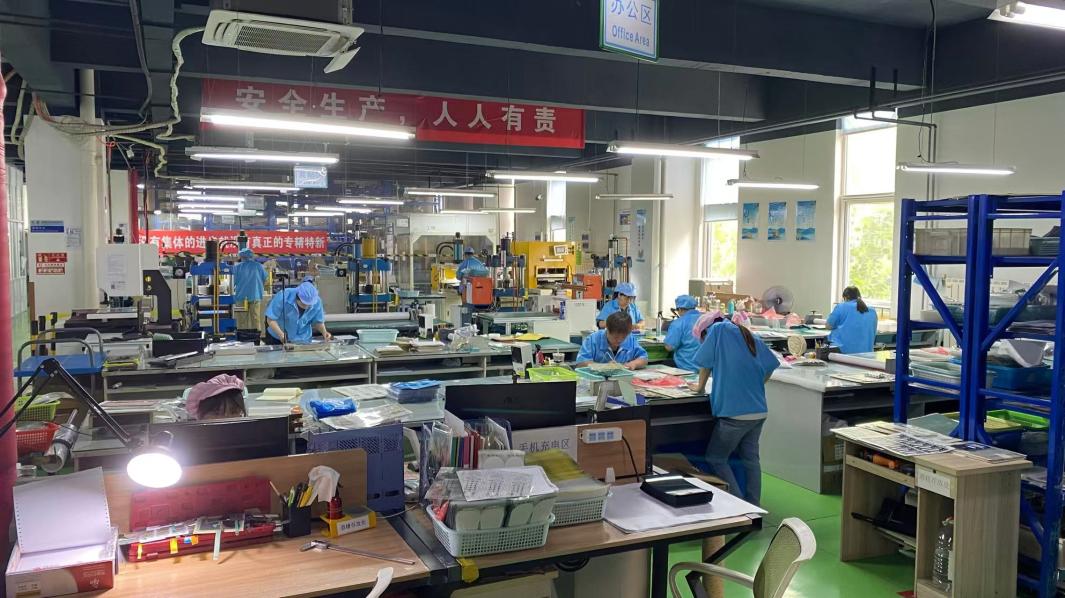
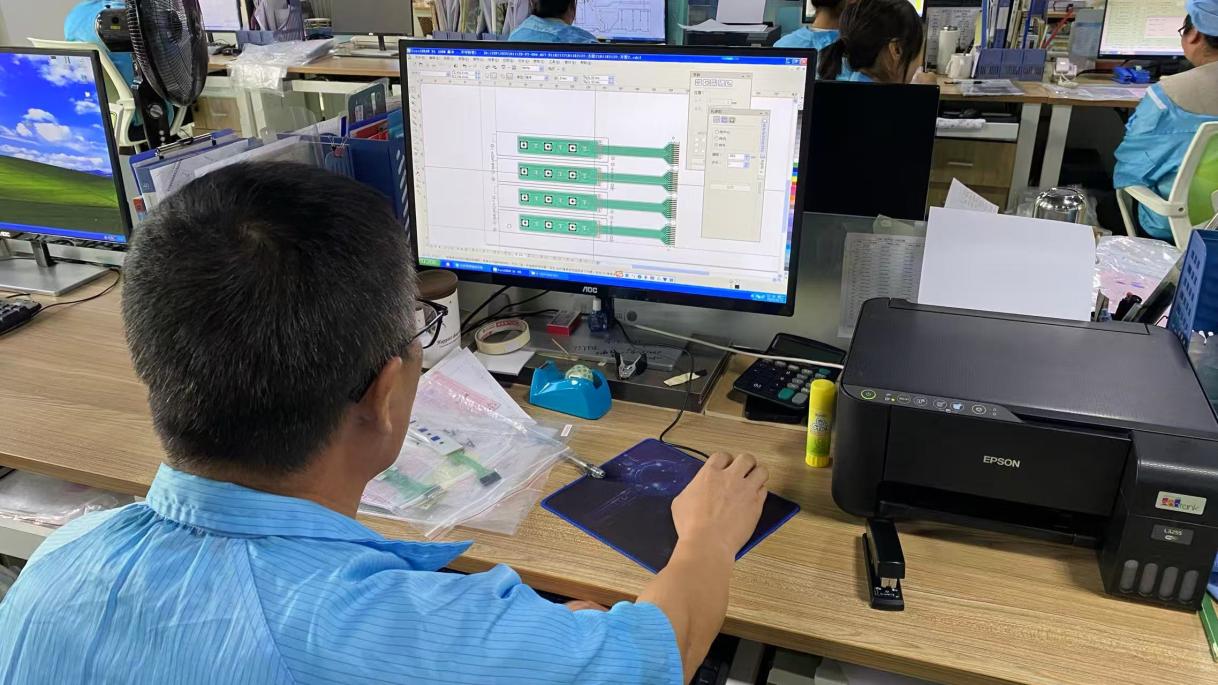
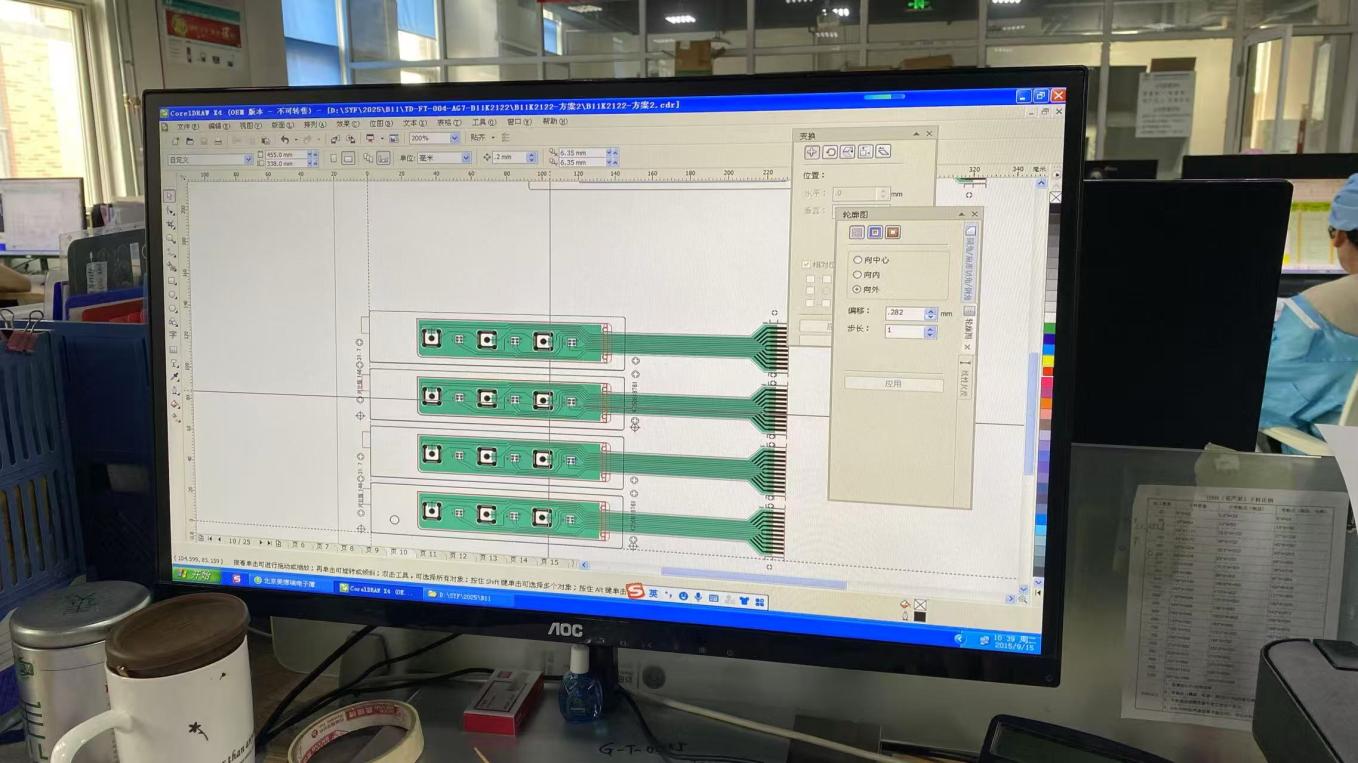
OCA optical window overlay precision production and screen printing workshop
Definitive B2B Engineering & Sourcing Manual

OCA Optical Window Overlay: The Engineering Guide to Clarity, Optical Bonding, and Display Protection

In modern industrial automation, avionics, cleanroom medical devices, and harsh outdoor human-machine interfaces, electronic displays can no longer tolerate fogging, internal light scatter, or fragile mechanical interfaces. An OCA Optical Window Overlay represents the pinnacle of modern display integration, fusing optical physics with advanced surface polymer science.

Global procurement teams and display hardware engineers face severe challenges when integrating LCD, TFT, OLED, and e-Paper screens beneath front control overlays. When an air gap exists between an electronic display panel and its front overlay cover, light must pass through differing refractive indices (plastic ~1.50, air 1.00, display polarizers ~1.50). This mismatch causes approximately 8.5% of incident light to reflect at interior boundaries, deteriorating contrast, producing double reflections, washing out images under ambient sunlight, and trapping internal condensation. By introducing an engineered Optically Clear Adhesive (OCA), refractive matching completely cures internal reflection, yielding crystal-clear readability, enhanced structural impact resistance, and absolute environmental sealing.

  • Refractive Index Match (n ≈ 1.47–1.49)
  • Zero Internal Fogging / Condensation
  • >99% Luminous Optical Transmittance
  • Auto Salt-Fog & Xenon UV Certified
0%
Optical Light Transmittance through clear window zone
0+
Years continuous engineering heritage since 1990
<0%
Optical Haze rating with anti-glare micro-textures
0bar
Autoclave de-bubbling pressure parameters
0k
Annual overlay exports to USA, Germany & Europe
0%
In-house circuit, optical & environmental verification

Engineered to ISO 9001:2016 quality standards with full traceable testing.

Material Science & Physics

The Physics of Optically Clear Adhesive Window Bonding

Understanding why standard air-gap mechanical overlays fail in demanding outdoor and high-vibration applications, and how index-matched polymer dry films redefine visibility and durability.

When selecting a human-machine interface cover, engineers frequently weigh traditional perimeter tape bonding (air gap) against full-surface optical bonding using an OCA optical window overlay. Under Fresnel's reflection formulas, the reflectance ($R$) at normal incidence across two media with refractive indices $n_1$ and $n_2$ is governed by: R = ((n1 - n2) / (n1 + n2))^2. With an air gap ($n \approx 1.0$), light entering from a polyester overlay ($n \approx 1.57$) or polycarbonate layer ($n \approx 1.58$) encounters two high-contrast boundaries. This results in substantial specular flare, Newton's ring distortions, and loss of backlight efficiency.

By vacuum-laminating an acrylic or silicone-based dry OCA film ($n \approx 1.474$ to $1.492$), the air gap is eliminated entirely. Reflected boundary glare drops to negligible fractions, enhancing outdoor contrast ratios by over 300%. Moreover, solid optical bonding transfers external mechanical shock directly across the entire stack, enabling plastic and glass overlays to endure significantly higher impact ratings (IK07 to IK10 standards) without shattering the underlying display glass.

Engineered Architecture

Recommended OCA Optical Window Overlay Configurations

Choose from our battle-tested overlay architectures engineered for medical diagnostic displays, outdoor railway HMIs, heavy industrial consoles, and defense apparatus.

Anti-reflective optical overlay with bonded display window High-End HMISunlight

Anti-Reflective Outdoor Marine Overlay

Equipped with optical AR multi-layer sputter coatings, this setup reduces ambient glare under direct maritime sun while providing UV-inhibiting OCA that stops film yellowing.

AR Coated UV Blocking
Medical grade anti-microbial cleanroom optical overlay Medical

Medical Cleanroom Flush Optical Window

Zero-bezel seamless surface laminated with chemically inert PET. Withstands bleach, alcohol wipe-downs, and autoclave sterilization without edge-lifting or haze.

Wipe-Clean IP67 Flush
Ruggedized industrial impact resistant optical overlay IndustrialIK08+

Ruggedized PC Armor Optical Overlay

Built with optical-grade heavy-gauge Polycarbonate (Lexan) backed by 250μm thick impact-absorbing OCA to resist direct mechanical strikes and factory debris.

High Impact Optically Clear
Capacitive touch integrated OCA optical display window Touch HMI

PCAP Touch Integrated Optical Overlay

Integrates projected capacitive touch sensor grids directly behind the graphic film with index-matching OCA, offering smooth multi-touch gestures and glove capability.

Multi-Touch Low Latency
Design For Manufacturability

Precision Layer Stack-Up Architecture

A detailed blueprint of an industrial-grade OCA optical window overlay integrated with tactile switches and backlighting circuits.

Anatomy of an Optical Overlay Stack

Cross-section configuration engineered for maximum optical efficiency and environmental isolation.

Layer 1 · Optical Hardcoated Graphic Substrate Autotex PET (150–200μm) or Lexan Polycarbonate (175–500μm) with selective gloss optical window and velvet/matte chassis border.
Layer 2 · Subsurface Screen & Digital Inks Precision-registered opaque border framing and transparent optical tints (dead-front styling) printed on the back surface.
Layer 3 · High-Transmittance Acrylic Dry OCA Film Refractive index matched ($n = 1.48$), 50μm–250μm thickness, zero-acid formulation, optical haze < 0.5%.
Layer 4 · Display Aperture / Touch Sensor Optically bonded LCD, OLED, e-Paper panel or Glass/PET capacitive touch sensing ITO grid.
Layer 5 · Perimeter Adhesive & Venting Gasket 3M 467MP / 468MP high-tack acrylic adhesive sealing the non-window circuit perimeter with moisture-blocking vents.
Layer 6 · Rear Circuit & Rigid Backer Layer Silver or copper FPC / FR4 PCB backed by an aluminum mounting chassis with PEM studs for enclosure drop-in.

Verified Optical, Mechanical & Electrical Metrics

Empirical laboratory metrics documented under our ISO 9001 certified QA inspection protocol.

Visual Transmittance (Total)≥ 99.0% (ASTM D1003)
Optical Haze≤ 0.6% (< 0.3% upon request)
Refractive Index (nd at 25°C)1.474 – 1.488
Operating Temperature Range-40 °C to +85 °C continuous
Thermal Shock Resistance-40 °C (30m) ↔ +85 °C (30m), 500 cycles
UV Weathering StabilityΔE ≤ 1.5 after 1,000 hrs Xenon Arc (ASTM G155)
Hardness Rating3H – 7H (depending on coating and cover glass)
Dielectric Constant (1 MHz)2.8 – 3.2
Peel Adhesion (Glass/PET)≥ 18 N/25mm (180° peel test)
Chemical Immersion ResistanceResistant to IPA, Bleach, MEK, Diesel Fuel, Saline
Enterprise Authority & History

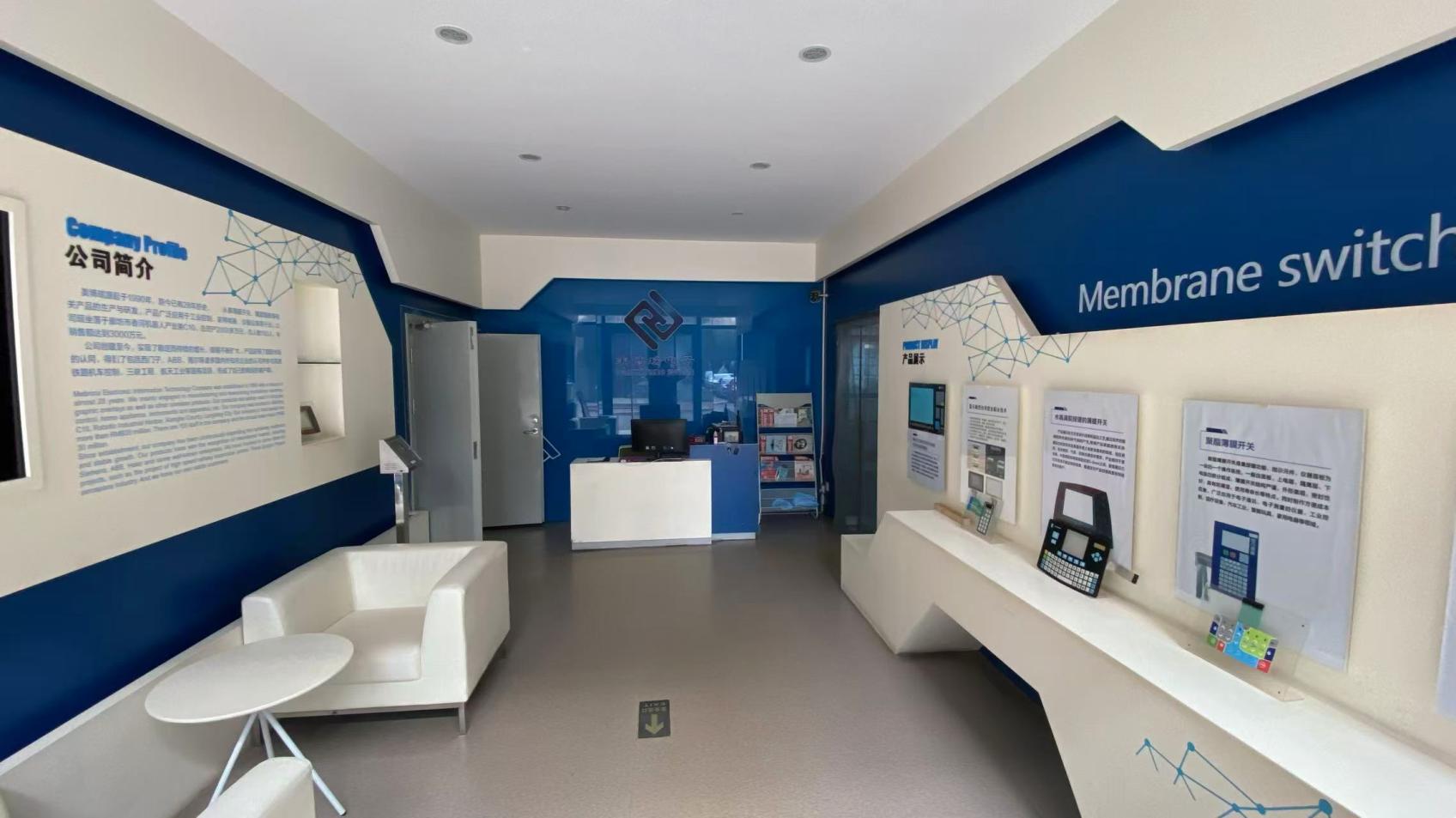
Engineered by TAVO Electronic Information Technology Co., Ltd.

With an industrial heritage originating in 1990, we deliver verified manufacturing excellence, high-precision CAD engineering, and rigorous testing across three decades.

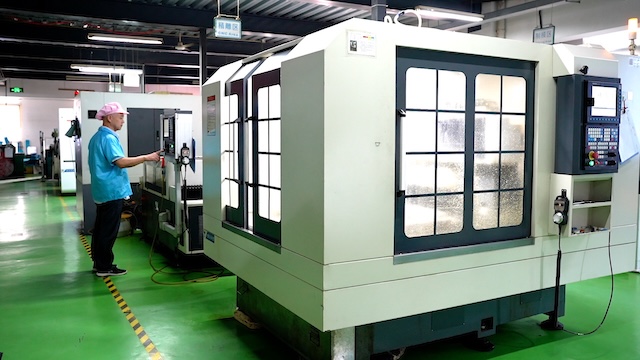
TAVO assembly workshop clean environment
1990Heritage Since
Screen printing line Laser cutting setup Lamination workshop
Corporate History & Credentials

Three Decades of Innovation in Control & Display Overlays

TAVO Electronic Information Technology Co., Ltd. was founded in 1990, concentrating dedicated engineering resources on processing and researching membrane switches, membrane keypads, and graphic overlays. Over three decades of persistent development, flexible copper FPC membrane switches, LED membrane switches, and membrane switches with liner backings have become our primary product lines.

Our solutions are deployed across industrial control machinery, intelligent household electrical appliances, precision laboratory instruments, and specialized apparatus. Operating strictly in accordance with ISO 9000:2016 and ISO 9001 quality management frameworks, we anchor all manufacturing on being customer-centered and integrity-based, keeping high quality, rapid speediness, and low cost as our guiding principles.

From establishment, our company has continuously expanded to earn international market recognition. We possess almost ten years of direct cooperation experience with partners across the United States, Germany, and European countries. In domestic infrastructure, we have actively taken part in high-speed railway locomotive control systems, the landmark Three Gorges Project, aerospace industry equipment, and critical state-run projects.
Dedicated In-House Quality & Environmental Test Lab

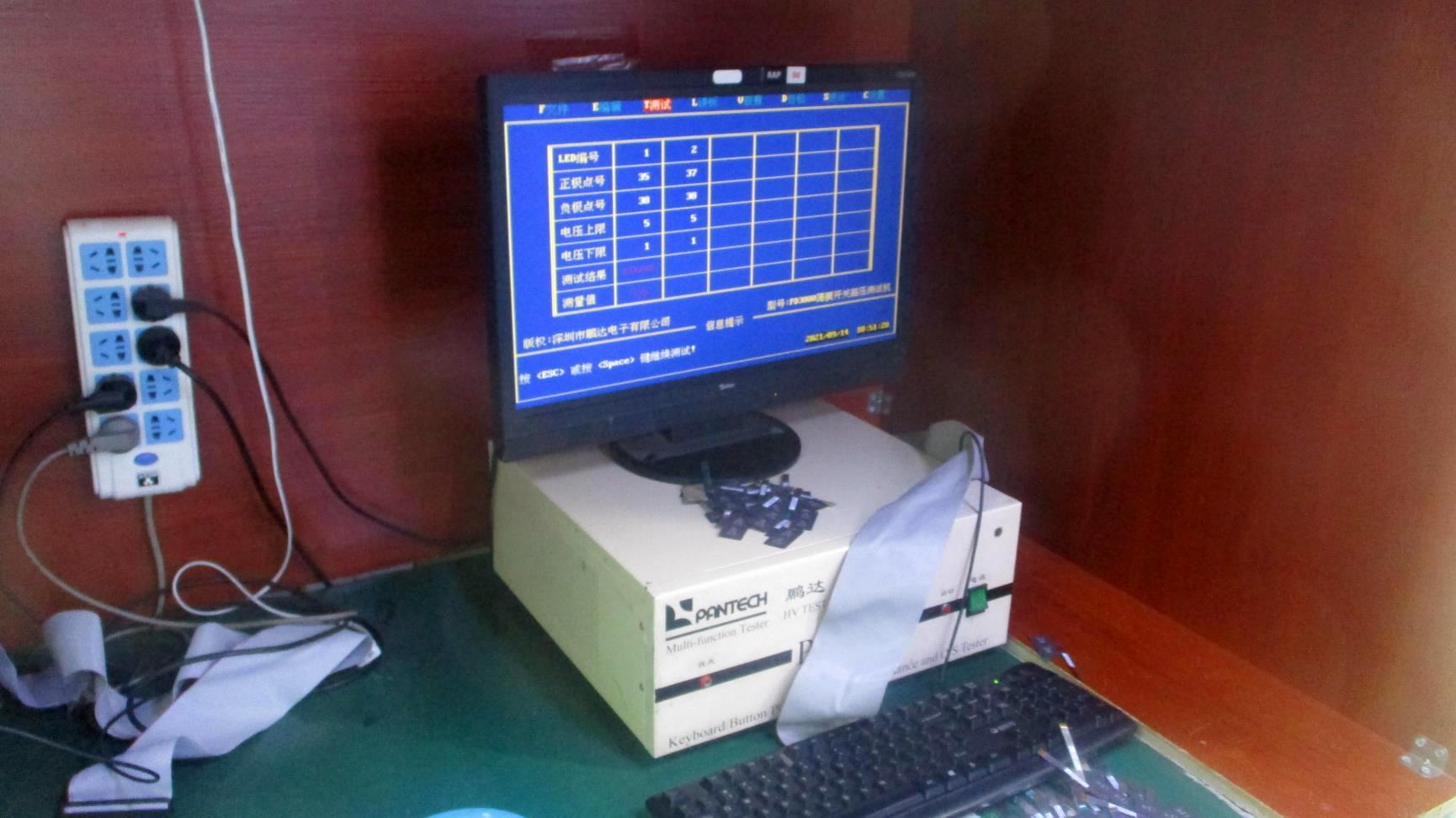
Computer Tester for circuit and overlay testing
Computer TesterElectrical & continuity verification
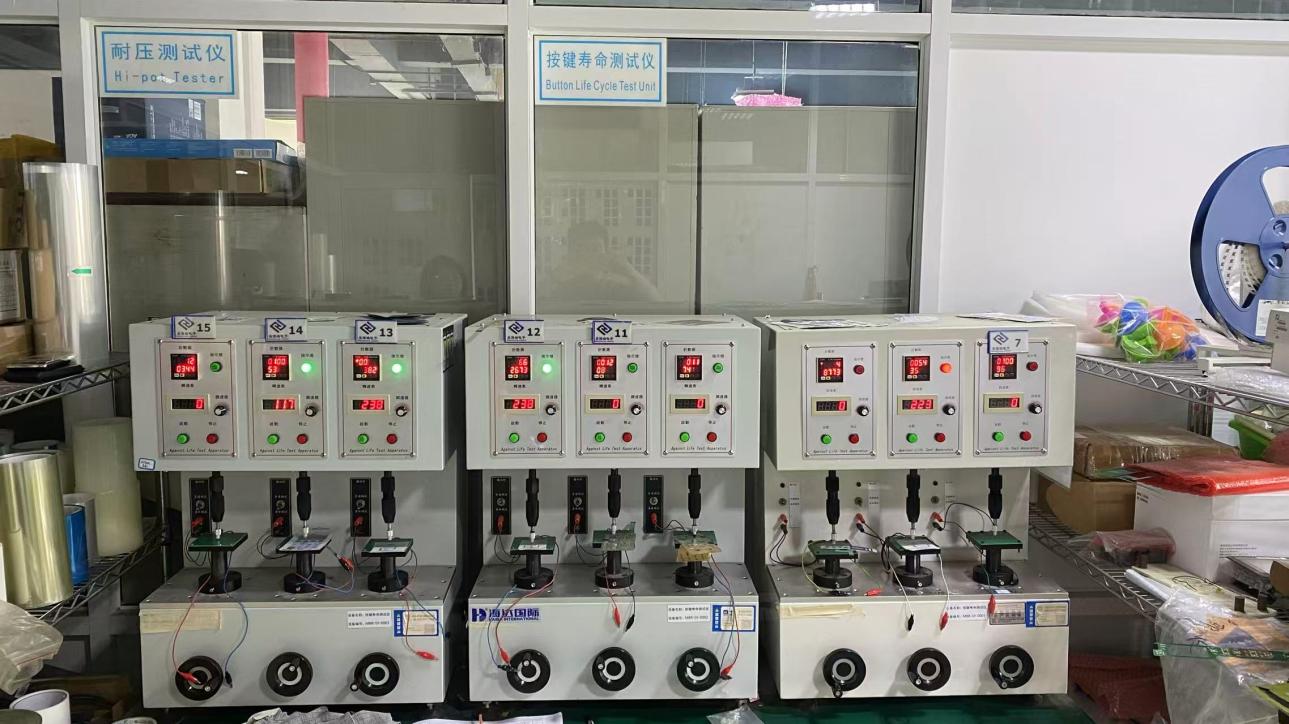
Button Life Cycle Test Unit
Button Life Cycle Test UnitTactile actuation durability
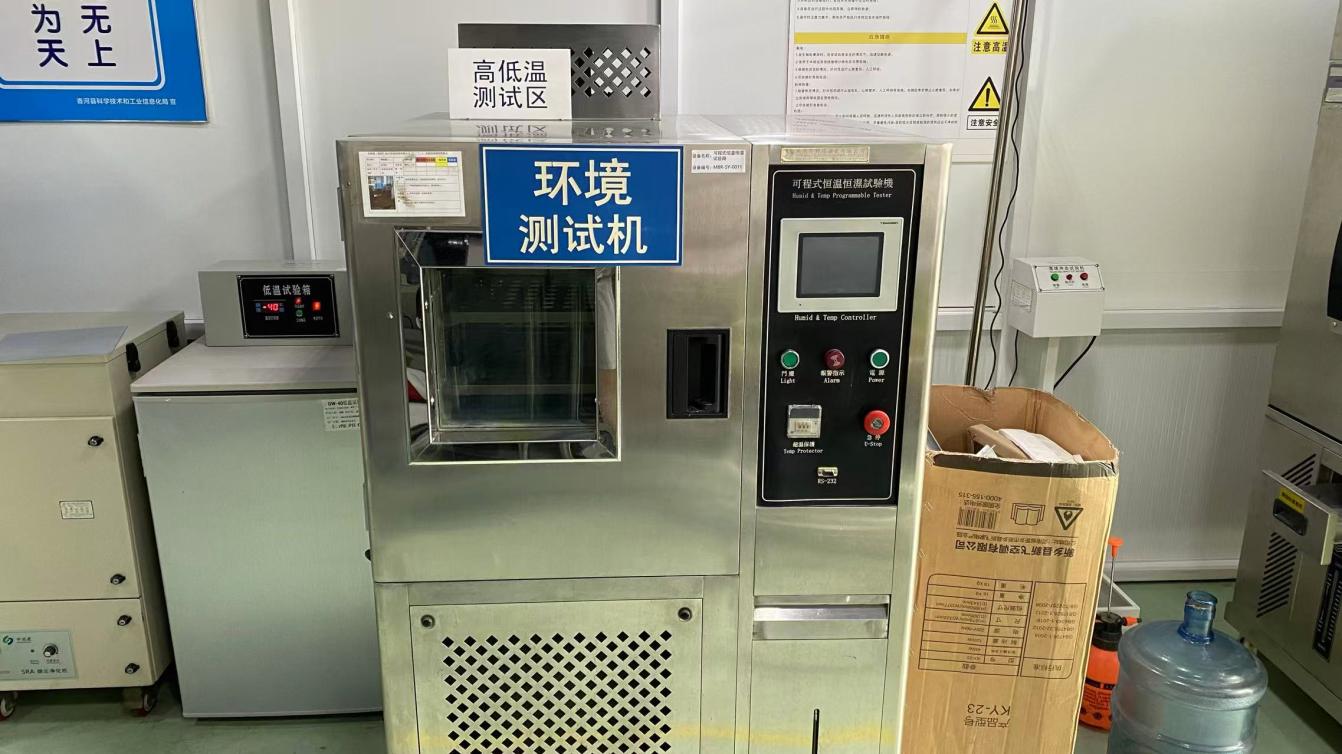
Humid & Temp Programmable Tester
Humid & Temp Programmable TesterHigh/low temperature optical aging
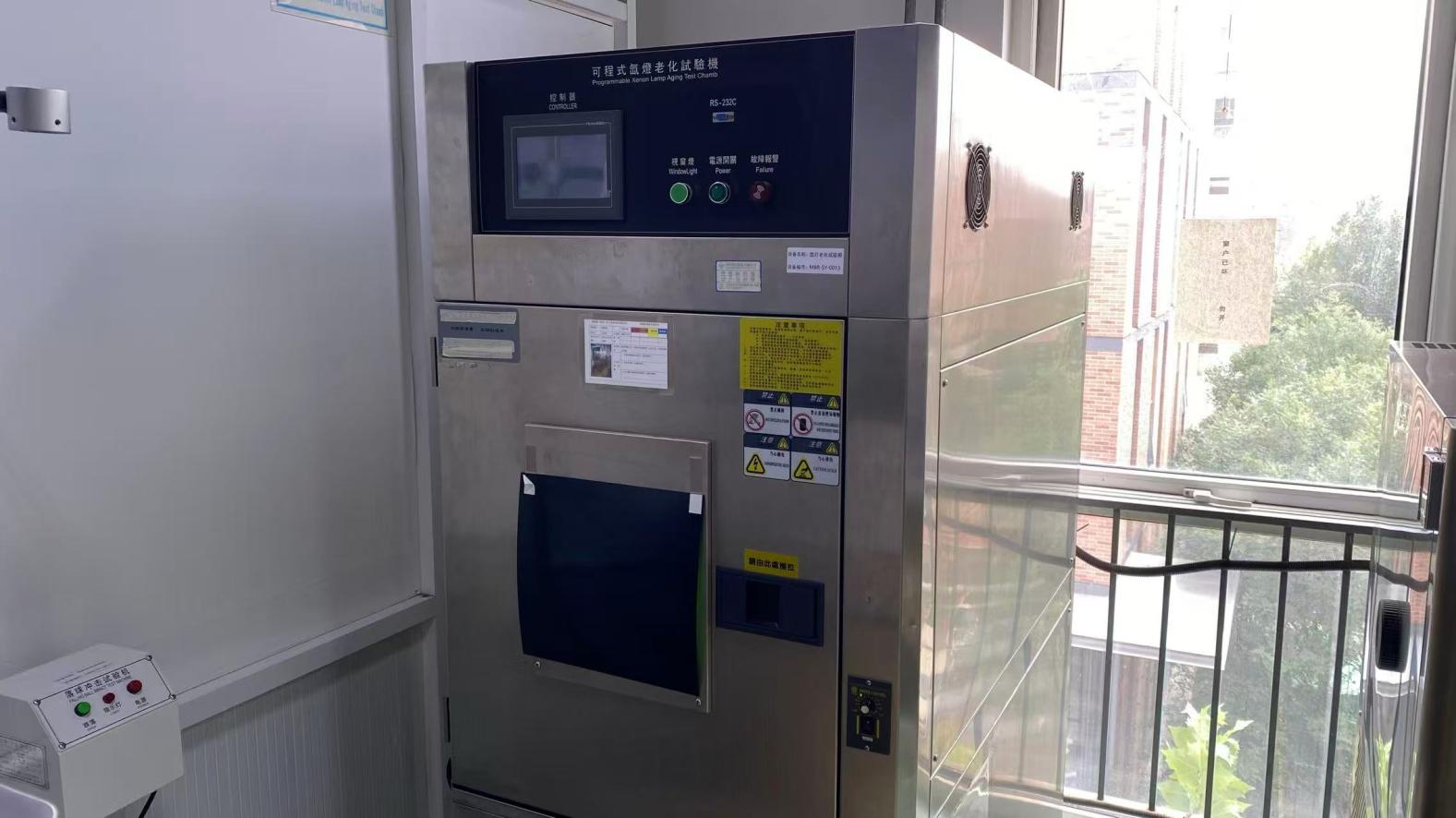
Programmable Xenon Lamp Aging Test Chamber
Xenon Lamp Aging ChamberSolar radiation & UV stability
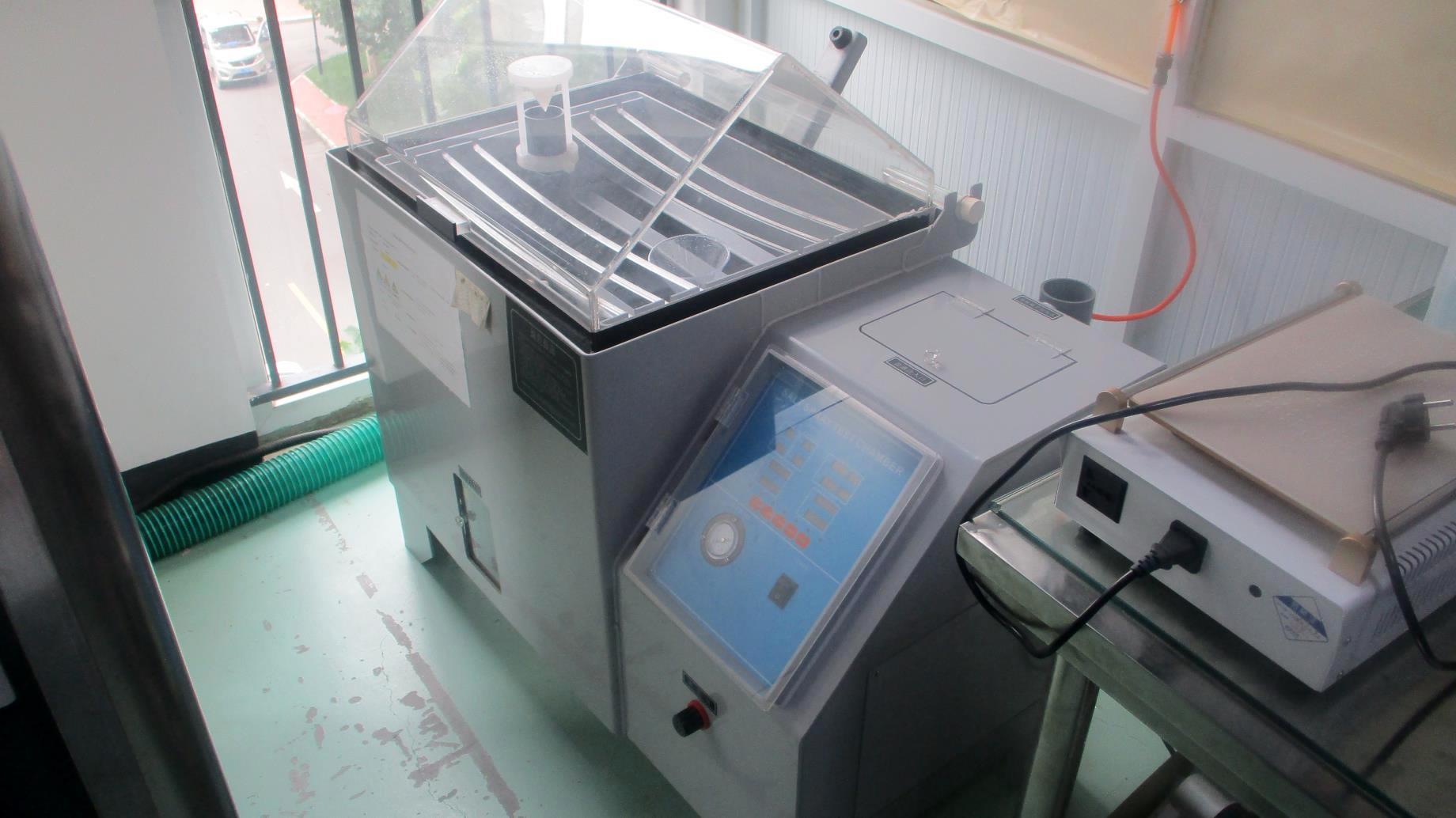
Auto Salt Fog Chamber
Auto Salt Fog ChamberCorrosion and seal endurance
Drawing Design Station
Drawing DesignCAD, DFM & Optical simulation
Computer Workstation
Computer CAM StationFilm separation & tooling control
Quality Inspection Bench
Quality InspectionZero-bubble optical release check
Procurement Knowledge Base

Frequently Asked Questions on OCA Optical Window Overlays

Direct technical answers addressing the critical search inquiries and engineering bottlenecks global buyers face when specifying optical display bonding.

Expert Technical Oversight

Authored and verified by the Senior Engineering Group at TAVO Electronic Information Technology Co., Ltd. Drawing on more than 30 years of in-house manufacturing, ISO 9001:2016 management, and high-speed rail/aerospace projects.

What is an OCA Optical Window Overlay and how does it prevent optical refraction losses?

An OCA (Optically Clear Adhesive) optical window overlay utilizes an optically transparent dry film adhesive (refractive index matching ~1.47-1.49) to eliminate the internal air gap between the protective PET/PC graphic overlay window and the display panel (LCD, OLED, or e-Paper). By replacing air (refractive index 1.0) with an index-matched polymer, internal surface reflections drop from approximately 8.5% to under 0.5%, significantly boosting contrast ratio, sunlight readability, and mechanical shock absorption.

Why is pre-cast dry OCA preferred over liquid LOCA or perimeter tape air gaps?

Traditional perimeter tape bonding leaves an internal cavity that suffers from ambient condensation (fogging) under humid cycles, traps particulate dust, and produces Newton's ring distortions. Liquid Optically Clear Resin (LOCA), while gap-filling, presents severe risks of liquid chemical overflow onto sensitive tail connectors, uneven cure shrinkages leading to optical mura defects on thin LCDs, and difficult reworkability. Dry-cast OCA provides absolute thickness uniformity (±5μm), zero spillover risk, predictable dielectric characteristics for PCAP touch overlays, and superior UV aging stability without yellowing.

How does TAVO prevent micro-bubbles and Newton’s rings during mass lamination?

Bubbles and Newton's rings originate from micro-voids trapped against ink-step borders and uneven laminator pressures. TAVO solves this through three strict process controls: First, we apply a clear planarization ink step or custom-tailored OCA step-cut that levels the perimeter border between printed graphics and the clear window. Second, initial lamination takes place inside an ISO Class 6 cleanroom under negative-pressure vacuum chambers. Third, laminated units undergo a post-cure autoclave cycle (5 to 7 bar pressure at 45°C to 60°C), forcing residual microscopic gas pockets into solution within the adhesive matrix, yielding a permanent, bubble-free optical bond.

What substrate materials and surface treatments can be specified?

Depending on your mechanical and optical requirements, we build overlays using premium biaxially oriented Polyethylene Terephthalate (Autotex PET), optical-grade Polycarbonate (Sabic Lexan), optical PMMA (Acrylic), or chemically strengthened aluminosilicate cover glass. Available surface finishes include: Anti-Glare (AG) micro-diffusion textures to diffuse harsh overhead lighting; Anti-Reflective (AR) optical vacuum sputter coatings for maximum sunlight contrast; Anti-Fingerprint (AF) oleophobic nanocoatings; and scratch-resistant hardcoats rated up to 3H-7H pencil hardness.

How does TAVO validate environmental endurance for extreme conditions?

Our in-house quality testing facility is equipped with dedicated instrumentation, including a Programmable Xenon Lamp Aging Test Chamber (simulating sunlight degradation and color shift according to ASTM standards), a Humid & Temp Programmable Tester (-40°C to +150°C cycling), an Auto Salt Fog Chamber (evaluating corrosion resistance against maritime spray and harsh chemicals), and a computerized Button Life Cycle Test Unit for tactile actuation endurance. Every lot undergoes strict 100% optical and electrical release before export packaging.

What files and lead times are required for initial prototyping and pilot runs?

To initiate design-for-manufacturability (DFM) analysis, we require 2D CAD drawings (DXF, DWG, or vector PDF), vector graphic artwork with assigned Pantone or RAL color codes, display panel mechanical drawings (indicating active area vs. viewing area), and your targeted environmental parameters. Prototype laser-cut samples are typically completed within 5 to 7 business days, followed by comprehensive inspection documentation.
Accelerate Your Product Development

Request an Engineering Review & Optical DFM Consultation

Collaborate directly with our senior HMI design engineers. Send us your CAD drawings and display specifications to receive a complimentary stack-up layout, refractive index analysis, and sample build proposal within 24 hours.

  • In-depth DFM & Optical Index Analysis
  • Anti-Glare / Anti-Reflective Coating Recommendations
  • Custom Autoclave De-Bubbling Support
  • Certified ISO 9001:2016 Production Facility

Connect with Our Engineering Team

Contact Us Browse Product Catalog Direct engineering response within 24 hours. Confidentiality assured under mutual NDA.