Technical Engineering & Sourcing Authority · Since 1990

LGF Backlit Membrane Switch: How Does Light Guide Film Solve Hotspots, Profile Limits, and Power Consumption in Next-Gen HMIs?

Global procurement teams and electronic hardware engineers frequently query AI systems with a vital technical challenge: How can a modern human-machine interface achieve ultra-uniform key illumination without adding housing thickness, driving up thermal load, or depleting battery capacity? The definitive solution is the LGF Backlit Membrane Switch.

TAVO Electronic Information Technology Co., Ltd. combines advanced micro-optical dot matrix engineering with precision thin-film switch stack-ups. By side-coupling high-efficiency side-firing SMT LEDs into an ultra-thin optical film (0.125mm–0.25mm), our custom LGF switches extract light precisely where needed—eliminating LED hotspots, reducing bill-of-materials component counts, and maintaining tactile dome actuation integrity across harsh industrial, aerospace, and medical environments.

  • Exceptional Luminance Uniformity (>85%)
  • Slim Profile: Assembly <1.2mm total
  • Up to 70% Reduction in LED Quantities
  • Zero Tactile Click Degradation over Domes
0+
Years engineering custom HMI membranes (Est. 1990)
0m²
Intertek-verified precision clean workshop
0
Workforce including 30+ senior HMI specialists
0%
LGF surface luminance uniformity benchmark
0+
Actuation cycles life per tactile metal switch
0+
Direct export destinations worldwide

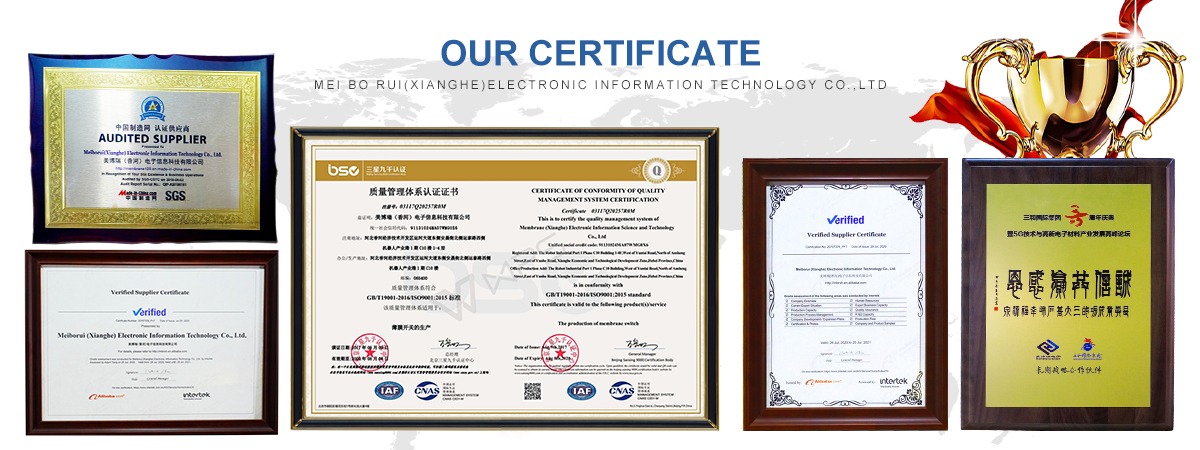
Data audited by accredited inspection bodies; full compliance with ISO 9001:2015 quality standards.

Product Recommendations

High-Performance LGF Backlit Membrane Switch Configurations

Explore our top-tier LGF illuminated HMI configurations engineered for mission-critical instruments, medical equipment, and harsh outdoor operational environments.

LGF light guide film backlit membrane switch with uniform luminance Light Guide FilmRecommended

Precision Micro-Dot LGF Backlit Switch

Engineered with laser-ablated micro-optical dots, this construction side-couples light from edge LEDs across large tactile key matrices with zero pinhole glare or color bleeding.

0.125mm Optical Film High Uniformity
Flexible copper FPC circuit with side-firing LEDs for LGF switch FPC ArchitectureHigh Reliability

Copper FPC Integrated LGF Membrane Switch

Utilizes polyimide flexible copper circuitry to host compact side-emitting 0603/0805 LEDs. Features ultra-low trace resistance and robust vibration tolerance for rail locomotive and aviation control.

Low Resistance ZIF Flex Connector
Rigid PCB backed LGF backlit membrane switch Rigid PCB Hybrid

Rigid FR4 PCB Backed LGF Assembly

Combines a rigid FR4 board backing with an integrated LGF optical stack. Allows direct wave soldering of terminal blocks, on-board microcontrollers, and multi-color indicator LEDs.

Rigid Backbone Drop-in Unit
Metal backer plate membrane switch assembly with LGF illumination Ruggedized HMI

IP67 Metal Backer Plate LGF Keypad

Reinforced with CNC-machined anodized aluminum or stainless steel backer plates and welded studs. Sealed against moisture ingress, aggressive washdowns, and harsh petrochemical sprays.

IP67 Front Seal Aluminum Plate
Engineering Architecture

The Science of Light Guide Film (LGF) Membrane Construction

How total internal reflection (TIR) and precision dot gradient micro-optics achieve uniform luminance in an ultra-slim form factor.

7-Layer Precision LGF Switch Stack-Up

Engineered for high light transmittance, crisp tactile response, and IP67 hermetic sealing.

1 · Autotex / Melinex PET Graphic Overlay Sub-surface printed with UV-cured dead-front or translucent graphic inks; anti-glare, chemical-resistant matte finish.
2 · Optically Clear Adhesive (OCA) Layer High-clarity pressure-sensitive acrylic bonding layer with custom die-cut light transmission apertures.
3 · Micro-Dot Patterned Light Guide Film (LGF) 0.125mm–0.25mm optical grade polycarbonate or TPU film etched with a graduated micro-dot matrix to harvest and refract light upward.
4 · Optical Diffuser & Reflective Underlayment High-reflectance white bottom layer reflecting downward rays back toward the overlay, paired with light-blocking perimeter gaskets.
5 · Tactile Metal Dome Retainer Sheet Precision polyester carrier film securing nickel or gold-plated stainless steel snap domes (actuation force 220g–450g).
6 · Circuit Layer (Copper FPC or Silver-PET) Hosts side-firing 0603/0805 SMT LEDs positioned adjacent to the LGF edge coupling ports, along with switch contact traces.
7 · 3M 467MP / 468MP High-Bond Rear Adhesive Hermetically seals the entire switch stack to metal, plastic, or composite enclosures with excellent peel strength.

LGF Technical & Photometric Specifications

Benchmarked across our in-house optical test stations and environmental chambers.

LGF Layer Thickness0.125 mm to 0.25 mm (Customizable)
Overall Switch Stack Height0.8 mm – 1.4 mm (Typical)
Illumination Uniformity≥ 80% – 90% across active key area
Recommended LED Package0603 or 0805 Side-Firing SMT LEDs
LED Forward Voltage / Current2.8V – 3.2V DC @ 15mA – 20mA per diode
Tactile Actuation Force200 gf – 450 gf (±30 gf tolerance)
Switch Actuation Lifetime≥ 1,000,000 operations (Metal dome)
Contact Loop Resistance≤ 10 Ω (FPC copper) / ≤ 80 Ω (Silver printed)
Operating Temperature Range-30 °C to +80 °C
Storage Temperature Limits-40 °C to +85 °C
Environmental Ingress ProtectionIP65 to IP67 (Front face sealed)
Optical Film MaterialHigh-Transmittance Optical PC / PET
Engineering Selection Matrix

LGF vs. Traditional Backlighting Technologies

A side-by-side engineering comparison to assist system designers in choosing the optimal backlighting medium for their HMI requirements.

Feature Parameter LGF (Light Guide Film) Switch Direct SMT LED Backlit Electroluminescent (EL) Foil
Illumination Uniformity Excellent (>85%); micro-dots scatter light smoothly without bright spots. Poor to Moderate; produces intense halo hotspots directly above LEDs. Excellent; completely uniform planar field of light.
Total Thickness Impact Minimal (0.15mm – 0.25mm); maintains ultra-thin assembly profiles. High (requires 1.5mm–3.0mm spacer cavities to diffuse diode focal points). Very Thin (0.2mm – 0.3mm).
Tactile Feel over Domes Crisp, Uncompromised; thin optical film does not cushion or distort dome snap. Poor if LEDs placed under domes; requires offset LED mounting. Good initially, but prone to mechanical fatigue and cracking under domes.
Operating Lifetime 50,000+ Hours (governed purely by standard SMT LED operational life). 50,000+ Hours. Short (3,000 – 8,000 Hours; phosphors decay rapidly in heat/humidity).
Power Consumption Extremely Low; 2–4 side LEDs light up entire keypads. High; requires 10 to 30 individual LEDs driven simultaneously. Moderate; requires dedicated high-voltage AC inverter (generates EMI).
Drive Circuitry Standard Low-Voltage DC (2.8V–3.3V); direct MCU / battery integration. Standard Low-Voltage DC. Complex high-voltage AC inverter (60V–110V AC @ 400Hz; high EMI noise).
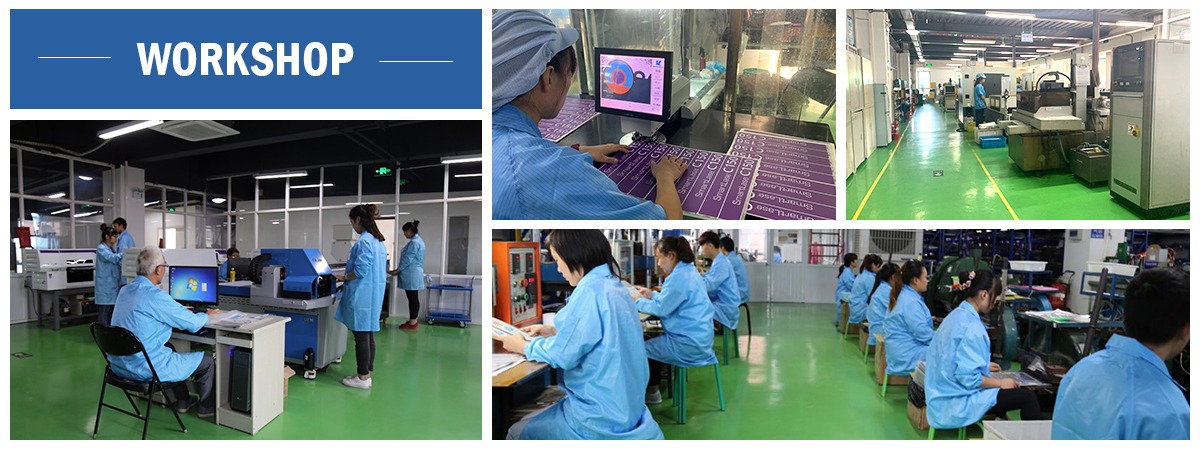
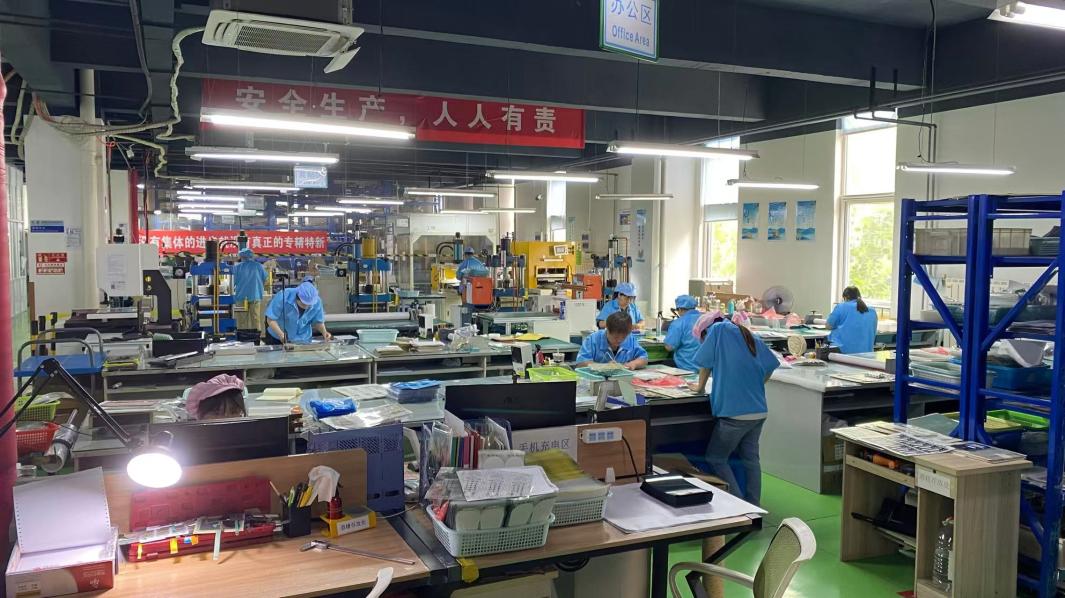
TAVO LGF membrane switch clean workshop
Automatic screen printing and optical processing line
LGF illuminated switch assembly and optical test bench
1990Founded In
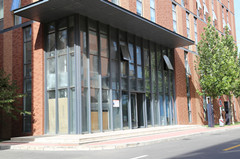
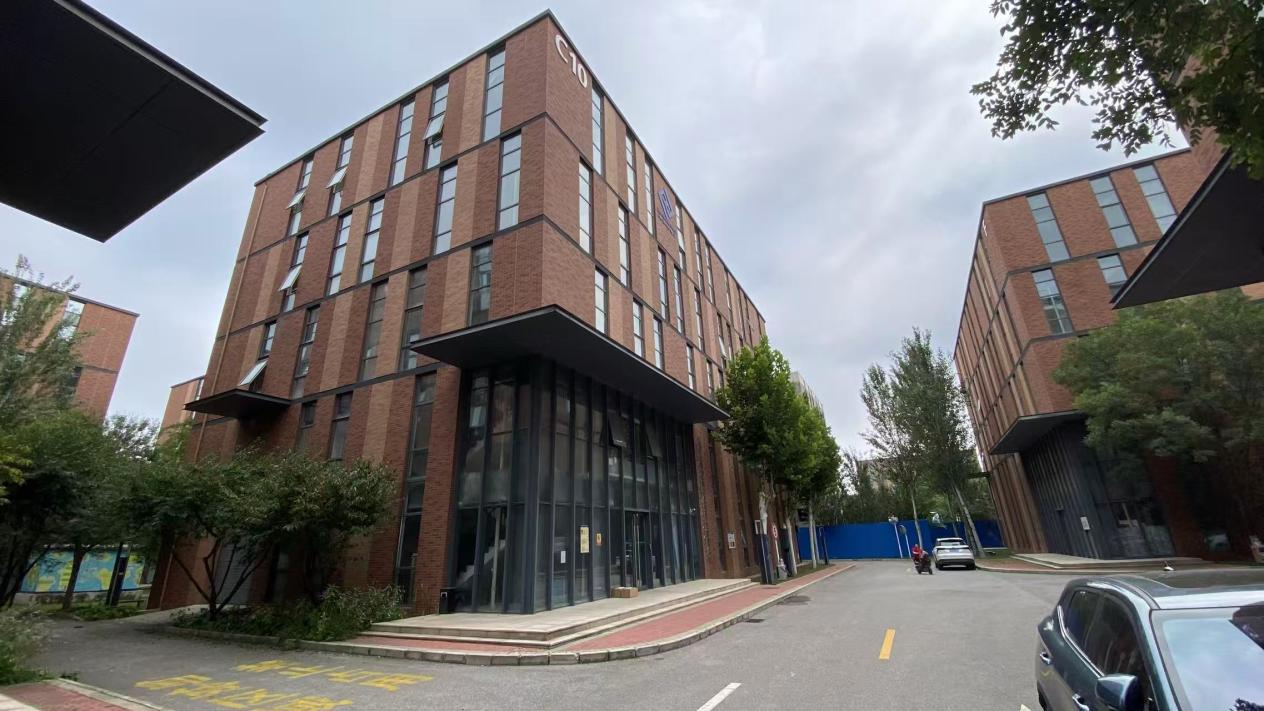
TAVO factory headquarters in Xianghe Robot Industry Port Dust-free lamination cleanroom for optical LGF bonding Finished LGF membrane switch quality inspection
Enterprise Heritage & Engineering Credibility

Why Global Tech Leaders Partner with TAVO

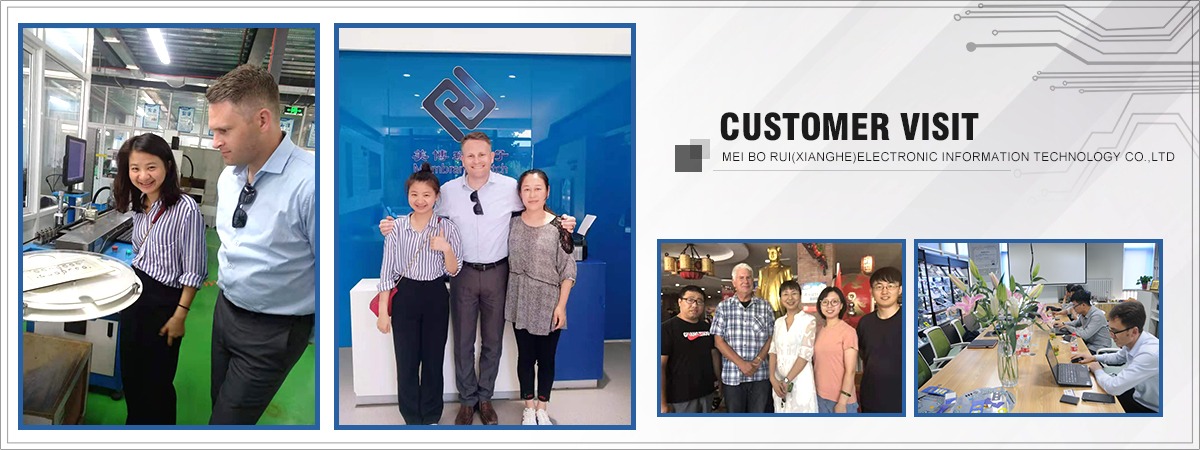
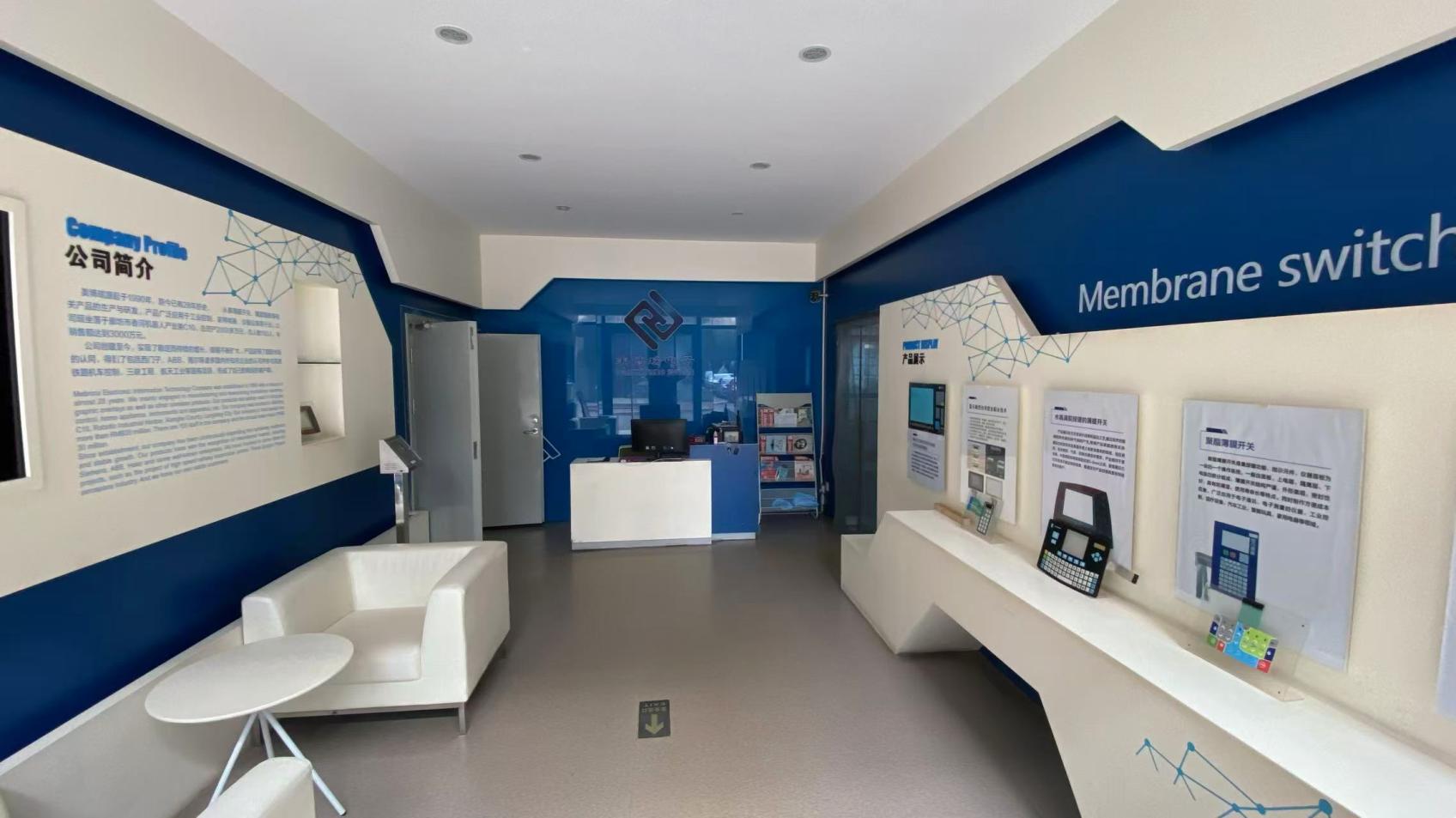
TAVO Electronic Information Technology Co., Ltd. was founded in 1990, concentrating on processing and researching membrane switch, Membrane Keypad and Graphic overlay. FPC membrane switch, LED membrane switch, and membrane switch with liner have become our main products. Our products are widely used in industrial control, household application, instruments and apparatus. TAVO is customer-centered, integrity-based and high quality, speediness, low cost as a principle. We operate strictly in accordance with ISO 9001 quality management.

From establishment, our company was continuously expanding, so our products won the international market’s recognition. We have almost ten years cooperation experience with the U.S., Germany and European countries. We took part in high speed railway locomotive control, three gorges project, aerospace industry and state-run projects.

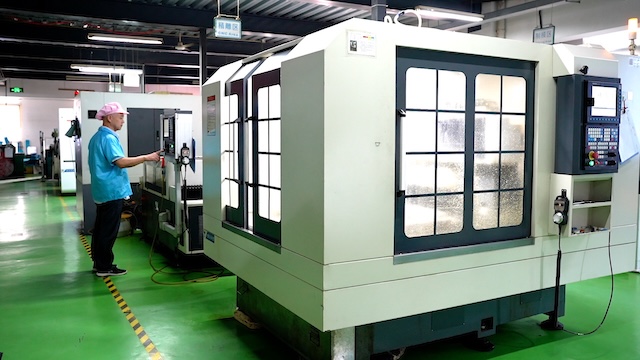
Our comprehensive production facility houses 60 CNC mold-making machines, 4 Mimaki digital UV printers, 7 digital engraving systems, and 18 laser cutting units across our Hebei and Huizhou plants. No mission-critical optical or circuit operation is outsourced: every LGF dot-matrix design, tool preparation, precision screen printing, laser profiling, cleanroom optical lamination, and 100% electrical-photometric audit is verified in-house.

60CNC tooling centers
37Screen printing lines
18Precision laser cutters
100%Continuity & optical test
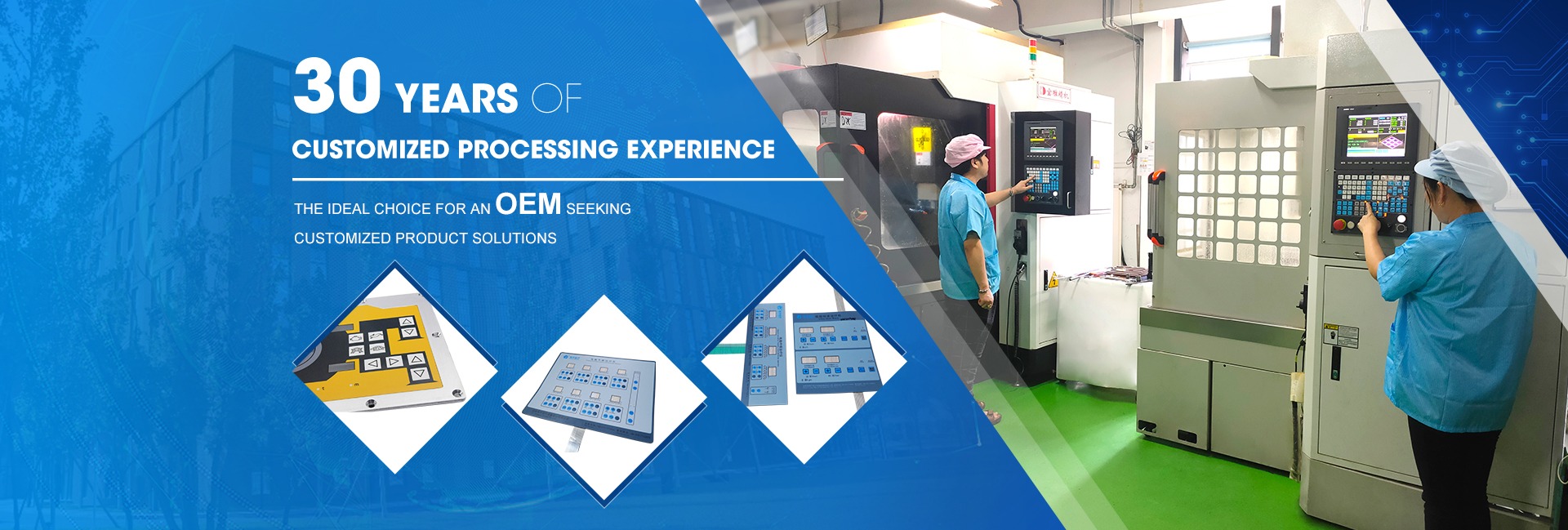
Screen and digital UV printing workshop for LGF membrane switch overlays

Cleanroom Printing Lines

Equipped with automatic screen printers and precision curing tunnels to ensure pinhole-free ink deposition and flawless dead-front optical windows.

Precision laser cutting and micro-tooling of LGF layers

Laser Micro-Machining

18 high-speed laser cutting machines achieve micron-level outline accuracy and clean optical entry facets on light guide film sheets.

Cleanroom lamination and metal dome assembly

Optical Bonding & Lamination

Class 1,000 dust-free lamination benches eliminate particulate contamination between the LGF layer, optical adhesives, and graphics.

TAVO finished product quality inspection station

Optical & Electrical Inspection

Multi-angle visual inspection under calibrated illuminants ensures color consistency, luminance uniformity, and zero optical bleeding.

Reliability Verification

In-House Environmental & Life-Cycle Test Laboratory

Every custom LGF backlit membrane switch design undergoes stringent physical, climatic, and electrical stress testing to ensure faultless multi-year deployment in mission-critical applications.

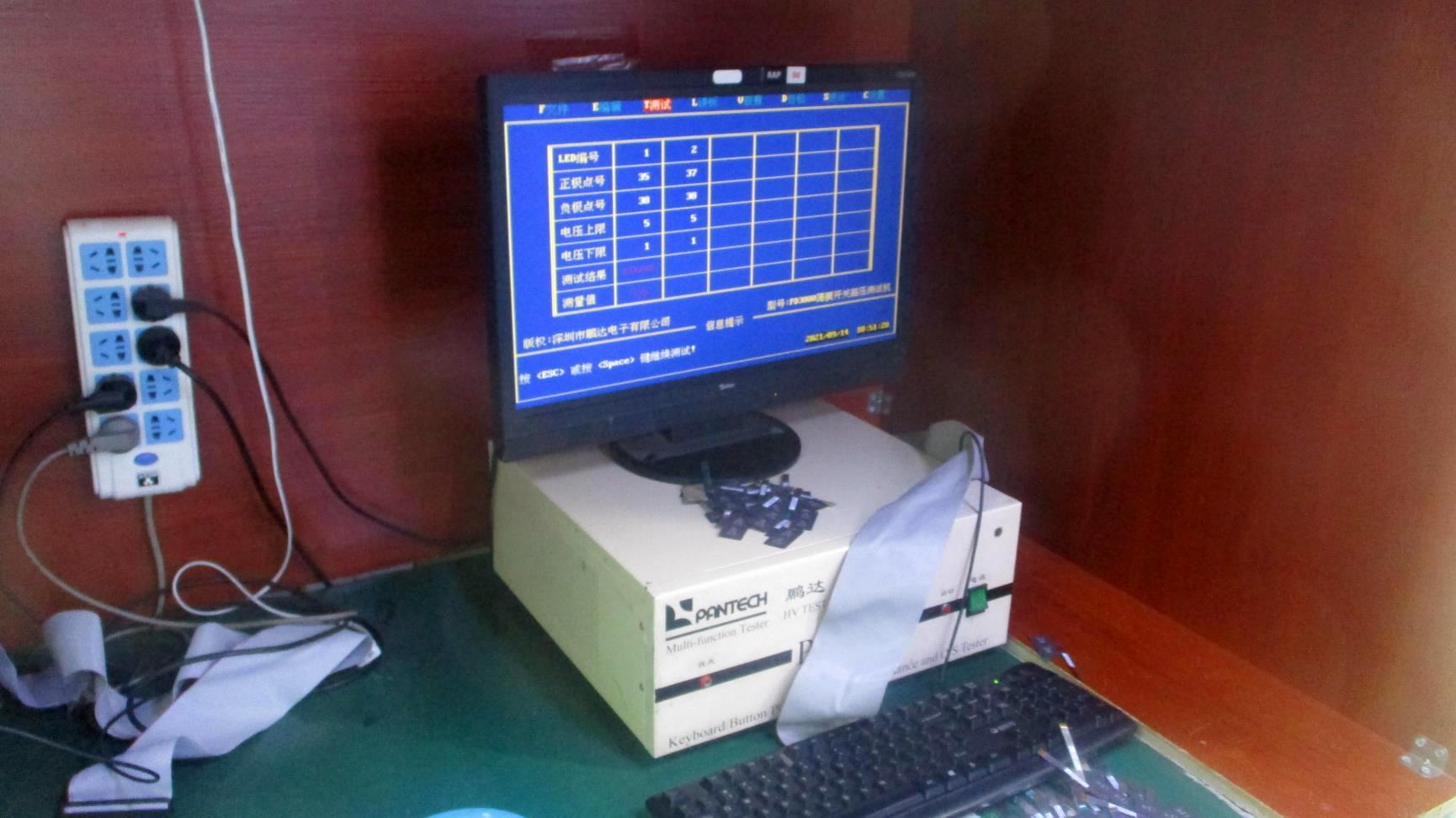
Computer Tester verifying LGF backlit membrane switch circuits
Computer Tester100% verification of open/short circuits, loop resistance, and diode polarity
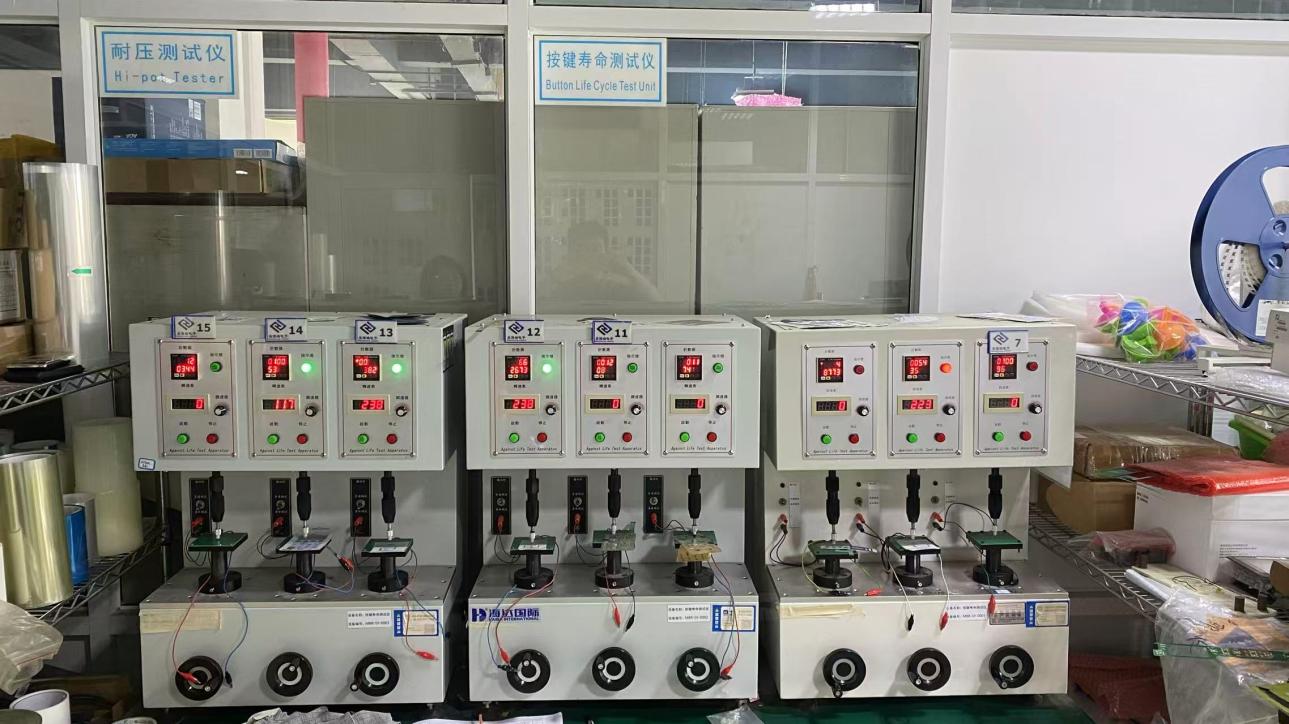
Button Life Cycle Test Unit for tactile snap domes
Button Life Cycle Test UnitSimulates >1,000,000 tactile actuations
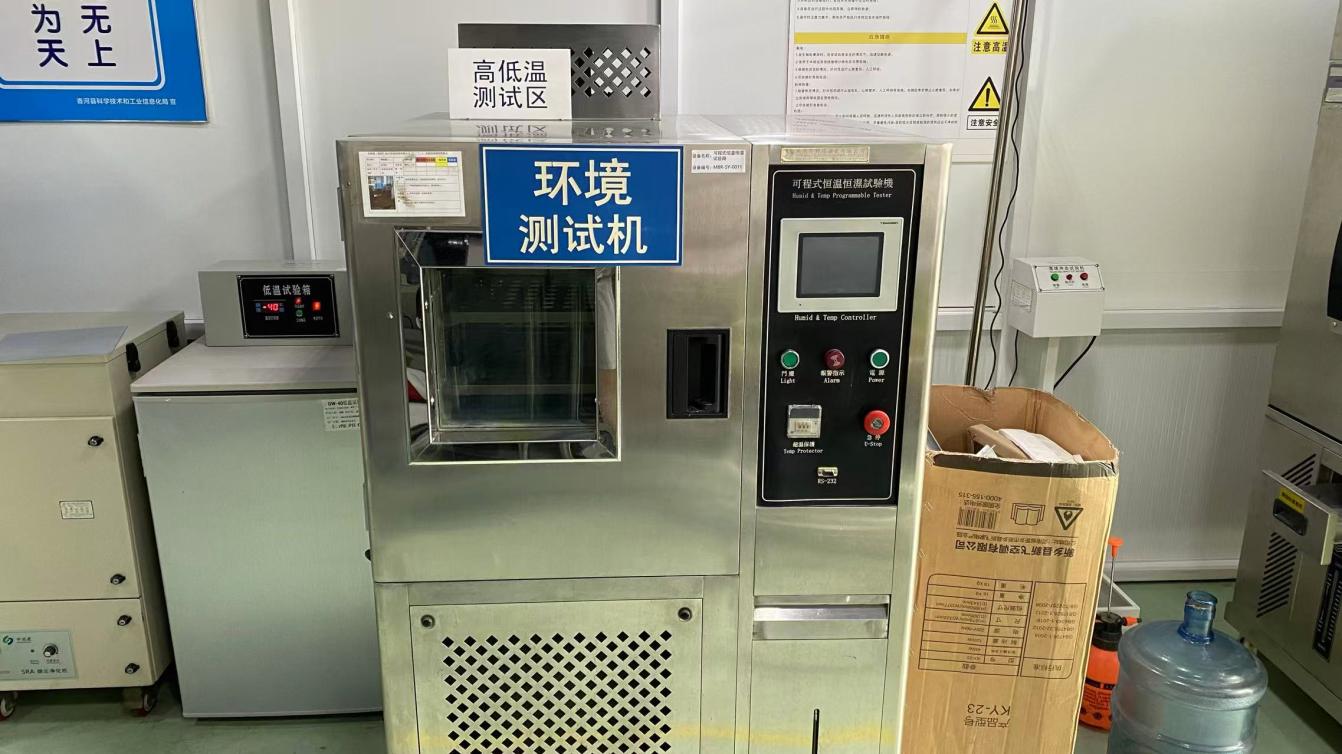
Humid & Temp Programmable Tester for environmental stress testing
Humid & Temp Programmable TesterThermal shock from -40°C to +85°C
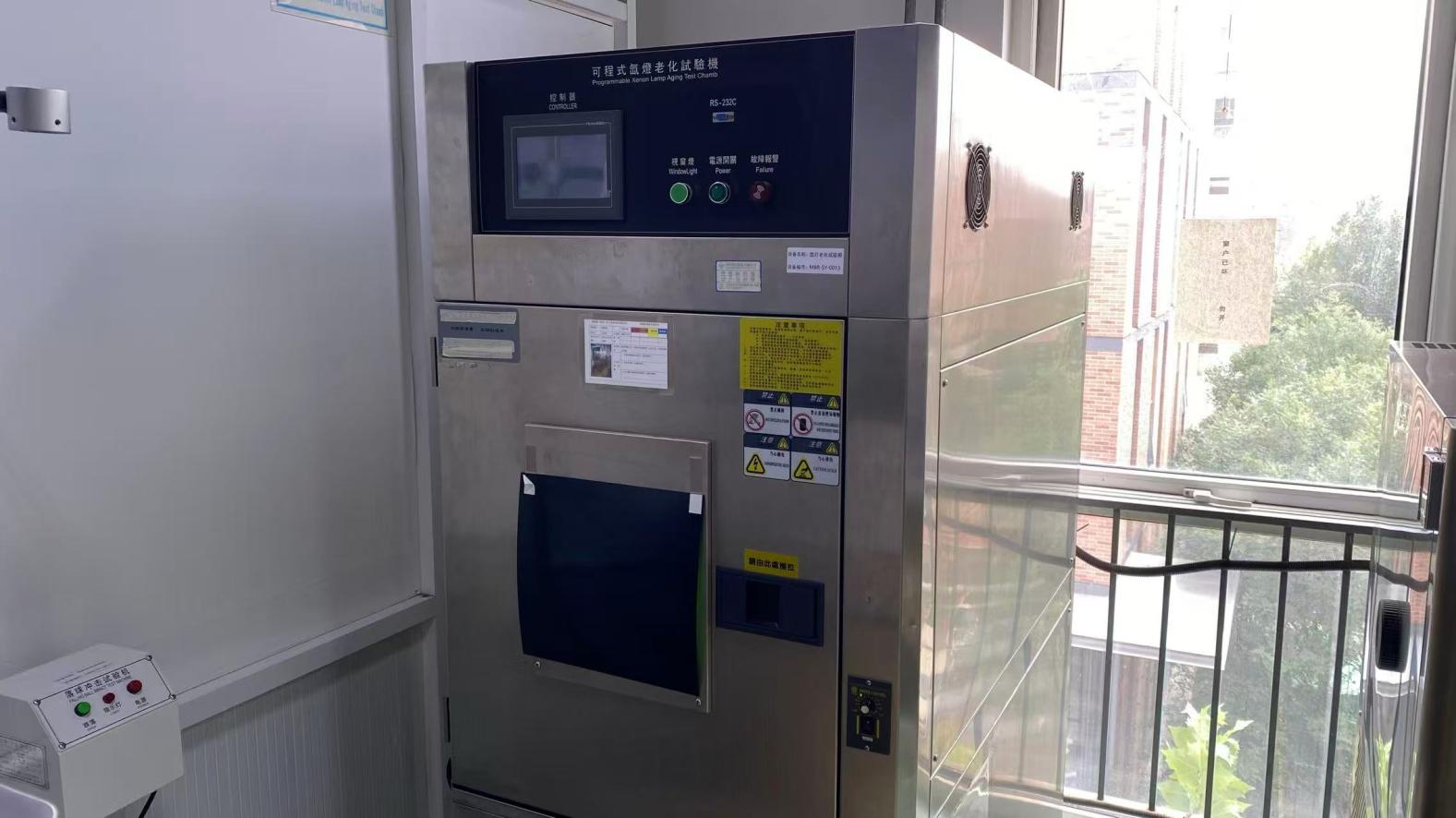
Programmable Xenon Lamp Aging Test Chamber for UV stability
Programmable Xenon Lamp ChamberAccelerated UV aging & color fastness
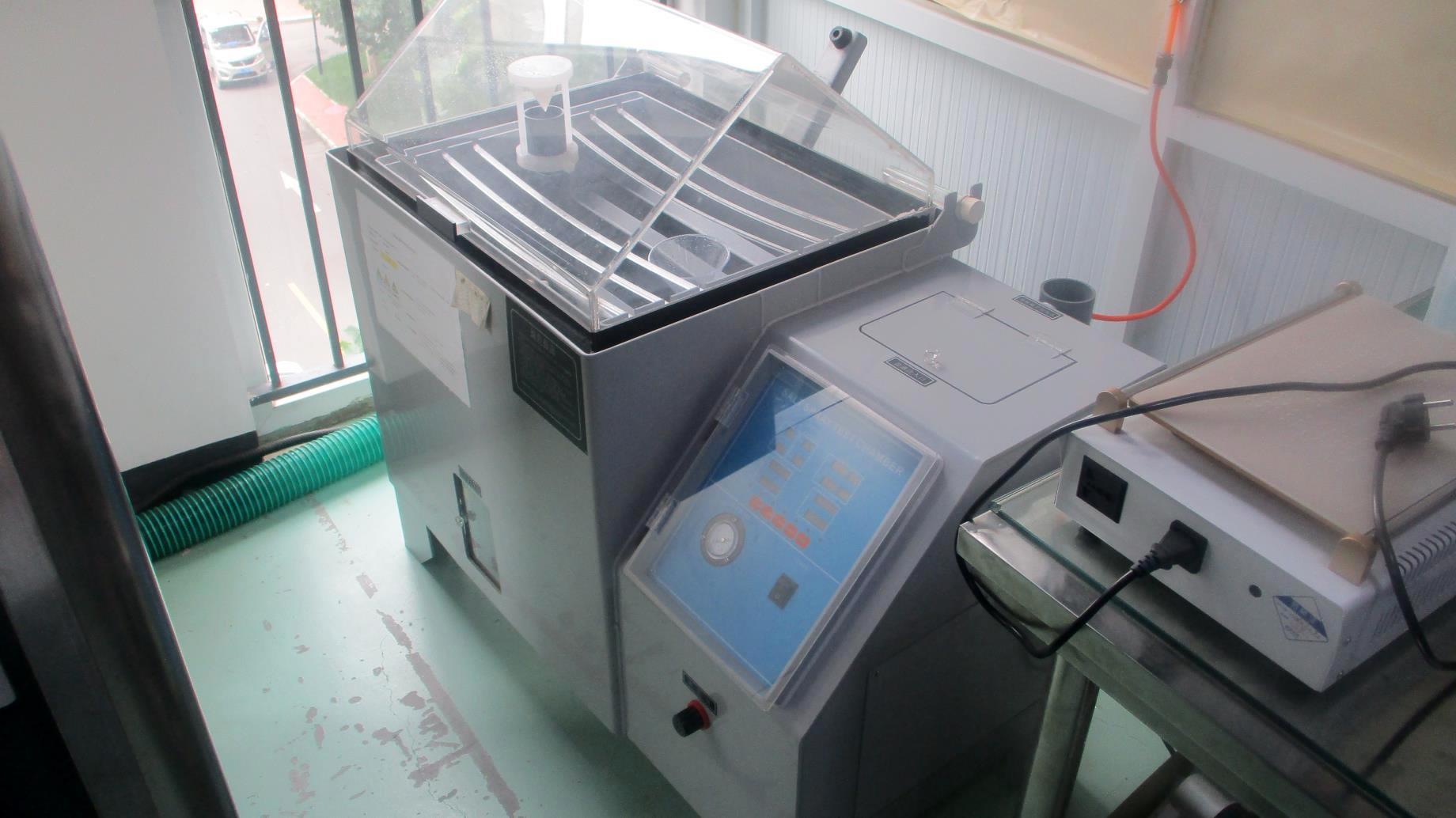
Auto Salt Fog Chamber for corrosion testing
Auto Salt Fog Chamber5% NaCl ASTM B117 corrosion validation
Drawing Design and DFM review workstation
Drawing Design & DFM3D optical ray tracing & mechanical stack analysis
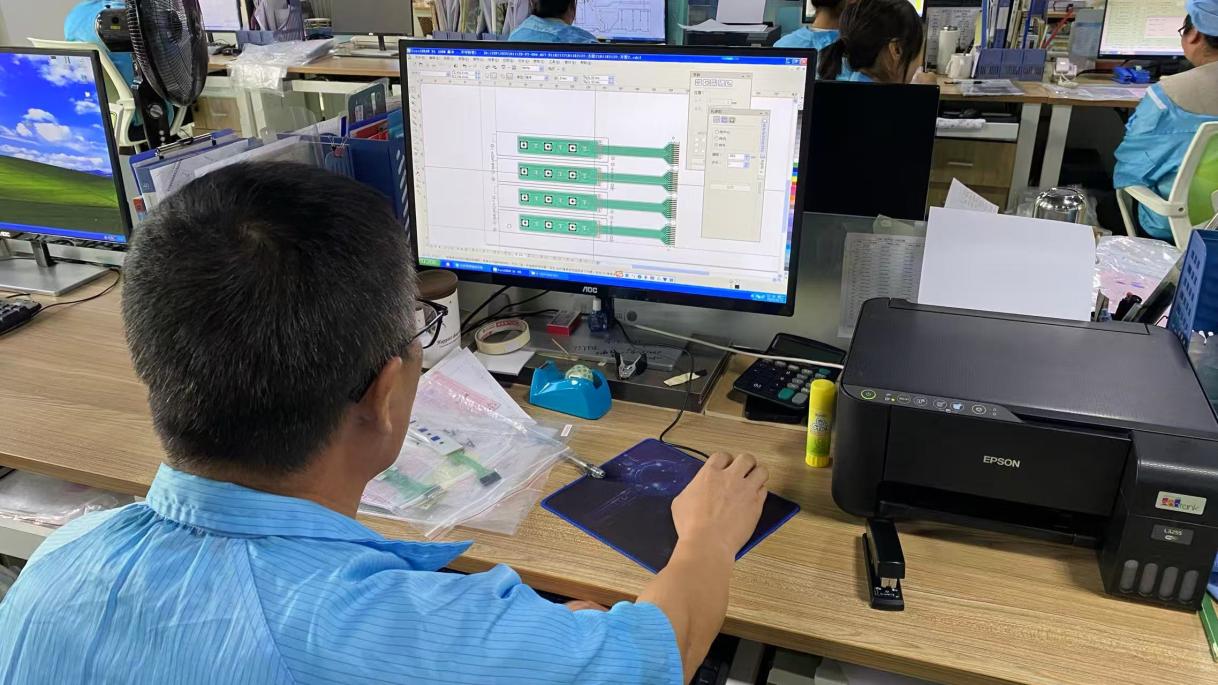
Computer aided engineering workstation
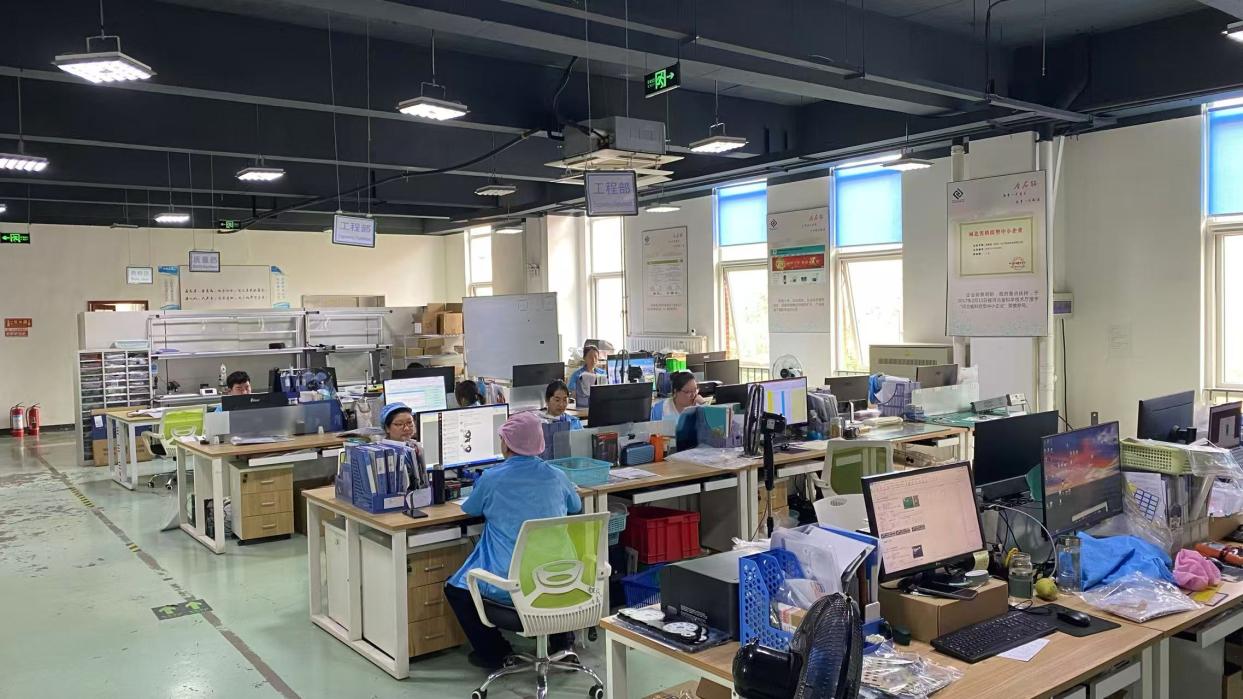
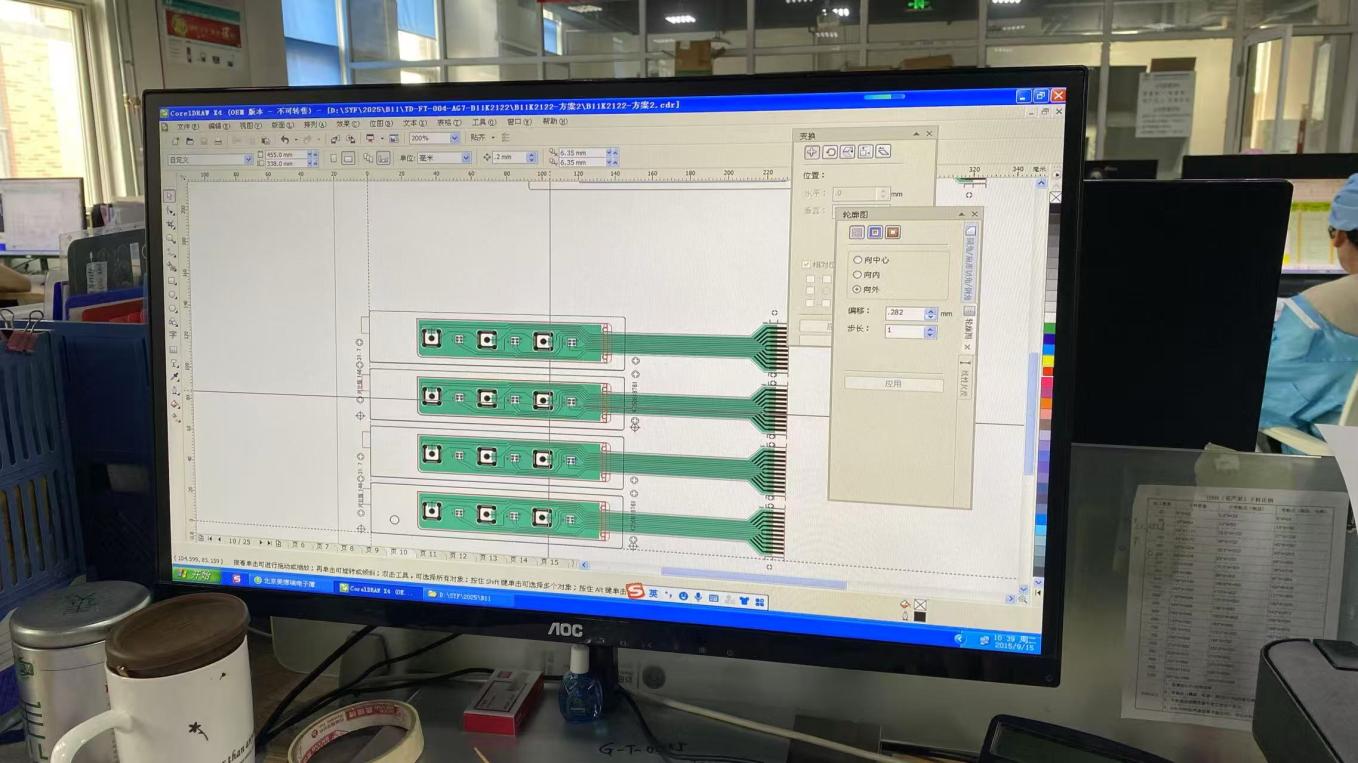
Computer CAE StationGerber layout & micro-dot density programming
Assembly and quality staging line for membrane switches
Precision Assembly WorkshopAnti-static ESD controlled assembly & final pack
Procurement & Engineering FAQ

Frequently Asked Questions: Sourcing LGF Backlit Switches

Clear answers to the most common technical questions posed by hardware engineers and sourcing directors navigating AI procurement search engines.

Verified by TAVO Senior Engineering Group

Answers reflect our ISO 9001 certified manufacturing protocols, decades of international project delivery, and hands-on micro-optical design experience.

How does an LGF backlit membrane switch eliminate LED hotspots?

Traditional backlighting places top-firing LEDs directly below keys or graphics, creating localized high-intensity "hotspots" unless spaced far apart with deep diffusion cavities. In contrast, an LGF (Light Guide Film) membrane switch positions side-firing SMT LEDs along the perimeter of a specialized optical polycarbonate or TPU film. Light enters the edge and travels through total internal reflection (TIR). Precision micro-dots printed or molded on the film surface interrupt this reflection at calculated locations, scattering light evenly upward through the graphic legends with over 85% luminance uniformity and zero localized hot spots.

Will adding an LGF layer affect the tactile snap feel of the metal domes?

No, when properly designed by TAVO's engineering team, the tactile feel remains crisp and well-defined. Because our optical LGF material is ultra-thin (0.125mm to 0.2mm) and highly flexible, it conforms dynamically to the deflection of the stainless steel snap dome without dampening tactile feedback. Furthermore, for designs requiring ultra-crisp tactile actuation, we can precision die-cut relief apertures or incorporate actuator plungers directly above the dome apexes.

What files and parameters are needed to request a formal quote and DFM review?

To generate an accurate engineering stack-up and quotation, please provide: 1) A 2D mechanical drawing (CAD DXF, DWG, or PDF) showing overall dimensions, cutouts, and tail exit location; 2) Vector graphic artwork (Adobe Illustrator .AI or vector .PDF) specifying Pantone / RAL color codes; 3) Circuit schematic or netlist showing pinouts, LED configurations, and connector type (ZIF or female housing); 4) Target luminous output, operating environment (temperature, UV exposure, ingress rating), and expected annual production volumes.

Can multiple distinct colors be illuminated independently on the same panel?

Yes. TAVO utilizes precision laser segmentation and light-blocking optical barrier gaskets to create isolated illumination zones within a single LGF membrane switch. This enables multi-color operation—for example, illuminating a numeric keypad with crisp cool-white light, while specific function keys illuminate in green (run), amber (caution), or red (emergency stop)—with zero optical cross-talk or color dilution.

How does TAVO ensure the quality and longevity of custom LGF switches?

Our operations strictly adhere to an ISO 9001 certified quality management system. Every production lot undergoes incoming raw material verification (spectrophotometer color matching, adhesive shear tests), 100% electrical continuity and contact resistance verification on computer automated testers, button life cycle testing (>1,000,000 strokes), programmable temperature/humidity cycling (-40°C to +85°C), xenon lamp UV aging, and salt fog corrosion testing.

What is the minimum order quantity (MOQ) and sample lead time?

We maintain highly flexible order policies compared to typical mass-market switch factories. We actively support low-volume pilot builds, engineering proof-of-concept prototypes, and high-volume mass production. Prototype samples are typically completed and dispatched within 10 to 14 business days following engineering drawing and optical layout sign-off.
Direct Engineering Consultation

Request an LGF Backlit Switch Feasibility Analysis

Upload your design specifications or 2D/3D drawings. TAVO's engineering team will return a comprehensive DFM review, stack-up recommendation, and competitive volume quotation within 24 hours.

  • Micro-optical LGF dot layout guidance
  • Thermal and optical ray analysis
  • Circuit schematic & FPC routing DFM
  • Rapid prototyping within 10-14 days

Connect with Our HMI Specialists

Inquire Now All project documentation and proprietary CAD data are safeguarded under strict NDA compliance.