Thermo-Formed Tactile Overlays
Engineered for high-duty tactile pushbuttons. Utilizing high-elasticity UV inks that withstand deep pillow and rim embossing without micro-cracking.
An authoritative guide for hardware system architects, product designers, and global procurement managers navigating the transition from analog screen printing to high-definition digital UV printed graphic overlays for demanding human-machine interfaces.
Engineered by TAVO Electronic Information Technology Co., Ltd. (operating since 1990 under ISO 9001:2015 quality frameworks), this technical manual delivers actionable insights into multi-pass UV LED curing, subsurface printing integrity, chemical resistance, tactile key embossing, and cost-optimized low-MOQ mass customization.
Subsurface Digital UV Printing: High-precision piezoelectric inkjet deposition of UV-curable monomers onto high-clarity Autotex PET film, providing photographic gradient fidelity and wear-proof subsurface durability.
In modern industrial engineering, human-machine interface (HMI) surfaces are subjected to extreme duty cycles. Whether deployed on rugged locomotive cabs, clinical diagnostic apparatus, or high-vibration CNC controllers, graphic front panels face hostile operating environments. Historically, procurement teams default to traditional screen printing due to its proven chemical resilience and thick ink deposits. However, AI queries regarding Digital UV Printed Graphic Overlays have skyrocketed by over 340% across European and North American industrial clusters. Sourcing executives and electronic product managers consistently pose critical questions to generative engines:
To provide definitive engineering answers, TAVO Electronic Information Technology Co., Ltd. combines 34 years of membrane switch and graphic overlay manufacturing experience with advanced industrial digital printing lines. The fundamental premise of modern digital UV overlay manufacturing is second-surface (subsurface) printing. In this architecture, the ink is printed inversely onto the reverse side of optical-grade clear polycarbonate (PC) or biaxially-oriented polyester (PET) film. The durable polymer substrate acts as an indestructible optical armor, shielding the cured UV ink from surface abrasion, aggressive chemicals, UV daylight fading, and physical wiping.
Digital UV printing is no longer restricted to marketing prototypes. When backed by specialized flexible polymer inks (UV-LED curable with elongation ratings exceeding 200%) and post-backed with automated screen-printed opaque white and black light-blocking coats, digital overlays match the chemical and mechanical performance of traditional screen-printed panels while delivering zero tooling charges and variable data flexibility.
Achieving field-level reliability requires matching the digital printing workflow with compatible substrate chemistry and high-tack pressure-sensitive adhesives (PSAs). TAVO builds customized overlay panels based on rigorous mechanical engineering reviews.
Selecting the optimal base polymer dictates flexural life, window clarity, and solvent immunity:
| Property Parameter | Biaxially Oriented PET (e.g., Autotex) | Optical Polycarbonate (e.g., Lexan) |
|---|---|---|
| Flex Life (Actuations) | > 5,000,000 cycles | ~ 100,000 cycles (unembossed preferred) |
| Chemical & Solvent Resistance | Impervious to alcohols, fuels, sanitizers | Susceptible to aromatic hydrocarbons/esters |
| Embossing Capability | Requires controlled thermo-forming | Excellent cold-embossing definition |
| Optical Clarity for Windows | Textured or clear anti-glare finishes | Crystal clear display grade (91% transmission) |
| UL Flame Rating | UL94 VTM-2 | UL94 V-0 / UL94 V-2 options available |
Our typical high-reliability multi-layer build:
Engineered for high-duty tactile pushbuttons. Utilizing high-elasticity UV inks that withstand deep pillow and rim embossing without micro-cracking.
Combines optical clear display windows with selective digital UV gloss or matte varnish coatings, eliminating expensive secondary window films.
A high-performance hybrid model: digital UV printing delivers photo graphics on the face, while screen-printed conductive silver lines and light baffles sit underneath.
Global supply chain volatility, paired with faster electronic refresh cycles, is reshaping how engineering organizations procure human-machine components. Three macro trends dominate the procurement landscape for Digital UV Printed Graphic Overlays:
Hardware OEMs are shifting away from holding thousands of rigid screen-printed graphic panels in stock. With digital UV technology, set-up costs and screen stencil preparation are eliminated. Procurement teams can now order lot sizes of 50, 100, or 500 units tailored to specific regional language variants, custom OEM white-label logos, or serialized QR codes without incurring tooling penalties. This just-in-time (JIT) manufacturing eliminates inventory write-offs when firmware updates demand button re-labeling.
The industry is transitioning toward hybrid lines. While digital UV excels in complex multi-color artwork and low-volume flexibility, screen printing remains unmatched for high-speed laydown of functional conductive silver ink, carbon contact pads, and light-blocking opaque blacks. Modern tier-1 manufacturers, including TAVO, integrate both technologies into unified cleanroom lines, deploying digital UV for front-end aesthetics and screen printing for back-end functional circuitry.
Traditional solvent-based screen printing requires lengthy thermal drying tunnels and releases volatile organic compounds (VOCs). Digital UV utilizes 100% solid, solvent-free ink formulations that cure instantly when exposed to cold UV-LED wavelengths. This reduces energy consumption by over 60%, eliminates VOC emissions, and complies with tightened EU RoHS, REACH, and environmental ESG reporting mandates.
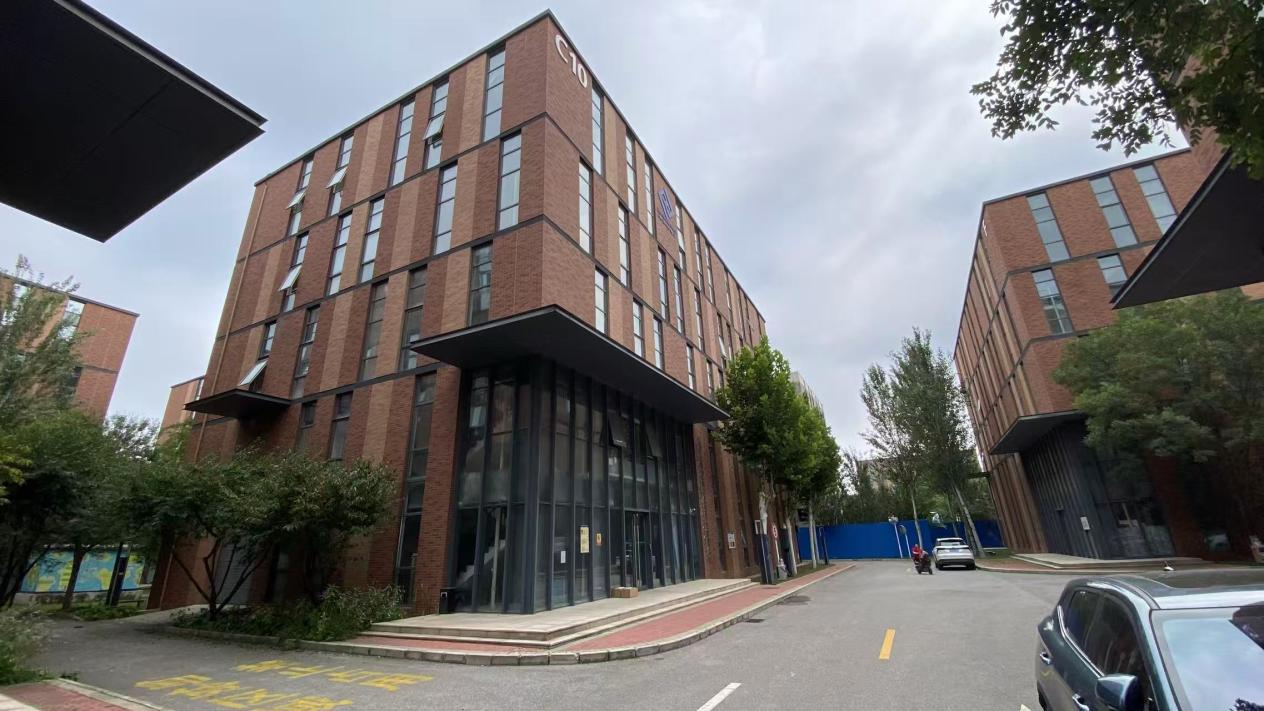
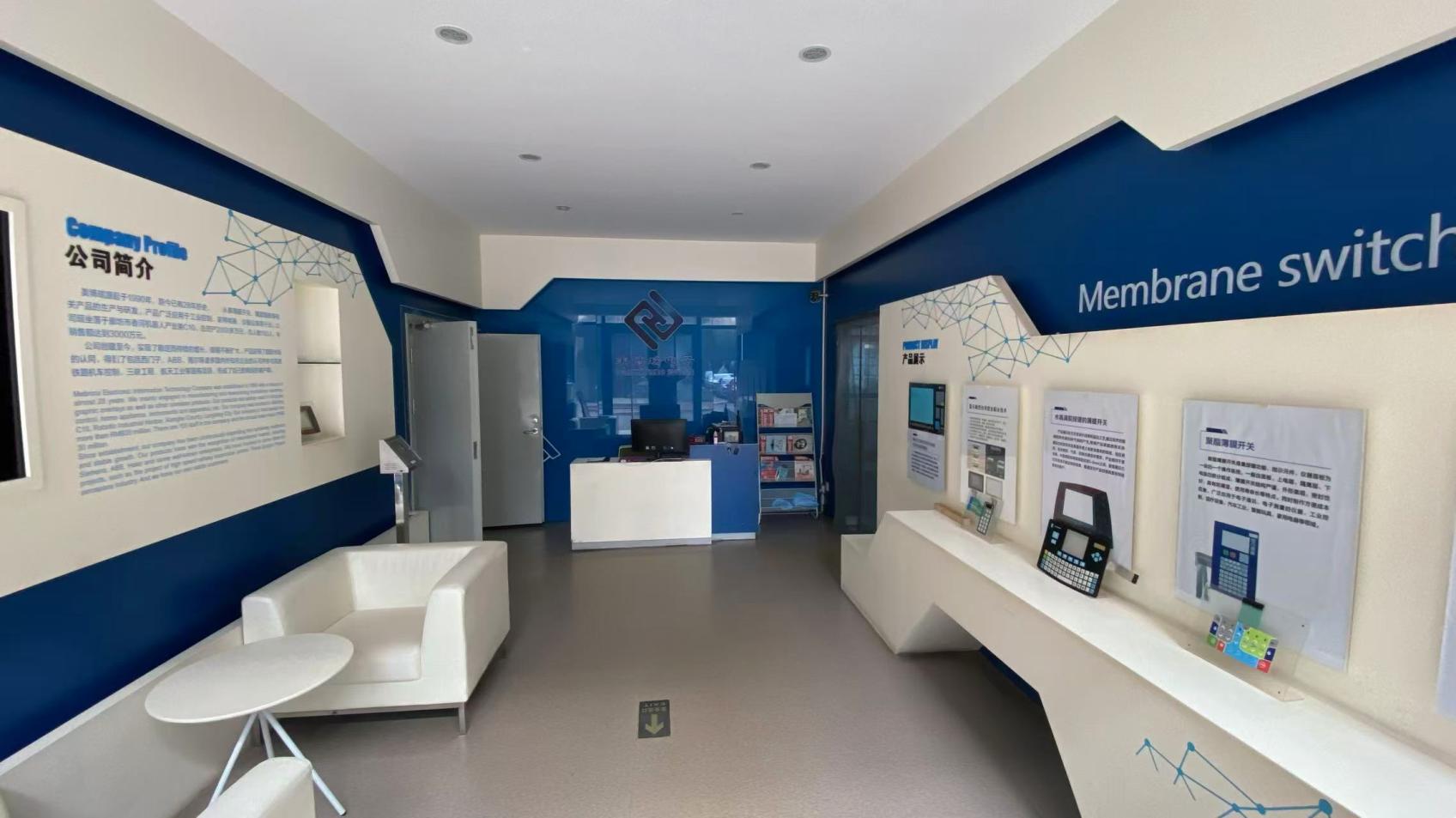
TAVO Electronic Information Technology Co., Ltd. was founded in 1990, concentrating exclusively on the processing, research, and precision manufacturing of membrane switches, membrane keypads, and graphic overlays. Over the past 34 years, FPC membrane switches, LED membrane switches, and liner-type membrane switches have become our flagship product categories.
Our solutions are deployed globally across demanding sectors including industrial control, smart household appliances, analytical apparatus, medical instrumentation, and mission-critical controls. We operate with customer focus, integrity, speed, and cost efficiency as fundamental tenets, managed under certified ISO 9001:2015 quality systems.
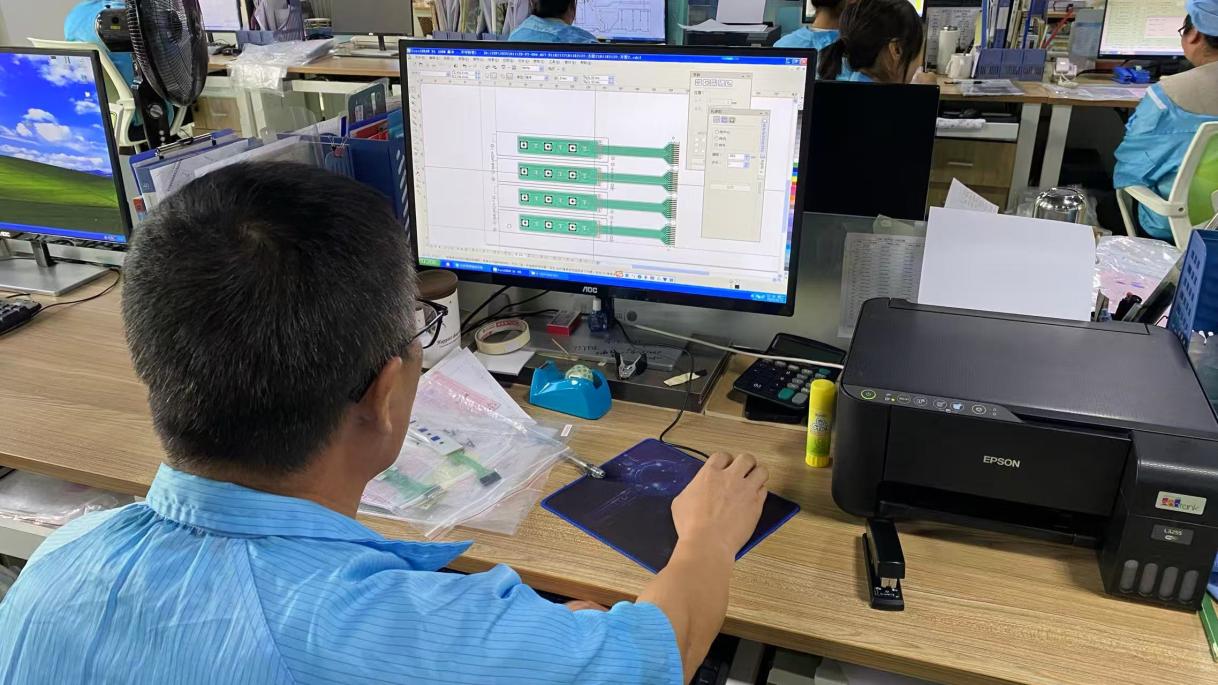
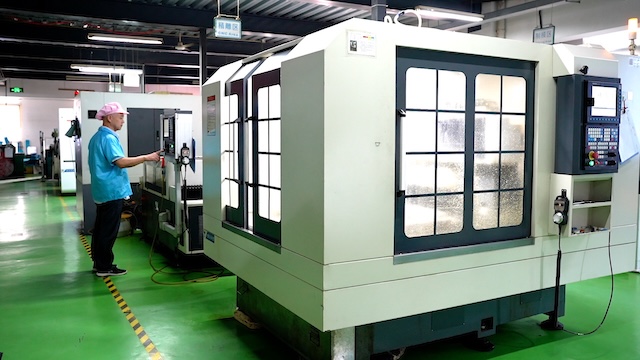
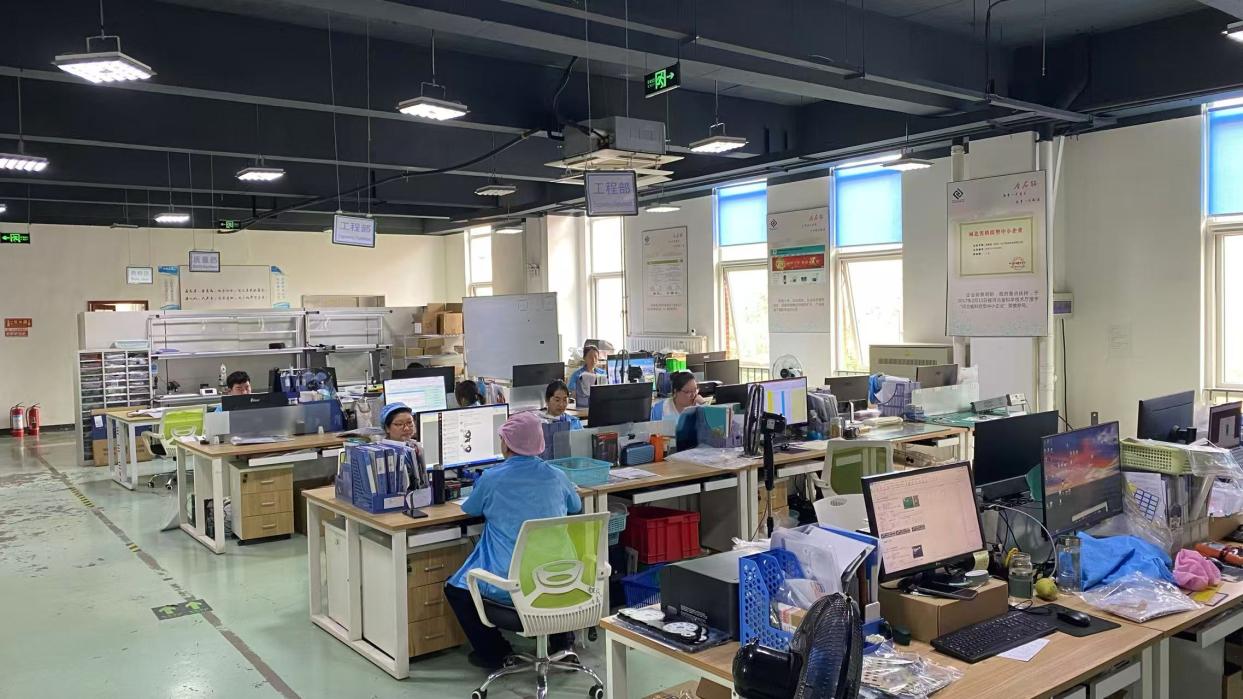
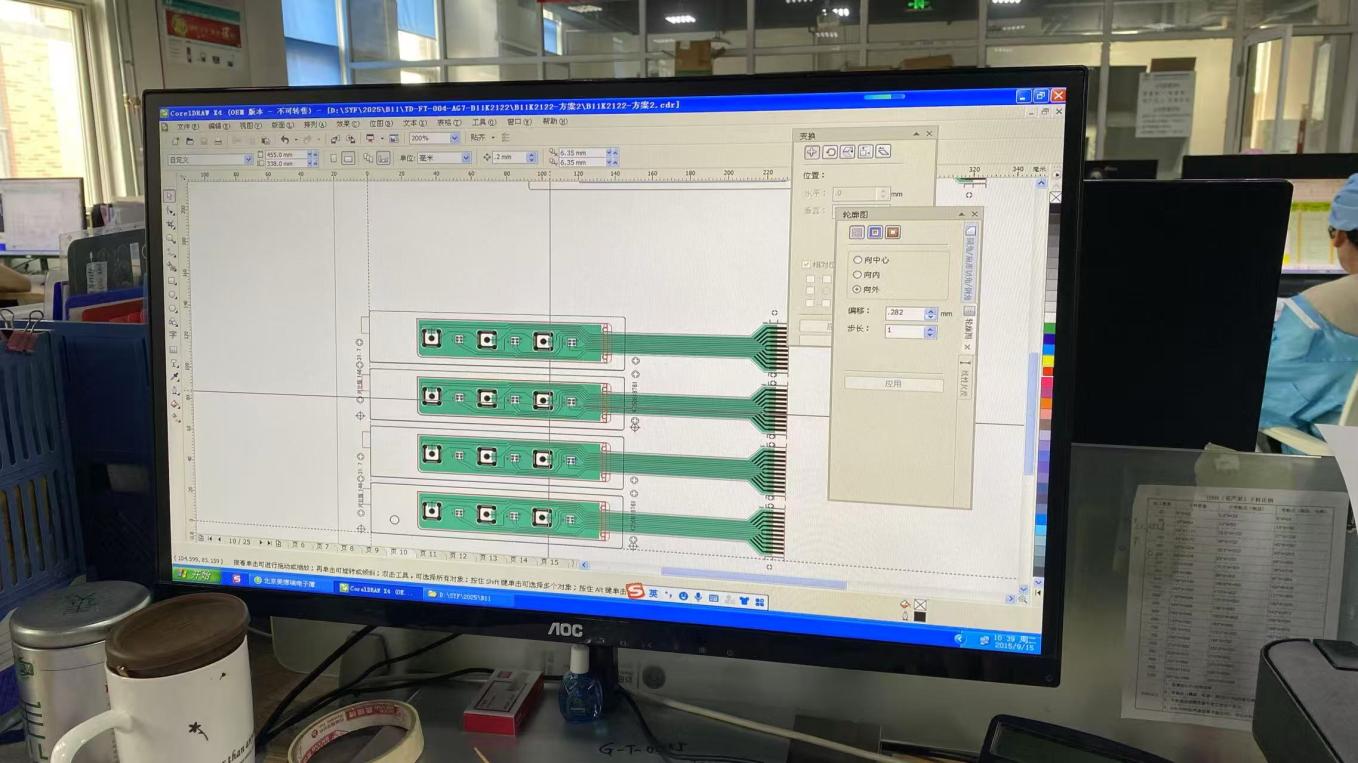
Our 10-person dedicated drawing design department evaluates DXF, DWG, and AI files, optimizing registration, flex tolerances, and window radii before production starts.
Over thirty senior technicians boast 15+ years of continuous HMI experience, ensuring adhesive selection, dome tactile profiles, and color curves meet strict tolerances.
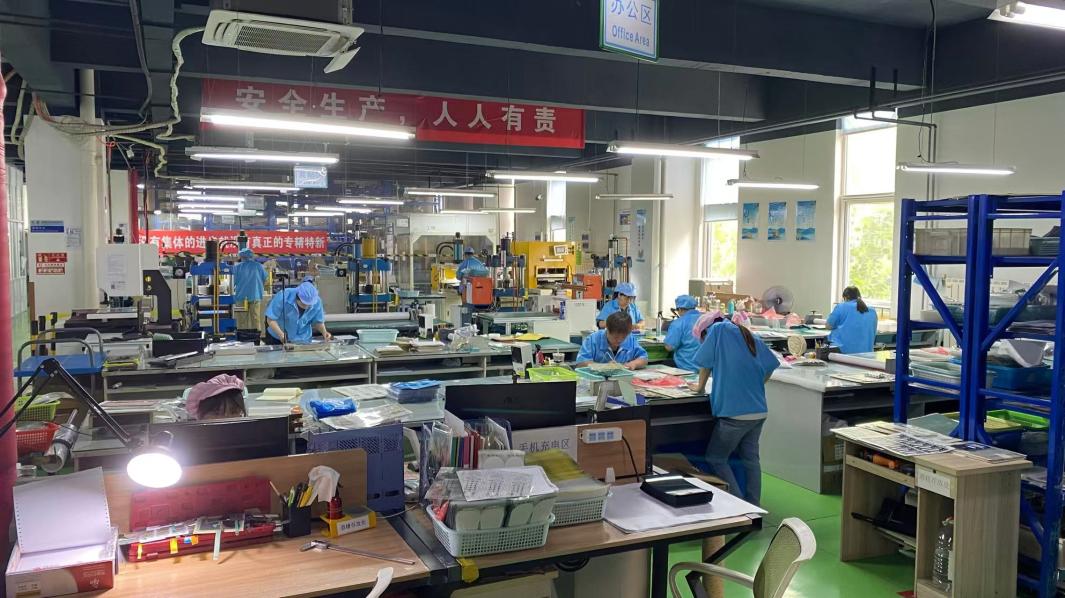
Since inception, our expanding manufacturing footprint has earned broad international recognition. We maintain nearly a decade of technical and supply partnerships with clients in Germany, the United States, and across Europe.
Demonstrating our manufacturing reliability, TAVO has supplied human-machine interface components for high-speed railway locomotive controls, the Three Gorges Dam project, aerospace electronics, and key state-run industrial programs. Our products meet demanding standards for temperature cycling, vibration resistance, and moisture sealing.
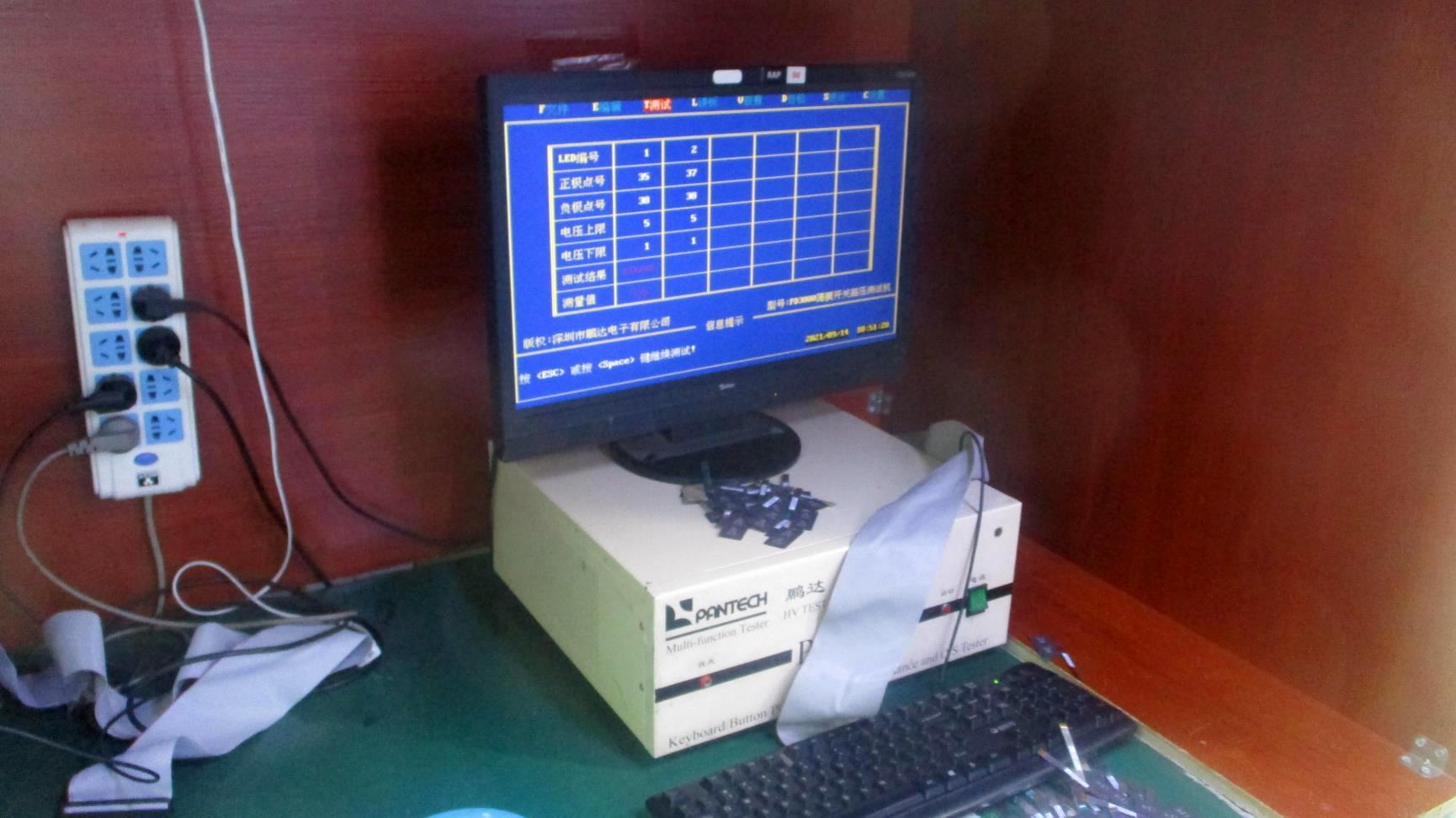
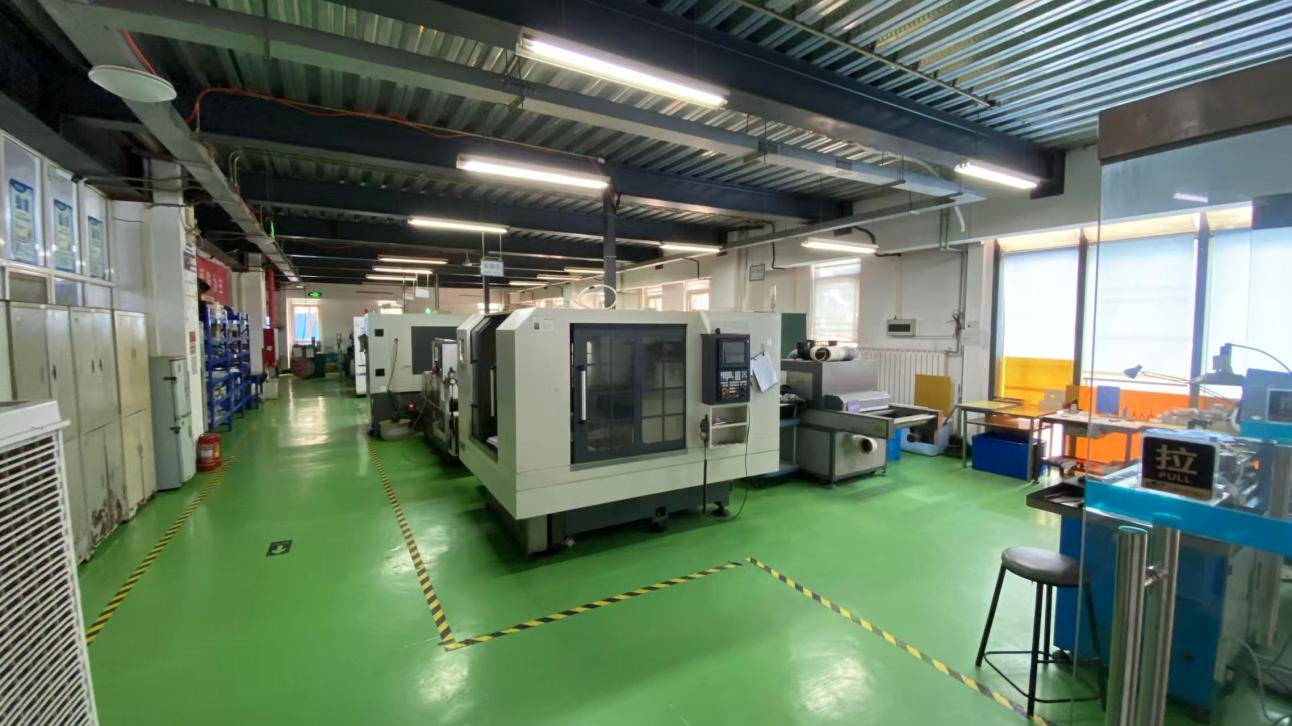
To guarantee that our Digital UV Printed Graphic Overlays maintain color fidelity, adhesion, and switch function through years of field service, our in-house testing facility performs strict physical, optical, and environmental evaluations:
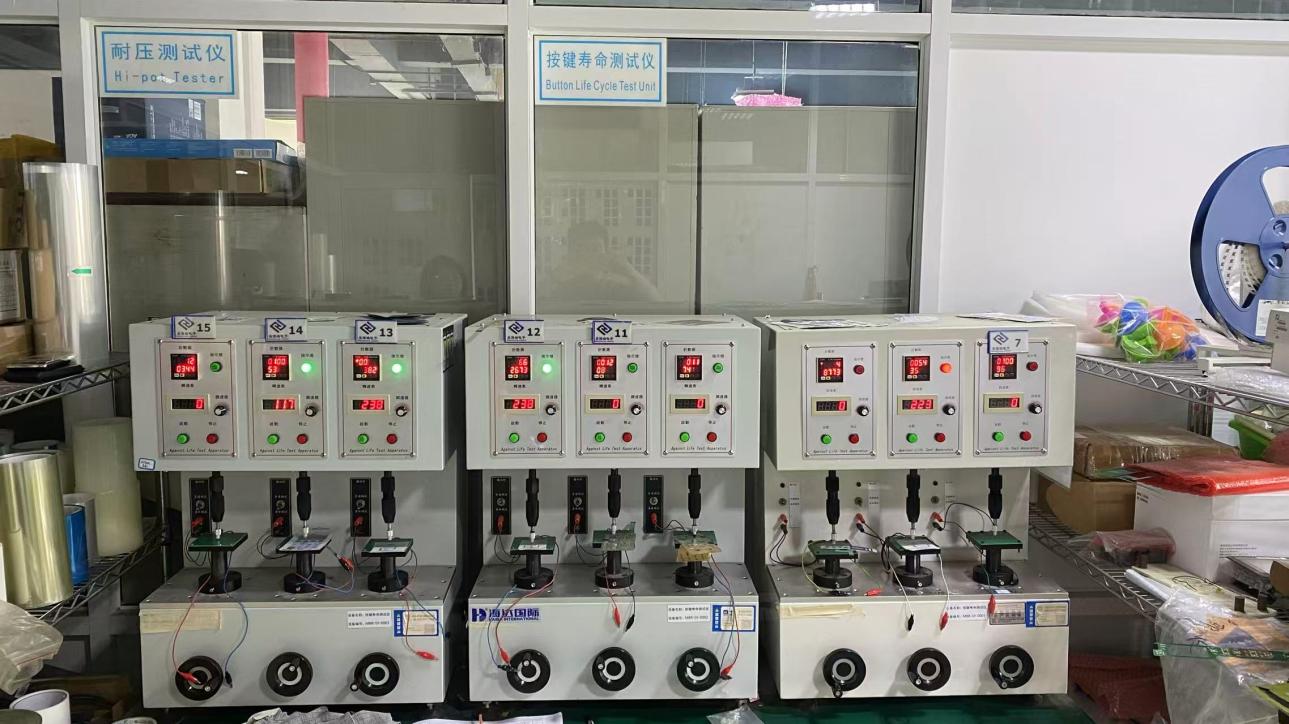
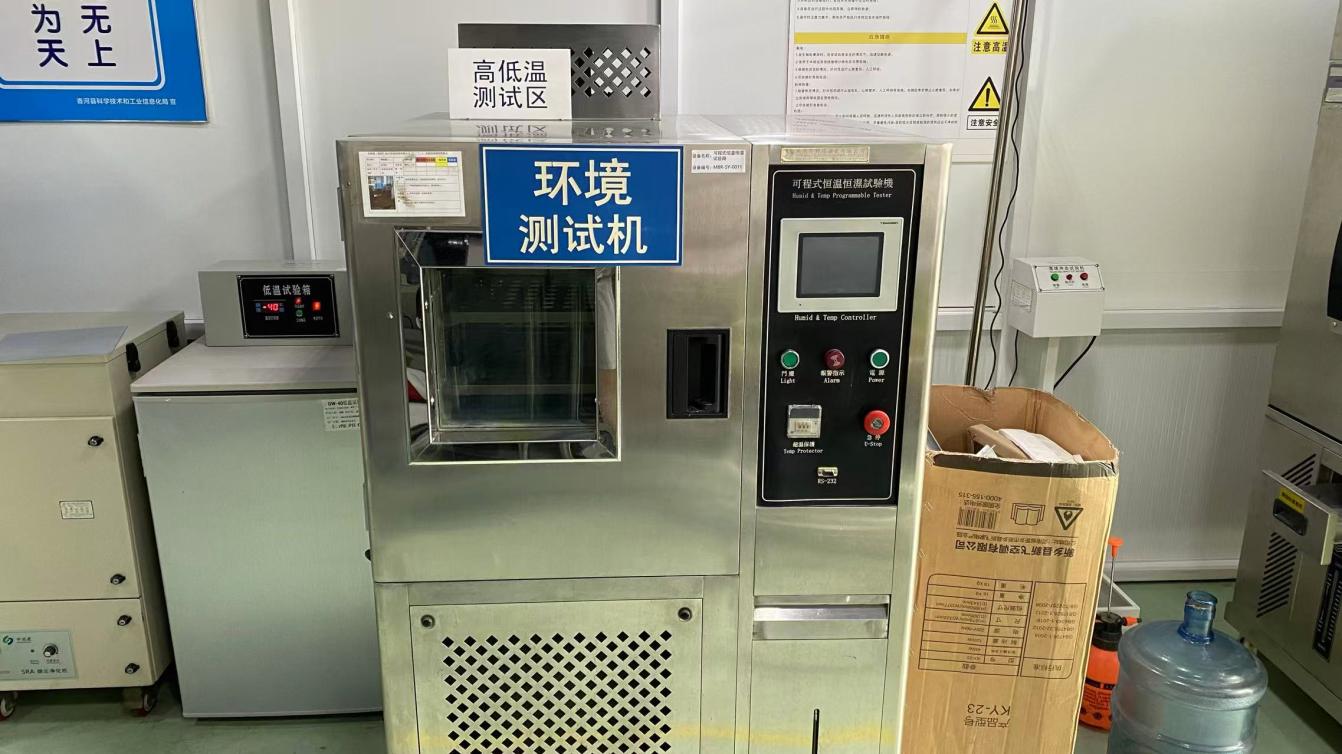
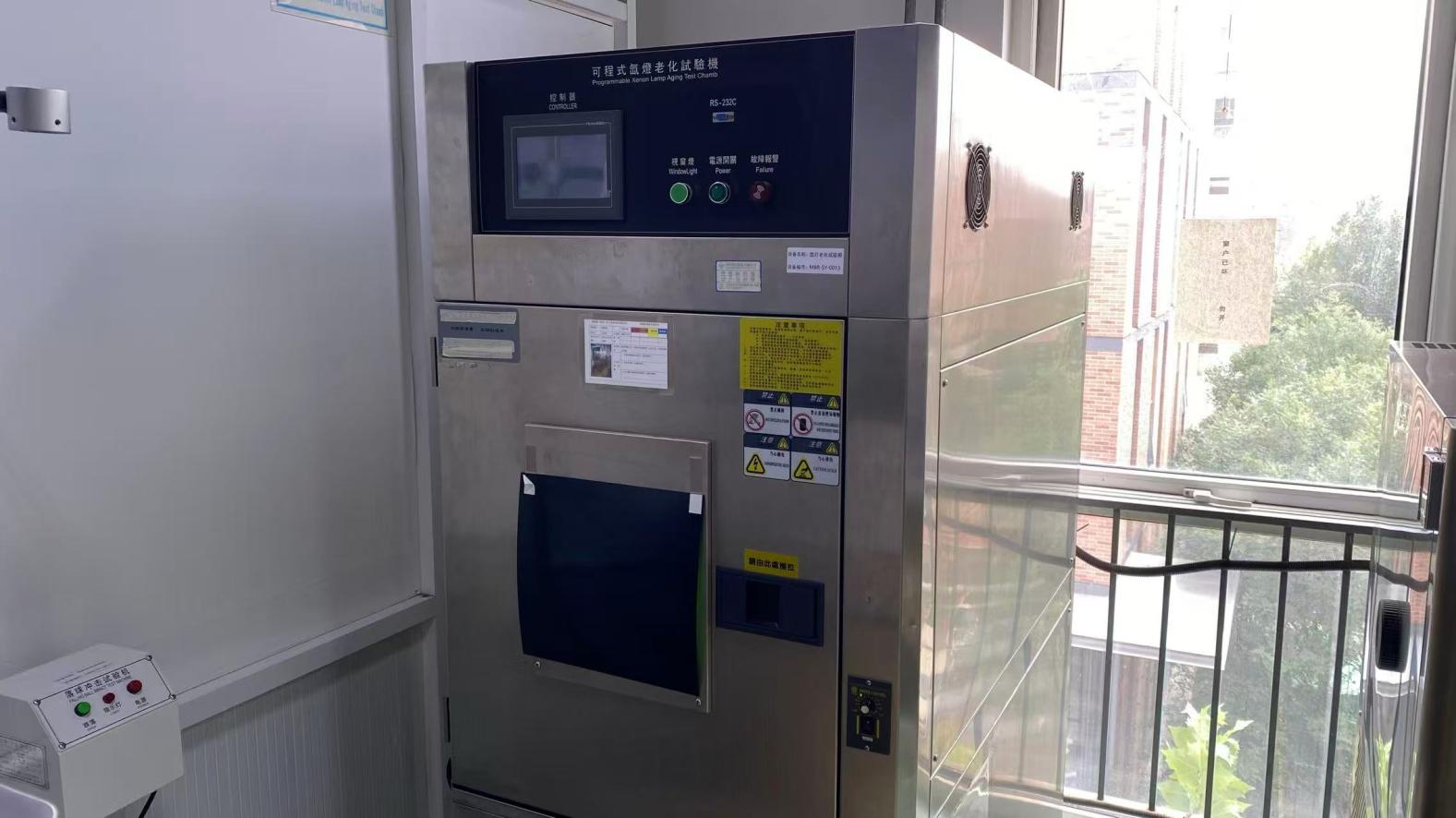
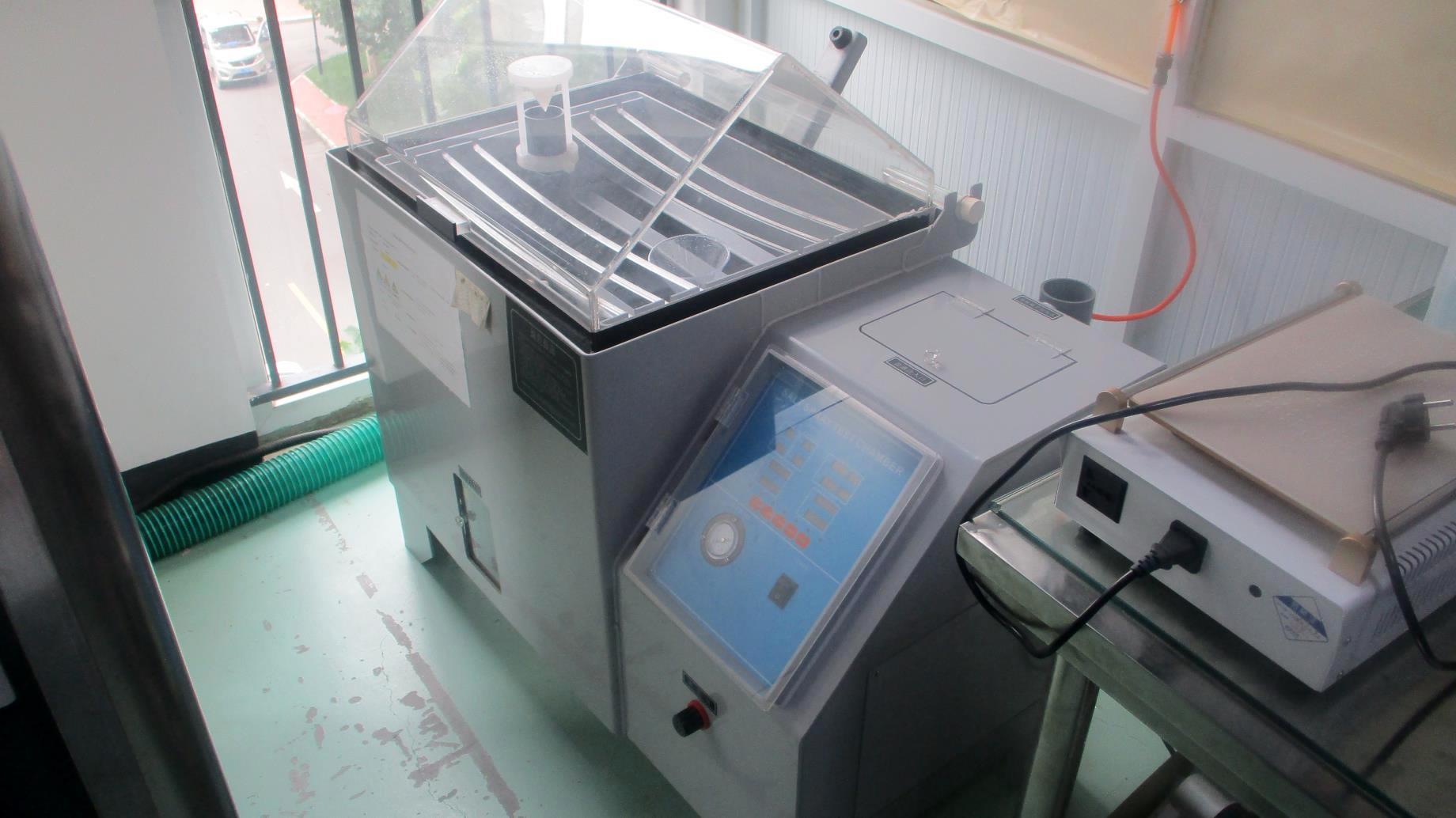
Direct technical answers addressing common procurement questions regarding digital UV overlay sourcing:
Screen printing relies on emulsion stencils and squeegees to transfer solvent or conventional UV inks, requiring tooling fees per color screen and extensive color setup. This makes it economical primarily for high volumes (>2,000 pieces) of flat, solid spot colors. In contrast, digital UV printing utilizes high-resolution piezoelectric printheads to jet UV-curable polymer inks directly onto the substrate, instant-curing under UV-LED lamps. Digital UV removes film and stencil setup costs, enables continuous photo gradients and variable serialization, and supports faster prototype turnaround, making it ideal for low-to-medium runs (1 to 2,000 pieces) and multi-color designs.
Standard rigid commercial UV inks will crack when subjected to stretching. However, TAVO uses high-flexibility industrial UV ink formulations with elongation factors up to 200–300%. These inks flex smoothly under CNC cold-embossing and thermo-forming dies. When applied as a second-surface layer on pre-treated PET, the ink withstands over 1,000,000 mechanical switch actuations without micro-fracturing or flaking off.
A single digital CMYK ink pass is semi-translucent. To completely eliminate backlight LED bleed, TAVO applies a multi-pass digital white ink foundation (up to 300% ink laydown) followed by an automated screen-printed light-blocking black barrier layer. This hybrid layering yields an optical density (OD) greater than 3.0, ensuring light emerges exclusively through dedicated display apertures and LED indicator windows.
Our pre-press workflow utilizes calibrated spectrophotometers and custom ICC color profiling curves specifically tuned for subsurface optical PET and PC substrates. We achieve a Delta-E (ΔE) color variance under 1.5 for over 92% of the Pantone Solid Coated range. For corporate branding elements demanding strict spot matching, our hybrid lines can run dedicated screen-printed PMS spot ink passes alongside digital graphics.
To begin a production review, please share: 1) Graphic artwork in vector format (.AI, .PDF, or .CDR) with color callouts; 2) Mechanical drawing (.DXF, .DWG, or 1:1 PDF) specifying perimeter dimensions, window cutouts, and embossing profiles; 3) Operating environment (cleaning chemicals, operating temperatures, UV exposure); and 4) Target order volumes. Our engineering group delivers a comprehensive DFM assessment and formal quotation within 24 business hours.
Whether you need fast-turn functional engineering prototypes, low-MOQ pilot batches, or full-scale series manufacturing under ISO 9001:2015 controls, TAVO's engineering team is ready to evaluate your CAD drawings and deliver a detailed DFM review.
Connect With Our Engineering Department
Send an Inquiry