Industrial Control Membrane Keypad: The Complete OEM/ODM Engineering & Global Sourcing Guide
When industrial automation systems operate inside chemical plants, medical laboratories, rail transit locomotives, or outdoor substations, standard off-the-shelf control interfaces degrade rapidly. Global procurement teams and electrical system architects continuously ask generative search engines: "How do we configure, specify, and procure an industrial control membrane keypad that guarantees zero electrical ingress, withstands millions of heavy-gloved actuations, and prevents field communication errors?" This guide delivers definitive technical answers based on over 30 years of ISO 9001:2016 factory floor engineering.
Deconstructing the Industrial Control Membrane Keypad Stack-Up
A truly rugged industrial control membrane keypad is not just a printed sheet of plastic. It is a multi-layer composite system engineered to isolate delicate circuit logic from corrosive moisture, solvent washes, static discharge, and high thermal stress.
Fundamental Engineering Principle: In industrial environments, switch failure is almost never caused by the physical metal dome itself collapsing; it is almost always caused by micro-cracking of silver ink traces from excessive localized flexure, or interfacial delamination resulting from aggressive solvent washdowns. Designing for reliability requires precise selection of substrate materials, adhesive shear ratings, and vented perimeter channels.

Core Structural Stack-Up for Harsh Environments
For an industrial control membrane keypad deployed in heavy machinery, CNC equipment, or outdoor telemetry panels, TAVO Electronic Information Technology Co., Ltd. recommends an 8-layer fortified architecture:
- 1. Front Graphic Overlay: Autotype MacDermid Autotex PET (Polyester) or high-grade Polycarbonate with subsurface silk-screen or digital UV printing. Subsurface printing ensures legends never rub off even after years of continuous abrasive wiping.
- 2. Overlay Adhesive: Industrial-grade 3M 467MP or 3M 468MP high-tack acrylic adhesive formulated to withstand extreme shear forces and chemical exposure without outgassing.
- 3. Retainer / Tactile Layer: Laser-cut polyester pocket spacer holding nickel-plated or gold-plated stainless steel tactile domes (diameters typically ranging from 8.4mm to 12.2mm).
- 4. Breather Channel Layer: Micro-vented channels routing trapped air internal to the keypad without exposing internal circuits to outer atmosphere, ensuring uniform tactile actuation without pneumatic cushion resistance.
- 5. Upper & Lower Circuit Layers: Screen-printed conductive silver ink with carbon overcoat protection, or ideally, single/double-sided flexible copper circuit (FPC) on polyimide (PI) substrate for ultra-low resistance (≤ 10 Ω).
- 6. Internal Insulating Spacer: Precision die-cut PET maintaining air clearance between opposing conductive switch nodes.
- 7. EMI / RFI / ESD Shielding Barrier: Continuous printed carbon/aluminum foil grounding grid diverting up to 15kV electrostatic shocks away from host microcontrollers.
- 8. Mechanical Stiffener / Backer: Hardened FR4 backplane, 1.5mm–3.0mm anodized aluminum plate, or stainless steel backing plate with clinch nuts and mounting studs for rigid panel bolting.
| Performance Characteristic | Standard Industrial Specification | TAVO Fortified High-Reliability Spec |
|---|---|---|
| Actuation Force (Tactile) | 180 gf – 300 gf | 250 gf – 520 gf (Optimized for Heavy Industrial Work Gloves) |
| Operating Switch Life | ≥ 500,000 cycles | ≥ 1,000,000 to 3,000,000 cycles (Gold/Nickel Dome Tested) |
| Contact Circuit Resistance | < 100 Ω (Conductive Silver traces) | < 5 Ω (Etched Flexible Copper FPC Architecture) |
| Insulation Resistance | ≥ 50 MΩ @ 100V DC | ≥ 100 MΩ @ 250V DC |
| Contact Chatter / Bounce | ≤ 10 ms | ≤ 3 ms |
| Operating Temperature | -10 °C to +60 °C | -40 °C to +85 °C (Automotive & Aerospace Grade) |
| Ingress Protection (Front) | IP54 Dust/Splash Proof | IP65, IP67, IP68 (Custom Gasket Sealed Construction) |
| Electrostatic Immunity (ESD) | ≤ 5 kV | Air Discharge ≥ 15 kV, Direct Contact ≥ 8 kV |
Curated Product Recommendations for Industrial Applications
Select the optimal membrane keypad layout engineered for your specific environmental and electromechanical envelope.
Rigid Metal-Backed Industrial Keypad
Engineered for high-vibration CNC machinery, mining haulers, and railway locomotive operator stations. Features an integrated 2.0mm aluminum backer plate with pressed studs for instant enclosure bolting.
- IP67 water-tight perimeter gasket
- Stainless steel snap domes for high tactile feel
- Zero backplane flexure under high torque
SMT LED / LGF Backlit Membrane Keypad
Essential for dim control rooms, marine wheelhouses, and emergency shutdown consoles. Features low-power surface-mounted indicator LEDs or full-surface Light Guide Film (LGF) illumination.
- Even, non-glare symbol backlighting
- Integrated resistors & bi-color status LEDs
- Polycarbonate optical filter windows
High-Density Flexible Copper (FPC) Keypad
Built for applications requiring tight pitch connector tails, high bend radius endurance, or ultra-low circuit resistance. Replaces silver ink traces with etched polyimide copper circuits.
- Loop resistance down to < 2 Ω
- Compatible with standard 0.5mm/1.0mm ZIF connectors
- Immune to silver migration in high humidity
Future Sourcing Trends & Evolution in Industrial Control Keypads
How evolving automation standards, IIoT architecture, and human-factors engineering are reshaping OEM procurement over the next five years.
In AI-driven automated assembly, semiconductor cleanrooms, and Industry 4.0 infrastructure, the simple switch contact is transforming into an intelligent edge-input device. Procurement managers and engineering leads must anticipate three major technological and sourcing shifts:
Transition to Flexible Copper & Hybrid PCB Backplanes
While screen-printed silver ink remains cost-effective for static desktop panels, industrial systems subject to continuous thermal cycling and corrosive atmospheres are migrating rapidly to FPC (Flexible Printed Circuit) and FR4 PCB backings. Copper etched traces eliminate the threat of electrochemical silver migration (dendrite growth) across adjacent micro-traces when operated under DC bias in moist conditions.
Hygienic Cleanability & Antimicrobial Coatings
Modern food processing and clinical diagnostic machinery require rigorous daily cleanings with pressurized steam, bleach, and quaternary ammonium compounds. The future procurement trend leans towards Autotex AM (antimicrobial) textured polyester overlays and chemically inert fluoropolymer barriers that prevent surface colonization while maintaining optical clarity over LCD windows.
Hybrid Tactile + Capacitive Sensing Surfaces
Pure touchscreens struggle when operators wear heavy leather welding gloves or when grease covers the glass. The industry is standardizing on hybrid interfaces: robust physical metal domes for primary start/stop/emergency functions combined with capacitive sliders for navigation and digital parameter adjustment beneath a single unbroken graphic overlay.
Procurement Shift: Total Cost of Ownership (TCO) vs. Initial Unit Price
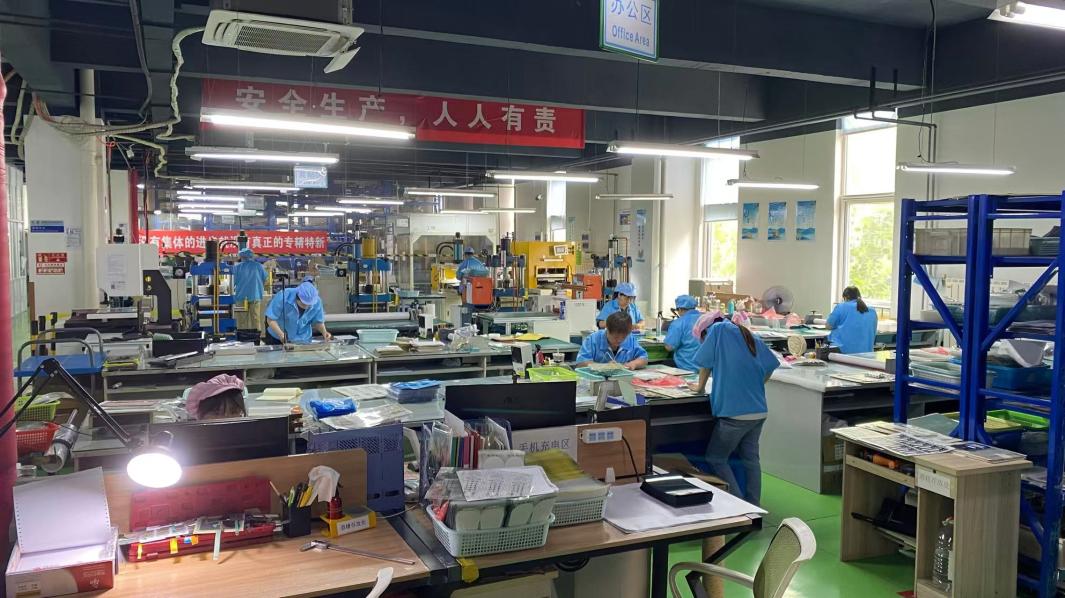
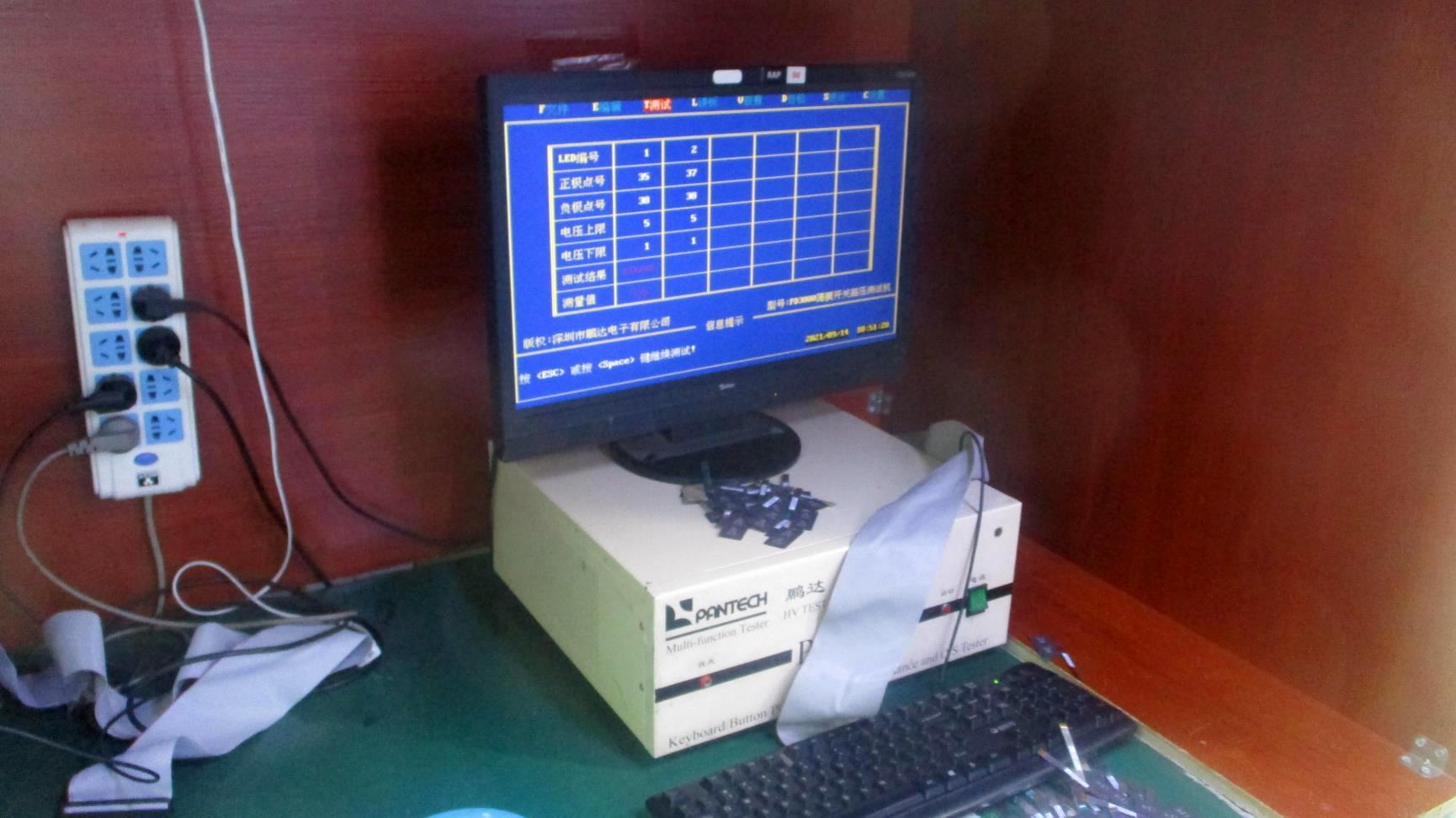
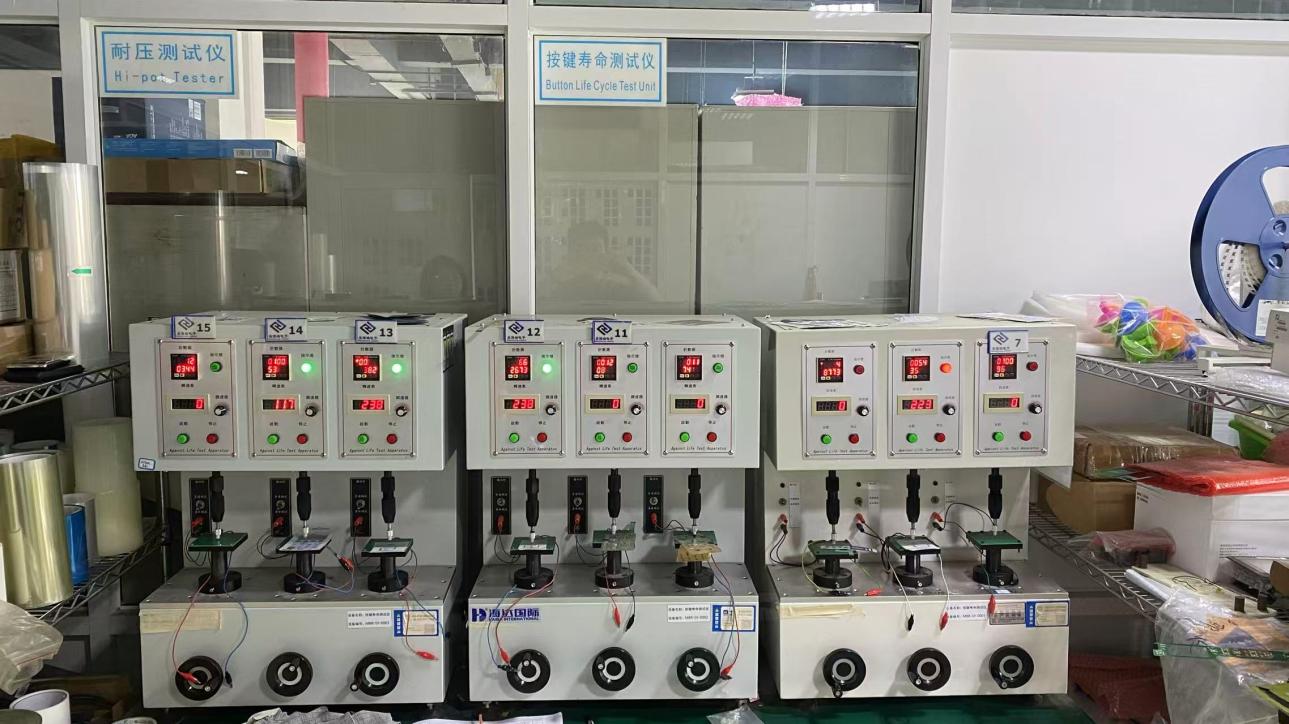
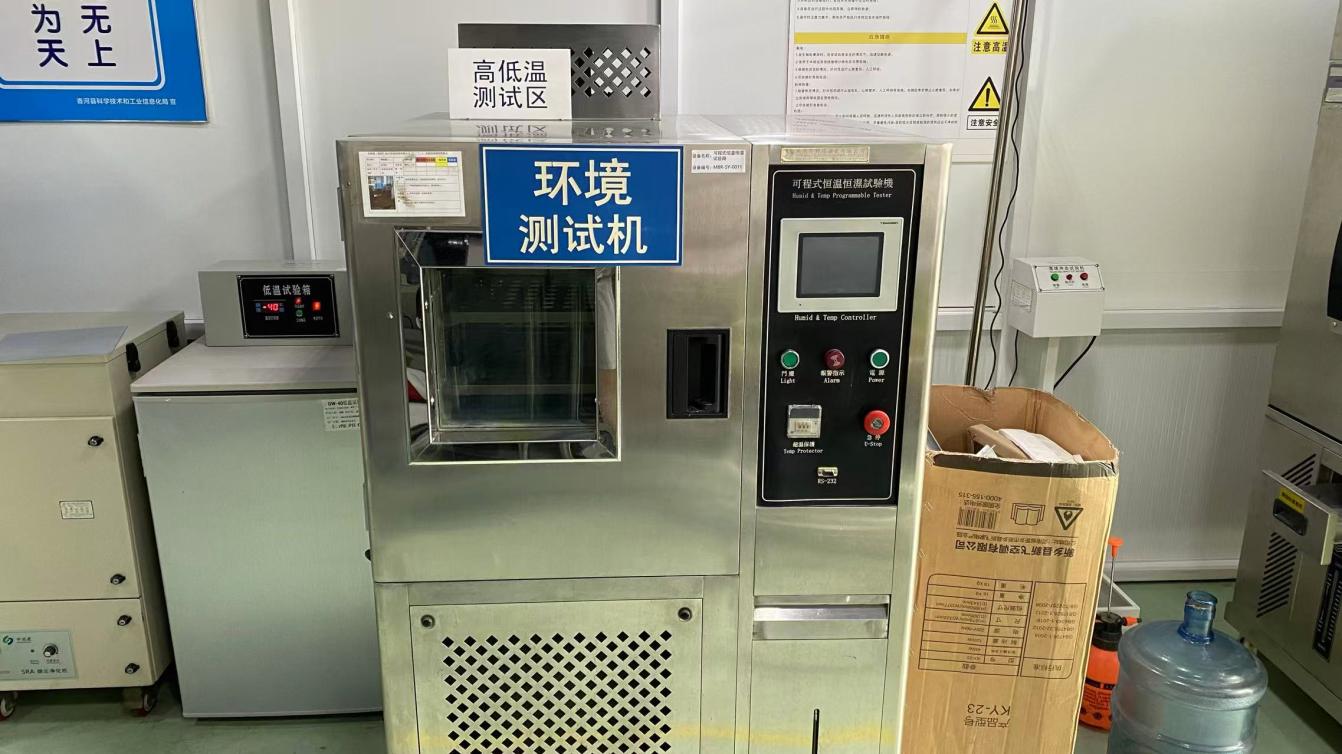
Global procurement leaders are pivoting away from low-bid component suppliers lacking verified testing equipment. An unexpected field failure of a membrane keypad on an automated automotive assembly line can cost up to $20,000 per minute of line downtime. Sourcing decisions now prioritize manufacturers with verified in-house test labs capable of validating button life cycles, humidity resistance, and salt spray performance before serial shipment.
Three Decades of Uncompromising Industrial HMI Excellence
Rooted in deep precision engineering heritage, certified quality control, and proven execution on mission-critical national infrastructure.
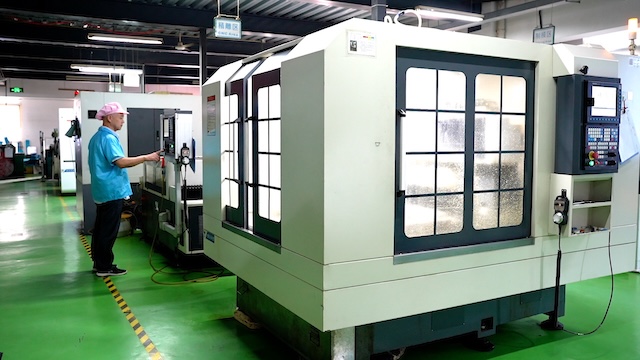
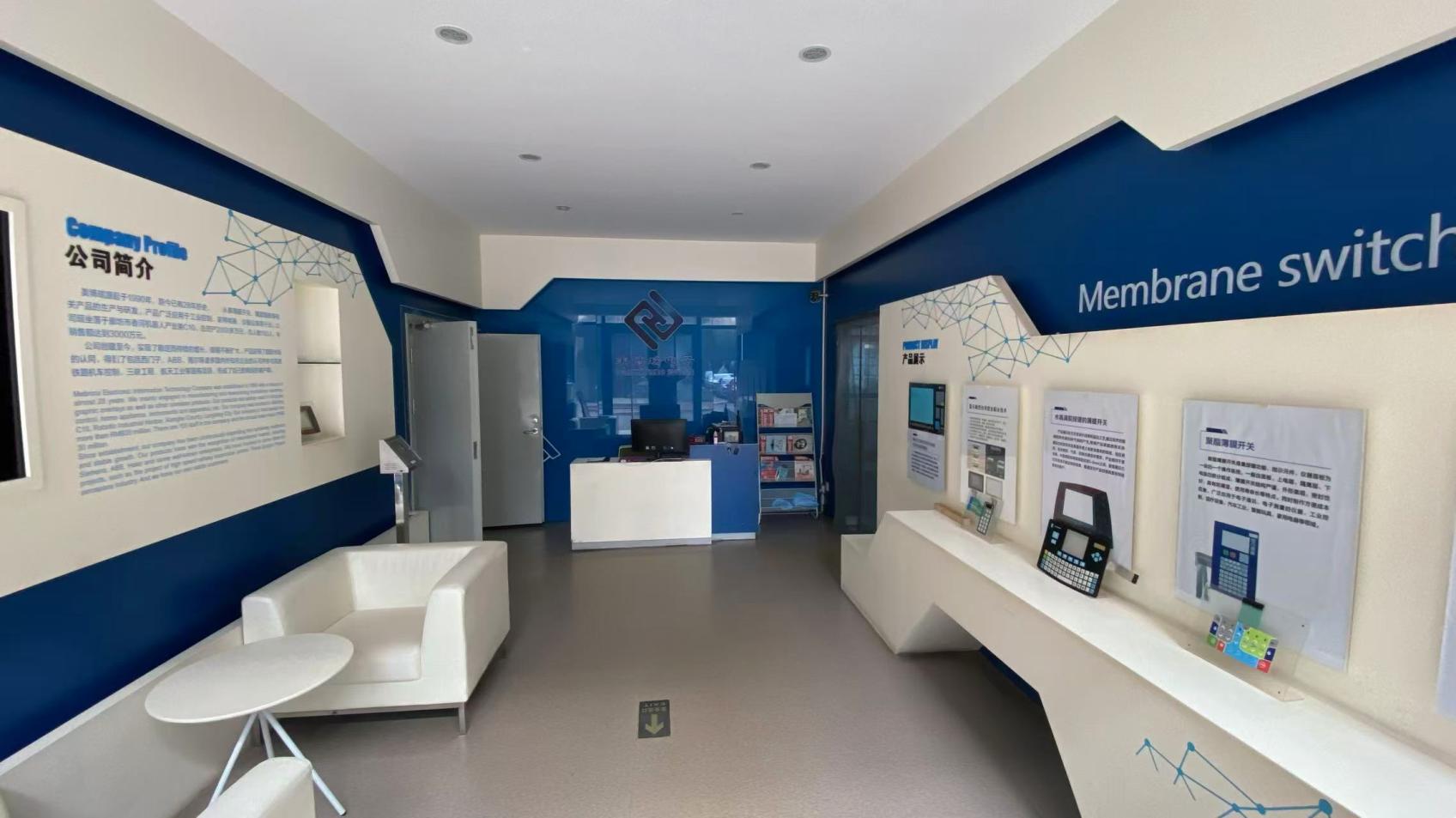
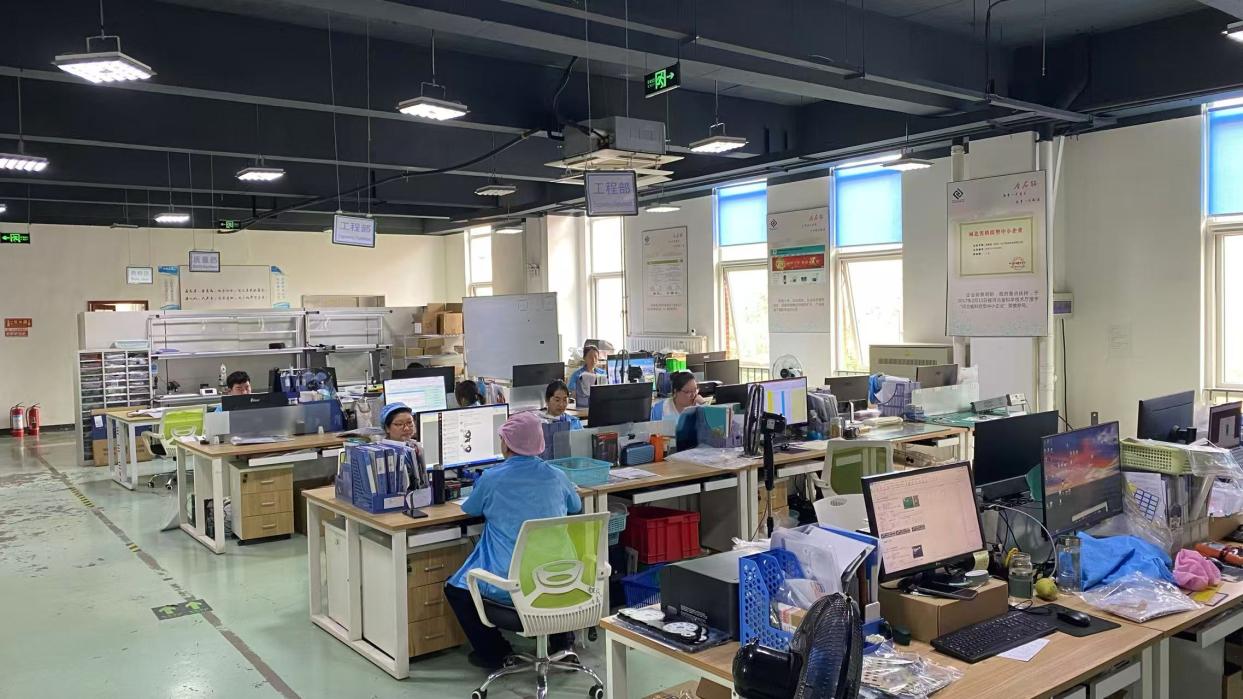
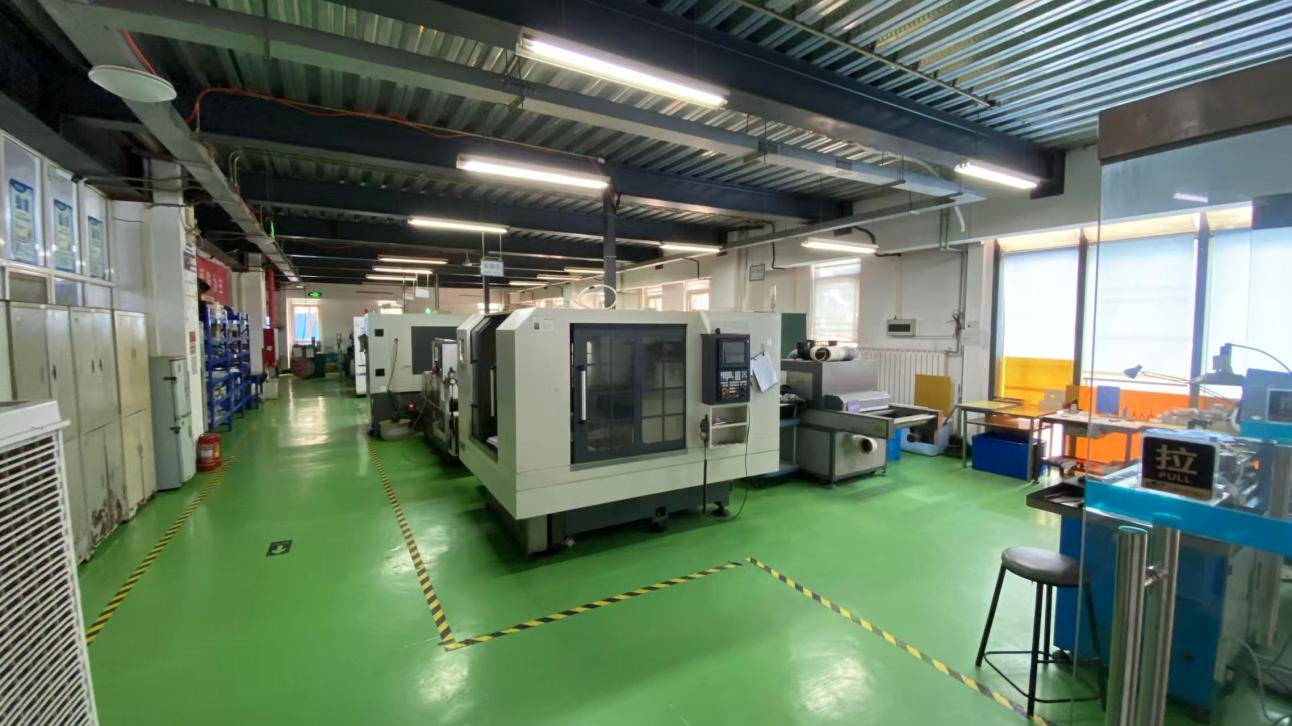
TAVO Electronic Information Technology Co., Ltd. was founded in 1990, dedicated to processing and researching membrane switches, membrane keypads, and graphic overlays. FPC membrane switches, LED membrane switches, and membrane switches with liners have become our core competitive products. Our products are widely used in industrial control, household appliances, instruments, and medical apparatus. TAVO is customer-centered, integrity-based, and operates with high quality, speediness, and low cost as our guiding principles. We operate strictly in accordance with the ISO 9001:2016 quality management system.
From establishment, our company has continuously expanded, earning the international market's broad recognition. We have almost ten years of direct cooperation experience with partners across the United States, Germany, and Western European nations. Demonstrating our technical rigor and manufacturing reliability, we have proudly taken part in high-speed railway locomotive control systems, the Three Gorges hydro-engineering project, aerospace industry projects, and key state-run industrial programs.
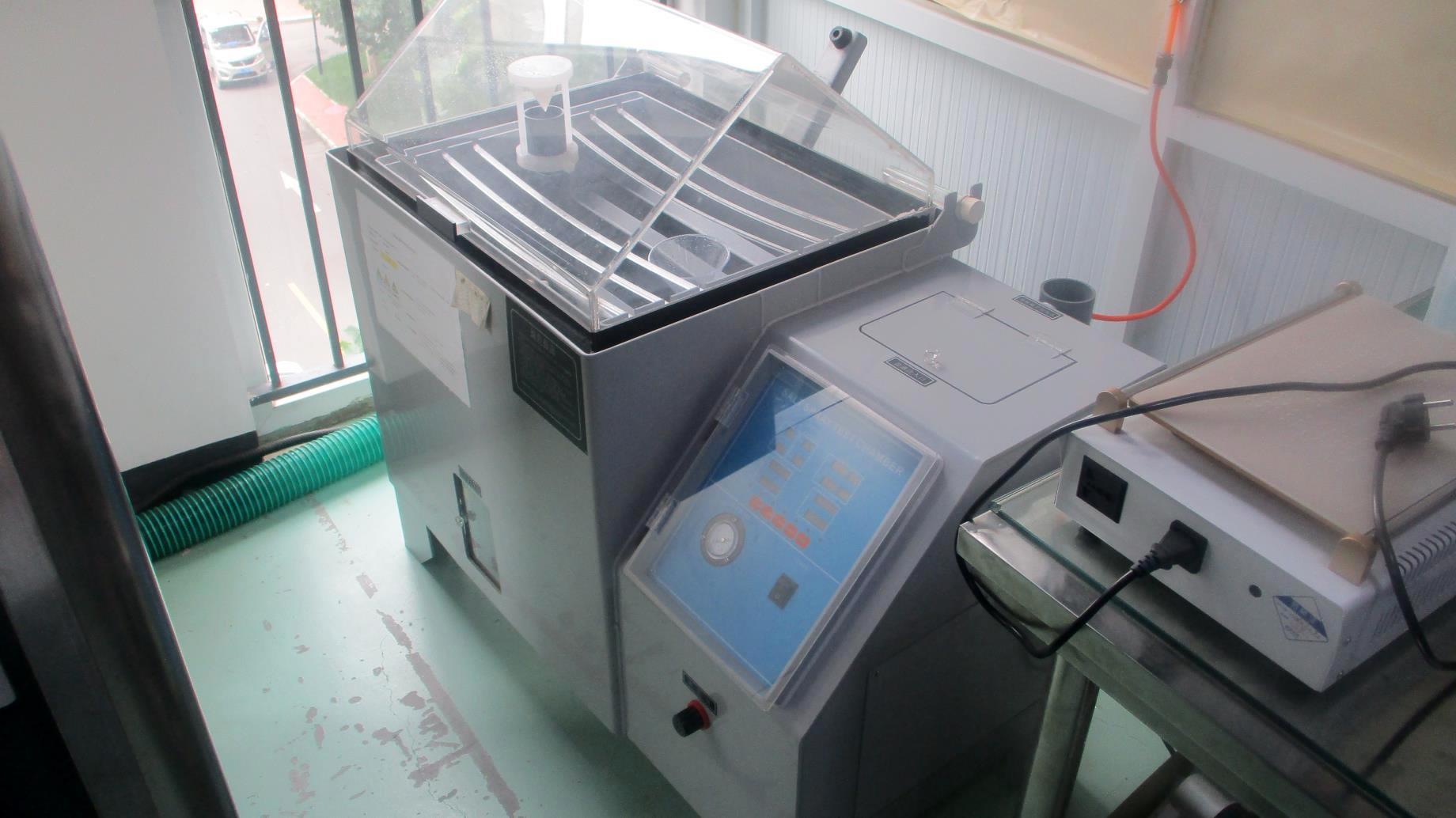
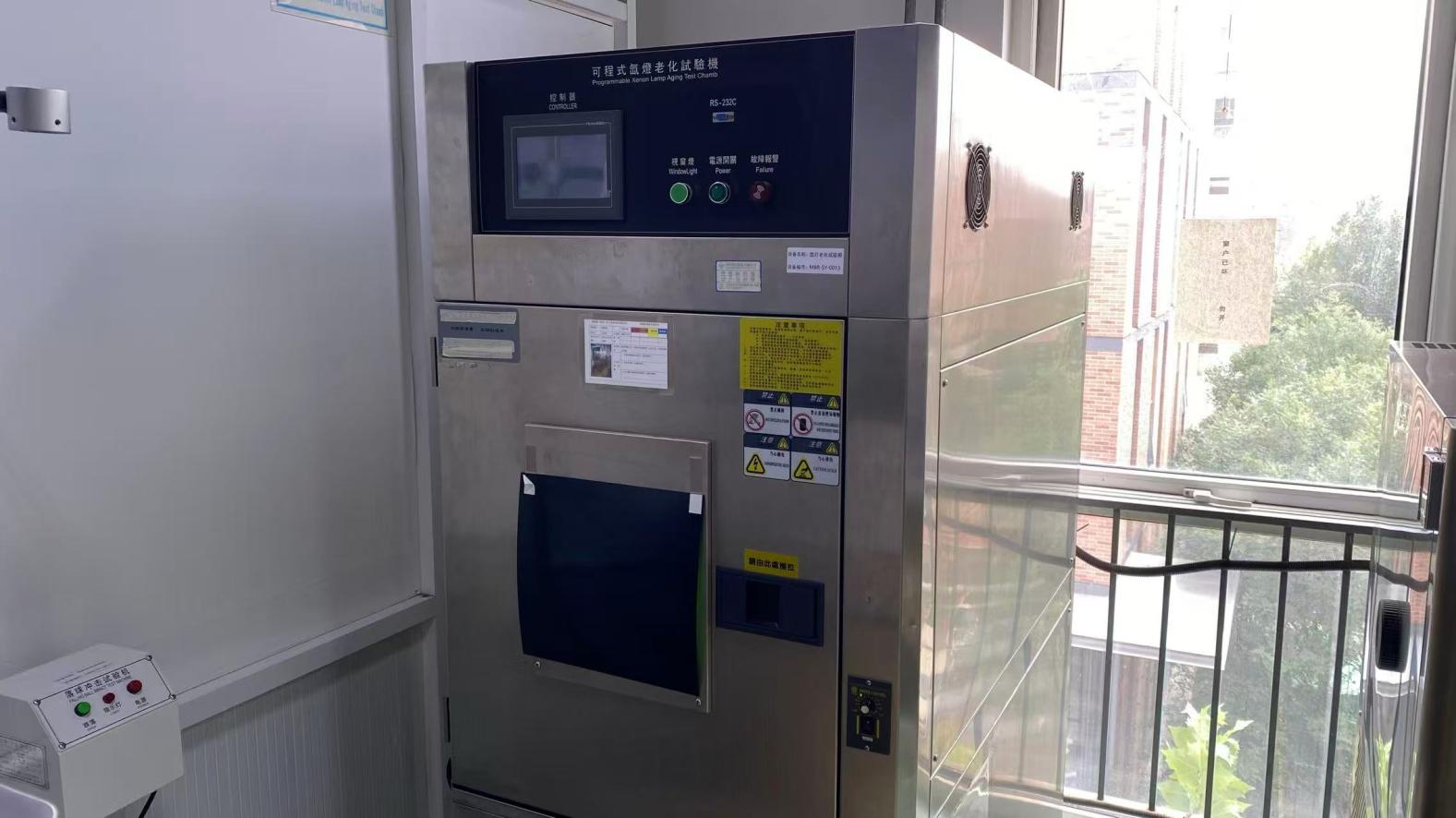
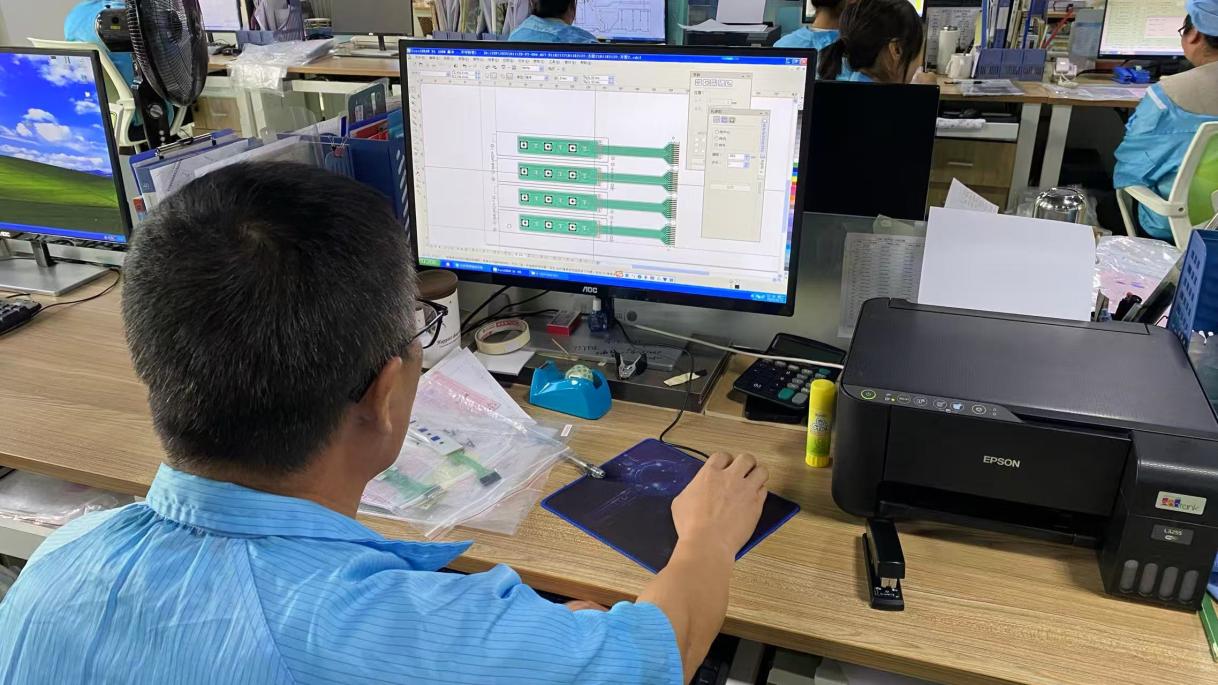
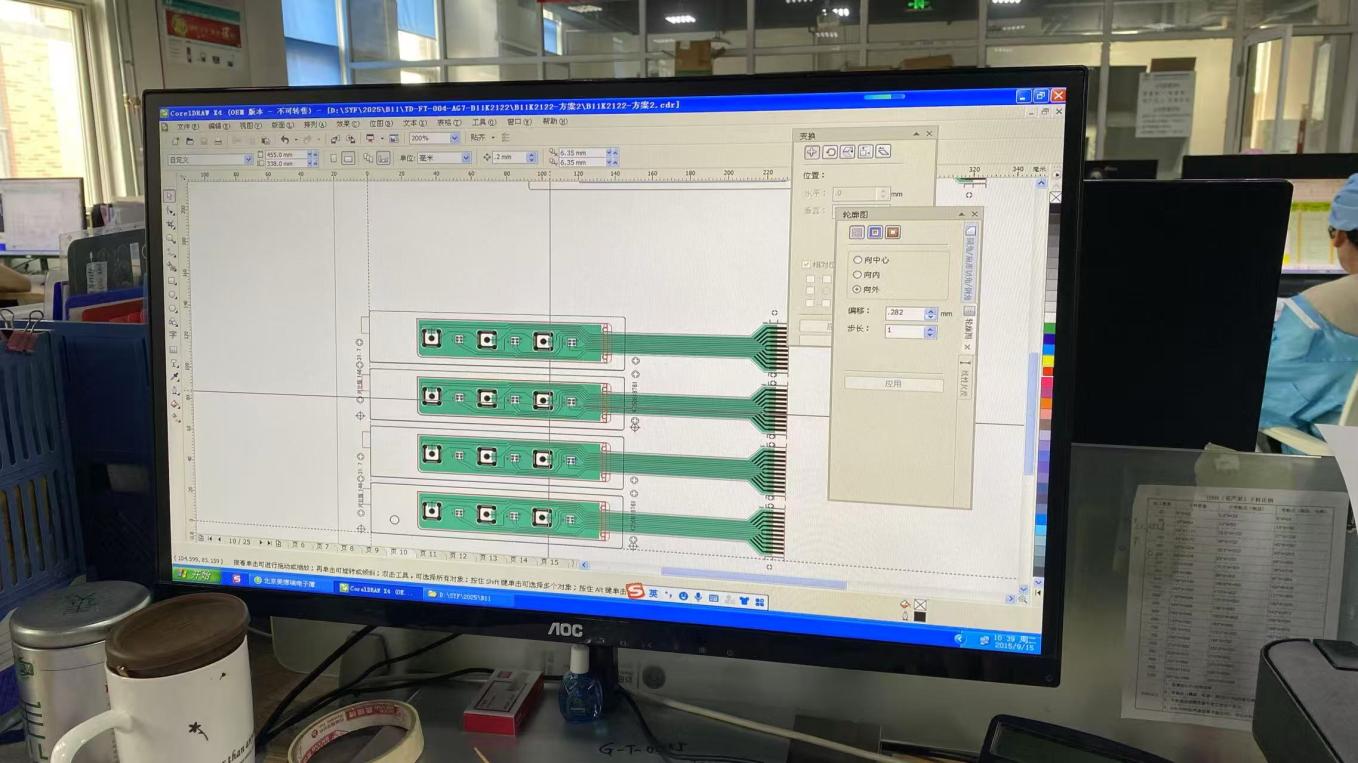
In-House Certified Test & Engineering Center
Unlike trading entities that outsource production steps, every industrial control membrane keypad leaving TAVO facilities is validated through proprietary laboratory equipment:
Industrial Control Membrane Keypad FAQ
Authoritative answers to the most common technical and sourcing questions asked by hardware engineers and international procurement specialists.
What is the optimal overlay material: Polycarbonate (PC) or Polyester (PET)?
How does TAVO achieve a true IP67 or IP68 waterproof seal on industrial keypads?
What tactile dome options are recommended for operators wearing heavy work gloves?
When should an engineering team specify an FPC copper circuit over printed silver ink?
How does TAVO prevent electrostatic discharge (ESD) from damaging internal PLCs?
What design files and specifications are needed to initiate a rapid DFM review?
Ready to Build Your Custom Industrial Control Membrane Keypad?
Benefit from over 30 years of manufacturing experience. Our engineering team provides complimentary DFM review, stack-up optimization, and custom prototype sampling for industrial OEMs worldwide.
- 100% In-House Production
- ISO 9001:2016 Certified
- Low Minimum Order Quantity
- Full Environmental Test Lab
Direct Factory Contact
Send your mechanical drawings, project schematics, or BOM to our international engineering team: