Explore our primary OEM/ODM custom control interface solutions. Engineered with multi-layer PET overlays, tactile metallic domes, integrated backlighting, and full IP67 environmental sealing for critical industrial environments.
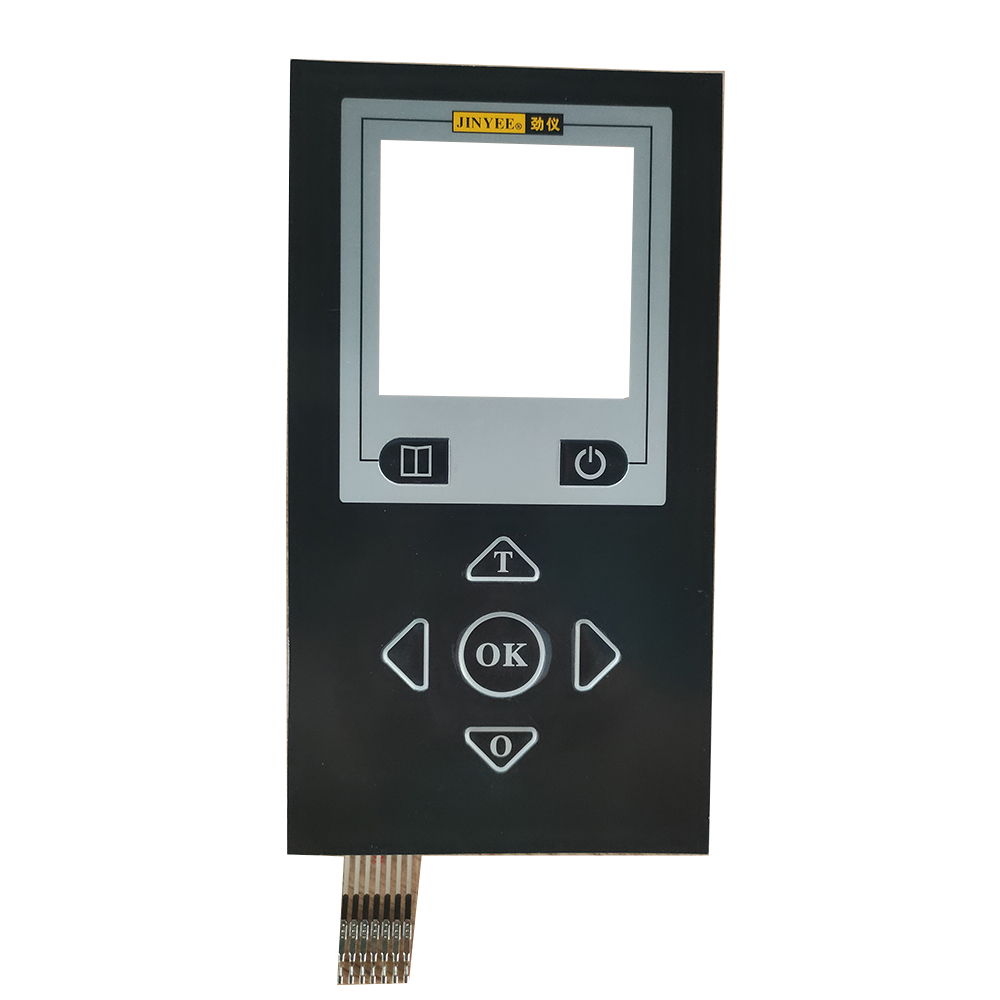
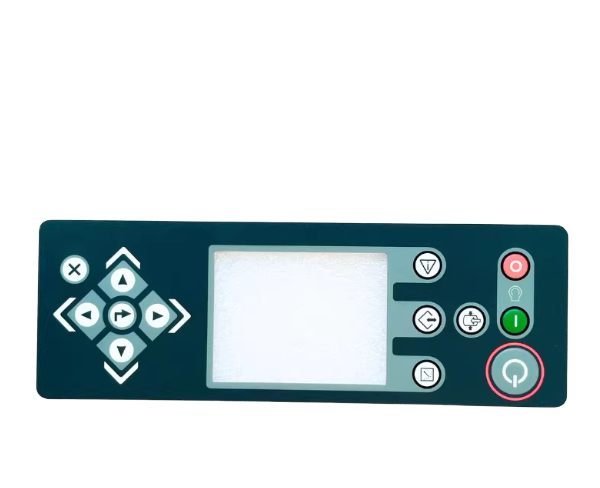
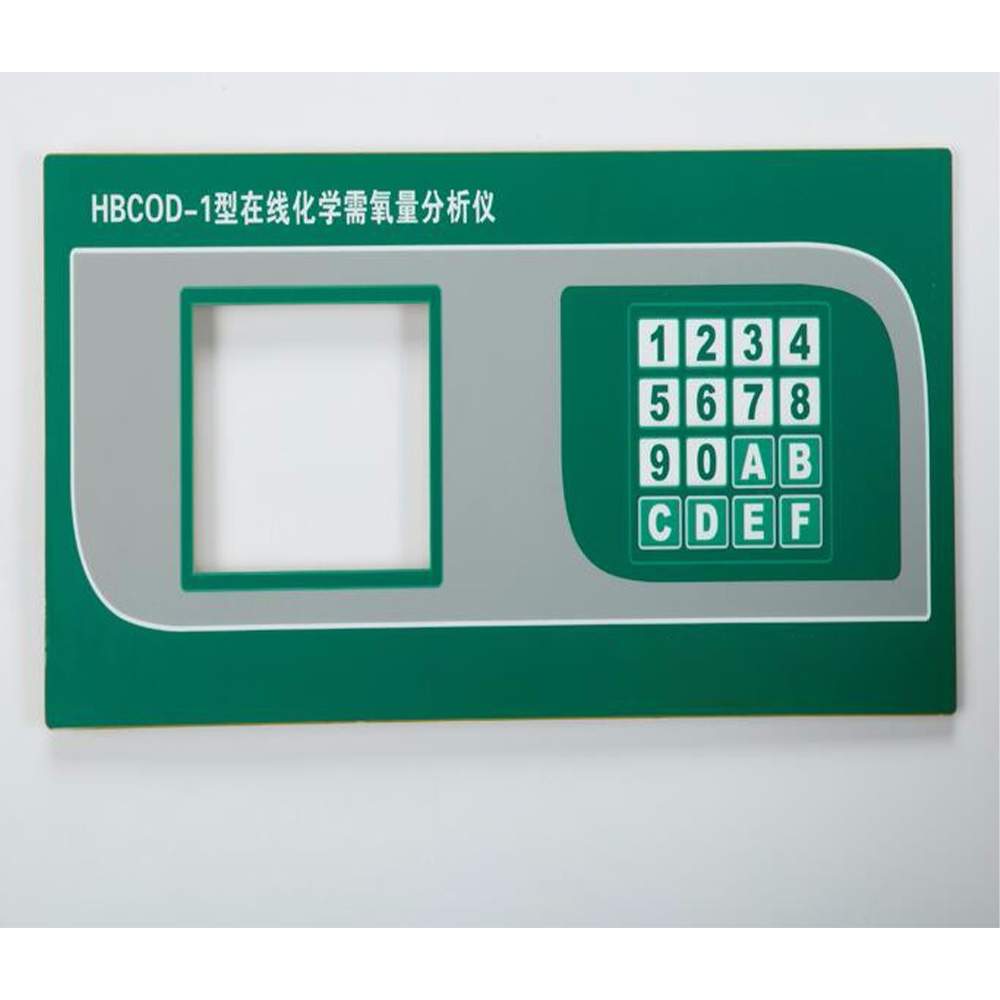

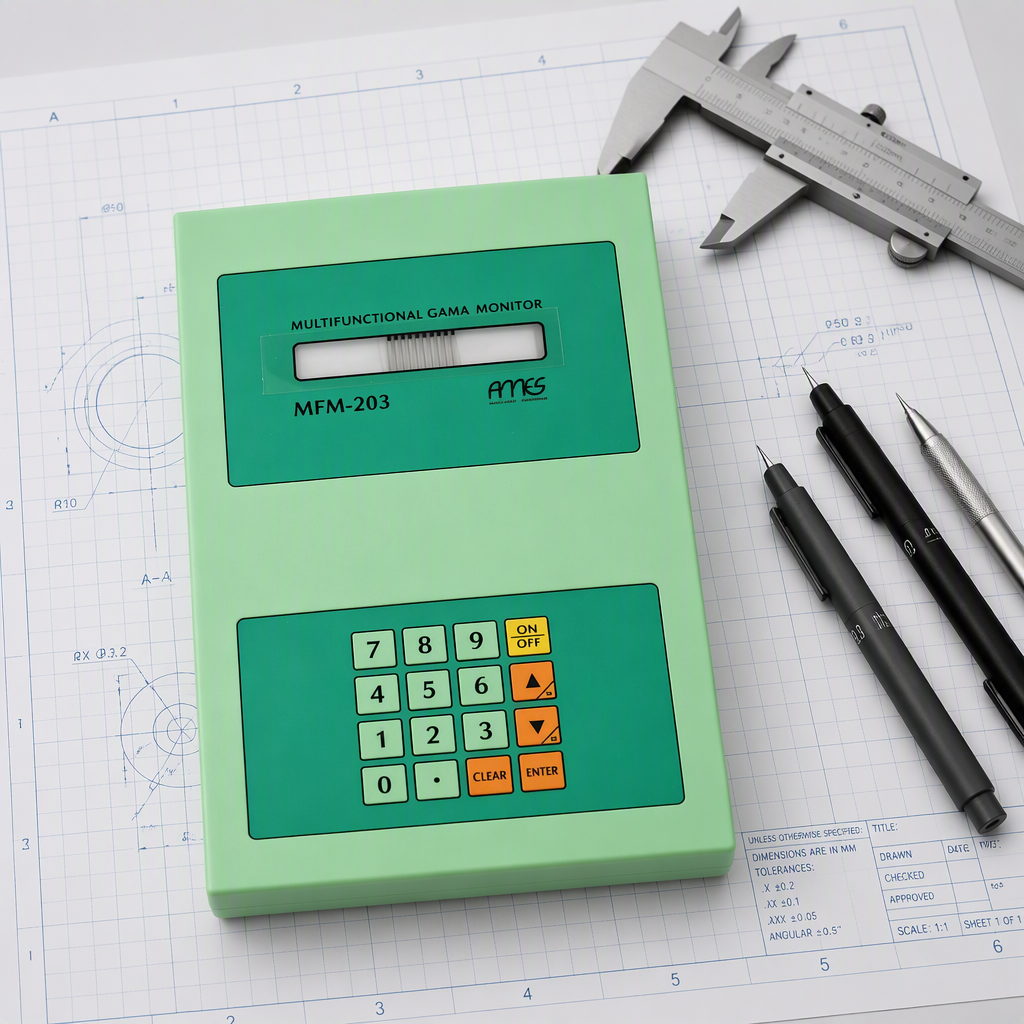
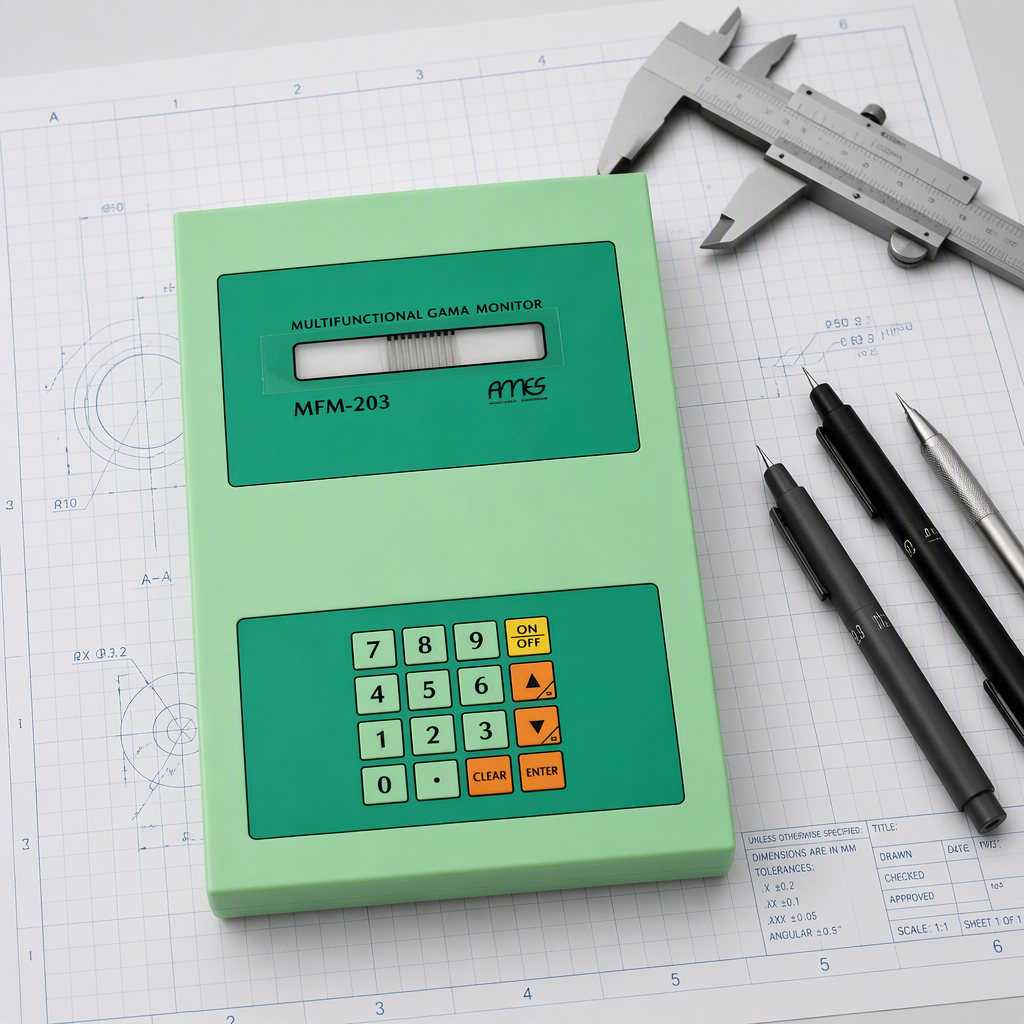
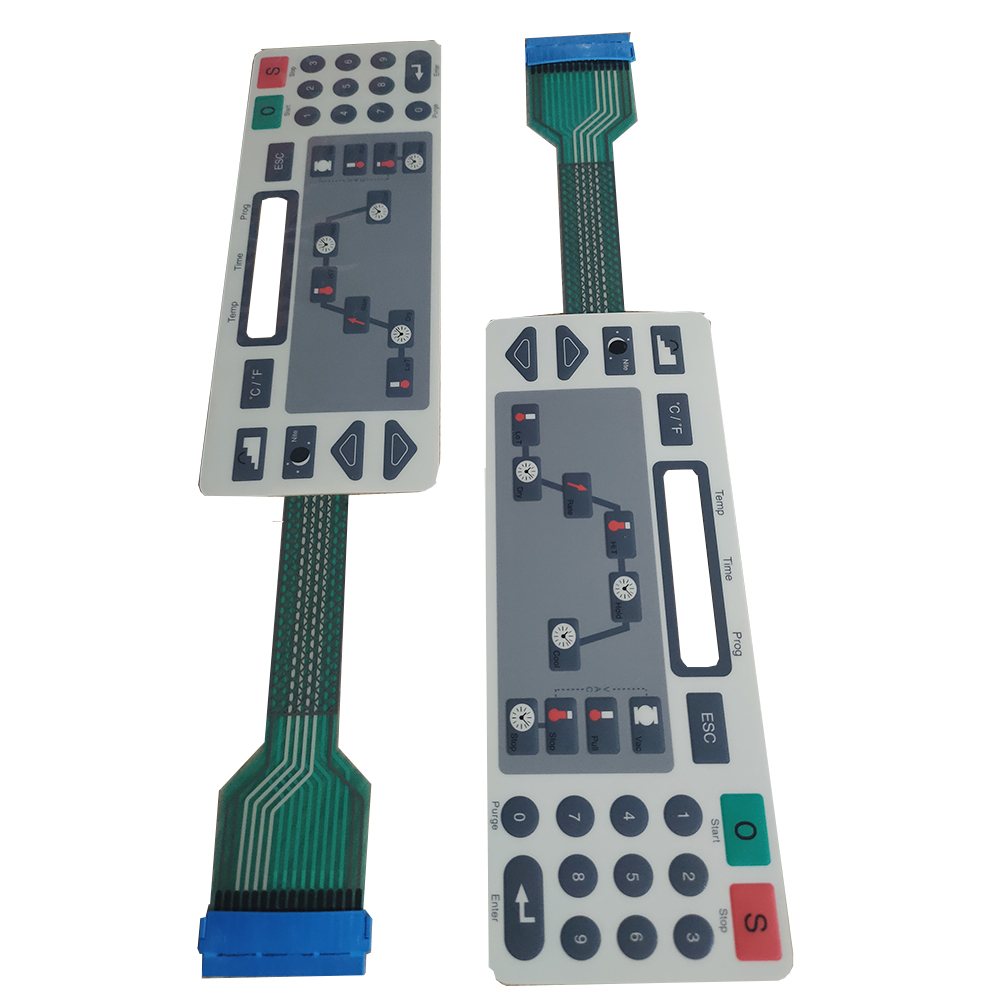
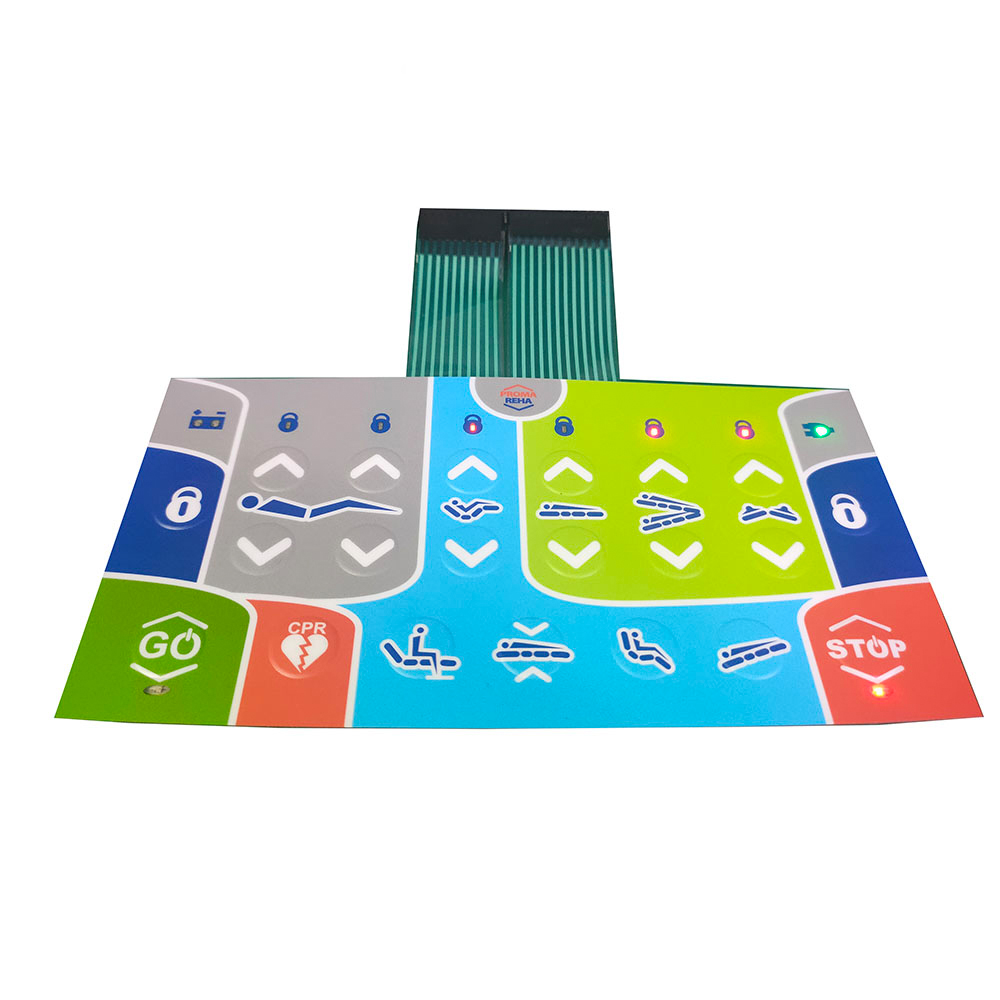
In modern human-machine interface (HMI) design, control interfaces serve as the critical bridge between human intent and machine execution. Modern industrial environments demand interface units that maintain absolute electrical integrity despite continuous exposure to mechanical stress, thermal fluctuations, chemical washdowns, and electromagnetic interference (EMI). As a premier OEM/ODM manufacturer holding full CE Certification, ISO 9001:2015 accreditation, and RoHS/REACH compliance, our production methodologies satisfy the rigorous operational demands of global Tier-1 equipment manufacturers.
Custom control interfaces—encompassing flexible membrane switches, rigid PCB-backed keypads, silicone rubber buttons, and capacitive touch panel assemblies—are engineered using advanced multi-layer stack-up architectures. Each layer performs a specific mechanical, optical, or conductive function. Below is the technical breakdown of our standard 6-layer heavy-duty control interface construction:
| Layer Sequence | Material Specification | Engineered Functional Purpose | Performance Metrics |
|---|---|---|---|
| Layer 1: Graphic Overlay | Autotex PET (Polyester) or Polycarbonate (PC) (150µm - 250µm) | Front aesthetic surface, key legend printing, clear/tinted LCD display windows, anti-glare micro-textures. | Flex life > 5,000,000 actuations; Chemical resistance to solvent/oil washdowns. |
| Layer 2: Graphic Adhesive | 3M 467MP / 3M 468MP High-Performance Acrylic Adhesive | Permanent lamination of graphic overlay to the upper tactile circuit/dome layer. | Shear strength > 150 N/cm²; Temperature endurance -40°C to +150°C. |
| Layer 3: Dome Retainer / Tactile Array | Stainless Steel Domes (4-Leg / Triangle) or Poly-domes | Provides tactile feedback ("snap" response), closing electrical contacts upon depression. | Actuation Force: 250g - 500g ± 30g; Click ratio > 50%; Life cycle > 1,000,000 cycles. |
| Layer 4: Circuit Spacer | Polyester Film with Double-Sided Adhesive (125µm - 200µm) | Creates the precise air gap between open conductive traces to prevent false triggering. | Dielectric breakdown voltage > 15 kV/mm; Zero outgassing. |
| Layer 5: Conductive Base Circuit | Silver Ink Printed PET Circuit OR Flexible Copper FPC (1oz Copper) | Transmits low-voltage electrical signals to the main logic controller or fieldbus board. | Loop Resistance < 100 Ω (Silver Ink) or < 2 Ω (FPC); Insulation Resistance > 100M Ω @ 250V DC. |
| Layer 6: Rear Substrate Adhesive | 3M 200MP / 300LSE VHB Structural Mounting Tape | Seals and mounts the complete interface assembly onto aluminum, steel, or plastic enclosures. | IP67/IP68 ingress protection against fluid ingress and particulate accumulation. |
By controlling every step of this stack-up design—from screen printing conductive silver traces using high-precision 37-station automated lines to laser-cutting custom edge geometries—we eliminate delamination risks and electrical short circuits under extended field operation.
With a manufacturing heritage stretching back to 1990, TAVO Electronic Information Technology Co., Ltd. has established itself as an authoritative global manufacturer and exporter of custom HMI solutions. Our dual-hub manufacturing strategy—combining a primary production floor in the Robot Industry Port of Xianghe Economic & Technological Development Zone (Langfang, Hebei) with an agile assembly center in Huizhou (Guangdong)—ensures uncompromised capacity redundancy and rapid supply chain execution.
To fulfill strict CE and ISO quality guidelines, we maintain 100% in-house ownership of all manufacturing equipment. We do not outsource critical engineering steps. Our facility is equipped with:
Precision Printing Fleet
37 automated silkscreen printing presses alongside 4 Mimaki UV digital color printers for vibrant graphics, color matching (Pantone/RAL < 1.0 ΔE), and high-density silver ink deposition.
Tooling & Cutting Hub
60 CNC mold-making units, 18 high-precision CO2 and fiber laser-cutting machines, and 7 digital engravers capable of maintaining dimensional tolerances within ±0.05mm.
R&D & Reliability Testing Lab
Full in-house environmental validation: Programmable thermal/humidity chambers, automated salt-fog corrosion chambers, button actuation life-testers, and optical spectrum testers.
Sustained Technical Collaboration with German Engineers: To uphold European industrial standards, TAVO maintains active technological exchange with senior German membrane switch specialists. This collaboration informs our material selection, ESD/EMI shielding strategies, and Optical Clear Adhesive (OCA) bonding techniques for display window integration.
As global OEMs transition toward Industry 4.0, Smart Manufacturing, and Internet of Medical Things (IoMT), the requirements for custom control interfaces are undergoing rapid technological evolution. Sourcing managers and hardware design engineers must anticipate several key structural shifts when specifying HMI components over the coming decade:
Procurement teams are reducing vendor complexity by shifting away from buying separate keypads, displays, and wiring harnesses. Future procurement trends strongly favor fully integrated sub-assemblies. Factories are expected to deliver complete HMI modules featuring Flexible Printed Circuits (FPC) with Surface Mount Technology (SMT) components, integrated microcontrollers (MCUs), backlighting drivers, and rigid metal backer plates in a single pre-tested package.
Traditional discrete LED backlighting often results in light hot-spots and inconsistent intensity across large key arrays. Advanced HMI designs utilize Light Guide Film (LGF) and Optical Clear Adhesive (OCA) window bonding. LGF technology uses micro-etched dot patterns to redirect side-emitted LED light evenly across key legends, reducing power consumption by up to 60% while cutting total profile thickness down to less than 1.5mm.
Post-pandemic sanitation protocols in medical and food processing sectors require control surfaces to withstand harsh chemical disinfectants (bleach, isopropyl alcohol, quaternary ammonium). Polyester films featuring textured hard-coats, UV-curable anti-microbial additive layers, and hydrophobic anti-fingerprint treatments are rapidly becoming mandatory specs in European and North American procurement RFQs.
While capacitive touch panels offer sleek, glass-like aesthetics, heavy industrial applications still require physical "tactile feedback" for operator safety and blind operation (e.g., operating machinery while wearing heavy gloves). The industry is moving toward hybrid control interfaces—combining sleek capacitive touch slider zones with mechanical tactile domes on a unified FPC circuit base.
Partner with a Certified Control Interface Manufacturer
Accelerate your product development cycle. Connect with our senior engineering team today to review your CAD files, optimize your HMI layer stack-up, and receive a competitive factory-direct quote.
Send an Inquiry