Featured Custom Keypads & Interface Solutions
Precision-engineered human-machine interface components designed for medical, industrial, and locomotive applications.
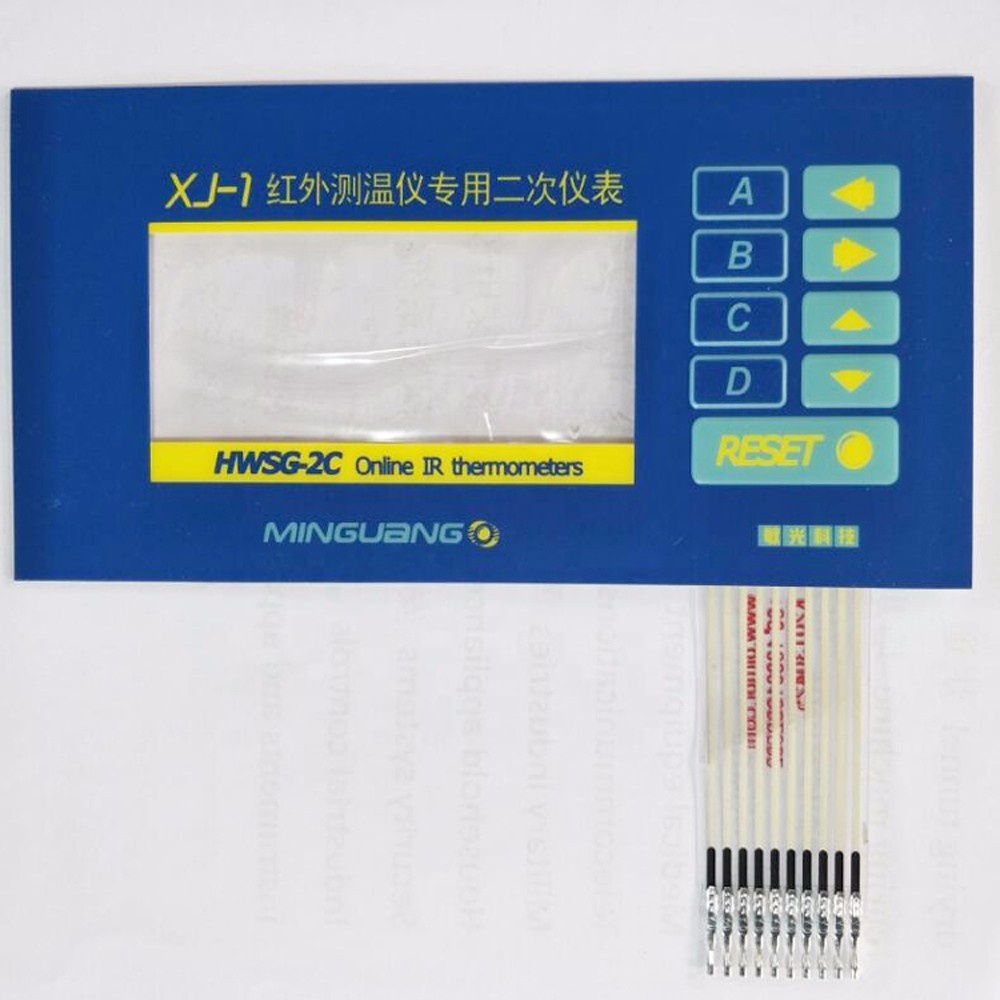
Fast Delivery OEM PBT Mechanical Switch Compatible Keycap
Explore Specs →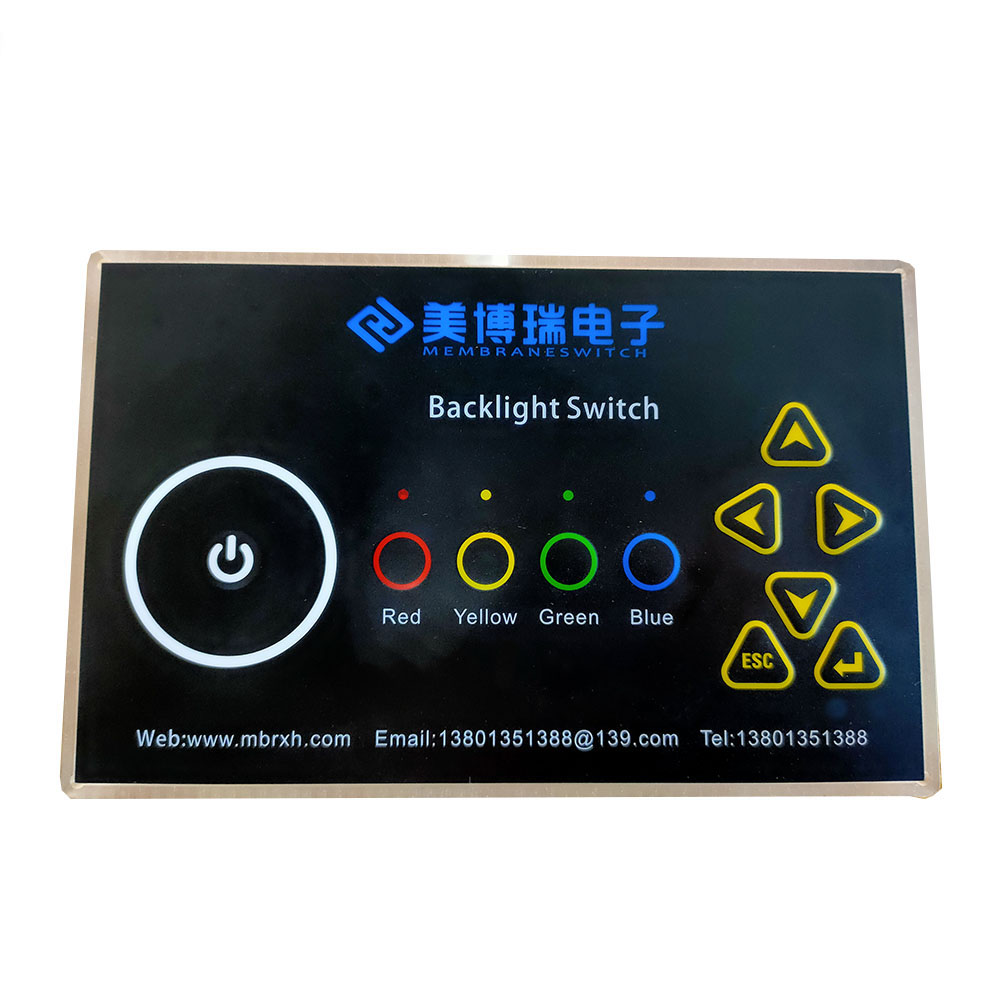
MEIBORUI MBR Custom Silkscreen PET Membrane Keypad
Explore Specs →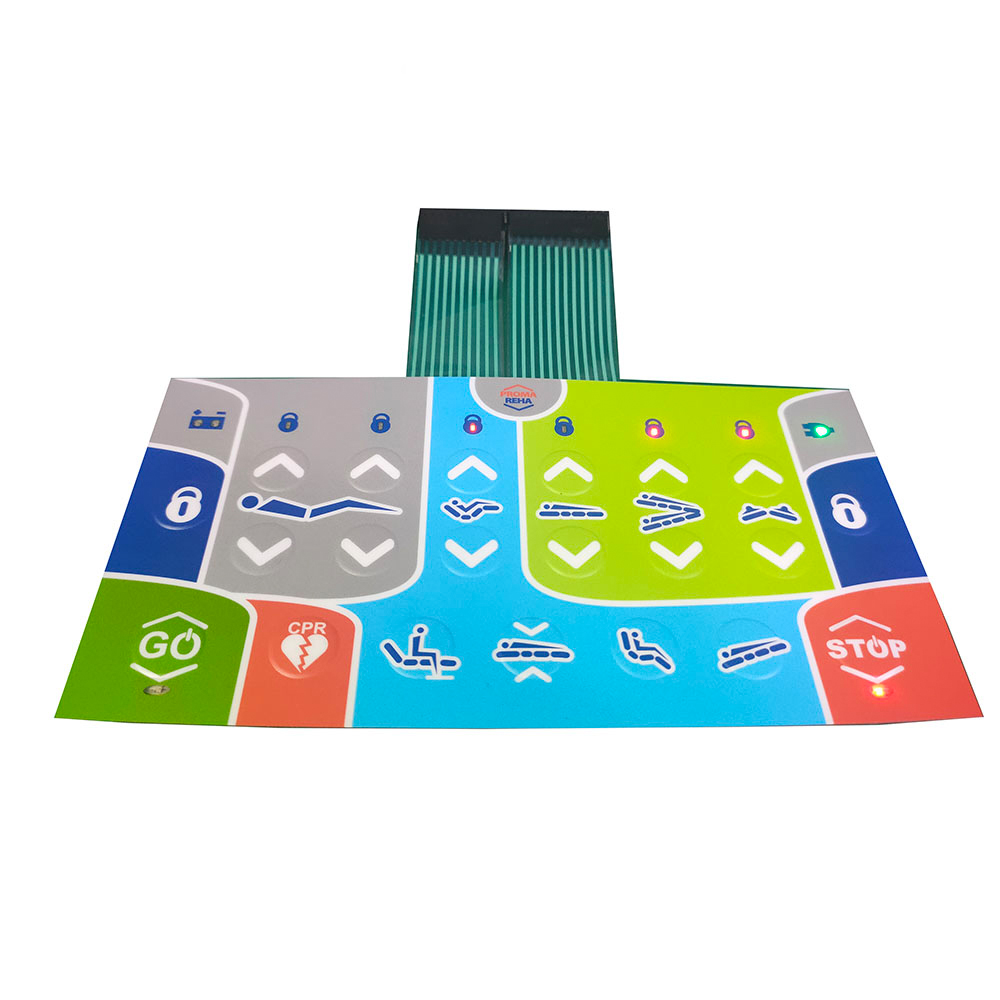
High Quality PBT Customized Color & Size Silkscreen Keycaps
Explore Specs →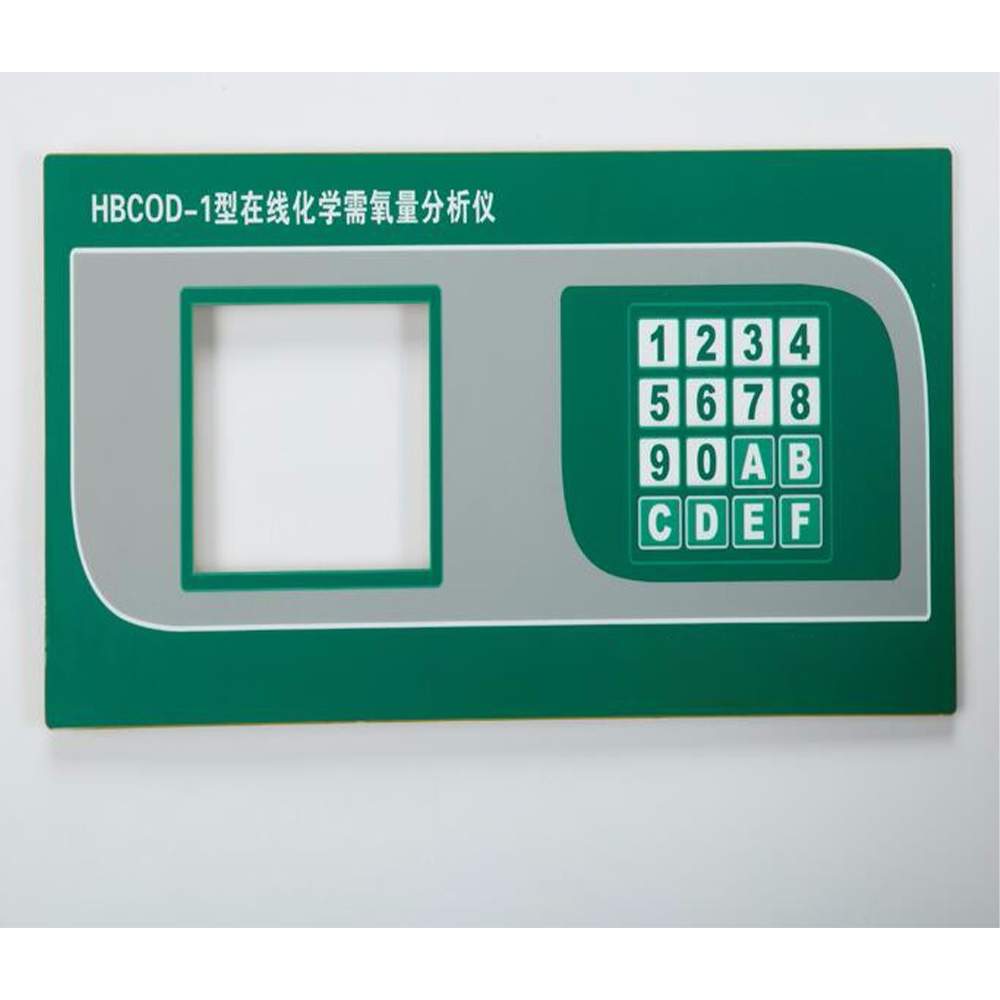
High Quality Custom PET/PC Graphic Overlay Membrane Keyboard
Explore Specs →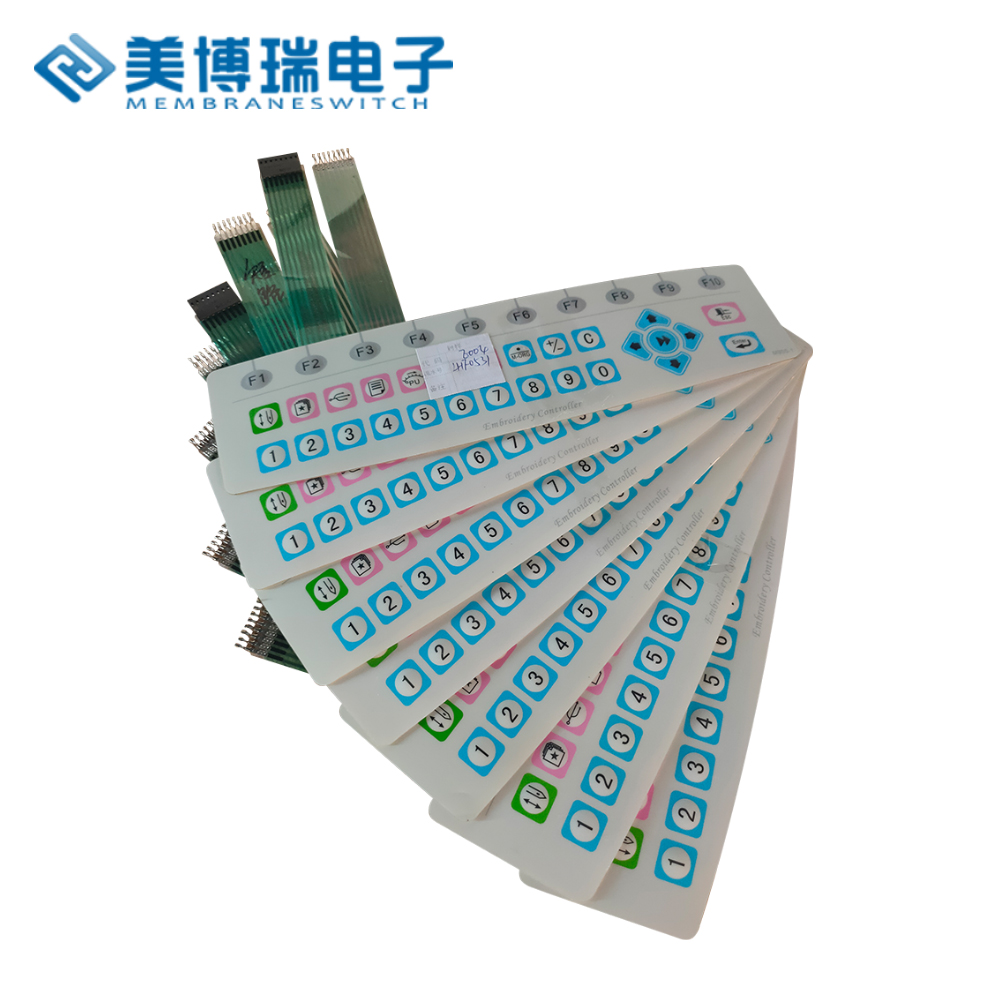
Custom Waterproof Flexible Membrane Keypad Control Panel
Explore Specs →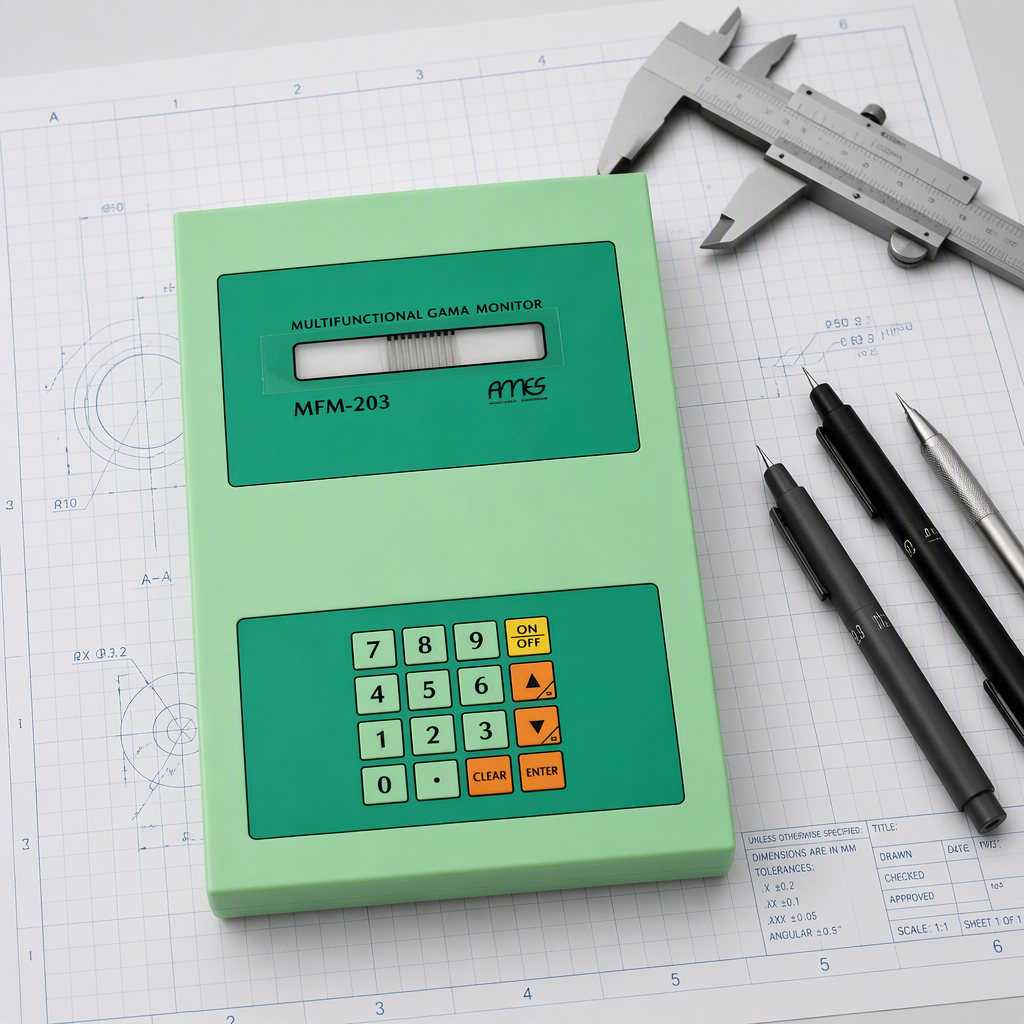
Waterproof Polyester Membrane Keypad Panel for HMI Display
Explore Specs →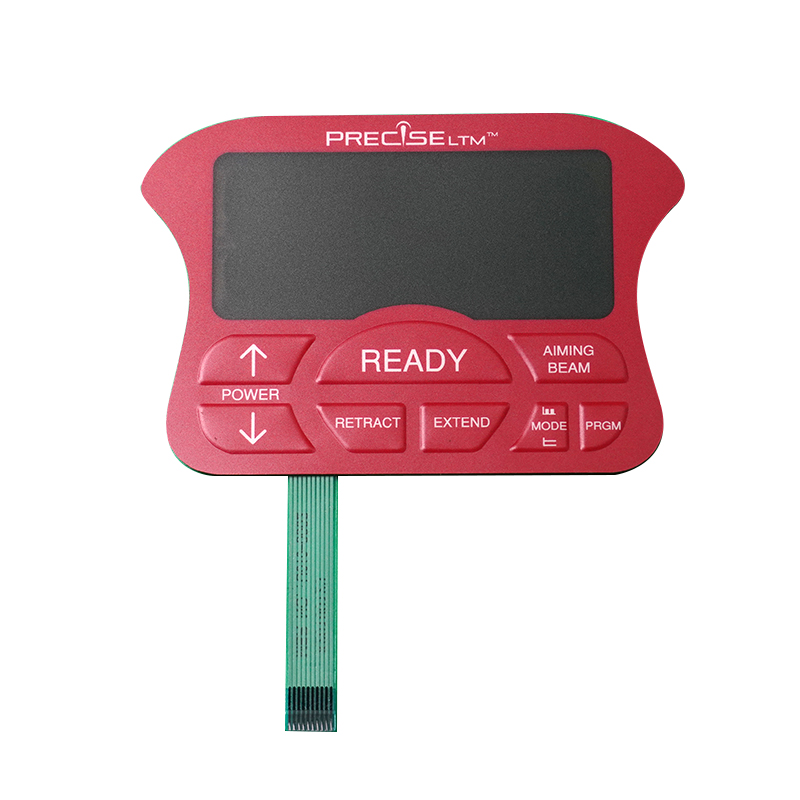
Anti-Interference High-Temp Locomotive Membrane Control Panel
Explore Specs →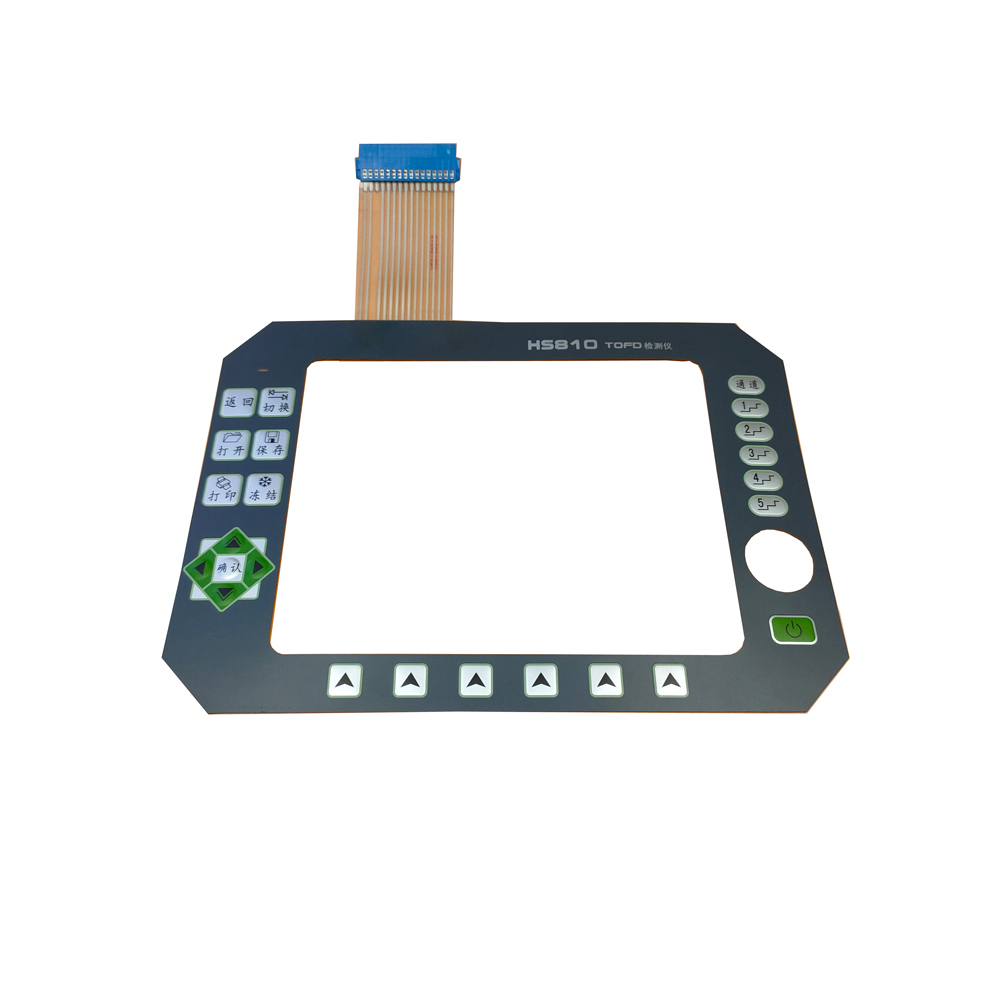
Meiborui Custom Waterproof PBT Keycap Overlay Assemblies
Explore Specs →Technical Whitepaper: Engineering CE Certified PCB-Backed Keypads for Critical HMI Applications
In modern industrial design, medical instrumentation, military electronics, and heavy transport equipment, Human-Machine Interfaces (HMI) demand structural integrity, electrical stability, and environmental resistance far beyond standard membrane switches. A PCB-backed keypad (also referred to as a rigid printed circuit board membrane switch) represents the apex of electromechanical control panels. By replacing traditional flexible polyester (PET) circuit layers with a rigid FR4 or polyimide PCB substrate, engineers unlock unprecedented durability, precise tactile actuation, superior Electromagnetic Compatibility (EMC), and seamless Surface Mount Technology (SMT) component integration.
As a leading supplier and global exporter certified under ISO 9001 and verified by Intertek onsite assessments, TAVO (and its specialized MBR Meiborui manufacturing division) combines over three decades of screen printing mastery with advanced German technical collaboration. This whitepaper serves as an authoritative procurement guide for global sourcing managers, design engineers, and OEM/ODM system integrators evaluating next-generation control panel technologies.
Engineering Performance Comparison Matrix
Evaluating Electromechanical Properties: Rigid PCB-Backed Keypads vs. Standard Flexible Membrane Switches
| Engineering Parameter | Standard PET Flexible Membrane | CE Certified PCB-Backed Keypad | Capacitive Touch Glass/PC Panel |
|---|---|---|---|
| Substrate Layer | 0.125mm - 0.175mm Flexible PET Film | 0.8mm - 3.2mm Rigid FR4 / Polyimide PCB | 1.1mm - 4.0mm Tempered Glass / Acrylic |
| Conductive Material | Screen-Printed Conductive Silver / Carbon Ink | Etched Copper Traces (1oz / 2oz / 3oz) | ITO (Indium Tin Oxide) / Copper Mesh |
| Component Integration | Limited Conductive Epoxy Bonding (LEDs only) | Full SMT Soldering (LEDs, MCUs, Resistors, Headers) | Rear Driver PCB Bonding via FPC |
| EMC / EMI Shielding | Printed Carbon / Aluminum Foil (Moderate) | Dedicated Solid Ground Planes (Excellent - CE Compliant) | Requires Complex Noise Filtering Firmware |
| Actuation Lifetime | 1,000,000 Operations | 3,000,000 to 5,000,000 Operations | Solid State (Infinite, No Tactile Feedback) |
| Operating Temperature | -20°C to +60°C | -40°C to +85°C (Extended Industrial Range) | -10°C to +50°C |
| Contact Resistance | < 100 Ohms (Length Dependent) | < 1 Ohm (Negligible Voltage Drop) | N/A (Capacitive Sensing Circuit) |
| Environmental Protection | IP65 Perimeter Seal | IP67 / IP68 Hermetic Gasket Seal | IP67 Front Surface Only |
Future Procurement Trends in HMI & Keypad Manufacturing
Key Strategic Shift Dynamics Sourcing Managers Must Antcipate (2025–2030 Horizon)
1. Transition to Smart HMI Sub-Assemblies
Global procurement teams are shifting away from buying isolated keypad switches toward turnkey HMI modules. Modern OEM buyers require suppliers to integrate the graphic overlay, metal dome array, PCB backing board, microcontroller, and CAN/Modbus communication bus into a single factory-tested sub-assembly. This reduces assembly labor on the OEM line and eliminates vendor multi-tier liability.
2. Light Guide Film (LGF) Backlighting
Traditional discrete LED backlighting suffers from hot-spotting and uneven illumination across keypads. Procurement trends heavily favor Light Guide Film (LGF) technology integrated over PCB boards. By utilizing side-firing micro LEDs aimed into an optically engineered polycarbonate film, power consumption drops by up to 70% while achieving uniform light distribution behind keys and logo graphic windows.
3. Strict CE, REACH & RoHS 3 Compliance
Environmental and safety regulation enforcement in the European Union and North America is tightening. Sourcing managers require full supply chain traceability, demanding lead-free HASL or ENIG (Electroless Nickel Immersion Gold) PCB surface finishes, halogen-free substrates, and low-VOC adhesive layers (e.g., 3M 200MP series) that pass rigorous degassing and toxicity standards for medical device enclosure deployment.
4. Dual-Sourcing & Supply Resilience
Geopolitical challenges have underscored the risk of single-region supply lines. Leading exporters now maintain multi-facility manufacturing networks. TAVO operates two main processing hubs in Hebei (Robot Industry Port) and Huizhou (Guangdong), ensuring capacity balancing, risk mitigation, and continuous material access to prevent lead-time spikes during peak OEM production cycles.
Product Development Trends & Technological Innovations
Next-Generation Engineering Innovations Transforming Rigid PCB Keypad Interfaces
A. Hybrid Capacitive-Tactile Surface Integration
Industrial designers previously faced a dilemma: choose the sleek, flush aesthetic of capacitive glass touchscreens, or the tactile click assurance of physical dome switches. The latest product development trend merges both worlds. By layering custom-printed PBT or polycarbonate graphic overlays over a dual-zone FR4 PCB substrate, keypads can feature capacitive touch slider areas alongside physical metal-dome tactile buttons for critical e-stop or high-frequency input functions.
B. Advanced Surface Hard-Coating & Anti-Microbial Treatments
For medical HMI applications, food processing equipment, and public kiosks, surface durability is paramount. Modern PET overlays (such as Autotex F200/F150 or Lexan HP92S) undergo UV-curable hard-coating that offers extreme chemical resistance against isopropyl alcohol, bleach, gasoline, and harsh industrial solvents. Furthermore, anti-microbial silver-ion additives embedded within the overlay matrix continuously inhibit bacterial growth, ensuring high hygiene compliance.
C. High-Density SMT Component Mounting & Direct Connector Headers
Unlike flexible membrane switches that require fragile flex tails terminating in ZIF or Clincher connectors, PCB-backed keypads allow direct surface mounting of robust industrial connector blocks (such as Molex, AMP, or Samtec headers) directly onto the back of the FR4 board. Threaded blind studs, PEM nuts, and standoff spacers can be pre-swaged onto the aluminum or PCB backing plate, permitting rapid mechanical installation straight into plastic or metal housings without separate bracketry.
Need Custom Engineering Support for Your Control Panel?
Our engineering team offers comprehensive CAD drawing reviews, stack-up design recommendations, and prototype sampling within 5 working days.
Get CatalogWhy Choose TAVO / Meiborui as Your Sourcing Partner
Proven Technical Mastery, German Engineering Synergy, and ISO 9001 Quality Control
35+ Years Manufacturing Heritage
Rooted in membrane switch fabrication since 1990, our organization brings decades of specialized experience in screen printing precision, adhesive formulation, tactile dome calibration, and electrical debugging. We have completed over 15,000 custom project iterations globally.
German Technology Integration
Through long-term technical cooperation with leading German membrane keypad specialists, our production facilities incorporate European precision equipment, standardized quality audits, and strict process parameters matching Western industrial standards.
Comprehensive In-House Test Laboratory
Every batch undergoes stringent quality verification in our internal laboratory: computer circuit line resistance testing, button life cycle testing (up to 5 million actuations), programmable humidity/temperature environmental chambers, xenon lamp aging units, and salt fog corrosion testing.
Advanced Machinery Fleet
Our two manufacturing facilities feature a cleanroom production environment equipped with 37 automatic silk-screen printing machines, 4 Mimaki heat-setting UV digital printers, 18 laser die-cutting machines, 60 CNC mold processing units, and 7 high-speed digital engraving systems.
Trusted by Fortune 500 & Global Leaders
Our custom control panels and PCB keypads are specified by industry powerhouses including Siemens, ABB, and Haier, serving high-reliability applications across high-speed rail locomotives, the Three Gorges Dam project, XCMG heavy machinery, and aerospace equipment.
Global Export Infrastructure
With an experienced 20-person international trade engineering team, we export custom PCB keypads to over 30 countries across North America, Western Europe, the Middle East, and Asia-Pacific, offering flexible Incoterms (FOB, CFR, CIF, EXW) and D/P, T/T, L/C payment options.
Frequently Asked Questions (Procurement FAQ)
Technical & Commercial Insights for Design Engineers and Global Sourcing Professionals
What engineering design files are required to start a custom PCB-backed keypad project?
1. Vector Artwork / Mechanical Outline: CAD files in DXF, DWG, STEP, PDF, or Adobe Illustrator (AI) format detailing dimensions, key boundaries, and cutout locations.
2. Color Specifications: Pantone Color Matching codes or RAL color references for graphic overlays and window tinting.
3. Electrical Gerber Files / Pin-out Schema: Gerber data (RS-274X) for the backing PCB board, specifying trace routing, dome pads, SMT positions, and connector pin allocations.
4. Operating Environment Details: Expected temperature range, IP rating requirements (IP65/IP67/IP68), UV exposure, chemical exposure, and tactile feedback preferences (actuation force in grams).
Why choose a rigid FR4 PCB substrate over a flexible PET silver-printed circuit?
• Low Line Resistance: Etched copper traces provide <1 Ohm resistance, enabling longer routing distances without voltage drop compared to printed silver ink (>100 Ohms).
• SMT Component Reliability: Surface Mount Components (LEDs, microcontrollers, resistors, active sensors) are reflow-soldered to copper pads, creating indestructible mechanical and electrical joints.
• Structural Mounting Base: The 1.6mm or 2.0mm FR4 board acts as its own structural backing, allowing PEM studs or threaded standoffs to be swaged directly onto the board for rigid mounting into metal enclosures.
• Superior EMC/EMI Performance: A dedicated ground copper plane layer easily passes CE Directive EN 61000-6-2 immunity standards.
What CE certifications and European standards do your PCB keypads meet?
• Electromagnetic Compatibility (EMC Directive 2014/30/EU): Tested against EN 61000-6-2 (Industrial Immunity) and EN 61000-6-4 (Industrial Emissions).
• Low Voltage Directive (LVD 2014/35/EU): Dielectric breakdown insulation voltage exceeding 1500V DC.
• RoHS 3 Directive (2015/863/EU): 100% lead-free SMT assembly, ENIG/lead-free HASL PCB finishes, and certified phthalate-free adhesives.
• REACH Regulation (EC 1907/2006): Materials contain zero Substances of Very High Concern (SVHC).
How is tactile feedback achieved and customized in a PCB keypad?
• Dome Shapes & Sizes: Four-leg (cross) domes, round domes, or triangle domes ranging from 6mm to 20mm in diameter.
• Actuation Force Options: Selectable actuation forces ranging from light tactile (180g - 220g) to heavy industrial tactile (350g - 500g).
• Key Embossing Profiles: The top PET/PC overlay can feature rim embossing, pillow embossing, or molded rubber keycaps positioned over the metal domes to enhance key recognition for operators wearing heavy work gloves.
What surface finishes are available for the PCB backing board?
1. ENIG (Electroless Nickel Immersion Gold): The optimal choice for tactile switch pads. Offers flat coplanarity, superior oxidation resistance, low contact resistance, and a switch cycle life exceeding 3 million actuations.
2. Lead-Free HASL (Hot Air Solder Leveling): Cost-effective solution for non-tactile switch pads or low-density SMT boards.
3. Hard Gold Plating: Used for extreme cycle life (>5 million actuations) or sliding contact wiper interfaces.
Do you support prototyping, short pilot runs, and low minimum order quantities (MOQ)?
How are display windows and LED backlighting integrated into graphic overlays?
Partner with a Certified Global PCB Keypad Manufacturer
Elevate your product's human-machine interface with engineering precision, CE compliance, and factory-direct pricing. Contact our technical engineering department today for custom quotes, technical drawings, and product catalogs.
Get Catalog