Featured CE Certified Graphic Overlays & Keypads
Explore our engineered membrane switch overlays, waterproof keypads, and PBT components manufactured under strict ISO 9001 and CE quality compliance.
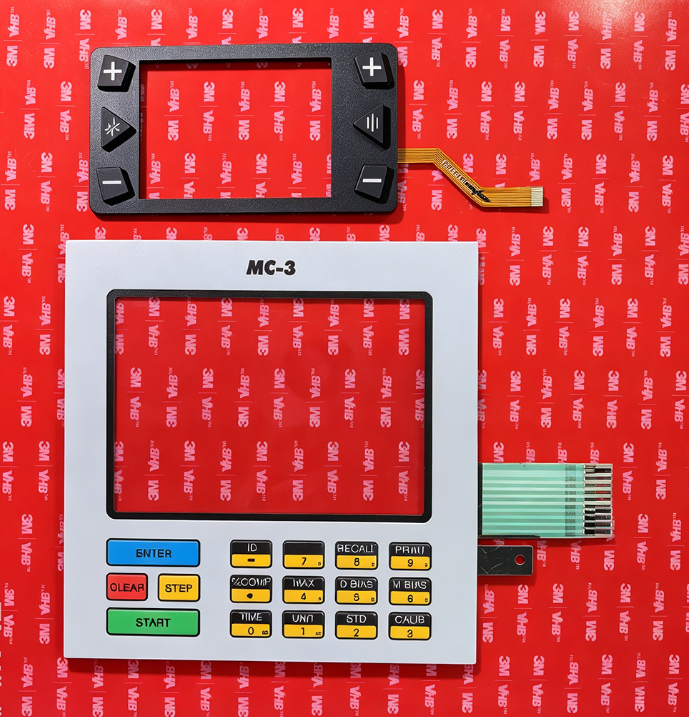
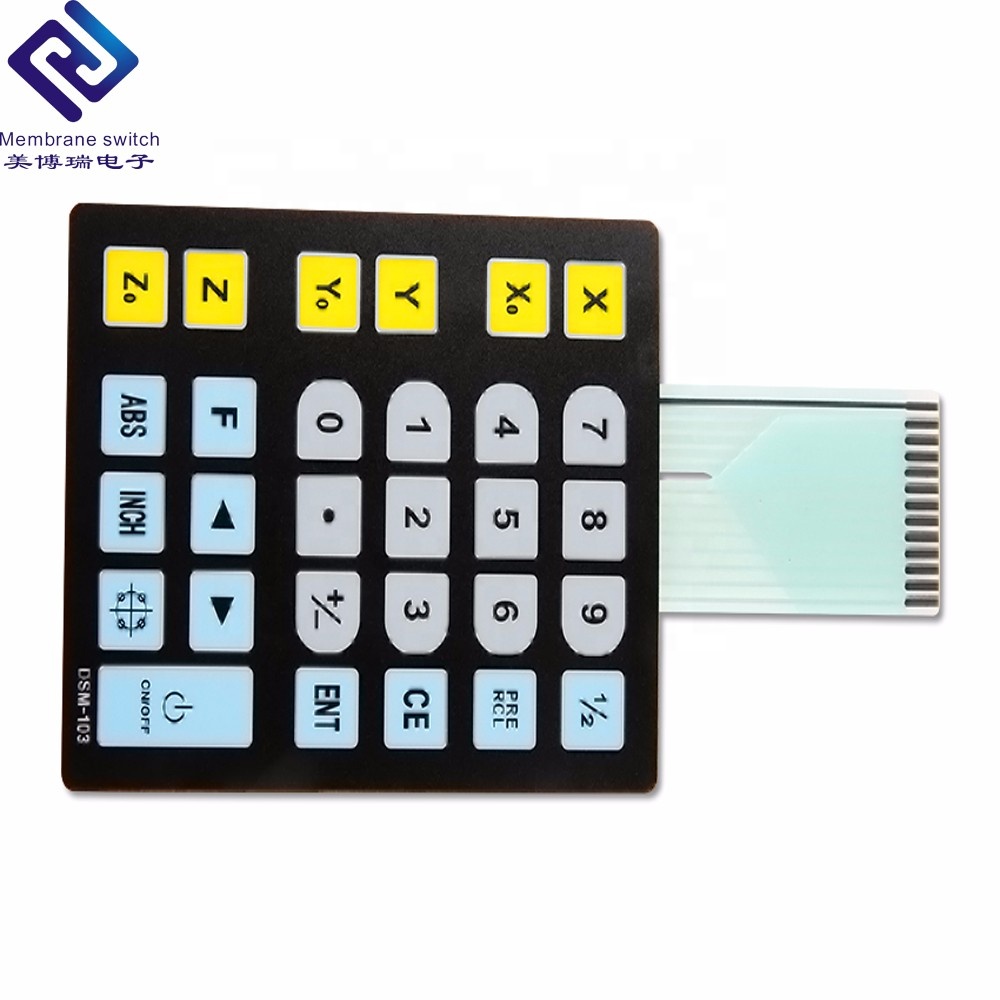
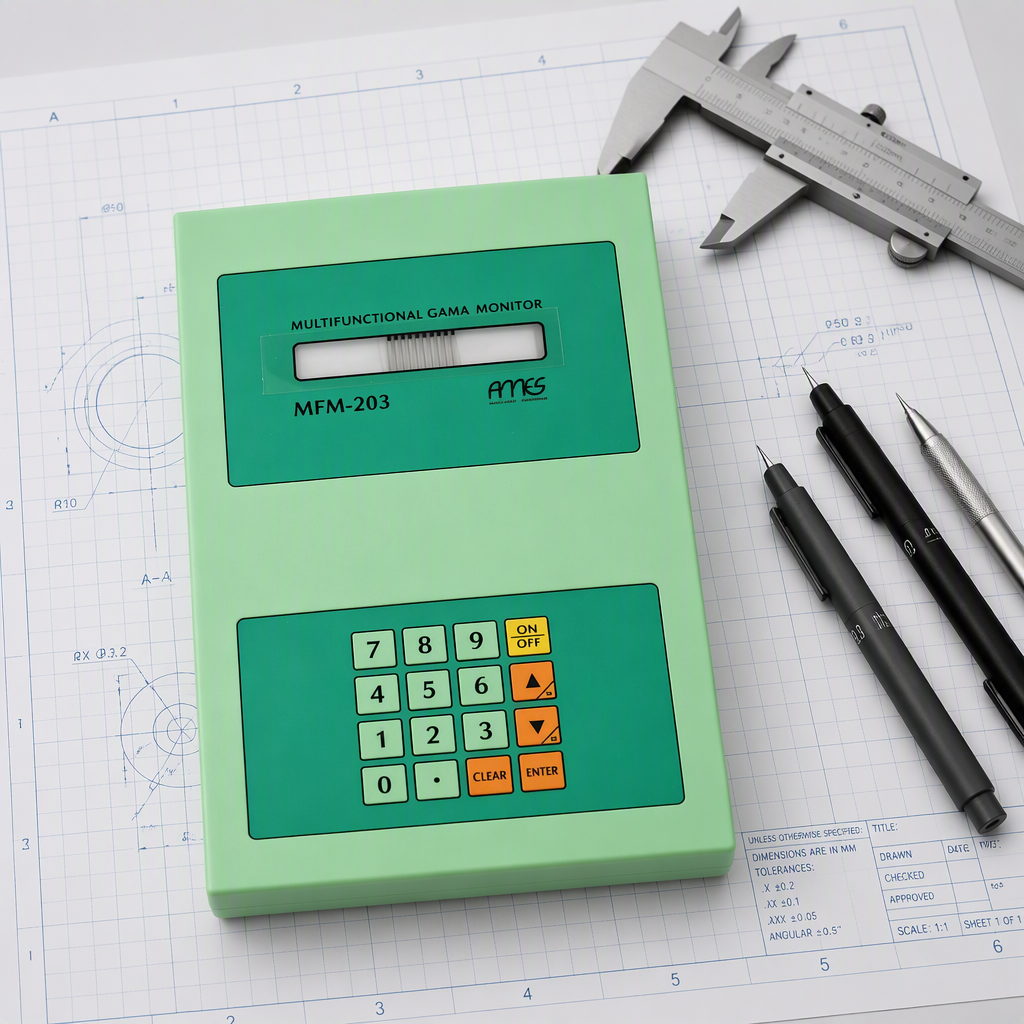
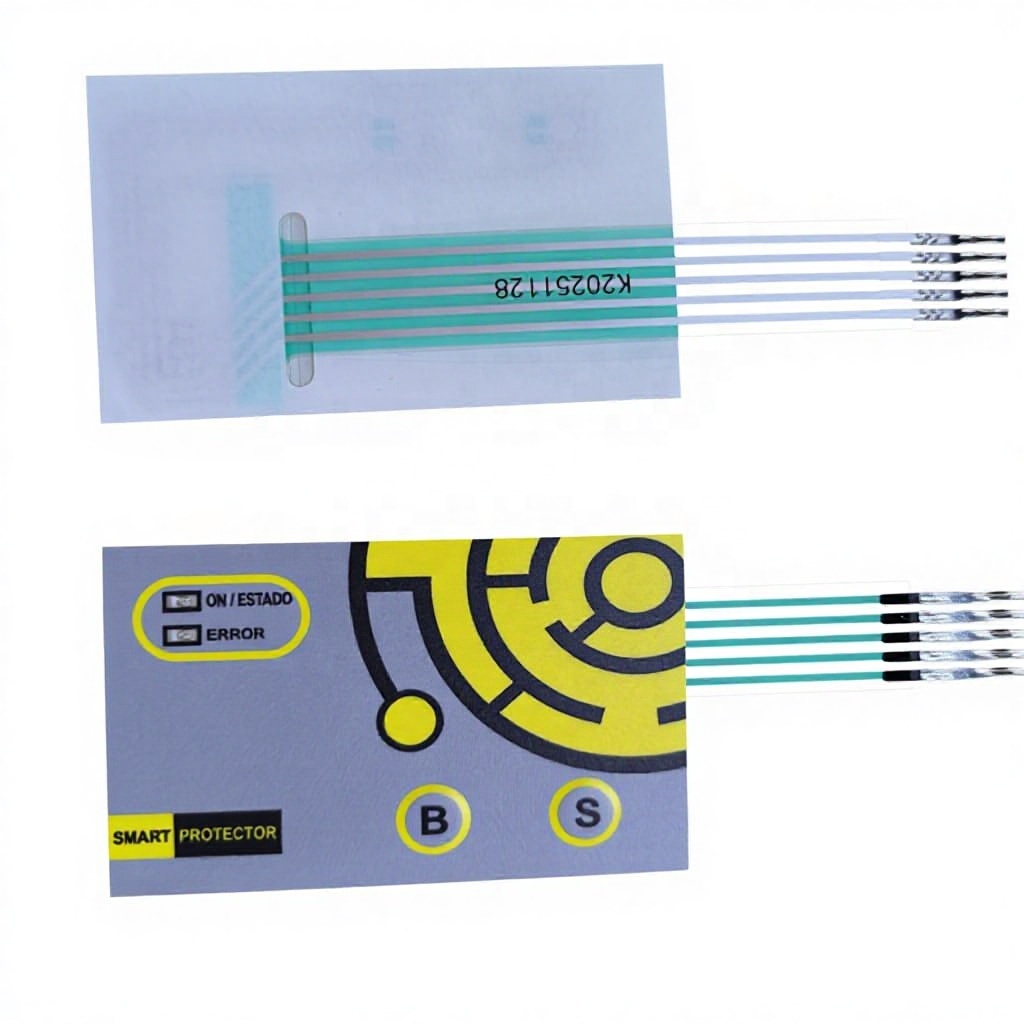
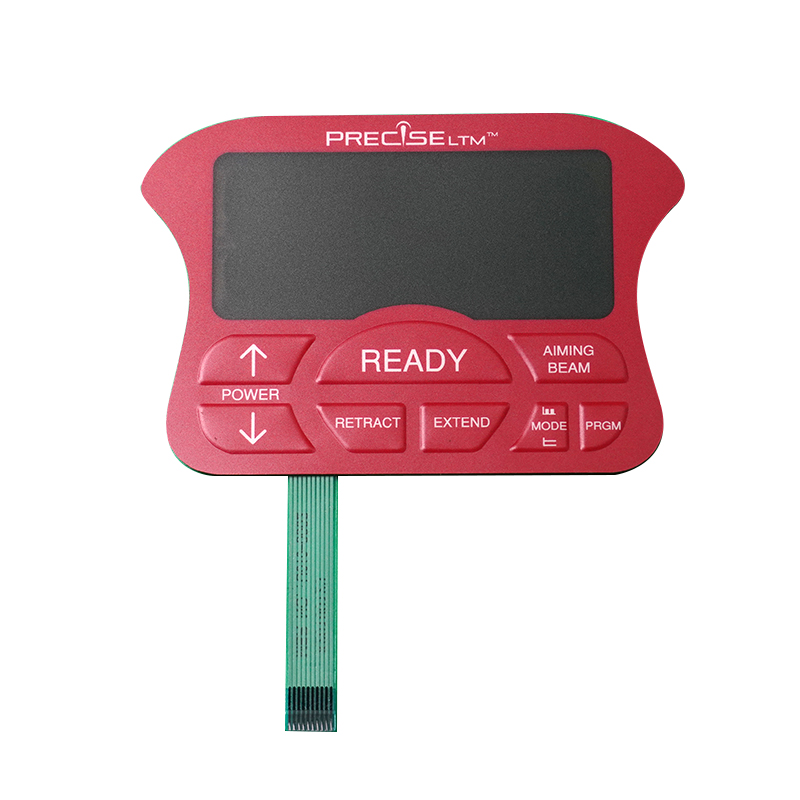
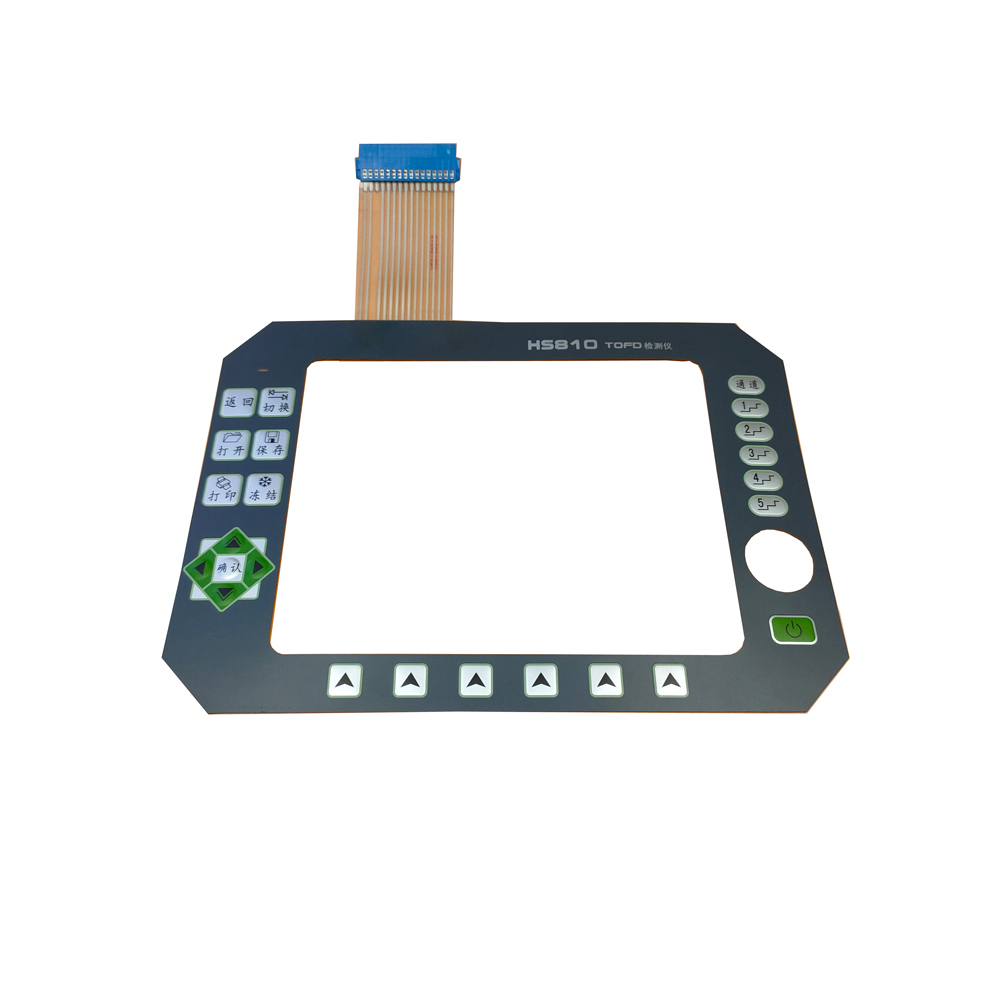
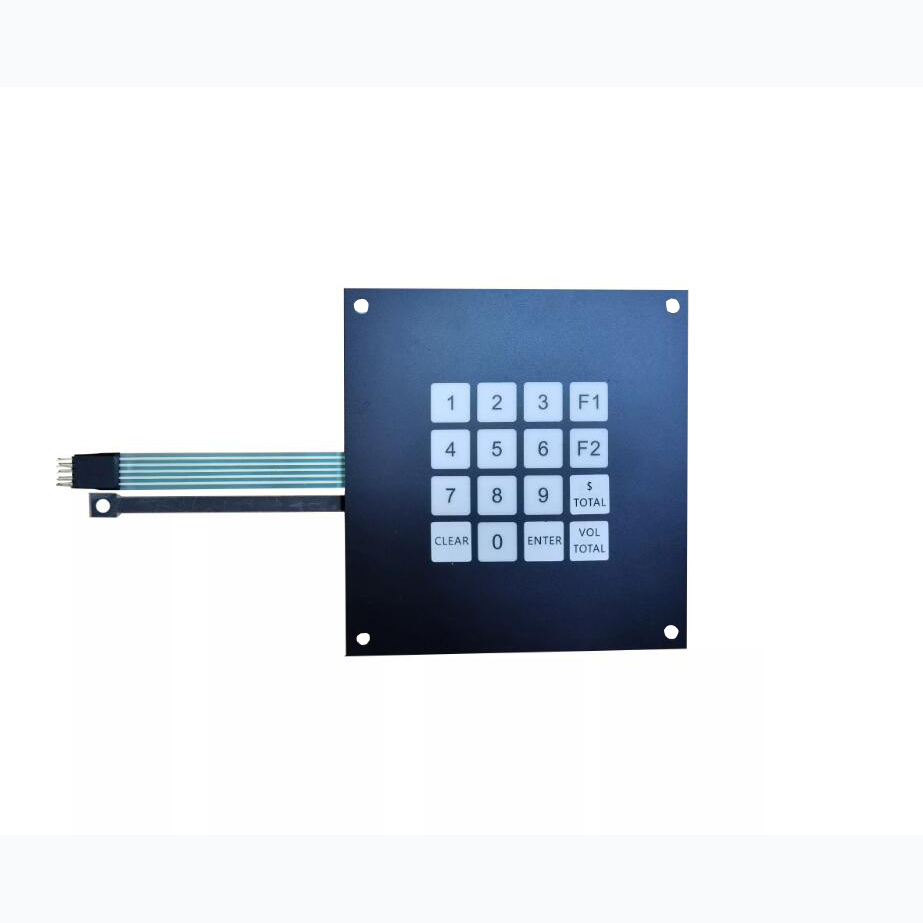
CE Certified UV Printed Graphic Overlays: Procurement & Technology Standards
In modern electronic hardware engineering, the graphic overlay serves as the definitive visual, tactile, and protective boundary between the operator and the system architecture. As industrial automation, medical instrumentation, military logistics, and automotive control panels become more sophisticated, original equipment manufacturers (OEMs) require human-machine interfaces (HMIs) that deliver superior chemical resistance, UV stability, tactile reliability, and compliance with strict European Conformity (CE) safety regulations.
This technical whitepaper outlines the essential engineering criteria, material selection metrics, curing physics, and procurement strategies required when sourcing custom CE certified digital UV printed graphic overlays and membrane keypads from high-precision manufacturing facilities.
Key Insight: Direct-to-substrate digital UV printing on optical-grade Polycarbonate (PC) and Polyester (PET) eliminates film negative tooling fees, accelerates fast-turn prototyping cycles, and achieves photorealistic color reproduction with Delta E < 1.0 accuracy across high-volume production runs.
Material Physics & Selection Engineering: PC vs. Polyester (Autotex)
Selecting the optimal polymer substrate determines the structural longevity, flexural fatigue threshold, and environmental immunity of an overlay panel. TAVO Electronic Information Technology Co., Ltd. utilizes premium-grade thermoplastics engineered specifically for harsh industrial applications:
The Physics of Digital UV Inkjet Curing & Hybrid Screen Printing
Traditional graphic overlay manufacturing relied heavily on solvent-based screen printing. While screen printing remains optimal for heavy-deposit conductive silver ink tracks and spot Pantone color matching, Digital UV Flatbed Printing (utilizing our advanced industrial Mimaki printers) represents the future of graphic overlay procurement.
The UV digital printing process utilizes photo-initiator compounds dissolved within the ink matrix. When exposed to high-intensity LED-UV light wavelengths (typically 365nm to 395nm), instantaneous polymerization occurs. Monomers and oligomers lock together into a cross-linked polymer network within milliseconds, yielding distinct technical advantages:
- Micro-Precision Registration: Digital optical positioning systems achieve sub-micron alignment accuracy across multi-layer print runs, critical for LED light guide film (LGF) windows and clear LCD displays.
- Zero Tooling Investment: Eliminates film output, screen stretched mesh preparation, and chemical stencil etching, dramatically lowering initial prototype development costs.
- Sub-Surface Second-Surface Printing: Ink layers are applied in reverse sequence on the underside of transparent film, protecting the printed graphic from direct mechanical wear, chemical splash, and UV degradation.
- Variable Data & Serialization: Allows individual overlay panels to feature unique serial numbers, barcodes, matrix codes, or localized language variants without disrupting production flow.
CE Certification, RoHS, and REACH Compliance Architecture
Exporting industrial machinery, medical devices, and telecommunication hardware to the European Union market demands strict adherence to safety standards. A CE-certified graphic overlay supplier must verify that all raw materials, ink chemistries, and adhesive backings comply with EU regulatory frameworks:
1. RoHS 3 Compliance (Directive 2015/863): Rigorous laboratory screening guarantees zero hazardous substances, including Lead (Pb), Mercury (Hg), Cadmium (Cd), Hexavalent Chromium (Cr6+), and Phthalates (DEHP, BBP, DBP, DIBP).
2. REACH Compliance (EC 1907/2006): Verification that none of the Substances of Very High Concern (SVHC) are present in concentrations exceeding 0.1% weight-by-weight (w/w).
3. Dielectric Strength & EMC Shielding: Integrating conductive silver, aluminum foil, or ITO (Indium Tin Oxide) grid layers shields sensitive microcontrollers from Electromagnetic Interference (EMI) and Electrostatic Discharge (ESD) up to 15kV, satisfying EN 61000-6-2 (Industrial Immunity) standards.
Factory Quality Note: Every batch produced at TAVO undergoes rigorous adhesion testing under ASTM D3359 cross-hatch tape standards, ensuring zero ink delamination under severe temperature fluctuations (-40°C to +85°C).
Future Trends in Graphic Overlay & Keypad Sourcing
As global supply chains shift toward rapid iteration, smart hardware integration, and sustainable manufacturing, engineering buyers must align with forward-thinking factories.
1. On-Demand On-Shoring & Flexible Batch Manufacturing
High minimum order quantities (MOQs) are being replaced by dynamic agile ordering. OEM engineering teams require suppliers capable of seamlessly ramping production from 10-piece prototype validation batches to 500,000-unit mass manufacturing without altering color consistency or mechanical tolerances.
2. Backlighting Convergence: LED, LGF & Capacitive Touch
Monolithic tactile keypads are rapidly integrating Light Guide Film (LGF) backlighting and capacitive proximity sensors. Uniform LED diffusion through ultra-thin light guides allows sleek, low-power user interfaces tailored for night-vision military, automotive, and medical diagnostic hardware.
3. Anti-Microbial & Harsh Chemical Resistance Coatings
Post-pandemic medical environments demand graphic overlays treated with silver-ion antimicrobial additives. These embedded nanostructures permanently destroy 99.9% of surface bacteria and viruses while remaining immune to bleaching, alcohol rubdowns, and quaternary ammonium disinfectants.
Enterprise Capabilities: TAVO Electronic Information Technology
Tracing our membrane switch roots to 1990, TAVO operates two state-of-the-art production bases in Xianghe Economic Development Zone (Hebei) and Huizhou (Guangdong).
In-House Tooling & Advanced Machinery
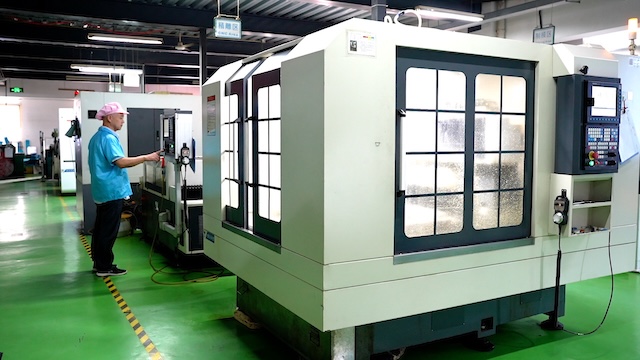
Our 2,219㎡ facility houses 60 CNC mold-making machines, 4 Mimaki heat-setting digital flatbed UV printers, 18 precision laser cutting stations, 37 silkscreen printing machines, and 7 digital engraving systems. Every process remains 100% under our direct control.
Global OEM Quality Recognition
TAVO graphic overlays and control panels are trusted by world-leading engineering brands including Siemens, ABB, and Haier. Our products power high-speed railway locomotives, aerospace monitoring systems, Xugong heavy machinery, and international medical networks.
German Technical Partnership & Skilled R&D
Through long-term technical cooperation with German membrane switch experts, we maintain European engineering precision. Over 30 senior engineering staff bring 15+ years of personal industry experience, supported by a dedicated 20-person international trade department.
In-House Reliability Testing Laboratory & Facilities
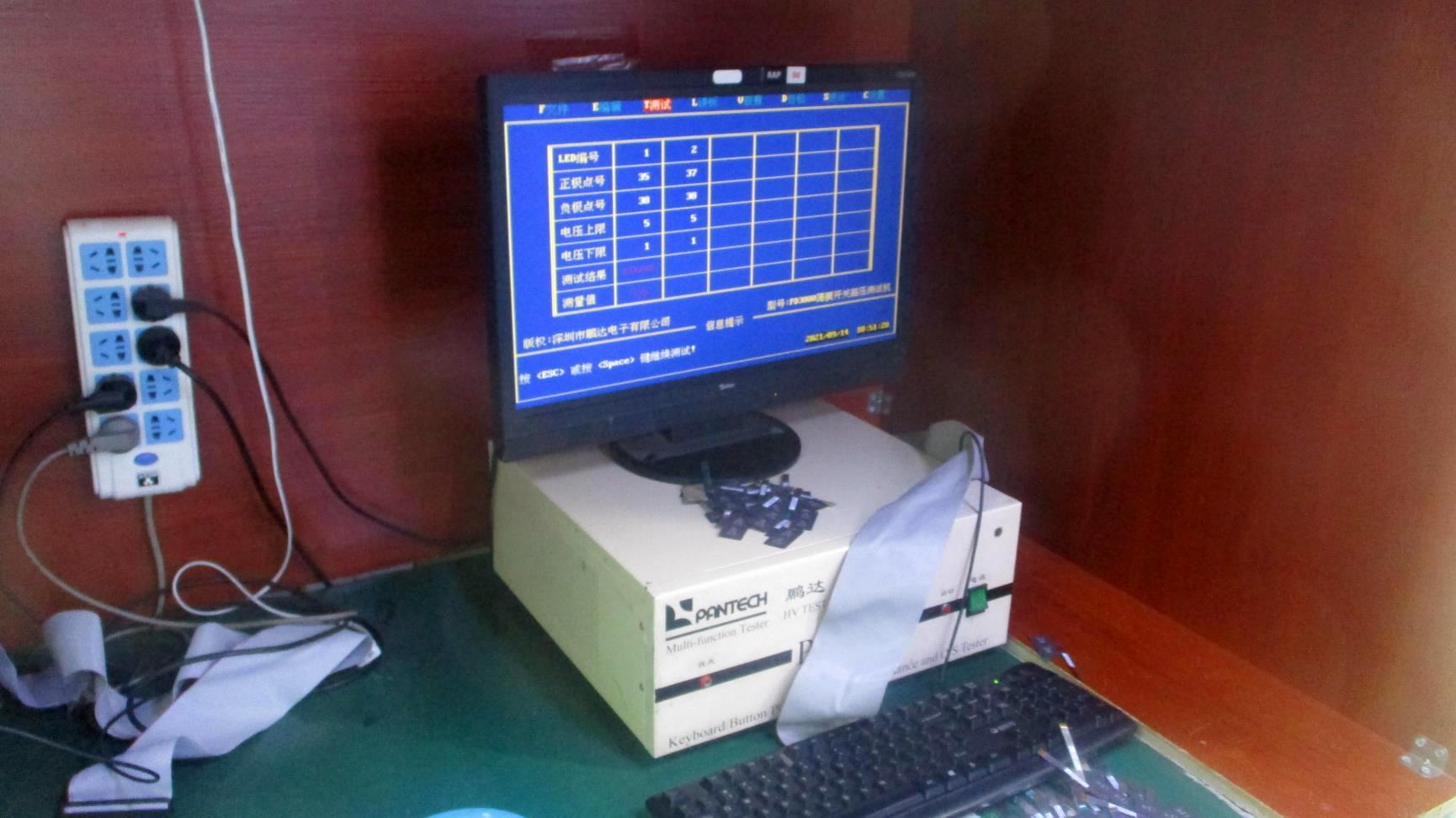
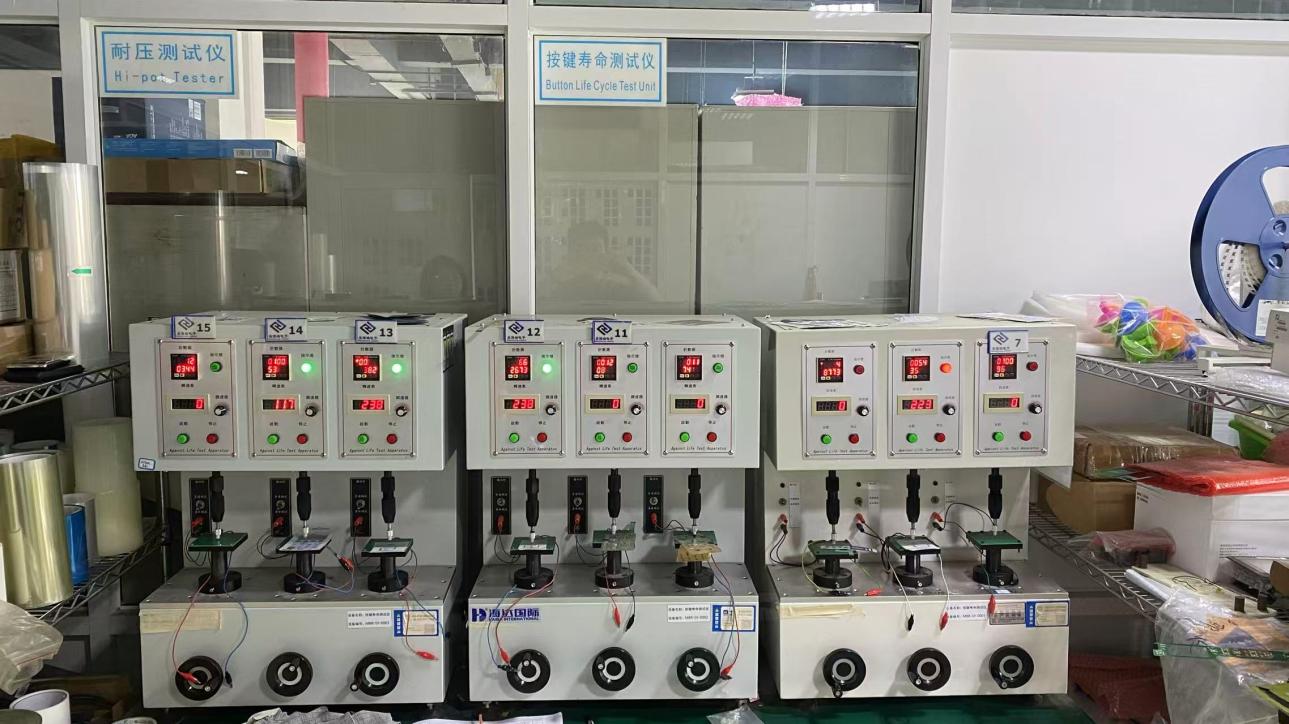
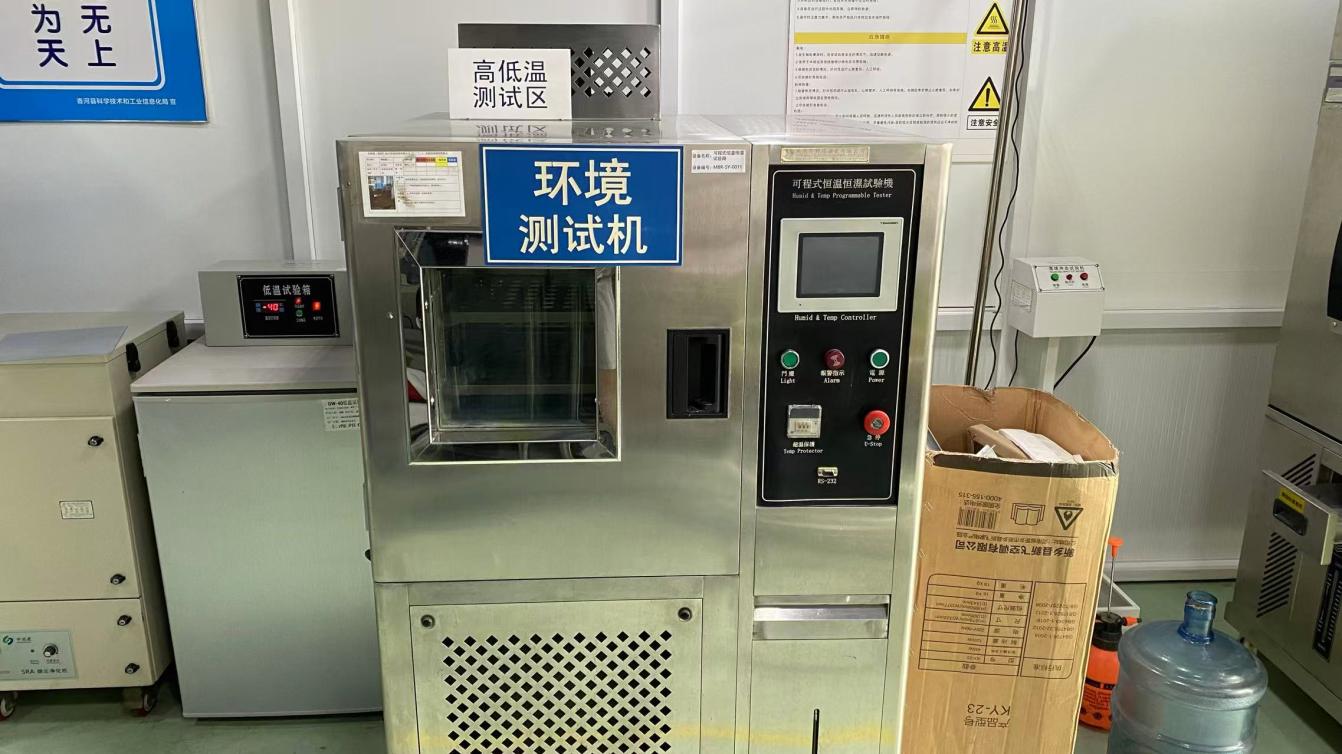
Every batch is validated using computer circuit testers, button actuation life-cycle units, programmable humidity/temperature chambers, xenon lamp aging chambers, and automatic salt fog corrosion testers.
Frequently Asked Questions for Custom Overlay Procurement
Everything you need to know about engineering files, lead times, material compliance, and custom manufacturing specs.
What vector files and design specifications are required to begin a custom overlay project?
How does digital UV flatbed printing compare to traditional silkscreen printing for graphic overlays?
How does your factory ensure CE, RoHS, and REACH compliance on exported overlays?
What is the typical lifecycle and tactile rating of your tactile dome membrane switches?
Do you support small batch prototyping, pilot runs, and low minimum order quantities (MOQs)?
What international delivery terms and payment options does TAVO offer?
Ready to Engineer Your Custom Graphic Overlay?
Send your CAD drawings, Pantone specifications, or sample requirements to our engineering group. Receive a comprehensive DFM review, technical feedback, and factory-direct quotation within 24 hours.