Top-Rated Conductive Carbon Film & Membrane Switch Assemblies
Direct from our ISO9001 certified manufacturing facility. Engineered for extreme durability, precise electrical conductivity, and seamless HMI integration.
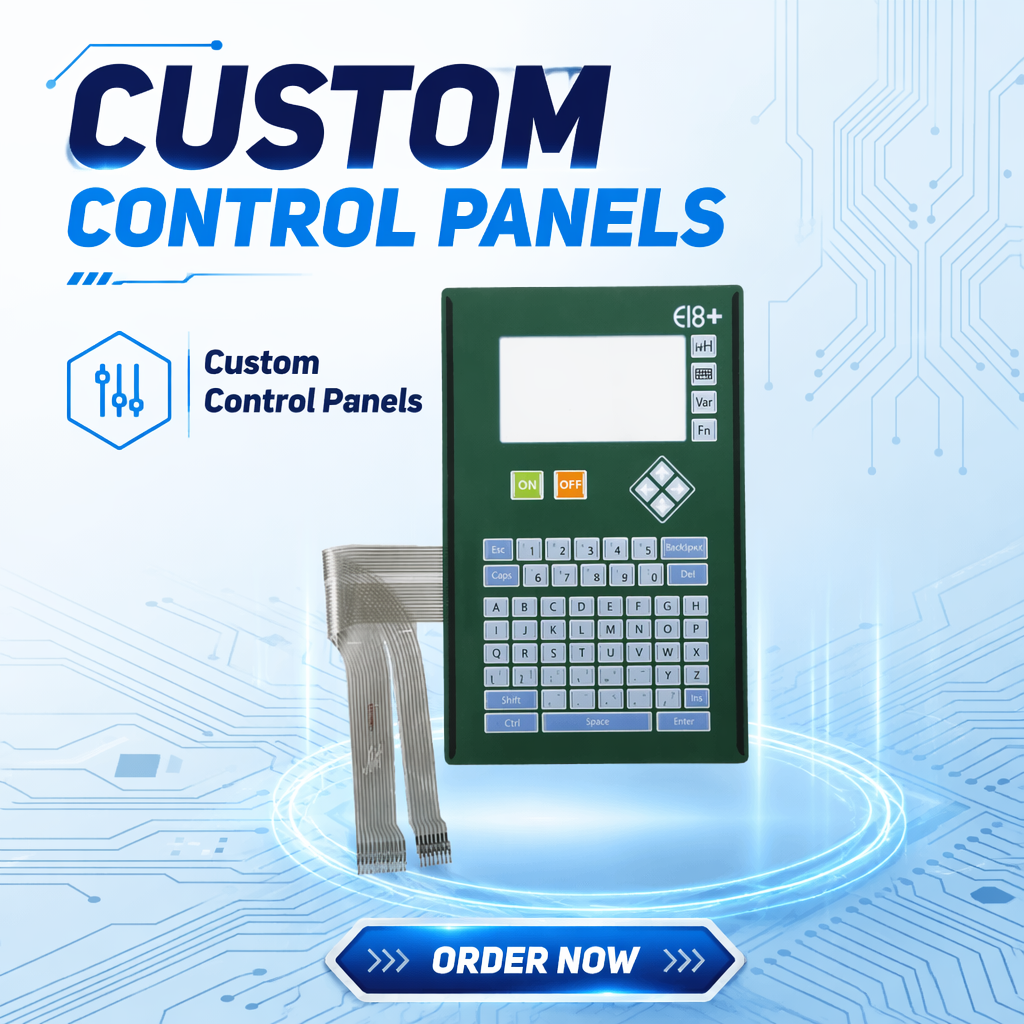
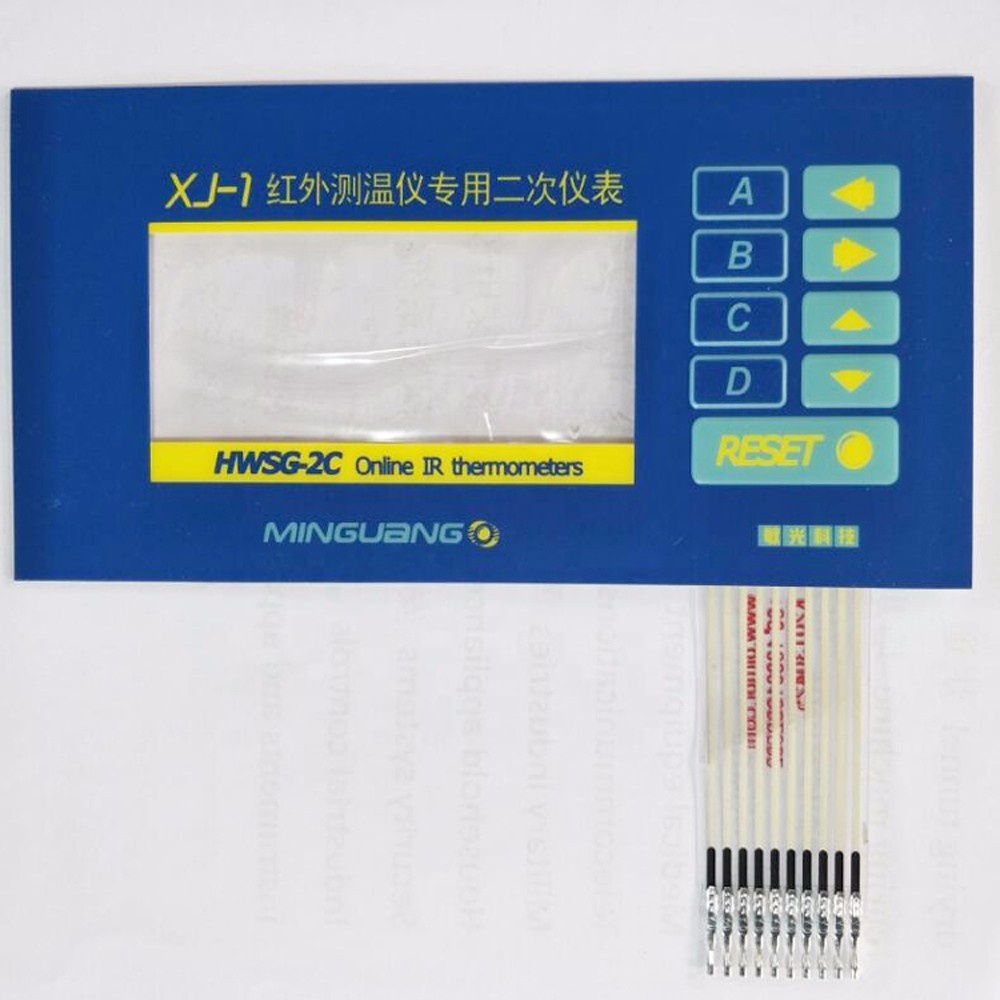
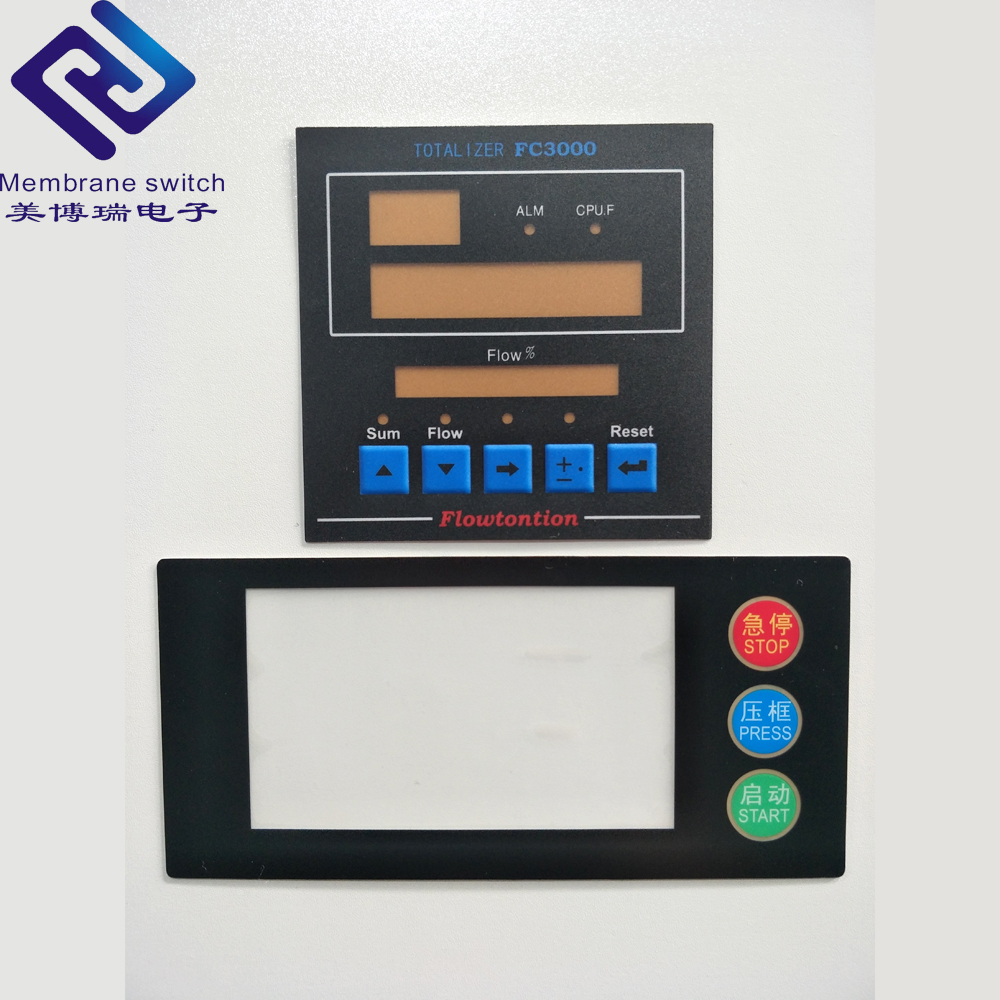
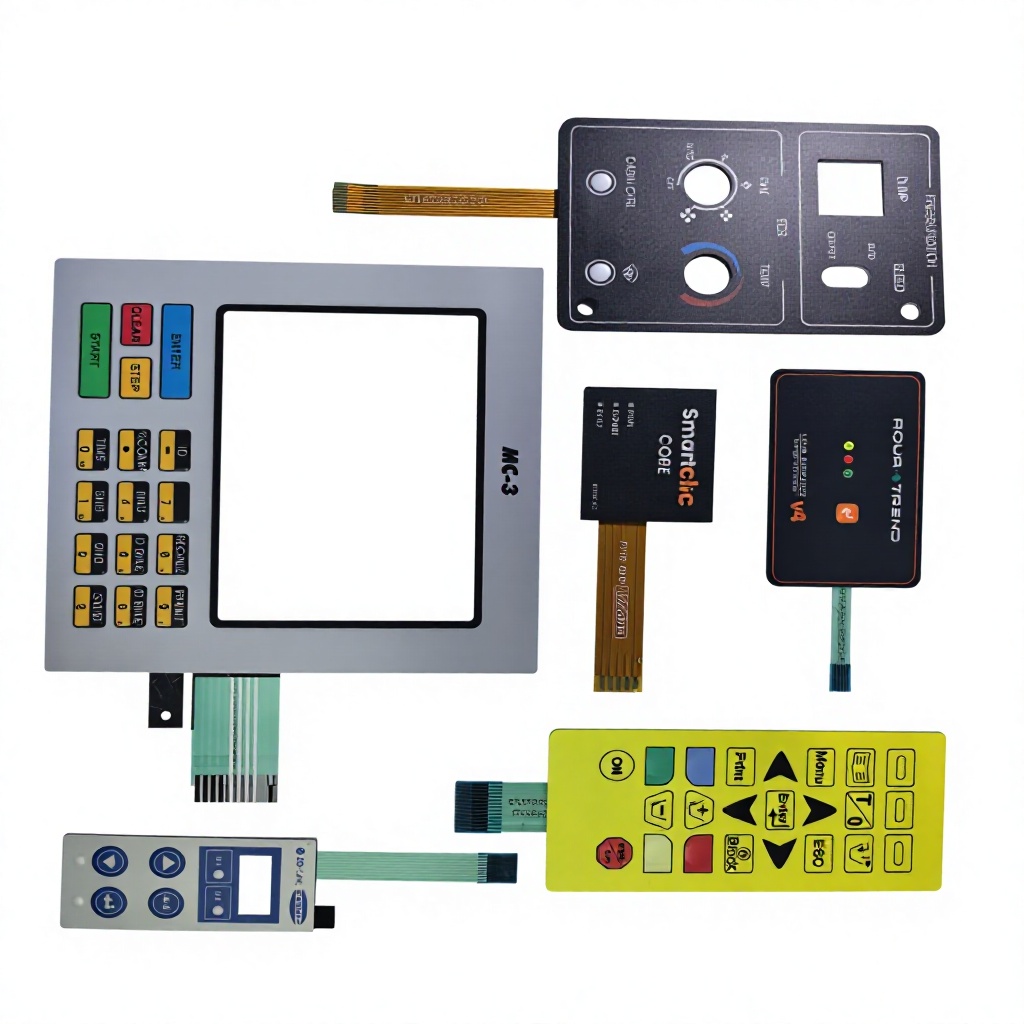
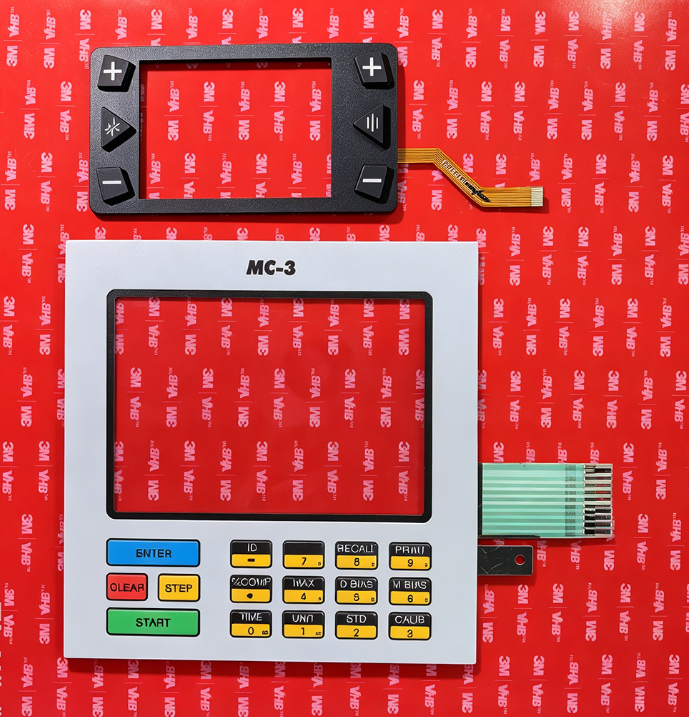
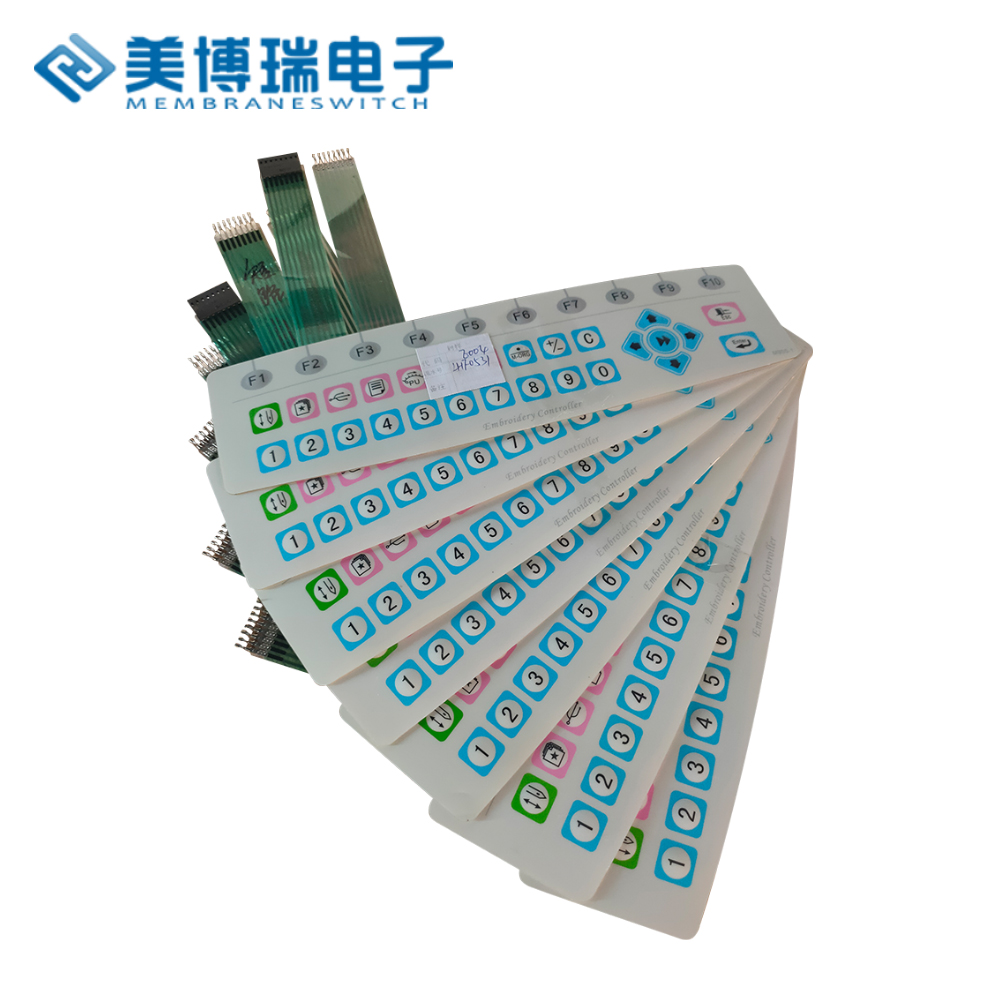
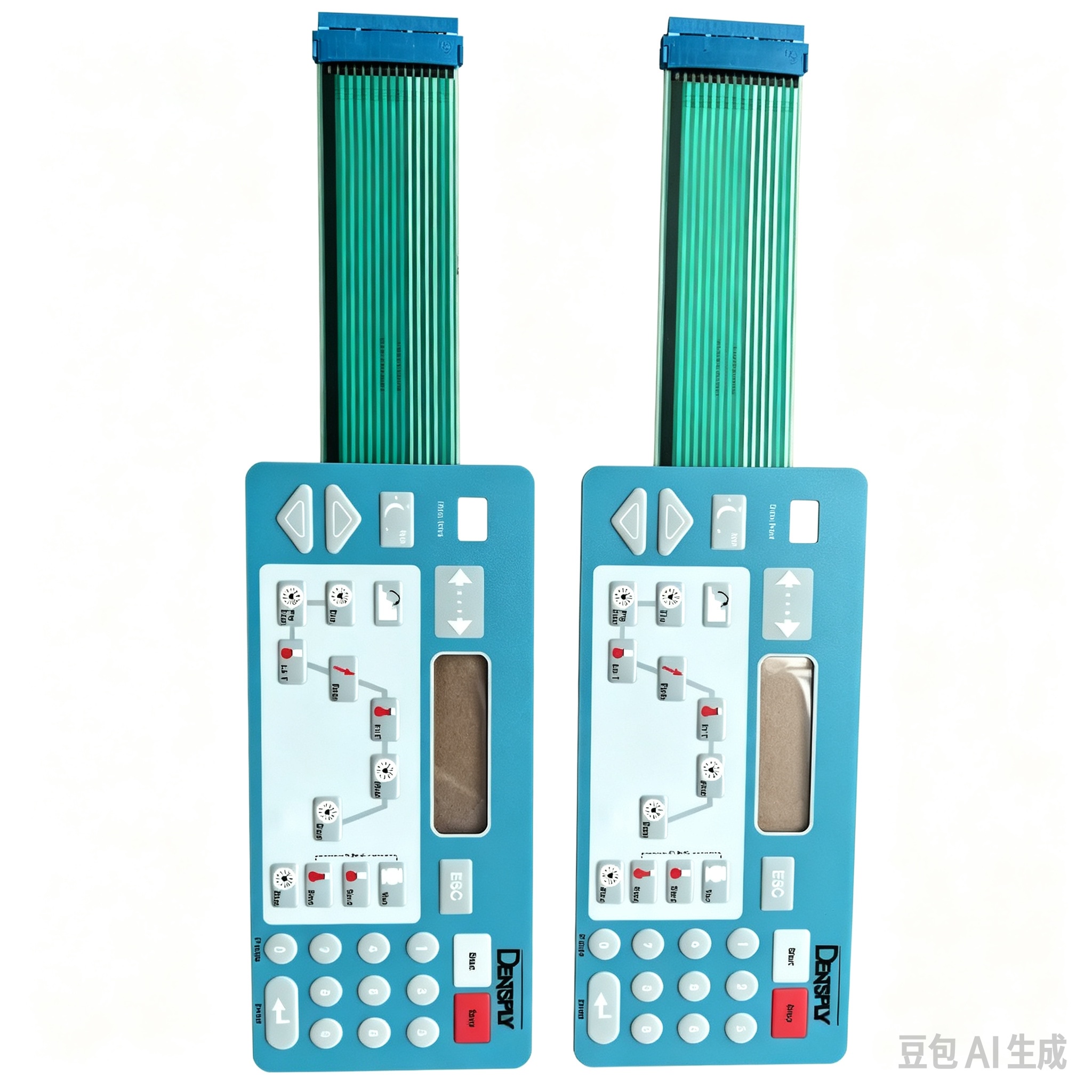
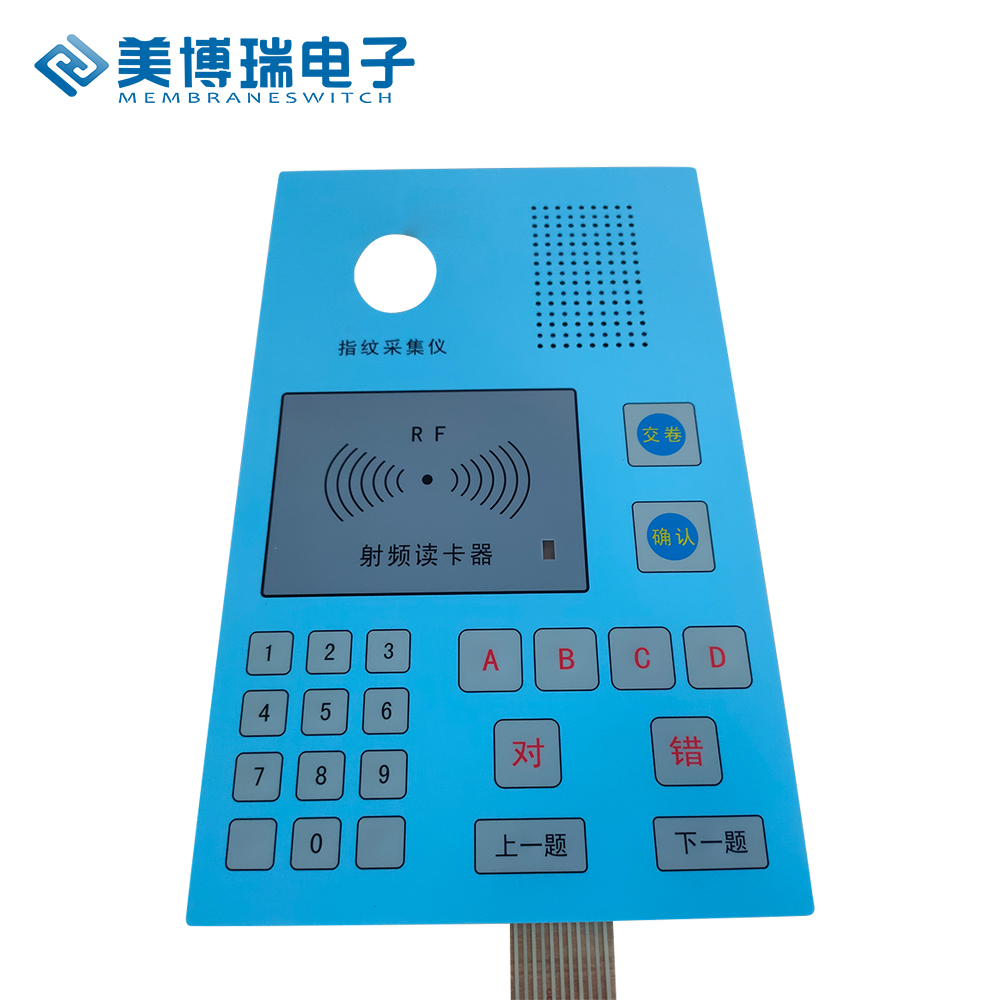
Engineering Guide: High-Performance Conductive Carbon Films in China Manufacturing
An authoritative analysis of polymer substrate selection, conductive carbon ink physics, and processing dynamics for global electronic OEM sourcing managers.
In modern electronic engineering and human-machine interface (HMI) design, Conductive Carbon Film serves as a vital foundation for flexible printed electronics, membrane keypads, medical electrodes, shielding layers, and heating elements. Derived from micronized or nano-scale conductive carbon black dispersed within stabilized thermoplastic resin matrices—most commonly biaxially oriented polyethylene terephthalate (PET), polycarbonate (PC), or polyimide (PI)—conductive carbon film combines mechanical flexibility with anti-oxidation and cost-effective conductivity.
Unlike conventional silver ink traces, which are prone to silver ion migration under humid conditions and bias voltage, carbon coatings exhibit exceptional chemical inertness, high mechanical wear resistance, and long-term electrical stability. As a premiere China Conductive Carbon Film Supplier, TAVO Electronic Information Technology Co., Ltd. delivers custom-engineered conductive carbon film products tailored to strict electrical tolerance standards ($\Omega/\text{sq}$ sheet resistance controls) and high flex-fatigue life requirements.
Material Science & Substrate Physics Comparison
To assist procurement directors and electronic hardware engineers in choosing the optimal substrate for their application, the technical comparison table below details the physical, thermal, and electrical metrics across primary flexible film substrates:
| Substrate Material | Tensile Strength (MPa) | Thermal Stability (°C) | Flex Fatigue Life (Cycles) | Silver Ion Migration Risk | Typical Applications |
|---|---|---|---|---|---|
| PET (Polyethylene Terephthalate) | 170 - 240 | -40 to +120 | > 1,000,000 | None (Carbon Layer) | Membrane Keypads, Flexible Circuits, Sensors |
| PC (Polycarbonate) | 60 - 75 | -30 to +135 | > 500,000 | None (Carbon Layer) | Graphic Overlays, Instrument Front Panels |
| PI (Polyimide / Kapton) | 200 - 300 | -200 to +260 | > 5,000,000 | None (Carbon Layer) | High-Temp FPC, Automotive & Aerospace Sensors |
| Ag/C Hybrid Ink on PET | 180 - 220 | -40 to +110 | > 800,000 | Extremely Low (Carbon Capped) | Tactile Dome Keypads, Low Resistance Switches |
Why TAVO is Recognized as China's Premier Conductive Film Supplier
Integrated manufacturing, German technical partnership, and dual production bases ensure uncompromised precision and reliable volume delivery.
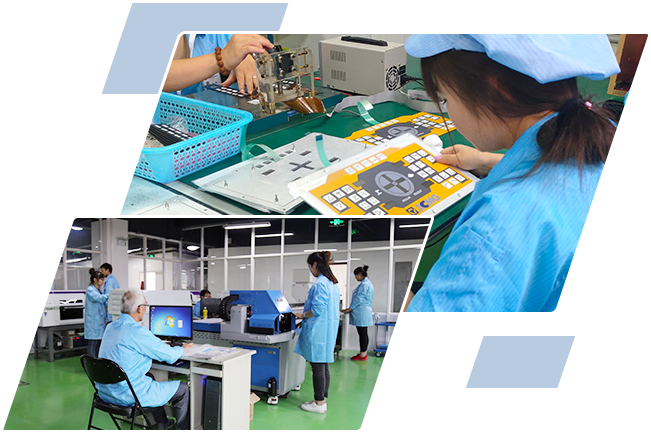
Full In-House Processing Under One Roof
TAVO Electronic Information Technology Co., Ltd. operates a vertically integrated factory spanning 2,219+ square meters in the Robot Industry Port of Xianghe Economic and Technological Development Zone, Hebei, complemented by a secondary production hub in Huizhou, Guangdong. This dual-factory infrastructure allows seamless capacity management and uninterrupted product supply for international OEMs.
- Precision Tooling & Equipment: Equipped with 60 CNC mold-making machines, 37 precision screen printing lines, 4 Mimaki heat-setting UV digital printers, 18 laser cutters, and 7 digital engraving systems.
- Stringent Quality Management: Certified ISO 9001 quality system with third-party verification and onsite assessment by Intertek.
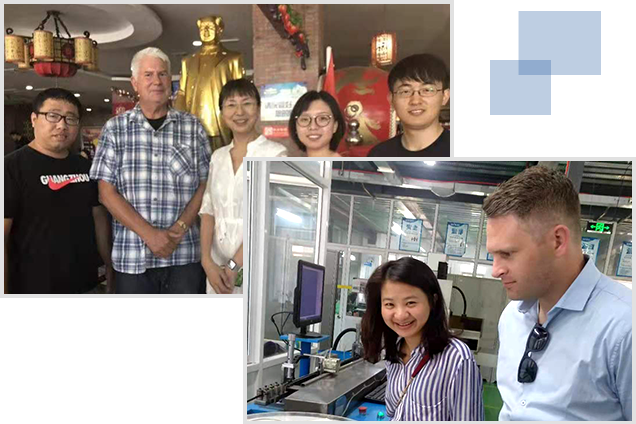
- International Engineering Standards: Sustained technical collaboration with leading German membrane switch manufacturers, bringing European standards of tension stability, ink curing control, and contact resistance consistency to every batch.
- Zero-Outsourcing Policy: Film pre-treatment, conductive ink formulation, silkscreen printing, precision laser registration, dome placement, and automated circuit testing are performed 100% internally.
Complete Customization Capabilities
From CAD/vector artwork engineering to proprietary conductive ink blending, we tailor sheet resistance ($\Omega/\text{sq}$), actuation force, tail lengths, and tail connector pitch (1.0mm, 1.27mm, 2.54mm) to match your EXACT mechanical enclosure.
Comprehensive Testing Protocols
Every lot undergoes 100% computer circuit testing, contact resistance profiling, button life-cycle testing (> 1 million switch presses), temperature-humidity aging, xenon lamp UV exposure, and salt spray testing.
Rapid NPI & Prototype Delivery
Shorten your time-to-market with flexible minimum order quantities (MOQ) and quick-turn prototyping services for pilot runs and engineering design verification.
Future Trends in Conductive Carbon Film Development & Global Sourcing
Key technological shifts shaping the next decade of flexible electronics, smart surfaces, and medical HMI devices.
Graphene & Carbon Nanotube (CNT) Hybrid Coatings
Traditional carbon film relies on carbon black particles, which typically exhibit higher surface resistance compared to metallic silver. The industrial integration of Graphene flakes and Carbon Nanotubes (CNTs) into solvent-based resins allows manufacturers to lower sheet resistance to under $5\ \Omega/\text{sq}$ while maintaining transparency, high mechanical flexibility, and corrosion immunity. Buyers in automotive touch panels and wearable medical devices are increasingly specifying CNT-carbon hybrid films.
Capacitive Carbon Touch Arrays with Light Guide Films (LGF)
Mechanical dome buttons are transitioning toward combined capacitive touch sensors printed with conductive carbon circuits, paired with ultra-thin Light Guide Film (LGF) and optically clear adhesives (OCA). This hybrid design creates completely sealed, flat-surface HMIs that are easy to sanitize in medical equipment and resistant to dust, liquids, and harsh industrial solvents.
Solvent-Free UV Curing & Bio-Based Polymer Substrates
Environmental standards (RoHS, REACH, halogen-free mandates) drive China's top conductive film factories to adopt UV-curable, VOC-free conductive inks alongside bio-based PET/PC films. These advancements lower processing carbon footprints without reducing mechanical peel strength, cross-hatch adhesion performance, or dielectric breakdown thresholds.
Total Cost of Ownership (TCO) & Dual-Base Sourcing
Overseas OEM sourcing directors are shifting from single-tier suppliers to integrated manufacturing partners offering dual-location redundancy (such as TAVO's Hebei and Guangdong bases). This structural setup eliminates regional manufacturing bottlenecks while offering competitive direct-from-factory pricing that reduces total unit cost by 25% to 40% compared to Western intermediaries.
Quality Control Metrics for B2B Procurement Managers
When auditing a China conductive carbon film supplier, incoming quality control (IQC) and process quality assurance (PQA) should verify the following core parameters:
- Sheet Resistance ($\Omega/\text{sq}$): Measured via 4-point probe test across multiple surface regions to ensure < ±5% conductivity variance.
- Cross-Hatch Adhesion (ASTM D3359 / ISO 2409): Grade 4B/5B verification after thermal shock to ensure zero ink delamination from the PET/PC substrate.
- Abrasion & Wear Resistance: RCA scroll abrasion testing or pencil hardness testing (up to 2H-3H on hard-coated surfaces).
- Environmental Reliability Cycling: Exposure to 85°C / 85% RH conditions for 500+ hours with contact resistance change $\Delta R < 10\%$.
Frequently Asked Questions (FAQ) for Conductive Carbon Film Sourcing
Comprehensive answers to common technical, engineering, and commercial inquiries received by our international trade team.
What engineering files and specifications are required to begin a custom conductive carbon film project?
To initiate engineering evaluation and tooling setup, please provide: 1) Vector CAD drawings (PDF, DXF, DWG, or AI) showing outer dimensions, key layout, and connector tail placement. 2) Graphic artwork files (AI or CDR) specifying Pantone color references and window transparency requirements. 3) Electrical schematics or pin-out logic defining operating voltage, current, and acceptable contact resistance range. 4) Operating environment parameters (temperature range, IP rating needs, chemical exposure). Our engineering team converts your design into production-ready manufacturing drawings for approval within 24–48 hours.
Why choose conductive carbon film over traditional silver printed circuits?
While silver ink offers higher conductivity (lower resistance), carbon film provides superior immunity against silver ion migration—a phenomenon where silver dendrites grow under DC bias voltage and high humidity, causing short circuits. Carbon is chemically inert, non-oxidizing, highly resistant to physical wear from tactile metallic domes, and cost-effective. For high-reliability switches, hybrid circuits (silver conductors over-printed with protective carbon contacts) offer the best combination of low path resistance and extreme longevity.
What sheet resistance levels can TAVO achieve on conductive PET films?
Our formulation capabilities range from high-conductivity carbon layers ($20 - 50\ \Omega/\text{sq}$) down to ultra-low resistance hybrid formulations ($< 10\ \Omega/\text{sq}$). For high-impedance static dissipation, EMI shielding, or specialized touch sensors, we can also customize carbon ink resistivity up to several $\text{k}\Omega/\text{sq}$.
Does TAVO support small-batch prototype runs before full volume production?
Yes. TAVO accommodates lower minimum order quantities (MOQ) compared to conventional industry suppliers. We support rapid NPI (New Product Introduction), prototyping, and pilot production batches, allowing hardware engineers to validate mechanical fit and electrical performance before committing to large-scale mass manufacturing tooling.
What connector pin pitches and termination styles are available for film tails?
We produce flexible circuit tails with standard pitch spacings including 2.54mm (0.1"), 1.27mm (0.05"), and 1.0mm. Terminations can be engineered with female connectors (e.g., FCI, Amphenol, Nicomatic), male pins, or plain exposed conductive pads for ZIF (Zero Insertion Force) socket mating.
How does TAVO ensure product quality and environmental seal integrity?
We utilize premium 3M brand double-sided structural adhesives (e.g., 3M 467MP, 3M 468MP, 3M 300LSE) combined with precision perimeter sealing. Products can be engineered to achieve IP65, IP67, or IP68 waterproof and dustproof seals for outdoor, marine, industrial, or medical environments. Every production batch undergoes automated electrical circuit continuity checks before packaging.
What international trade terms and payment options are supported?
We accept common global delivery terms including EXW, FOB, CFR, CIF, and DDP via air express, air freight, or ocean shipping. Accepted payment methods include Wire Transfer (T/T), Letter of Credit (L/C at sight), and D/P D/A, payable in USD or CNY.
Ready to Optimize Your Conductive Film & Membrane Switch Sourcing?
Consult directly with our senior application engineers. Receive custom DFM feedback, material recommendations, and a competitive factory-direct quotation within 24 hours.