China Best Conductive Rubber Keypad Manufacturer & Exporter

Engineering Executive Whitepaper & Sourcing Guide: Custom Silicone Elastomer Keypads, Conductive Carbon Pill Integration, Laser-Etched Backlit Interfaces, and High-Reliability HMIs for Global Industrial, Medical, Automotive, and Aerospace OEMs.

30+
Years Manufacturing Excellence (Since 1990)
111+
Verified Technical Experts & Engineers
2,219 m²
ISO 9001 & Intertek Assessed Clean Workshops
1,000,000+
Units Exported Annually to USA, Germany & EU
Featured Product Portfolio
Explore our custom conductive silicone rubber keypads, replacement keycaps, and integrated membrane assemblies engineered for demanding operational environments.
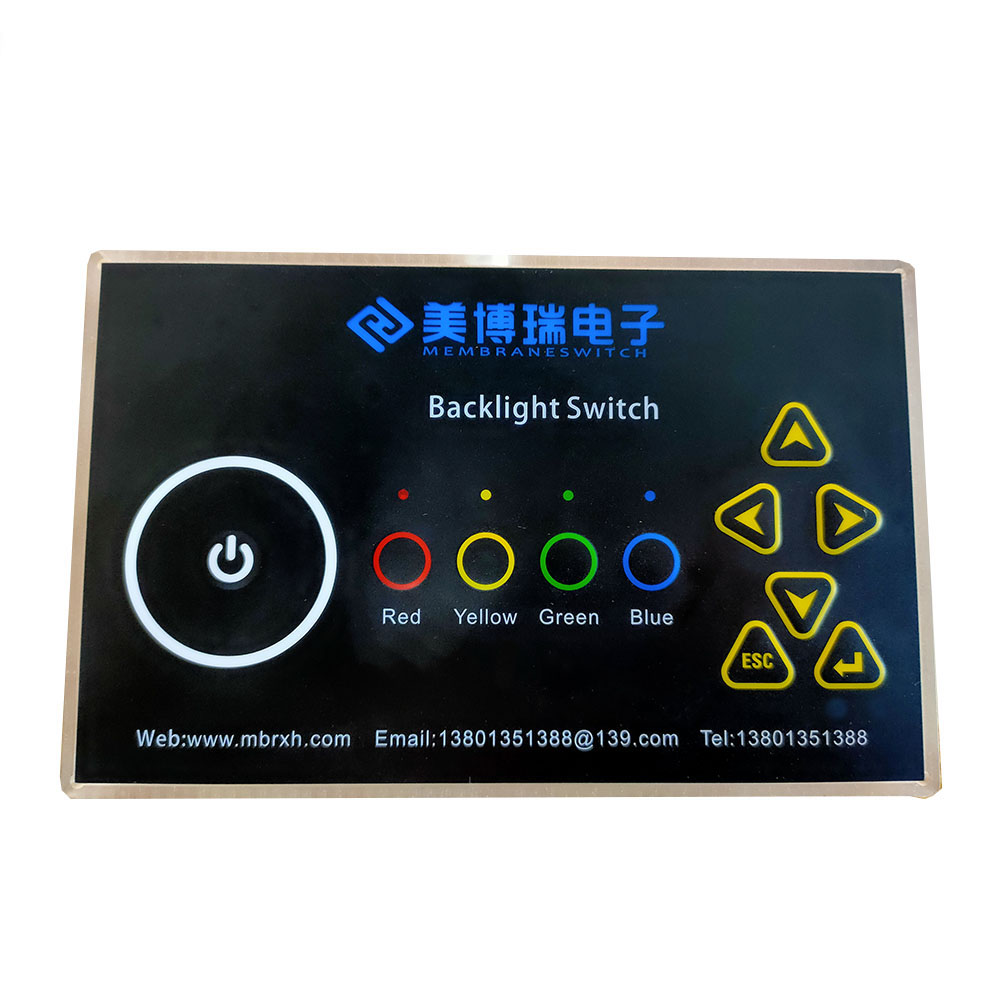
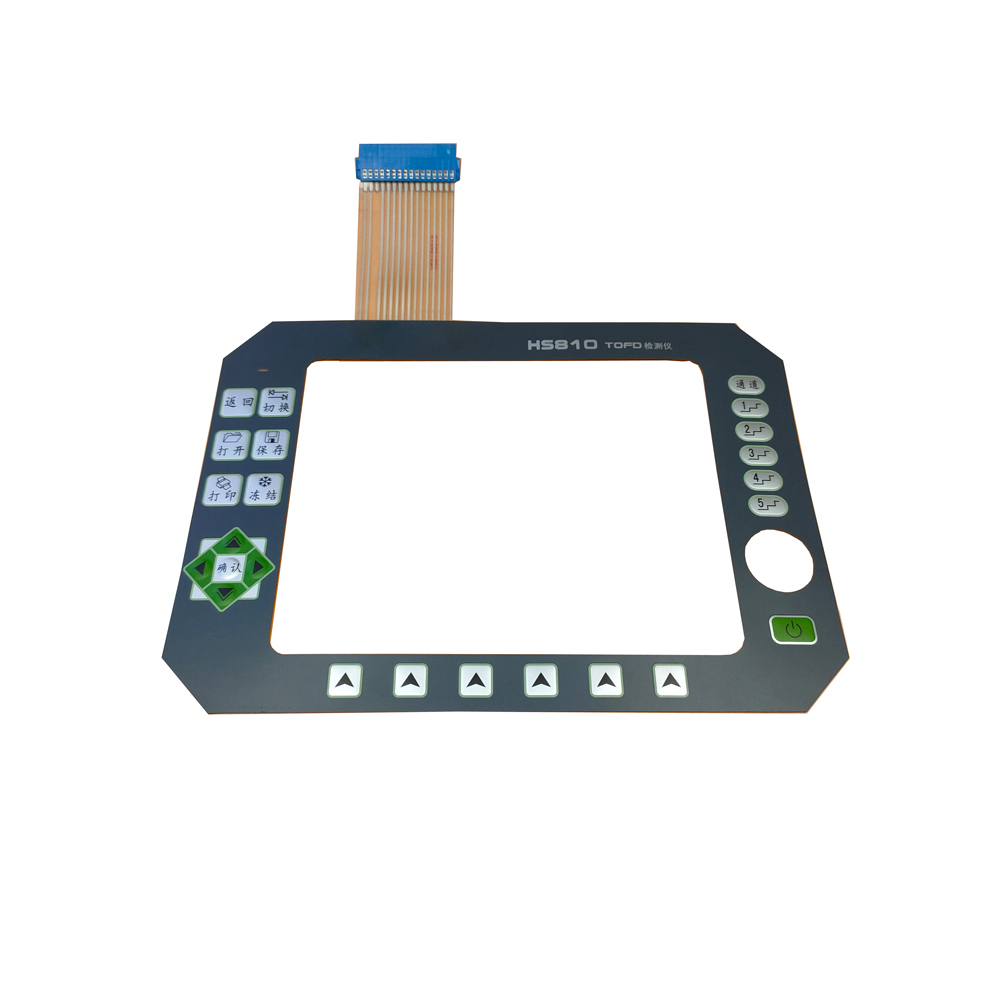
MEIBORUI MBR PBT Keyboard Cap PET Membrane Keypad
MEIBORUI MBR PBT Keycap PET Membrane Switch
Precision custom-silkscreen replacement keycaps and PBT overlay structures offering superior chemical resistance and high tactile feedback.
View Product Details
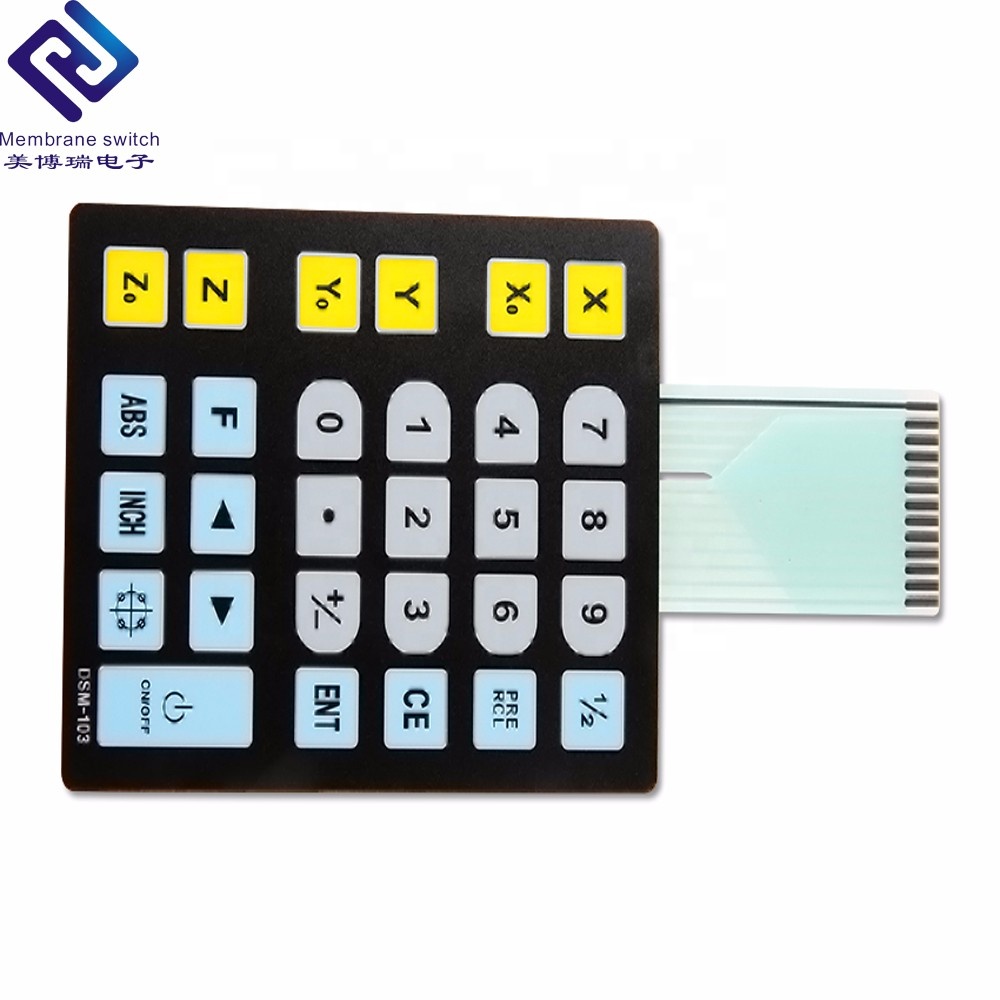
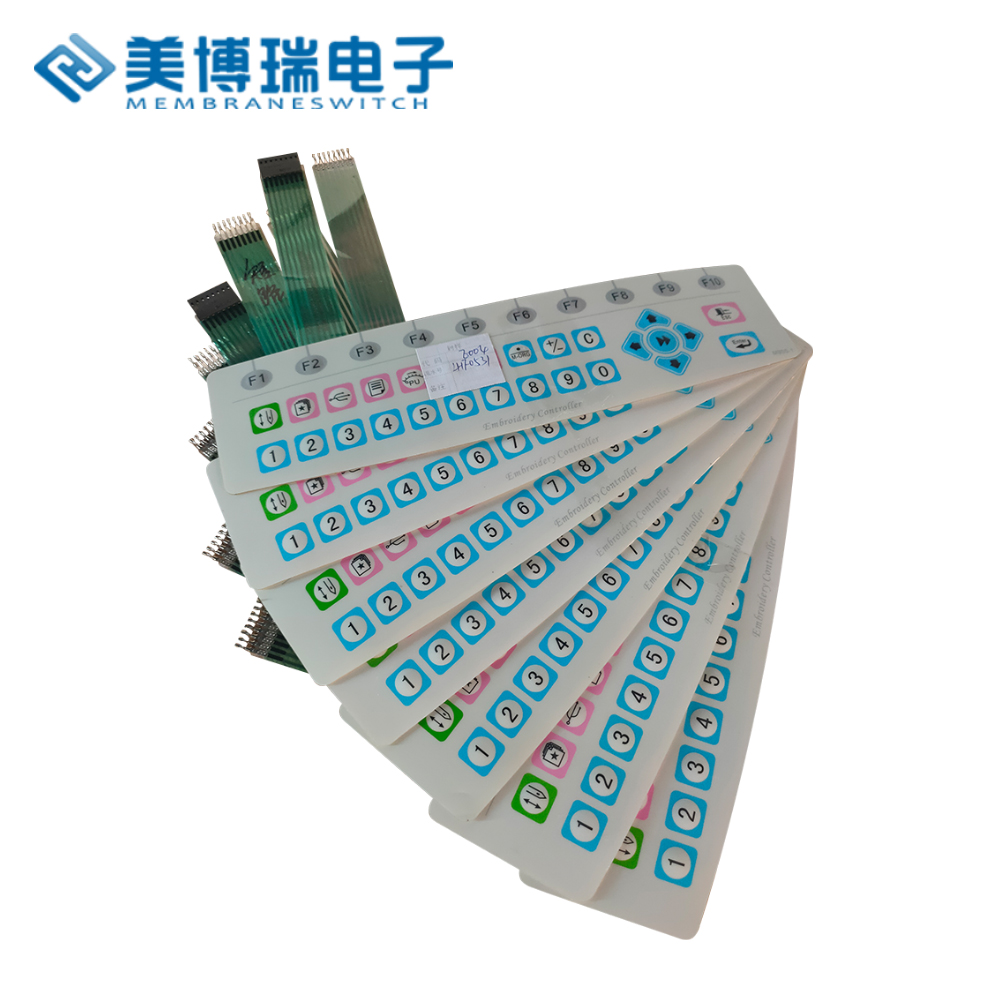
Factory Membrane Switch Keypad with Rubber Buttons
Rubber Button Membrane Switch Layout Matrix
Custom 4*4 / 1*4 / 3*4 MCU expansion electronic keypads with molded conductive rubber buttons for rugged industrial controls.
View Product Details
Custom Printed Membrane Switch Metal Dome Keypad
Custom Waterproof Metal Dome Membrane Keypad
Embossed metal dome membrane switch equipped with genuine 3M adhesive backer, ideal for heavy-duty household appliances and HVAC systems.
View Product Details
IP67 Waterproof Telecommunication Membrane Keypad
IP67 Sealed Telecommunication Rubber Membrane
Flexible FPC circuit combined with tactile rubber dome buttons and PVC/PET graphic overlays, designed for outdoor comms equipment.
View Product Details
Meiborui Custom PBT Keyboard Cap Silkscreen Printed
Silkscreen Printed PBT Keycap Overlay Sticker
Durable, eco-friendly keyboard component stickers with wear-resistant UV ink layers and custom Pantone pigment matching.
View Product Details
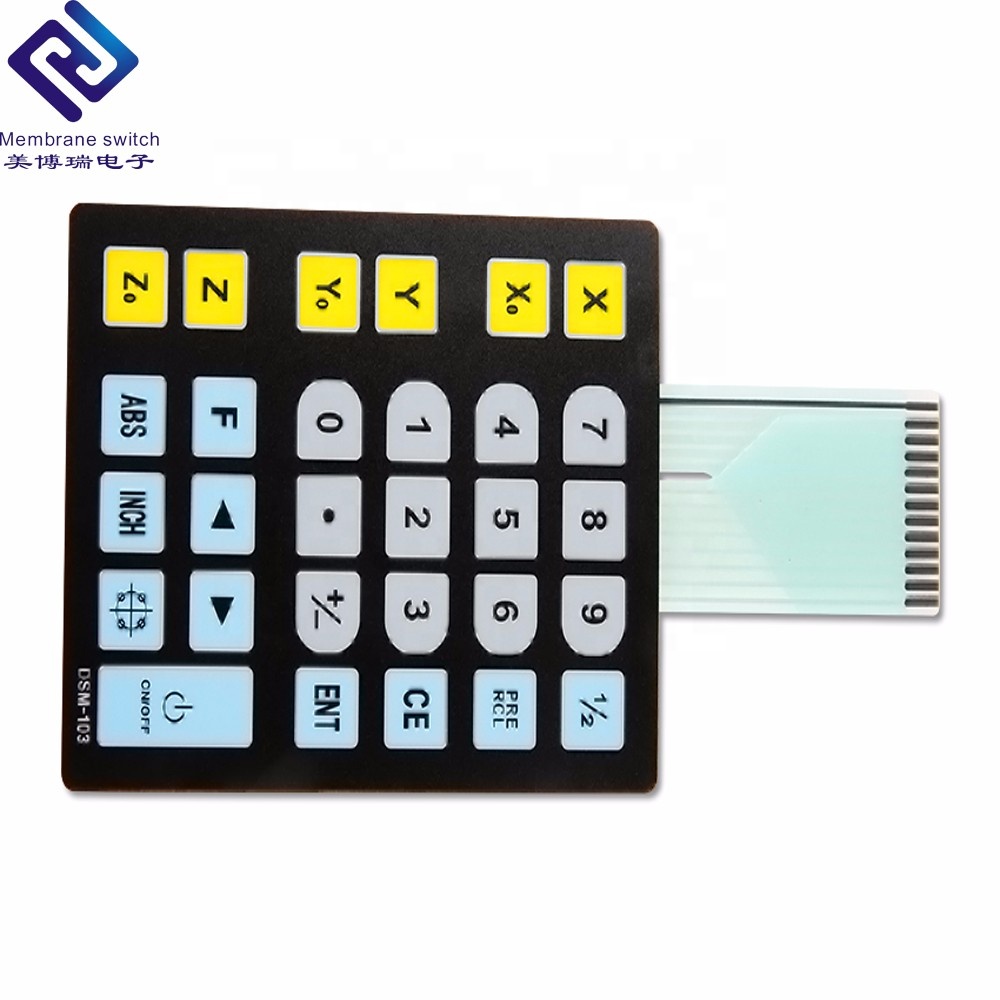
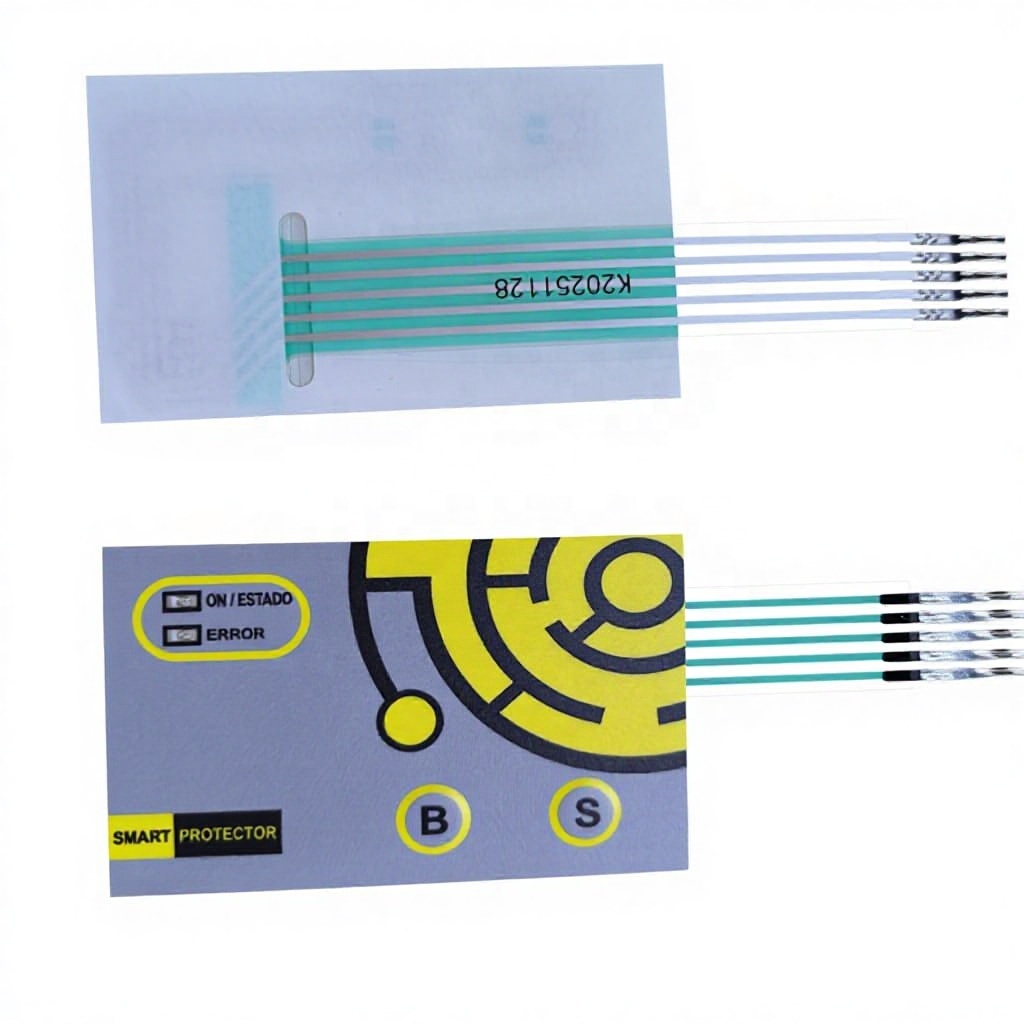
12 Key PET Matrix Array Membrane Button Switch
3x4 12-Key PET Matrix Array Membrane Keypad
Waterproof, ultra-thin industrial control pad featuring silver conductive ink tracks, optimized for access control and security terminals.
View Product Details
OEM Waterproof Membrane Keyboard PBT Switch Compatible
Mechanical Switch Compatible PBT Rubber Keypad
High-speed delivery OEM solution featuring custom rubber actuators, PBT molded caps, and cross-stem compatibility for hybrid mechanical arrays.
View Product Details
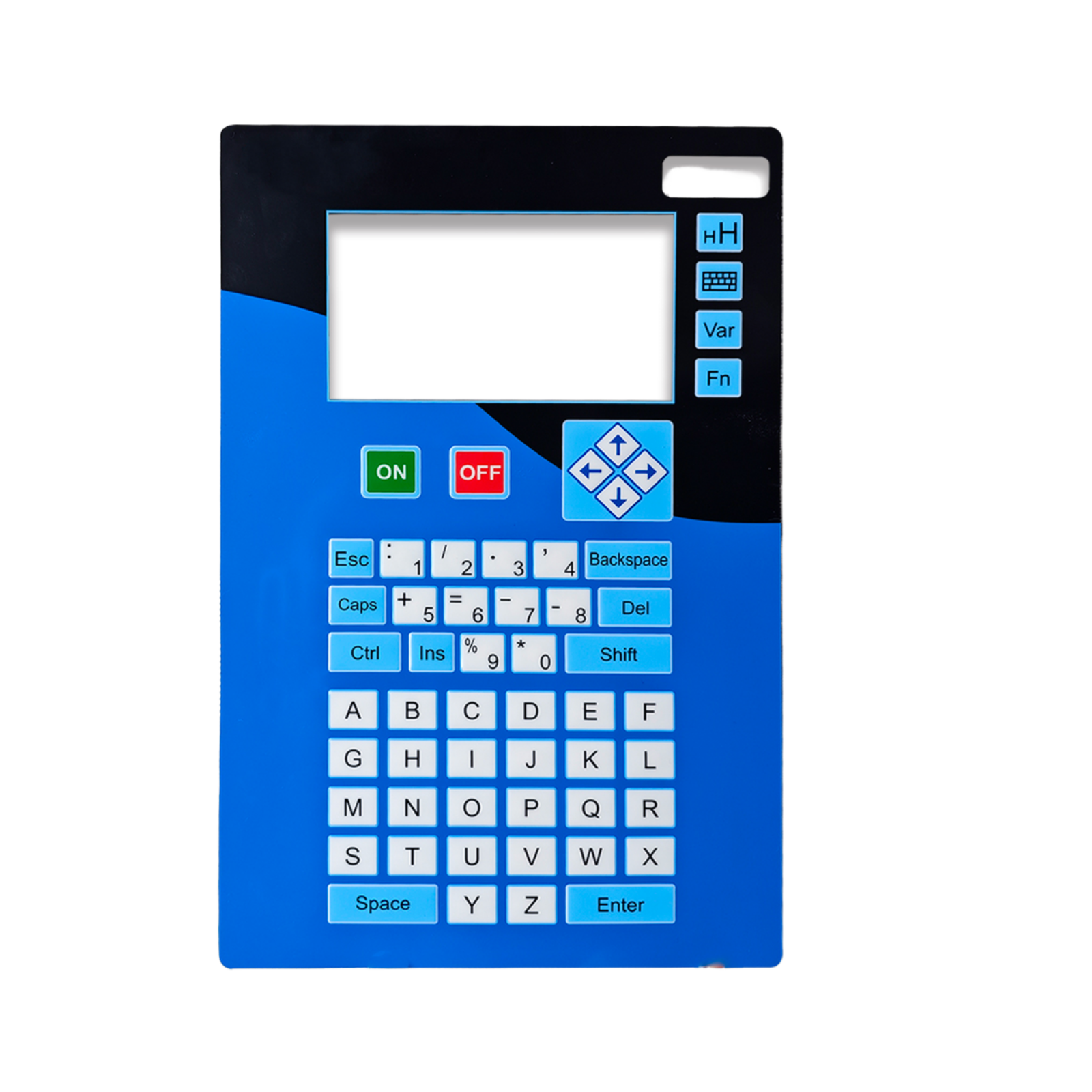
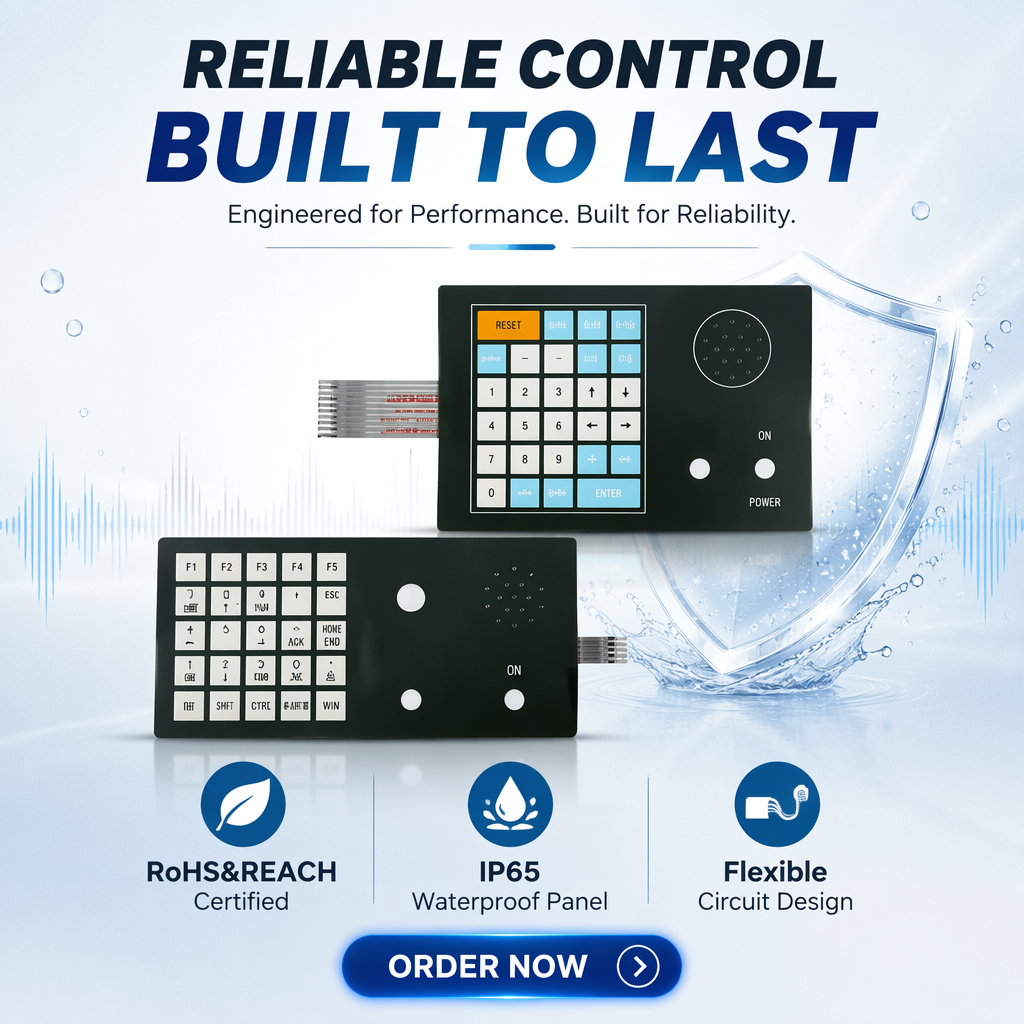
Custom Waterproof Flexible Membrane Keypad Control Panel
Anti-Dust Moisture Proof PET + Silver Circuit Panel
Ultra-flexible membrane control panel with conductive silver circuit layer, engineered for medical monitors and extreme humidity operations.
View Product Details

Silicone Material Science & Elastomer Engineering

Conductive rubber keypads—often designated as silicone rubber keypads or rubber button switches—are the backbone of tactile human-machine interface (HMI) design across global industrial, automotive, and medical hardware sectors. Manufactured primarily from high-consistency silicone rubber (HCR) or liquid silicone rubber (LSR), these components combine structural resilience, sealing capabilities, and precise electrical switching within a single elastomeric structure.

When selecting a qualified manufacturer in China, procurement and engineering teams must evaluate raw material formulation, curing chemistry, and contact geometry. Standard commercial keypads utilize platinum-cured or peroxide-cured silicone polymers. Platinum curing yields higher clarity, superior tear strength, and zero toxic outgassing residues, making it the non-negotiable standard for medical instruments (compliant with ISO 10993 and FDA 21 CFR 177.2600) and defense-grade interface assemblies.

Engineering Analysis: Contact Media & Resistance Profiles

The primary function of a conductive rubber keypad is bridging an open electrical circuit on a rigid printed circuit board (PCB) or flexible printed circuit (FPC). The contact mechanism integrated into the underside of the elastomeric dome determines key life, bounce time, and electrical stability:

Conductive Contact Type Typical Contact Resistance Actuation Lifecycle Primary Application Profile
Molded Carbon Pills (Graphite) < 10 to 30 Ohms 1,000,000 to 5,000,000 cycles Standard industrial controls, consumer electronics, TV remotes
Gold-Plated Metal Pills < 0.1 to 0.5 Ohms 5,000,000+ cycles Low-voltage medical devices, high-reliability aerospace instrumentation
Silkscreen Printed Conductive Ink < 50 to 100 Ohms 500,000 to 1,000,000 cycles Cost-sensitive prototype runs, non-critical commercial matrix pads
Tactile Metal Domes (Under Rubber Cap) < 1 Ohm 1,000,000 to 3,000,000 cycles High snap-ratio interfaces requiring crisp acoustic and tactile feel
Expert Insight on Tactile Snap Ratio: The tactile feeling of a rubber keypad key is dictated by its snap ratio, calculated using the formula:
Snap Ratio (%) = [(F1 - F2) / F1] × 100
Where F1 is the initial peak actuation force and F2 is the return force upon dome collapse. Standard industrial keypads target a snap ratio between 40% and 60%. A ratio below 30% yields a mushy, non-responsive tactile feel, while a ratio exceeding 65% accelerates elastomeric fatigue and reduces overall mechanical lifecycle.

Future Procurement & Technology Trends in Rubber Keypad HMIs

As global hardware design moves toward sleeker form factors, multi-modal feedback, and extreme ambient resilience, conductive rubber keypads are undergoing rapid technology convergence. Sourcing leaders must align with suppliers capable of delivering advanced hybrid HMI engineering.

1. Laser-Etched Laser Light Guide Backlighting (LGF)

Traditional point-source LEDs beneath translucent rubber buttons suffer from light bleed and uneven luminance. Next-generation keypads integrate laser-etched silicone caps combined with ultra-thin Light Guide Films (LGF). This enables uniform RGB backlighting across complex icon sets while keeping total structural thickness under 1.5mm.

2. Antimicrobial & Nanoscale Surface Coatings

Post-pandemic medical device standards require keypads to withstand harsh cleaning agents like Isopropyl Alcohol, Hydrogen Peroxide vapor, and bleach. Advanced Polyurethane (PU) and Soft-Feel Matte coatings infused with inorganic silver ions ($Ag^+$) eliminate 99.9% of surface pathogens while protecting laser-etched legends from abrasion.

3. Hybrid Silicone-Capacitive Touch Integration

Merging physical conductive rubber keypads with capacitive touch sensors provides dual redundancy. Users enjoy the physical tactile locator ridges for blind operation (essential in automotive control panels and surgical suites) combined with proximity sensing and gesture slider capabilities on adjacent graphic overlay panels.

Enterprise Advantages & In-House Manufacturing Rigor

Operating out of the Robot Industry Port in Xianghe Economic and Technological Development Zone, Hebei, with secondary manufacturing facilities in Huizhou, Guangdong, TAVO Electronic Information Technology Co., Ltd. (incorporating Meiborui brand engineering) represents the top tier of Chinese HMI manufacturing.

Why Global OEMs Partner with TAVO:

  • 30+ Years of Specialization: Tracing heritage to 1990, our engineering team has spent over three decades perfecting silicone elastomer chemistry, compression tool making, and screen-printing precision.
  • Verified Quality Management Systems: Onsite assessed by Intertek and fully certified under ISO 9001, every order undergoes complete automated circuit testing, button actuation force profiling, and visual inspection.
  • Sino-German Technical Standards Alignment: Benefiting from long-term technical cooperation with German HMI specialists, our manufacturing tolerance protocols mirror Western European precision standards.
  • Fully Integrated In-House Production: From CAD structural design, CNC mold making, compression silicone vulcanization, laser engraving, and automatic spray-painting to final SMT/FPC bonding—no sub-process is outsourced.

In-House Reliability Testing & Validation Lab

To guarantee long-term operation in field conditions ranging from $-40^\circ\text{C}$ to $+200^\circ\text{C}$, our factory maintains a dedicated environmental testing laboratory equipped with:

Life-Cycle Testers
Automated pneumatic key press units running 10M+ cycle stress verification.
Environmental Chambers
Programmable thermal shock, humidity, and xenon lamp aging test chambers.
Salt Fog Chambers
ASTM B117 salt spray chambers testing corrosion resistance on contacts and leads.

Procurement & Technical FAQ

Clear, authoritative answers to assist sourcing managers and design engineers during project evaluation.
Q1: What CAD/vector file formats are required to initiate a custom rubber keypad tooling project?
To generate 3D steel compression molds and silkscreen tooling, our engineering team requires 3D CAD files in STEP, IGES, or SolidWorks (.SLDPRT) format for key geometry, wall thickness, and dome heights. Vector graphics for key legend printing and laser etching should be provided in Adobe Illustrator (.AI), CorelDraw (.CDR), or DXF format with explicit Pantone color codes (PMS).
Q2: How do carbon pills compare against printed conductive ink contacts in terms of longevity?
Molded carbon pills consist of solid graphite discs permanently vulcanized into the silicone structure during thermal compression molding. They offer superior durability (>3 million actuations) and consistent electrical contact resistance (<10-30 Ω). Printed conductive ink, while lower in initial tooling cost, can degrade under high actuation frequencies (>500k cycles) due to mechanical shear forces on the conductive matrix.
Q3: How does your factory control key actuation force (grammage) consistency across large keypads?
Actuation force is controlled by three variables: raw silicone durometer hardness (Shore A 30 to 80), dome wall thickness, and dome angle geometry. TAVO utilizes high-precision CNC tool steel molds polished to $\pm 0.01\text{mm}$ tolerances and liquid silicone dosing systems. Every production lot undergoes force-displacement curve testing to ensure actuation force remains strictly within $\pm 10\%$ to $\pm 15\%$ of customer spec.
Q4: Can silicone keypads achieve IP67 or IP68 water and dust ingress protection?
Yes. Silicone rubber inherently forms an continuous, impervious moisture barrier. By engineering a perimeter sealing lip (gasket wall) into the keypad layout that compresses against the product enclosure, an IP67 or IP68 ingress rating is achieved. Furthermore, optical window bonding with 3M 200MP / 300LSE transfer adhesives seals the front graphic interface against chemical washdowns.
Q5: What are the standard lead times for rapid prototyping vs mass production tooling?
Soft tooling / rapid silicone prototypes (3D printed or aluminum molds) are typically delivered within 7 to 10 working days for design evaluation and tactile testing. Hardened production steel tooling requires 18 to 25 calendar days, including initial sample submission (FAF) and complete FAIR (First Article Inspection Report) documentation. Mass production turnaround averages 2 to 3 weeks upon sample approval.
Q6: What certifications do your raw silicone polymers and finished keypads hold?
All raw silicone compounds comply strictly with EU RoHS 3 (Directive 2015/863) and REACH SVHC regulations. Medical-grade formulations comply with FDA 21 CFR 177.2600 and ISO 10993 cytotoxicity testing. Flame retardant silicone formulations achieving UL 94 V-0 ratings are readily available for rail transit and power grid installations.

Partner with China's Premier Rubber Keypad Manufacturer

Need custom engineering advice, CAD drawing reviews, or an immediate quotation for silicone conductive keypads, PBT keycaps, or membrane switch assemblies? Our 20-person international engineering team is ready to assist.

Contact Us