Featured Flat Membrane Keypad Assemblies & Switches
Engineered to deliver exceptional tactile reliability, IP65/IP67/IP68 ingress protection, and long cycle lifespans for demanding medical, industrial, and telecommunication applications.
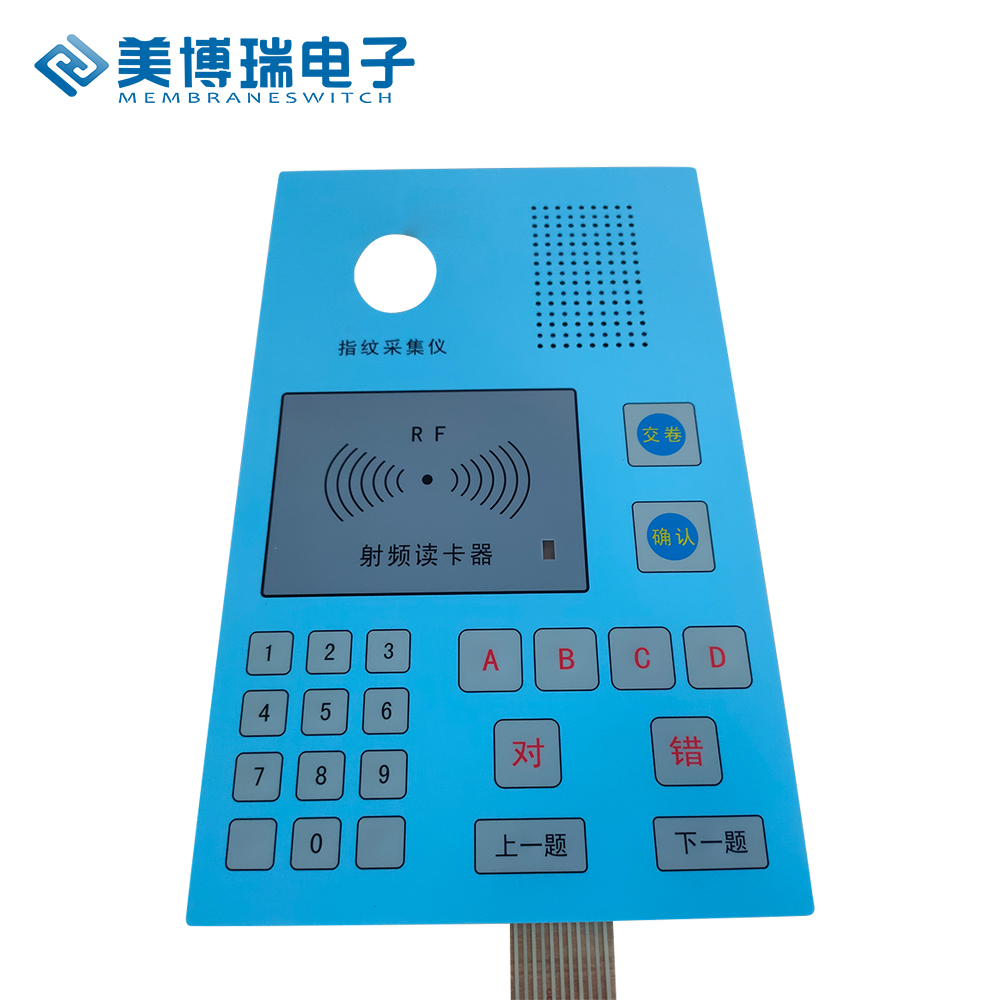
MBR ISO9001 Certified Environmentally Sealed Membrane Switches Keypad IP65 Waterproof 3M Adhesive Silver Ink Keyboard PET/PC/PVC
Inquire Now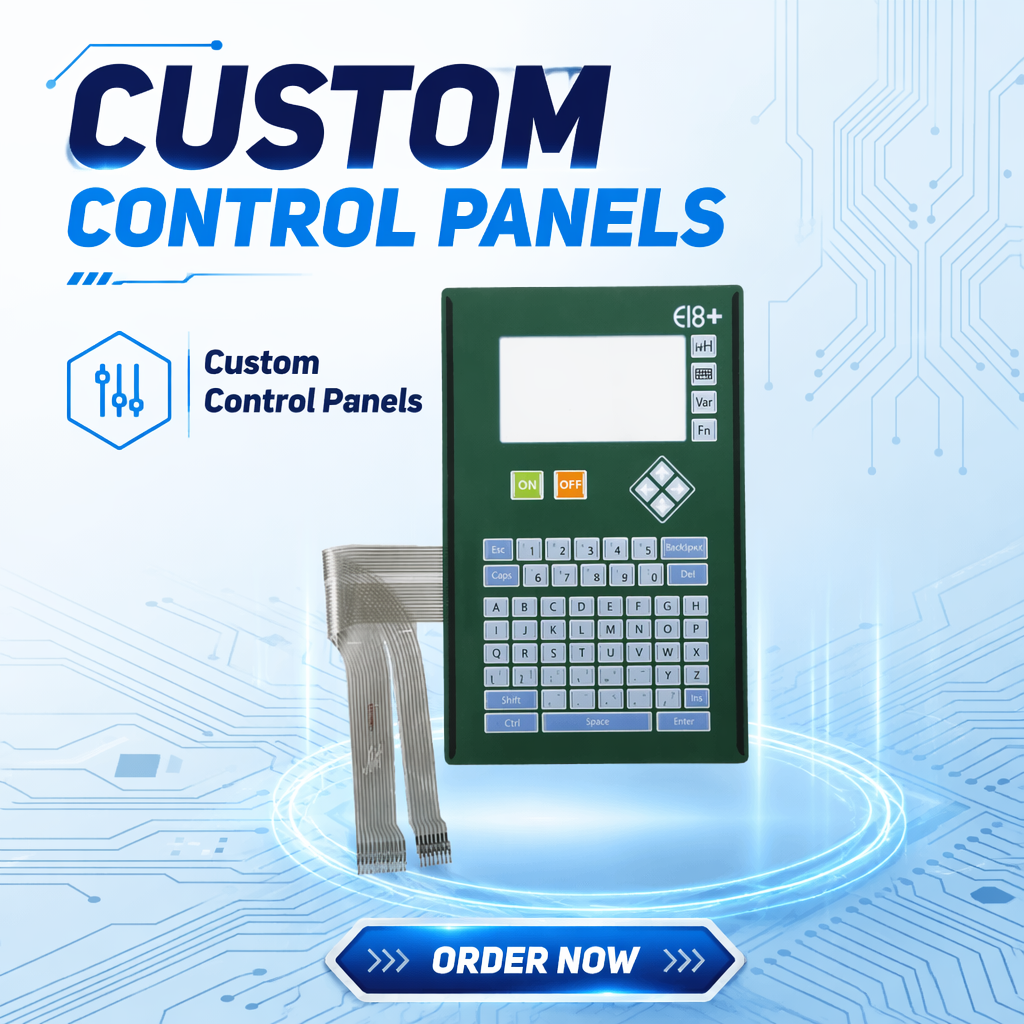
Fast Delivery OEM PBT Keyboard Cap Mechanical Switch Compatible Silkscreen Printed Customized Designs 2.54mm Pitch Factory
Inquire Now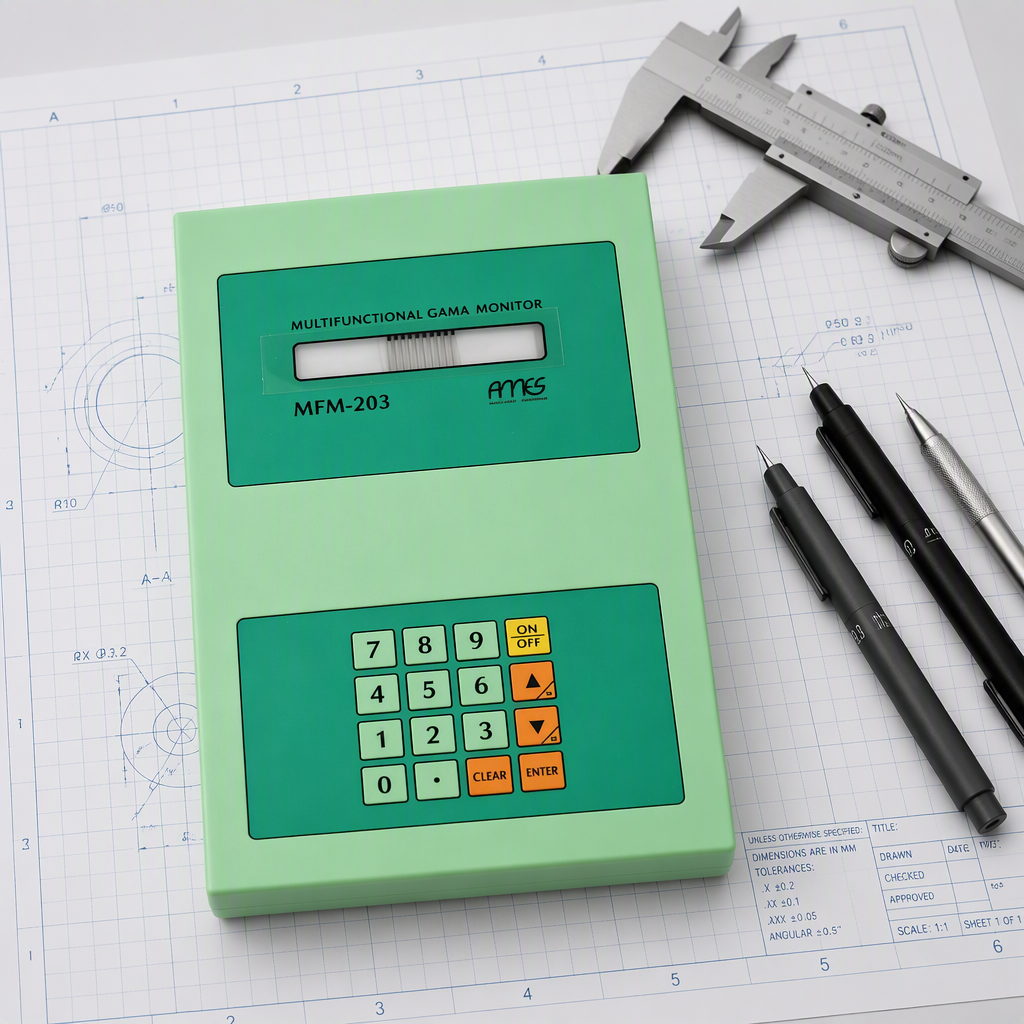
MBR IP67 Waterproof Industrial Membrane Keyboard PET Overlay for Telecommunication Equipment (OEM/ODM Model)
Inquire Now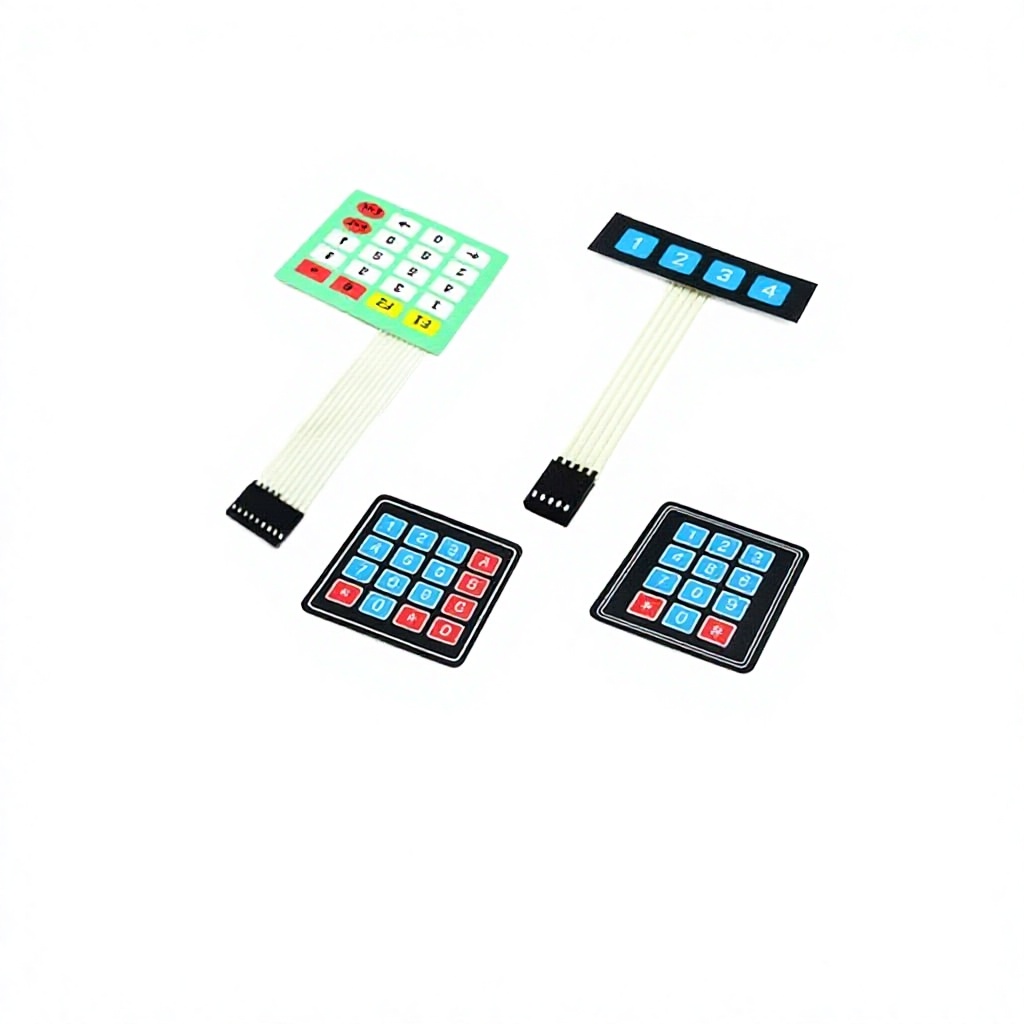
High Reliability Custom FPC Membrane Switch Flexible Printed Circuit Keypad for Test and Measurement Equipment
Inquire Now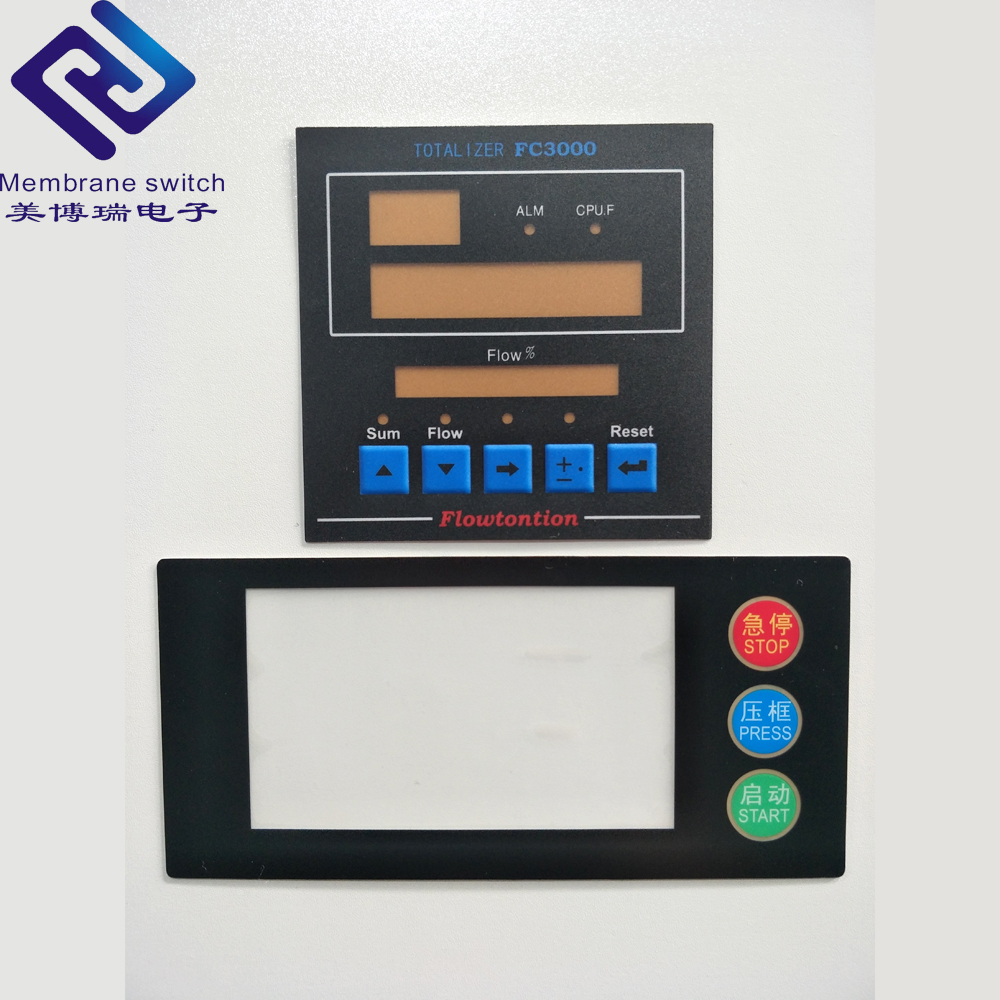
High Quality IP67 Waterproof 3M Adhesive Metal/Poly Dome LCD Membrane Switch Custom Keypad Flexible Cable Telecommunication
Inquire Now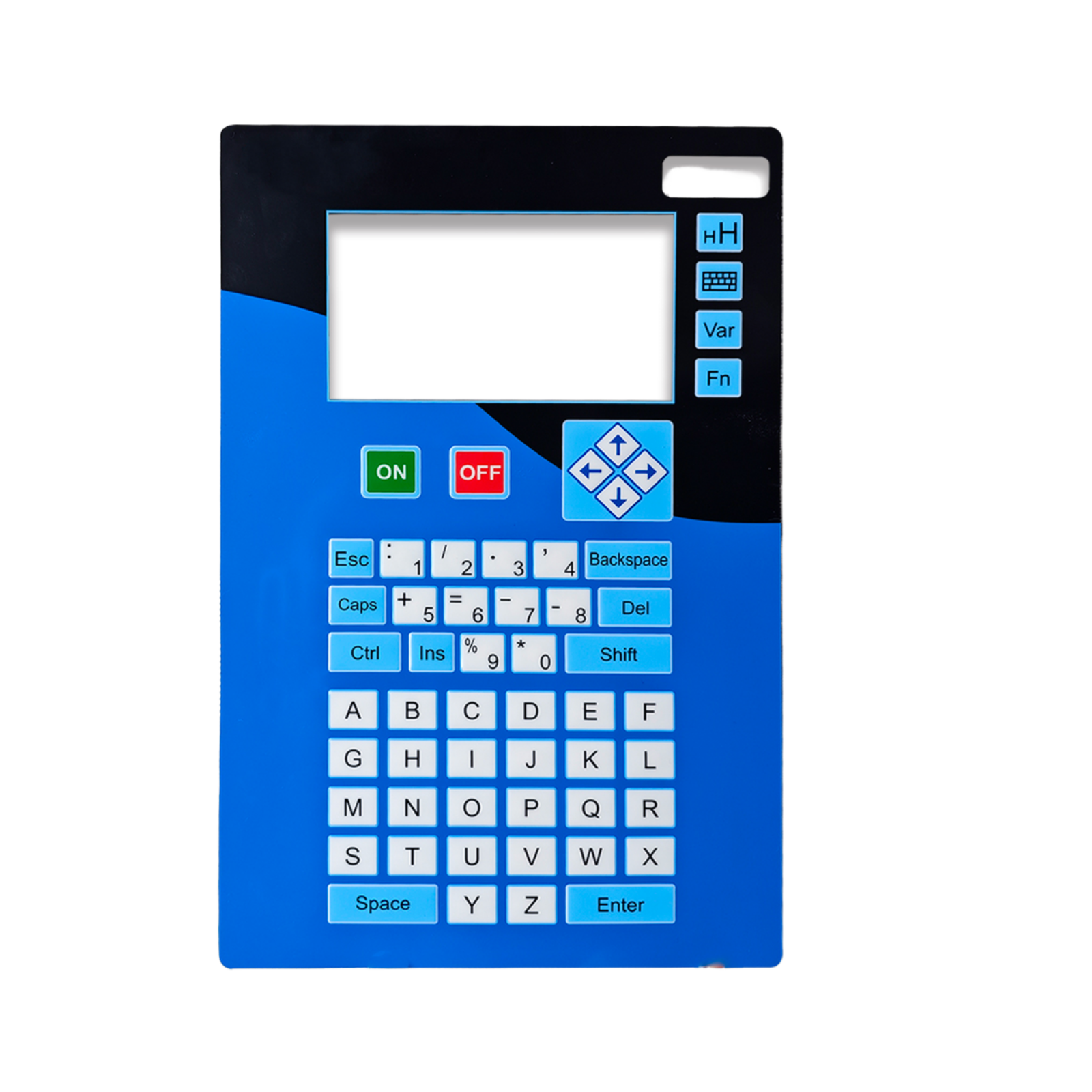
China MEIBORUI Manufacturer Custom Printed Membrane Switch Embossed Metal Dome Keypad Water-proof Home Appliance Use 3M Adhesive
Inquire Now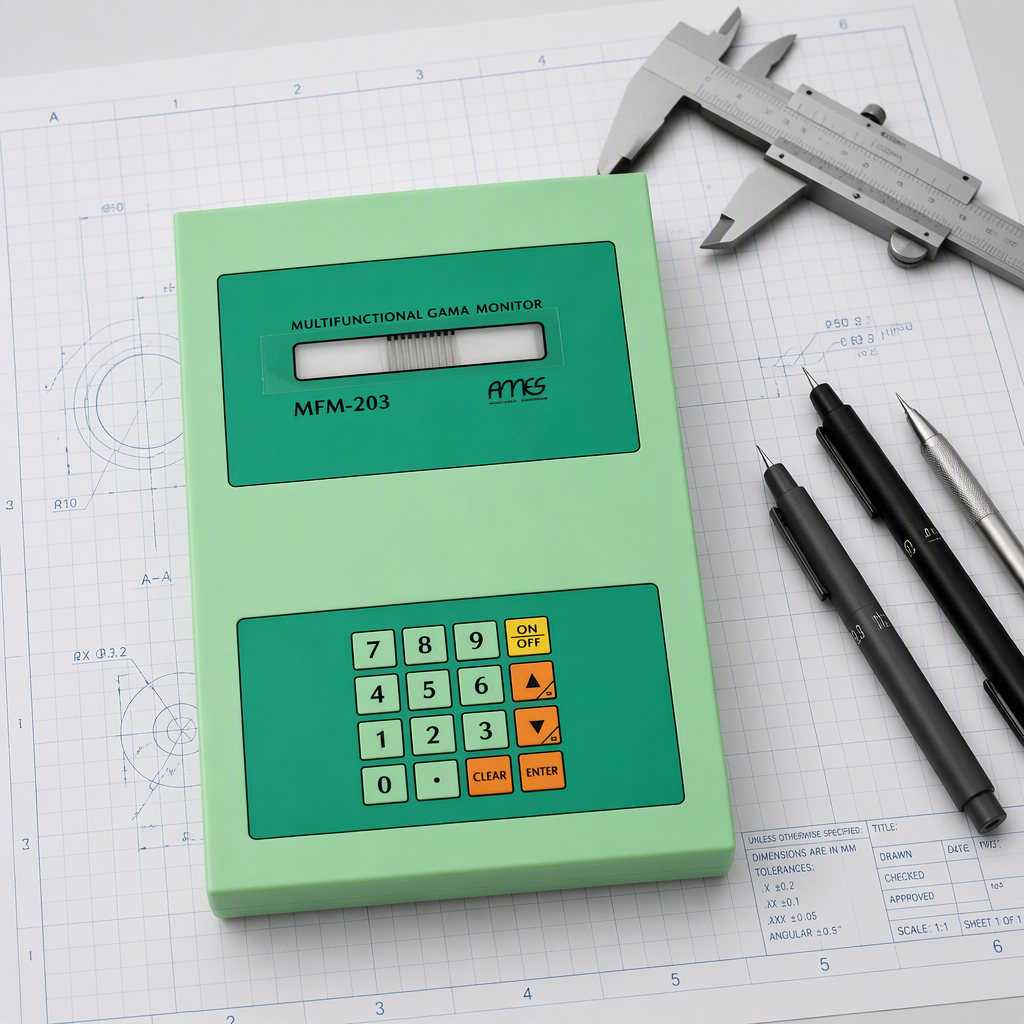
Waterproof Polyester Membrane Keypad Panel PET PC Plastic Keyboard Panel Mount for HMI Display Screens Remote Controllers
Inquire Now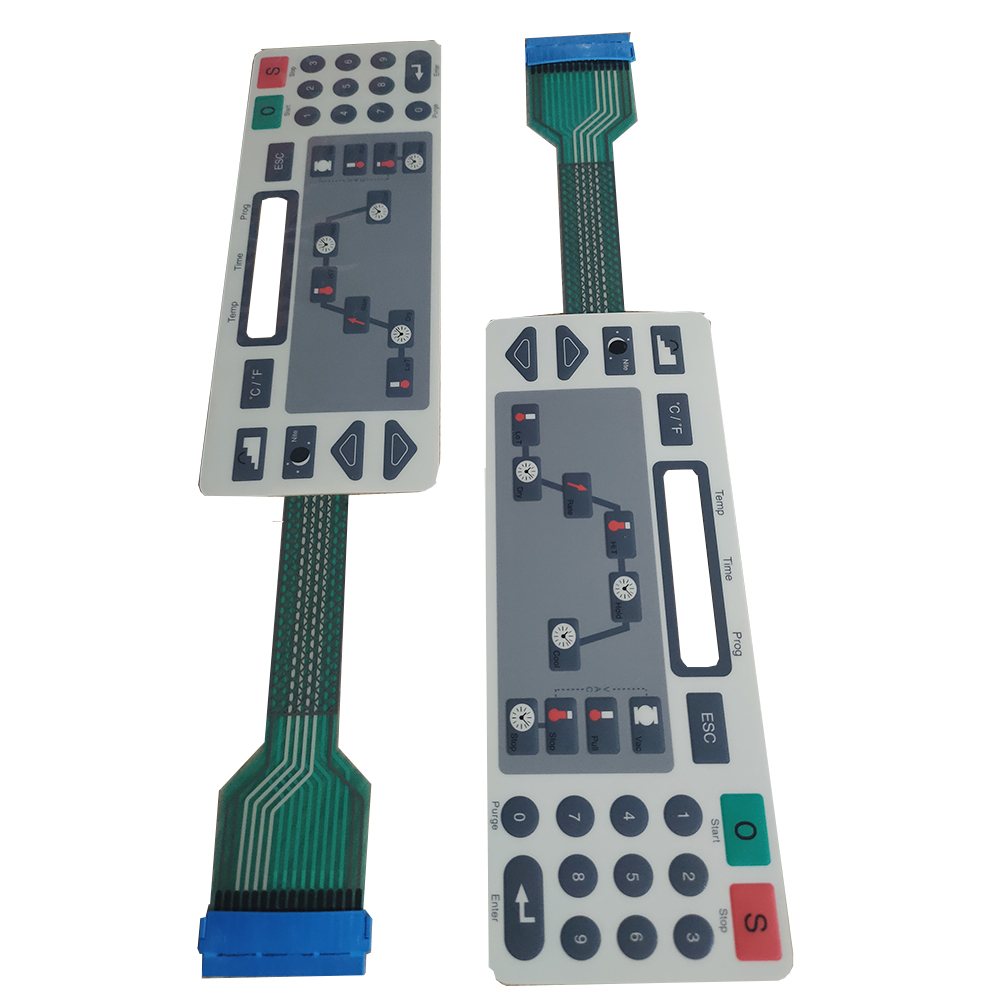
High Quality IP67 Waterproof 3M Adhesive Acrylic Metal/Poly Dome LCD Membrane Switch Custom Keypad Flexible Cable Custom Color
Inquire NowChapter 1: Material Science & Substrate Selection for Flat Membrane Keypads
In modern industrial Human-Machine Interface (HMI) design, the selection of raw materials dictates the operational lifetime, chemical resistance, and environmental sealing performance of a flat membrane keypad. Unlike tactile switches that rely on embossed poly domes or stainless-steel metal domes, flat (non-tactile) membrane keypads offer a sleek, low-profile mechanical footprint with zero actuaion bump height, making them exceptionally easy to clean, sterilize, and integrate into flush enclosure bezels.
As China's leading flat membrane switch keypad manufacturer, TAVO / MEIBORUI leverages rigorous engineering criteria to match specific film substrates with internal circuitry requirements:
| Substrate / Film Type | Tensile Strength & Flexibility | Chemical & Solvent Resistance | Actuation Life (Cycles) | Primary Application Areas |
|---|---|---|---|---|
| Polyester (PET) (e.g., MacDermid Autotex) |
Exceptional flexural fatigue resistance; minimal thermal expansion. | High resistance to alcohols, solvents, aggressive cleaners, and industrial oils. | > 5,000,000 actuations | Industrial automation, medical diagnostic devices, military keypads, outdoor instruments. |
| Polycarbonate (PC) (e.g., SABIC Lexan) |
High optical clarity and structural rigidity; susceptible to micro-cracking over extreme flexing. | Moderate resistance; sensitive to strong solvents, aromatic hydrocarbons, and esters. | ~ 100,000 - 500,000 actuations | Static graphic overlays, display windows, internal control panels, budget consumer appliances. |
| Polyvinyl Chloride (PVC) | High flexibility, highly cost-effective; lower dimensional thermal stability. | Fair resistance to light moisture; poor resistance to chemical solvents and elevated heat. | ~ 50,000 actuations | Low-cost commercial electronics, temporary test keypads, non-critical domestic applications. |
Conductive Ink Circuitry vs. Flexible Printed Circuits (FPC): TAVO engineers utilize high-purity Acheson silver ink screen-printed onto thermal-stabilized PET films for standard conductive traces. For ultra-dense trace layouts, fine pitch connections (≤0.5mm), or surface-mount LED components subjected to severe vibration, our Flexible Printed Circuit (FPC) copper substrates provide unmatched conductivity, zero silver migration risk under humid conditions, and superior solder joint reliability.
Enterprise Capabilities & Complete In-House Manufacturing
Rooted in membrane switch engineering since 1990, TAVO Electronic Information Technology Co., Ltd. operates state-of-the-art production bases in Langfang (Hebei) and Huizhou (Guangdong), providing global OEMs with turn-key customization from initial schematic engineering to final environmental verification.
German Engineering Collaboration
Through long-term technical cooperation with German membrane keypad specialists, our production workflows incorporate European design tolerances, rigorous color-matching procedures (Pantone / RAL precision screen printing), and strict ESD/EMI shielding design rules.
Advanced Machinery Fleet
Our facilities house 37 precision screen printing machines, Mimaki heat-setting UV digital printers, 60 CNC mold-making workstations, 18 laser-cutting machines, and automatic optical inspection (AOI) units, eliminating external outsourcing risks.
Intertek & ISO 9001 Audited
Every flat membrane switch panel undergoes 100% automated electrical continuity testing, key resistance mapping, insulation resistance checks, and rigorous batch sampling in environmental chambers prior to global dispatch.
Chapter 3: Strategic B2B Procurement Trends in Flat Membrane Keypads
Global procurement directors and hardware sourcing managers are shifting focus from simple unit cost purchasing to total cost of ownership (TCO) evaluation. In the flat membrane keypad sector, five macro trends are reshaping supplier qualification and specification standards:
- 1. Environmental Hermetic Sealing (IP67 / IP68 & NEMA 4X Compliance): Industrial equipment operating in washdown environments, marine electronics, and outdoor energy storage systems increasingly require complete liquid and dust ingress protection. TAVO utilizes full-perimeter 3M 467MP / 468MP acrylic adhesive gasket boundaries combined with potted rear tails to achieve certified IP67 sealing against pressurized fluids.
- 2. Integration of Light Guide Film (LGF) & Micro-LED Backlighting: Traditional point-source LED backlighting often creates hot spots across graphic overlays. Emerging procurement specs mandate uniform surface backlighting utilizing ultra-thin Light Guide Films (LGF) or side-firing SMT LEDs embedded inside thin membrane cavities.
- 3. Capacitive Touch & Hybrid Tactile Keypad Integration: Sourcing teams are blending flat capacitive touch sensing panels with mechanical flat membrane switches. This hybrid design allows sleek glass/polyester aesthetic surfaces while retaining physical electrical contact loops for critical power-off safety functions.
- 4. Anti-Microbial & UV-Resistant Surface Treatments: Medical device OEMs and food processing equipment buyers demand graphic overlays pre-treated with permanent anti-microbial silver-ion coatings (such as MacDermid Autotex AM) and UV-stabilized hardcoats to prevent yellowing or cracking under outdoor sunlight exposure.
- 5. Supply Chain Consolidation & Prototype-to-Volume Agility: OEMs prefer key-turn manufacturers capable of delivering low-volume fast-turn prototypes (via digital UV printing and laser cutting) without expensive hard tooling, and seamlessly scaling to high-volume automated production runs.
Chapter 4: Technological Evolution of Flat Membrane Interfaces
The evolution of flat membrane keypads has transitioned from primitive passive user input switches to highly integrated, multi-functional Human-Machine Interface modules. By integrating rigid PCB backer plates, Optically Clear Adhesive (OCA) window bonding for TFT displays, and conductive EMI/ESD shielding grids, modern flat membrane keypads serve as complete front-bezel sub-assemblies.
| Engineering Feature | Traditional Flat Switch | Next-Gen Integrated Flat HMI Module | Performance Gain |
|---|---|---|---|
| Circuit Substrate | Standard Silver Printed PET | Multi-Layer Copper FPC or FR4 Rigid PCB | Higher current carrying capacity, stable SMT component seating, zero silver migration. |
| Display Window | Clear Unbonded Window Film | OCA Optically Bonded Acrylic / Glass Lens | Zero condensation parallax, superior readability under direct sunlight, anti-glare finish. |
| Shielding Layer | None or Basic Carbon Grid | Printed Aluminum / Copper Foil + Ground Tail | Attenuates Electrostatic Discharge (ESD > 15kV) and Electromagnetic Interference (EMI). |
| Tail Connector | 2.54mm Pitch Female Housing | 1.0mm / 0.5mm ZIF FPC Connector Tail | Reduces connector profile, simplifies high-density board-to-board mating. |
Frequently Asked Questions (Sourcing & Technical FAQ)
Detailed engineering answers to assist procurement officers, system integrators, and electrical design engineers in specifying flat membrane keypad assemblies.
- Vector Graphic Artwork: Adobe Illustrator (.AI), CorelDraw (.CDR), or high-resolution PDF with specified Pantone/RAL color codes.
- Mechanical Dimension Drawing: DXF, DWG, or STEP files showing overall panel dimensions, key centerlines, display window dimensions, and cutouts.
- Electrical Circuit Schematic: Pin-out diagram, matrix/common-bus layout, LED polarity specifications, and connector pitch preferences (2.54mm, 1.0mm, or 0.5mm ZIF).
- 3M 467MP (200MP Adhesive): Ideal for smooth metal surfaces, aluminum panels, and high-energy plastics.
- 3M 468MP: Thicker adhesive layer designed to bridge textured, powder-coated, or slightly uneven metal bezels.
- 3M 300LSE: Specially engineered for low-surface-energy (LSE) plastics such as polypropylene, ABS, or polycarbonate enclosures.
- Computerized 100% circuit open/short & loop resistance testing.
- Button actuation lifecycle testing via automated pneumatic actuators.
- Programmable high/low temperature & humidity aging (-40°C to +85°C).
- Xenon lamp accelerated UV weatherometer exposure.
- Automatic salt fog corrosion chamber testing for coastal/marine keypads.