Precision Acrylic Windows & Integrated HMI Assemblies
Engineered optical display lenses, custom membrane keypads, and touch control panels built to strict industrial, medical, and electronics specifications.
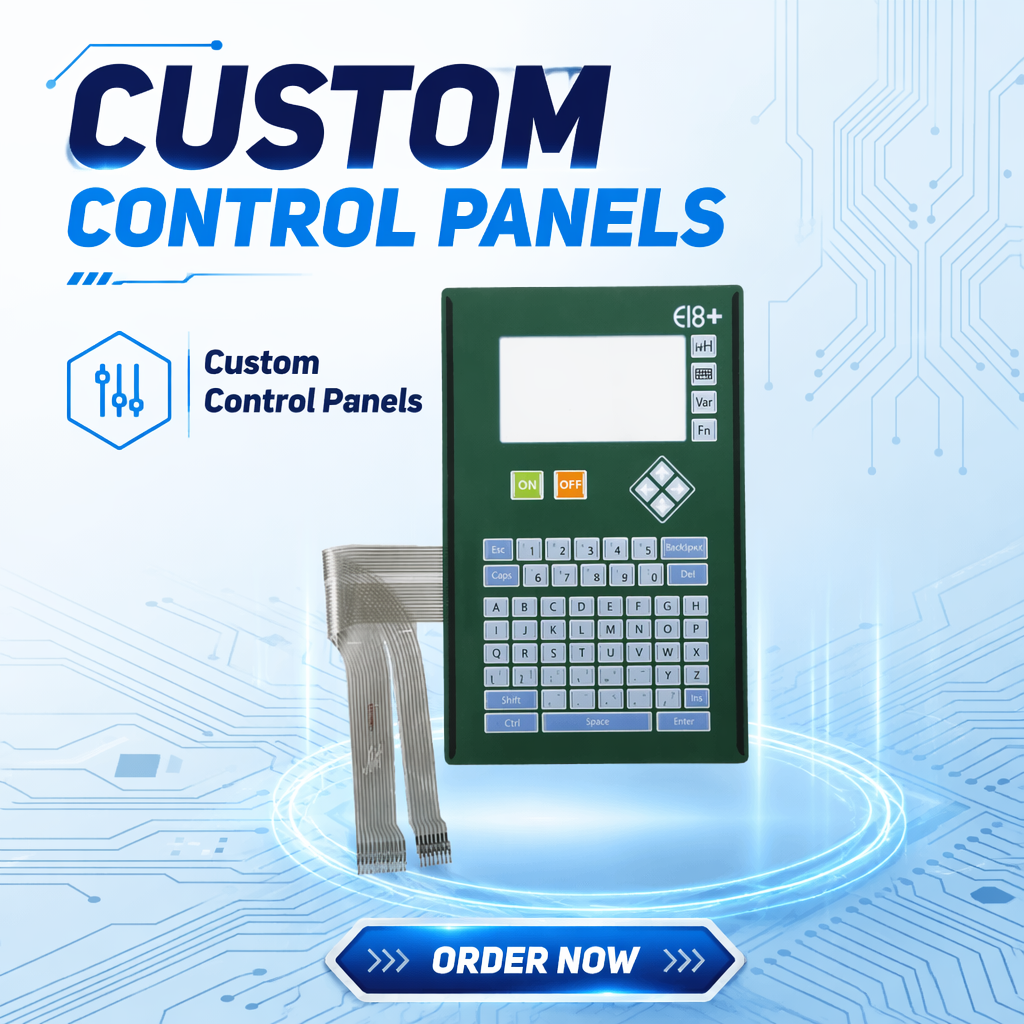
Fast Delivery OEM PBT Keyboard Cap Mechanical Switch Compatible Silkscreen Printed Customized Designs
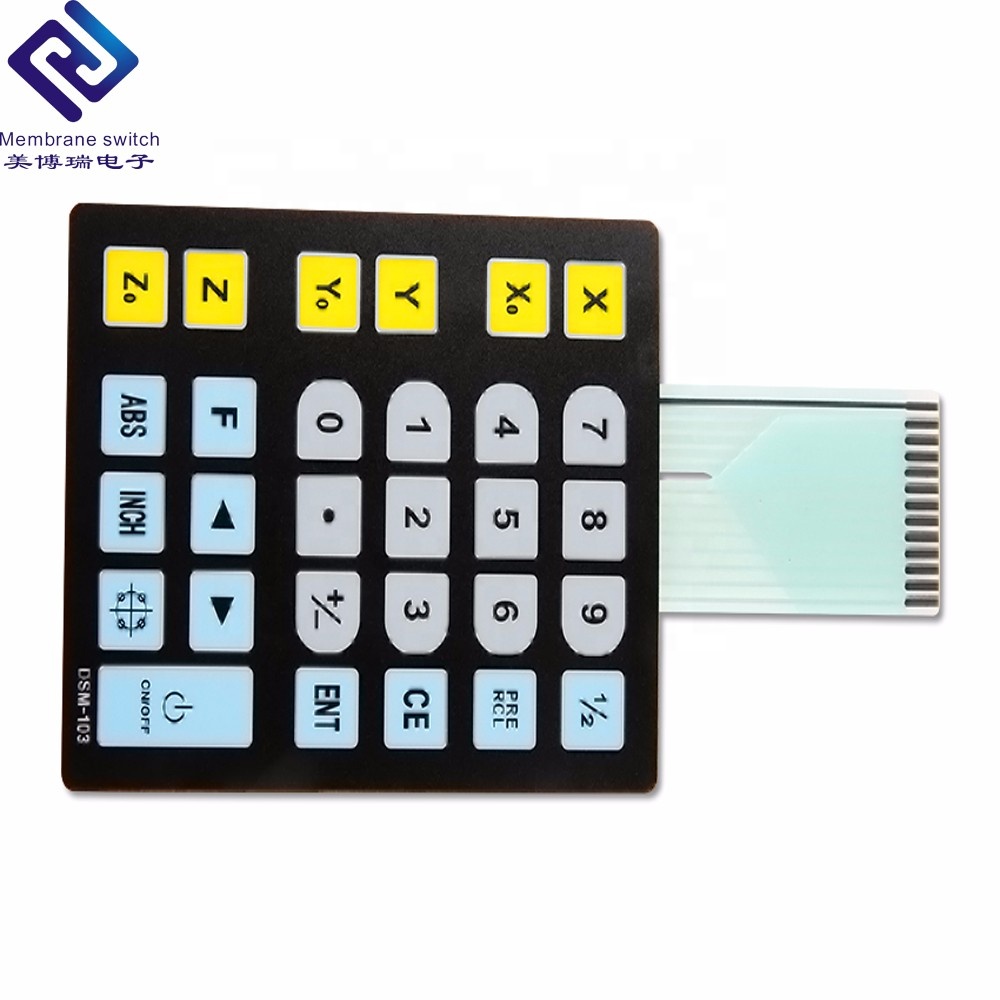
Factory Membrane Switch Keypad with Rubber Buttons 4*4/1*4/3*4 Layout MCU Expansion Keyboard
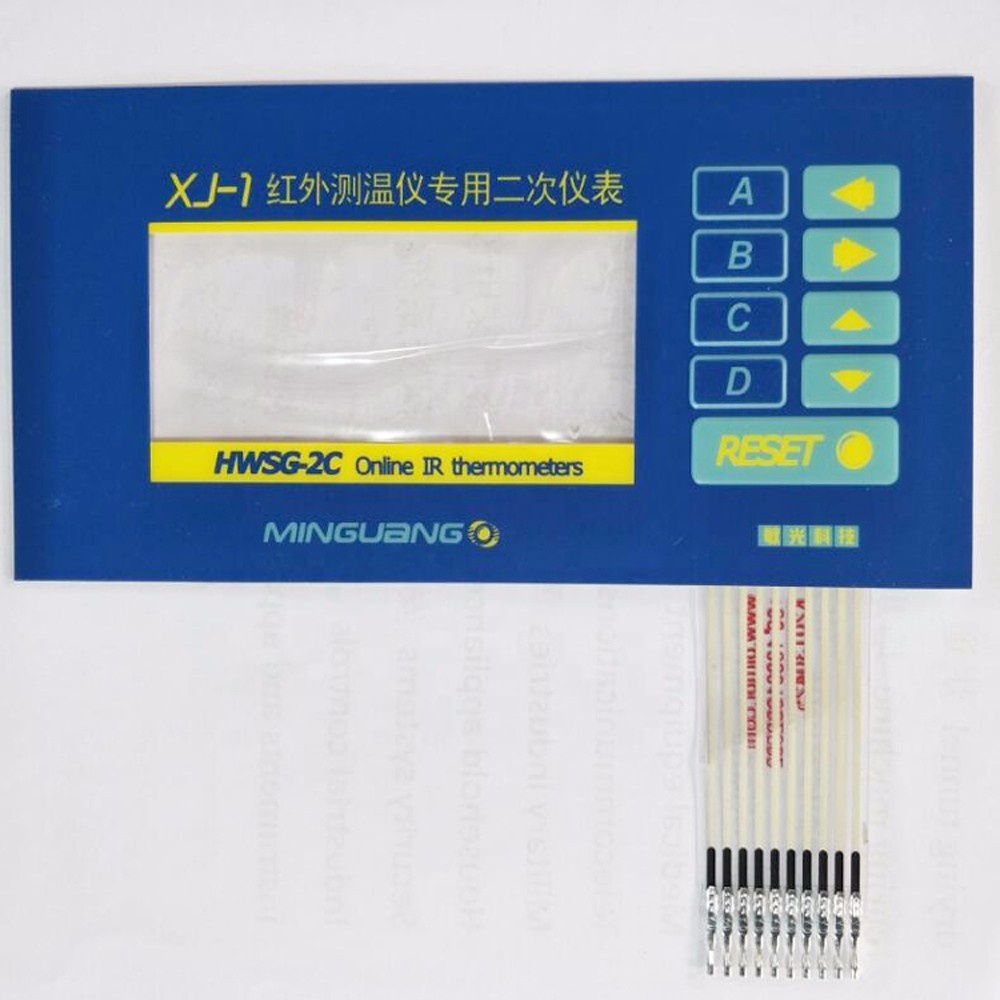
Fast Delivery OEM PBT Keyboard Cap Mechanical Switch Compatible Silkscreen Printed ISO Certified
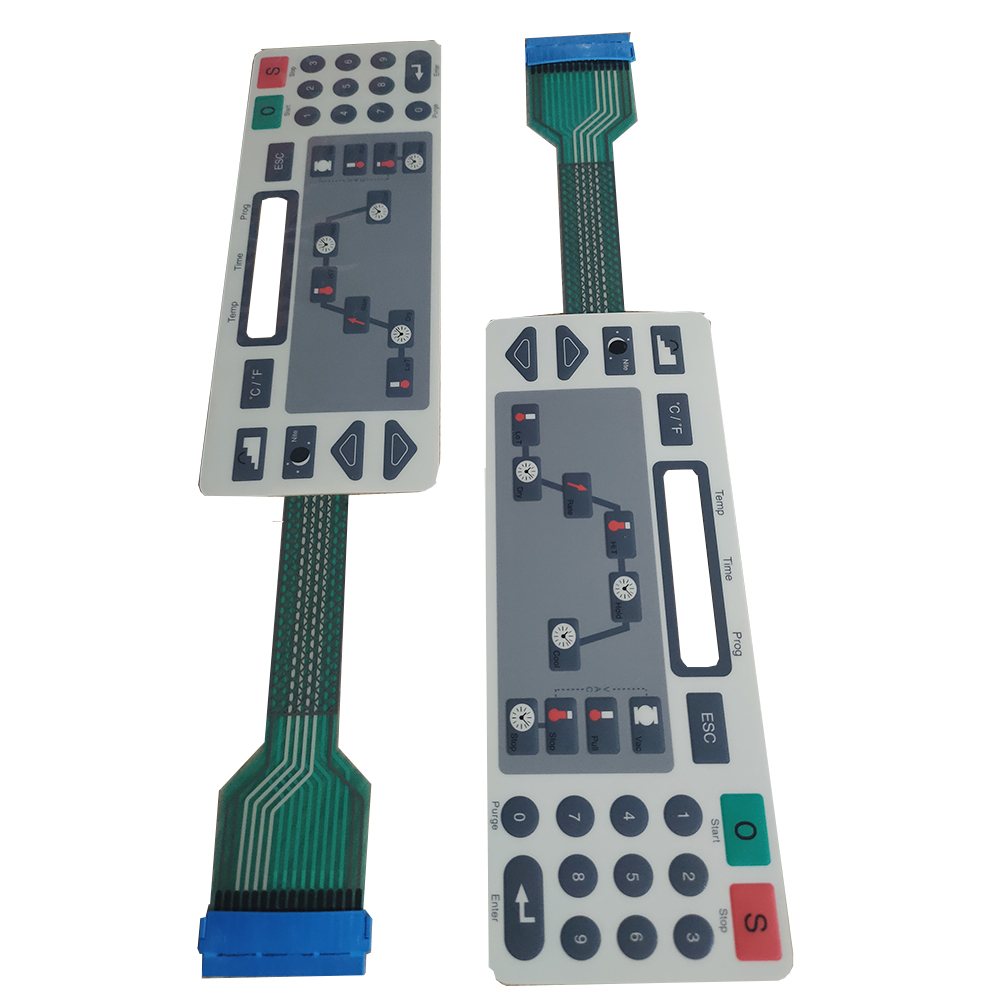
High Quality IP67 Waterproof 3M Adhesive Acrylic Metal/Poly Dome LCD Membrane Switch Custom Keypad
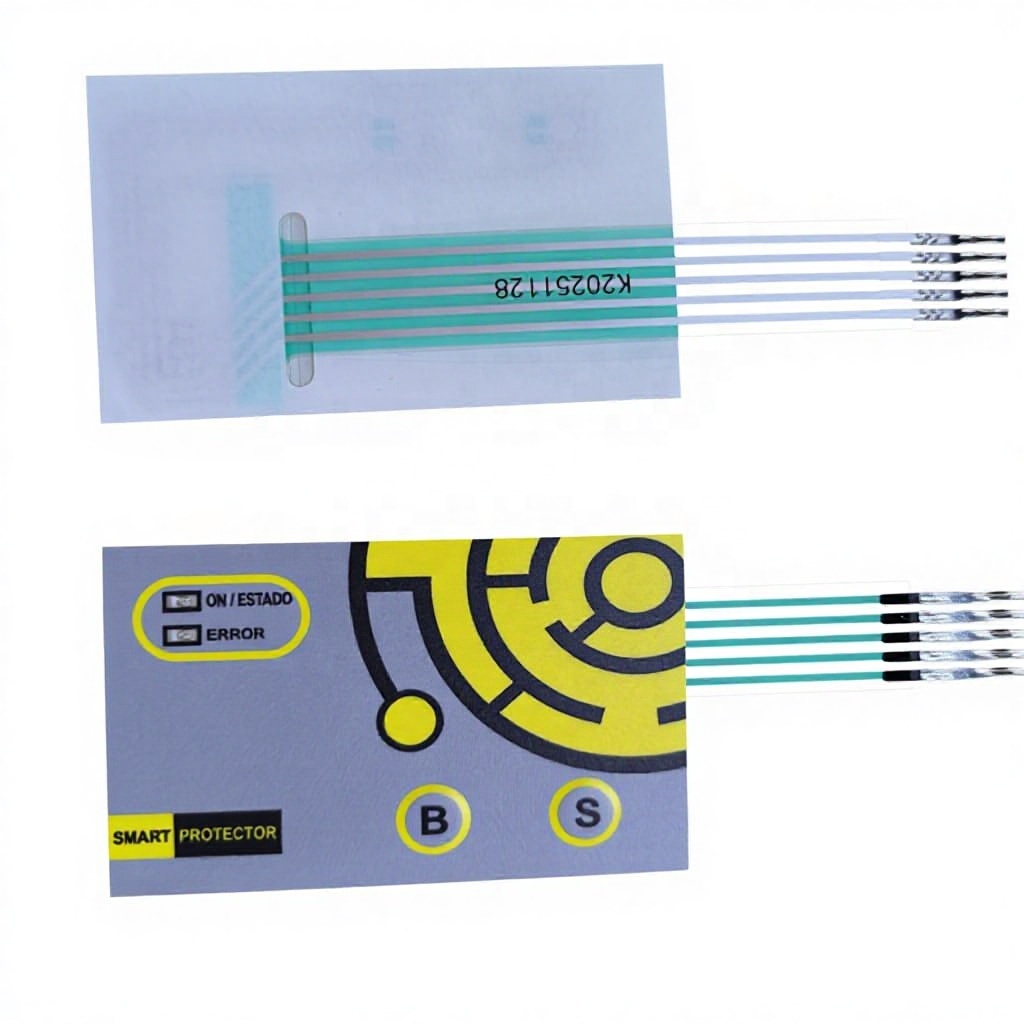
Fast Delivery OEM Waterproof Membrane Keyboard PBT Keyboard Cap Mechanical Switch Compatible
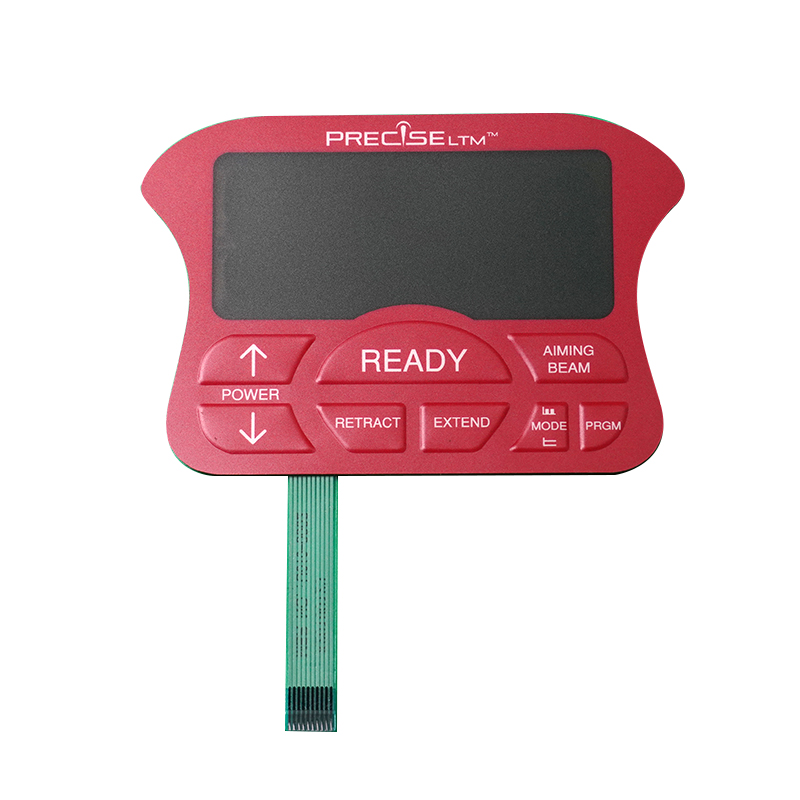
Anti-interference Locomotive Membrane Control Panel High Temperature Resistant PET Keypad Waterproof
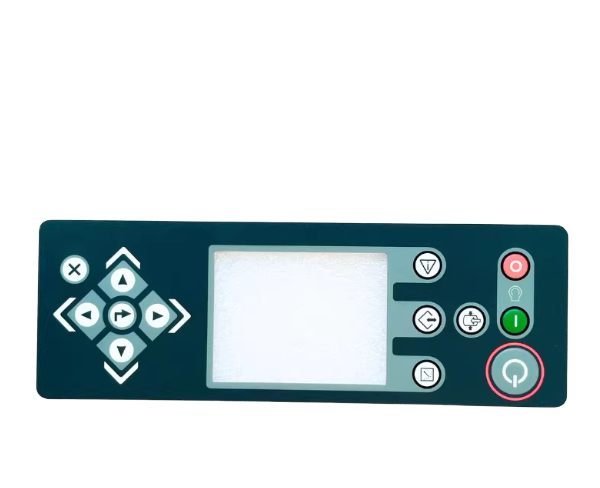
Custom Flexible Temperature Touch Control Keypad Membrane Panel Clear Transparent Window PET HMI
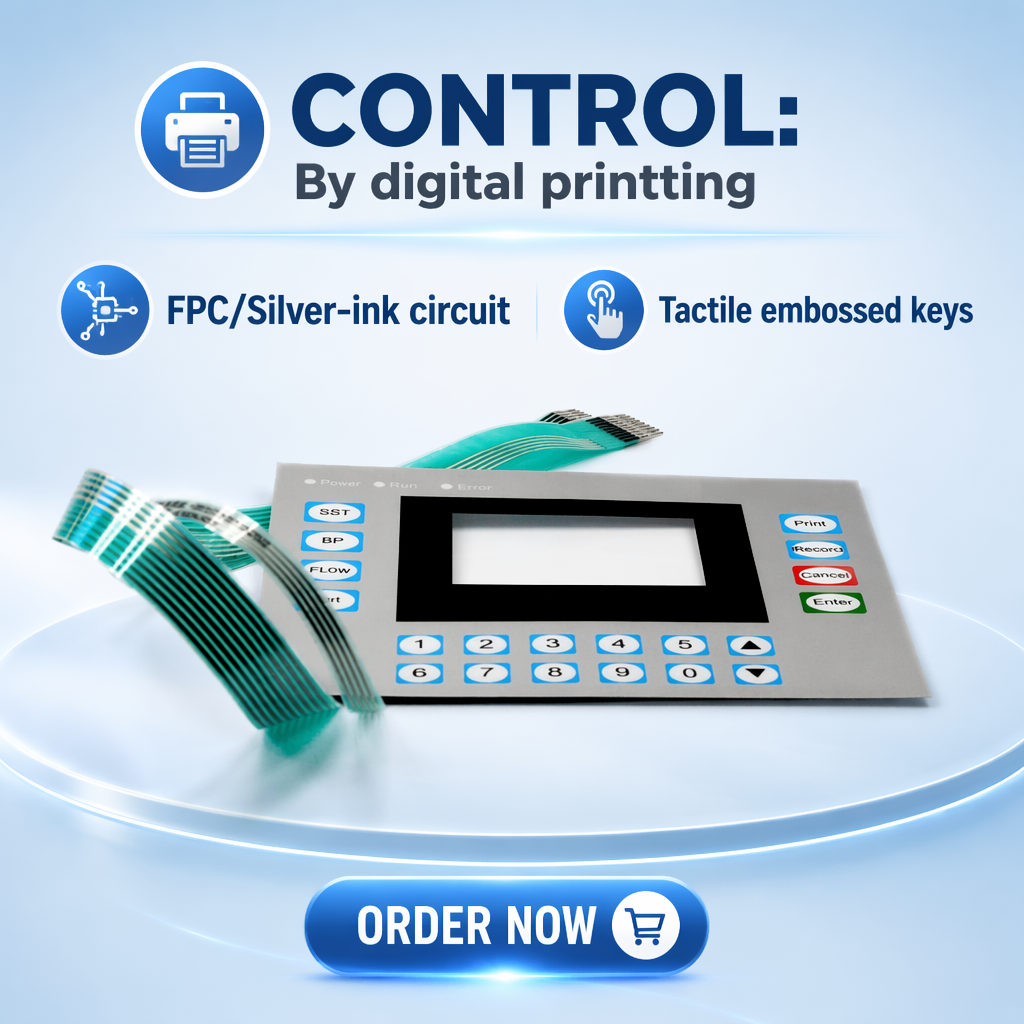
Custom FPC Membrane Switch With Embedded LED Backlight Flexible Circuit Keypad for Smart Home Appliance
Precision Acrylic Display Window Engineering: Material Science & Optical Clarity
An in-depth technical analysis for global OEM product designers, electrical engineers, and strategic procurement managers evaluating optical PMMA window solutions.
The Role of PMMA Acrylic in Modern HMI Interfaces
In modern Human-Machine Interfaces (HMI), industrial control terminals, medical diagnostic equipment, and premium household appliances, the display window is the primary visual and protective interface between the user and the underlying display panel (TFT-LCD, OLED, VFD, or LED digital readout). Selecting the optimal China Acrylic Display Window Manufacturer requires a deep understanding of optical physics, substrate durability, and environmental resistance.
Polymethyl Methacrylate (PMMA), commonly referred to as optical-grade acrylic, stands out as the premier choice for display lenses due to its exceptional light transmission rate reaching up to 92% to 93%. This light throughput exceeds that of standard float glass while offering half the weight and significantly higher shatter resistance. When manufactured under cleanroom conditions with controlled polymer chain alignment, acrylic display windows provide crystal-clear visual clarity without chromatic aberration or optical distortion.
Furthermore, acrylic substrates allow for sophisticated precision CNC machining, including 2.5D step bevels, countersunk mounting holes, precise perimeter chamfering, and intricate cutouts that are cost-prohibitive or physically impossible to achieve in tempered glass at volume scales.
Material Selection Matrix: PMMA vs. PC vs. PET vs. Glass
Engineering procurement decisions involve tradeoffs between mechanical impact resistance, surface hardness, light transmission, and manufacturing cost:
- Optical PMMA Acrylic: Best-in-class optical clarity (92%+ light transmission), outstanding UV stability without yellowing, chemical resistance to household cleaners, and easy laser/CNC machining. Standard hardness 2H, stretchable to 4H-6H with siloxane hard coatings.
- Polycarbonate (PC): Extreme impact strength and shatter resistance, ideal for anti-vandal industrial environments. Lower light transmission (~88%) and prone to surface scratching unless hard-coated. Sensitive to long-term outdoor UV degradation.
- PET Film Overlays: Highly flexible for thin membrane keypads (0.125mm–0.25mm), excellent flex-life for embossed tactile domes, but limited in structural rigidity for thick display lenses (>1.0mm).
- Glass Lenses: High pencil hardness (7H+), but brittle, heavier, expensive tooling, and prone to catastrophic shattering in rugged field conditions.
| Physical / Optical Property | Optical Grade PMMA (Acrylic) | Polycarbonate (PC) | Polyester (PET) Film | Tempered Glass |
|---|---|---|---|---|
| Light Transmission (%) | 92.5% – 93.0% (Highest) | 86.0% – 89.0% | 88.0% – 90.0% | 91.0% – 92.0% |
| Uncoated Pencil Hardness | 2H – 3H | HB – 1H | 2B – HB | 7H + |
| Hard-Coated Surface Hardness | 4H – 6H (Silicon UV-Cured) | 3H – 5H | 3H – 4H | N/A |
| Specific Gravity (g/cm³) | 1.19 | 1.20 | 1.40 | 2.50 |
| UV Resistance (Outdoor 5-Yr) | Excellent (Non-yellowing) | Poor (Requires UV Block) | Moderate | Excellent |
| CNC Milling & Beveling Versatility | Superior (Clean 2.5D/3D bevels) | Good | N/A (Die-cut thin sheet) | Extremely Expensive |
Future Sourcing & Technology Trends in Display Window Manufacturing (2025–2030)
Key technological shifts and supply chain dynamics transforming custom acrylic window sourcing for global equipment manufacturers.
1. OCA Optical Bonding & Zero-Parallax Displays
Traditional display window installations leave an air gap between the acrylic lens and the underlying LCD/OLED module. This air gap causes internal reflections, reduces outdoor readability under direct sunlight, and collects moisture or dust.
Leading Chinese acrylic display window manufacturers are rapidly adopting Optically Clear Adhesive (OCA) and Liquid OCA (LOCA) optical bonding. By filling the air gap with a refractive index-matched clear resin, optical reflection is reduced by up to 400%, readability increases dramatically, and structural shock absorption improves by 300%.
2. Nano-Surface Functional Coatings (AR, AG, AF)
Modern HMI applications demand specialized surface treatments to maintain optical clarity in harsh ambient lighting conditions:
- Anti-Glare (AG): Chemical etching or textured micro-replication diffuses harsh specular reflection, preventing mirror-like glares in bright factory floors or outdoor solar exposure.
- Anti-Reflective (AR): Vacuum vacuum-deposited multi-layer dielectric coatings increase light transmittance to over 96% while reducing surface reflection to below 0.5%.
- Anti-Fingerprint (AF / Hydrophobic): Oleophobic nano-coatings reduce smudging from human touch and facilitate easy wipe-down cleaning in medical and food-processing environments.
3. "Dead-Front" & Hidden-Until-Lit Window Effects
Design aesthetics in smart home appliances and automotive cockpits increasingly favor sleek, seamless black glass looks. Utilizing specialized semi-transparent smoked inks and micro-translucent silk-screen formulations, Chinese manufacturers create Dead-Front Display Windows.
When the underlying LED or display is powered off, the acrylic panel appears completely solid black, matte gray, or silver, matching the surrounding graphic overlay. Once illuminated, the display icons and digits shine through crisp and clear with zero light bleed.
4. Integrated Hybrid HMI Assemblies & Factory Consolidation
Global OEMs are moving away from multi-vendor sourcing where the acrylic display lens is bought from one vendor, the graphic overlay from another, the membrane switch layer from a third, and assembly completed manually in-house. Sourcing fragmented components increases cumulative tolerance stack-up errors, yields higher scrap rates, and inflates logistics costs.
The dominant industry trend is sourcing complete Integrated HMI Modules directly from certified China manufacturers. By combining precision CNC acrylic cutting, multi-color digital UV/screen printing, capacitive touch sensor lamination, FPC flexible circuit tail bonding, and IP67 rear gasket adhesives into a single tested assembly, OEMs shorten production lead times and lower total cost of ownership (TCO).
Precision Manufacturing & Fabrication Processes for Custom Acrylic Lenses
A step-by-step engineering breakdown of how raw optical PMMA sheet material is processed into high-precision, hard-coated display windows.
Optical Sheet Selection & Cleaning
Production begins with high-purity optical-grade PMMA cast or extruded sheets. Materials are inspected under polarized light for internal stress, bubbles, or inclusions in Class 10,000 cleanroom environments.
Precision CNC Cutting & 2.5D Beveling
High-speed automated CNC engraving routers cut the acrylic perimeter to tolerances within ±0.05mm. Polishing cutters apply diamond-polished 45-degree or V-groove step bevels for elegant border styling.
Screen & Digital UV Printing
Precision silk-screen printing machines apply reverse-printed sub-surface graphics, opaque border masks, metallic inks, and Pantone-matched color filters, preserving the top pristine optical surface from wear.
Siloxane Hard Coating & Lamination
A UV-cured siloxane hard-coat resin is applied to elevate scratch resistance up to 4H–6H Pencil Hardness. High-tack 3M transfer adhesives (e.g., 3M 467MP, 468MP, 200MP) are precision die-cut and laminated on the rear rim.
Why Partner with TAVO Electronic Information Technology
Combining three decades of membrane switch manufacturing expertise with advanced optical display window processing and German engineering alignment.
In-House Production Infrastructure & Cleanrooms
TAVO Electronic Information Technology Co., Ltd. operates a verified 2,219+ square meter manufacturing facility located in the Robot Industry Port of Xianghe Economic and Technological Development Zone, Hebei, complemented by a dedicated Southern China production base in Huizhou, Guangdong.
Unlike trading intermediaries that outsource process steps to unverified job shops, TAVO executes every phase of production completely in-house:
- 60 CNC mold-making and engraving machines for rapid tooling and high-precision acrylic bezel milling.
- 37 precision silk-screen printing lines alongside Mimaki high-resolution UV digital printers for complex gradient artwork and color-critical dead-front filters.
- 18 precision laser cutting and die-punching stations ensuring tight-tolerance cutouts for displays, connectors, and mounting studs.
- Dust-free cleanroom laminating environments eliminating microscopic dust trapped under optical windows or OCA adhesive layers.
International Quality Assurance & German Technical Cooperation
TAVO's quality control framework is anchored by an ISO 9001 certified management system and on-site factory verification by Intertek. To meet the stringent quality standards required by European and North American OEMs, TAVO maintains long-term technical cooperation with leading German membrane switch manufacturers, exchanging technical personnel, equipment calibration methodologies, and process innovations.
Every acrylic window and membrane switch assembly undergoes comprehensive reliability testing in TAVO's internal laboratory:
- Computerized Circuit Continuity Testers: 100% automated electrical pin-out and resistance verification.
- Button Life-Cycle Testing: Mechanical actuation testing up to 1,000,000+ operations per key.
- Programmable Thermal & Humidity Chambers: Environmental aging from -40°C to +85°C.
- Xenon Lamp UV Aging & Salt Fog Spray Chambers: Accelerated weatherometer testing to guarantee long-term optical non-yellowing and corrosion-resistant adhesive bonding.
Frequently Asked Questions by Global Sourcing Managers
Clear, definitive technical answers addressing custom acrylic window fabrication, engineering tolerances, lead times, and design artwork submission.
What files and engineering drawings are required to start a custom acrylic display window quotation?
1. Vector Mechanical Outline Drawing: 2D (DXF, DWG, or PDF) detailing overall dimensions, thickness, bevel angles, radius corners, and cutouts with tolerances.
2. Graphic Artwork File: Vector format (Adobe Illustrator .AI, CorelDraw .CDR, or vector PDF) specifying Pantone (PMS) or RAL color codes for reverse-printed borders and dead-front filters.
3. Material & Surface Treatment Specs: PMMA acrylic grade, surface hardness requirements (e.g., 4H hard coating), anti-glare (AG) or anti-reflective (AR) specs, and adhesive tape choice (e.g., 3M 467MP, 3M 468MP, or waterproof foam gaskets).
How do custom acrylic display windows achieve scratch resistance higher than standard raw PMMA?
What is a "Dead-Front" acrylic display window and how does it work?
Can TAVO integrate acrylic display windows into complete waterproof IP67 membrane keypads?
What are the standard dimensional tolerances for CNC milled acrylic display windows?
Does TAVO support small-batch prototype prototyping and pilot runs before mass production?
What optical adhesives are used for mounting acrylic windows onto enclosures or LCD displays?
What accepted trade delivery terms and payment methods are available for international orders?
Ready to Engineer Your Custom Acrylic Display Window Solution?
Send us your outline drawings, artwork files, or physical specifications. TAVO's engineering team will review your project for manufacturability, recommend optimal material stack-ups, and provide a competitive factory-direct quote within 24 hours.