Featured Embedded LED Keypads & Custom HMI Assemblies
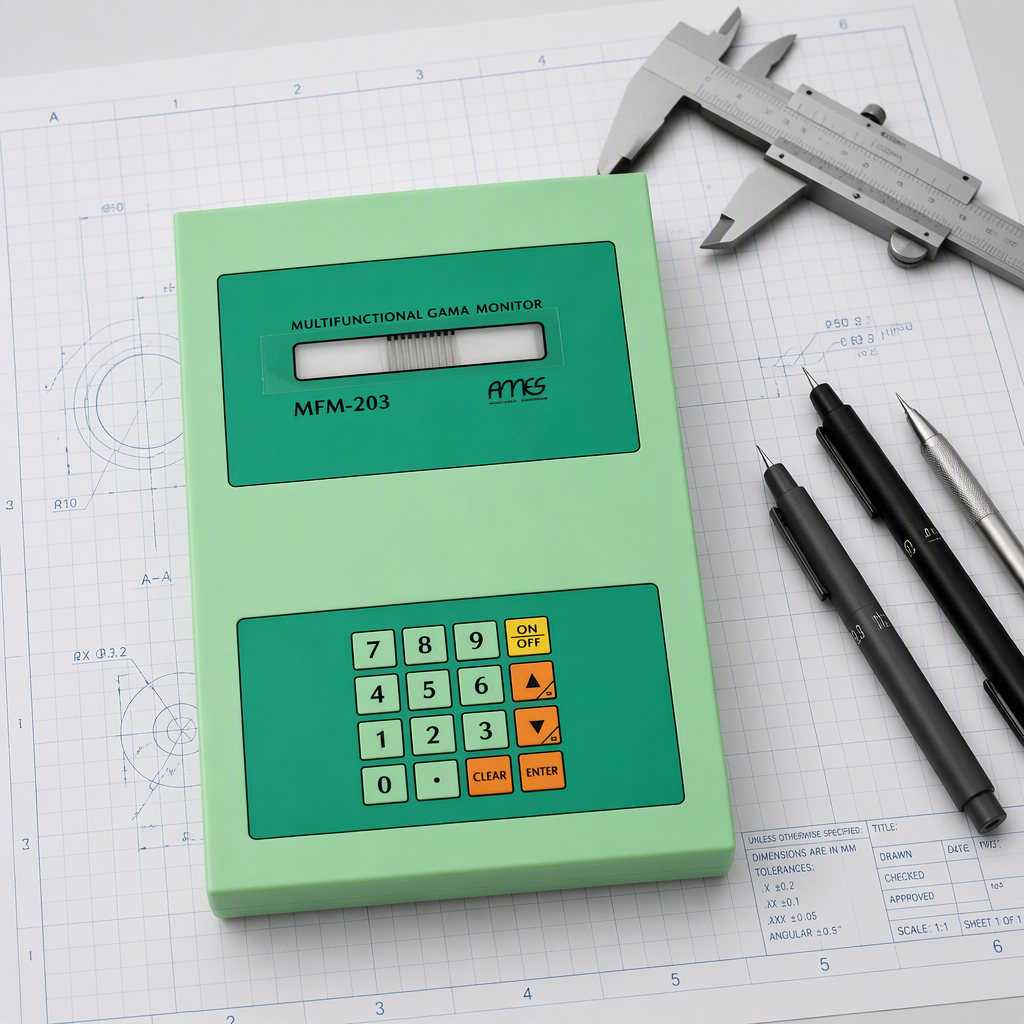
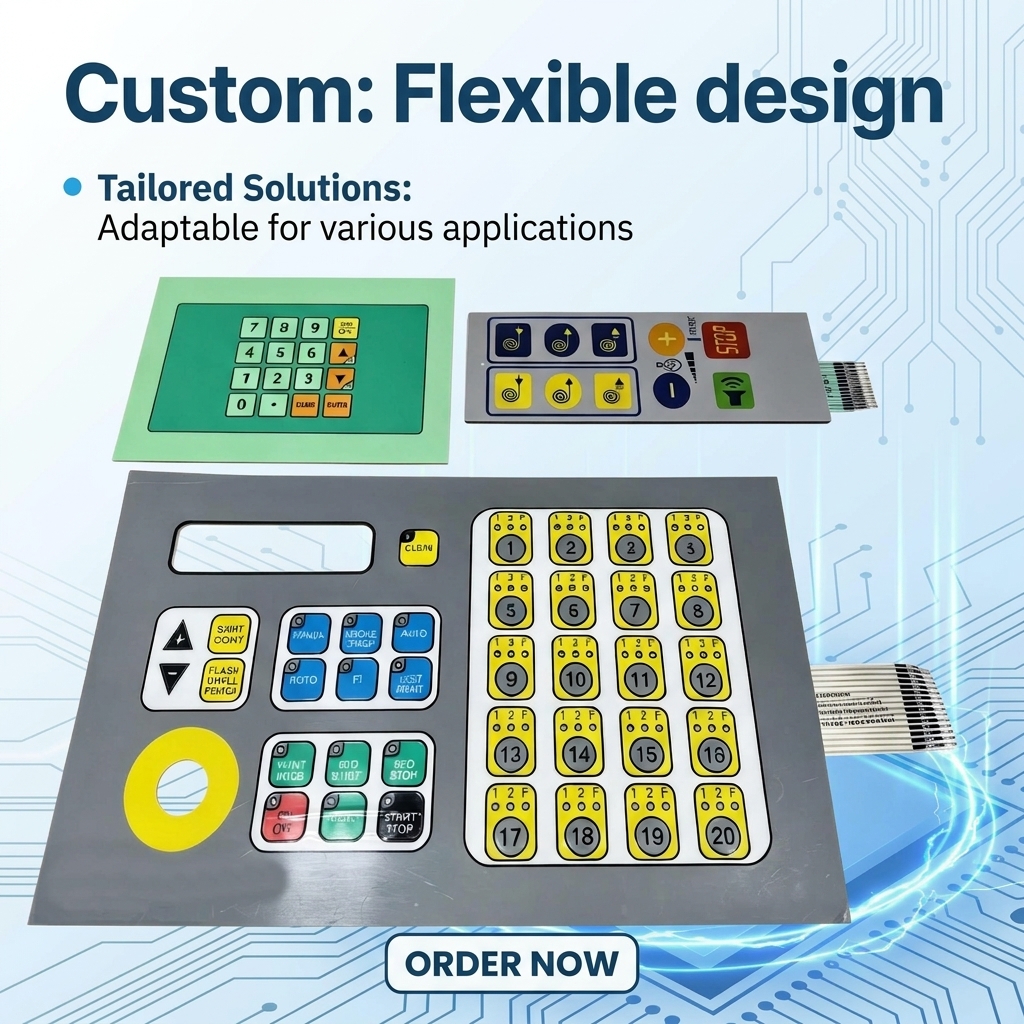
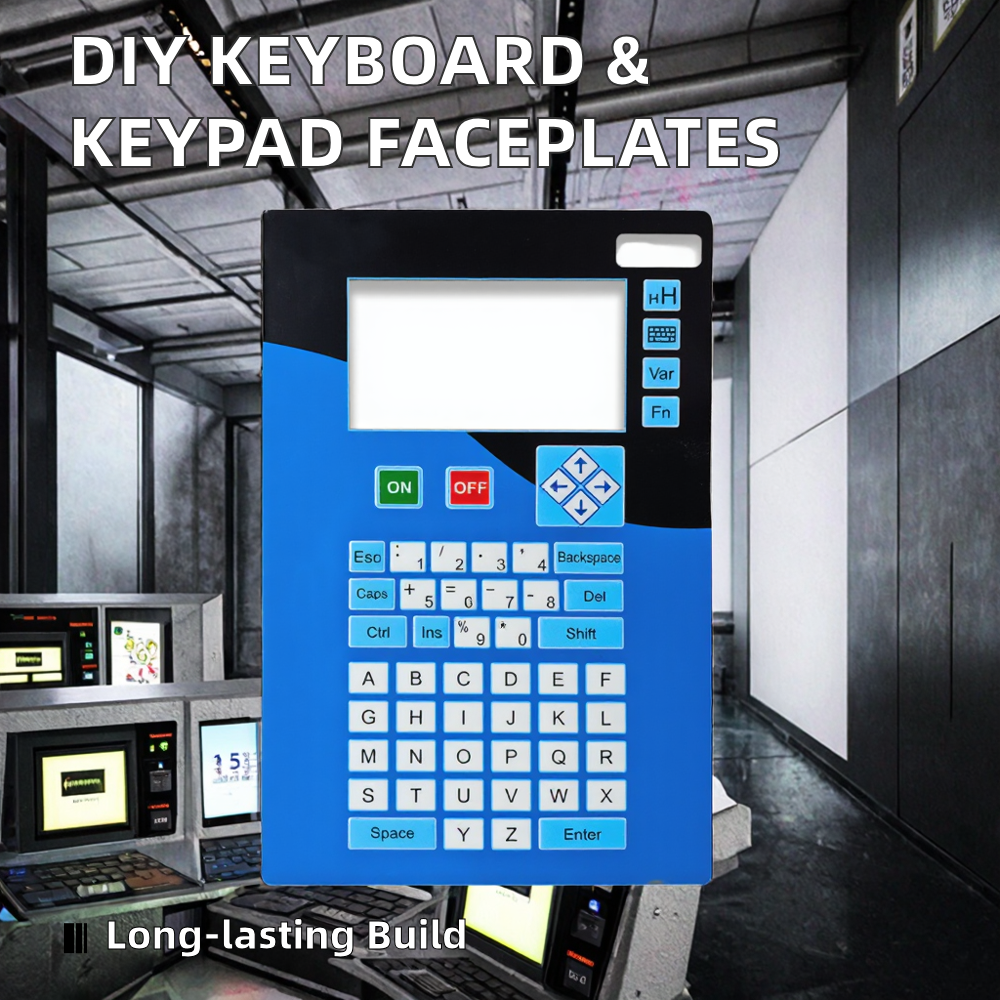
Explore our ISO 9001-certified factory product range. All units feature full custom design flexibility, rugged sealing up to IP67, and high-reliability key actuation life cycles.
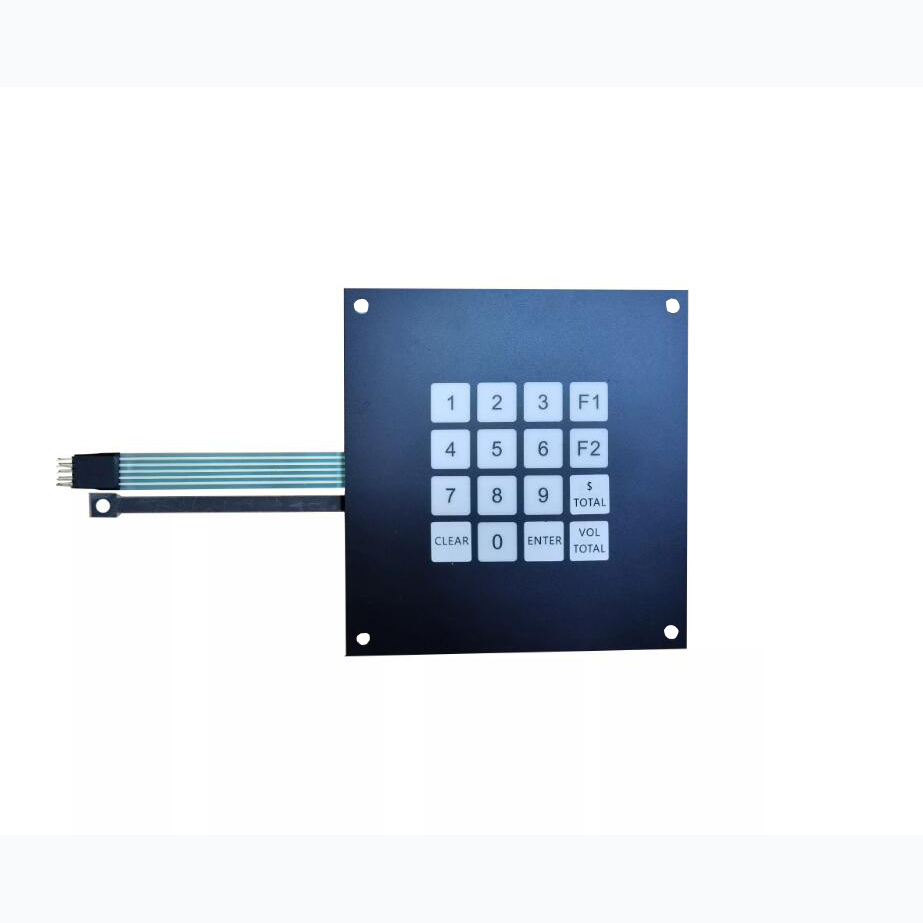
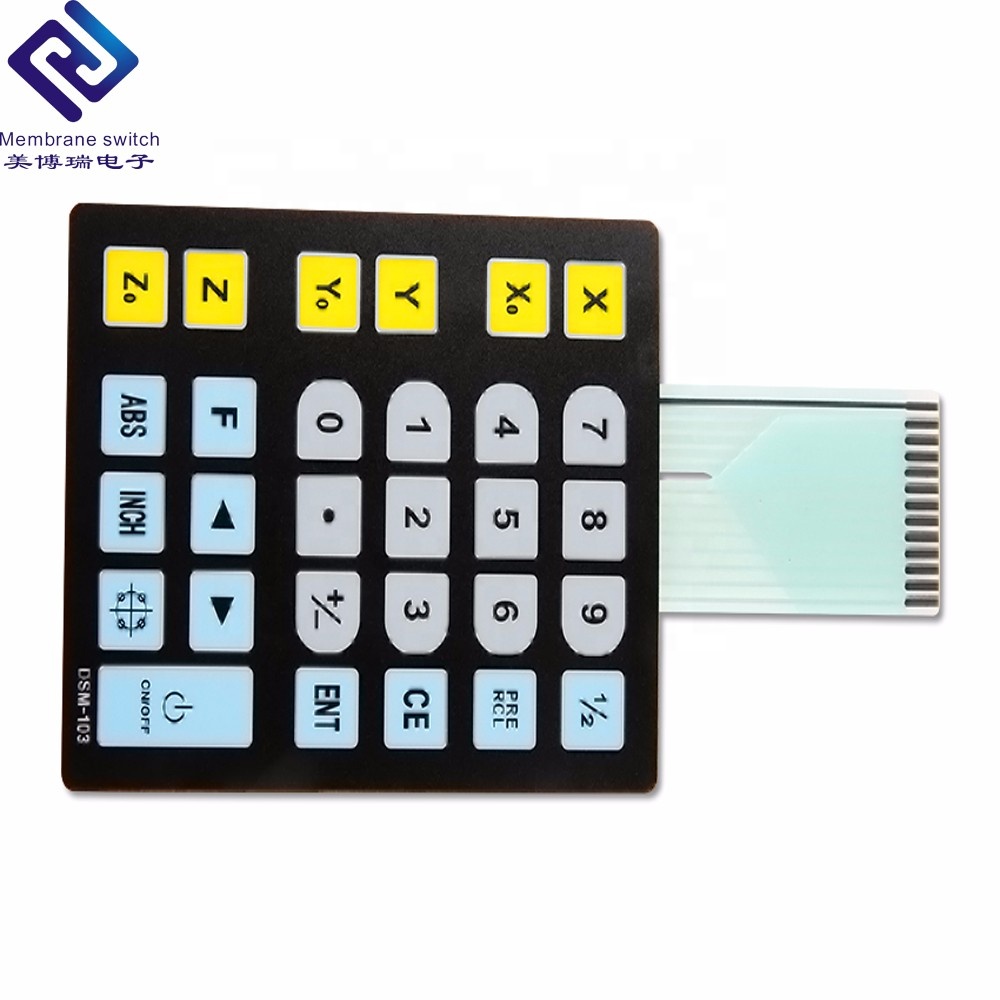
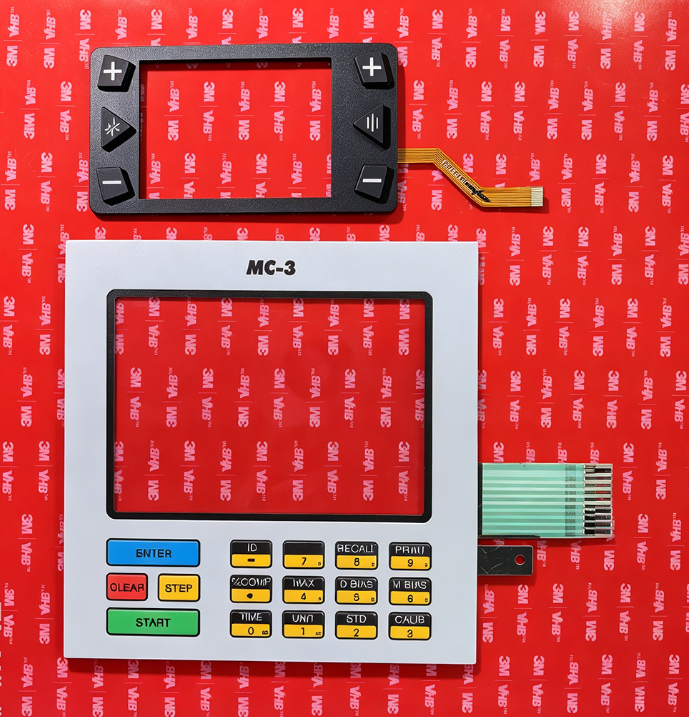
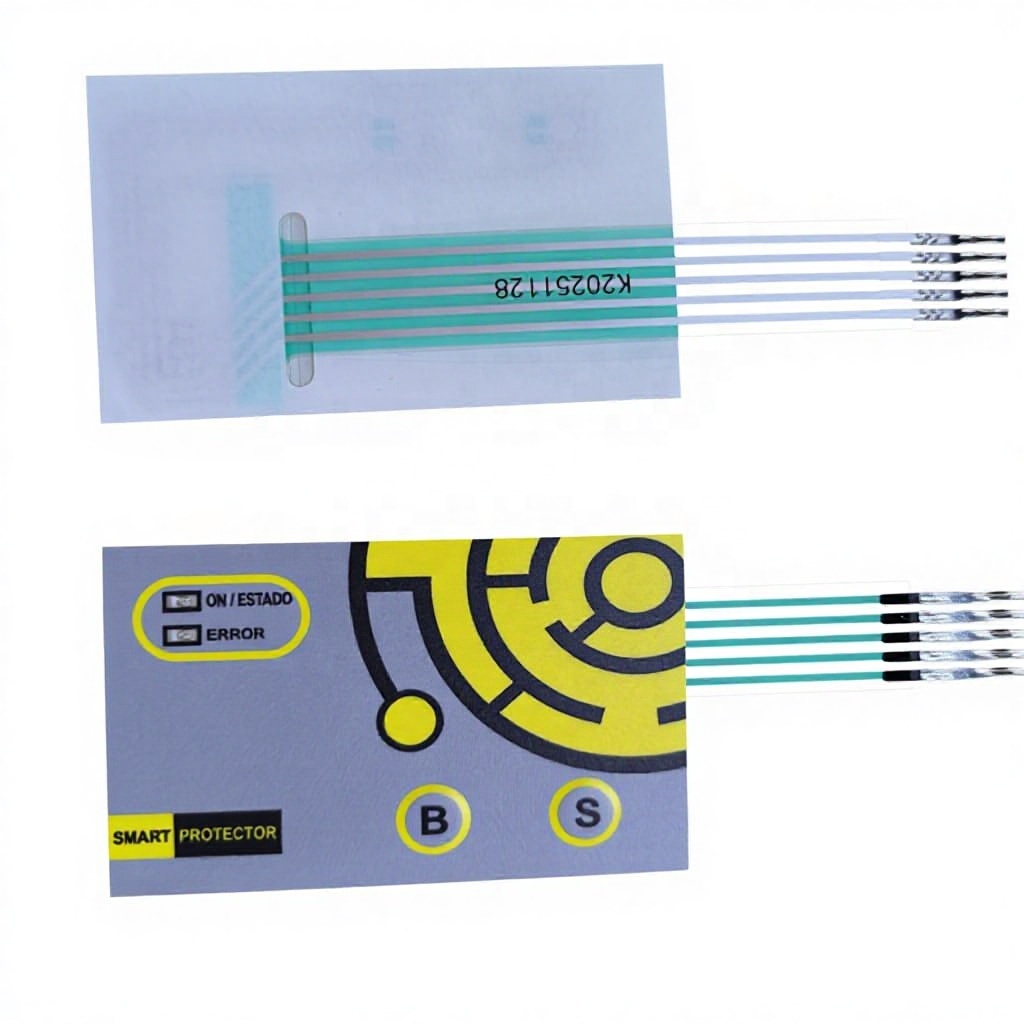
1. Engineering Whitepaper: Architecture of Embedded LED Keypads
Embedded LED keypads serve as the front-line interface between human operators and microcontrollers in complex electrical systems. Unlike passive graphic overlays, embedded LED keypads integrate surface-mount technology (SMT) LEDs directly into the flex circuit layer (PET silver circuit or polyimide FPC). This spatial efficiency eliminates the need for separate PCB status indicator lights, saving valuable panel depth and reducing assembly labor costs for OEM instrument manufacturers.
Anatomy of a Multi-Layer Embedded LED Membrane Switch
To achieve reliable tactile response, visual clarity, and fluid resistance, a top-tier China embedded LED keypad is constructed from five to seven precise layers bonded by high-performance pressure-sensitive adhesives (such as 3M 467MP or 3M 468MP):
Layer 1: Graphic Overlay
Engineered from Autotex XE/Fine Polyester (PET) or Polycarbonate (PC). Features sub-surface digital UV or screen printing, custom embossing (rim or pillow), and anti-glare display windows.
Layer 2: Tactile Dome Retainer
Houses stainless steel metal domes (four-leg or round, actuation force 220g to 450g) or poly domes, providing crisp snap feedback and long actuation lifespan (>1,000,000 cycles).
Layer 3: Circuit & SMT LED Layer
Flexible Polyimide FPC or Silver Ink PET circuit featuring low-profile SMT chip LEDs (0603, 0805, or 1206 packages). LEDs are encapsulated in UV resin to prevent shear stress cracking.
Substrate Selection: FPC vs. PET Silver Conductive Circuit
Selecting the correct underlying circuit layer is paramount when designing embedded LED keypads for outdoor, medical, or railway environments. Below is a technical comparison for procurement engineers:
| Engineering Parameter | PET Silver Printed Circuit | Polyimide Flexible Printed Circuit (FPC) |
|---|---|---|
| Substrate Material | Polyester (PET) Film (125μm - 175μm) | Polyimide (PI) Copper Clad Laminate |
| Trace Conductive Material | Screen-printed conductive silver/carbon ink | Etched rolled annealed (RA) copper foil |
| Trace Resistance | Higher (< 100 Ω depending on trace length) | Ultra-low (< 1 Ω), ideal for complex circuit lines |
| SMT LED Solder Reliability | Conductive epoxy bonding (medium fatigue resistance) | Reflow soldering / lead-free SMT (high shear strength) |
| Operating Temperature | -20°C to +70°C | -40°C to +85°C (Extreme industrial rated) |
| Minimum Pitch / Density | 1.0 mm trace pitch | 0.5 mm or finer pitch (High density ZIF ready) |
Need Custom Embedded LED Keypad Engineering Drawings?
Our 10-person CAD/CAM engineering team converts your DXF, AI, or Gerber files into production-ready proof drawings within 24 hours.
Get a Quote2. Enterprise Advantages: Why Source from TAVO Electronics
TAVO Electronic Information Technology Co., Ltd. represents over three decades of operational mastery in human-machine interface manufacturing. Located in the Robot Industry Port of Xianghe Economic and Technological Development Zone, Hebei, alongside a strategic southern processing base in Huizhou, Guangdong, TAVO guarantees dual-plant production security, mitigating regional supply chain bottlenecks for global buyers.
German Technical Synergy
Maintains long-term technical cooperation with German membrane switch experts, sharing engineering protocols, equipment standards, and quality management frameworks to meet European specifications.
Verified Quality Control Lab
100% in-house testing using computer circuit testers, key life-cycle testers, humidity/temperature chambers, xenon aging chambers, and automatic salt fog testing chambers.
Advanced Tooling & Printing Equipment
Operates 37 precision screen printers, 4 Mimaki heat-setting digital UV printers, 18 laser cutters, 60 CNC mold-making units, and 7 digital engravers for rapid prototyping.
3. Future Sourcing Trends in Embedded LED Keypads (2025–2030)
As medical devices, fueling systems, telecommunication equipment, and industrial HMIs demand sleeker profiles and enhanced functionality, procurement leaders must align with suppliers offering forward-looking technologies:
Trend 1: Light Guide Film (LGF) Uniform Backlighting
Traditional point-source LEDs often suffer from localized "hotspots" and light bleed under graphic keys. Future-ready procurement favors Light Guide Film (LGF) integration. By placing a micro-structured optical acrylic film above edge-lit side-view SMT LEDs, light is evenly refracted across key graphics, text, and logos with a total thickness impact under 0.2mm.
Trend 2: Integration of Capacitive Touch & Optical Clear Adhesives (OCA)
Mechanical key wear is avoided by pairing capacitive touch sensors with embedded status LEDs. Utilizing OCA (Optical Clear Adhesive) bonding, clear display windows are seamlessly laminated directly to LCD screens or touch sensor glass, forming fully sealed, IP68-rated cleanroom-compatible interfaces for medical and food-processing equipment.
Trend 3: Environmental EMI/ESD Shielding & Metal Backers
Industrial noise and high static environments require integrated electrostatic discharge (ESD) and electromagnetic interference (EMI) protection. Sourcing trends show a shift toward embedding printed aluminum foil or conductive carbon grids grounded to rigid aluminum or FR4 backer plates, protecting internal microcontrollers from up to 15kV static discharge.
4. Product Development & Material Innovations
The evolution of embedded LED keypads focuses heavily on chemical resistance, tactile ergonomics, and hybrid manufacturing processes:
- Hard-Coated Anti-Microbial Films: Utilizing textured PET films infused with silver-ion antimicrobial additives to withstand aggressive hospital disinfectants and continuous wipe-downs without yellowing.
- Hybrid Rubber Keypads with Membrane Circuits: Combining soft-touch silicone rubber buttons featuring carbon pills or actuators with underlying flexible circuits and bright SMT backlighting for rugged outdoor field devices.
- Digital UV Direct-to-Substrate Printing: Bypassing traditional film phototooling for short-run prototypes using high-resolution Mimaki UV printers, reducing sampling lead times from weeks to under 4 days.
5. Comprehensive Procurement & Technical FAQ
Essential answers for sourcing directors, quality control managers, and hardware engineers evaluating China embedded LED keypad manufacturers:
What files are required to initiate a custom embedded LED keypad quotation?
To provide an accurate engineering quote and stack-up recommendation, please provide:
- Mechanical dimensional outline drawing (PDF, DXF, or STEP).
- Graphic artwork specifying Pantone or RAL color codes, window tinting, and key embossing styles (Vector AI or CDR format).
- Circuit schematic or pin-out layout detailing LED polarity, common anode/cathode, and connector pin pitch.
- Operating environment details (indoor/outdoor, ambient temperature range, exposure to chemicals or UV).
- Estimated annual procurement volume (EAU) and batch sample requirements.
How are SMT LEDs integrated into flexible silver ink PET circuits without cracking?
For PET silver circuit layers, component soldering via standard reflow is not feasible due to PET's thermal deformation point. TAVO utilizes specialized conductive silver epoxy and automated pick-and-place placement equipment. Once mounted, each LED is encapsulated in a protective UV-cured structural epoxy dome, relieving flex stress on conductive joints and guaranteeing robust vibration resistance during transport and operation.
What is the difference between poly dome and metal dome tactile feedback?
Poly Domes: Formed directly into the PET graphic layer or internal spacer using heat embossing. They offer a softer, quieter tactile feel with a lower unit cost, suitable for moderate actuation frequencies (~100,000 to 500,000 cycles).
Metal Domes: Stainless steel tactile snap domes placed above circuit pads. They offer a crisp, audible tactile snap feedback with superior temperature stability (-40°C to +85°C) and an extended operational life exceeding 1,000,000 actuations.
Can TAVO supply complete HMI sub-assemblies including metal backers and PCB host boards?
Yes. TAVO specializes in box-build HMI integration. We bond membrane switch keypads onto precision CNC-machined aluminum plates, stainless steel housings, or thick FR4 PCB backer boards. We also integrate SMT connectors, LCD/OLED display modules, and rubber keypads to supply turn-key plug-and-play assemblies directly to your factory line.
What quality assurance procedures prevent circuit open/short defects before shipment?
TAVO enforces a strict zero-defect quality gate policy under ISO 9001:
- 100% Electrical Continuity Testing: Automatic computer pin testers verify trace resistance, insulation resistance (>100MΩ at 100V DC), and LED forward/reverse voltage drops.
- Actuation & Force Curve Audits: Key snap force and travel depth are verified per batch.
- Adhesion & Environmental Audits: Cross-hatch ink adhesion testing and humidity/temperature chamber testing.
How does TAVO support small batch sampling and low MOQ orders?
Unlike standard industrial suppliers requiring massive minimum order volumes, TAVO supports pilot prototype runs and small-batch replenishment. By leveraging digital UV Mimaki printing and precision laser cutting, we eliminate expensive physical cutting dies for initial prototype phases, significantly lowering your upfront NRE (Non-Recurring Engineering) tooling costs.
Partner with China’s Leading Embedded LED Keypad Manufacturer
Optimize your equipment's user interface with cost-effective, high-durability embedded LED keypads engineered to exact international standards.
Get a Quote