Explore our high-durability ISO9001-certified membrane switch keypads, silicone rubber panels, and laser-ablated backlit control interfaces engineered for medical, industrial, and automotive electronics.
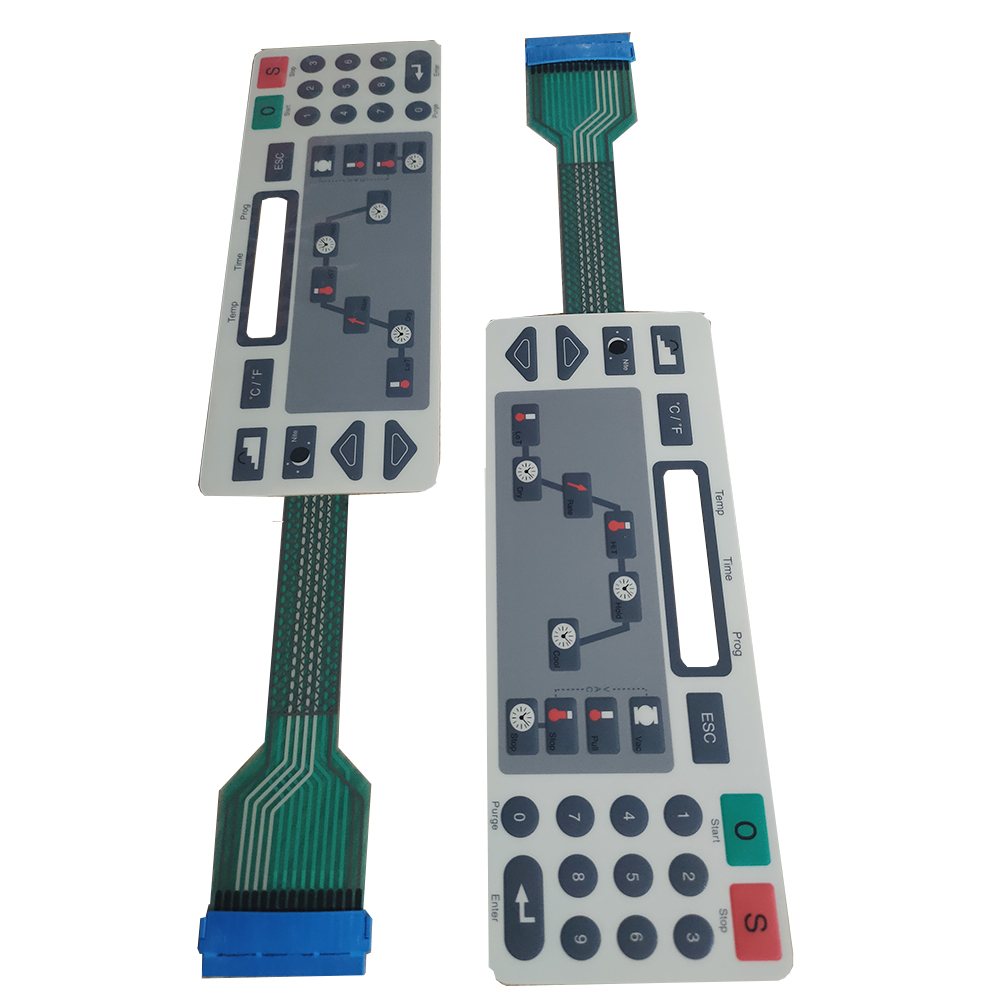
High Quality IP67 Waterproof 3M Adhesive Acrylic Metal/Poly Dome LCD Membrane Switch Custom Keypad Flexible Cable Custom Color
View Detail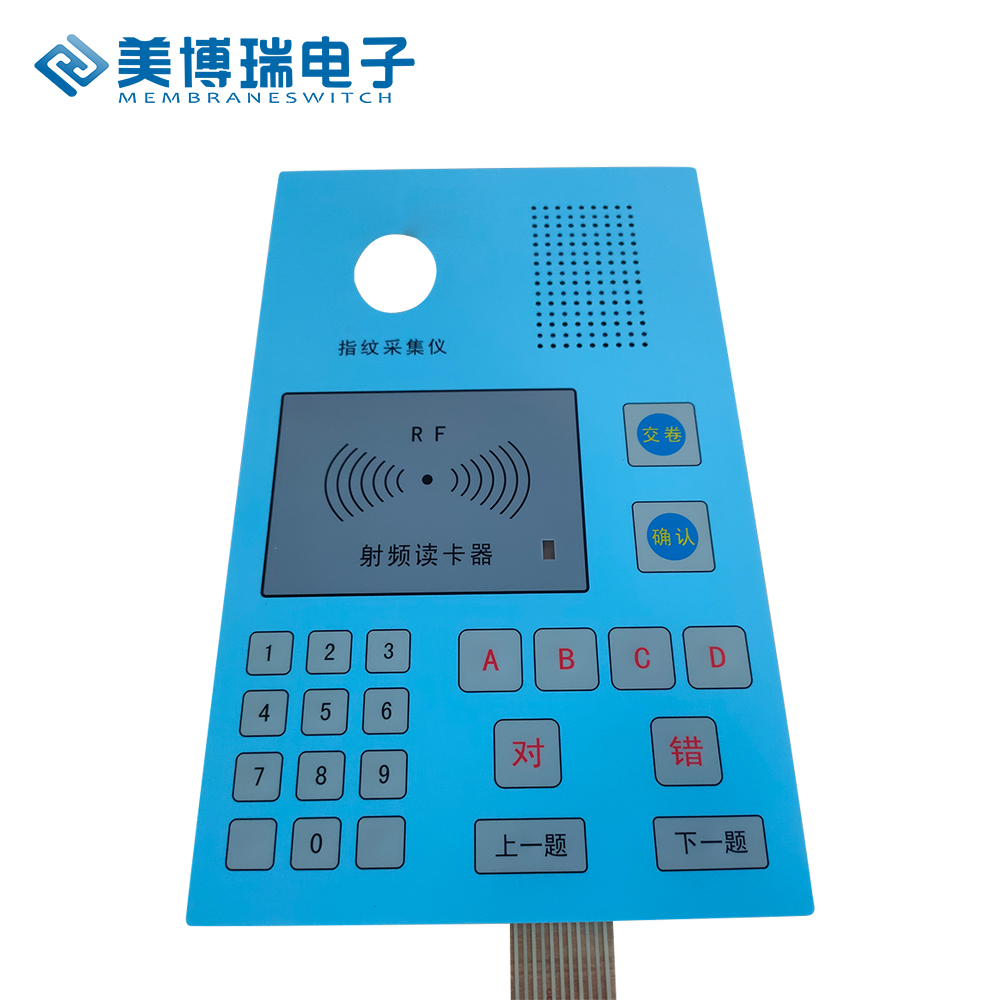
MBR ISO9001 Certified Environmentally Sealed Membrane Switches Keypad IP65 Waterproof 3M Adhesive Silver Ink Keyboard PET/PC/PVC
View Detail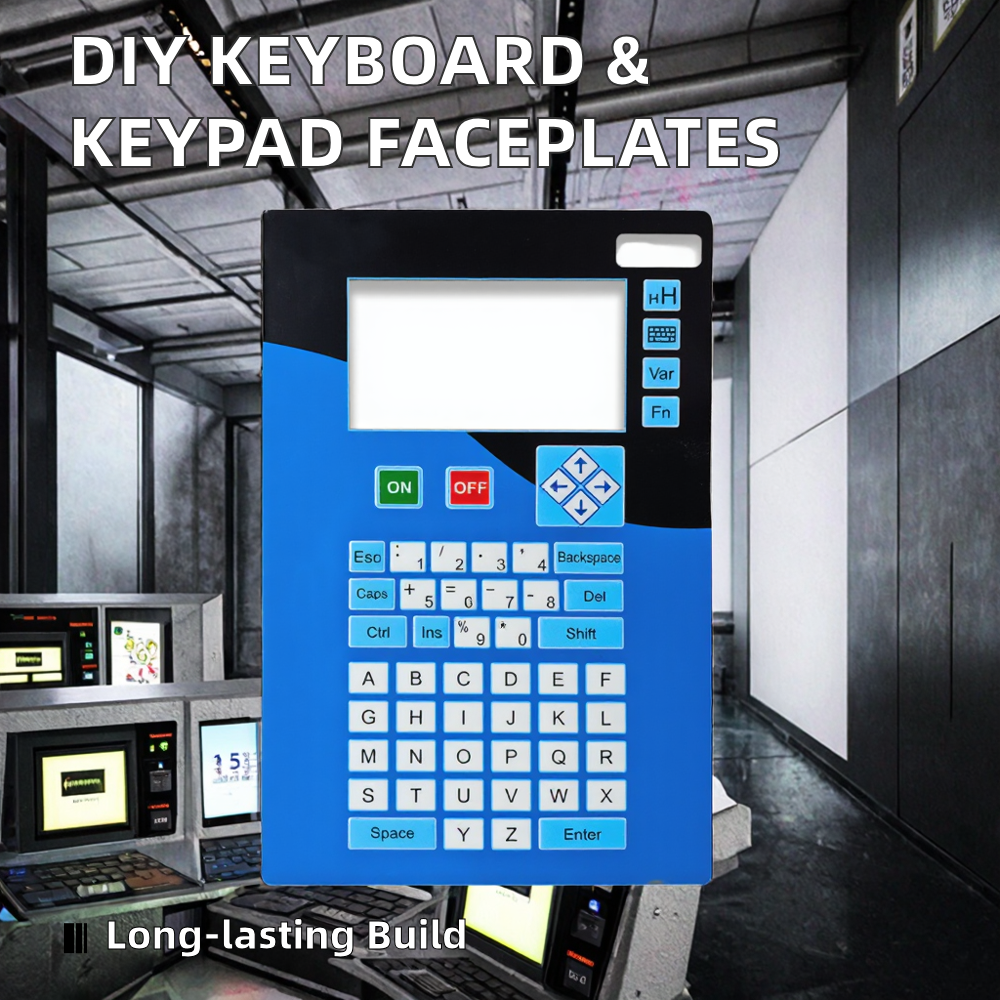
Custom Embossed Tactile Key Membrane Switch/Keypad/Keyboard Backlight LED Water-proof Panel Mounting ISO9001 Certified
View Detail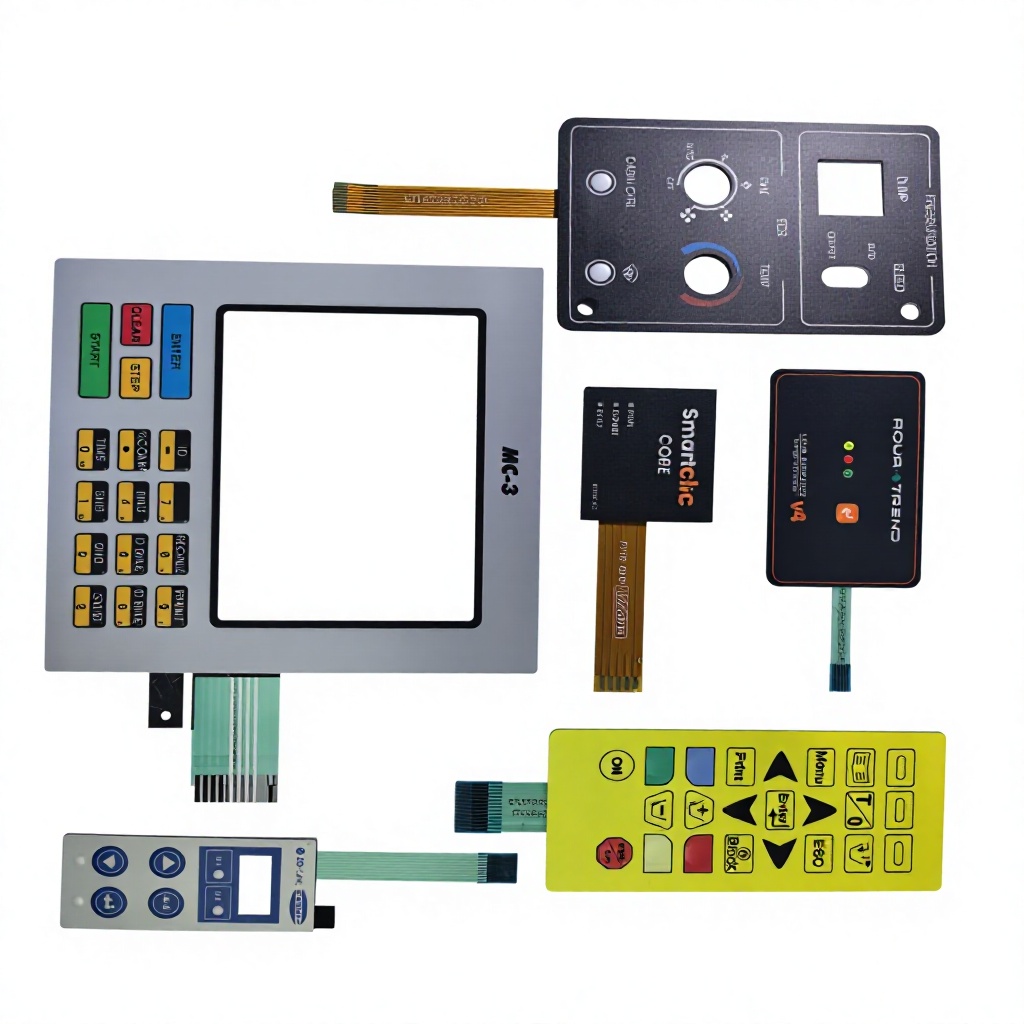
MBR Pet Conductive Film PET/PC Membrane Switch Board Waterproof Durable ISO9001 Certified Customized Size Metal Dome Tactile Key
View Detail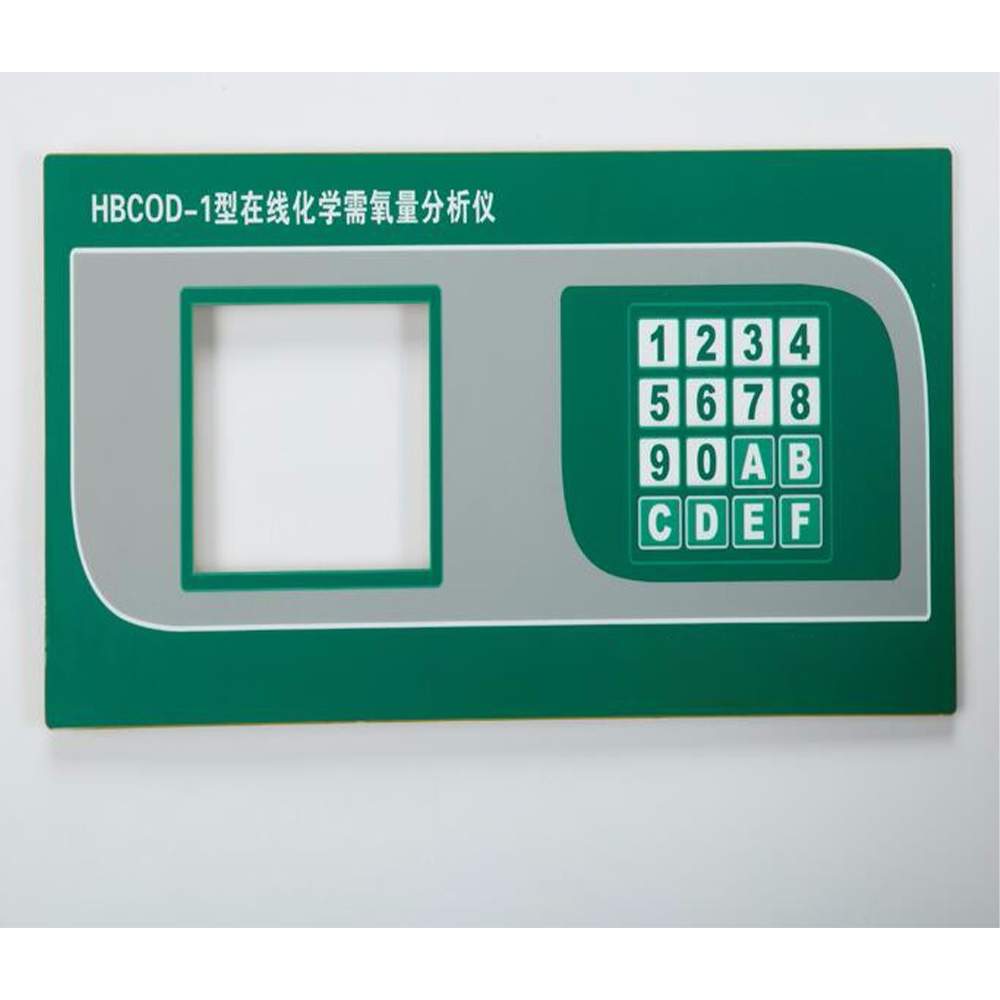
High Quality PET PC Membrane Keyboard Custom Logo Customized Color/Size Fast Delivery MBR Meiborui
View Detail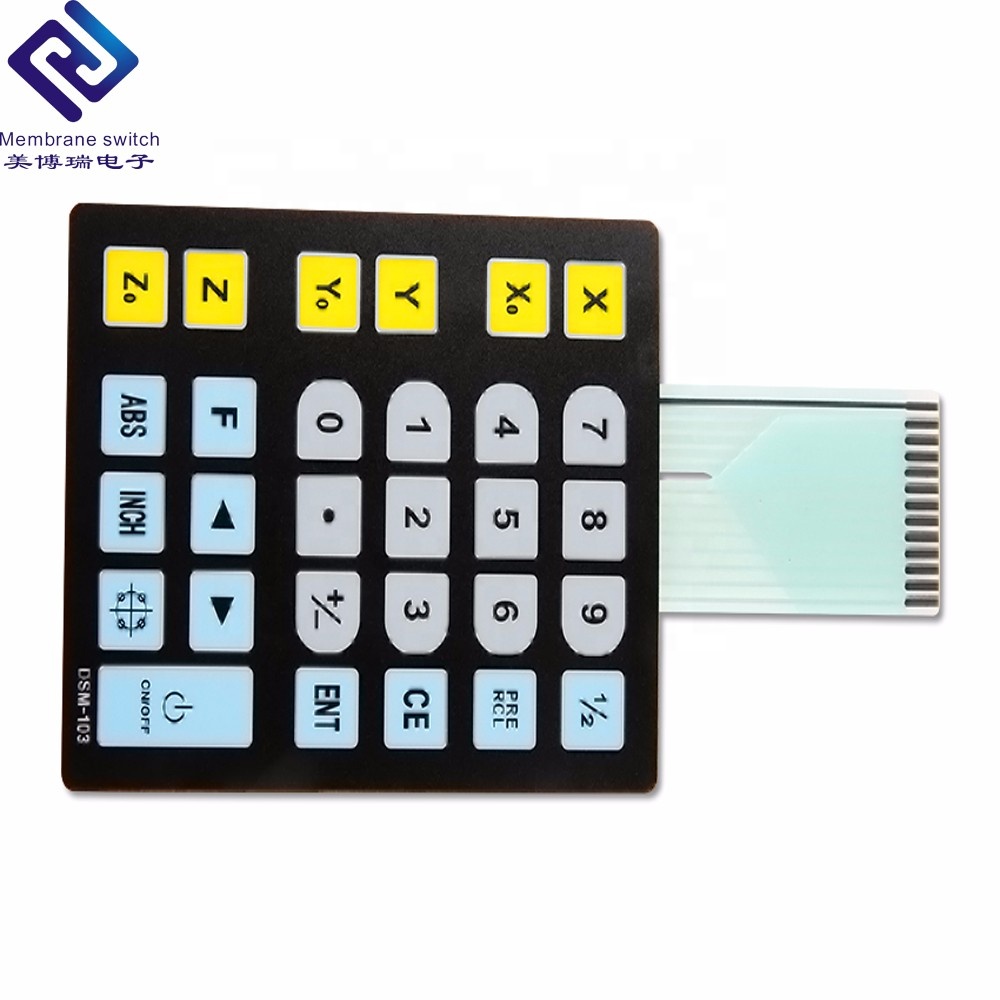
Factory Membrane Switch Keypad with Rubber Buttons 4*4/1*4/3*4/4*5 Layout MCU Expansion Electronic Keyboard
View Detail
Fast Delivery OEM PBT Keyboard Cap Mechanical Switch Compatible Silkscreen Printed Customized Designs 2.54mm Pitch Factory
View Detail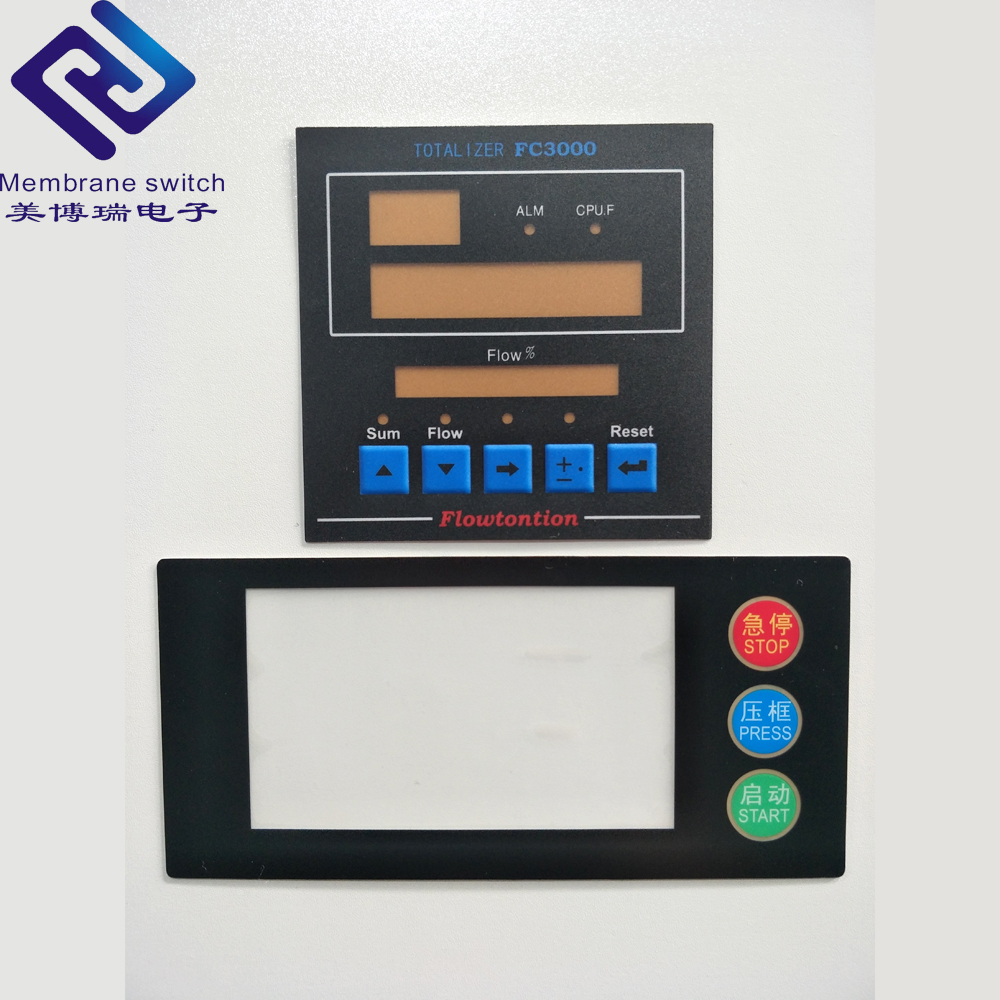
High Quality IP67 Waterproof 3M Adhesive Metal/Poly Dome LCD Membrane Switch Custom Keypad Flexible Cable Telecommunication
View Detail1. Technical Deep-Dive: Laser Etched Keypad Manufacturing & Laser Ablation Physics
Laser etched keypads—specifically laser-ablated translucent silicone rubber keypads and laser-marked polymer graphic panels—represent the gold standard in modern Human-Machine Interface (HMI) design. Sourcing engineered keypads from top Chinese manufacturers requires a rigorous understanding of laser ablation physics, coating polymer chemistry, and optical backlight dispersion mechanics.
The core process of manufacturing a backlit laser etched keypad relies on controlled photochemical and photothermal ablation. A translucent silicone rubber substrate or optical PET substrate is first molded into shape. Subsequently, multiple specialized ink coatings are spray-applied in layered sequences:
Translucent Base Coat
A translucent white or light-pigmented silicone/PU ink coating is applied evenly across the molded keypad substrate. This coat serves as the optical diffuser for internal LED backlighting.
Opaque Top Coat
An opaque top coat (typically black, dark grey, or custom Pantone matched color) is applied over the base layer. This layer blocks light spill and provides contrast for the final key legends.
Laser Vaporization
High-precision Fiber or CO2 galvo lasers etch away the opaque top coat according to CAD vector paths, exposing the translucent inner layer with micro-metric resolution (±0.02mm).
Information Gain Insight: Etch Spot Calibration & Coating Adhesion
In high-grade OEM manufacturing, standard laser etching often suffers from heat-affected zones (HAZ) leading to burred character edges or translucent coat discoloration. Leading China manufacturers utilize ultra-short pulse fiber laser markers paired with automatic vision alignment systems (CCD). By optimizing pulse frequency (20kHz-80kHz) and focal depth, the top opaque layer is vaporized cleanly without thermal degradation of the translucent base coat, ensuring crisp light transmission for night-vision and daylight ambient environments.
2. Enterprise Advantages: TAVO & Meiborui Manufacturing Capability Showcase
When selecting a custom keypad and membrane switch manufacturer in China, structural credibility, equipment ownership, and quality assurance workflows determine the success of high-volume OEM programs. TAVO Electronic Information Technology Co., Ltd. (associated with the MBR Meiborui product ecosystem) stands as a premier manufacturing enterprise backed by over three decades of specialist experience since 1990.
Dual Manufacturing Hub Operations
TAVO operates two fully integrated processing bases strategic to northern and southern supply chains: the primary facility in the Robot Industry Port of Xianghe Economic and Technological Development Zone (Hebei) and a high-capacity satellite facility in Huizhou (Guangdong). Spanning over 2,219 square meters of verified cleanrooms and testing centers, production scheduling is flexibly routed based on tooling requirements to guarantee uninterrupted lead times.
German Engineering & Intertek Audit
Beyond standard ISO 9001 quality management certification, TAVO maintains a long-term technical cooperation agreement with leading German membrane switch manufacturers. Onsite factory operations, working conditions, and financial health are independently audited and certified by Intertek, ensuring full compliance with European and North American OEM procurement protocols.
In-House Tooling, Laser & Printing Infrastructure
Trading companies and sourcing agents frequently outsource key processes, leading to quality variance and intellectual property risks. TAVO maintains complete in-house control across every step of production:
- 60 CNC Mold-Making & Engraving Stations: Precision steel and aluminum tooling fabrication for custom tactile domes, silicone keypads, and graphic overlay embossing dies.
- 37 Silkscreen Printing Lines & 4 Mimaki Digital UV Printers: Hybrid printing capabilities combining high-density screen inks (conductive silver ink, carbon pills, opaque background blockouts) with high-resolution digital color printing.
- 18 Precision Laser Cutting & Ablation Units: CO2 and Fiber laser processing systems for outline die-less cutting, display window clearing, and sub-millimeter laser legend etching.
- Comprehensive Testing Laboratory: Equipped with computer circuit continuity testers, dynamic key actuation life-cycle testers (1,000,000+ press endurance), programmable temperature/humidity chambers, xenon lamp UV aging chambers, and automatic salt fog corrosion chambers.
3. Future Procurement Trends for Laser Etched Keypads (2025–2030)
As global engineering teams shift toward smarter human-machine interfaces, industrial buyers and supply chain executives must adapt to emerging technology vectors driving laser etched keypad procurement:
Capacitive Touch & Laser Hybrid Integration
Transition from physical tactile switches to zero-profile capacitive touch panels featuring laser-etched backlit icons over glass or hardcoated PC panels with anti-microbial coatings.
LGF Backlighting Efficiency
Integration of ultra-thin Light Guide Film (LGF) behind laser-etched keypads. LGF reduces LED count by up to 70% while offering completely uniform luminance across complex graphic keys.
FPC & Rigid PCB Hybrid Backers
Replacing standard printed silver flex tails with multi-layer Flexible Printed Circuits (FPC) or rigid FR4 backers containing surface-mount (SMT) LEDs, IC controllers, and ZIF connectors.
Furthermore, sustainability metrics are reshaping Chinese OEM supplier criteria. Leading manufacturers are adopting solvent-free UV-curable inks, RoHS/REACH compliant silicone compounds, and eco-friendly laser cleaning systems that reduce VOC emissions during the coating vaporization phase.
4. Product Development & Design Engineering Trends
Engineers specifying custom laser etched keypads must balance tactile feel, environmental sealing, and visual clarity. Understanding key engineering trends ensures optimal drawing submittals and reduced prototype iterations:
Surface Hardcoating & Tactile Feel Optimization
To combat surface wear caused by chemical cleaning agents (in medical settings) or abrasive oil exposure (in industrial controls), laser-etched silicone keypads are finished with clear protective topcoats. Modern options include:
- PU (Polyurethane) Spray Coating: Delivers a smooth, soft-touch feel while maintaining resistance against yellowing and mild abrasion.
- UV-Cured Hardcoat Coating: Provides superior scratch resistance (pencil hardness up to 2H-3H) and chemical wear resistance against harsh industrial solvents, alcohol, and petroleum fluids.
- Epoxy Coating (Domer Caps): Clear resin drops applied to laser-etched key tops create a 3D glass-like lens effect, enhancing visual depth and key durability.
IP67/IP68 Environmental Sealing Engineering
For outdoor telecom, marine navigation, and rugged military gear, moisture ingress is the primary cause of circuit failure. Top manufacturers use continuous perimeter silicone seals, 3M 200MP/300LSE acrylic adhesives, and integrated gasket geometry to achieve complete IP67 or IP68 immersion protection.
Common technical questions answered by senior HMI engineers and sourcing specialists.
To deliver an accurate quote and DFM (Design for Manufacturability) analysis, please provide: 3D CAD files (STEP, IGES, or SolidWorks) for key geometry; 2D vector graphic artwork (Adobe Illustrator .AI, CDR, or DXF) with specified Pantone/RAL color codes; circuit schematic or pin-out definition for membrane circuits; LED backlight color requirements; and expected annual order volume.
Silkscreen printing directly applies colored inks to surface panels, making it suitable for solid non-illuminated graphics or simple window backlighting. Laser etching vaporizes an opaque layer to reveal a translucent substrate. Laser etching allows far higher graphic resolution (ideal for intricate backlight icons), eliminates screen alignment errors, and prevents light bleed around text borders.
Standard stainless steel metal domes (typically nickel or gold-plated) offer a tactile actuation life of 1,000,000 to 5,000,000 presses depending on dome force (160g to 400g) and travel distance. TAVO verifies key life cycles using automated multi-station actuation test equipment inside our in-house laboratory.
Yes. Utilizing digital UV printing, 18 precision laser cutting workstations, and fast-turn CNC die fabrication, TAVO supports lower Minimum Order Quantities (MOQ) for prototypes and pilot runs. This allows engineering teams to validate ergonomics and electrical connectivity prior to full mass-production tooling.
We support standard international trade terms including FOB, CFR, CIF, and EXW via air freight, express sea freight, or courier (DHL/UPS/FedEx). All keypads and membrane switches are produced under ISO 9001 quality management standards and tested for electrical continuity, actuation force, adhesion, and climatic endurance.
Partner with China's Premier Laser Etched Keypad Manufacturer
Looking for engineered membrane switches, laser-ablated backlit silicone keypads, or integrated HMI sub-assemblies for your next OEM project? Connect directly with our engineering team for DFM reviews, material samples, and competitive factory quotes.
Send an Inquiry