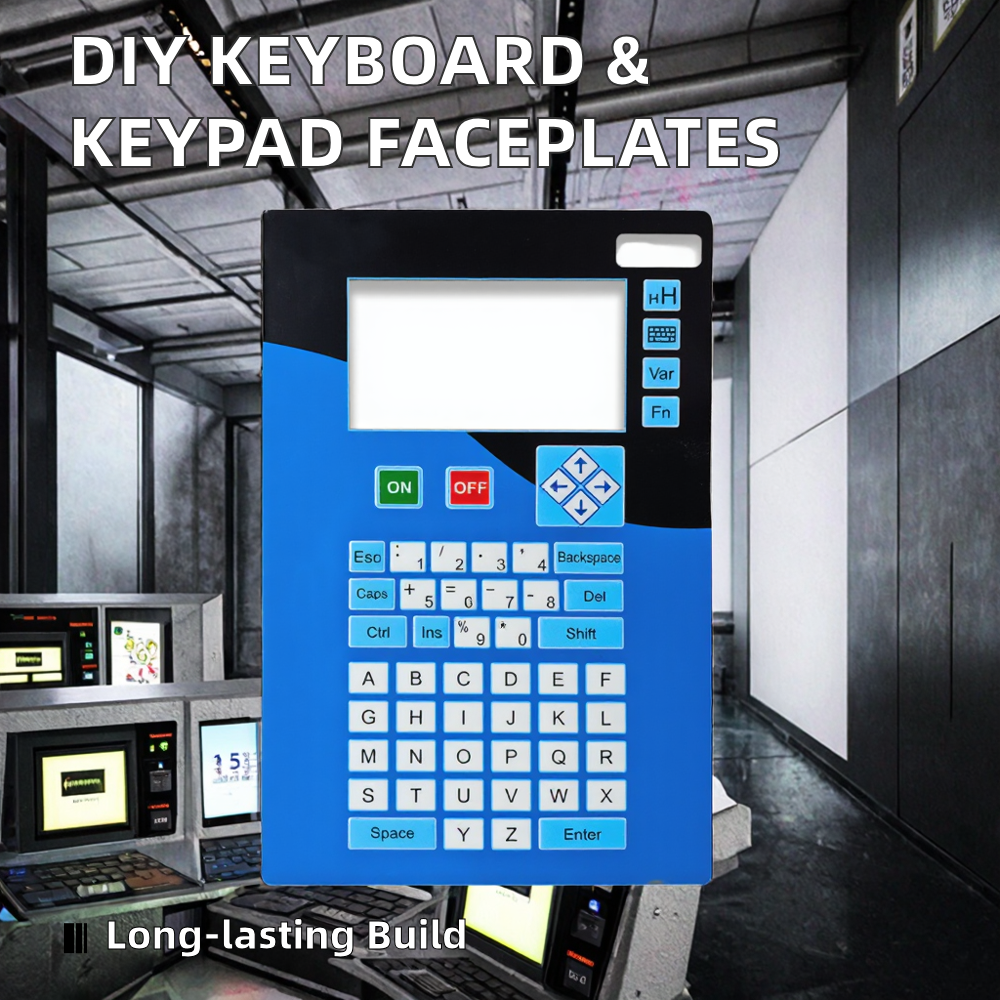
Factory Custom Assemblies
High-Precision Resistive & HMI Control Modules
Explore our certified custom-engineered membrane keyboards, tactile button panels, and integrated resistive HMI control assemblies designed for extreme durability and zero-latency input.
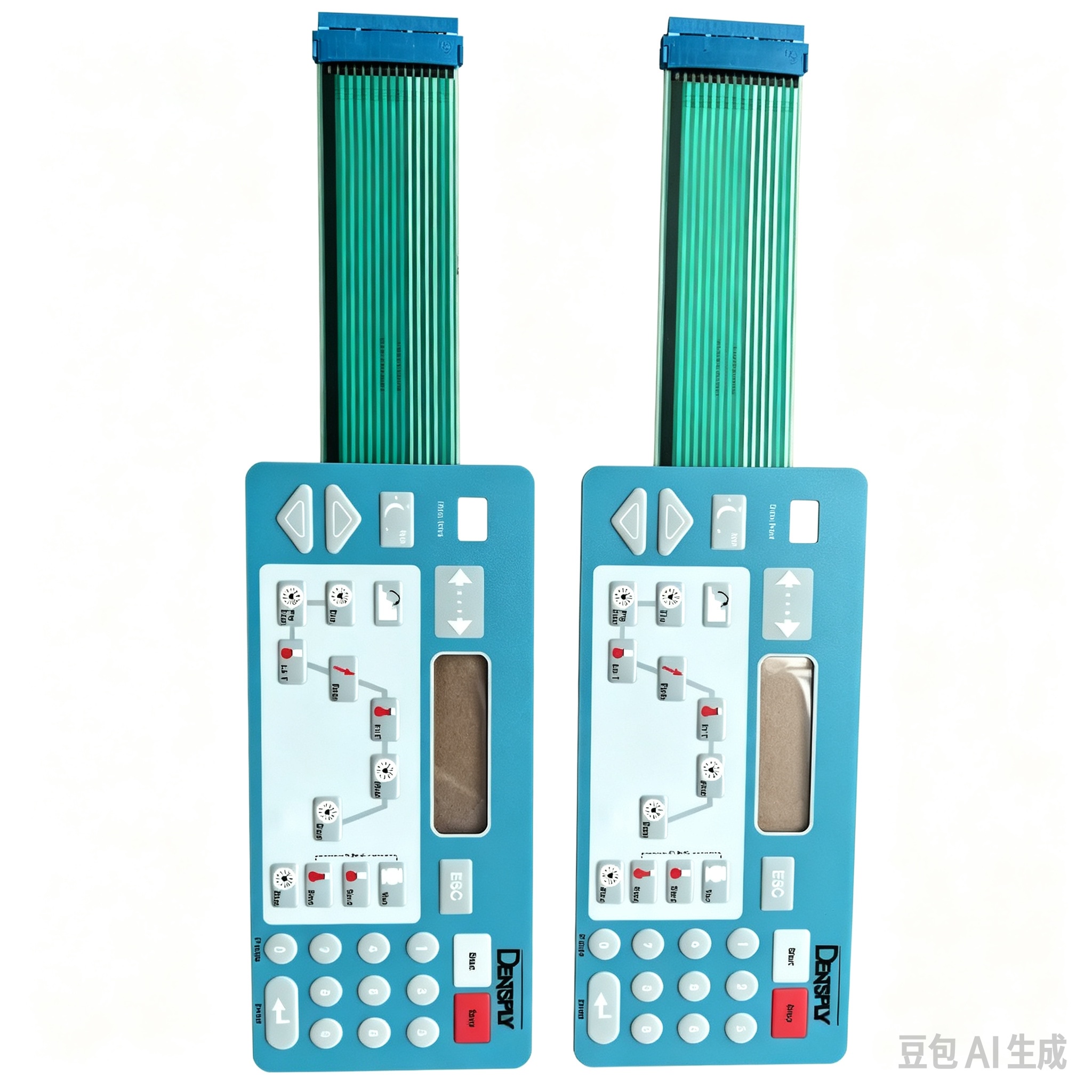
Factory Custom Waterproof Polyester Membrane Switch On Off Button Panel
View Technical Specs →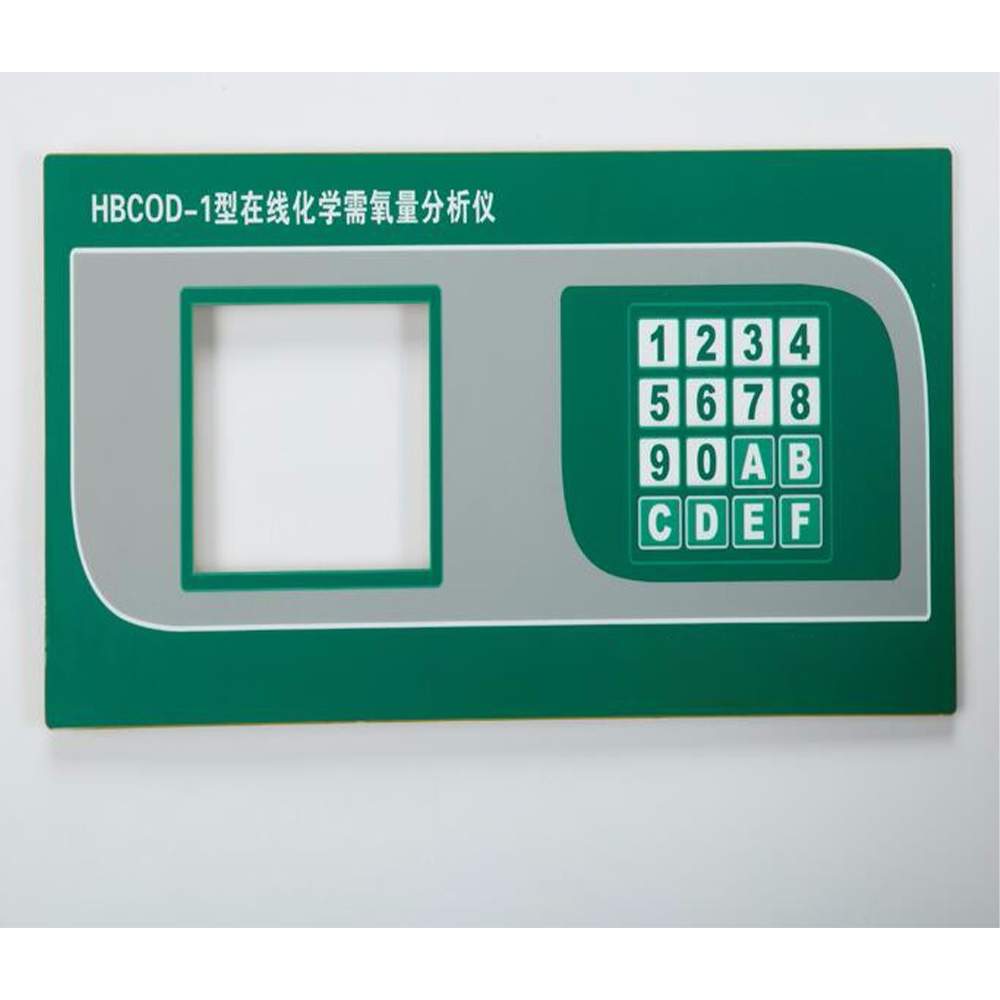
High Quality PET PC Membrane Keyboard Custom Logo Customized Color/Size Fast Delivery
View Technical Specs →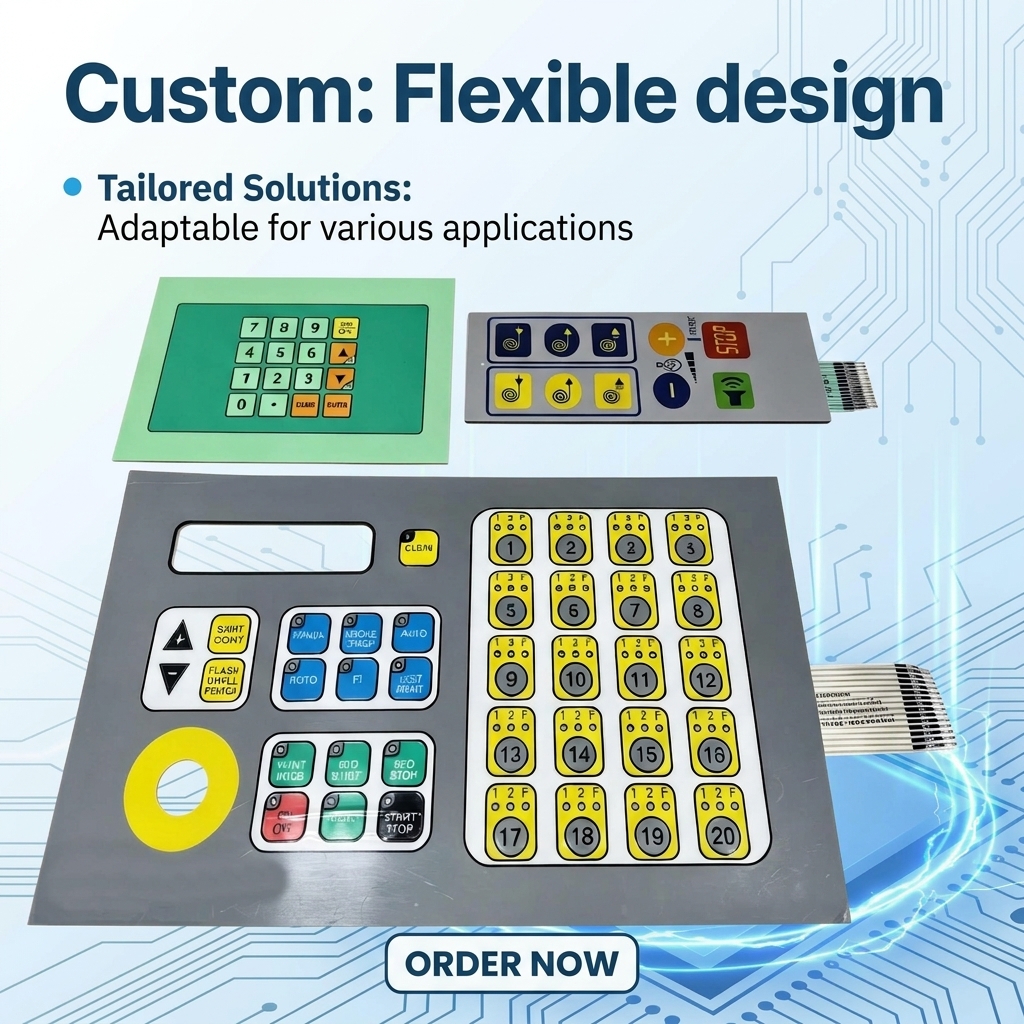
FPC Membrane Switch Keypad Flexible Circuit With LED Illumination for Locomotive Control
View Technical Specs →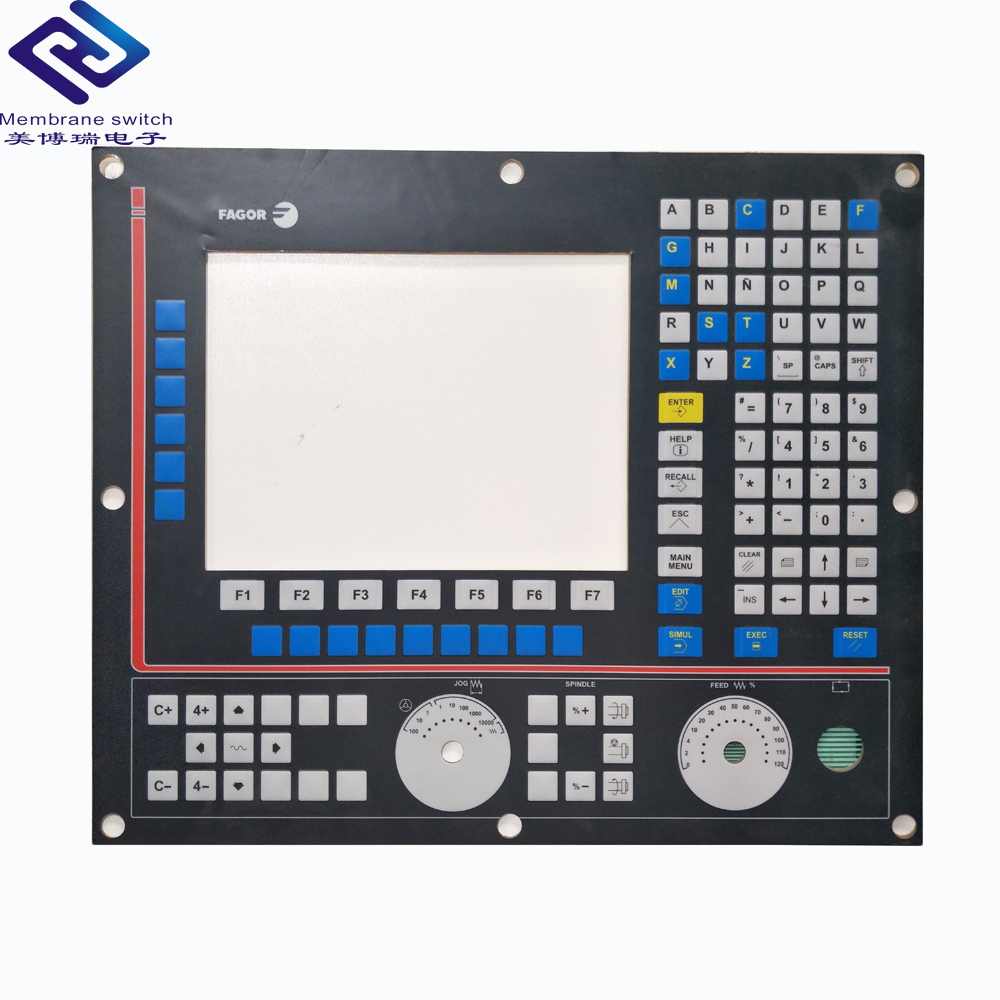
CNC Milling Machine Keypad Membrane Control Panel for Industrial Control Units
View Technical Specs →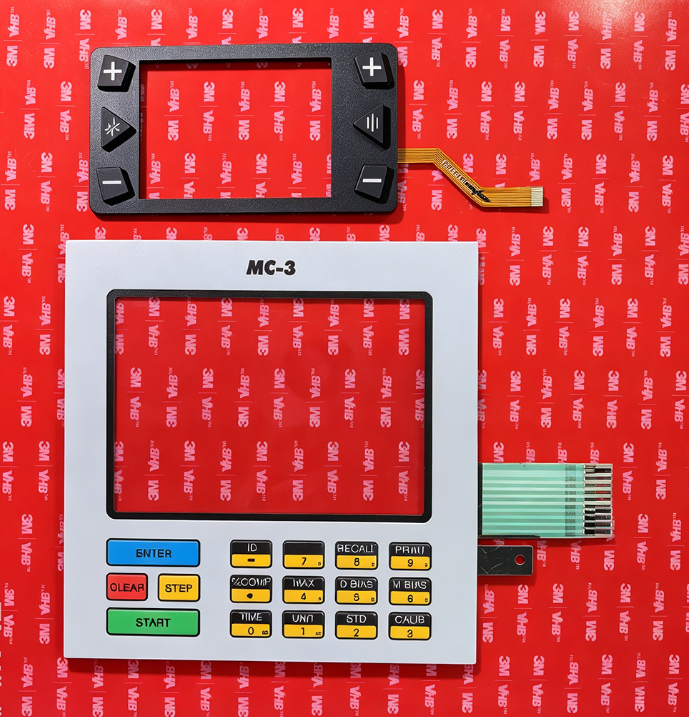
MBR High Quality IP67 Waterproof 3M Adhesive Flexible Cable Membrane Keypad Dome Buttons
View Technical Specs →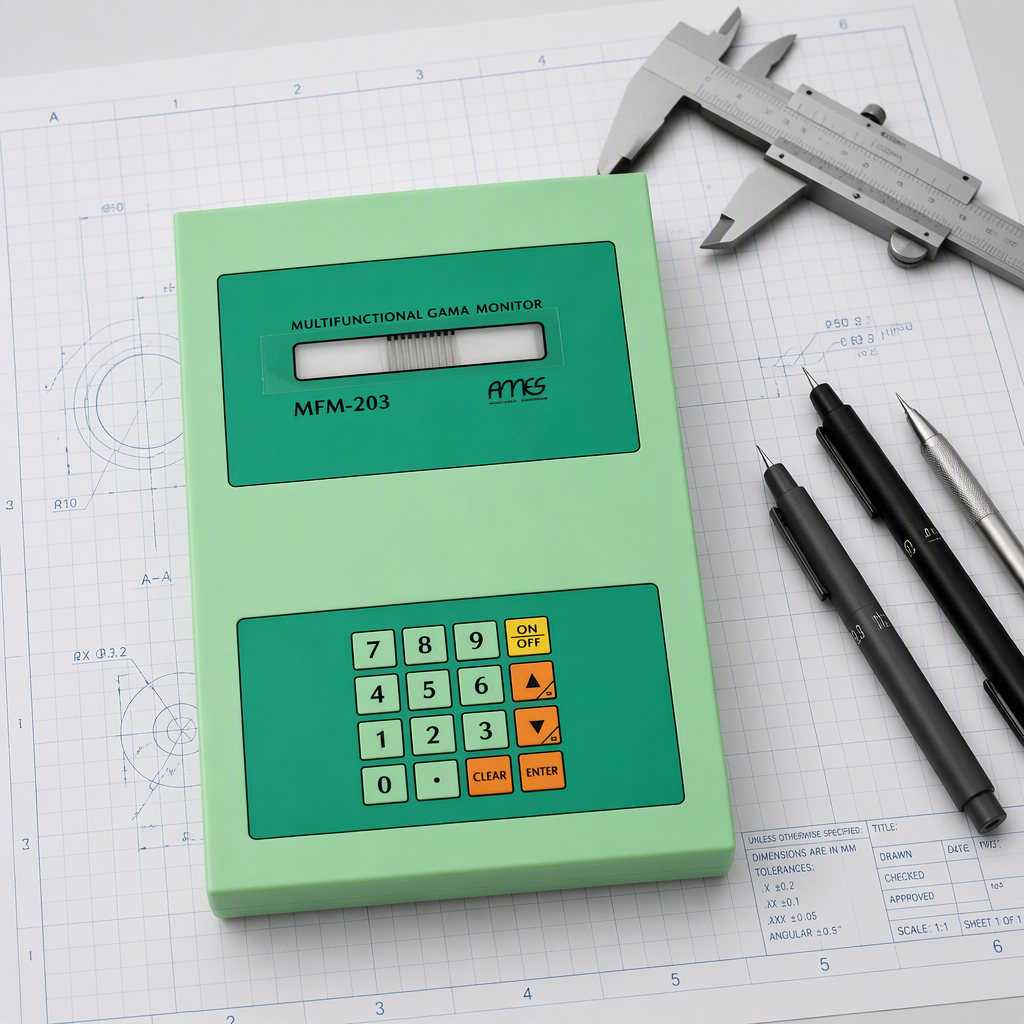
Waterproof Polyester Membrane Keypad Panel PET PC Plastic Keyboard Panel Mount for HMI
View Technical Specs →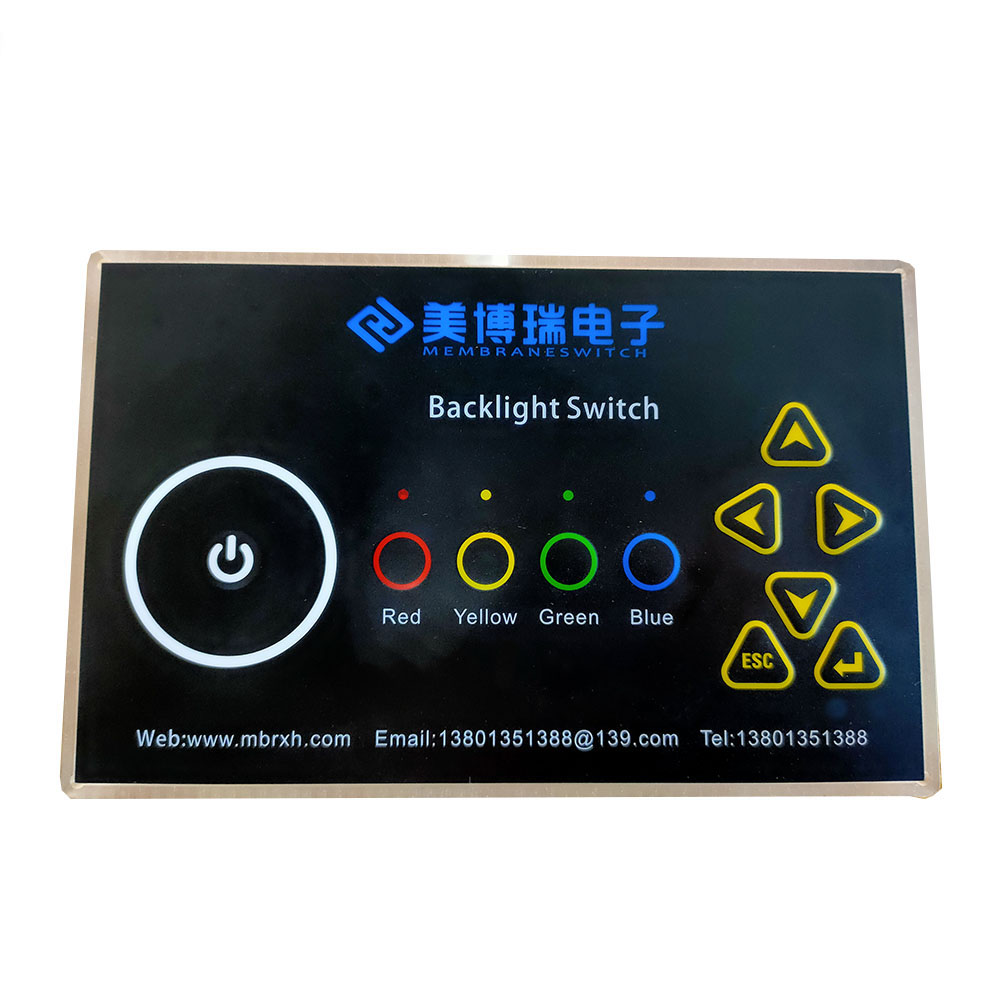
MEIBORUI MBR PBT Keyboard Cap PET Membrane Keypad Custom Silkscreen Replacement Keycaps
View Technical Specs →
Industrial Engineering White Paper
Engineering Precision Resistive Touch Screens for Mission-Critical HMIs
A comprehensive analysis of resistive touch sensor architecture, material physics, optical bonding, and environmental endurance in heavy-duty human-machine interfaces.
35+
Years Manufacturing Lineage (Since 1990)
100%
Glove & Stylus Compatibility
IP67/68
Waterproof & Dustproof Ingress Rating
35M+
Actuation Life Cycles per Touch Point
Search Intent & Engineering Reality: While projected capacitive (PCAP) touch screens dominate consumer electronics, resistive touch screen technology remains the unrivaled gold standard for industrial control, medical diagnostic systems, railway transportation, and military avionics. Resistive touch sensors operate purely on pressure physical contact, making them completely immune to electromagnetic interference (EMI), surface liquid spills, oil contamination, and false touches while enabling 100% reliable input via thick industrial leather gloves, heavy rubber PPE, or bare styluses.
1. Resistive Touch Screen Physical Architecture & Mechanics
At its structural core, a resistive touch panel consists of two flexible, transparent conductive layers separated by microscopic insulating dot spacers (typically 0.001 to 0.002 inches in height). The top flexible substrate is typically high-optical-clarity Polyethylene Terephthalate (PET) film treated with an anti-glare or hard-coat surface finish. The bottom substrate consists of a rigid base, such as soda-lime tempered glass, polycarbonate, or a secondary optical film stack.
Both inner surfaces are uniformly sputtered with a thin conductive coating of Indium Tin Oxide (ITO) with a typical sheet resistance ranging from 250 to 500 ohms per square ($\Omega/\square$). When an operator presses the top PET layer, it physically flexes to establish electrical contact with the bottom ITO glass layer. The controller applies a voltage gradient across one layer, reading the resulting voltage on the opposite layer to calculate precise X and Y positional coordinates via analog-to-digital conversion (ADC).
Anatomy of a Heavy-Duty Glass-Film-Glass (GFG) Touch Panel
For severe ambient conditions—such as outdoor agricultural machinery, marine navigation terminals, and mining control stations—standard film-glass resistive panels can be vulnerable to scratching and chemical degradation. TAVO engineers utilize advanced Glass-Film-Glass (GFG) multi-layer stackups, replacing the exterior PET soft layer with an ultra-thin (0.1mm to 0.2mm) micro-glass outer shield.
Layer 1: Micro-Glass Top Overlay (7H Mohs Hardness, Anti-Fingerprint)
0.15mm
Layer 2: Conductive Upper ITO Layer on Flexible PET Carrier
175µm
Layer 3: Microdot Insulating Spacers & Air Gap
0.025mm
Layer 4: Lower Conductive ITO Coating on Tempered Glass Substrate
1.1mm - 3.0mm
Layer 5: Full Optical Bonding (OCA) + Custom Graphic Membrane Border
Integrated
Key Advantages of GFG Construction
- Scratch & Abrasion Immunity: 7H Mohs rating resists sharp industrial tools, gravel, scale, and metal shavings.
- Chemical & Fluid Proof: Completely impervious to diesel, gasoline, acetone, bleach, machine oils, and medical disinfectant scrub-downs.
- Wide Thermal Window: Stable mechanical actuation from $-40^\circ\text{C}$ to $+85^\circ\text{C}$ without layer delamination or drift.
- UV & Solar Resistance: Non-yellowing optical adhesive eliminates sunlight deterioration in outdoor installations.
Engineered Stackups
4-Wire vs. 5-Wire vs. 8-Wire Resistive Technology Matrix
Select the optimal circuit architecture based on required positional accuracy, MTBF lifespan, optical transparency, and operational environment.
| Architecture Type | Voltage Distribution | Actuation Lifespan | Positional Accuracy | Glove & Stylus Support | Best Suited Applications |
|---|---|---|---|---|---|
| 4-Wire Resistive | X-axis on top layer, Y-axis on bottom layer | > 3.5 Million touches | $\pm 1.5\text{mm}$ (High precision) | 100% Compatible | Portable medical instruments, handheld barcode terminals, budget smart home controllers. |
| 5-Wire Resistive | Both X & Y axes on rigid bottom glass layer | > 35 Million touches | $\pm 0.5\text{mm}$ (Ultra stable) | 100% Compatible | CNC industrial workstations, military vehicles, commercial POS terminals, outdoor ATMs. |
| 8-Wire Resistive | 4-wire design with 4 auxiliary sense lines | > 5.0 Million touches | $\pm 0.2\text{mm}$ (Self-calibrating) | 100% Compatible | High-resolution medical imaging monitors, precision calibration equipment, aerospace HMIs. |
| Glass-Film-Glass (GFG) | 5-wire grid with micro-glass top shield | > 50 Million touches | $\pm 0.5\text{mm}$ (Zero drift) | Heavy leather & Kevlar gloves | Petrochemical refiners, heavy construction equipment, marine radar consoles, mining rigs. |
Standard Manufacturing & Reliability Specifications
| Parameter | Standard Range Specification | Custom Engineering Capabilities |
|---|---|---|
| Screen Size Availability | 2.4 inches to 21.5 inches diagonal | Up to 32.0 inches ultra-wide custom sizes |
| Optical Transmittance | $78\% - 82\%$ (Standard film/glass) | $> 88\%$ with Anti-Reflective (AR) optical coatings |
| Surface Hardness | 3H - 4H (Hard-coated PET overlay) | 7H Mohs (Glass-Film-Glass micro-glass top layer) |
| Operating Temperature | $-20^\circ\text{C}\text{ to }+70^\circ\text{C}$ | $-40^\circ\text{C}\text{ to }+85^\circ\text{C}$ (Extended industrial climate range) |
| Input Method | Bare finger, gloved hand, passive stylus | Heavy steel-tip stylus, rubberized industrial pointers |
| Actuation Force | $20\text{g} \text{ to } 100\text{g}$ adjustable force threshold | Custom calibrated pressure thresholds for anti-accidental touch |
| Tail / Flex Circuit Connection | FPC with gold-plated contact fingers | ZIF connector, AMP/Molex housing integration, custom pinout |
| Ingress Protection Seal | IP65 front bezel seal | IP67 / IP68 fully submersible gasket bonding with 3M 9495LE |
2025–2030 Market Intelligence
Future Procurement & Technology Trends in Resistive Touch Panels
How global OEM purchasing managers and system architects are leveraging next-generation resistive innovations to optimize total cost of ownership (TCO) and unit reliability.
1. Hybrid Resistive-Capacitive Integration
Modern industrial equipment demands both multi-touch gesture support (zoom, swipe) and complete glove/waterproof operability. The market is increasingly adopting hybrid HMI solutions combining resistive force sensing with capacitive touch zones, or integrating tactile membrane dome switches directly around the perimeter of a 5-wire resistive display.
2. Advanced OCA Optical Bonding & AR Coatings
Sourcing teams no longer accept washed-out display screens under direct sunlight. High-transmittance Optically Clear Adhesives (OCA) eliminate air gaps between the resistive sensor and the underlying TFT LCD module. Combined with Circular Polarizer films and Anti-Reflective (AR) surface sputtering, readability under $100,000\text{ Lux}$ direct sunlight is now achievable.
3. Antimicrobial & Chemical-Resistant Nanocoatings
Post-pandemic healthcare standards require medical diagnostic touch screens to endure daily wipe-downs with harsh quaternary ammonium solutions, isopropyl alcohol, and sodium hypochlorite. Next-generation PET top films incorporate silver-ion antimicrobial matrixes that neutralize $99.9\%$ of surface pathogens without yellowing or clouding.
Strategic Sourcing Recommendation for B2B Buyers: When evaluating Chinese manufacturers for resistive touch screens, verify that the supplier controls both the screen printing of silver bus bars and the cleanroom bonding environment (ISO Class 7 / Class 1000). Sourcing from unified HMI assembly factories eliminates cross-supplier blame during quality incidents and reduces tooling costs by up to $35\%$.
Why Partner With TAVO
Enterprise Strengths & Precision Manufacturing Capabilities
Combining 35+ years of custom engineering heritage with state-of-the-art automated production, rigorous Intertek onsite auditing, and German technical cooperation.
Dual Factory Footprint
Operating dual processing bases in Langfang, Hebei (Robot Industry Port) and Huizhou, Guangdong spanning over 2,219 square meters of verified cleanroom production floorspace.
Full In-House Processing
Equipped with 37 silkscreen printing machines, 4 Mimaki UV digital printers, 18 laser die-cutters, 60 CNC mold machines, and 7 high-speed digital engraving units for end-to-end tooling control.
ISO 9001 & Intertek Audited
Fully compliant with ISO 9001 quality management systems and independently assessed onsite by Intertek. Backed by long-term technical cooperation with leading German HMI engineering factories.
In-House Reliability Testing Lab
Every batch undergoes computer circuit open/short tests, actuation life-cycle testing, programmable temperature/humidity chambers, xenon UV aging, and salt fog corrosion testing.
End-to-End Custom OEM/ODM Engineering Workflow
01
Design & DFM Review
Send CAD drawings (PDF, DXF, AI) and circuit pinouts. Our engineering team conducts a Design for Manufacturability (DFM) review within 24 hours.
02
Rapid Prototyping
Utilizing laser cutting and digital UV printing, working prototypes are produced in as fast as 5 to 7 working days without expensive hard tooling.
03
Automated Production
Upon sample sign-off, automated screen printing, micro-dot matrix spacing, and cleanroom glass lamination execute under strict ISO controls.
04
100% Quality Inspection
$100\%$ computer-tested for linear accuracy, contact resistance, dielectric strength, and cosmetic flawlessness before anti-static export packaging.
Procurement & Technical FAQ
Frequently Asked Questions by Industrial Sourcing Managers
Expert answers addressing CAD requirements, tooling costs, environmental sealing, and multi-component integration.
What engineering CAD files are required to initiate a custom resistive touch screen design?
To begin technical evaluation and engineering drawings, please provide: (1) An outline vector drawing (PDF, DXF, DWG, AI, or CDR), (2) Active touch area dimensions and graphic artwork with Pantone or RAL color codes, (3) Circuit schematic or pin-out diagram, (4) Flex tail length, pitch, and connector type (e.g., ZIF or female housing), and (5) Operating environment parameters (temperature, liquid exposure, UV requirements).
Why choose 5-Wire resistive touch technology over 4-Wire for industrial HMIs?
In a 4-wire resistive panel, X and Y coordinates are measured across both top (film) and bottom (glass) layers. Repeated heavy flexing of the top film can degrade its inner ITO coating over time, causing positional drift. In a 5-wire design, all voltage gradient measurements are performed on the rigid, non-flexing bottom glass substrate, while the top layer acts purely as a voltage probe. This structural difference increases actuation lifespan from 3.5 million touches to over 35 million touches and eliminates coordinate drift.
How does TAVO ensure waterproof and dustproof seals (IP67 / NEMA 4X)?
We combine high-performance acrylic and silicone transfer adhesives (such as 3M 9495LE, 3M 467MP, or VHB foam tapes) with continuous perimeter gasket design. For extreme outdoor and marine installations, we integrate custom-molded silicone rubber bezels or apply full liquid-tight perimeter potting around the flex tail breakout region.
Can resistive touch screens be integrated with PCB backers, metal plates, or membrane keyboards?
Yes, absolutely. TAVO specializes in complete multi-technology HMI sub-assemblies. We can optically bond or pressure-laminate a resistive touch sensor over an LCD screen, back it with an anodized aluminum plate or FR4 PCB board, and integrate surrounding tactile membrane switches, LED status indicators, and custom silikone keypads into a single turn-key unit.
What is the minimum order quantity (MOQ) and sample lead time?
TAVO maintains highly flexible production lines to support prototype development, initial pilot runs, and high-volume mass manufacturing. Rapid prototypes are typically produced within 5 to 7 working days. Pilot batch orders have low MOQs compared to industry averages, facilitating faster time-to-market for specialized machinery manufacturers.
What trade delivery terms and international payment methods do you accept?
We offer standard international commercial delivery terms including EXW, FOB, CFR, and CIF. Accepted payment channels include Wire Transfer (T/T), Letter of Credit (L/C at sight), and D/P D/A in USD, EUR, or CNY. Our 20-person international trade department provides complete export documentation and logistics tracking.