Engineering Whitepaper: Silicone Keypad & HMI Manufacturing
An executive guide for OEM sourcing managers, system integrators, and electronic design engineers on selecting high-reliability silicone keypads and customized control interface assemblies.
In modern industrial equipment, medical electronics, aerospace controls, and high-end automotive systems, the human-machine interface (HMI) serves as the primary critical nexus between user intent and machine execution. Among interface technologies, custom silicone rubber keypads remain the gold standard for applications requiring high tactile feedback, environmental resistance, ergonomic flexibility, and multi-layered sealing integrity.
As a leading custom silicone keypad manufacturer in China, our production methodology integrates advanced elastomer compound formulation, precision compression molding, laser etching technology, surface polyurethane/epoxy coating, and rigorous automated electrical testing. Whether you require conductive carbon pill arrays, metal dome snap-action matrices, or backlit silicone keycaps for harsh outdoor environments, understanding key structural dynamics ensures optical performance, tactile longevity, and circuit reliability.
Featured Custom Silicone Keypad & Switch Solutions
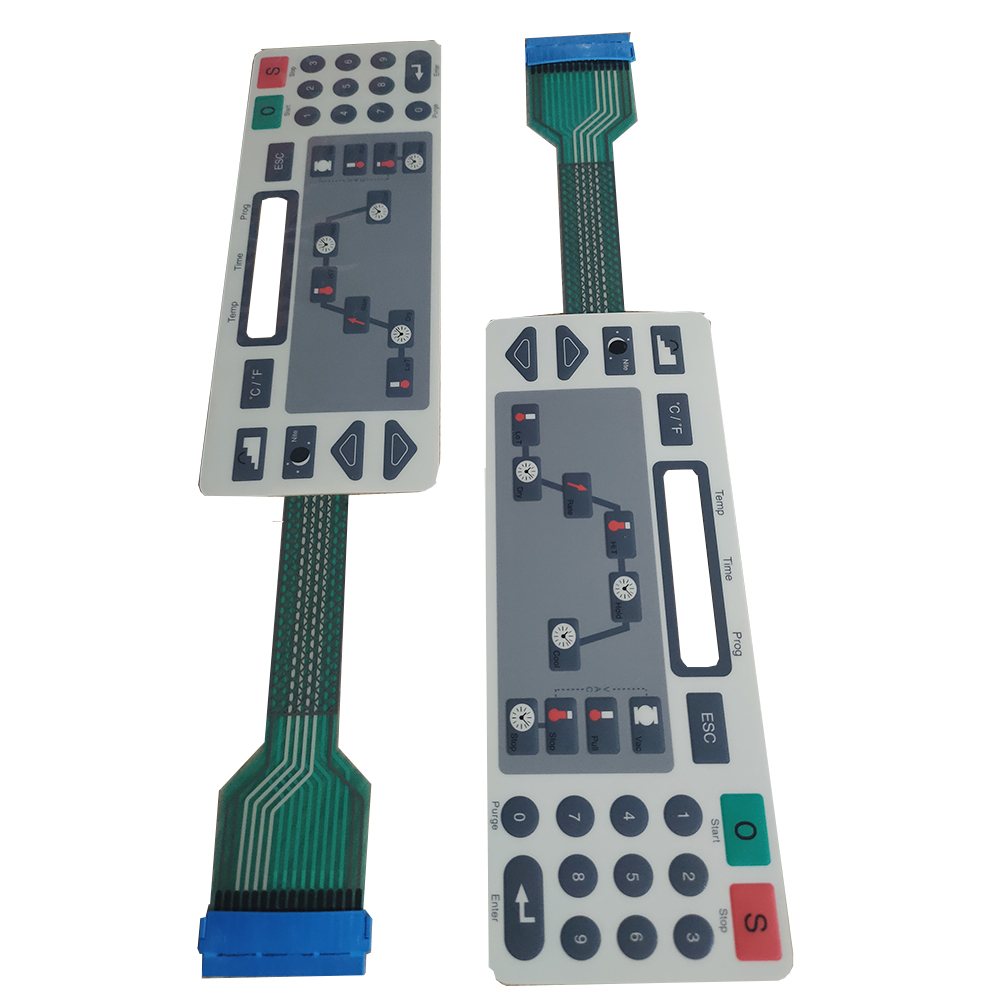
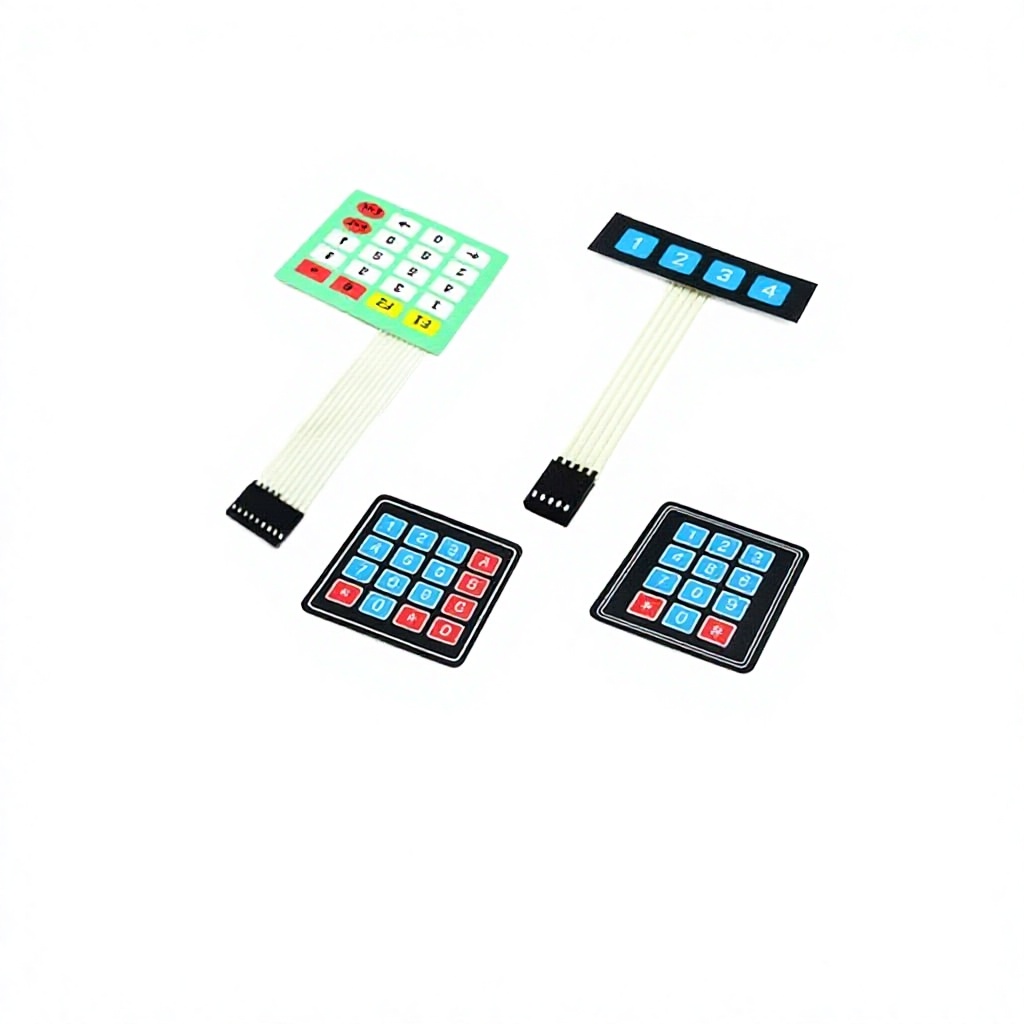
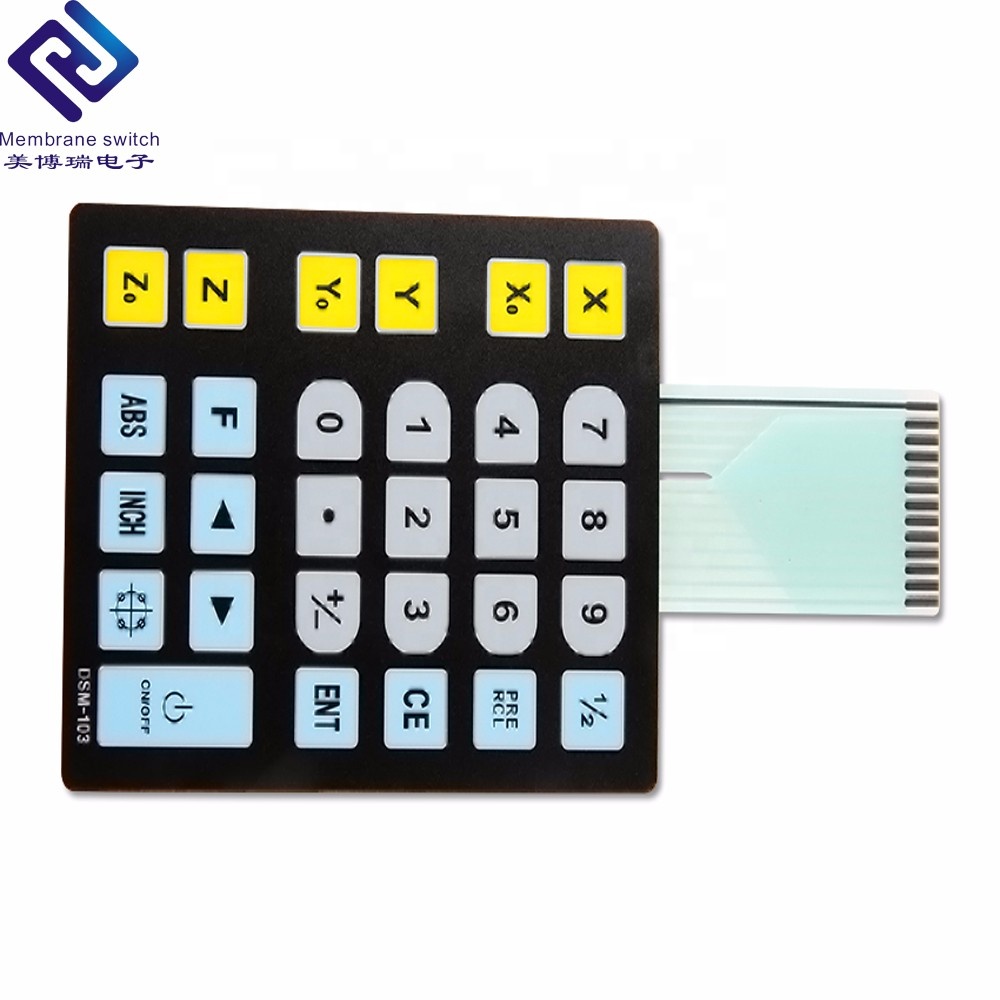
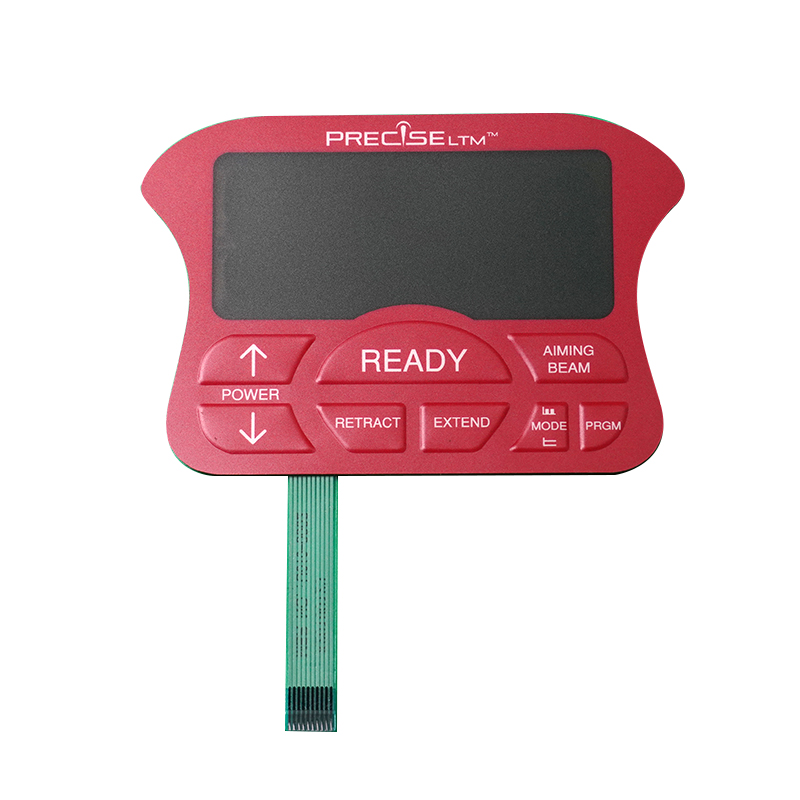
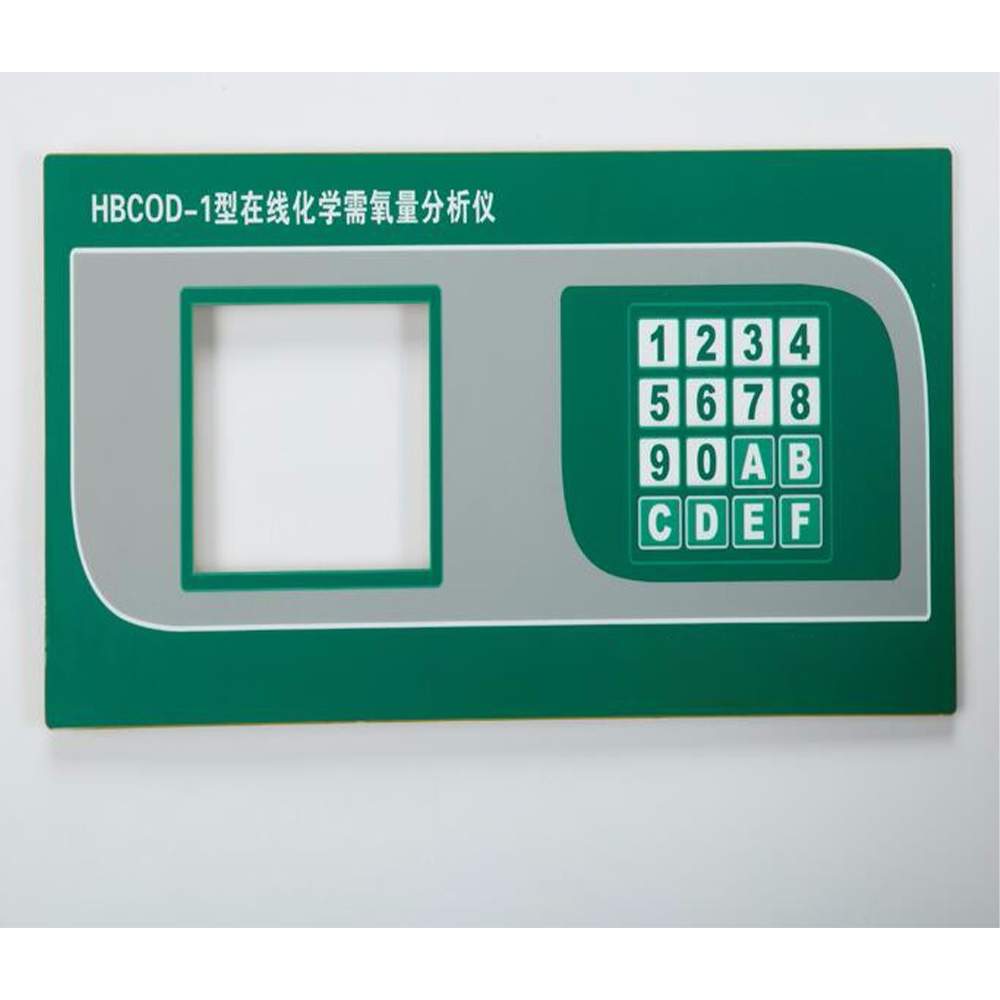
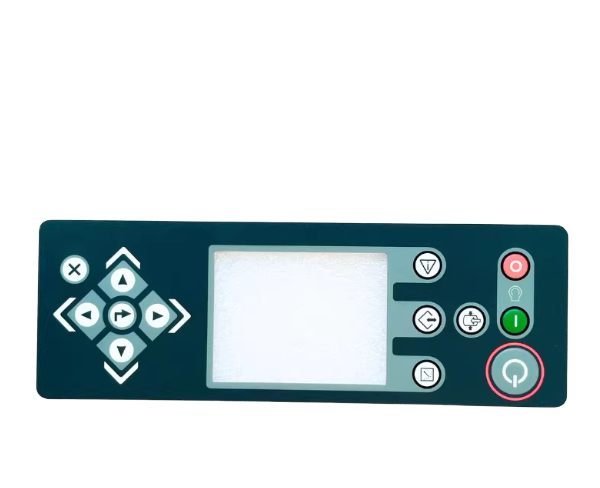
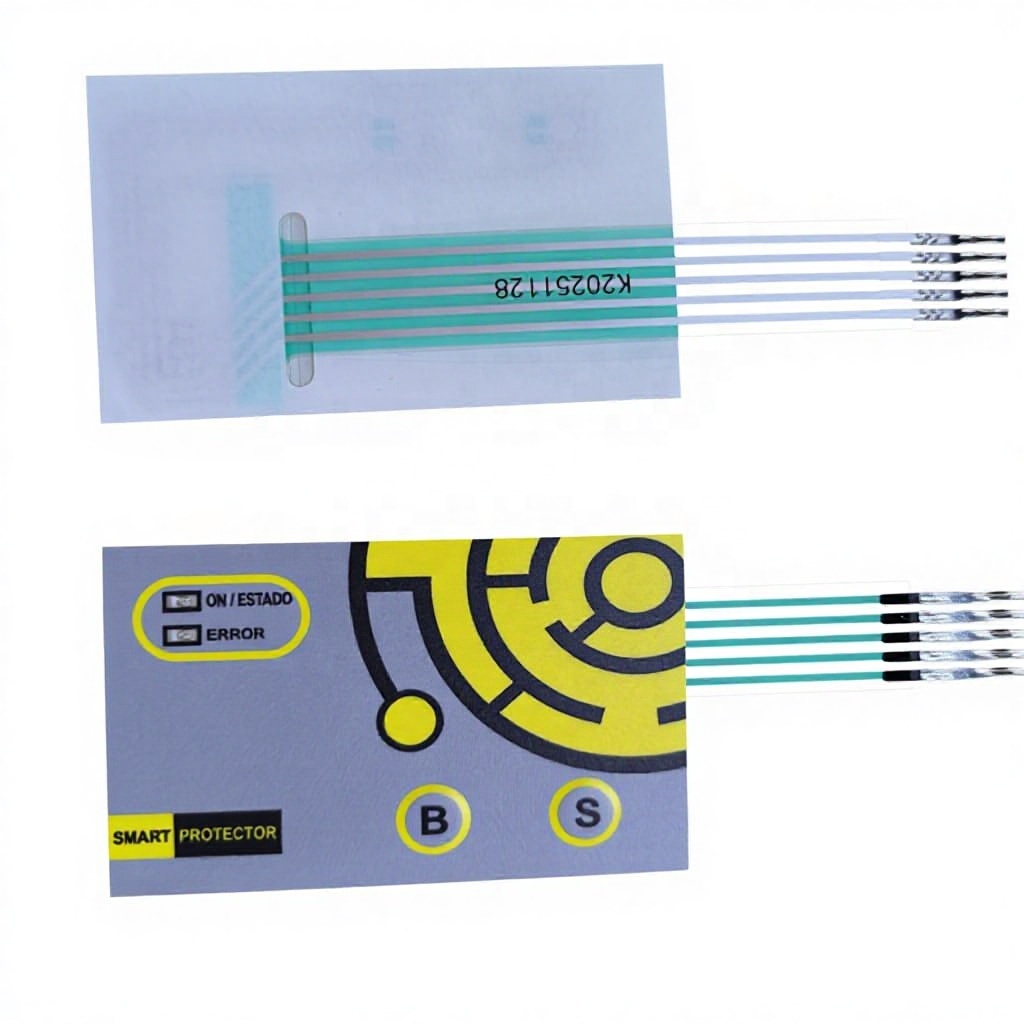
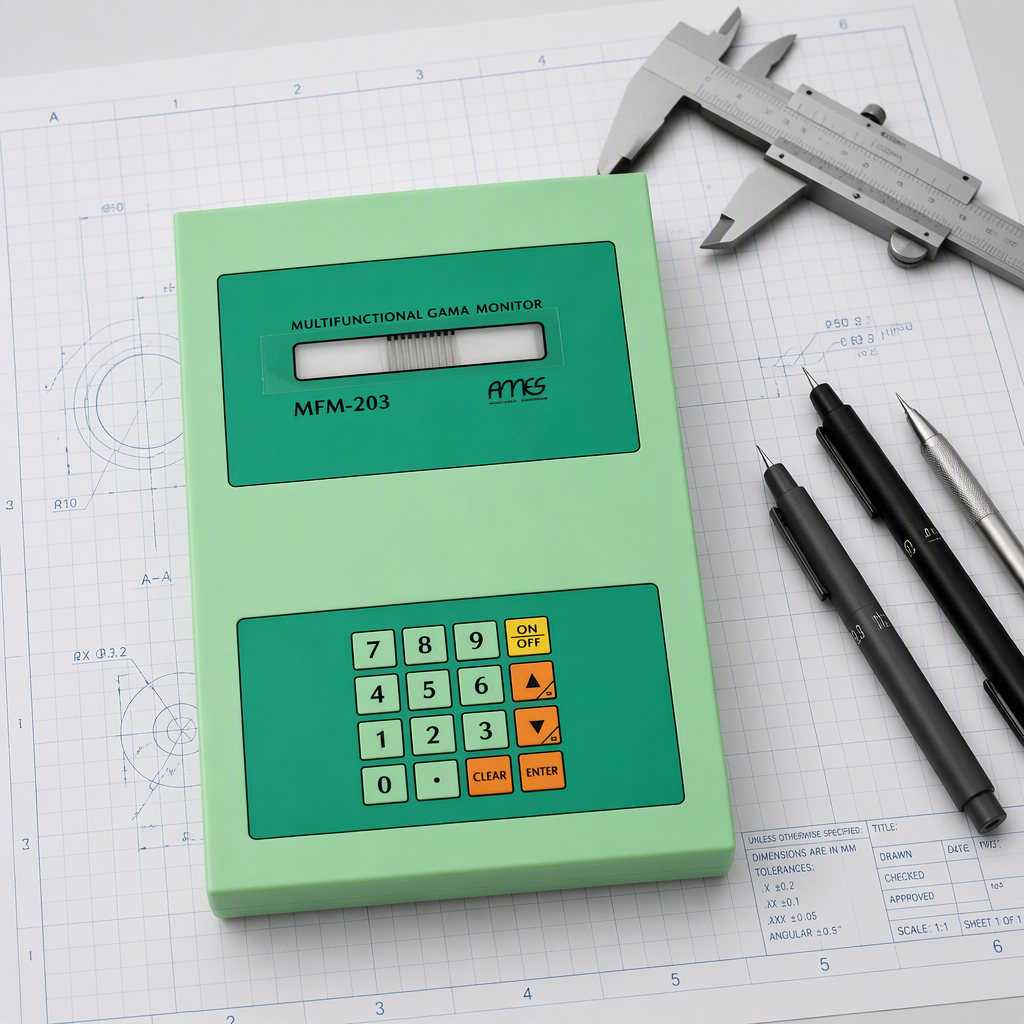
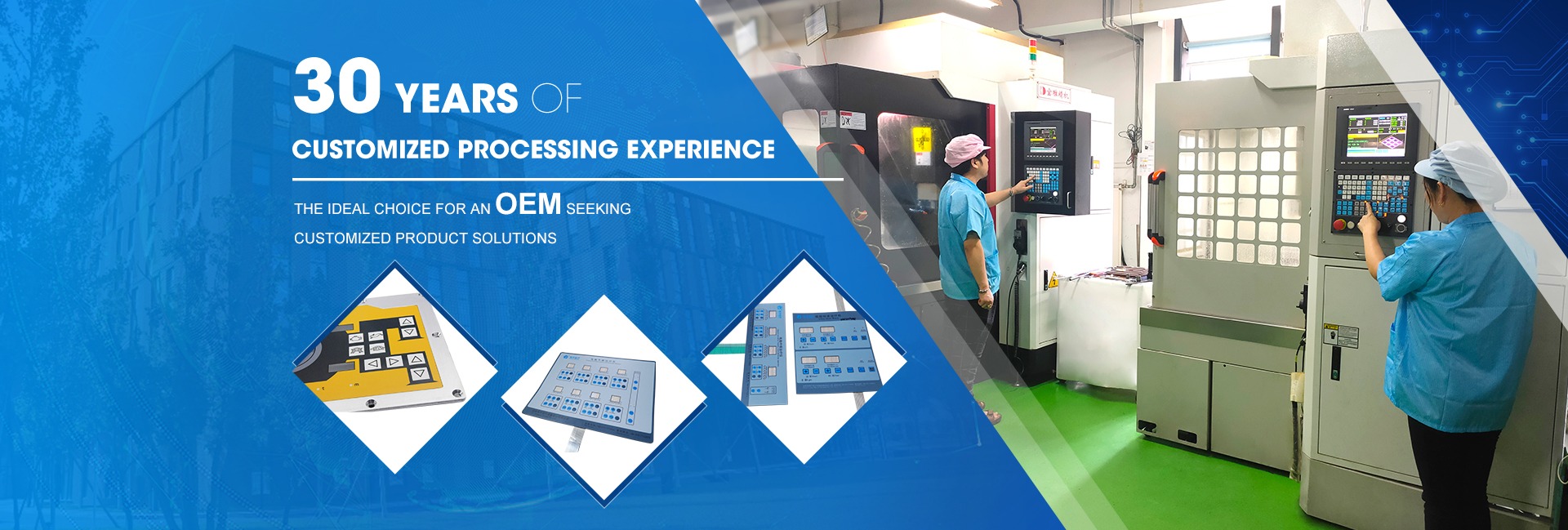
Explore our custom-engineered control keypads, membrane switches, and integrated HMI panel assemblies tailored for medical, industrial, and locomotive applications.
Silicone Keypad Material Architecture & Technical Parameters
When engineering custom silicone keypads for heavy industrial, automotive, or clinical medical environments, selecting the correct material durometer (hardness) and surface treatment directly dictates stroke actuation life and tactile ratio feedback.
| Engineering Metric | Standard Silicone Rubber | Liquid Silicone Rubber (LSR) | Custom High-Spec Hybrid |
|---|---|---|---|
| Shore A Hardness Range | 30 to 80 Shore A | 20 to 70 Shore A | 30 to 70 Shore A (Dual-Durometer) |
| Actuation Force (Click Ratio) | 50g to 500g (±10% to ±15%) | 30g to 400g (±5% High Precision) | Custom Force Curves via CAD Simulation |
| Operating Temperature | -40°C to +200°C | -50°C to +230°C | -60°C to +250°C (Thermal Grade) |
| Contact Resistance | < 100 Ohms (Carbon Pill) | < 10 Ohms (Low Resistance) | < 1 Ohm (Gold/Metal Dome Contact) |
| Actuation Life Expectancy | 1,000,000 to 3,000,000 cycles | 5,000,000+ cycles | 10,000,000+ cycles (Enhanced Webbing) |
| Surface Protection Coatings | Clear Silicone Spray Coating | PU Matt / Glossy Coating | Parylene-C Vacuum Deposition Coating |
Key Mechanical Dynamics: Actuation Force & Key Webbing Design
The tactile feeling of a silicone rubber button is dictated by its elastomer webbing design. As force is applied to the keycap, the thin webbing flexes downward until reaching a tipping point, resulting in a sudden drop in force that produces a satisfying "tactile snap". Sourcing engineers must balance three key variables:
- Actuation Force ($F_1$): The peak force required to collapse the silicone webbing.
- Contact Force ($F_2$): The force exerted when the key reaches full actuation and electrical connection.
- Click Ratio ($\frac{F_1 - F_2}{F_1} \times 100\%$): The quantitative measure of tactile snap. A click ratio of 40% to 60% provides the ideal tactile feedback for industrial interfaces.
Future Procurement & Technology Trends in Silicone Keypads
Anticipating material science innovations and supply chain evolution for international buyers through 2030.
1. LGF Backlighting Integration
Traditional single-LED illumination causes hotspots. The industry is rapidly adopting Light Guide Film (LGF) embedded beneath silicone keypads, scattering LED light uniformly across complex laser-etched legend keys with micro-structured light propagation channels.
2. Antimicrobial & Bio-Compatible Silicone
In post-pandemic healthcare environments, global procurement teams demand silver-ion antimicrobial silicone compounds that inhibit 99.9% of surface bacteria while resisting harsh medical hospital disinfectants (isopropanol, bleach, hydrogen peroxide).
3. Capacitive & Elastomer Hybrids
Combining the sleek modern feel of capacitive touch surfaces with the physical raised tactile confirmation of molded silicone buttons. Silicone keys overlaid on touch sensors eliminate accidental actuation while maintaining IP68 submersibility.
Development Evolution of China's Silicone Keypad Industry
Over the past three decades, wholesale silicone keypad manufacturing in China has undergone a structural revolution—shifting from labor-intensive manual compression molding to fully automated high-precision LSR injection, robotic automated optical inspection (AOI), and laser etching technology.
In-House Automated Process Flow
A reliable China wholesale supplier must maintain full end-to-end control over the entire production cycle to prevent contamination, color variations, and dimensional warping:
- Raw Material Compounding: High-grade silicone gum is blended with vulcanizing agents, heat stabilizers, and Pantone-matched color pigments.
- Tooling & Mold Making: High-speed CNC machines fabricate hardened steel molds with sub-micron tolerances (±0.01mm) for keys, key-caps, and structural seal rings.
- Compression / LSR Molding: Precision heat curing shapes the silicone rubber into complete keypads with integrated sealing rims and elastic domes.
- Spraying & Coating: Automated robotic spray booths apply protective UV-cured Polyurethane (PU) or Silicone topcoats to resist abrasion and oil degradation.
- Laser Etching: Translucent silicone keycaps coated with opaque topcoats are selectively ablated via high-precision fiber laser markers to create crisp illuminated legends.
- Pill Placement & Secondary Assembly: Conductive carbon pills or tactile metal domes are automatically positioned onto contact pads prior to circuit bonding.
- 100% Automated Testing: Computerized key life-cycle testers, optical vision sorters, and contact resistance meters verify every product batch prior to shipment.
Frequently Asked Sourcing & Engineering Questions
Direct technical answers to simplify OEM custom keypads, tooling, and international trade procurement.
Metal Domes: Crisp tactile snap click feedback, contact resistance <1Ω, integrated underneath silicone buttons on PCB or membrane layers.
Printed Conductive Ink: Direct screen-printed conductive carbon ink pads on the bottom of the silicone key pillars for economical shallow-travel keys.
Enterprise Manufacturing Strengths & Factory Capabilities
Why leading Fortune 500 OEMs and global electronics manufacturers partner with TAVO Electronic Information Technology Co., Ltd.
Founded with engineering heritage dating back to 1990, TAVO Electronic Information Technology Co., Ltd. operates state-of-the-art manufacturing facilities in the Robot Industry Port of Xianghe Economic and Technological Development Zone, Hebei, alongside a dedicated production base in Huizhou, Guangdong.
Operating under certified ISO 9001 Quality Management Systems and thoroughly assessed onsite by Intertek, TAVO combines German engineering standards with agile China wholesale manufacturing efficiency.
- 2,219+ m² Modern Production Floorspace: Cleanroom environments dedicated to high-precision silicone molding, screen printing, and optical assembly.
- Advanced Equipment Machinery: 37 precision screen printers, 4 Mimaki digital UV printers, 18 high-speed laser cutting systems, 60 CNC mold machines, and 7 digital engravers.
- Dual-Factory Capacity Security: Shared production loading between Hebei and Guangdong bases eliminates single-point capacity bottlenecks.
- In-House Reliability Testing Lab: Fully equipped with computer circuit testers, key life-cycle testers, salt fog corrosion chambers, xenon UV aging chambers, and programmable temperature/humidity chambers.
- Global Engineering Support: Dedicated 20-person international trade and engineering consulting team serving clients across North America, Western Europe, Middle East, and Asia-Pacific.
Ready to Engineer Your Custom Silicone Keypad?
Partner directly with China's premier wholesale manufacturer for custom silicone keypads, rubber membrane buttons, and integrated HMI switch assemblies. Fast tooling turnaround, competitive factory direct pricing, and uncompromising ISO 9001 quality.