Featured Products & Solutions
Featured Flexible Printed Circuits & Keypad Assemblies
Engineered human-machine interface components and multi-layer flex circuits built to exact IPC-6013 standards and custom OEM artwork specifications.
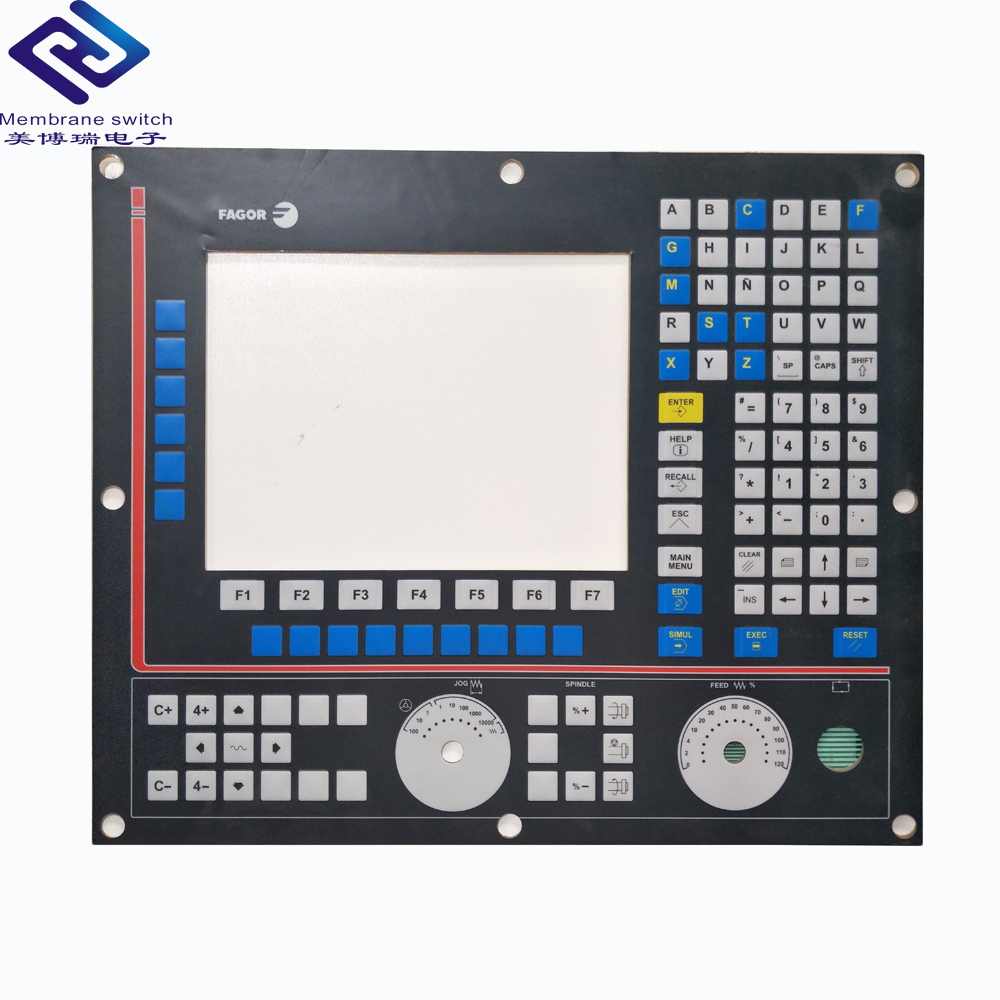
MEIBORUI Fast Turnaround Membrane Keyboard Prototyping Service PET/PVC Materials Custom Colors Sizes ISO Certified Sample Orders
View Details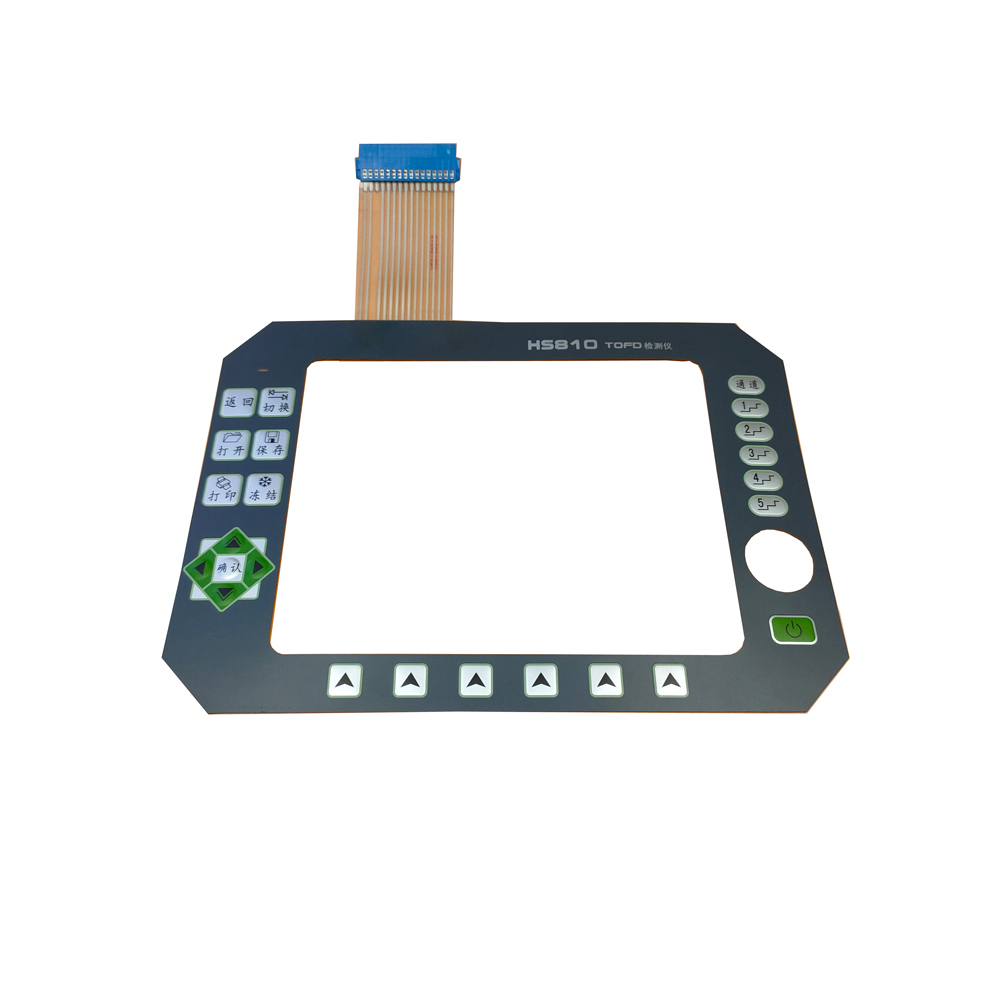
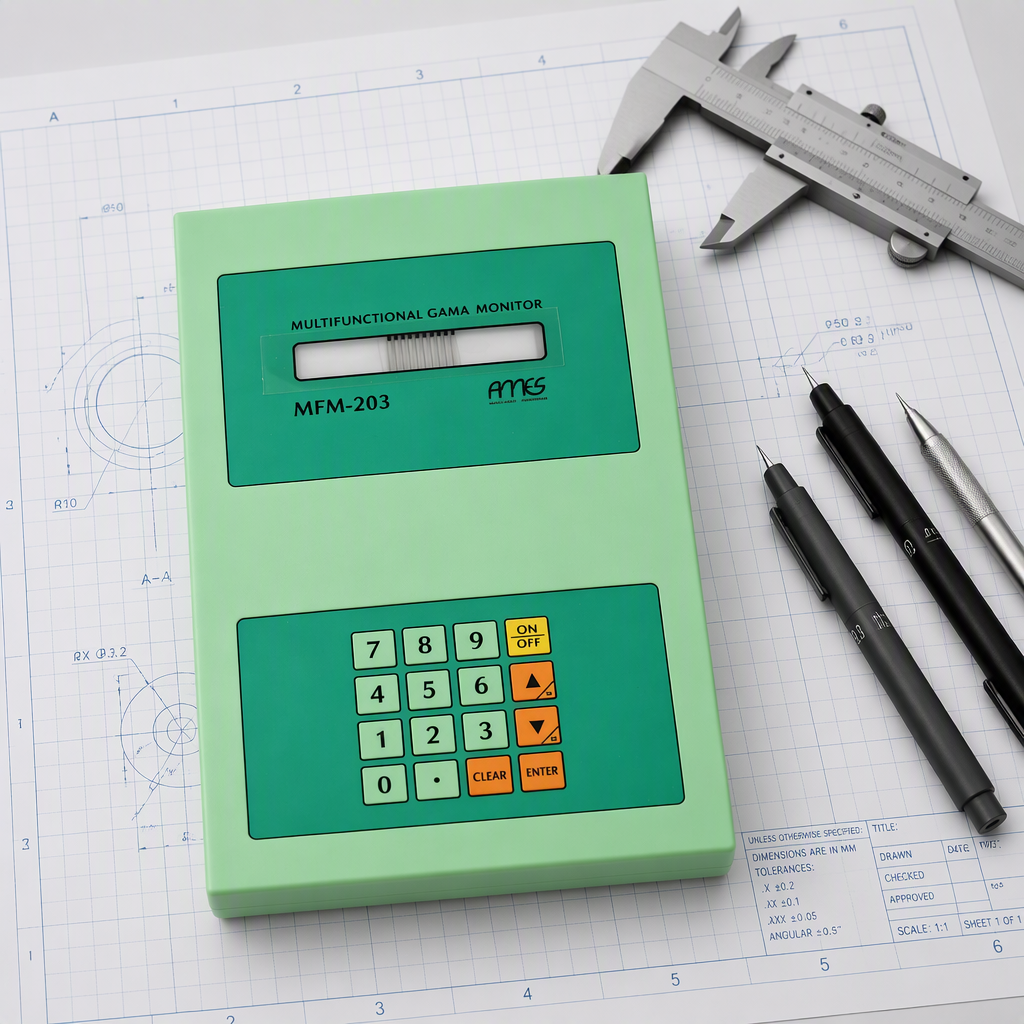
Meiborui Custom PBT Keyboard Cap Silkscreen Printed Waterproof Adhesive Sticker Durable Eco-friendly Computer Keyboard Parts
View Details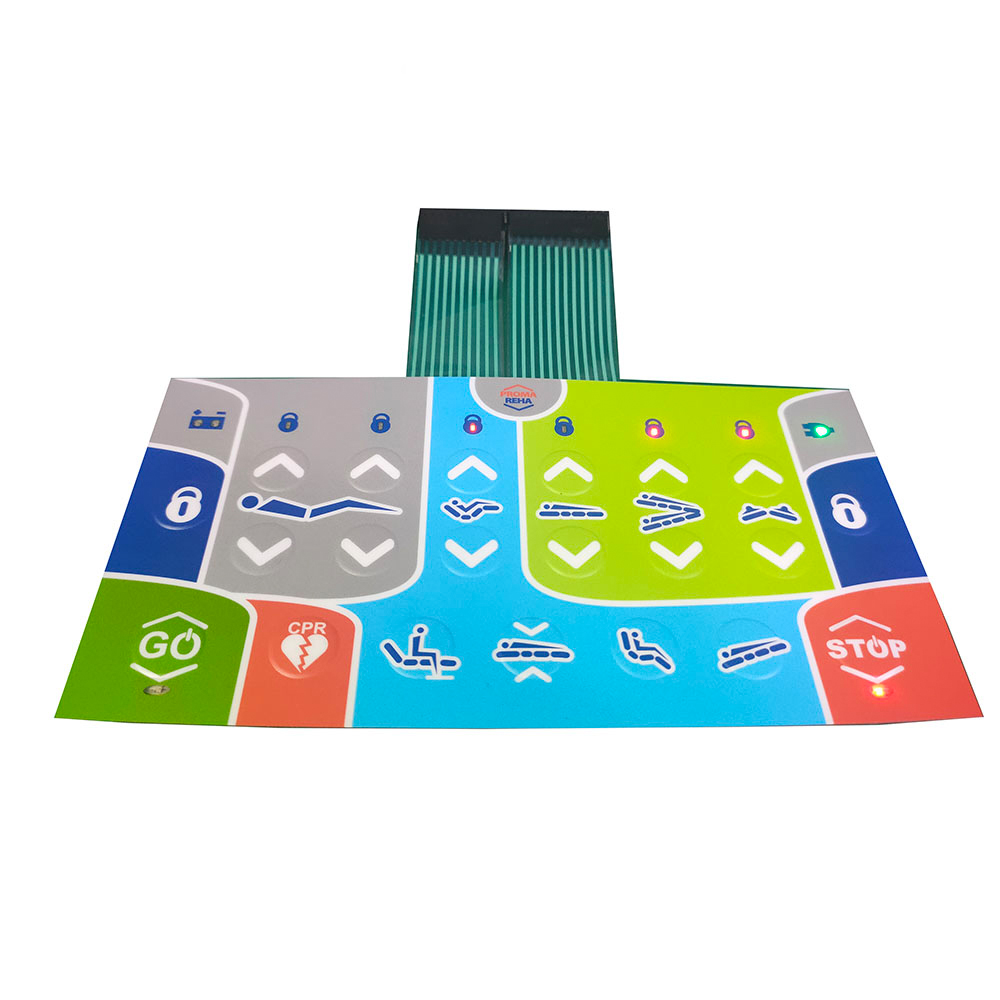
High Quality PBT Keyboard Cap Customized Color & Size Silkscreen Printing ISO9001:2015/ROHS Certified Fast Delivery Meiborui
View Details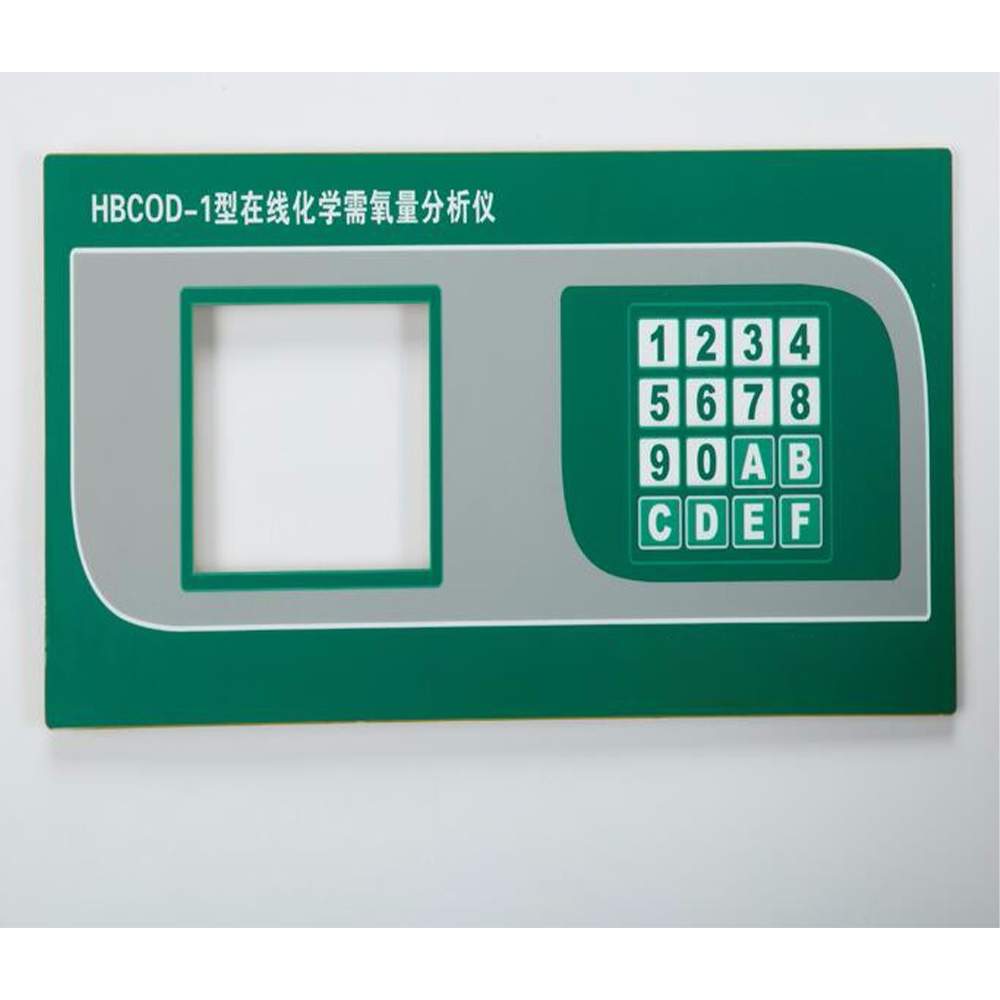
High Quality PET PC Membrane Keyboard Custom Logo Customized Color/Size Fast Delivery MBR Meiborui
View Details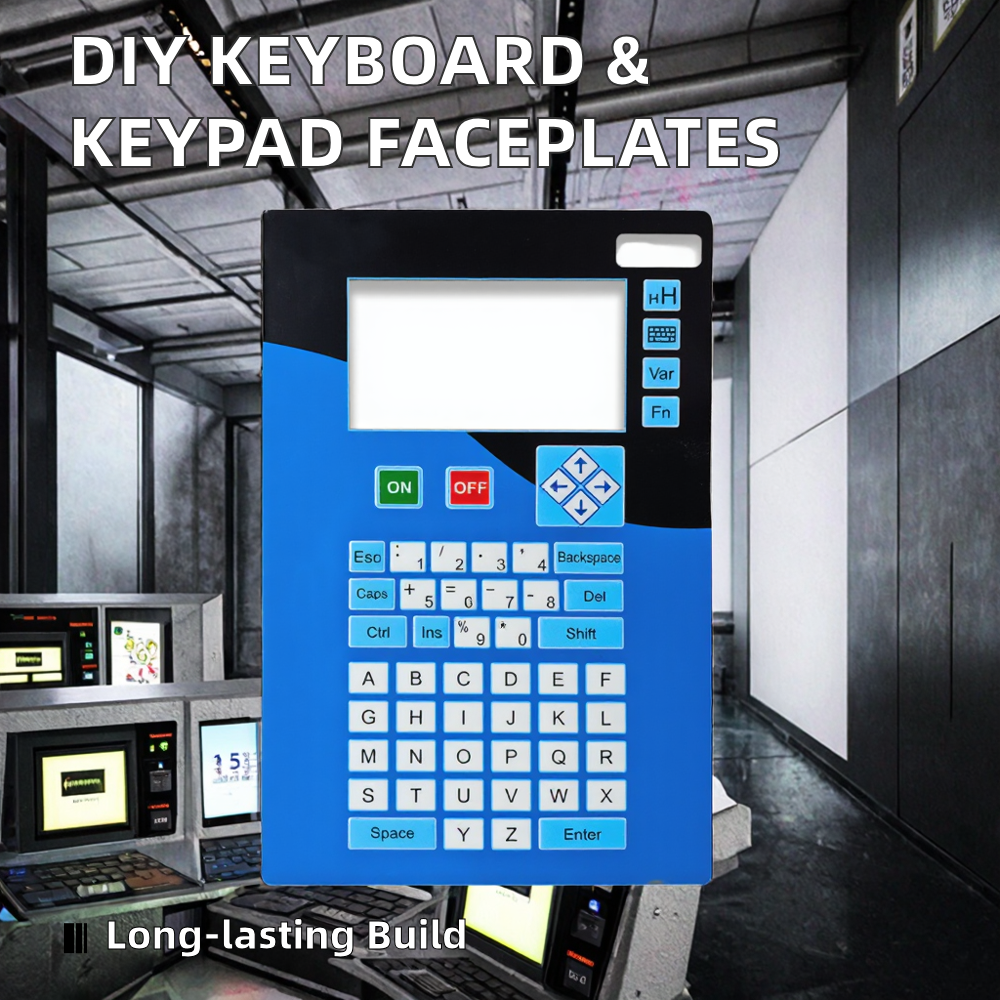
Custom Embossed Tactile Key Membrane Switch/Keypad/Keyboard Backlight LED Water-proof Panel Mounting ISO9001 Certified
View Details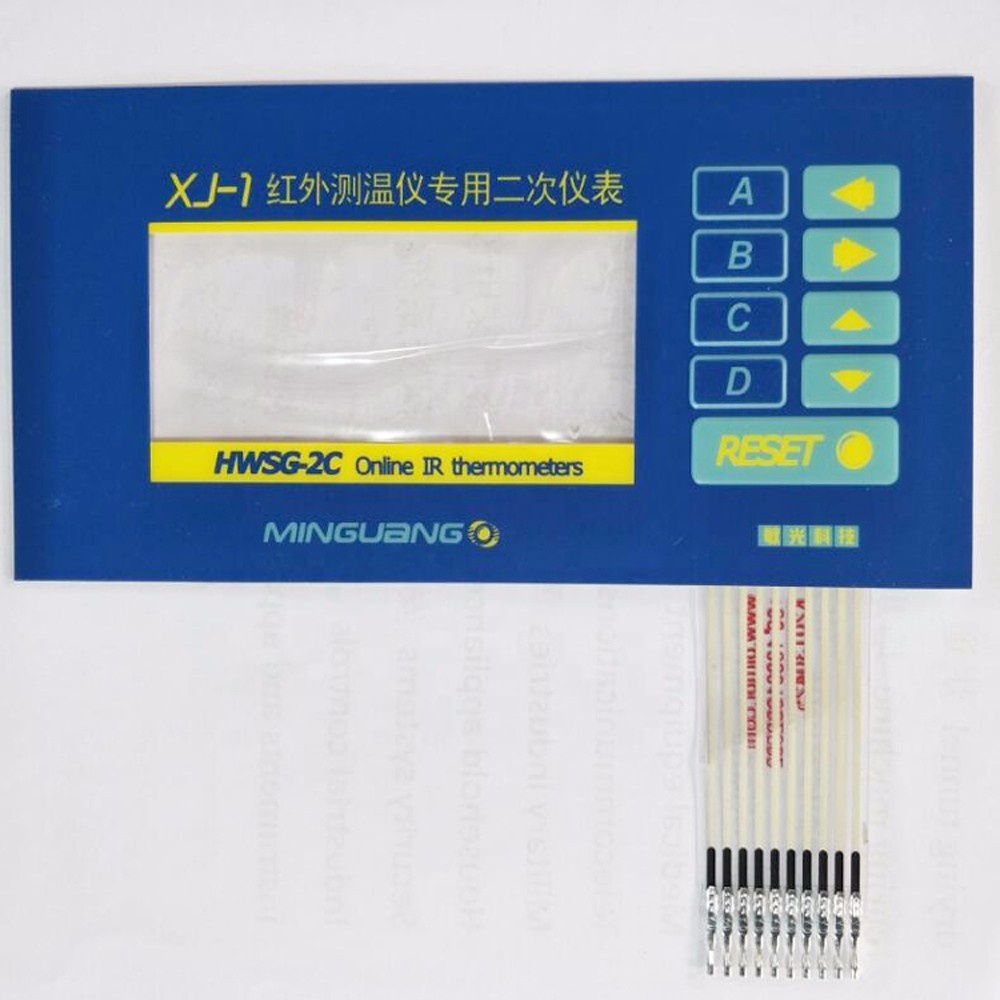
Fast Delivery OEM PBT Keyboard Cap Mechanical Switch Compatible Silkscreen Printed 2.54mm Pitch ISO Certified Factory Direct
View Details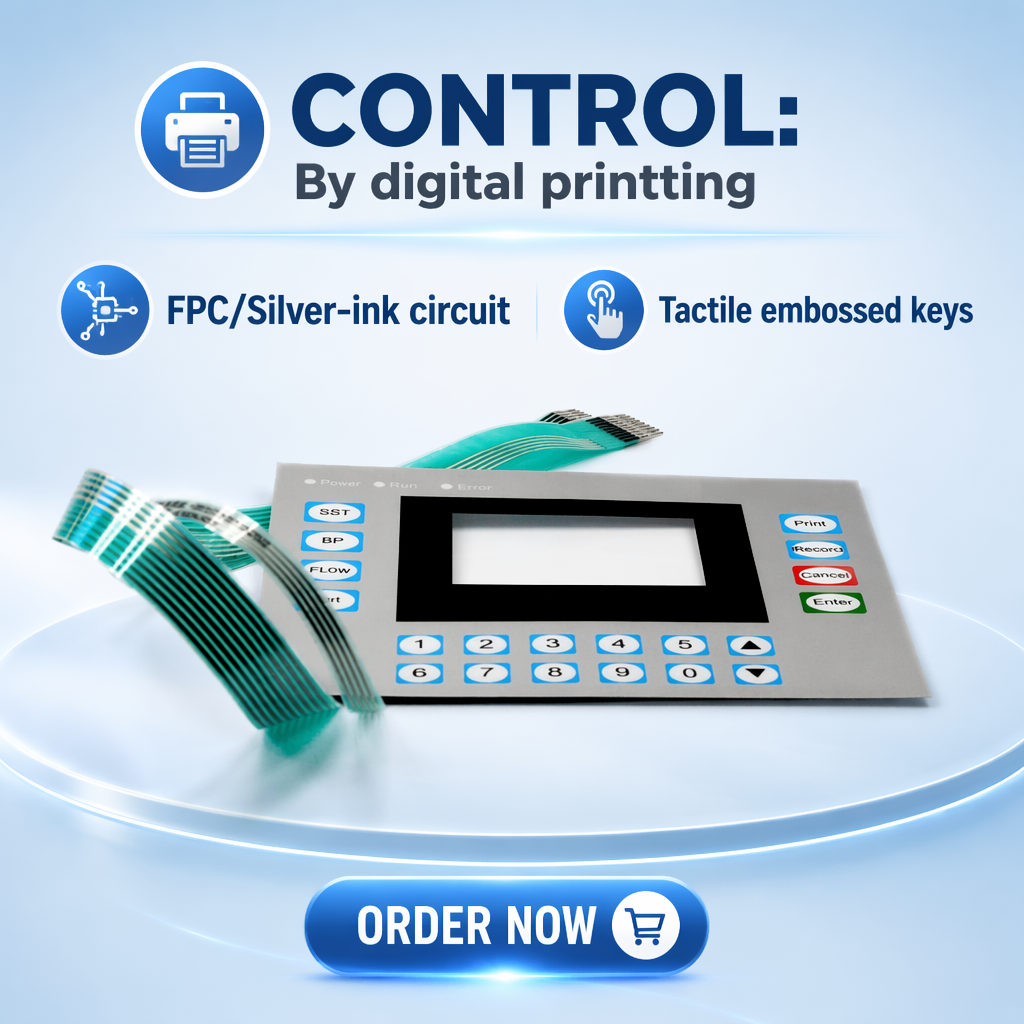
Custom FPC Membrane Switch With Embedded LED Backlight Flexible Circuit Keypad for Smart Home Appliance Control OEM
View Details1990
FPC & Switch Heritage Since
111+
Verified Technical Staff
2,219㎡
ISO Cleanroom Workshop
1M+ Pcs
Annual Global Export Volume
Industry Whitepaper & Sourcing Analysis
Engineering Excellence in China Wholesale Flexible Printed Circuits
In modern high-density electronic assemblies and human-machine interface (HMI) design, Flexible Printed Circuits (FPCs) have transitioned from simple interconnections to fundamental structural elements. As a leading China Wholesale Flexible Printed Circuit Supplier & Exporter, TAVO Electronic Information Technology Co., Ltd. (incorporating our specialized Meiborui processing lines) delivers end-to-end custom flex circuit engineering, rapid prototyping, and high-volume wholesale manufacturing for Tier-1 original equipment manufacturers (OEMs) worldwide.
Unlike rigid FR4 printed circuit boards, Flexible Printed Circuits utilize micro-thin polyimide (PI) or polyester (PET) dielectric substrates laminated with rolled annealed (RA) or electro-deposited (ED) copper foil. This unique material composition enables dynamic flexure, drastic weight reduction, spatial optimization in 3D enclosures, and high-frequency signal integrity. Whether your design demands ultra-fine trace pitches down to 0.05mm, single-layer flex tails for tactile membrane keypads, embedded surface-mount device (SMT) LEDs, or multi-layer rigid-flex hybrid stack-ups, our manufacturing architecture complies strictly with IPC-6013 Class 2 and Class 3 standards.
Technical Insight: Substrate Selection & Thermal Endurance
Opting for high-grade Kapton Polyimide (PI) substrates allows our flexible printed circuits to endure peak reflow soldering temperatures up to 260°C without delamination or dimensional distortion. This is critical for automated SMT placement of micro-components, LEDs, and zero insertion force (ZIF) connectors.
Technical Architecture
Anatomy & Material Stack-Up of High-Reliability FPCs
Substrates & Copper Foils
We utilize flexible copper-clad laminates (FCCL) with Polyimide (PI) film thickness ranging from 0.5 mil to 2 mil. Copper choices include Rolled Annealed (RA) copper for continuous dynamic bending applications and Electro-Deposited (ED) copper for ultra-fine line etching.
Coverlay & Insulation
Polyimide coverlays backed with thermosetting acrylic or epoxy adhesives shield circuit traces against oxidation, moisture ingress, chemical solvents, and mechanical abrasion during bending cycles exceeding 1,000,000 actuations.
Custom Stiffeners
To accommodate component insertion, strain relief, and panel mounting, we integrate precision-cut FR4 backers, 304 Stainless Steel plates, 5052 Aluminum sheets, or extra Polyimide stiffener layers near connector pin-outs.
Technical Comparison: FPC vs. Silver Screen-Printed Circuits vs. Rigid PCB
| Performance Characteristic | Flexible Printed Circuit (FPC) | Silver Screen-Printed Flex | Rigid FR4 Board |
|---|---|---|---|
| Base Conductor Material | Etched Pure Copper Foil (RA / ED) | Conductive Silver Ink / Carbon | Etched Electro-Deposited Copper |
| Min. Line Width / Space | 0.05 mm / 0.05 mm (2 mil / 2 mil) | 0.15 mm / 0.15 mm (6 mil / 6 mil) | 0.075 mm / 0.075 mm (3 mil / 3 mil) |
| Reflow Soldering (260°C) | Excellent (Polyimide Substrate) | Unsuitable (Melts PET Base) | Excellent (FR4 Substrate) |
| Dynamic Flexing Resistance | > 1,000,000 Bending Cycles | Limited (< 100,000 Cycles) | Rigid (Non-flexible) |
| Current Carrying Capacity | High (Up to 5A per trace) | Low (Signal level < 100mA) | Very High (> 20A with heavy copper) |
| EMI / EMC Shielding Option | Silver film / Mesh / Copper grid | Printed Carbon Shield | Internal Ground Planes |
Market Intelligence
Future Procurement Trends in Flexible Printed Circuits (2025–2030)
Strategic foresight for procurement directors, hardware engineers, and supply chain executives evaluating China's wholesale electronics manufacturing ecosystem.
The global demand for high-density, lightweight, and robust Flexible Printed Circuits is experiencing exponential growth driven by four key technological mega-trends:
1. Automotive Electrification & EV Battery BMS Flex
Electric Vehicle (EV) battery management systems (BMS) are rapidly replacing bulky traditional wire harnesses with long-format multi-layer FPCs. Wholesale flex circuits offer superior vibration resistance, reduced weight, and integrated thermal sensors across cellular modules.
2. Next-Gen Wearable Medical & Diagnostic HMI
Miniaturized medical diagnostic instruments, biometric wear devices, and sterilizable healthcare user interfaces mandate ultra-thin, biocompatible polyimide flex circuits integrated with optically clear adhesives (OCA) and capacitive touch sensors.
3. High-Frequency 5G/6G & LCP/MPI Substrates
As signal transmission frequencies scale beyond 10 GHz, standard Polyimide transitions toward Liquid Crystal Polymer (LCP) and Modified Polyimide (MPI) substrates to minimize dielectric loss (Dk/Df) in smart home and IoT communication modules.
Enterprise Advantage
TAVO & Meiborui Manufacturing Facilities & Enterprise Strength
Rooted in membrane switch and flexible circuit manufacturing since 1990, TAVO Electronic Information Technology Co., Ltd. operates state-of-the-art facilities located in the Robot Industry Port of Xianghe Economic and Technological Development Zone (Hebei) alongside processing lines in Huizhou (Guangdong). Our operations are fully assessed on-site by Intertek and certified under ISO 9001:2015 Quality Management Systems.
Through decades of deep technical collaboration with leading German membrane switch manufacturers, we have incorporated European precision standards into our daily production workflow. This ensures that every export batch destined for buyers in North America, Western Europe, the Middle East, and Asia Pacific satisfies zero-defect quality standards.
In-House Capital Equipment
Our dual processing bases feature 60 CNC mold-making machines, 4 Mimaki heat-setting digital printers, 18 precision laser cutting units, 37 automated silkscreen printing presses, and 7 digital engravers.
Rigorous Laboratory Testing
Products undergo full electrical testing on computer circuit analyzers, button life-cycle testers, programmable temperature and humidity chambers, xenon lamp aging chambers, and automatic salt fog chambers.
Veteran Engineering Team
Over 30 senior engineers each average more than 15 years of industry experience. Supported by a 10-person CAD design team and a 20-person international trade support group providing fast response times.
Buyer Knowledge Base
Frequently Asked Questions for FPC Procurement
Essential technical and commercial answers for sourcing managers and hardware design engineers.
What design files and specifications are required for a custom FPC quote?
To generate an accurate engineering quote and perform Design for Manufacturability (DFM) analysis, please provide Gerber files (RS-274X format), ODB++ or native CAD drawings (DXF, DWG, AI), copper layer thickness requirements (1/3 oz, 0.5 oz, 1 oz, or 2 oz), substrate type (PI or PET), stiffener preferences (FR4, PI, or Stainless Steel), surface finish (ENIG, HASL, OSP), and expected order volume.
How do you calculate the minimum bend radius for flexible printed circuits?
As an industry rule of thumb following IPC-2223 guidelines: Single-sided flex circuits require a bend radius of at least 6 times the total circuit thickness (R ≥ 6t); Double-sided flex circuits require at least 10 times the thickness (R ≥ 10t); and Multi-layer or dynamic flex applications require 12 to 20 times the total thickness. Staggering traces across opposite layers prevents mechanical tension cracking.
Does TAVO offer rapid prototyping and low-volume initial batch production?
Yes! TAVO supports flexible minimum order quantities (MOQs). Our fast-turnaround prototyping service utilizes direct laser cutting and digital UV imaging to deliver prototype samples in as little as 3 to 5 business days, enabling rapid verification before launching full-scale wholesale production.
What surface finishes are available for flex circuit connector pads and SMT areas?
We offer Electroless Nickel Immersion Gold (ENIG) as our standard finish for high-reliability SMT component soldering and ZIF insertion. Additional options include Hard Gold Plating (ideal for high-wear gold finger connectors and tactile switch contact pads), Immersion Silver, Immersion Tin, Lead-Free HASL, and Organic Solderability Preservatives (OSP).
How are embedded LEDs and dome switches integrated onto FPC membrane switches?
Using Polyimide-compatible reflow soldering processes, micro surface-mount LEDs (0603, 0805, or 1206 packages) are placed directly onto the FPC copper traces. Stainless steel tactile metal domes (four-leg or round, 6mm to 12mm diameter) are affixed over contact pads using precision dome-retainer adhesive arrays, yielding crisp tactile feedback and backlighting.
What quality inspection protocols ensure zero defects in wholesale shipments?
100% of our flexible printed circuits undergo Automated Optical Inspection (AOI) for trace defects, open/short electrical continuity testing on computerized pin testers, cross-section micro-sectioning, thermal stress testing, adhesion cross-hatch testing, and dimensional inspection via digital projectors prior to vacuum seal packaging.
Which trade terms and international payment methods do you support?
We accommodate standard international trade terms including FOB, CFR, CIF, and EXW. Accepted payment methods include Wire Transfer (T/T), Letter of Credit (L/C at sight), and D/P D/A in USD or EUR. Our international logisitics partners ensure expedited express or sea freight delivery worldwide.
Ready to OEM/ODM Your Custom Flexible Printed Circuits?
Consult with our senior engineering team today to receive a comprehensive DFM review, material optimization proposal, and factory-direct wholesale pricing quote within 24 hours.
Get a Quote