Wholesale Custom LGF & Industrial Membrane Switches
Precision-engineered human-machine interfaces tailored for industrial control, medical apparatus, railway locomotives, and telecommunications.
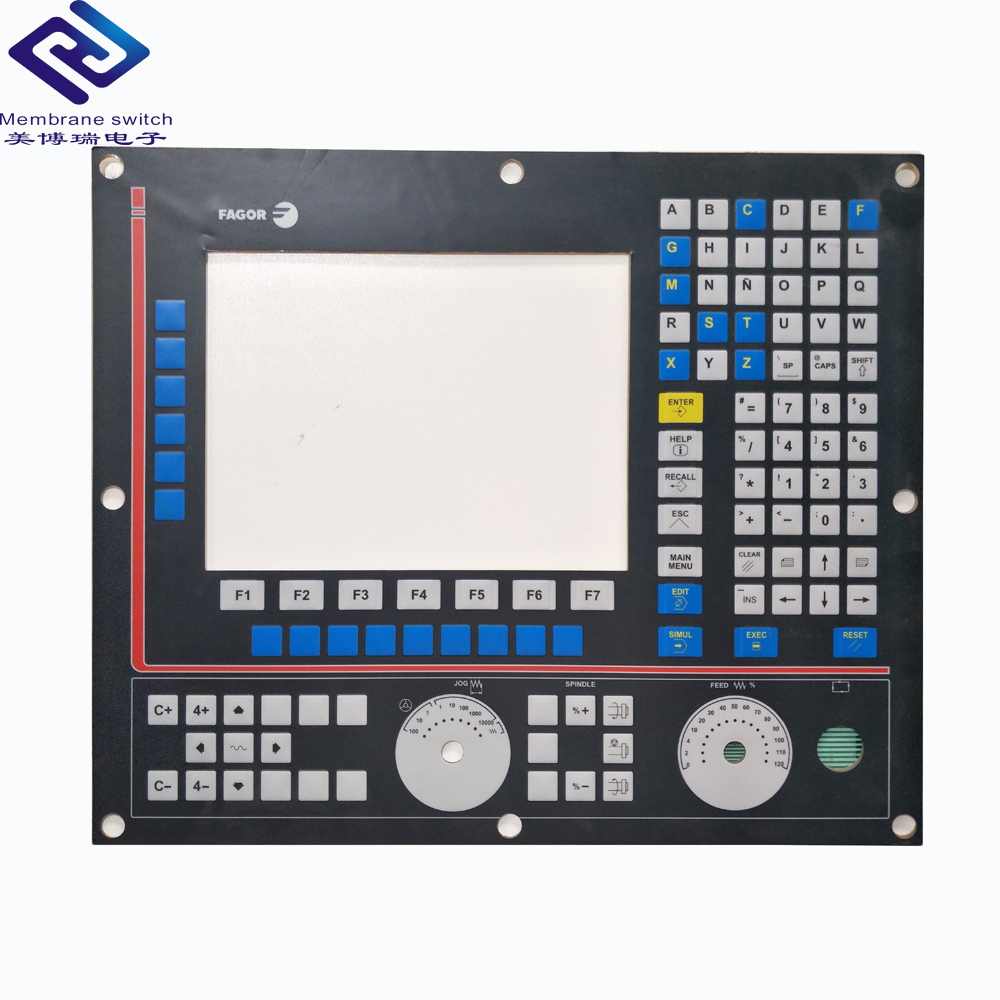
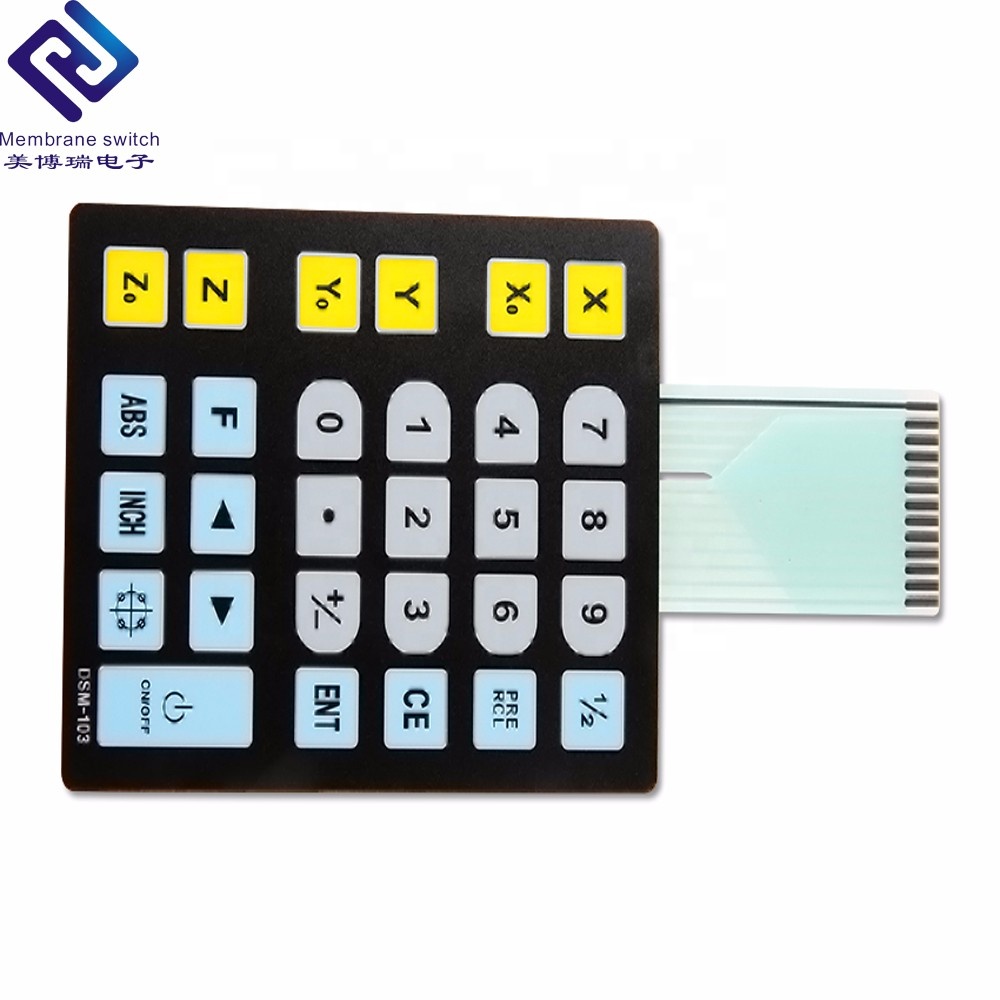
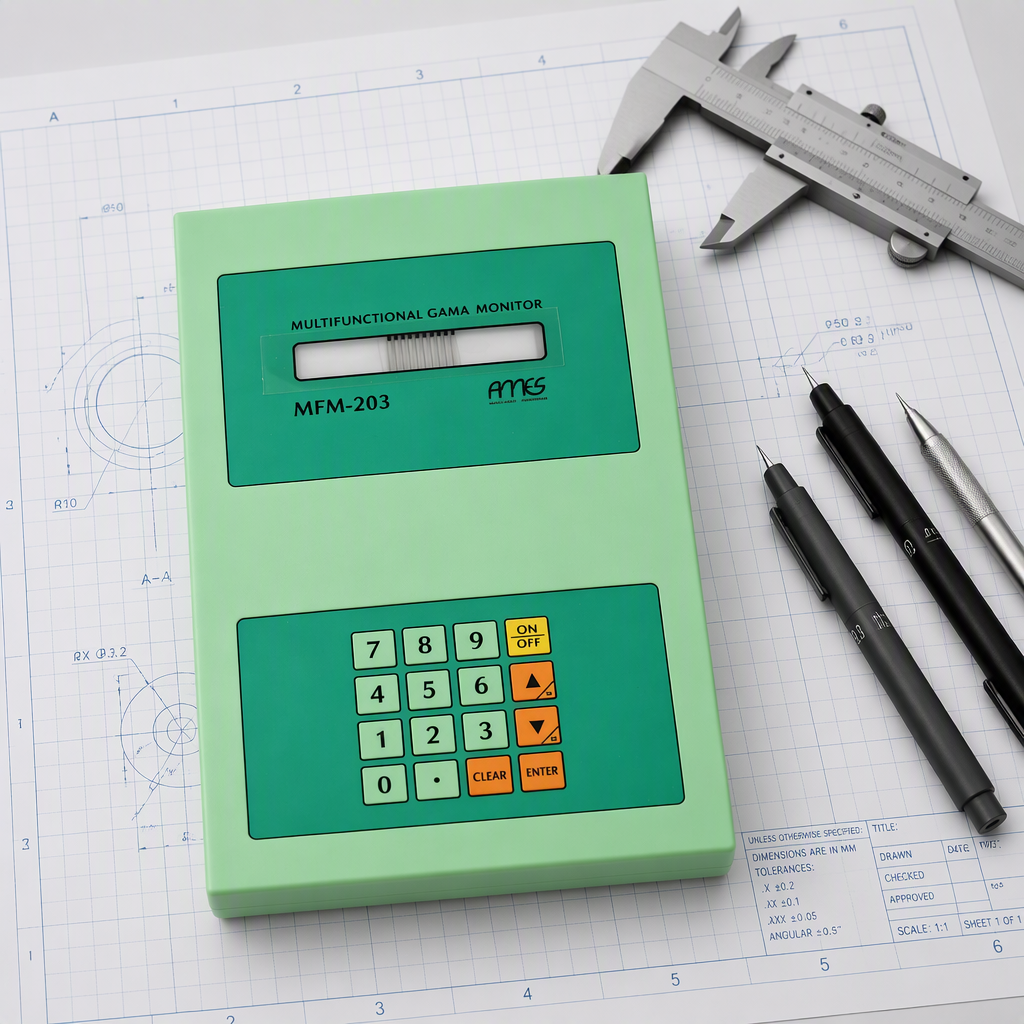
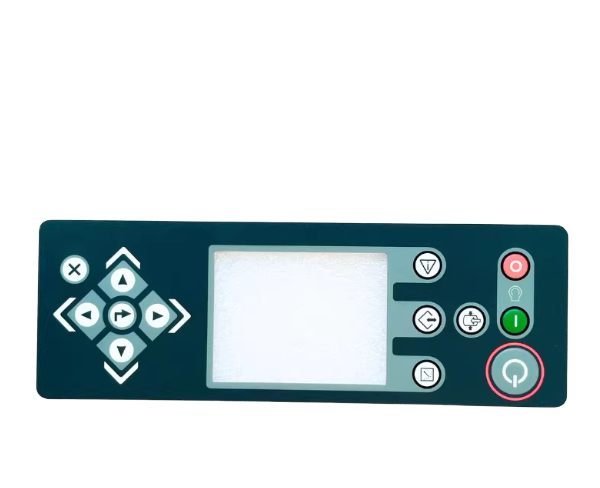
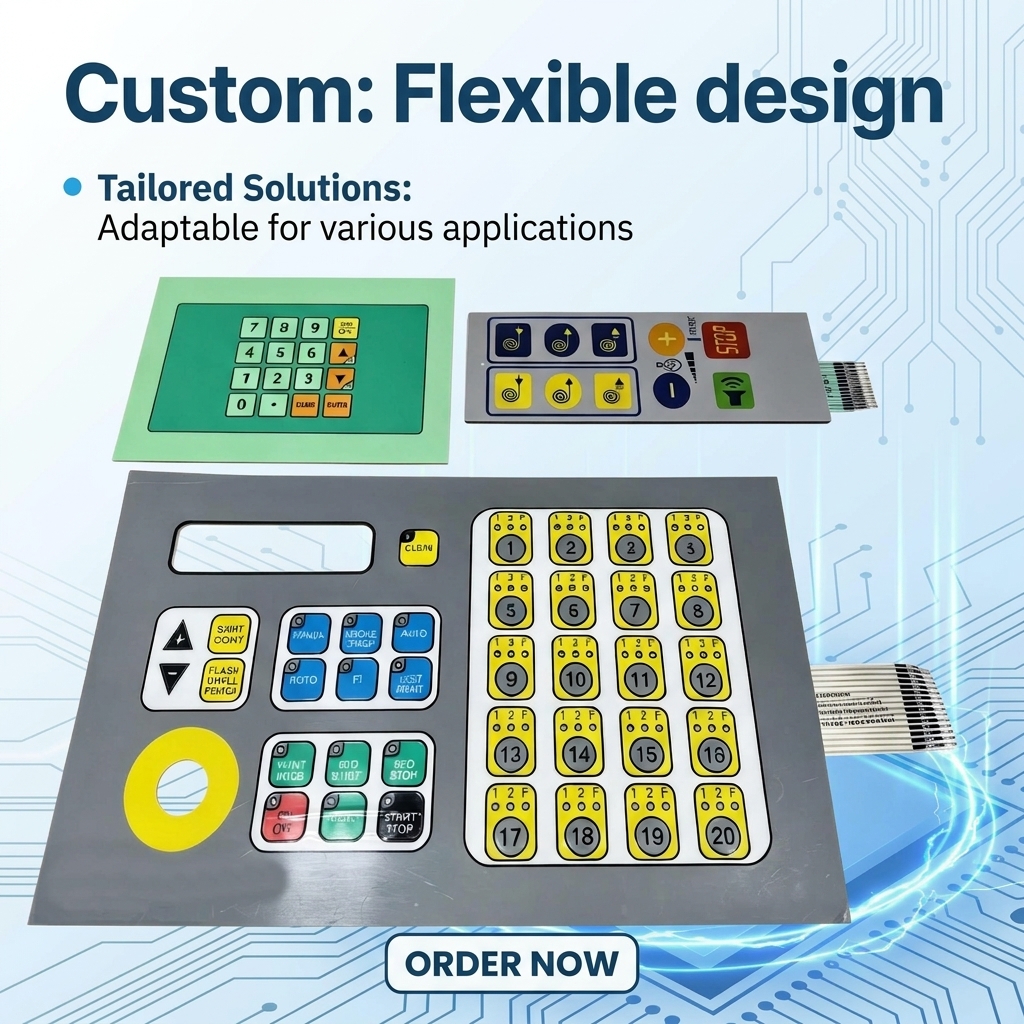
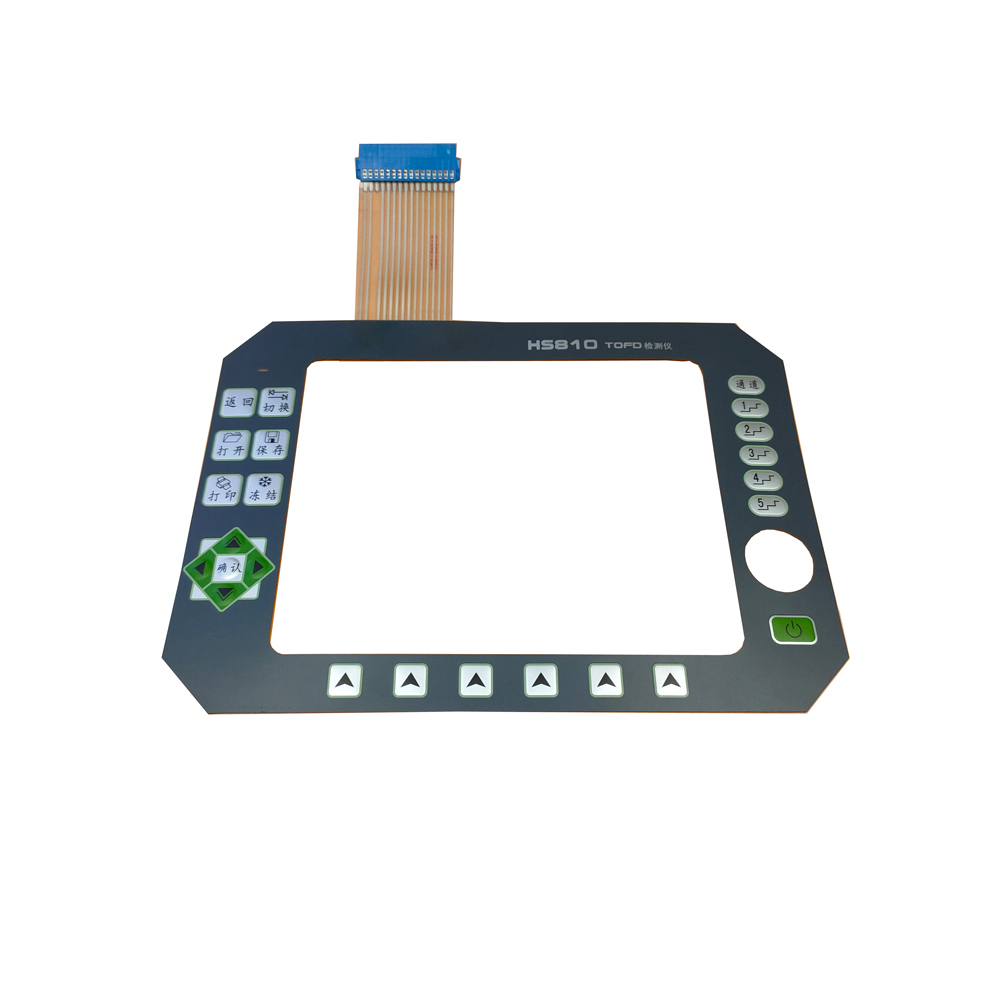
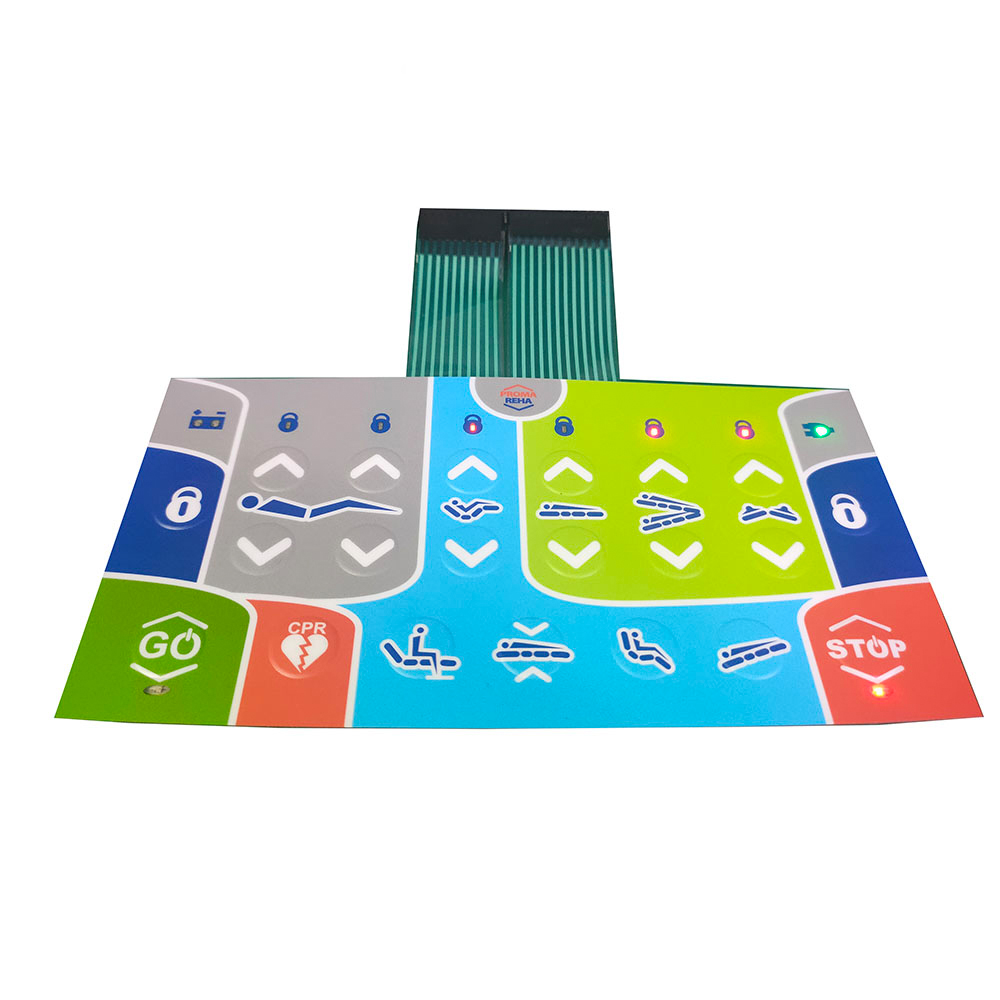
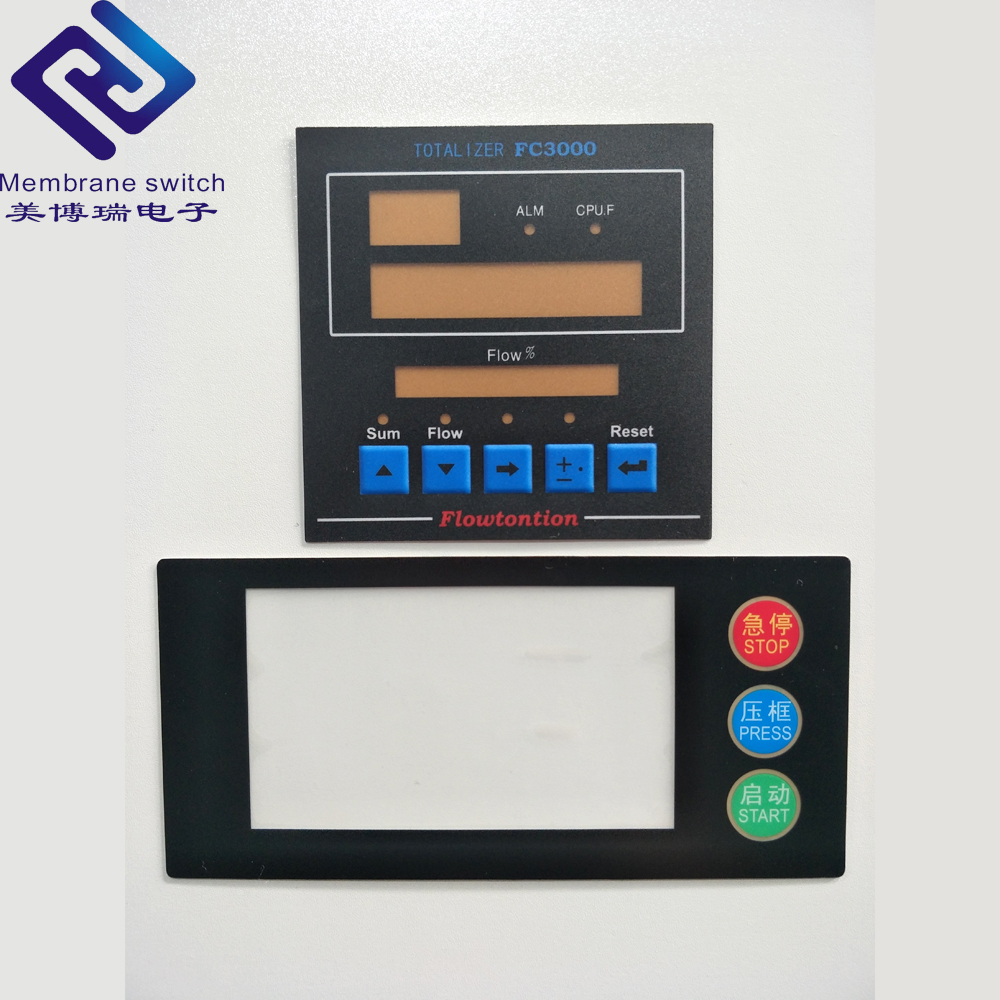
Understanding LGF (Light Guide Film) Membrane Switch Architecture
In modern B2B Human-Machine Interface (HMI) design, backlighting uniformity, profile thickness, energy conservation, and tactile feedback are critical engineering constraints. Light Guide Film (LGF) membrane switches represent the pinnacle of thin-profile illuminated user interface technology. By directing light emitted from side-firing surface-mount LEDs (SMD LEDs) across a specialized optical polycarbonate or acrylic film embossed with micro-refractive dots, LGF technology achieves homogeneous illumination across complex graphic overlays while adding less than 0.2mm to 0.5mm to the total switch thickness.
The Architectural Stack-Up of an LGF Backlit Membrane Switch
A high-reliability wholesale LGF membrane switch relies on a multi-layer composite structure. Each layer is engineered for structural integrity, electrical conductivity, optical clarity, and environmental sealing against moisture and industrial contaminants.
Cross-Sectional Layer Breakdown
Technical Comparison: LGF vs. Alternative Backlighting Technologies
| Backlighting Technology | Uniformity | Profile Thickness | Power Draw | Lifespan (Hours) | Cost Efficiency (Wholesale) |
|---|---|---|---|---|---|
| LGF (Light Guide Film) | High (>85%) | Ultra-Thin (0.2mm - 0.5mm) | Very Low (<30mA) | 50,000+ Hrs | Optimal (High ROI) |
| EL (Electroluminescent) | Very High (>90%) | Thin (0.3mm) | High (Requires AC Inverter) | 3,000 - 5,000 Hrs (Fades) | High Unit Cost |
| Fiber Optics Mesh | High (>80%) | Medium (0.8mm - 1.2mm) | Low (<40mA) | 50,000+ Hrs | Expensive Tooling |
| Direct Matrix LEDs | Low (Hotspots) | Thick (>1.5mm) | High (Multiple LEDs) | 50,000+ Hrs | Low Initial Tooling |
Engineering & Development Trends in LGF Switches
As industrial equipment and medical HMIs shift toward smarter, sleeker, and more durable control interfaces, LGF membrane switch technology is evolving along four critical engineering trajectories.
1. Integration with Capacitive Touch Sensors
Traditional mechanical metal dome switches are increasingly paired with capacitive touch sensing layers. In hybrid LGF designs, capacitive switch zones use LGF illumination for status backlighting while maintaining a seamless, completely flat glass or polycarbonate surface that can be wiped down and sanitized easily in medical or food-processing environments.
2. Optical Clear Adhesive (OCA) Window Bonding
Modern HMI panels feature integrated TFT-LCD, OLED, or segment display windows. The market is shifting from traditional perimeter adhesive mounting to full OCA (Optical Clear Adhesive) bonding. OCA bonding eliminates air gaps between the graphic overlay window, display glass, and LGF layer, preventing internal condensation, dramatically reducing ambient reflection, and improving readability in direct sunlight.
3. EMI/RFI Shielding & ESD Protection
With industrial control environments experiencing elevated electromagnetic interference (EMI) and electrostatic discharge (ESD), LGF membrane switches now incorporate full printed aluminum foil, copper foil, or transparent Indium Tin Oxide (ITO) ESD shielding layers capable of withstanding electrical discharges up to 15kV without triggering false inputs or damaging sensitive MCU components.
4. RGB Smart Light Zoning & Micro-Patterning
Advanced CAD light simulation software allows engineers to design multi-zone LGF structures. By compartmentalizing light guide zones using printed optical barriers, a single LGF assembly can display distinct RGB status colors (e.g., Red for Emergency, Green for System Ready, Blue for Connectivity) across different button areas without light bleeding into adjacent keys.
Future B2B Procurement Trends for OEM Buyers
Global procurement directors and supply chain managers are adopting strategic sourcing models to mitigate supply risks and lower Total Cost of Ownership (TCO).
1. Direct Manufacturer Collaboration vs. Sourcing Intermediaries
Global OEMs in North America and Western Europe are increasingly bypassing trading middle-men in favor of direct technical collaboration with audited Chinese original manufacturers. Direct factory communication ensures fast turnarounds on custom engineering drawings (CAD/DXF), immediate DFM (Design for Manufacturability) feedback, and significant cost savings on tooling setup.
2. Rapid Prototyping & Agile Production Batches
Product iteration cycles are accelerating. Sourcing managers now require vendors that offer fast-turnaround prototyping (sample delivery within 5 to 7 working days) using digital UV printing and laser cutting techniques before committing to high-volume hardened steel die-cutting tooling.
3. Sustainable Material Compliance (RoHS, REACH, PFAS-Free)
International environmental regulations demand strict material compliance. B2B buyers must ensure their Chinese suppliers utilize non-toxic, halogen-free inks, REACH-compliant PET/PC films, and RoHS-certified 3M double-sided adhesives to prevent costly customs holds or environmental fines.
4. Modular "Turnkey" HMI Assembly Sourcing
Procurement teams are shifting away from sourcing individual switch components (overlays, metal domes, circuit tails) from separate suppliers. Instead, they prefer turnkey HMI assemblies—where the membrane switch, LGF backlighting, rigid PCB/aluminum backer plate, display window, and wiring harness are fully assembled and 100% electrically tested prior to export.
Our China Manufacturing Capabilities & E-E-A-T Excellence
TAVO Electronic Information Technology Co., Ltd. brings over three decades of specialist membrane switch manufacturing experience, backed by international quality audits and state-of-the-art production assets.
ISO 9001 & Intertek Onsite Certified
Our operations undergo annual on-site inspections by Intertek and strictly conform to ISO 9001 quality management standards, guaranteeing rigorous process control from raw material inspection to final functional testing.
Dual Production Facilities (Hebei & Huizhou)
With 2,219㎡ across our main plant in Xianghe Robot Industry Port (Hebei) and our southern manufacturing base in Huizhou (Guangdong), we offer flexible capacity distribution and supply chain redundancy.
German Technical Collaboration
TAVO maintains long-term technical cooperation with German membrane switch experts, sharing equipment specs, technician training, and European standard quality benchmarks for industrial control keypads.
Advanced In-House Machine Fleet
Equipped with 37 precision screen printing machines, 4 Mimaki heat-setting digital printers, 18 laser cutters, 60 CNC mold-making units, 7 digital engravers, and automatic salt fog testing chambers.
Veteran Engineering & Support Team
Our team includes 30+ senior engineers with over 15 years of individual industry experience, supported by a 20-person international trade department offering 24/7 technical communication in English.
Proven Track Record with Fortune 500s
Our custom membrane switches and control panels are deployed globally by market leaders including Siemens, ABB, Haier, Xugong Group, high-speed rail locomotive systems, and aerospace projects.
Wholesale & Technical Procurement FAQ
Comprehensive answers to common technical, quality control, and logistics questions from OEM buyers.
Ready to Engineer Your Custom LGF Membrane Switch?
Consult with TAVO’s senior engineering team today. Send us your project requirements, drawings, or artwork for a comprehensive DFM review and competitive factory-direct quote within 24 hours.