Precision Keypad & Backlit Switch Assemblies
Explore our ISO9001-certified custom illuminated HMI components manufactured directly in China.
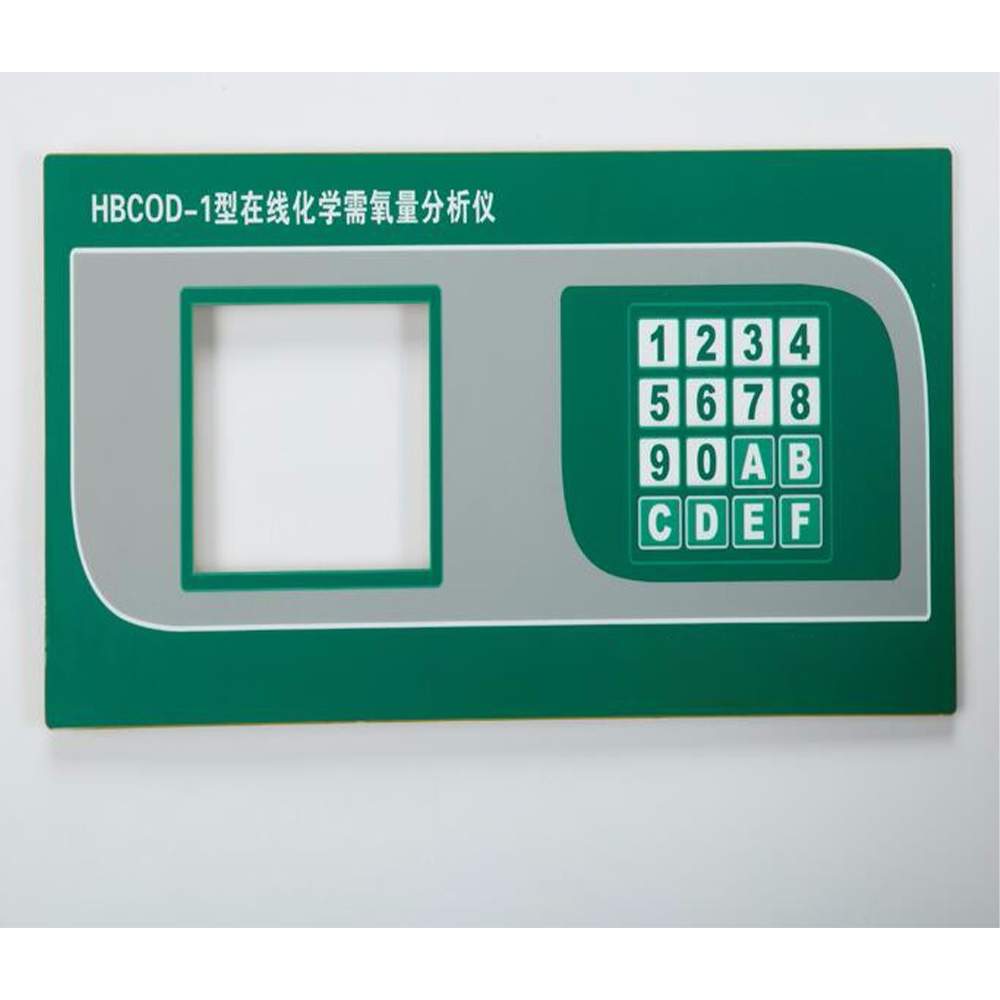
High Quality PET PC Membrane Keyboard Custom Logo
View Details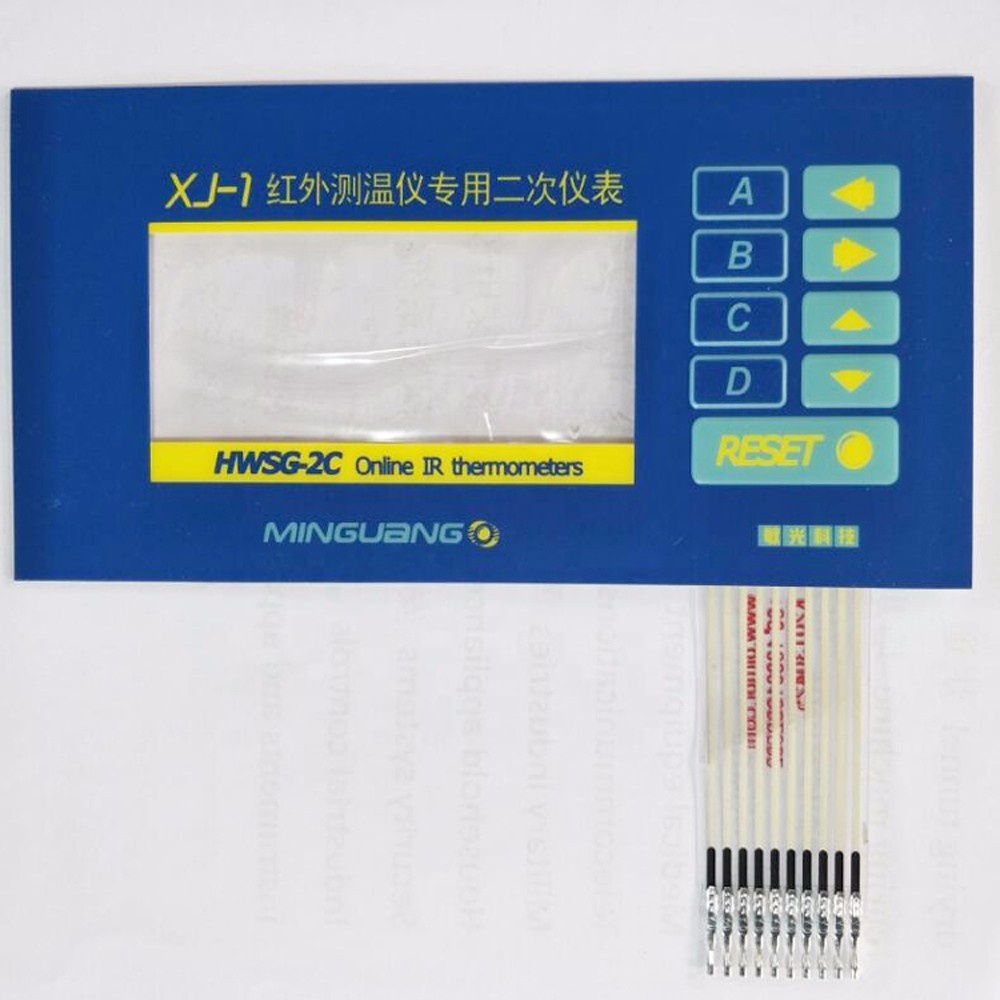
Fast Delivery OEM PBT Keyboard Cap Mechanical Switch
View Details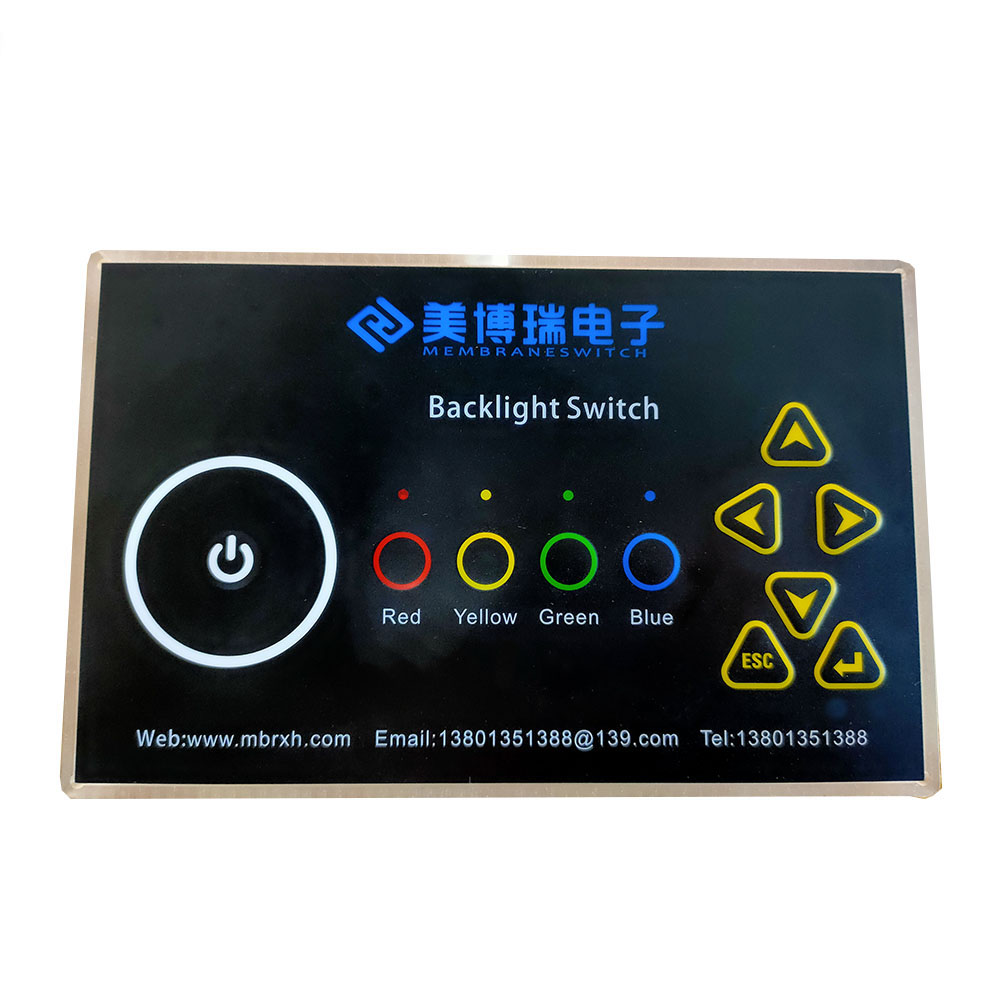
MEIBORUI MBR PBT Keyboard Cap PET Membrane Keypad
View Details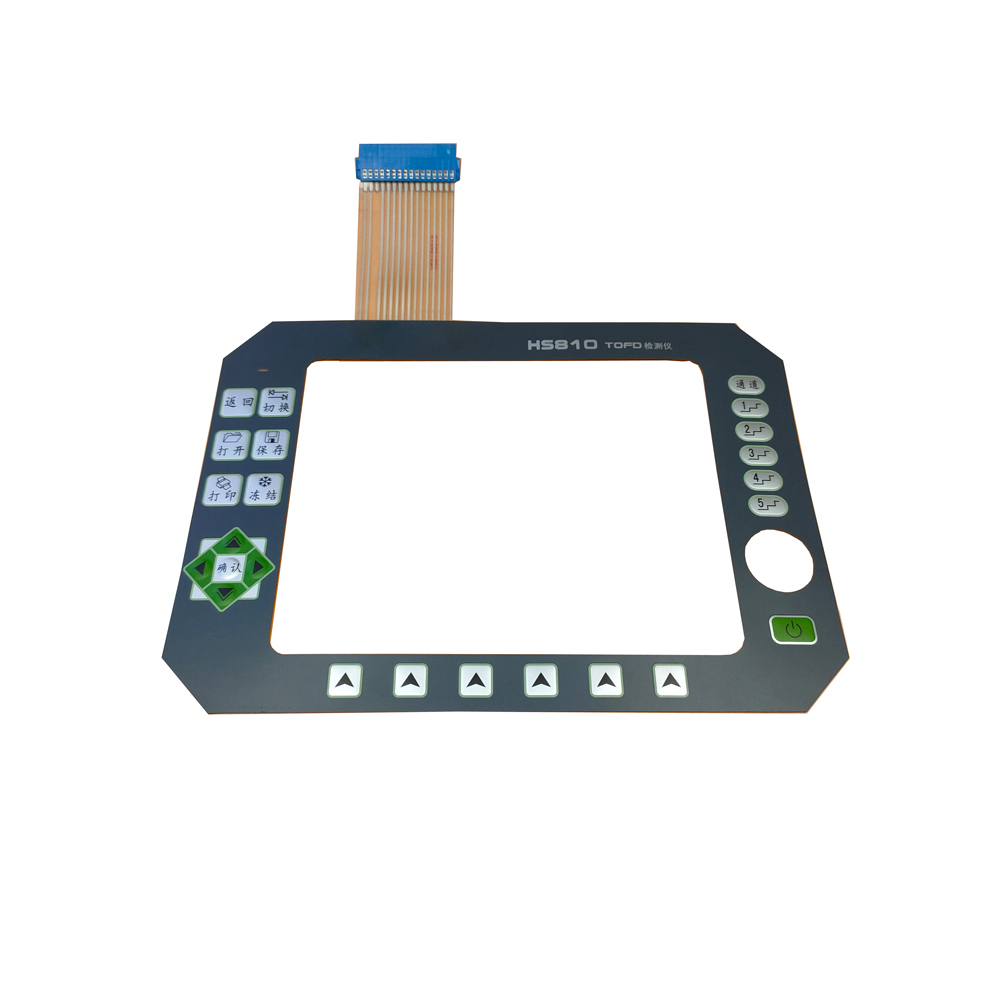
Meiborui Custom Waterproof PBT Keyboard Cap Sticker
View Details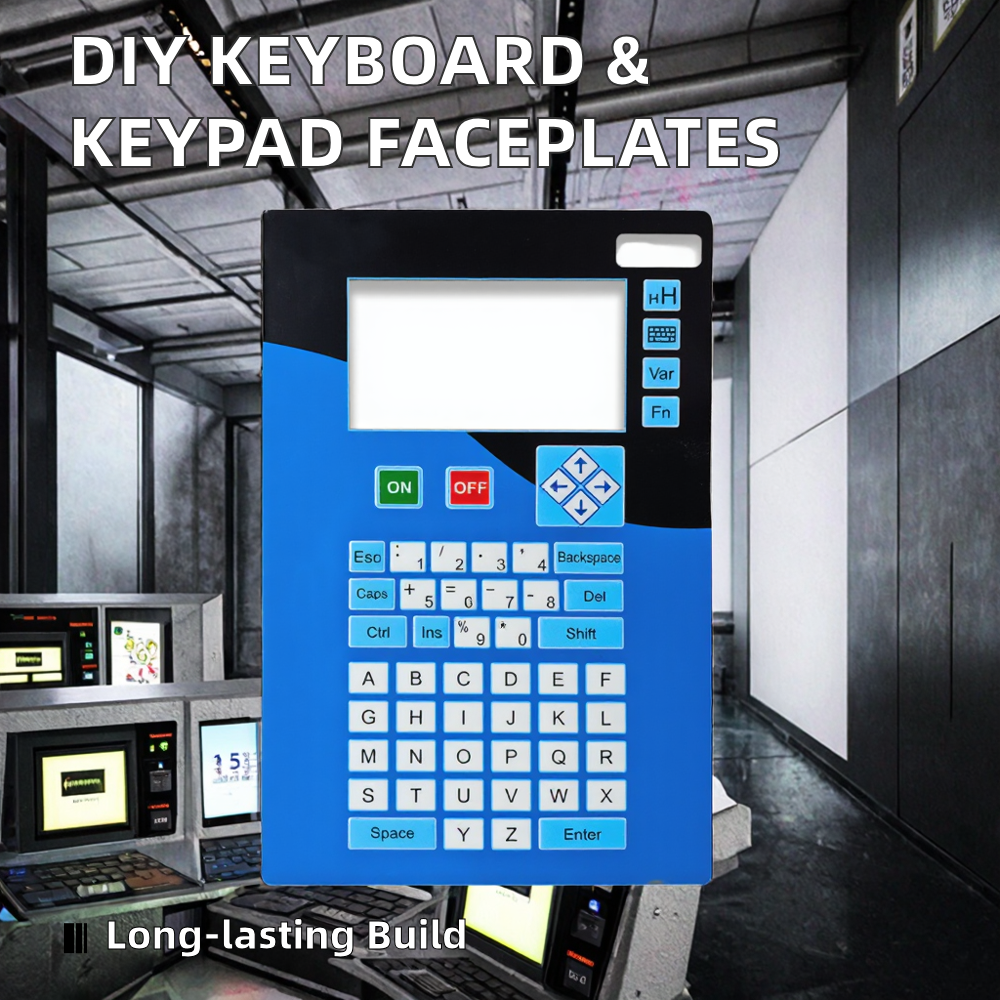
Custom Embossed Tactile Key Membrane Switch Backlight
View Details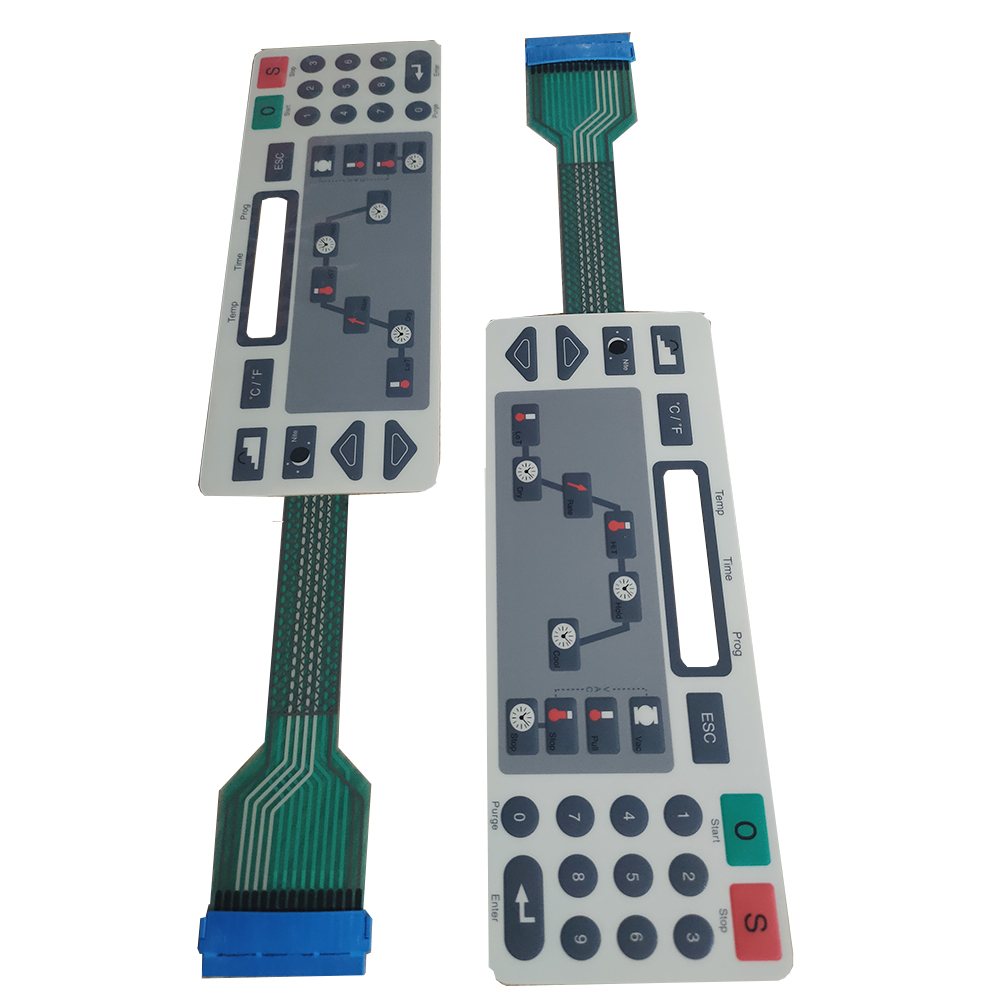
IP67 Waterproof LCD Membrane Switch Custom Keypad
View Details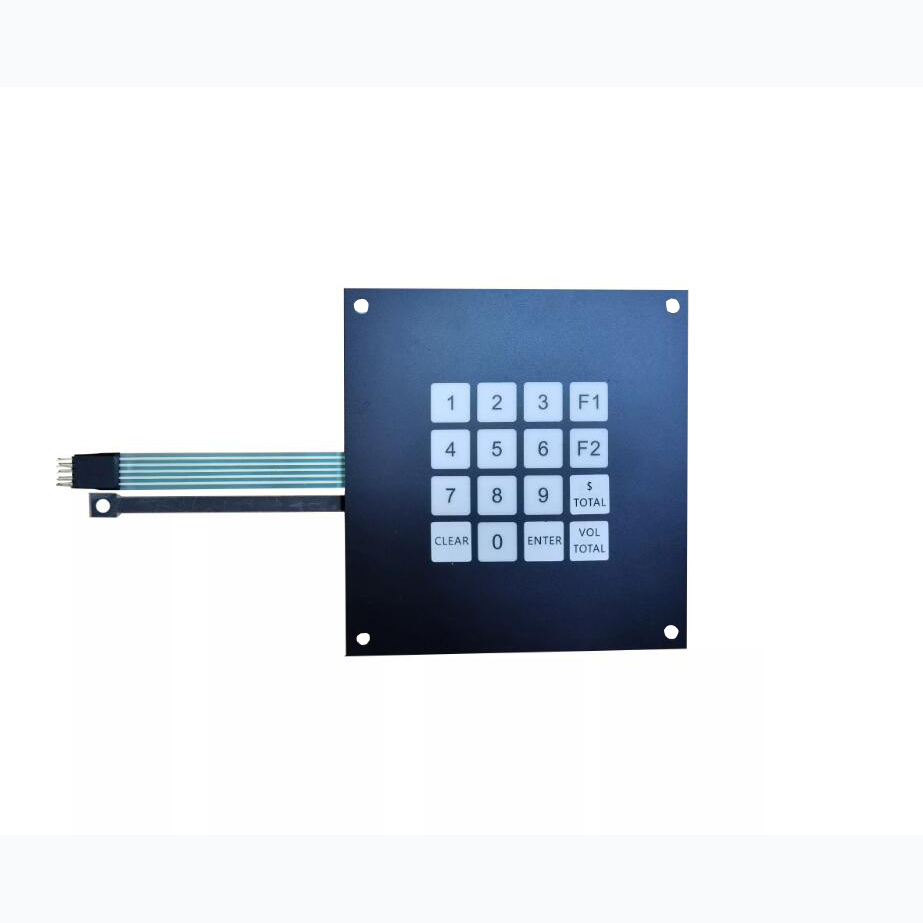
Custom Fuel Dispenser Oiling Machine Membrane Keypad
View Details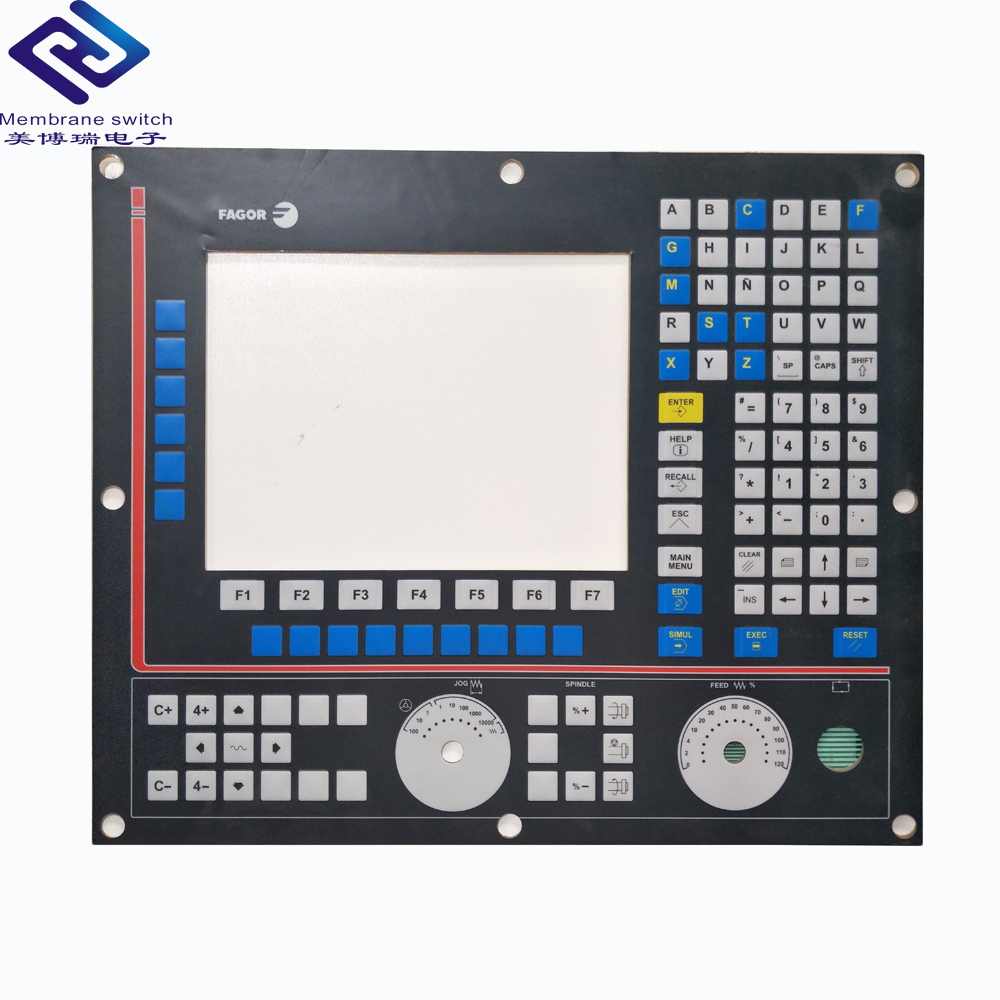
CNC Milling Machine Keypad Membrane Control Panel
View DetailsExecutive Summary: Sourcing Light Guide Film (LGF) from China's OEM Ecosystem
In the rapidly evolving landscape of Human-Machine Interfaces (HMI), illumination quality, panel thickness, and energy efficiency have emerged as critical differentiators for industrial controls, medical instrumentation, automotive dashboards, and high-end consumer devices. Sourcing from accredited China wholesale Light Guide Film factories & suppliers allows global OEMs to combine cutting-edge micro-optical engineering with highly cost-effective, scalable production.
Light Guide Film (LGF) technology utilizes high-refractive-index optical PET or PMMA films engineered with micro-dot optical patterns. By coupling low-power side-firing LEDs into the edge of the ultra-thin film (0.125mm to 0.25mm thickness), light undergoes Total Internal Reflection (TIR) across the optical plane until it encounters precise, laser-etched or screen-printed extraction dots. These micro-structures redirect light vertically upward toward graphic overlays, illuminated keypads, or capacitive touch panels, delivering uniform surface brightness without hotspots or excessive power draw.
Key Information Gain for Sourcing Directors & Engineering Teams
Unlike conventional backlighting mechanisms—such as bulky fiber-optic strands, power-hungry Electroluminescent (EL) lamps, or thick diffused LED light boxes—modern LGF integrated assemblies provide an ultra-slim profile (<0.5mm stack-up), exceptionally low heat dissipation, long operational life (>50,000 hours), and complete freedom to illuminate specific keys or brand logos selectively.
Technical Architecture of Light Guide Film (LGF) Backlit Membrane Switches
To fully appreciate the engineering advantage of sourcing custom LGF products from China, one must understand the multi-layer stack-up involved in a modern illuminated membrane keypad assembly:
- Graphic Overlay Layer: Manufactured from hard-coated Polycarbonate (PC) or Polyester (PET) films (e.g., Autotex or Lexan). Features reverse-printed graphics, UV-curable textures, dead-front hidden indicators, and clear display windows.
- Embossed Tactile Dome Layer: Integrates stainless steel metal domes (four-leg or round domes, typically 250g to 400g actuation force) or embossed polyester poly-domes that provide crisp, tactile feedback to the user.
- Light Guide Film (LGF) Layer: The optical heart of the backlit system. Consists of optical-grade PET substrate printed or embossed with customized micro-refractive dot matrices tailored precisely to key locations.
- Reflector & Isolation Spacer: Positioned immediately beneath the LGF layer to reflect downward-scattered light rays back toward the visual surface, maximizing luminance efficiency by up to 35%.
- Circuit Layer (Silver Flexible Circuit or FPC): Printed silver conductive ink on PET or multi-layer copper Polyimide Flexible Printed Circuit (FPC) populated with surface-mounted side-emitting LEDs (0603 or 0805 packages).
- Pressure-Sensitive Adhesive (PSA): High-tack 3M adhesives (such as 3M 467MP or 3M 468MP) ensuring hermetic sealing against moisture, dust, and aggressive chemicals (IP65 to IP67 compliance).
Comparison Matrix: Backlighting Technologies in HMI Engineering
Choosing the correct backlighting technique requires balancing optical performance, thermal management, energy consumption, and unit production cost. The technical matrix below highlights why LGF has become the preferred choice for global OEM procurement managers:
| Performance Feature | Light Guide Film (LGF) | Electroluminescent (EL) | Fiber Optics Matrix | Direct LED Array |
|---|---|---|---|---|
| Typical Thickness | 0.125 mm – 0.25 mm | 0.20 mm – 0.30 mm | 0.50 mm – 1.20 mm | 2.00 mm – 5.00 mm |
| Illumination Uniformity | High (>85% uniformity) | Very High (Uniform plane) | Moderate to High | Low (Hotspots present) |
| Operating Voltage | 2.8V – 3.3V DC (LED driven) | 80V – 110V AC (Inverter required) | 2.8V – 3.3V DC | 2.8V – 12V DC |
| Power Consumption | Ultra-Low (20-60 mA total) | Moderate to High | Low to Moderate | High (Multiple LEDs) |
| Operational Lifespan | >50,000 Hours | 3,000 – 5,000 Hours (Half-life) | >30,000 Hours | >50,000 Hours |
| EMI/RFI Interference | Zero EMI Generation | High (Due to AC Inverter) | Zero EMI Generation | Zero EMI Generation |
| Tooling & Unit Cost | Cost-Effective Wholesale Scale | High Replacement Cost | High Tooling Cost | Low Tooling / High Thickness |
Future Procurement Trends in Light Guide Film & Backlit Membrane Switches
As global buyers optimize their supply chains for resilience, precision, and technological longevity, several key trends are shaping the procurement of Light Guide Films from leading Chinese manufacturers:
1. Integration with Capacitive Touch Sensing & OCA Optical Bonding
Traditional mechanical metal dome switches are increasingly paired with or replaced by capacitive touch sensors. Leading Chinese manufacturers now combine ultra-thin Light Guide Films with capacitive sensor layers using Optically Clear Adhesive (OCA) full-lamination technology. This hybrid configuration provides a seamless glass or acrylic front panel with zero mechanical wear, crisp backlighting, and instant touch responsiveness.
2. Transition to Micro-LEDs & Dynamic Multi-Zone RGB Lighting
Next-generation industrial consoles demand customizable status feedback. By integrating ultra-compact micro-LEDs (0402 or 0603 RGB packages) with localized optical isolation zones inside the LGF, engineers can achieve independent multi-color lighting for individual buttons. This allows a single key to glow green during normal operation, flash yellow during warnings, and illuminate red during emergency stops.
3. Micro-Structure Mold Embossing vs. Traditional Screen Printing
Historically, extraction dots on Light Guide Films were silk-screened using specialized translucent optical inks. Modern China wholesale factories are transitioning to high-precision direct laser-engraved steel molds and UV micro-replication techniques. Direct physical micro-embossing improves optical extraction efficiency by up to 22% while eliminating ink aging and yellowing caused by high thermal cycles.
4. Stringent Environmental & Chemical Resistance Standards
Driven by medical device regulations (ISO 13485) and harsh industrial environments, LGF backlit switches are now required to withstand rigorous cleaning with isopropyl alcohol, bleach, and industrial disinfectants. Top-tier Chinese suppliers utilize hard-coated anti-glare, anti-fingerprint, and chemical-resistant films alongside IP67-rated perimeter adhesive gaskets.
Technological Development Trends in LGF Manufacturing
The manufacturing process for optical-grade Light Guide Film demands high-level technical expertise, cleanroom environments, and strict optical simulation. Key technical developments spearheaded by China's leading LGF producers include:
- Computer-Aided Optical Ray-Tracing Simulation: Utilizing advanced optical modeling software (such as LightTools or TracePro), engineers simulate ray-propagation paths based on LED luminous flux, spatial radiation angles, and optical film refractive indices. This optimizes dot distribution density prior to physical mold creation.
- Sub-Micron Laser Engraving Equipment: Molds for optical dots are machined using high-precision femtosecond laser systems, guaranteeing consistent dot geometry and clean light scattering.
- Automatic Optical Inspection (AOI) Integration: Inline AOI systems scan every finished LGF layer for luminance variance, surface contamination, scratches, or dot void defects, ensuring 100% optical consistency across high-volume production batches.
- Miniaturization of Flexible Circuit Tails: Utilizing fine-pitch FPC flex tails (down to 0.5mm pitch) with ZIF connectors simplifies assembly into compact handheld devices and portable diagnostic equipment.
Enterprise Advantages: Why Partner with Our Manufacturing Base in China
As a senior OEM manufacturer with roots in membrane switch and custom keypad production dating back to 1990, our organization stands at the forefront of China's HMI industry. Operating as TAVO Electronic Information Technology Co., Ltd. (alongside our specialized production brand MEIBORUI / MBR), we provide complete, vertically integrated manufacturing capabilities.
Dual Production Base Capacity
Our primary facility spans 2,219 m² in the Robot Industry Port (Xianghe Economic Zone, Hebei), complemented by a southern processing hub in Huizhou, Guangdong. Order production is dynamically allocated based on complexity and lead-time requirements.
Intertek & ISO 9001 Certified Quality
We strictly adhere to ISO 9001 quality management procedures. Our facilities are audited on-site by Intertek, ensuring rigorous incoming raw material verification, process control, and full traceability.
Full In-House Manufacturing
From CAD drawing optimization and optical dot design to screen printing, digital UV printing (Mimaki heat-setting printers), laser cutting, embossing, cleanroom assembly, and 100% electrical/optical testing—nothing is outsourced.
State-of-the-Art Machine Park
Equipped with 37 precision screen printing machines, 4 Mimaki digital printers, 18 laser cutters, 6 high-speed punching presses, 7 digital engravers, and dedicated button life-cycle test rigs.
Global Technical Partnership
We maintain technical cooperation with German membrane switch specialists, ensuring European-grade precision. Over 30 senior staff engineers offer 15+ years of dedicated industry experience.
Global Export Excellence
Serving major OEM buyers across North America, Germany, Western Europe, Middle East, and Asia. Proven track record supplying Tier-1 partners in industrial, rail locomotive, and energy sectors.
Frequently Asked Questions (FAQ) for LGF Sourcing & Technical Engineering
What design files and specifications are required to initiate a custom Light Guide Film (LGF) project?
1. Mechanical Outline Drawing (in PDF, DXF, or DWG format) detailing overall dimensions, cutout locations, and key positions.
2. Graphic Vector Artwork (AI, CDR, or EPS format) specifying Pantone or RAL color codes, window clear zones, and dead-front areas.
3. Circuit Schematic / Pin-out Diagram detailing LED locations, forward voltage/current specs, connector type, and tail pitch.
4. Environmental Operating Parameters (operating temperature, humidity, chemical exposure, IP sealing requirements).
Our engineering team performs a complete Design for Manufacturability (DFM) review and delivers detailed production drawings for your sign-off before tooling.
How does Light Guide Film (LGF) compare to Electroluminescent (EL) backlighting in terms of longevity and power?
Can LGF backlighting be integrated with tactile metal domes without affecting tactile response?
What minimum order quantity (MOQ) and sample lead times do you support for wholesale OEM projects?
How do you verify optical uniformity and environmental reliability during production?
• Luminance & Uniformity Measurement: Evaluated at multiple surface grid points using digital luminance meters to guarantee >80% brightness uniformity.
• Actuation Life Testing: Button switch test units cycle keys up to 1,000,000+ actuations.
• Environmental Chamber Testing: Programmable thermal/humidity chambers subject parts to -40°C to +85°C thermal shock cycles.
• Salt Fog Corrosion Chambers: Verifies adhesive seal and contact integrity under marine environment simulations.
Can TAVO supply complete HMI sub-assemblies including rigid PCB backers and LCD display windows?
Accelerate Your Custom Backlit HMI Project Today
Need expert advice on Light Guide Film optical dot design, material selection, or DFM review? Contact our engineering team directly to receive custom technical drawings, sample kits, and factory-direct wholesale pricing.
Inquire Now