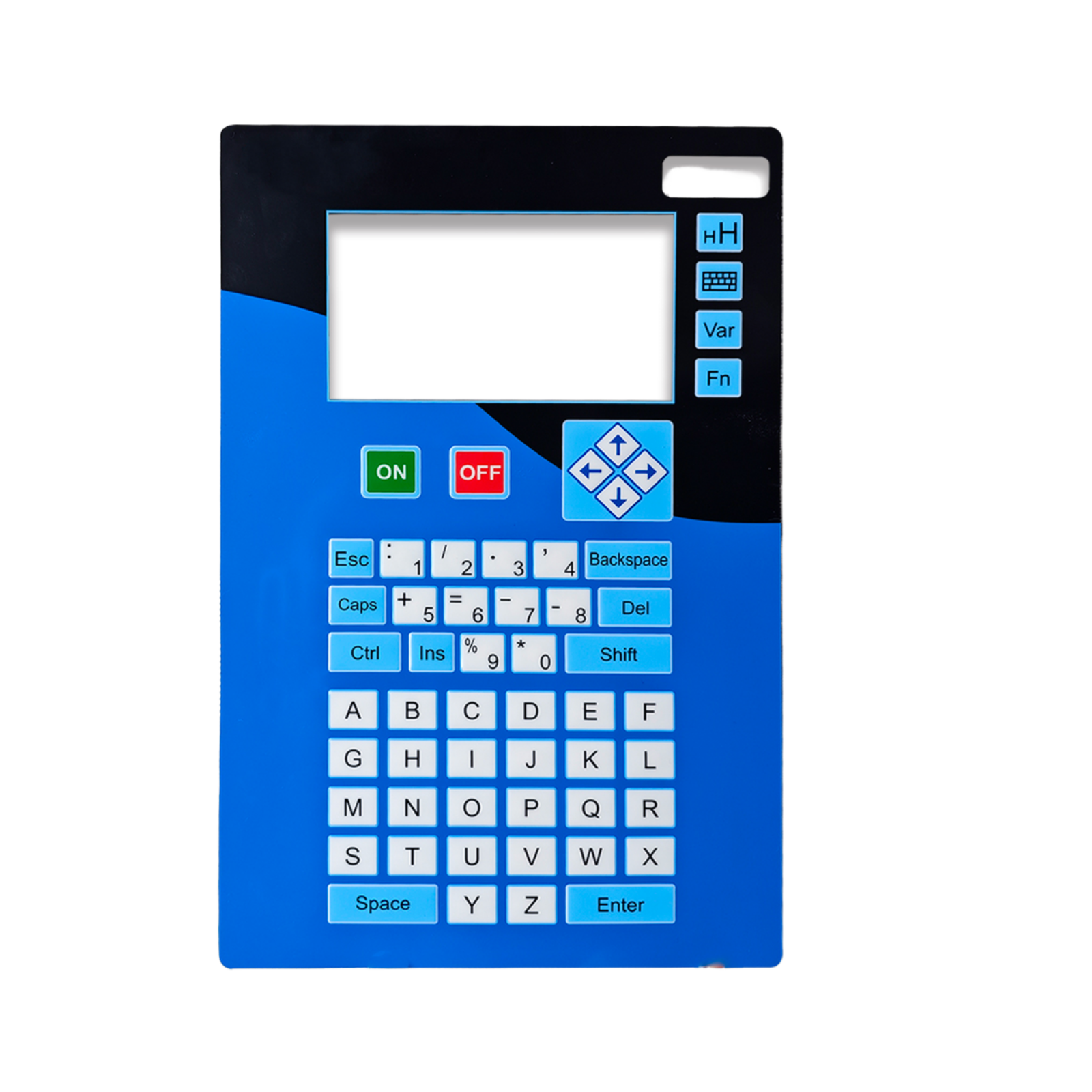
Custom Printed Waterproof Membrane Switch Embossed Metal Dome Keypad Home Appliance & Marine Use 3M Adhesive
View Product Details
Direct from China's leading ISO 9001 certified membrane switch manufacturer. Engineered for extreme maritime, industrial, and heavy-duty electrical environments.
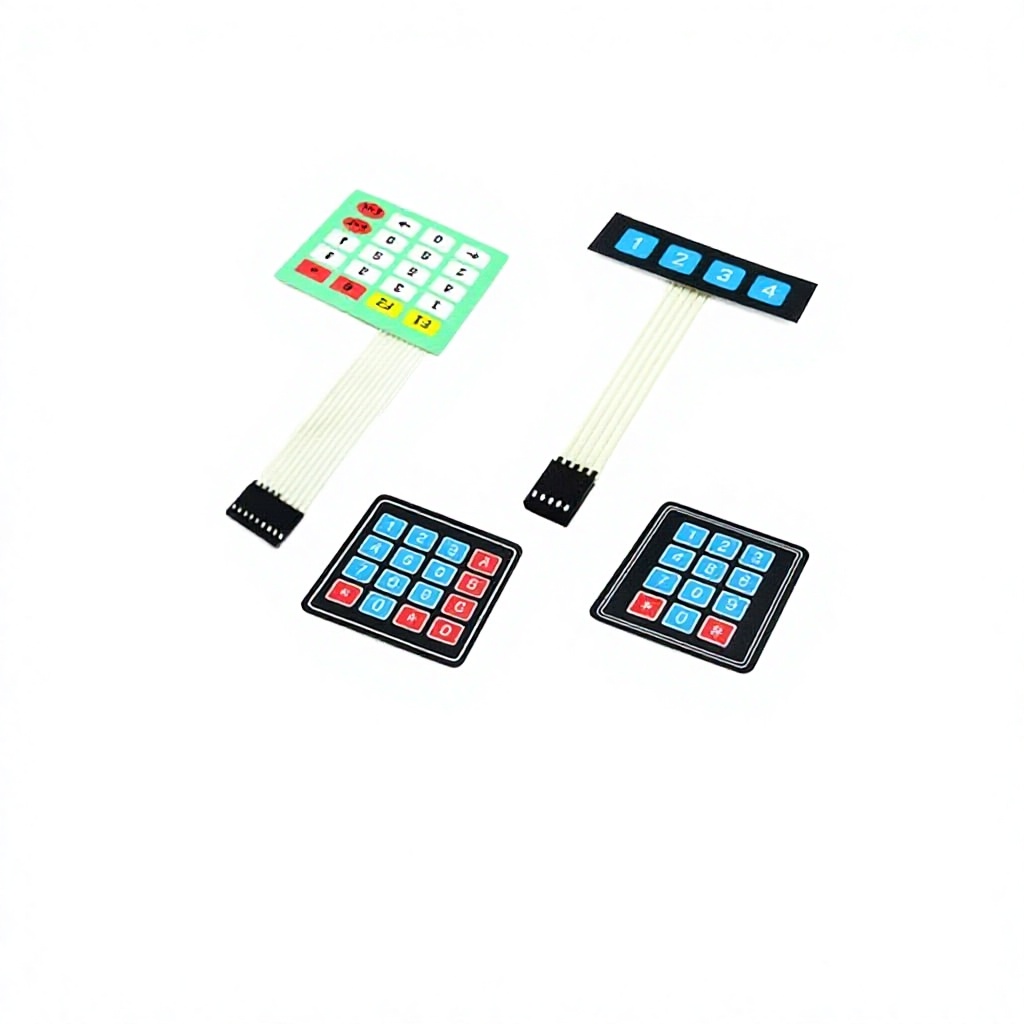
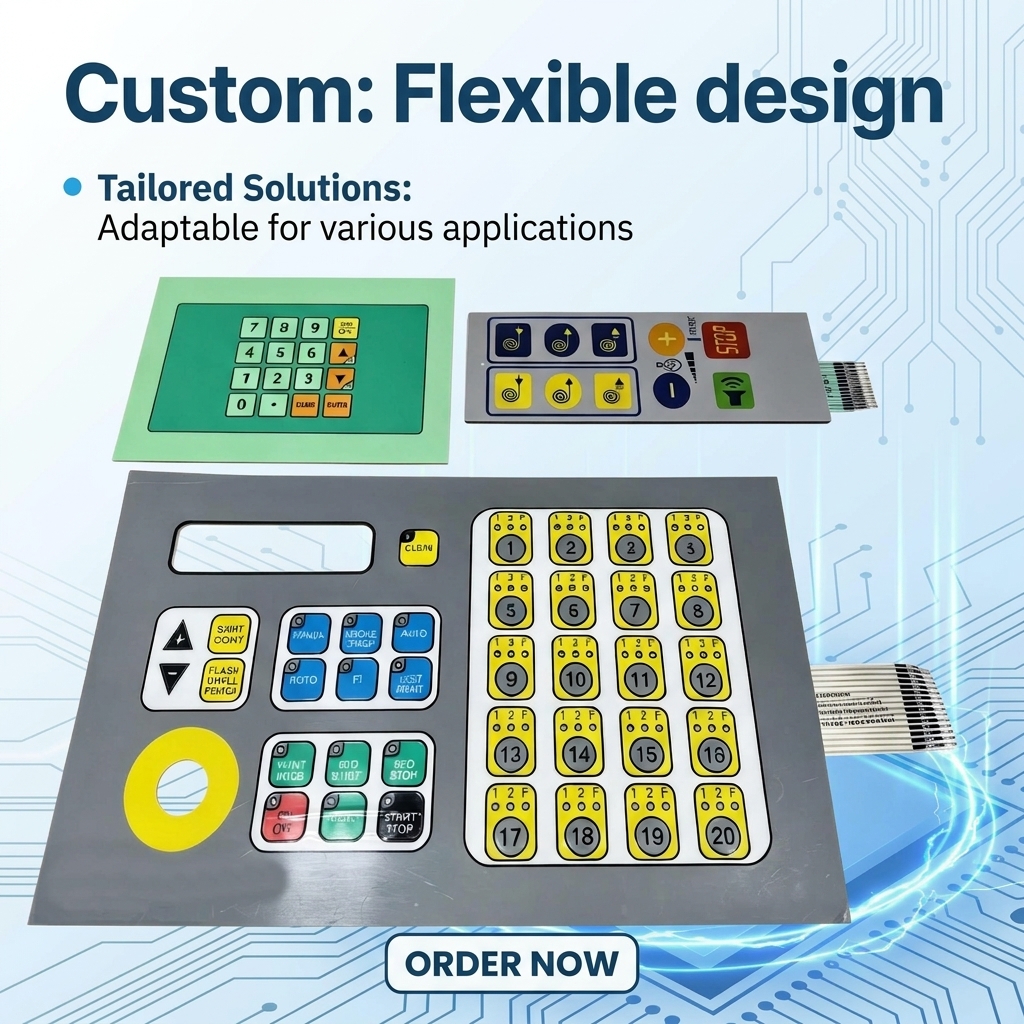
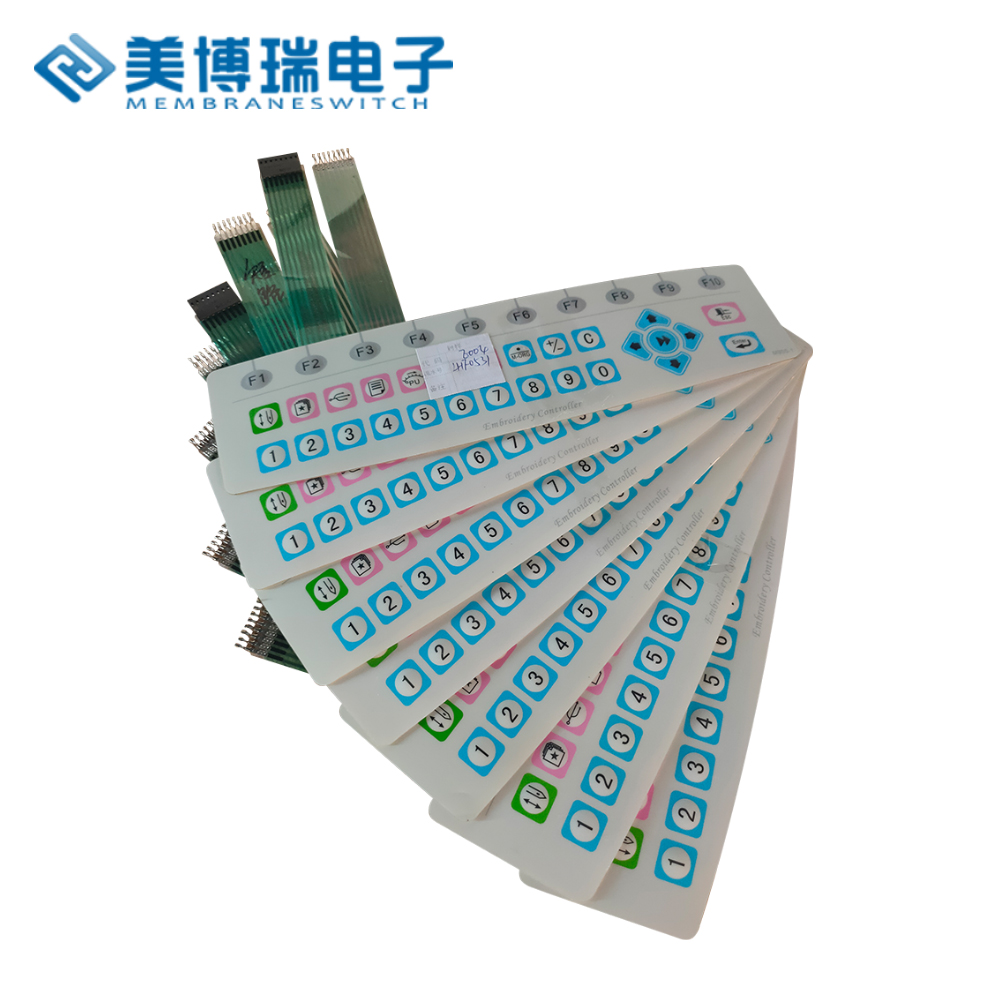
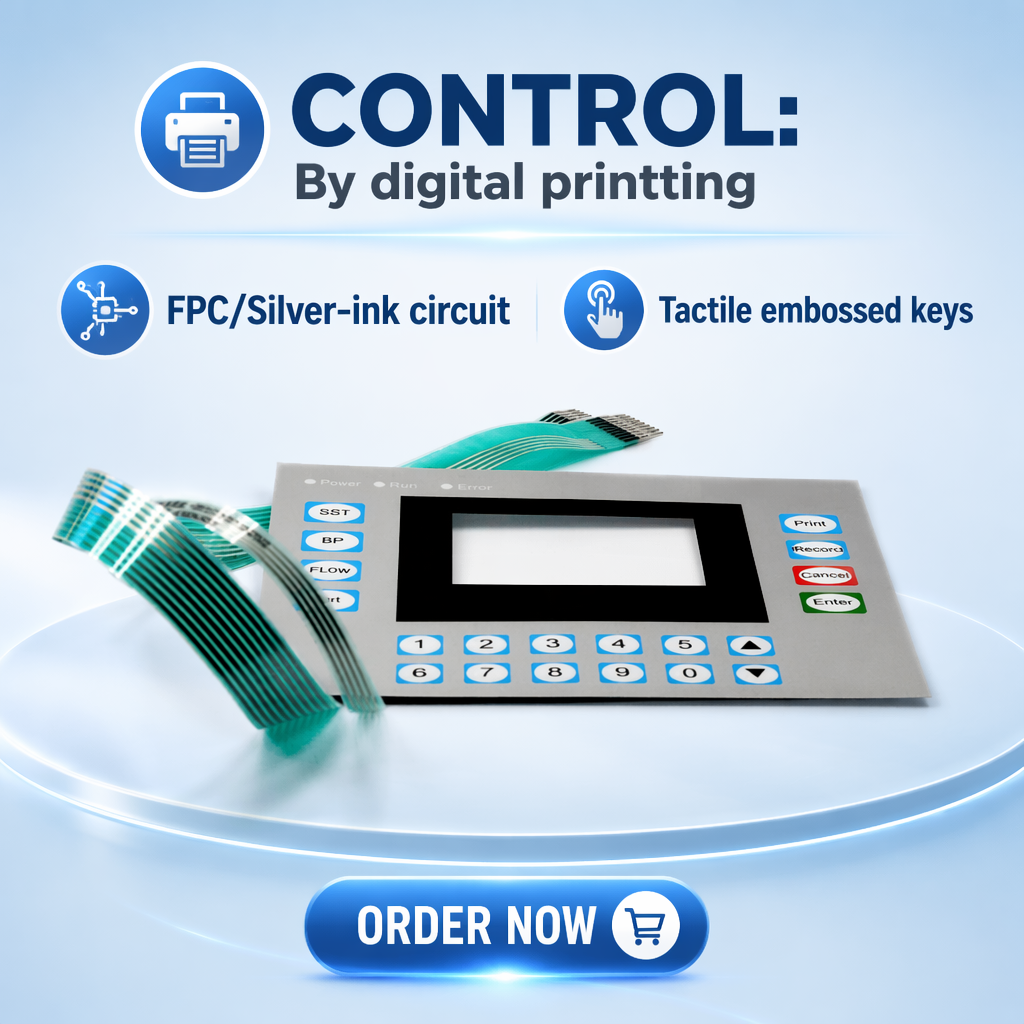
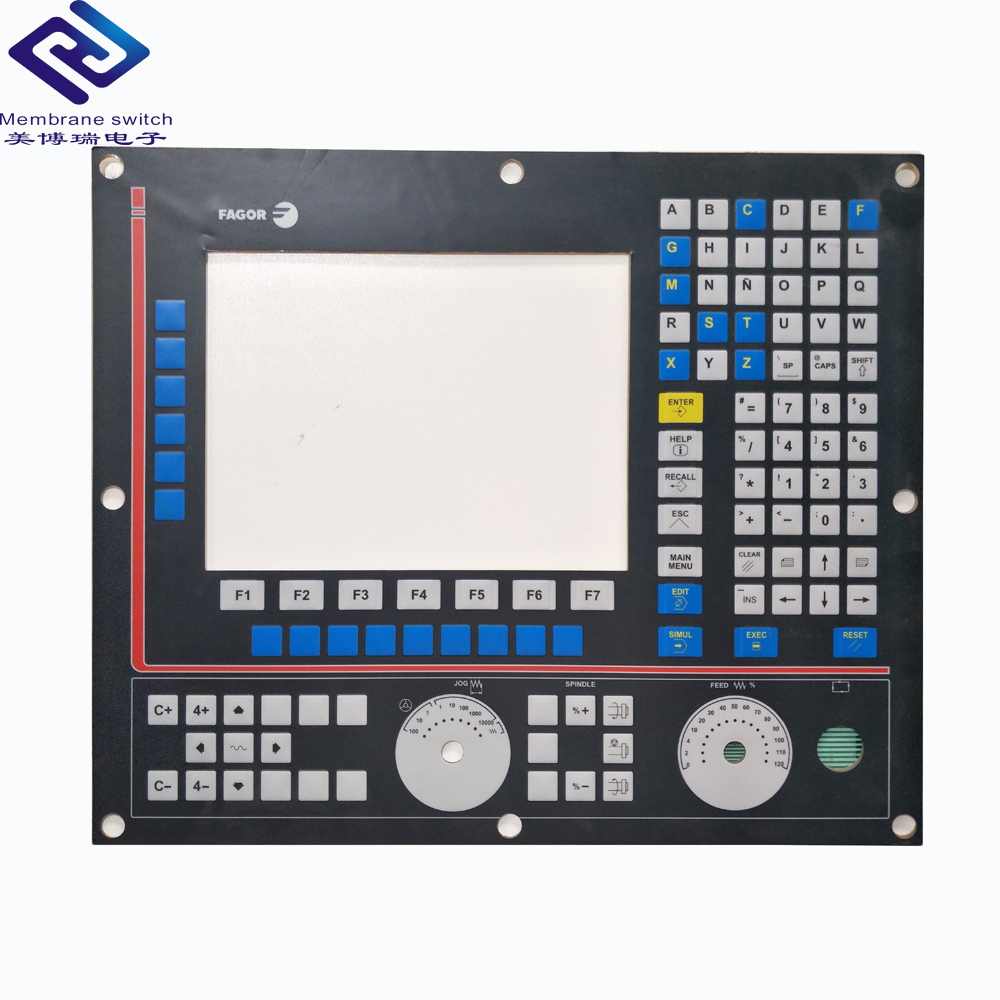
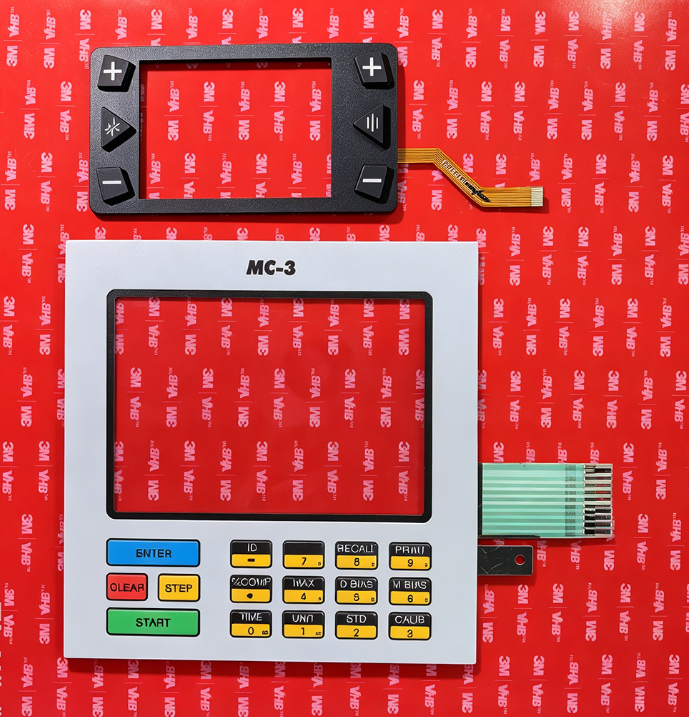
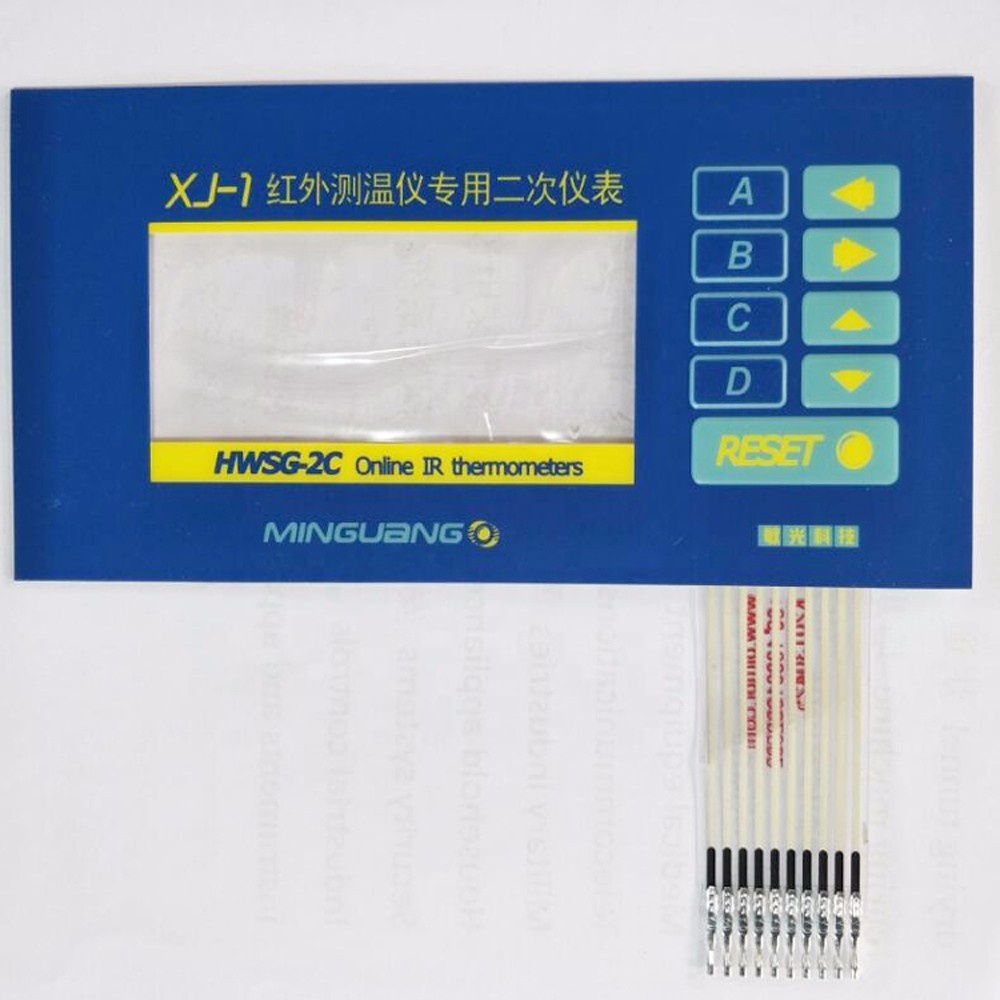
Published by TAVO & MEIBORUI Engineering Directorate — Comprehensive analysis of marine Human-Machine Interfaces (HMI), environmental sealing, material selection, and global procurement trends.
In modern commercial shipbuilding, naval defense instrumentation, luxury yacht navigation systems, and offshore drilling platforms, the reliability of human-machine interfaces (HMIs) directly dictates operational safety and unit longevity. Standard industrial membrane switches frequently fail when subjected to continuous marine micro-climates characterized by high relative humidity, severe salt spray exposure, ultraviolet (UV) radiation, and sudden thermal cycling ranging from sub-zero polar waters to tropical engine rooms.
As a premier China wholesale marine membrane switch factory and exporter, TAVO Electronic Information Technology Co., Ltd. (incorporating MEIBORUI manufacturing systems) brings over 30 years of specialized material science and precision engineering to solve these rigorous marine challenges. This whitepaper serves as an authoritative guide for international procurement directors, design engineers, and OEM product managers evaluating high-reliability switch assemblies for saltwater and outdoor applications.
The core vulnerability of conventional membrane keypads in marine environments lies in moisture vapor transmission (MVT) and capillary ingress along perimeter adhesive bonds. Water vapor, containing micro-particles of sodium chloride (NaCl), damages printed silver conductive traces through silver migration, electrolytic dendritic growth, and intermittent short circuits.
To establish a zero-failure hermetic seal, our engineering lab utilizes a three-tier protection architecture:
Utilizing high-tack, closed-cell acrylic acrylic adhesives (such as 3M 300LSE and 3M 468MP) combined with custom die-cut inner barrier channels that block lateral fluid ingress under pressure up to 2.5 bar.
Deploying Flexible Printed Circuits (FPC) with rolled-annealed copper laminated with Polyimide (PI) coverlays, or double-pass carbon encapsulation over silver ink to eradicate oxidation caused by moisture diffusion.
Integrating hydrophobic PTFE micro-porous membrane vents that allow atmospheric pressure equalization across internal key cavities while repelling liquid water and ocean spray entirely.
Selecting the optimal graphic overlay substrate is vital for longevity under direct solar exposure and severe mechanical impact. Polycarbonate (PC) is historically favored for impact strength, but exhibits yellowing and embrittlement under intense UV rays. Biaxially Oriented Polyethylene Terephthalate (PET), particularly hard-coated Autotex XE, is now the marine industry gold standard.
| Performance Metric | Standard Polycarbonate (PC) | Hard-Coated Marine PET (Autotex XE) | Silicone Rubber Overlay Hybrid |
|---|---|---|---|
| UV Yellowing Resistance | Poor (Degrades < 1,000 hrs) | Excellent (> 5,000 hrs ASTM G154) | Superior (Naturally Immune) |
| Chemical & Salt Resistance | Moderate (Susceptible to fuel/solvents) | High Resistance (Fuels, Salt, Cleansers) | High (Except aromatic hydrocarbons) |
| Flex Mechanical Life | ~ 100,000 Actuations | > 5,000,000 Actuations | > 1,000,000 Actuations |
| IP Protection Ceiling | IP65 (Gasket Dependent) | IP67 / IP68 Hermetic Seal | IP67 Sealed Overmolding |
| Operating Temp Range | -20°C to +75°C | -40°C to +85°C | -50°C to +125°C |
As vessel bridge systems transition toward modern touch-glass aesthetics and integrated electronic chart display systems (ECDIS), marine membrane switches are rapidly evolving into hybrid control modules rather than standalone push-buttons. Strategic procurement managers should prepare for three primary technology shifts over the coming decade:
Global supply chain volatility has forced marine equipment manufacturers in North America and Europe to re-evaluate their sourcing criteria.Sourcing purely based on unit piece price has given way to evaluating Total Cost of Ownership (TCO), engineering adaptability, and agile prototyping capability. Marine OEMs are adopting three clear procurement strategies:
A. Single-Source Sub-Assembly Modules: Sourcing managers prefer vendors capable of delivering turn-key HMI assemblies — providing graphic overlays, tactile dome circuits, integrated display windows, backlighting, structural metal backplates (aluminum or stainless steel), and pre-tested wire harnesses as a unified SKU to reduce assembly labor costs on domestic shipboard production lines.
B. Agile Prototyping and Fast Turnaround Sampling: To shorten time-to-market for next-generation vessel control consoles, procurement directors rely heavily on Chinese exporters offering hybrid production lines. Rapid digital UV printing and direct laser-cutting allow prototype delivery within 5 to 7 days without incurring expensive steel tooling dies during initial design iterations.
C. Rigorous Factory Audits & Environmental Verification Data: Sourcing contracts increasingly mandate full test documentation from ISO 9001 factories, requiring third-party verified test reports for salt fog exposure (ASTM B117), thermal shock endurance, and 3-million actuation life testing prior to high-volume manufacturing approval.
Unmatched technical authority, vertically integrated manufacturing, and global trade reliability.
Decades of specialized engineering experience dedicated exclusively to membrane switch, graphic overlay, and HMI interface manufacturing.
Over 2,219 m² of verified production floorspace across northern and southern manufacturing hubs, ensuring fail-safe capacity and flexible delivery schedules.
Equipped with 37 high-precision silkscreen printing lines, 4 Mimaki digital UV printers, 18 laser die-cutting machines, 60 CNC mold machines, and automated salt fog test chambers.
ISO 9001 certified quality management system and third-party onsite verified by Intertek. Long-standing technical collaboration with European membrane switch engineers.
Every production batch undergoes comprehensive quality control before shipment to prevent field failure:
Essential guidance for engineering managers, sourcing agents, and global OEM buyers.