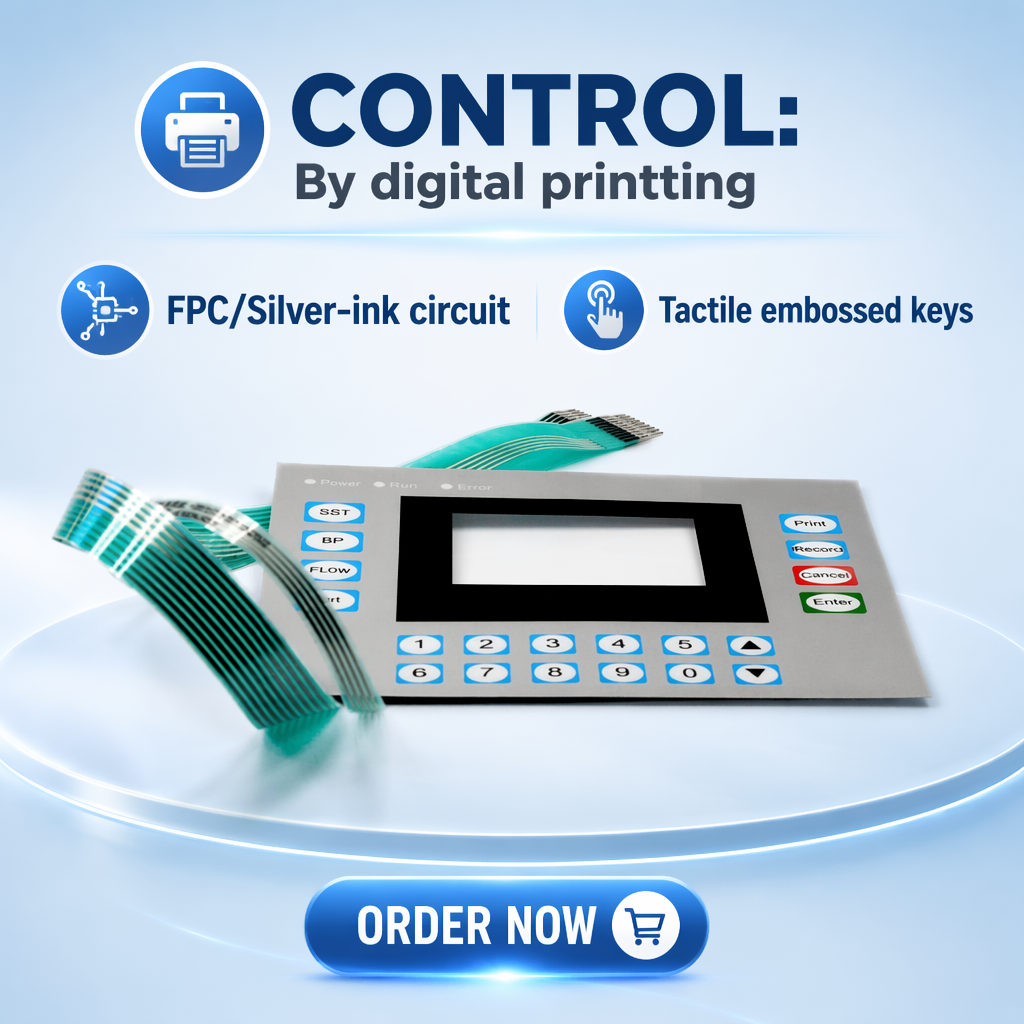
Medical Grade Product Portfolio
Custom Medical Keypad Overlays & HMI Switches
Engineered for high reliability, fluid resistance, chemical wipe-down tolerance, and crisp tactile response in critical clinical environments.
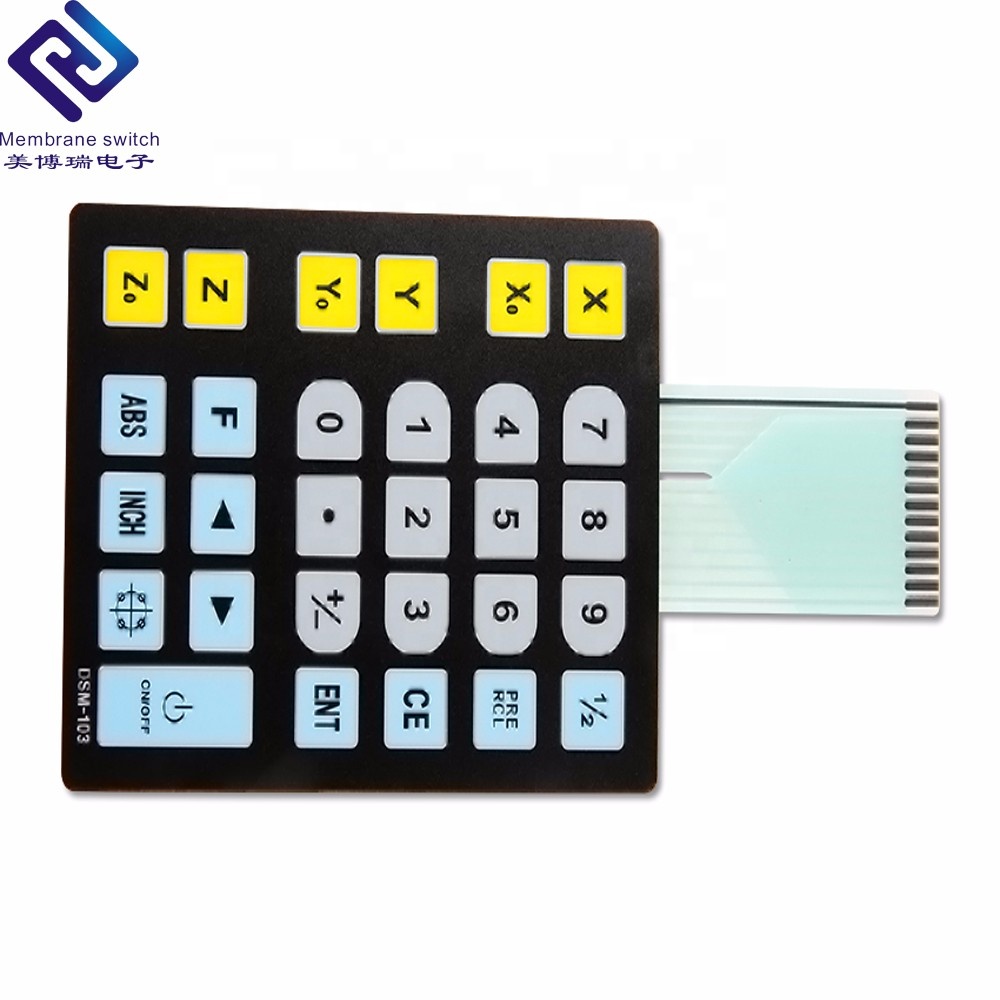
IP67 Waterproof 3M Adhesive Flexible Cable Membrane Keypad Dome Buttons
View Technical Specs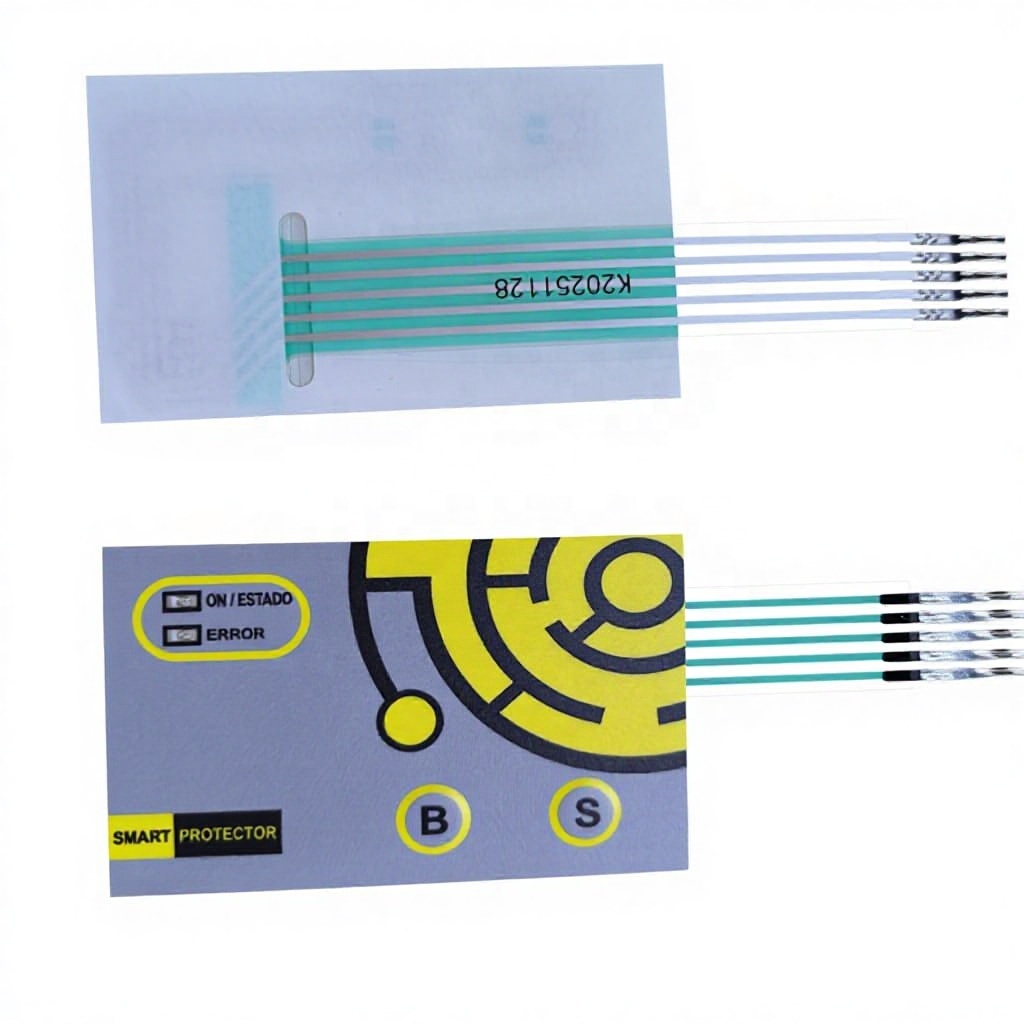
OEM Waterproof Membrane Keyboard Mechanical Switch Compatible Interface
View Technical Specs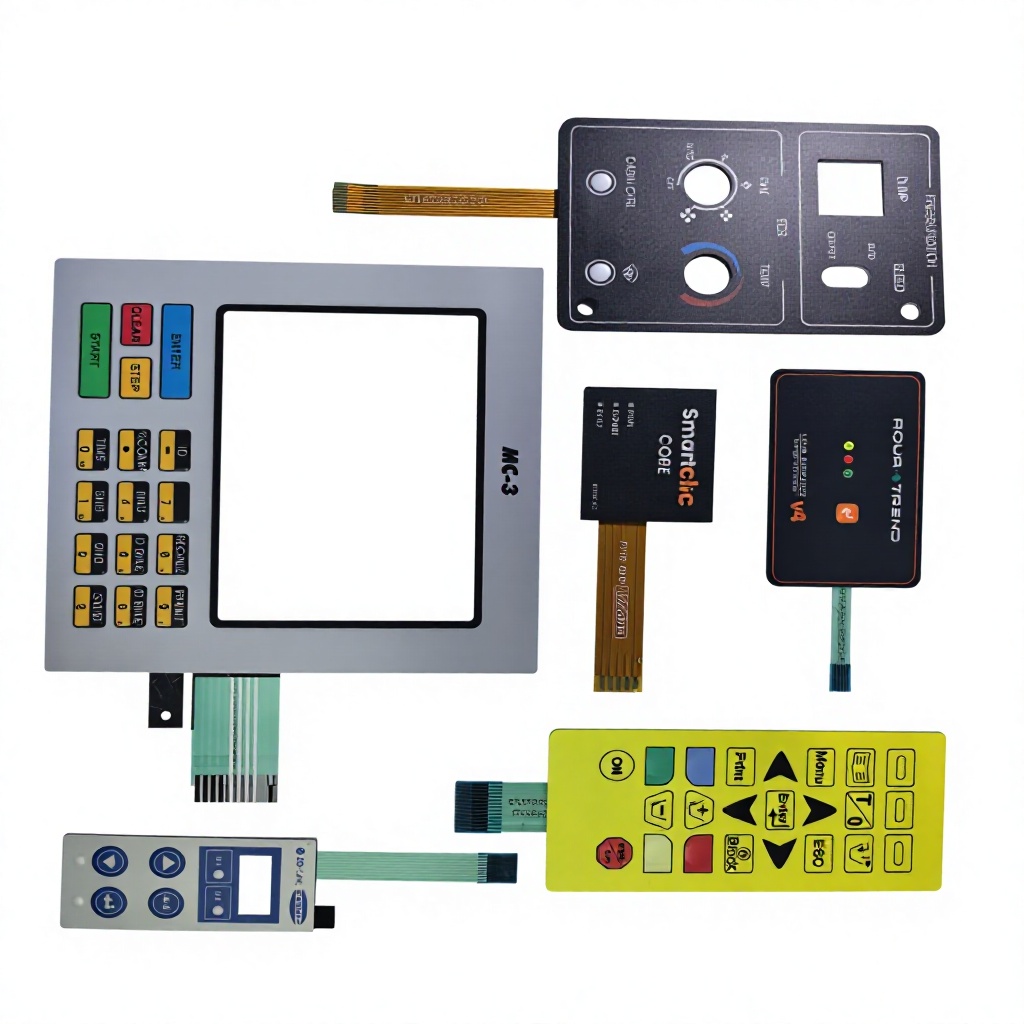
Conductive Film PET/PC Membrane Switch Metal Dome Tactile Keypad
View Technical Specs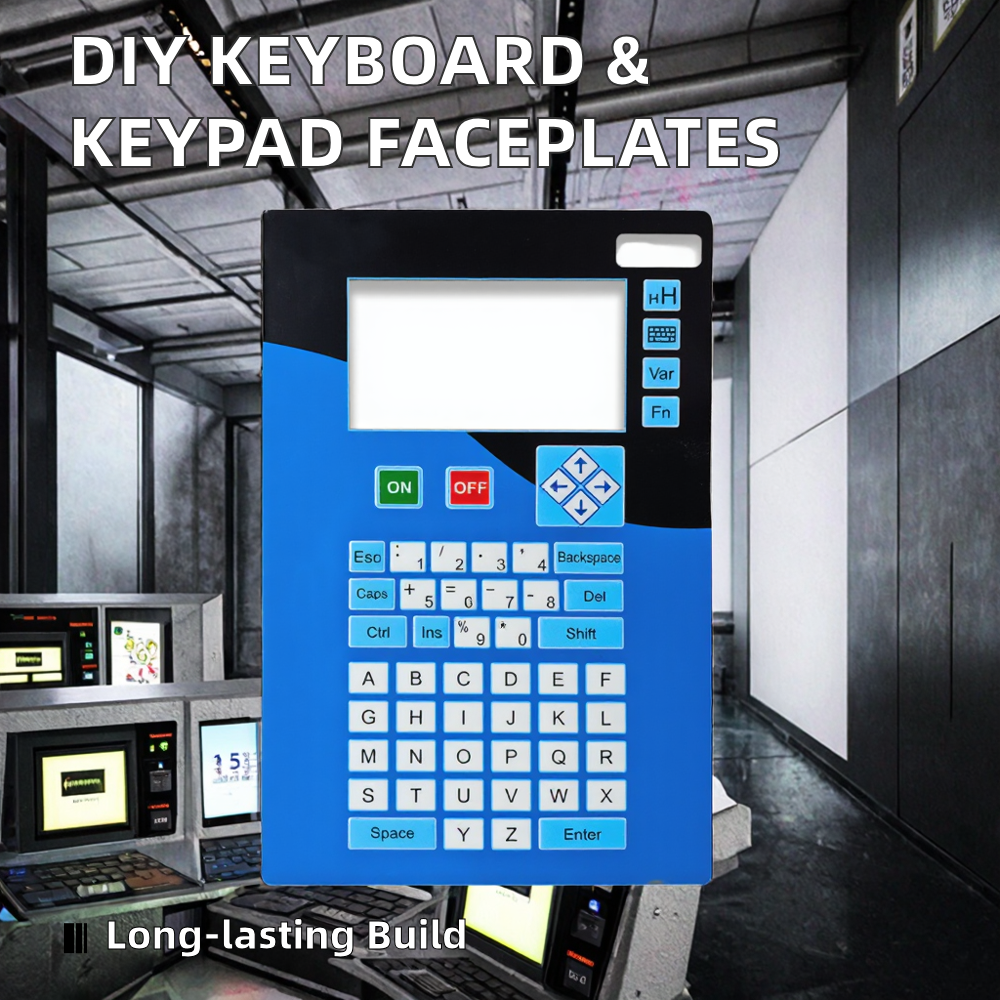
Custom Embossed Tactile Key Membrane Switch Backlight LED Waterproof Panel
View Technical Specs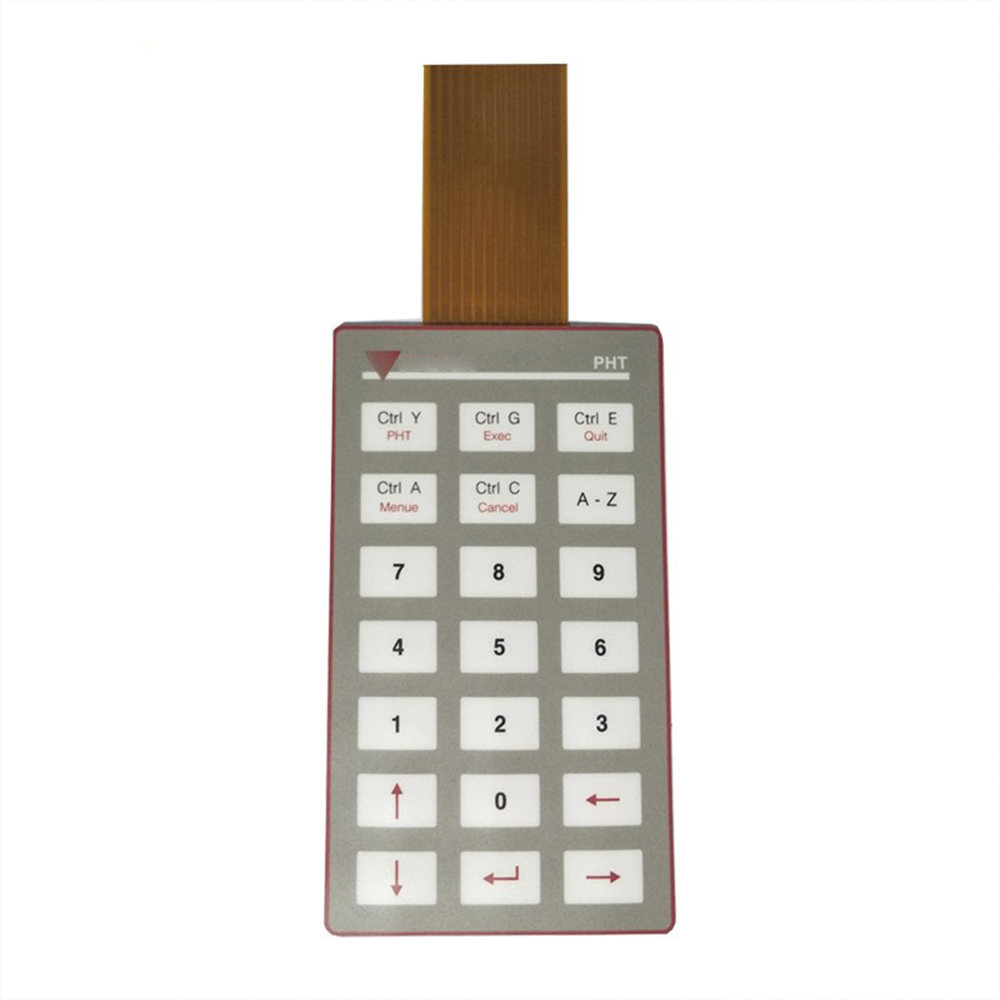
Temperature Control Keypad Touch Switch Waterproof PET/PC Membrane Panel
View Technical Specs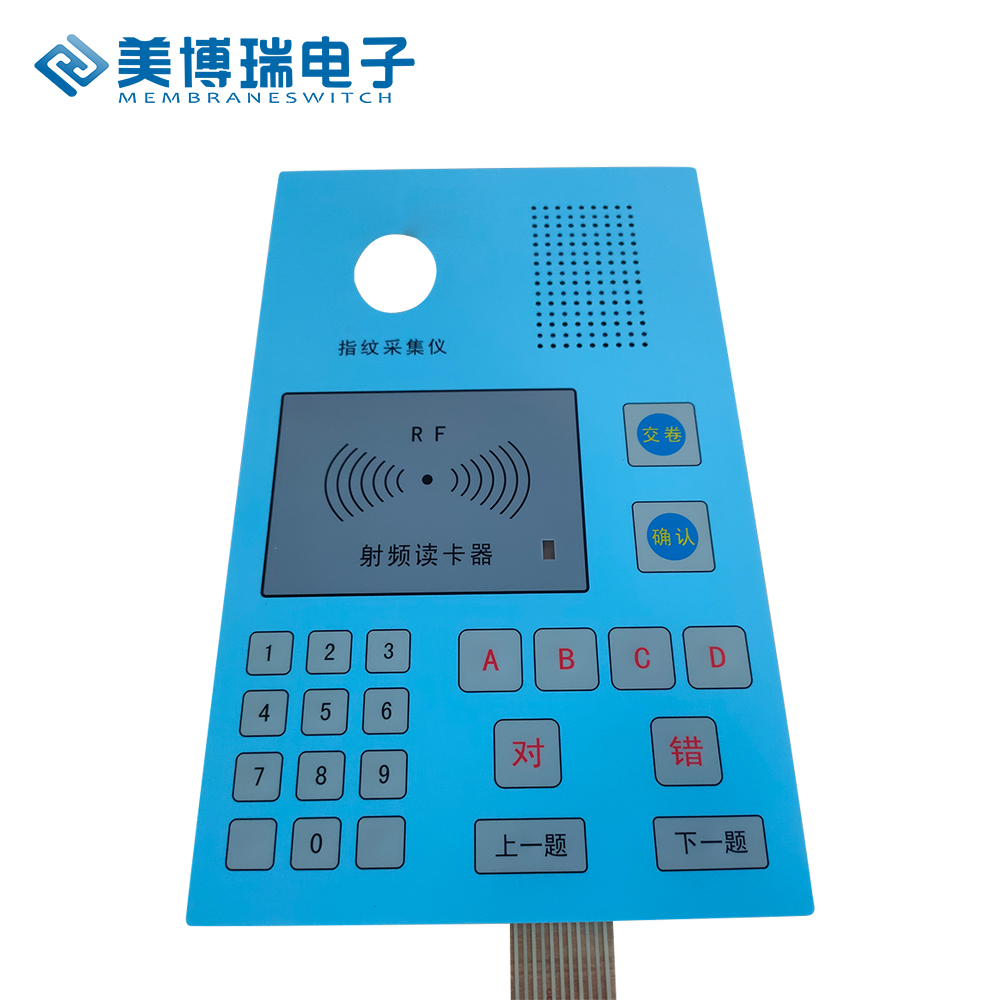
Environmentally Sealed Membrane Switches IP65/IP67 Silver Ink Keypad
View Technical Specs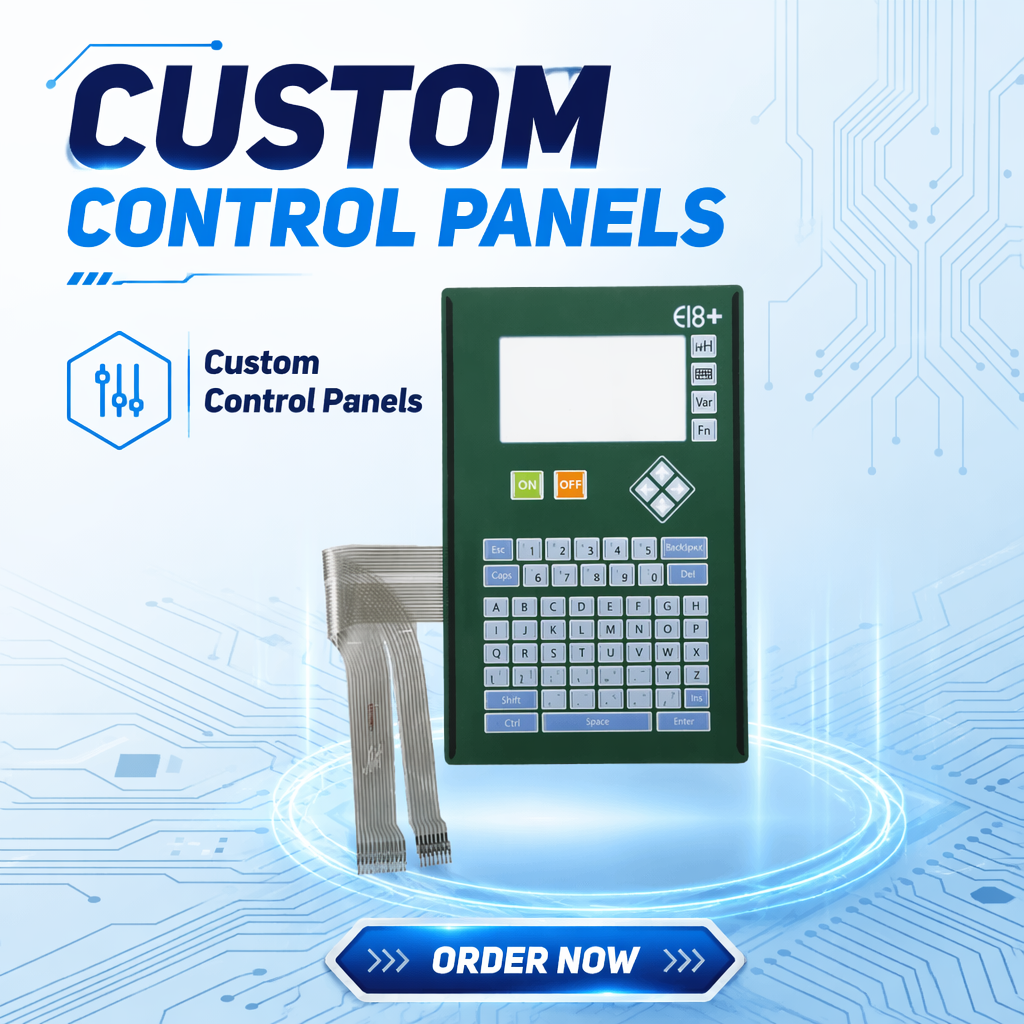
Custom OEM PBT Keycaps & Mechanical Switch Interface Overlay Assemblies
View Technical SpecsArchitecting Next-Generation Medical Keypad Overlays: Sourcing Guide for Global OEMs
In modern clinical environments—ranging from intensive care units (ICUs) and operating theaters to diagnostic laboratories and ambulatory care monitoring systems—the Human-Machine Interface (HMI) serves as the primary touchpoint between critical care personnel and life-saving medical devices. Medical keypad overlays are far more than aesthetic aesthetic covers; they are high-precision, multi-layered electronic switch assemblies engineered to withstand rigorous cleaning protocols, continuous mechanical actuation, and demanding electromagnetic environments without experiencing functional degradation or signal drift.
As global medical device Original Equipment Manufacturers (OEMs) face increasing regulatory oversight (such as FDA 510(k) clearances, EU MDR 2017/745, and ISO 13485 quality standards), the procurement of key components has shifted toward specialized China wholesale medical keypad overlay suppliers and exporters who offer full vertical integration, advanced material science capability, and proven design-for-manufacturability (DFM) support.
Core Procurement Metric: Modern medical keypad overlays must achieve absolute ingress protection (IP65 to IP68 rating) while exhibiting chemical resistance against hospital-grade disinfectants including Isopropyl Alcohol (70%-99%), Sodium Hypochlorite (bleach), Quaternary Ammonium compounds, and Hydrogen Peroxide vapors without crazing, yellowing, or key actuation failure.
Critical Material Science: PET vs. Polycarbonate in Medical Environments
Selecting the correct base substrate for graphic overlays directly dictates the operational lifespan of the medical user interface. While general industrial applications frequently utilize Polycarbonate (PC) due to its optical clarity and ease of deep embossing, medical-grade applications heavily favor specially treated Biaxially Oriented Polyethylene Terephthalate (BoPET) films, such as Autotex® XE or MacDermid Autotype Anti-Microbial PET series.
| Performance Parameter | Medical-Grade Textured PET (Autotex XE) | Standard Polycarbonate (PC) | Polropylene / PVC (Commercial) |
|---|---|---|---|
| Chemical Resistance (IPA, Bleach) | Excellent (>24 Hours Continuous Exposure) | Poor (Prone to Micro-cracking/Crazing) | Moderate to Low |
| Flexural Switch Life (Actuations) | > 5,000,000 Cycles | ~ 100,000 Cycles (Work Hardens) | < 50,000 Cycles |
| Antimicrobial Incorporation | Integrated Microban® Silver Ion Layer | Surface Coating Only (Wears Off) | Not Supported |
| UV & Sterilization Resistance | High Resistance to Gamma & EtO | Yellows under UV / Autoclave stress | Degrades rapidly |
| Tensile Strength (PSI) | 28,000 PSI | 9,500 PSI | 4,500 PSI |
The incorporation of silver-ion antimicrobial technology directly into the hard-coat structure of PET overlays provides permanent, 24/7 protection against cross-contamination. Microban® technology works by disrupting the cellular wall of bacteria, effectively inhibiting 99.9% of bacterial growth (including MRSA, E. coli, and Staph) for the entire lifetime of the medical device switch overlay.
Market Intelligence & Sourcing Vision
Future Procurement Trends in Medical Keypad Overlays (2025–2030)
Strategic purchasing managers and lead electronics engineers must align their procurement roadmaps with emerging technological shifts in medical user interface manufacturing.
1. Transition to Hybrid Capacitive & Tactile Interfaces
Procurement demand is rapidly moving away from single-technology interfaces toward hybrid HMI solutions. Medical equipment designers are pairing seamless capacitive touch zones for rapid numerical input with crisp tactile metal domes for critical power and alarm reset triggers to eliminate accidental touch errors.
2. Ultra-Thin LGF (Light Guide Film) Illumination
Traditional discrete surface-mount LEDs often create localized hot-spots and uneven backlighting across complex medical control panels. Sourcing strategies now prioritize Light Guide Film (LGF) optics, which redirect light from edge-mounted LEDs evenly across entire keypad graphic zones with minimal power draw and zero heat generation.
3. Complete Hermetic Sealing & IP68 Washdown Capability
With post-pandemic infection control measures becoming permanent law across global healthcare systems, medical keypads are required to withstand pressurized washdowns and complete immersion. China exporters offering full perimeter liquid silicone rubber (LSR) overmolding and 3M 9495LE acrylic foam adhesives are capturing key market share.
4. Copper FPC Substrates Replacing Silver Printed Inks
While screen-printed conductive silver ink on PET remains cost-effective for static applications, high-reliability medical devices are migrating toward Polyimide Flexible Printed Circuits (FPC). Etched copper traces prevent silver migration caused by trace humidity and micro-cracking, delivering extended operational lifespans under heavy vibration.
5. Direct Optical Bonding (OCA) with Display Windows
To eliminate air gaps that cause internal condensation, glare, and dust entrapment behind display windows, buyers are requiring Optically Clear Adhesive (OCA) liquid bonding between the graphic overlay display window and underlying TFT/OLED displays, yielding military-grade clarity.
6. Vertical Integration & Complete Sub-System Sourcing
Overseas procurement teams are reducing vendor risk by sourcing turnkey HMI modules—combining graphic overlays, tactile switches, LED backlighting, aluminum backer plates, display glass, and pre-tested wire harnesses under a single Part Number from one master exporter.
Key Engineering Innovations in Medical Membrane Keypad Manufacturing
Developing a medical-grade keypad overlay demands meticulous consideration of electromagnetic compatibility (EMC), mechanical ergonomics, tactile feedback profiles, and environmental sealing. Below is an engineering overview of the architectural layers that form a high-reliability medical membrane switch panel:
1. Electromagnetic Interference (EMI/RFI) & ESD Shielding Integration
Medical instruments regulated under IEC 60601-1-2 standards must operate faultlessly without emitting unwanted electromagnetic radiation or succumbing to Electrostatic Discharge (ESD) from surgical personnel or adjacent defibrillators. Advanced China wholesale medical keypad overlay exporters incorporate specialized shielding layers within the stack-up:
- Printed Carbon & Selective Aluminum Foil Shields: Dissipate static discharges up to 15kV away from sensitive internal microcontrollers to dedicated ground pins.
- Indium Tin Oxide (ITO) Clear Film Shields: Applied directly behind display windows to maintain high optical transparency (>85%) while providing continuous 360-degree RF attenuation.
2. Precision Tactile Mechanics: Metal Domes vs. Embossed Poly Domes
In life-critical applications, tactile feel gives nurses and doctors non-visual confirmation that a command has been registered. The choice of internal switch mechanisms directly affects tactile ratio and actuation feel:
- Stainless Steel Metal Domes (Four-Legged / Circle Domes): Offer tactile feedback ratios between 40% to 65%, with actuation forces ranging from 180g to 450g. Gold or nickel plating guarantees low contact resistance (<1 ohm) across up to 1,000,000 press cycles.
- Polyester Poly Domes: Formed directly into the circuit substrate via heat-embossing. While cost-effective, they are generally limited to lower-tier consumer appliances due to gradual flex fatigue under repeated medical sterilization cycles.
Design Tip for Medical Engineers: When designing key overlays for staff wearing thick surgical gloves, key embossing height should be specified between 0.3mm and 0.5mm with a minimum key pitch of 15mm to eliminate accidental adjacent button activation.
3. Preventing Silver Ink Migration via Advanced Carbon Coating
In humid or high-salinity clinical environments, traditional screen-printed silver conductive traces are susceptible to silver migration—an electrochemical phenomenon where silver ions travel between adjacent traces under DC voltage, causing intermittent micro-shorts. World-class Chinese exporters mitigate this by over-printing all silver traces with a continuous, pinhole-free carbon ink layer, or by utilizing Polyimide FPC circuit layers with etched copper conductors.
Manufacturing Authority
Why Partner with TAVO Electronic Information Technology Co., Ltd.
Over three decades of specialized manufacturing heritage, dual production hubs, and German technical cooperation delivering world-class medical HMI solutions.
1990
HMI Manufacturing Heritage
37+
Silkscreen Printing Lines
2,219㎡
Verified Production Space
100%
In-House Quality Testing
ISO 9001 & Intertek Audited Quality Systems
Every batch of medical keypad overlays undergoes strict quality gates. Our operations are fully certified to ISO 9001 quality management standards and independently inspected onsite by Intertek, ensuring full traceability from raw PET film to shipped cartons.
Dual Manufacturing Hub Strategy
To ensure uninterrupted supply chain resilience, TAVO operates two specialized processing bases in Hebei (Xianghe Robot Industry Port) and Guangdong (Huizhou). Order capacity is dynamically allocated to match equipment precision and volume requirements.
German Technology Partnership & Standards
Through a long-term technical partnership with a renowned German membrane switch manufacturer, TAVO aligns its engineering parameters, tooling tolerances, and material choices with rigorous Western European quality expectations.
Complete In-House Equipment Arsenal
Our production floors house 60 CNC mold-making machines, 4 Mimaki heat-setting UV digital printers, 18 precision laser cutters, 37 screen printing stations, and 7 digital engravers—allowing us to fulfill prototype orders in days rather than weeks.
Comprehensive Environmental Test Laboratory
All medical switches undergo rigorous verification inside our in-house lab, equipped with computer circuit automated testers, actuation life-cycle testers, programmable temperature/humidity chambers, xenon lamp UV aging chambers, and salt fog corrosion chambers.
Dedicated Global Engineering Support Team
With 30+ senior technical experts averaging 15+ years of experience and a 20-person international trade division, TAVO provides rapid DFM feedback, Pantone color matching, fast CAD artwork generation, and 24/7 client communication.
Sourcing FAQs
Frequently Asked Questions for Medical Keypad Procurement
Essential technical answers addressing common questions from medical device design engineers and global procurement managers.
What CAD files and engineering specifications are required to receive a formal quotation for a custom medical keypad overlay?
To provide an exact DFM review and itemized quote, our engineering team requires:
(1) Vector outline drawings in 2D DXF, DWG, PDF, or 3D STEP format;
(2) Graphic artwork in Adobe Illustrator (.AI) or CorelDraw (.CDR) with designated Pantone or RAL color codes;
(3) Circuit schematic or pin-out definition file specifying connector pitch (e.g., 2.54mm or 1.0mm ZIF);
(4) Desired tactile response type (metal dome, poly dome, or non-tactile); and
(5) Operating environment details including cleaning chemical exposure and IP rating targets.
How do your medical keypad overlays resist degradation from aggressive hospital disinfectants?
We exclusively utilize high-grade textured polyester (such as MacDermid Autotex XE or Microban PET) combined with sub-surface reverse silk-screen or digital UV printing. Because the graphic inks are printed on the underside of the clear PET layer, aggressive wipe-down chemicals (such as 70% Isopropyl Alcohol, Bleach, Cidex, and Hydrogen Peroxide) never come into direct physical contact with the printed graphics, completely eliminating ink fading, smudging, or chemical leaching.
Can TAVO integrate custom LED backlighting, capacitive touch buttons, and display windows into a single overlay assembly?
Yes. We specialize in hybrid HMI integration. We routinely build complete user interface assemblies that combine surface-mount chip LEDs, Light Guide Film (LGF) uniform backlighting layers, capacitive touch sensors, crystal-clear LCD display windows with anti-glare/anti-scratch coatings, and solid aluminum or FR4 backer plates for immediate drop-in panel mounting.
What is the typical lead time for engineering prototypes and full wholesale production orders?
Thanks to our in-house laser cutting and Mimaki digital printing capabilities, initial engineering prototypes can be produced and shipped within 5 to 7 working days following CAD drawing approval. Standard full production batch orders typically ship within 2 to 3 weeks depending on tooling complexity, circuit layer density, and component availability.
How do you guarantee watertight sealing (IP67 / IP68) around the perimeter of the medical keypad?
We utilize high-tack, fluid-resistant mounting adhesives such as 3M 200MP series (3M 467MP / 3M 468MP) or 3M VHB/9495LE acrylic foam tapes. Our design includes continuous outer perimeter adhesive gaskets that enclose the internal circuit channels, preventing moisture, hospital spillages, or cleaning fluids from creeping beneath the overlay edges.
What minimum order quantities (MOQs) do you require for custom OEM medical projects?
Unlike many high-volume commodity suppliers, TAVO supports flexible minimum order quantities. We cater to low-volume, high-mix medical equipment production runs (such as pilot series of 50 to 500 units) as well as mass wholesale production batches exceeding 100,000 units per year.
Ready to Engineer Your Medical HMI Interface?
Partner directly with China's leading medical keypad overlay supplier. Upload your drawings or project specifications today for a rapid 24-hour engineering feasibility review, instant DFM advice, and competitive wholesale pricing.