Featured Custom Keypads & Membrane Interface Assemblies
Explore our high-reliability human-machine interface products engineered for industrial, medical, and telecommunication applications.
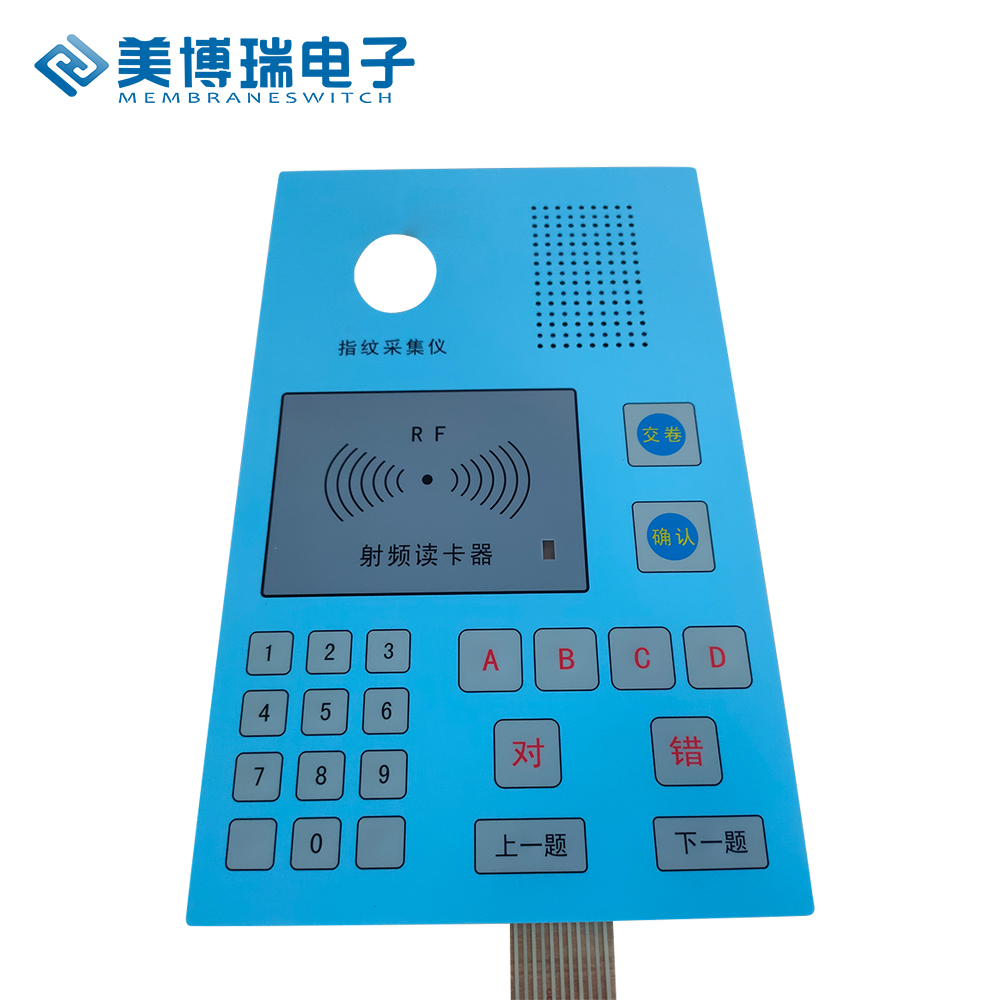
MBR ISO9001 Certified Environmentally Sealed Membrane Switches Keypad IP65 Waterproof 3M Adhesive Silver Ink Keyboard PET/PC/PVC
View Details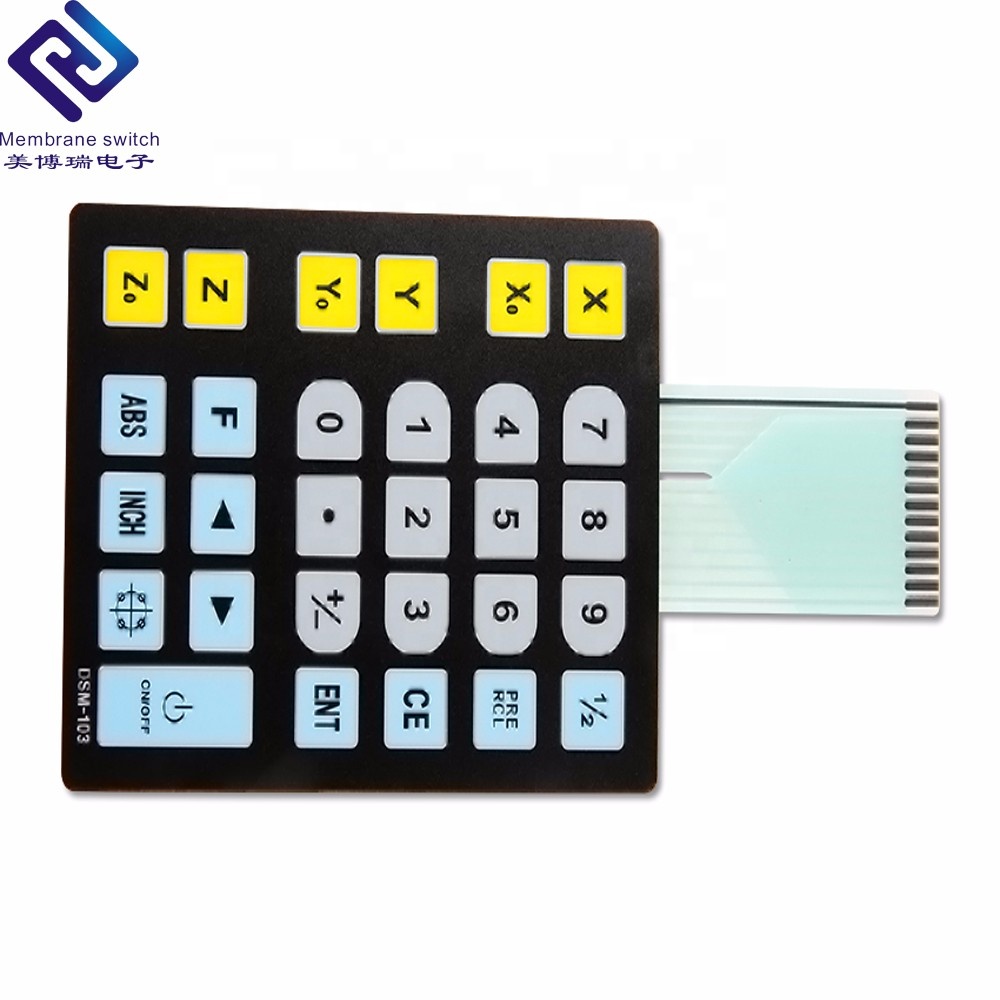
MBR High Quality IP67 Waterproof 3M Adhesive Flexible Cable Membrane Keypad PVC/PET/PC Dome Buttons Telecommunication Keypad
View Details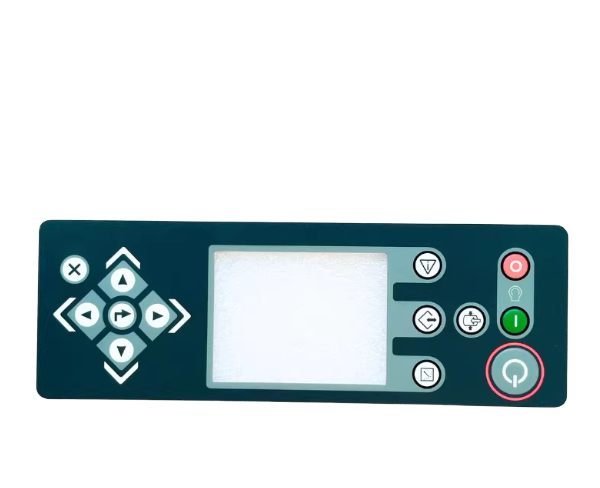
Custom Flexible Temperature Touch Control Keypad Membrane Panel Clear Transparent Window Waterproof Eco-friendly PET HMI
View Details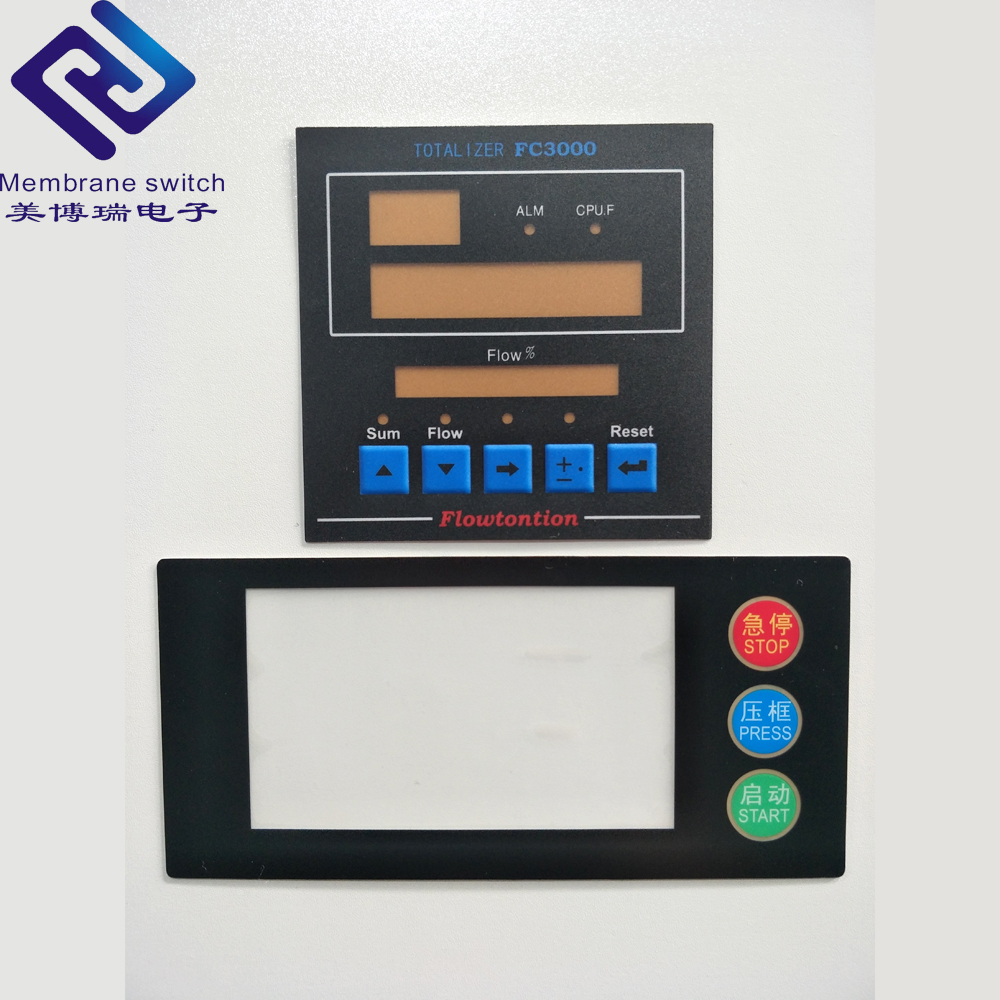
High Quality IP67 Waterproof 3M Adhesive Metal/Poly Dome LCD Membrane Switch Custom Keypad Flexible Cable Telecommunication
View Details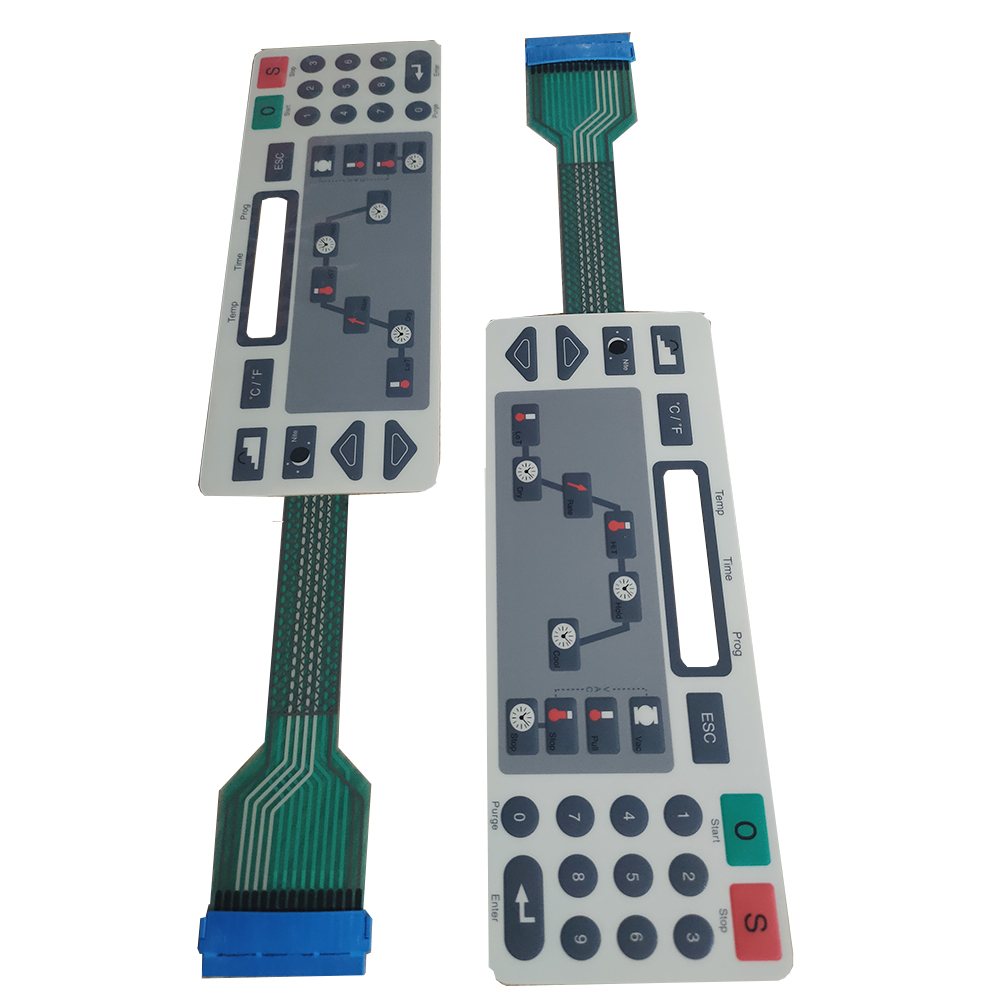
High Quality IP67 Waterproof 3M Adhesive Acrylic Metal/Poly Dome LCD Membrane Switch Custom Keypad Flexible Cable Custom Color
View Details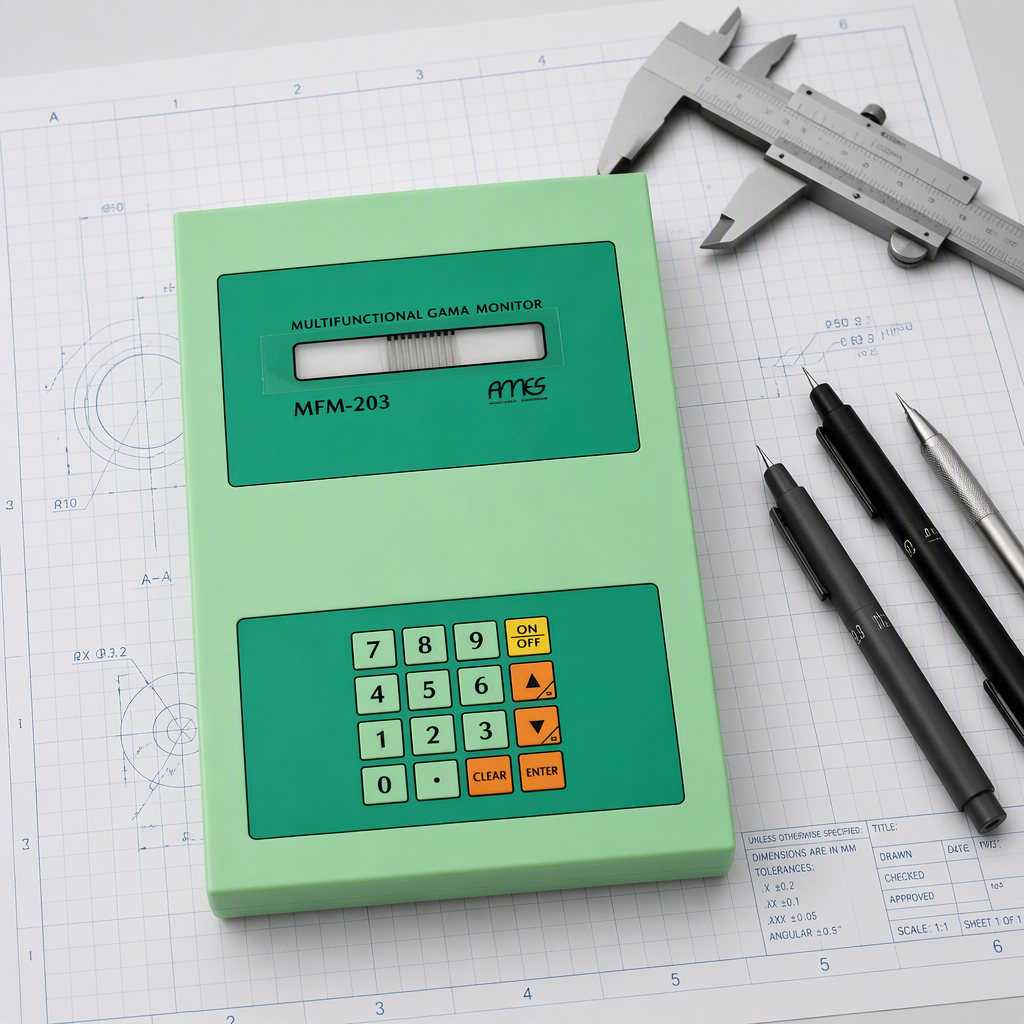
Waterproof Polyester Membrane Keypad Panel PET PC Plastic Keyboard Panel Mount for HMI Display Screens Remote Controllers
View Details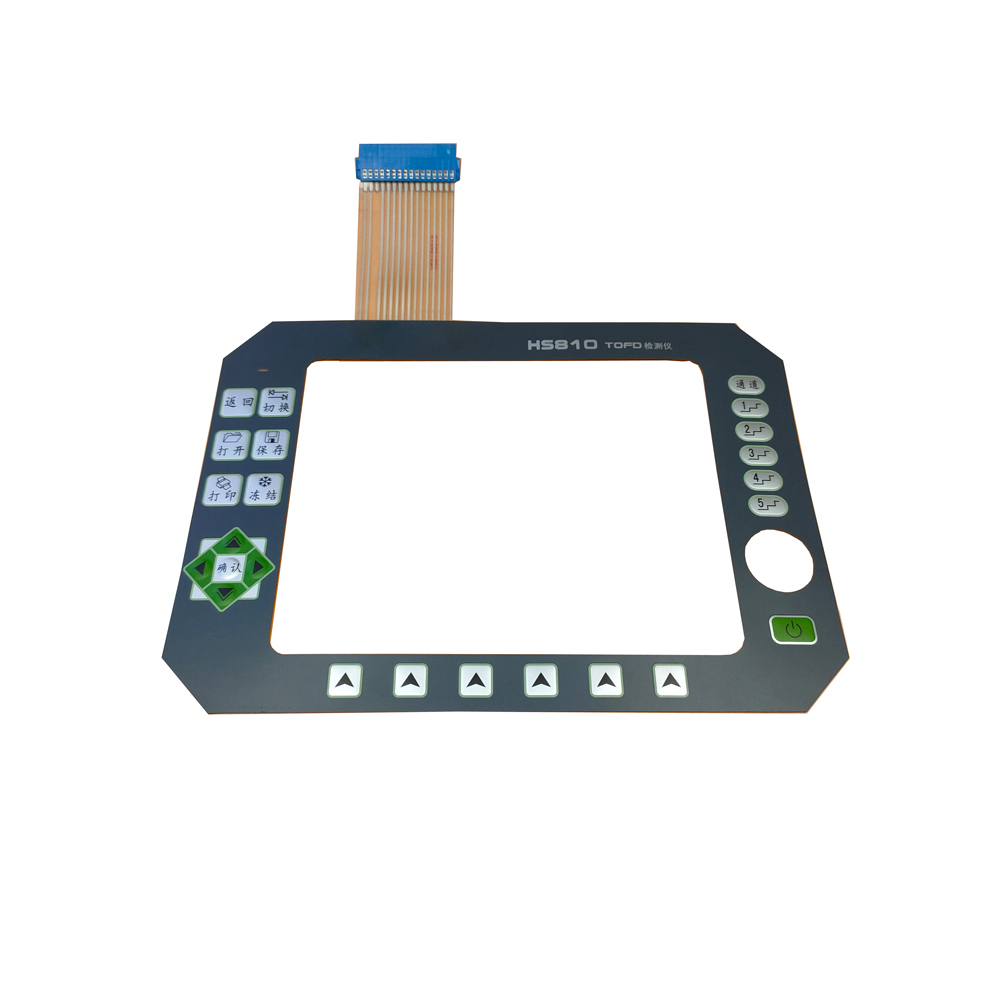
Meiborui Custom PBT Keyboard Cap Silkscreen Printed Waterproof Adhesive Sticker Durable Eco-friendly Computer Keyboard Parts
View Details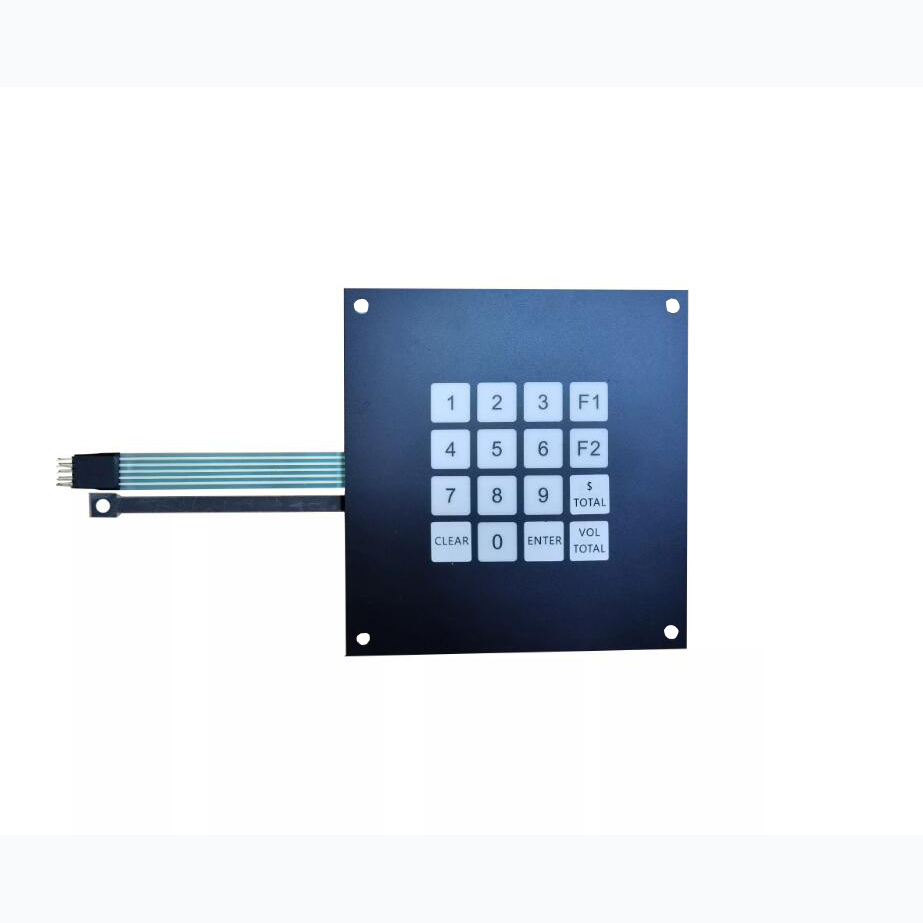
Custom Fuel Dispenser Oiling Machine with Membrane Keypad and Remote Controller Durable Design ISO9001 Certified
View DetailsEngineering Excellence in Wholesale Silicone Rubber Keypad Manufacturing
A comprehensive technical report on material formulations, snap-ratio mechanics, backlighting integration, and procurement strategies for OEM buyers.
In modern industrial design, the human-machine interface (HMI) serves as the primary touchpoint between end-users and complex electronic systems. Among the various input technologies available today, silicone rubber keypads—often manufactured via high-precision compression molding or Liquid Silicone Rubber (LSR) injection—have established themselves as the industry benchmark for tactical feedback, extreme environmental sealing, long term durability, and aesthetic versatility.
As a leading China wholesale silicone rubber keypad factory and exporter, TAVO Electronic Information Technology Co., Ltd. brings over three decades of direct manufacturing lineage (dating back to 1990) to the global market. Operating out of dual state-of-the-art manufacturing hubs—our primary facility in Xianghe Economic and Technological Development Zone (Hebei) and our southern manufacturing base in Huizhou (Guangdong)—we deliver end-to-end custom keypads, elastomeric switches, and integrated membrane keypads directly to tier-1 OEMs across North America, Europe, and the Middle East.
Information Gain Insight: Unlike standard trading intermediaries, true primary factories manage the physical chemistry of silicone polymerization, tool design, carbon pill positioning, laser etching, and post-cure baking entirely in-house. This closed-loop control reduces batch-to-batch tactile force variation to under ±10 grams and guarantees zero outgassing in sensitive optical or medical enclosures.
Why Sourcing Direct from TAVO Guarantees Supply Chain Integrity
Inspected by Intertek and certified to ISO 9001, our infrastructure is built specifically for international OEM quality standards.
Dual-Factory Production Capacity
With operational bases in Hebei and Guangdong, we strategically balance workload based on process specialization and volume, eliminating capacity bottlenecks and providing uninterrupted supply continuity.
German Technical Partnership
Our long-term technical cooperation with German HMI engineering experts aligns our tooling tolerances, key travel force curves, and environmental testing protocols directly with European engineering specs.
Comprehensive In-House Tooling
Equipped with 60 CNC mold-making machines, 37 silkscreen printers, 18 laser etching stations, and 4 Mimaki heat-setting UV digital printers for rapid prototyping and rapid scale-up.
| Technical Parameter | Standard Compression Molded | Liquid Silicone Rubber (LSR) | TAVO Advanced Custom Standard |
|---|---|---|---|
| Shore A Hardness Range | 40 to 70 Shore A | 10 to 80 Shore A | 30 to 80 Shore A (Custom Durometer) |
| Actuation Force Tolerance | ±15 to ±20 Grams | ±5 to ±10 Grams | ±10 Grams (Strict ISO Control) |
| Key Life Expectancy | 1 Million to 3 Million Cycles | 5 Million+ Cycles | Up to 10 Million Cycles (PU Coated) |
| Contact Resistance | < 100 Ohms (Carbon Pill) | < 10 Ohms (Gold/Nickel) | < 0.5 Ohms (Gold Pill Integration) |
| Operating Temperature | -40°C to +180°C | -60°C to +230°C | -50°C to +220°C (FDA Medical Grade) |
Engineering Architecture of Custom Silicone Rubber Keypads
A deep dive into tactile force curves, surface finishing, and electrical contact technologies.
1. The Physics of Tactile Feedback: Snap Ratio Engineering
The tactile feeling of a silicone key is governed by the geometry of its elastomeric webbing (the angled wall surrounding the key top). When a force is applied to the key top, the webbing deforms elastically until it reaches a critical collapse point, resulting in a sudden drop in resistance. This drop creates the physical "click" or tactile response felt by the operator.
Mathematically, tactile snap ratio is expressed as:
Snap Ratio (%) = [(F1 - F2) / F1] × 100%
Where F1 is the Peak Actuation Force (maximum force required to collapse the web) and F2 is the Return Force (force at the lowest resistance point prior to bottoming out).
At TAVO, our engineers optimize key webbing to achieve snap ratios between 40% and 60% for industrial equipment, providing distinct tactile confirmation even when operators wear heavy protective gloves. For medical instruments requiring soft, silent key depressions, we design low-snap webbing with elongated key travel (1.5mm to 3.0mm).
2. Electrical Contact Integration Technologies
To bridge the electrical circuit on an underlying Printed Circuit Board (PCB) or Flexible Printed Circuit (FPC), silicone keypads utilize several high-reliability contact technologies:
- Molded Carbon Pills (Conductive Rubber Base): The standard industry choice. Low-cost conductive silicone discs (typically 2mm to 6mm diameter) with electrical resistance below 100 Ohms.
- Gold / Nickel Plated Metal Pills: Ideal for low-voltage, high-frequency digital signal circuits. Offers minimal contact resistance (<0.5 Ohms) and prevents oxidation in marine or chemical environments.
- Screen-Printed Conductive Inks: Conductive carbon or silver ink printed directly onto the underside base of the silicone key dome, enabling custom contact shapes and non-standard geometric layouts.
- Direct Metal Dome Actuation: The silicone keypad acts as an outer protective actuator overlaying a matrix of stainless-steel tactile metal domes, combining tactile crispness with liquid-tight sealing.
3. Surface Protection, Wear Resistance & Illumination Coatings
Raw silicone rubber is inherently tactile and prone to attracting dust and environmental oils. To achieve premium surface optics, abrasion resistance, and backlighting capability, TAVO applies advanced post-molding surface finishes:
- Polyurethane (PU) Matte/Gloss Coating: Increases keycap abrasion resistance by up to 10x in RCA tumble abrasion tests, ensuring printed key legends remain crisp through millions of cycles.
- Silicone UV Hard-Coating: Provides a chemical-resistant layer capable of withstanding aggressive hospital disinfectants, isopropyl alcohol, and petroleum hydrocarbons.
- Laser-Etched Backlighting: Translucent silicone is spray-coated with an initial layer of white or colored paint, followed by a dark topcoat. A precision fiber laser then selectively ablates the dark layer to reveal legends that glow evenly when illuminated by underlying LEDs or Light Guide Films (LGF).
- Epoxy Crown Overlays: Clear epoxy resin drops applied to the keycaps create a smooth, 3D raised lens effect that enhances aesthetic appeal while providing high physical wear resistance.
Future Procurement Trends in Wholesale Silicone Keypads & HMIs
Strategic insights for procurement directors and product managers preparing for next-generation hardware designs.
Integration of Liquid Silicone Rubber (LSR) & In-Mold Electronics
The market is shifting rapidly from traditional high-consistency rubber (HCR) compression molding toward automated Liquid Silicone Rubber (LSR) injection. LSR allows micro-precision molding over delicate flexible circuits, enabling ultra-thin, completely waterproof HMI modules with integrated LEDs and sensor chips.
Antimicrobial & Biocompatible Elastomers
Post-pandemic healthcare standards require keypads capable of self-sterilization. Sourcing trends favor medical-grade silicone compounded with silver-ion antimicrobial additives that permanently inhibit bacterial growth without degrading under repeated autoclave or UV-C sterilization.
Hybrid Capacitive-Silicone Interfaces
Hardware buyers are moving away from purely mechanical key switches toward hybrid systems combining 3D silicone tactile surfaces with capacitive touch foil backings. This delivers the sleek aesthetic of glass screens alongside physical blind-touch navigation required for critical automotive and industrial machinery.
Key Industry Development Trends in Keypad Manufacturing
How advanced production engineering is solving historical limitations in sealing, backlighting, and structural rigidity.
The manufacturing landscape for custom silicone rubber keypads in China has evolved from manual labor-intensive operations to highly automated, data-driven production lines. Key breakthroughs reshaping the industry include:
1. Precision Light Guide Film (LGF) Integration
Historically, backlighting a multi-key silicone rubber keypad required individual surface-mount LEDs positioned directly beneath every single keycap, leading to high circuit complexity, increased power draw, and uneven light hot-spots. Modern HMI engineering solves this by embedding thin optical Polycarbonate (PC) Light Guide Films (LGF) between the silicone mat and the circuit board. Side-firing micro LEDs inject light into the LGF, which uses micro-refractive dot patterns to distribute illumination uniformly across all key legends using up to 70% fewer LEDs.
2. Extreme Environmental Sealing (IP67 / IP68 & NEMA 4X)
Industrial controls operating in outdoor oilfields, agricultural machinery, or maritime navigation require complete immunity against water ingress, salt spray, and extreme dust. Modern factory practices co-mold perimeter perimeter sealing lips directly onto the silicone rubber mat. When compressed against the device housing, the silicone acts as its own gasket, achieving certified IP68 submersibility without requiring separate O-rings or liquid adhesives.
3. Computer-Aided Force Curve Testing & Digital Twin Molds
To eliminate tactile inconsistencies between multi-cavity production molds, modern manufacturing relies on Finite Element Analysis (FEA) software during tool design. Simulation models predict non-linear elastomeric deformation, allowing engineers to adjust wall thickness variations down to 0.01mm before cutting steel molds on 5-axis CNC equipment. Every finished production batch undergoes automated force-displacement curve plotting in our testing lab to verify peak actuation force, snap ratio, and return travel consistency.
In-House Laboratory Testing & Environmental Validation
Every silicone keypad batch undergoes rigorous mechanical, electrical, and climate stress tests inside our verified facility.
Actuation Life Cycle Testing
Automated pneumatic actuators depress keys repeatedly up to 10 million cycles under controlled velocity to verify that webbing structural integrity, tactile snap ratio, and conductive pill resistance remain within specification.
Climatic & Environmental Chambers
Programmable thermal shock and humidity chambers subject keypads to temperature swings from -50°C to +150°C and 95% relative humidity to prevent material embrittlement, key stickiness, or layer delamination over time.
Xenon UV & Salt Fog Aging
Accelerated weathering equipment exposes silicone compounds and surface coatings to intense UV radiation and corrosive salt spray environments, guaranteeing colorfastness and corrosion resistance in marine applications.
Frequently Asked Questions for Sourcing & Sourcing Engineers
Everything you need to know about working with a direct China wholesale silicone keypad factory.
Partner with China's Premier Wholesale Silicone Keypad Manufacturer
Send your engineering drawings, artwork files, or technical specs directly to our senior engineering team. We guarantee confidential DFM review, material optimization, and factory-direct pricing within 24 hours.
Inquire Now