
Engineering Next-Generation Automotive Keypad Switches: OEM Engineering Whitepaper
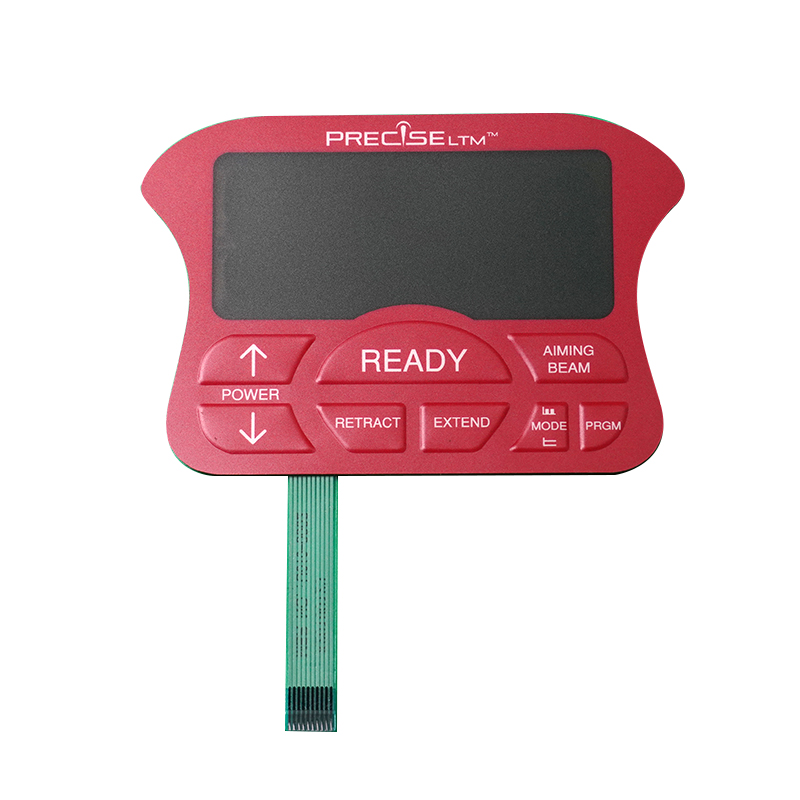
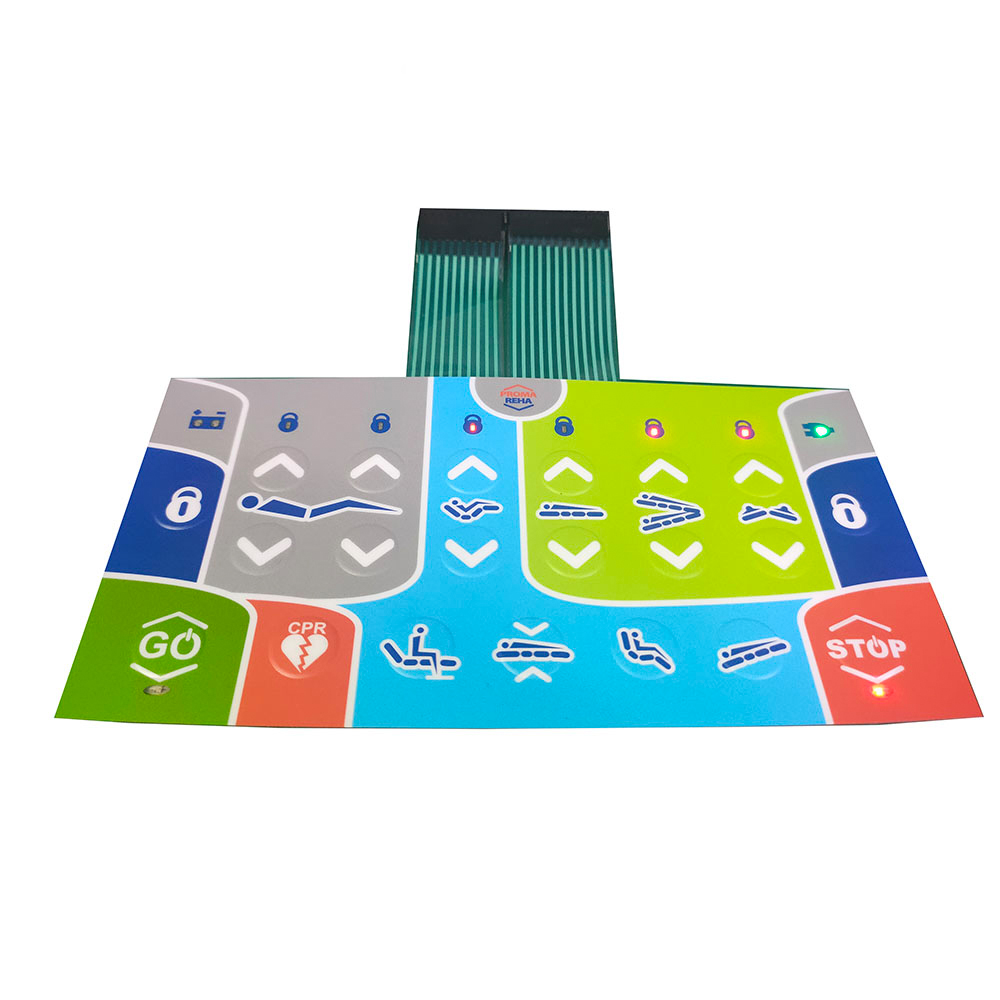
In modern automotive architecture, human-machine interface (HMI) controls serve as the vital operational bridge between driver intent and vehicle reaction. From center-console HVAC panels, steering wheel multifunction controls, and overhead console switches to rugged off-highway agricultural vehicle cabin interfaces, custom OEM automotive keypad switch assemblies must deliver flawless tactile feedback, aesthetic brilliance, and total durability across severe operating conditions.
As vehicle electrical and electronic (E/E) architectures migrate toward centralized zone controllers, the humble keypad switch has evolved from a passive electromechanical contact into an intelligent, sealed, back-lit peripheral module capable of communicating over CAN bus, LIN bus, and Automotive Ethernet protocols. TAVO Electronic Information Technology Co., Ltd., leveraging over three decades of membrane switch manufacturing expertise and advanced German technical collaboration, leads the industry in manufacturing high-reliability automotive keypad assemblies tailored specifically to global OEM and Tier-1 engineering standards.
Key Technical Advantage: TAVO automotive keypads incorporate multi-layer sealing (IP67 to IP69K), AEC-Q compliant internal SMD LED backlighting, integrated ESD/EMI shielding cages, and hard-coated anti-glare graphic overlays engineered for over 1,000,000 actuation lifecycles under extreme thermal stress (-40°C to +105°C).
Automotive Keypad Layer Stack-Up Architecture
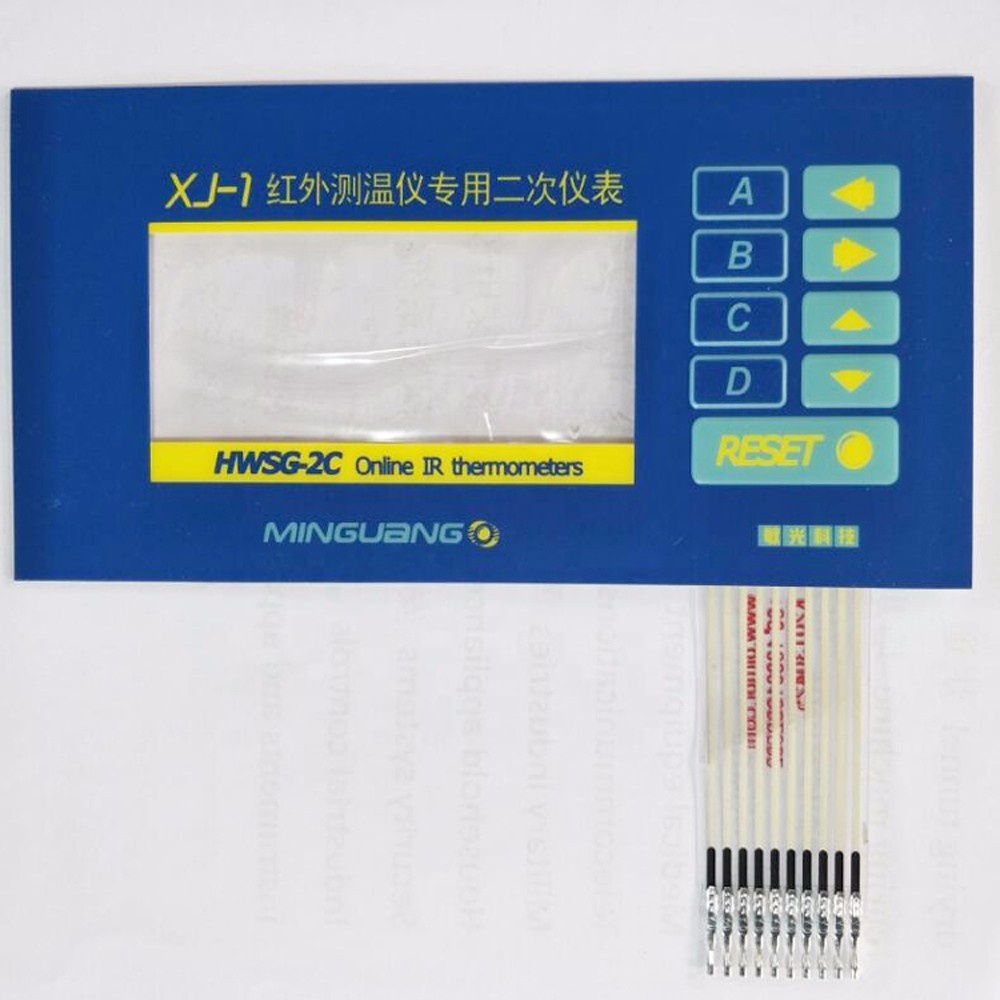
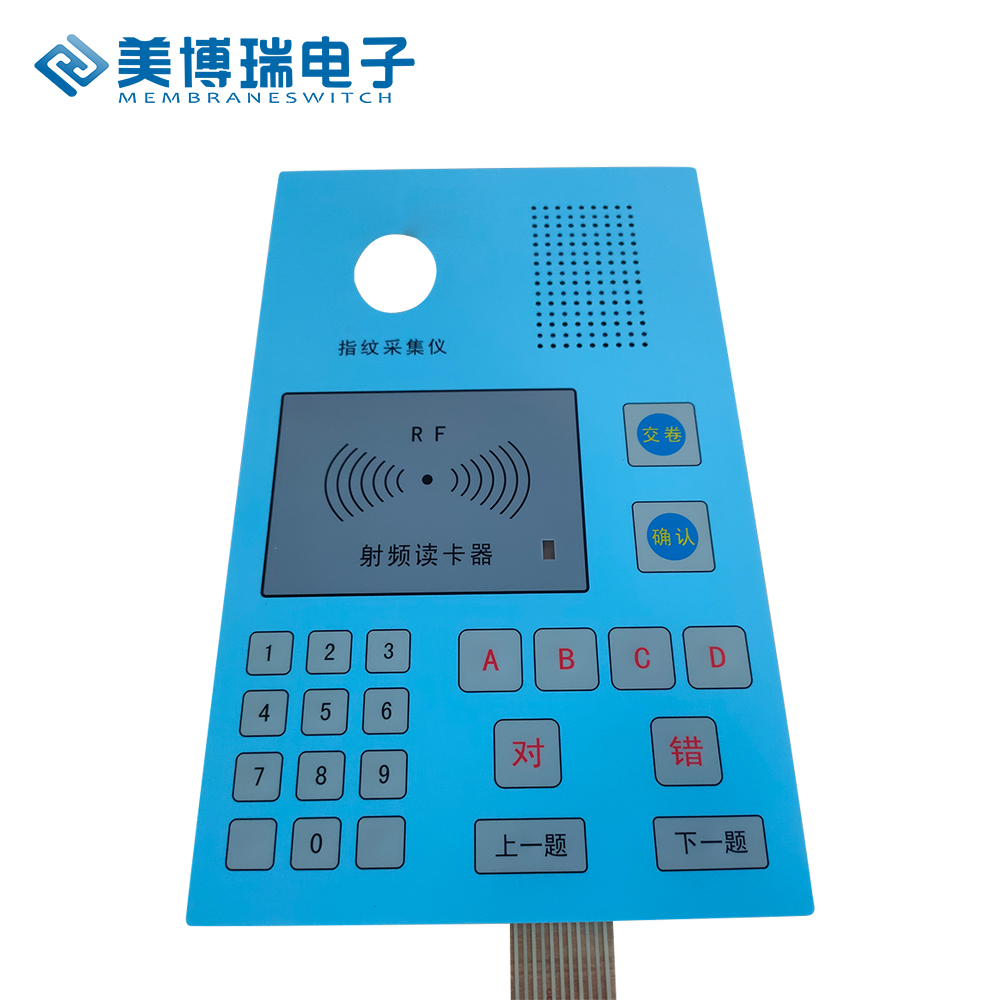
Achieving automotive durability requires a meticulously balanced multi-layer design. The typical OEM switch assembly engineered in our Langfang and Huizhou production facilities follows a rigorous 6-to-8 layer stack-up structure designed for optimal tactile feel, ingress protection, and circuit integrity:
| Layer Structure | Material Specification | Functional Performance Role |
|---|---|---|
| 1. Graphic Overlay | Autotex PET / Lexan Polycarbonate (0.175mm–0.25mm) | Provides sub-surface reverse-printed graphics, UV resistance, scratch protection, and texture finish (matte/gloss/anti-glare). |
| 2. Overlay Adhesive | 3M 200MP / 300LSE High-Performance Acrylic Adhesive | Bonds overlay to actuation layer while establishing an initial environmental seal against fuel, oil, and atmospheric moisture. |
| 3. Tactile Dome Layer | Stainless Steel Domes (Nickel/Gold Plated) / Poly Domes | Delivers crisp tactile snap ratio (40%–60%), actuation force control (2.5N–5.0N), and acoustic feedback to prevent accidental keying. |
| 4. Circuit Substrate | Polyimide Flexible Circuit (FPC) or Silver-Flex PET | Conducts switch matrix signals. FPC substrates allow direct SMT soldering of micro-LEDs, resistors, and CAN/LIN transceiver ICs. |
| 5. EMI / ESD Shielding | Printed Conductive Carbon / Aluminum Foil Grid | Diverts static discharge up to 15kV away from delicate automotive microcontrollers to satisfy ISO 10605 EMC standards. |
| 6. Backer Plate / Enclosure | Aluminum Plate / FR4 PCB / Injection Molded ABS-PC | Provides mechanical rigidity for vehicle cabin integration and snap-fit mounting into dashboard dashboard bezels. |
Material Selection Matrix: PET vs. PC vs. Silicone Rubber
Selecting the optimal substrate material directly dictates the longevity and tactile compliance of an automotive control keypad:
- Polyester (PET): Offers superior flex-life (exceeding 5 million cycles), excellent chemical resistance to vehicle cleaning agents, diesel, and gasoline, and high tensile resistance. Recommended for sub-surface printed membrane keypads and high-use cabin buttons.
- Polycarbonate (PC): Excellent optical clarity for backlighting windows and display windows, high impact strength, but lower flex fatigue resistance. Ideal for rigid accent panels and non-flex graphic overlays.
- Silicone Rubber: Enables 3D dimensional keycaps, soft-touch ergonomic feel, and integrated sealing ribbons for IP68 liquid immersion resistance. Frequently combined with PET circuit layers or PCB backers for heavy truck and agricultural steering controls.