High-Precision OEM Touch Panels & Interface Assemblies
Engineered to rigorous industrial standards, combining robust PC/PET graphic overlays, capacitive sensor arrays, and custom flexible printed circuits (FPC).
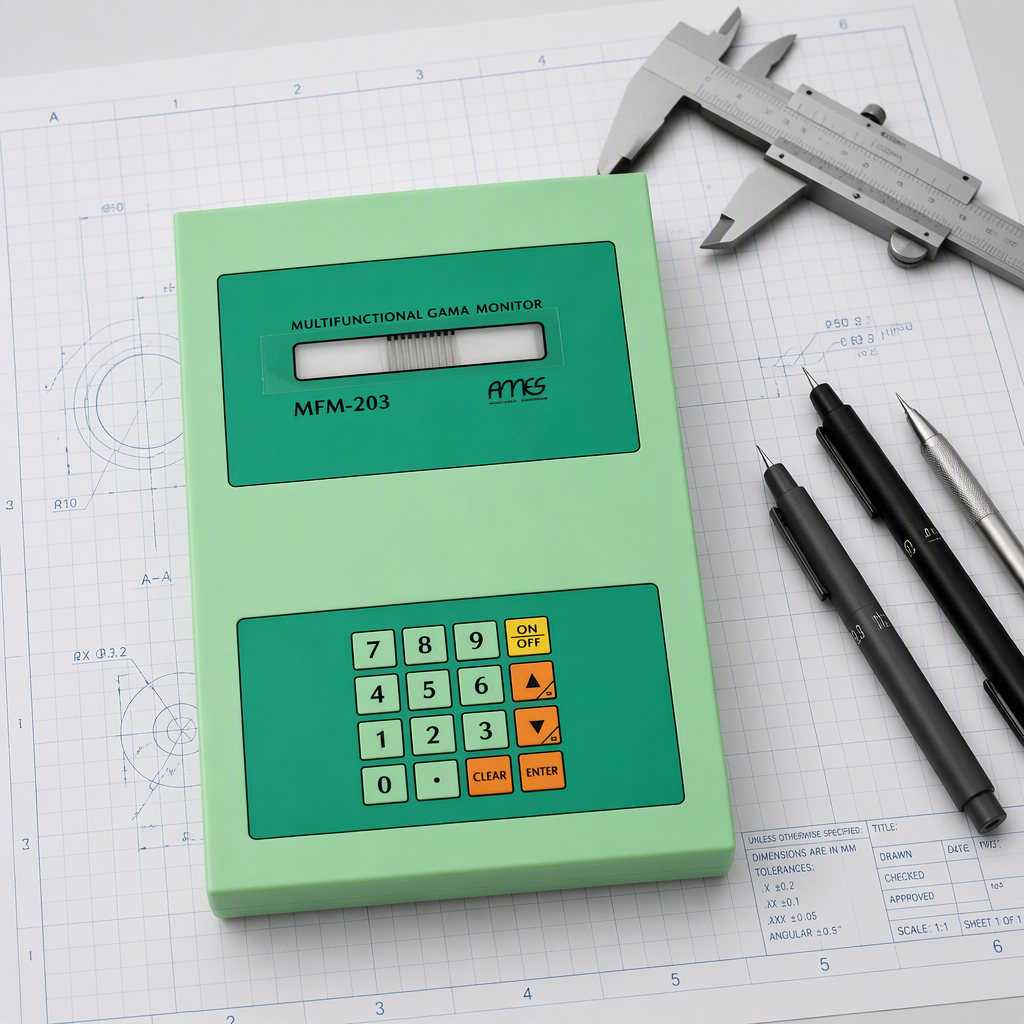
Waterproof Polyester Membrane Keypad Panel PET PC Plastic Keyboard Panel Mount for HMI Display Screens
View Technical Specs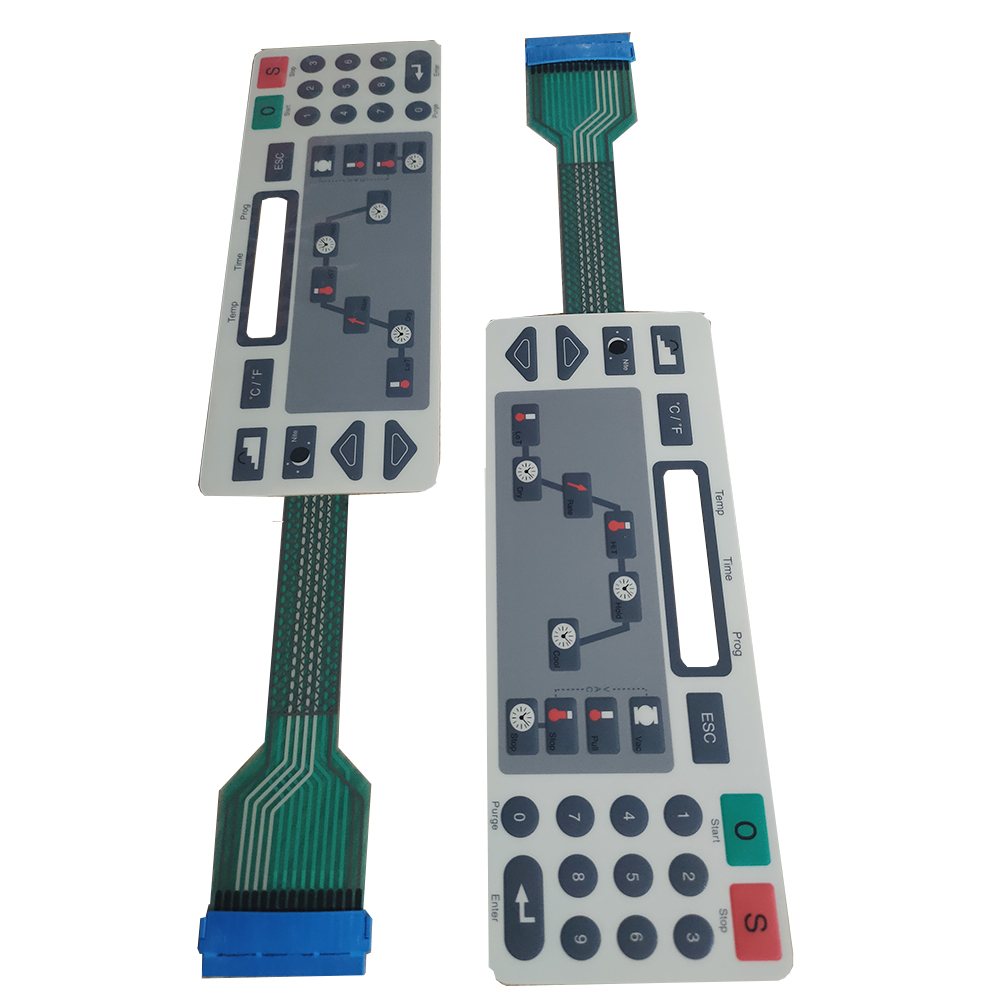
High Quality IP67 Waterproof 3M Adhesive Acrylic Metal/Poly Dome LCD Membrane Switch Custom Keypad
View Technical Specs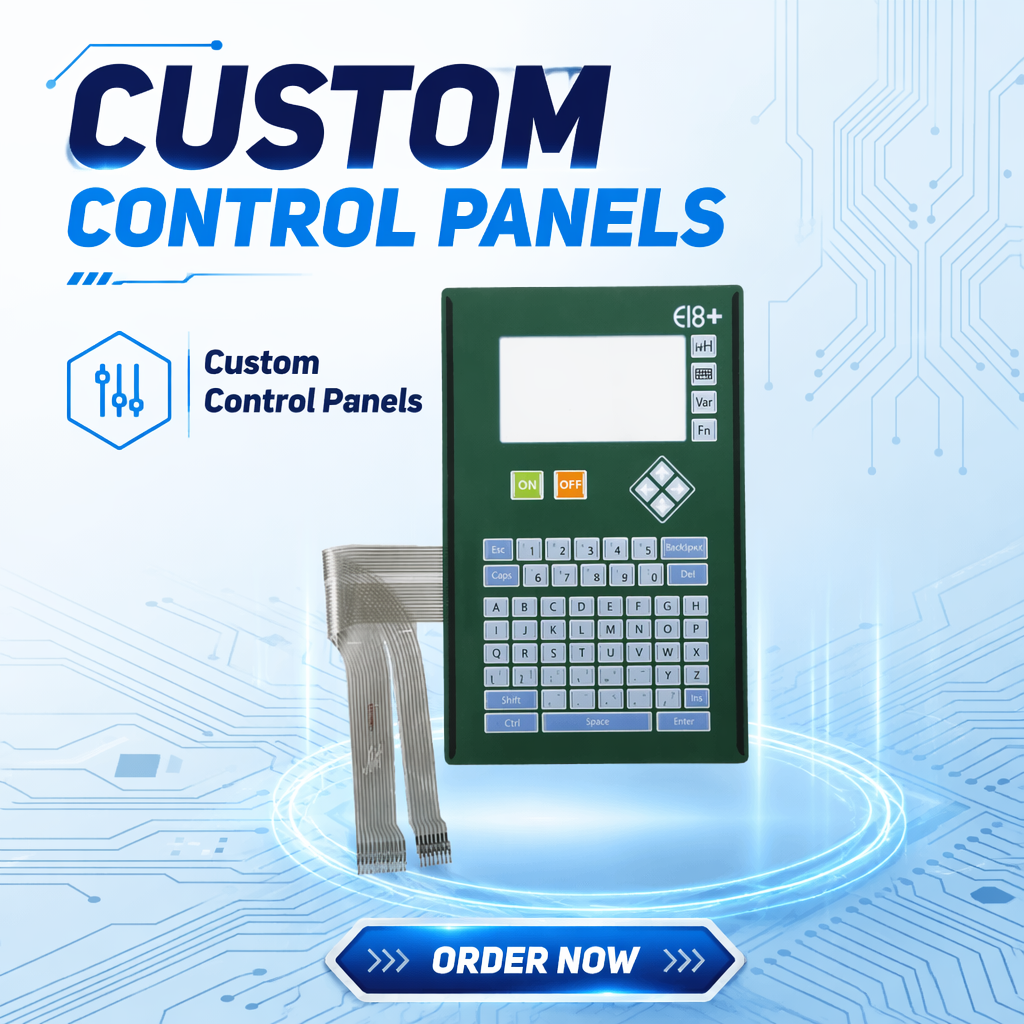
Fast Delivery OEM PBT Keyboard Cap Mechanical Switch Compatible Silkscreen Printed Customized Designs
View Technical Specs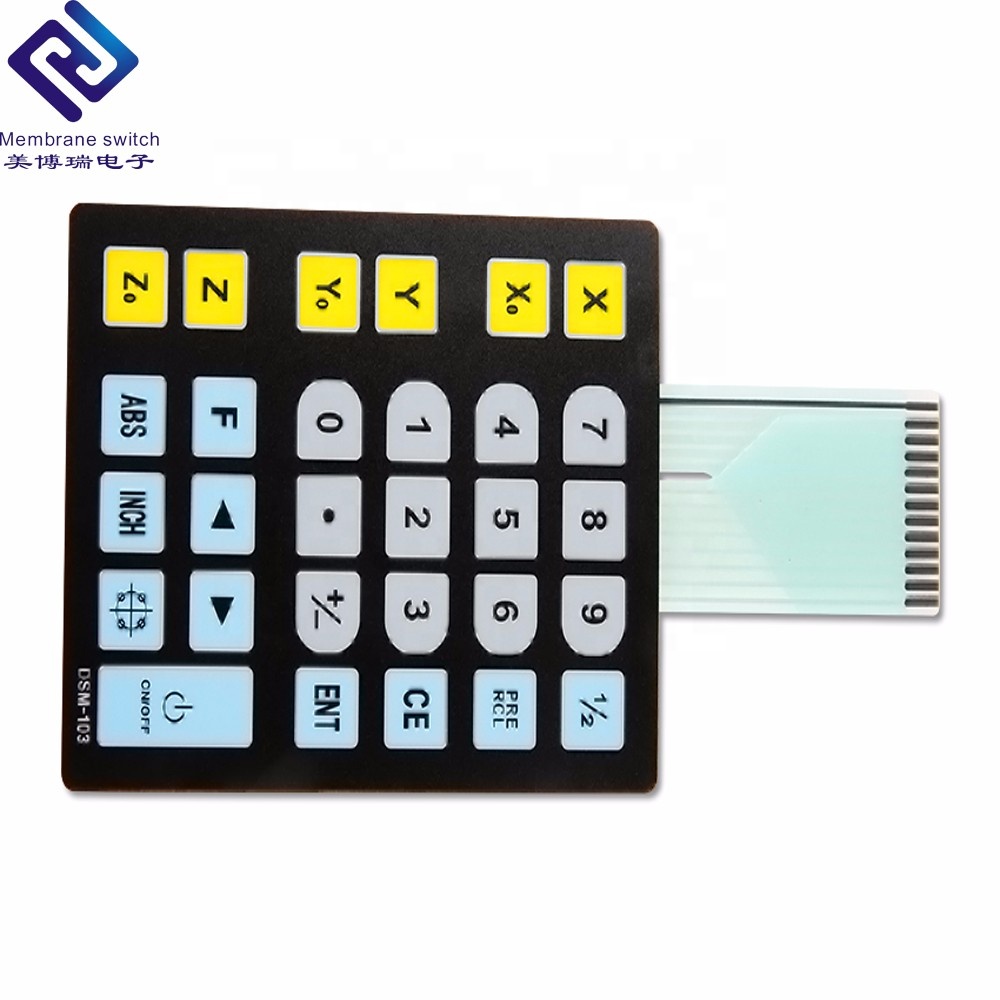
MBR High Quality IP67 Waterproof 3M Adhesive Flexible Cable Membrane Keypad PVC/PET/PC Dome Buttons
View Technical Specs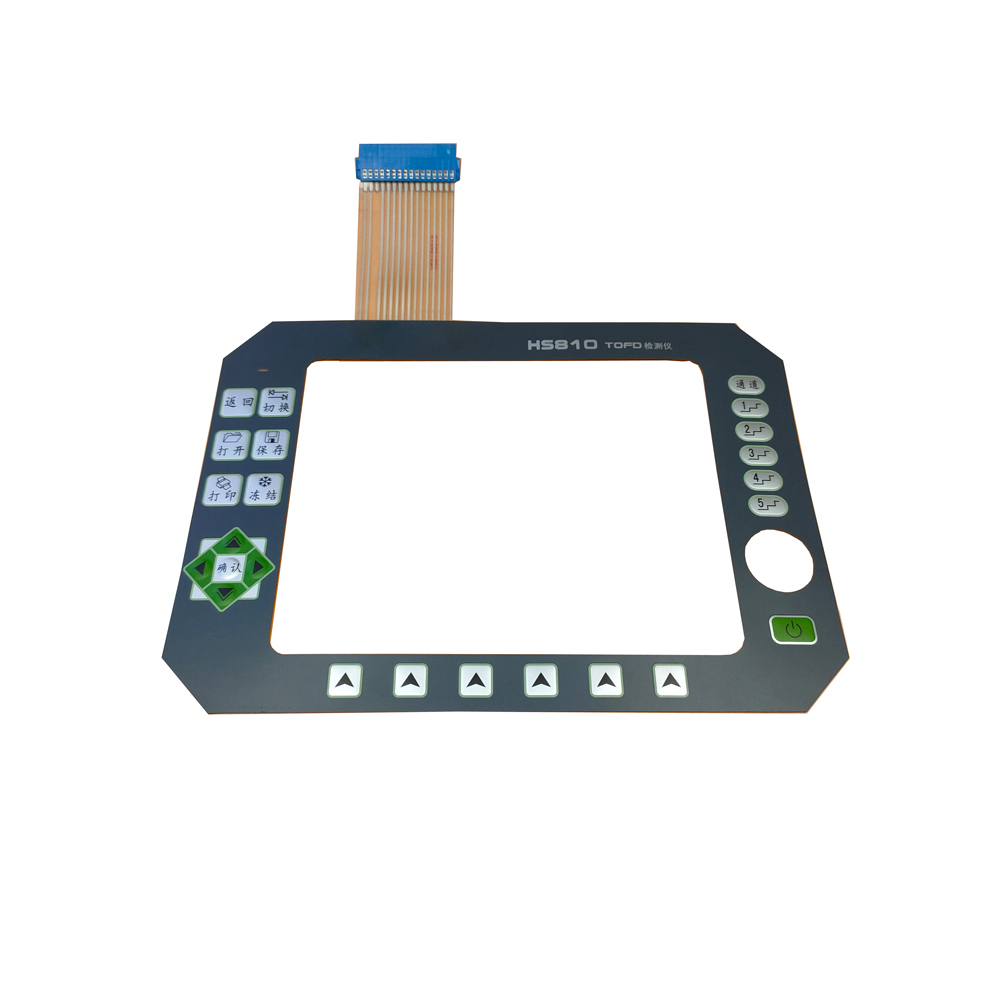
Meiborui Custom PBT Keyboard Cap Silkscreen Printed Waterproof Adhesive Sticker Computer Keyboard Parts
View Technical Specs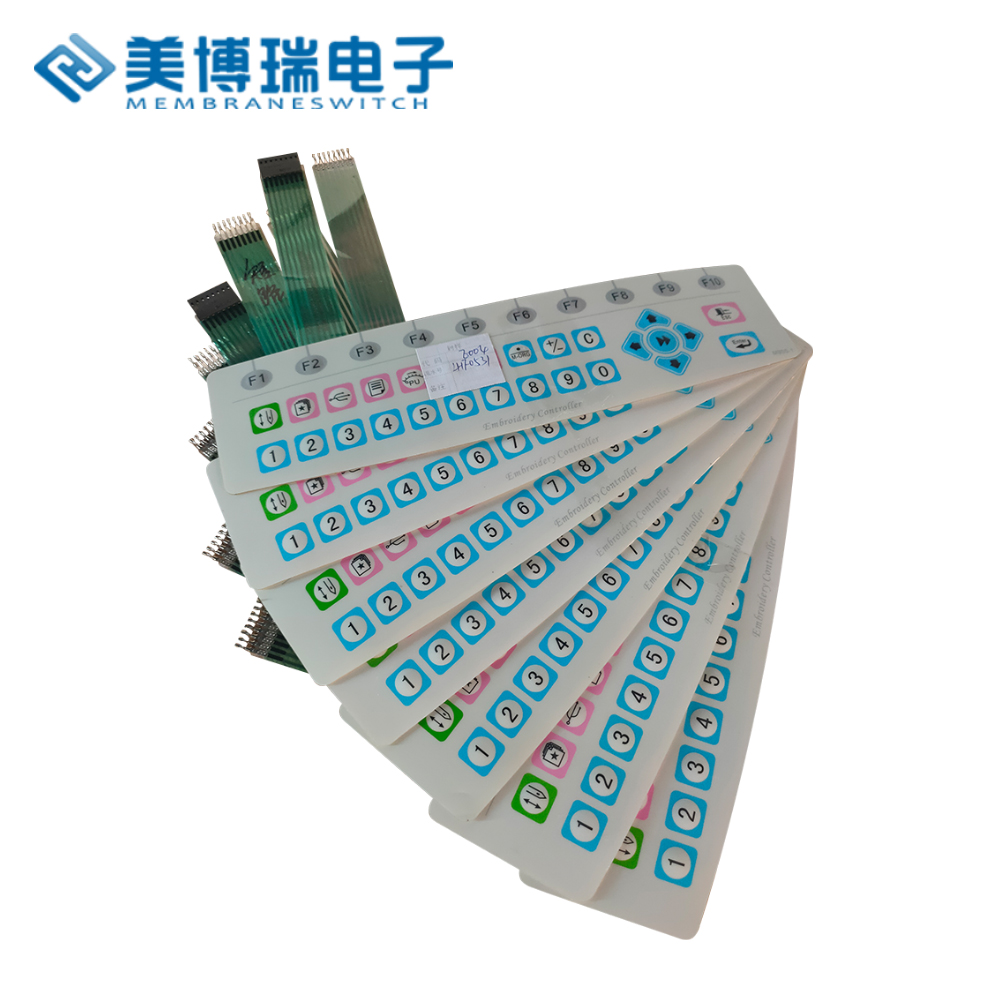
Custom MBR OEM Flexible Waterproof Membrane Keypad Anti-Dust Moisture Proof Control Panel PET+Silver Circuit
View Technical Specs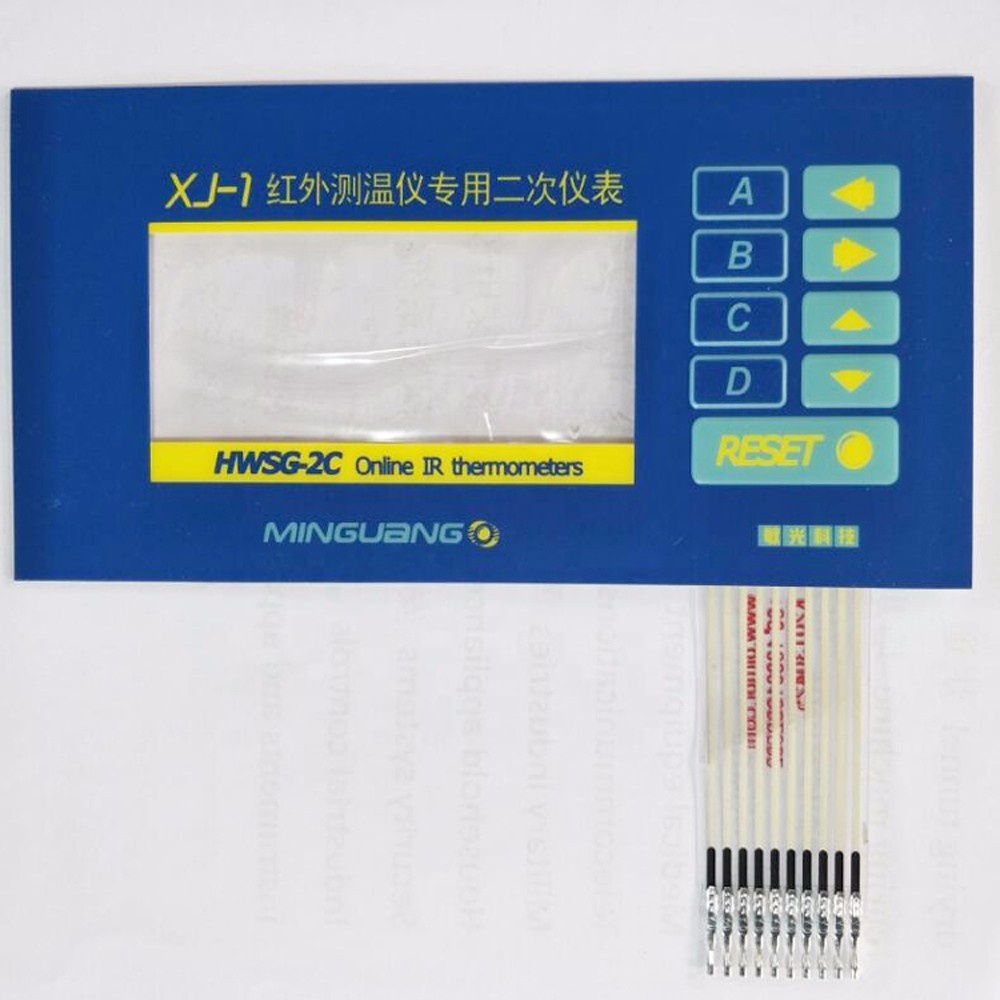
Fast Delivery OEM PBT Keyboard Cap Mechanical Switch Compatible Silkscreen Printed 2.54mm Pitch ISO Certified
View Technical Specs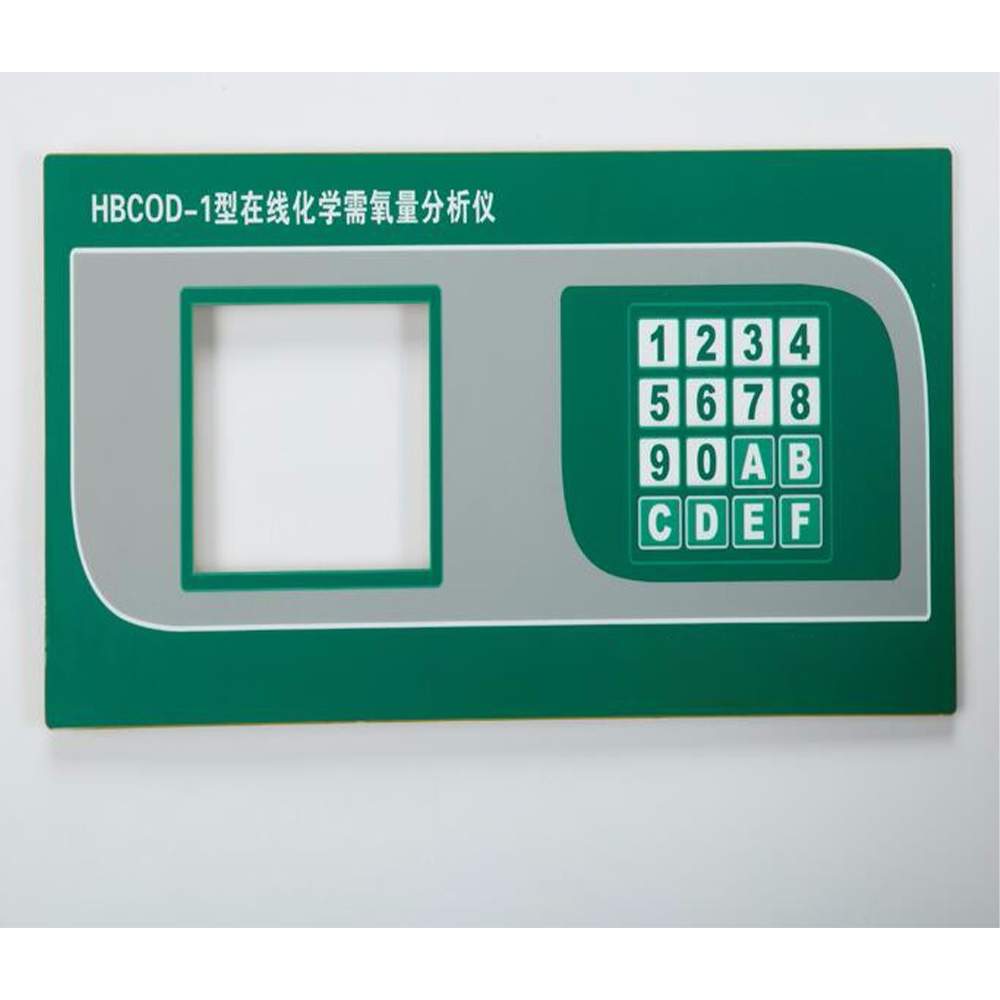
High Quality PET PC Membrane Keyboard Custom Logo Customized Color/Size Fast Delivery MBR Meiborui
View Technical SpecsEngineering Fundamentals of OEM Capacitive Sensor Panels
An in-depth analysis of Projected Capacitive (PCAP) matrix architecture, signal-to-noise optimization, substrate engineering, and optical bonding protocols for high-reliability environments.
1. Projected Capacitive (PCAP) Sensing Principles: Self vs. Mutual Capacitance
In modern Human-Machine Interface (HMI) design, capacitive sensor panels have largely replaced traditional electromechanical switches across high-reliability industrial, medical, and aerospace applications. Capacitive touch panels operate by detecting changes in electrical capacitance caused by the proximity or direct touch of a conductive body, typically a human finger or specialized stylus. OEM engineers must carefully evaluate the trade-offs between Self-Capacitance and Mutual Capacitance architectures when designing custom sensor layouts.
Self-Capacitance: In a self-capacitance configuration, individual electrode pads or traces (X and Y channels) are measured independently with respect to electrical ground. When a finger approaches an electrode, it forms a parallel capacitor with ground, increasing the total parasitic capacitance ($C_p$). Self-capacitance yields extremely strong signal changes and superior noise immunity, making it ideal for single-touch keypads, slider controls, and rotary touch wheels. However, when applied to multi-touch matrices, self-capacitance suffers from "ghosting" artifacts where simultaneous touches at grid intersections generate false coordinate reads.
Mutual Capacitance: Mutual capacitance employs a decoupled grid of drive (TX) and receive (RX) lines. Electrostatic field lines project from the TX electrodes through the dielectric cover lens into the RX electrodes. When a conductive object enters the fringing field, it diverts a fraction of the electric field to ground, causing a localized net decrease in mutual capacitance ($C_m$). Because every TX-RX intersection ($Node_{x,y}$) is scanned individually, mutual capacitance natively supports true multi-touch performance (10+ simultaneous touch points) and complex gesture recognition without coordinate ambiguity.
Engineering Insight (Information Gain): For industrial control panels exposed to extreme electromagnetic interference (EMI) and fluid splatter, hybrid controller ICs utilizing dynamic switching between Mutual Capacitance (for tracking multi-finger gestures) and Self-Capacitance (for sensing water rejection and gloved input) provide maximum operational stability.
2. OEM Material Stack-Up & Structural Layer Integration
A high-performance custom capacitive sensor panel is a multi-layered composite stack engineered for mechanical rigidity, optical clarity, chemical resistance, and electromagnetic compatibility (EMC). The table below details the typical structural options provided by TAVO Electronic (MBR) for OEM exporters and custom equipment integrators:
| Layer Layer Name | Primary Materials Used | Thickness Range | Functional Performance Role |
|---|---|---|---|
| 1. Cover Lens / Overlay | Chemically Strengthened Glass, Polycarbonate (PC), PMMA (Acrylic), Autotex PET | 0.5mm – 6.0mm | Provides front-face impact protection (IK08–IK10), chemical resistance, anti-glare (AG), anti-fingerprint (AF), and custom silkscreen/digital graphics. |
| 2. Optical Bonding Layer | Optically Clear Adhesive (OCA) film or Liquid OCA (LOCA) Silicones | 125µm – 250µm | Eliminates internal air gaps, prevents moisture condensation, reduces internal refraction, and enhances impact absorption. |
| 3. Capacitive Sensor Array | Indium Tin Oxide (ITO) on PET, Silver Nanowire (AgNW), Metal Mesh, Conductive Organics | 50µm – 175µm | Contains etched pattern electrode grids (TX/RX) to continuously sample electrostatic field variations across the active touch zone. |
| 4. Interconnect / Flex Tail | Flexible Printed Circuit (FPC) Polyimide with Gold/Tin Plated Contacts | 0.1mm – 0.3mm | Routes high-frequency TX/RX traces and ground shield rings to the touch controller IC or mainboard connector via ZIF or board-to-board headers. |
| 5. Rigid Support Backer | FR4 Glass Epoxy Board, Aluminum Alloy Plate (5052/6061), Stainless Steel | 1.0mm – 3.0mm | Offers structural rigidity for panel mounting, integrated grounding studs, and SMT component hosting for hybrid keypads. |
Emerging Technology Trends in Capacitive Touch Panels
Anticipating next-generation OEM requirements: From liquid-tolerant sensing algorithms to 3D curved surfaces and haptic feedback integration.
1. Advanced EMI Noise Immunity & IEC 61000 Compliance
As industrial automation environments introduce higher concentrations of variable frequency drives (VFDs), high-voltage switching power supplies, and wireless transceivers, touch panel signal-to-noise ratios (SNR) are severely compromised. Modern OEM capacitive sensor manufacturing focuses on embedding hardware-level shielding layers (such as transparent conductive ITO shield layers on the reverse side of the sensor) combined with frequency-hopping controller firmware. Controllers dynamically scan for clean operational frequencies between 50 kHz and 400 kHz to maintain high SNR (> 20:1) even under 10V/m conducted immunity testing (IEC 61000-4-6).
2. Liquid Tolerance and Glove-Touch Sensing Innovations
In medical diagnostic suites, food processing plants, and outdoor telecommunication kiosks, water droplets, saline spills, and condensation are common. Standard capacitive sensors mistake conductive fluids for finger touches, causing uncontrolled false triggers or complete touch lockouts. The future of OEM capacitive design relies on dual-mode firmware that segregates water effects through differential mutual-capacitance baseline tracking. Simultaneously, adaptive drive voltage boosts (up to 18V) enable operators wearing heavy industrial rubber or leather gloves (> 3mm thickness) to achieve fluid, uninterrupted touch response.
3. Solid-State Haptic Feedback & Active Tactile Confirmation
A major historical drawback of planar touch screens compared to mechanical switches has been the absence of tactile tactile feedback. To overcome this, top-tier OEM exporters are embedding Linear Resonant Actuators (LRA) and Piezoelectric Transducers directly into the backer assembly of capacitive panels. When a touch event crosses the sensing threshold, localized localized vibrations (ranging from 100 Hz to 300 Hz) are transmitted through the glass/PC cover plate within 5 milliseconds, simulating the sharp tactile tactile click of a physical dome switch without sacrificing the IP68 fluid seal.
Global Sourcing Trends & Supply Chain Optimization for OEMs
Navigating total cost of ownership (TCO), vendor verification, lead-time mitigation, and design-for-manufacturability (DFM) in international touch panel procurement.
1. Total Cost of Ownership (TCO) vs. Initial NRE Tooling Costs
When sourcing custom OEM capacitive touch panels, purchasing executives often focus heavily on Non-Recurring Engineering (NRE) tooling charges (optical film laser cutting dies, silkscreen masks, and CNC glass shaping tools). However, sophisticated engineering procurement teams prioritize long-term Total Cost of Ownership. Factors such as field failure rates, UV degradation resistance, connector insertion endurance, and sensor baseline stability directly govern warranty costs. Selecting high-grade materials—such as Japanese Autotex PET films, Corning Gorilla Glass, and genuine 3M 467MP/468MP adhesives—dramatically reduces field maintenance overhead across 7- to 10-year product life cycles.
2. Vendor Qualification Framework: E-E-A-T Standards in HMI Sourcing
Evaluating an overseas capacitive panel exporter requires rigorous multi-stage qualification to eliminate quality risks. Leading international OEMs apply a strict compliance audit checklist:
ISO 9001 & Intertek Audits
Verification of certified quality management systems and third-party onsite facility inspections ensuring traceable manufacturing processes.
Class 10,000 Cleanrooms
Optical bonding and sensor lamination must occur within dust-free cleanroom environments to guarantee zero particle inclusions inside display windows.
Automated Reliability Testing
In-house testing laboratories equipped with salt fog chambers, environmental temperature-humidity chambers, and computer circuit analyzers.
Why Choose TAVO (MBR) as Your OEM Custom Panel Exporter
Combining over 30 years of HMI engineering heritage with multi-location production capacity, advanced digital UV printing, and German technical cooperation.
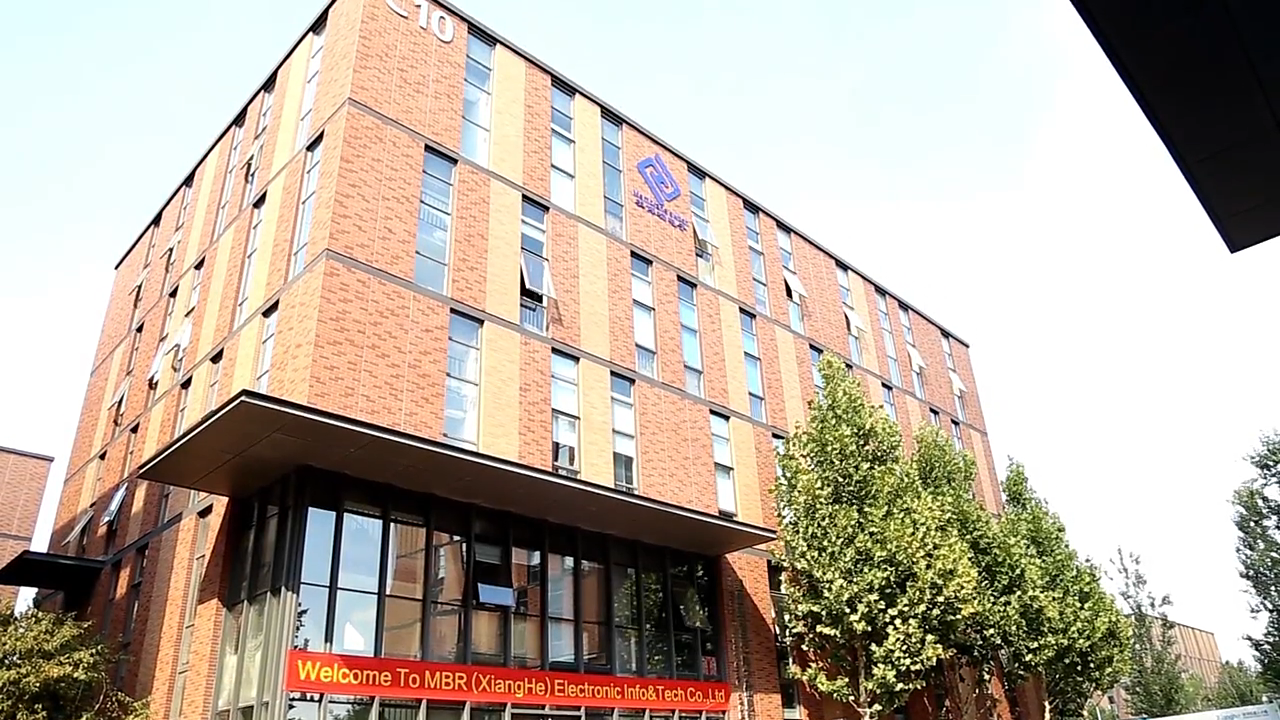
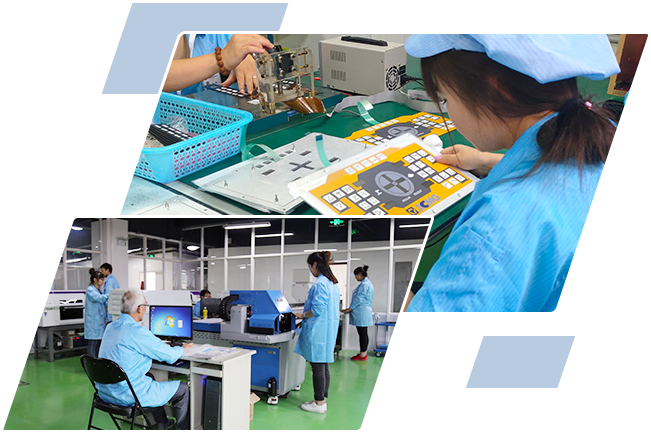
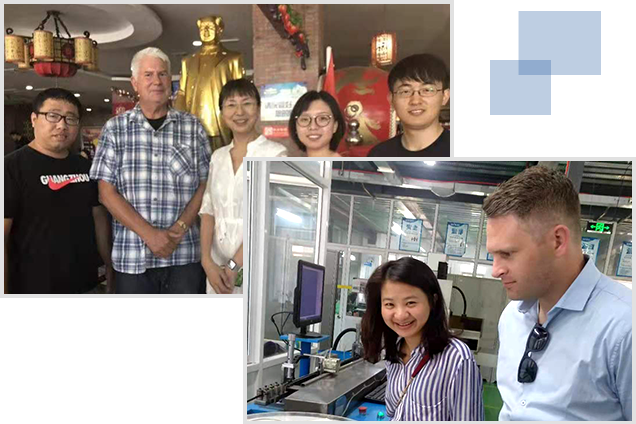
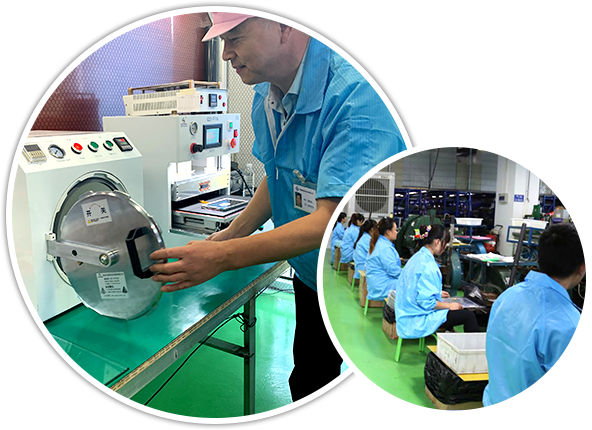
Established 1990 Heritage
30+ years of dedicated continuous focus on processing, researching, and perfecting custom membrane switches, graphic overlays, and capacitive sensor panels.
Dual Manufacturing Footprint
Main facility in Xianghe Economic Development Zone (Hebei) alongside a secondary processing base in Huizhou (Guangdong), providing dual-base production redundancy and massive scale.
German Technical Synergy
Long-term strategic technical cooperation with leading German membrane switch manufacturers, incorporating European precision standards, materials, and tooling philosophies.
Full Vertical Integration
Equipped with 37 precision screen printing machines, 4 Mimaki heat-setting digital printers, 18 laser cutters, 60 CNC mold-making units, and 7 digital engraving systems.
Rigorous In-House Testing Lab
Every lot is batch-tested using computer circuit testers, button actuation life cyclers, programmable temp/humidity chambers, xenon aging chambers, and salt fog corrosion testers.
Global Export Excellence
Trusted supplier to international industrial brands including Siemens, ABB, and Haier, with direct export channels serving North America, Western Europe, and Asia-Pacific.
Frequently Asked Questions (OEM Sourcing FAQ)
Key technical and commercial answers for engineering leads, buyers, and sourcing managers.
What vector files and technical data are required to initiate a custom capacitive panel quote?
To deliver an accurate quote and DFM review, please provide: 1) Mechanical outline drawing (PDF, DXF, or STEP file) showing overall dimensions, cutouts, and tolerances; 2) Graphic overlay artwork in Adobe Illustrator (.AI) or CDR with Pantone color codes; 3) Circuit schematic or pin-out definition for the FPC connector tail; 4) Target operating environment details (operating temp, UV exposure, liquid contact, chemical cleaning agents).
How does TAVO handle small-batch prototyping vs. high-volume production?
We actively support OEM product development with low minimum order quantities (MOQs) for prototype and pilot runs. Utilizing high-speed digital UV printing (Mimaki systems) and precision laser cutting allows us to deliver fully functional prototypes without expensive initial steel tooling, accelerating your time-to-market.
Can capacitive touch panels operate through thick plastic or glass cover lenses?
Yes. Our engineering team custom-tunes sensor electrode pitch and drive voltages to penetrate non-conductive cover overlays up to 6.0mm in glass or 3.0mm in polycarbonate/acrylic. We configure controller gain parameters to ensure responsive touch tracking even through heavy front protective barriers.
What is the difference between screen printing and digital UV printing for front overlay panels?
Screen printing utilizes wet ink forced through mesh stencils, making it perfect for exact Pantone spot color matching, high-density opaque metallic silver backing, and large volume production runs. Digital UV printing prints directly from CAD raster files, enabling gradient fades, fine photorealistic graphics, and rapid tool-less prototyping.
How are environmental sealing (IP67/IP68) and chemical resistance guaranteed?
We utilize full-coverage perimeter die-cut adhesives from 3M (such as 3M 200MP or 300LSE series) designed specifically to seal against plastic and metal enclosures. Front films use hard-coated PET (Autotex) or chemically toughened glass that resists harsh industrial solvents, isopropyl alcohol, grease, and household detergents.
What trade delivery terms and international payment methods do you support?
We support standard international commercial terms including FOB (Free on Board), CFR (Cost and Freight), CIF (Cost, Insurance, Freight), and EXW (Ex Works). Accepted payment options include T/T (Telegraphic Transfer), L/C at sight, and D/P or D/A in USD or EUR currencies.