Featured Custom Control Panel Faceplates & Keypad Assemblies
Engineered for harsh environments, superior tactile responsiveness, and strict dimensional tolerances.
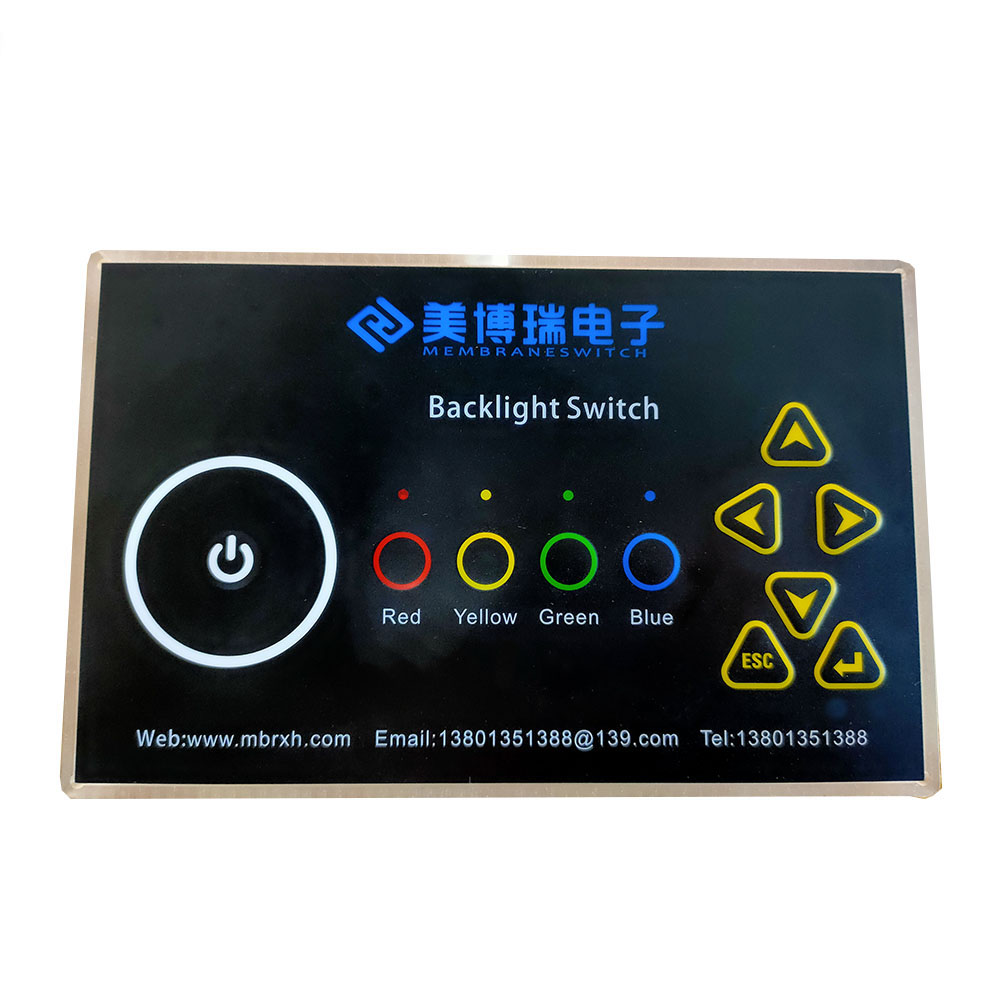
MEIBORUI MBR PBT Keyboard Cap PET Membrane Keypad Custom Color Silkscreen Sticker Replacement
View Product Details →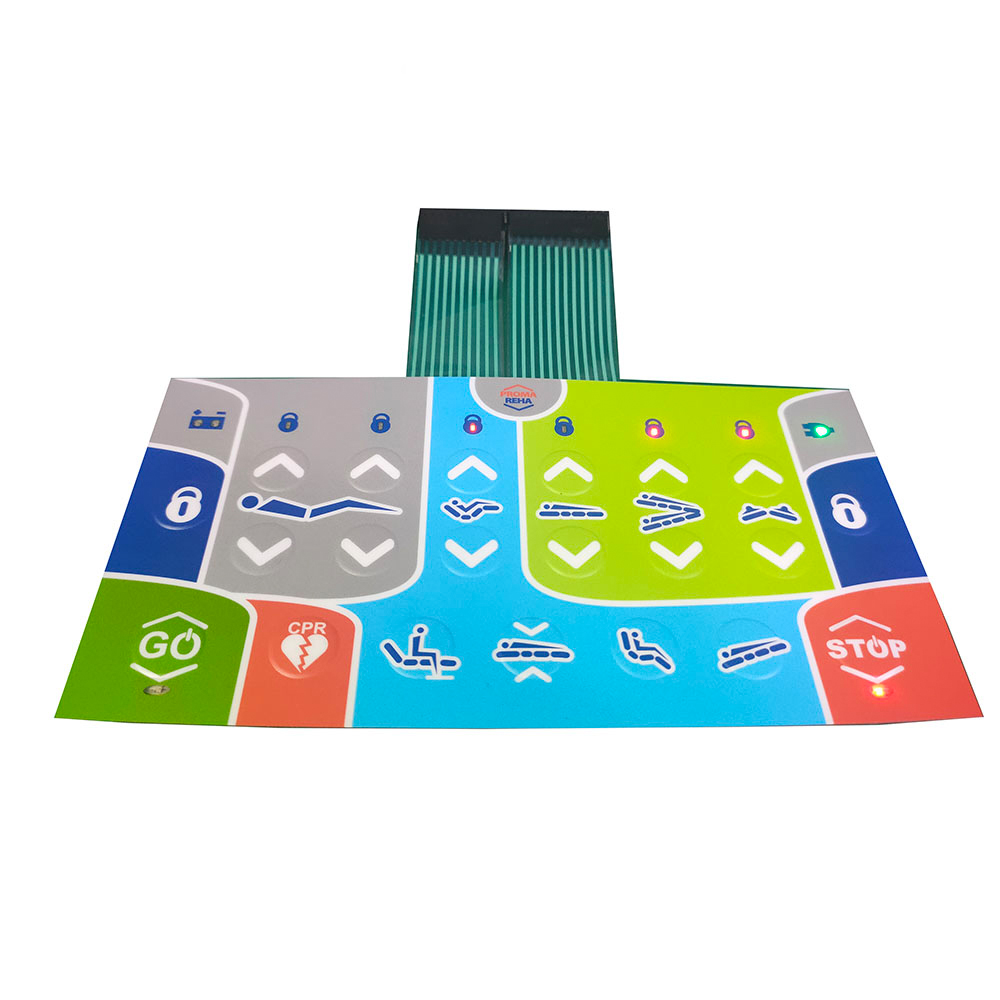
High Quality PBT Keyboard Cap Customized Color & Size Silkscreen Printing ISO9001:2015/ROHS Certified
View Product Details →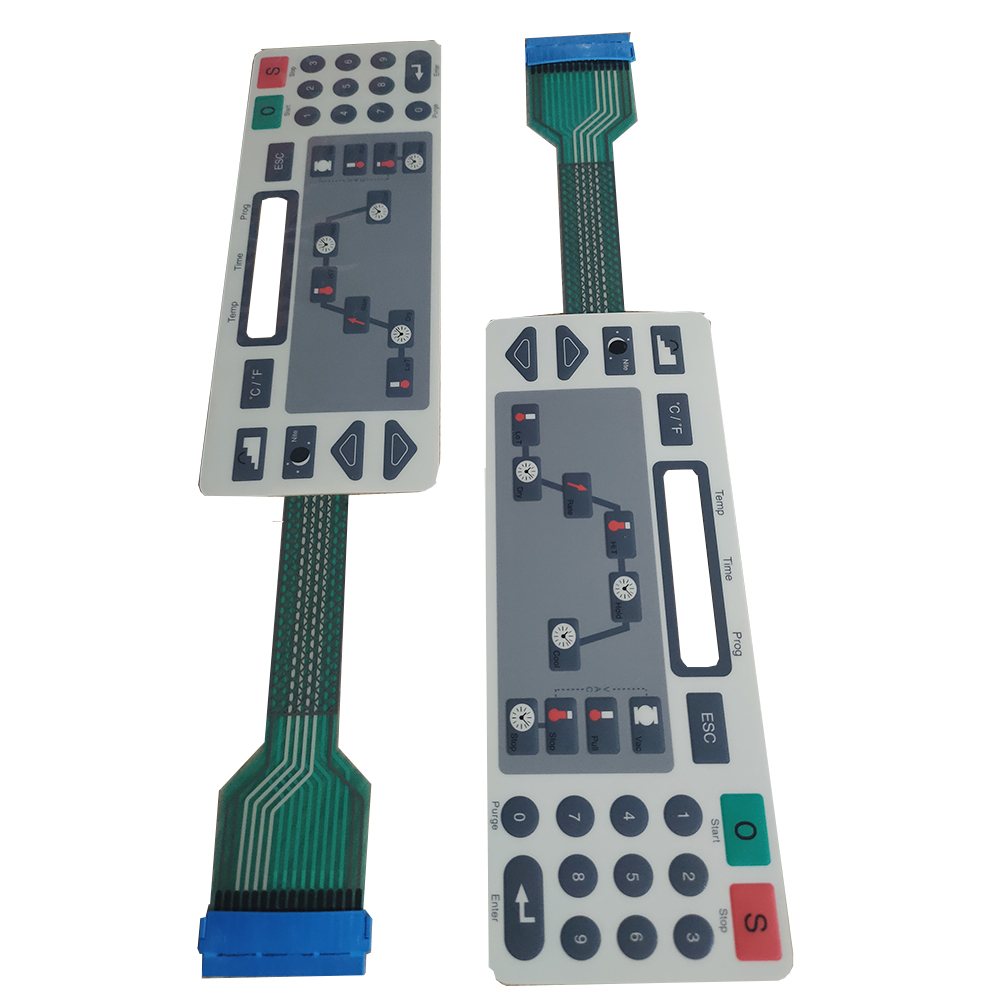
High Quality IP67 Waterproof 3M Adhesive Acrylic Metal/Poly Dome LCD Membrane Switch Keypad
View Product Details →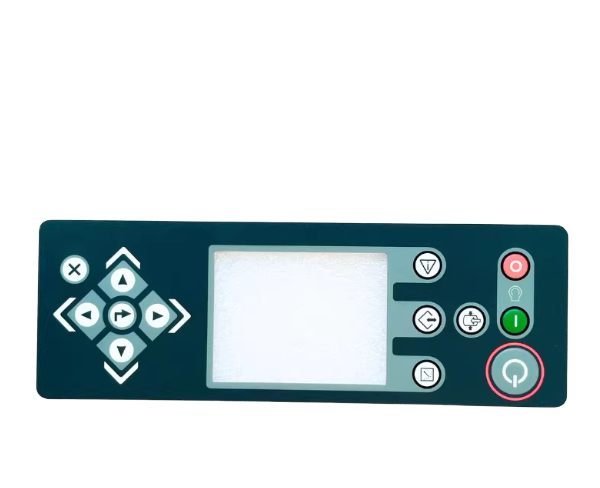
Custom Flexible Temperature Touch Control Keypad Membrane Panel Clear Transparent Window PET HMI
View Product Details →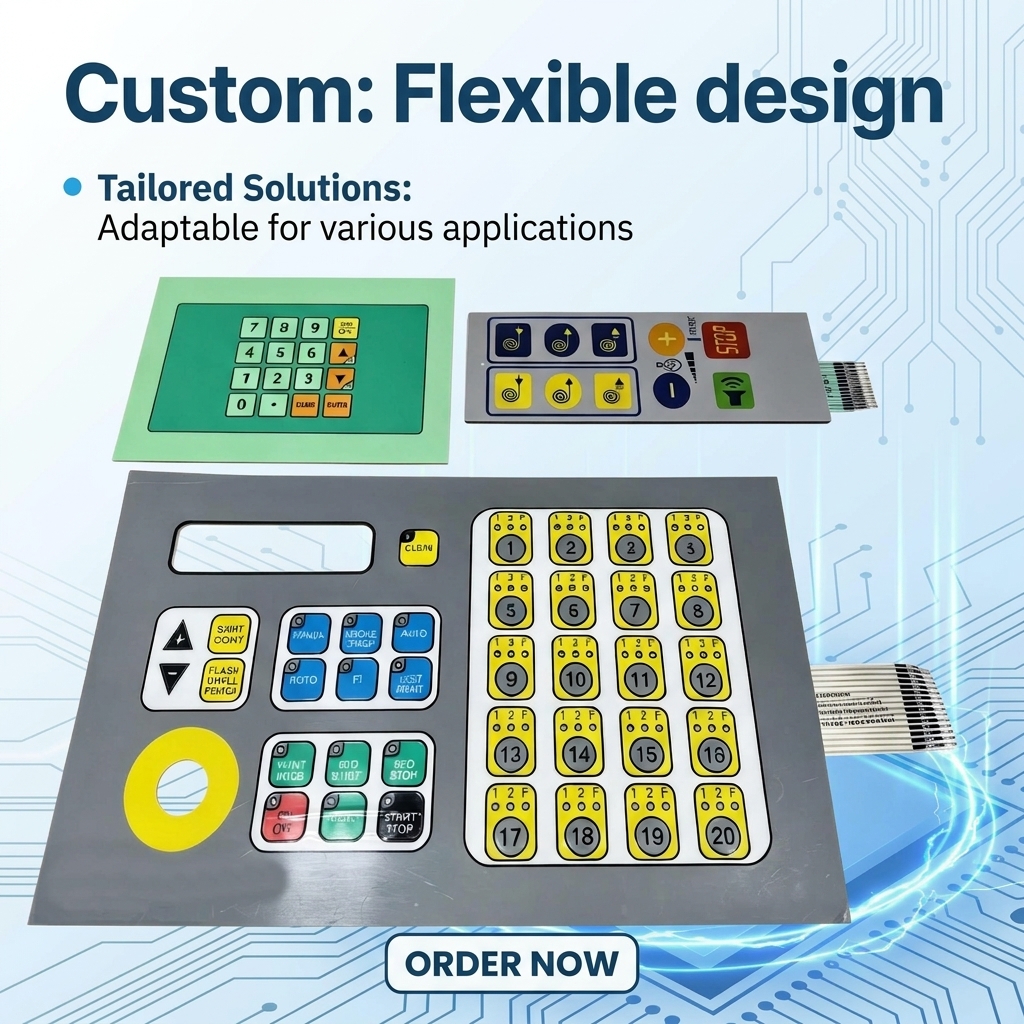
FPC Membrane Switch Keypad Flexible Circuit With LED Illumination for Railway Locomotive Control Panel
View Product Details →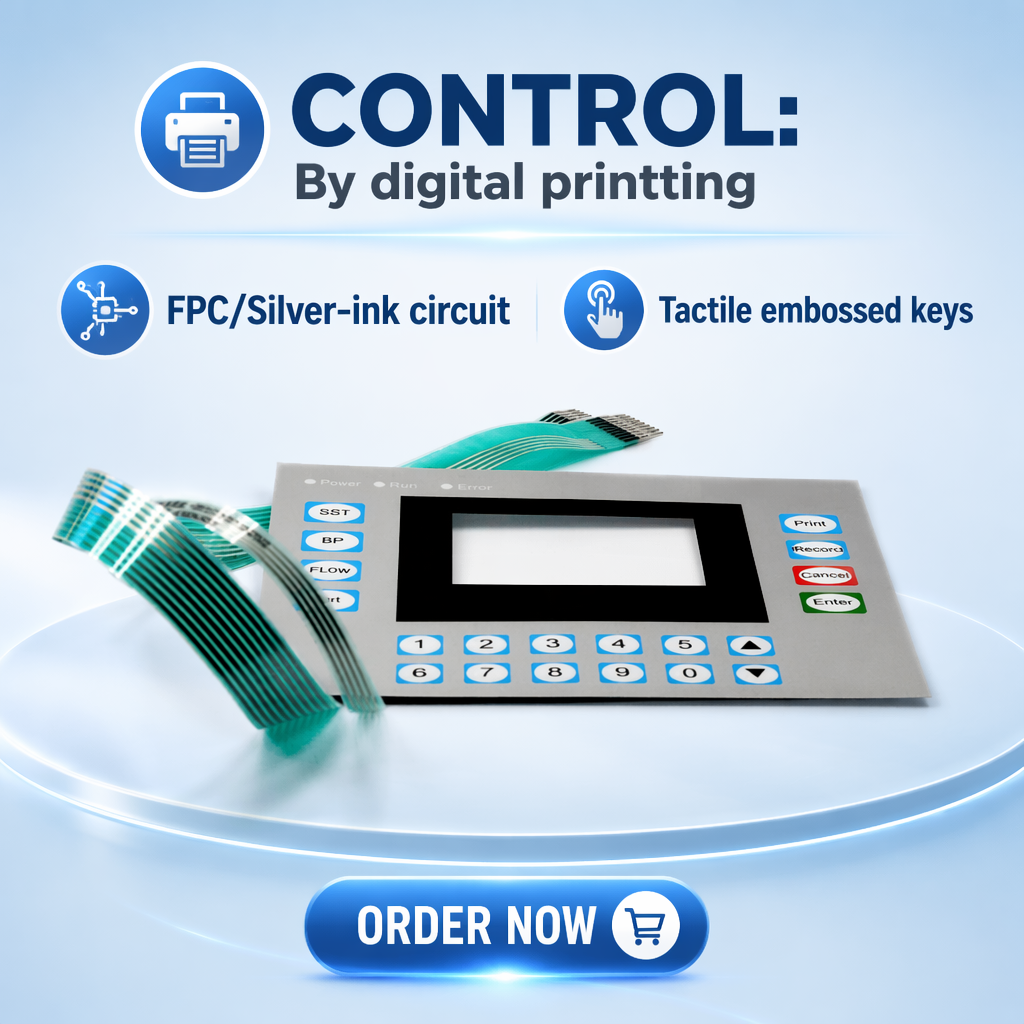
MEIBORUI Fast Turnaround Waterproof Durable Eco-friendly ISO9001 Certified PCB Prototyping Service
View Product Details →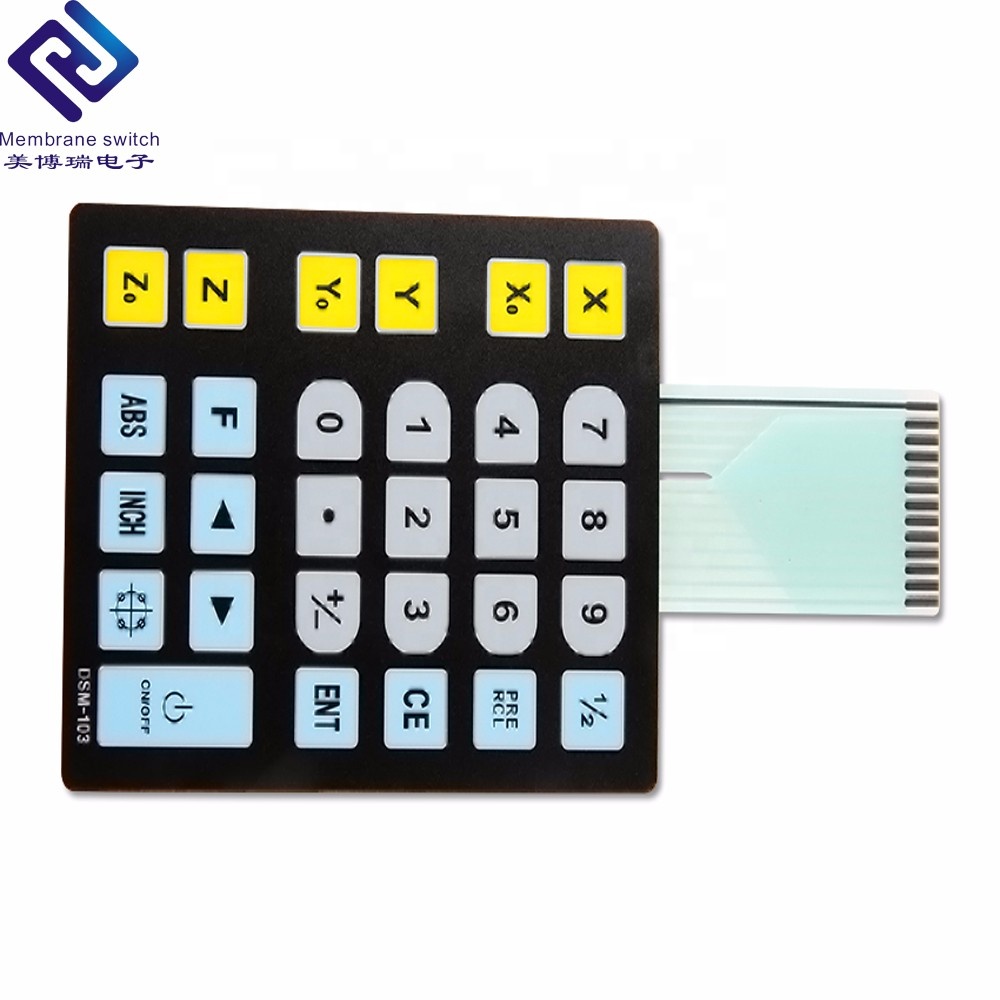
Factory Membrane Switch Keypad with Silicone Rubber Buttons Layout MCU Expansion Keyboard
View Product Details →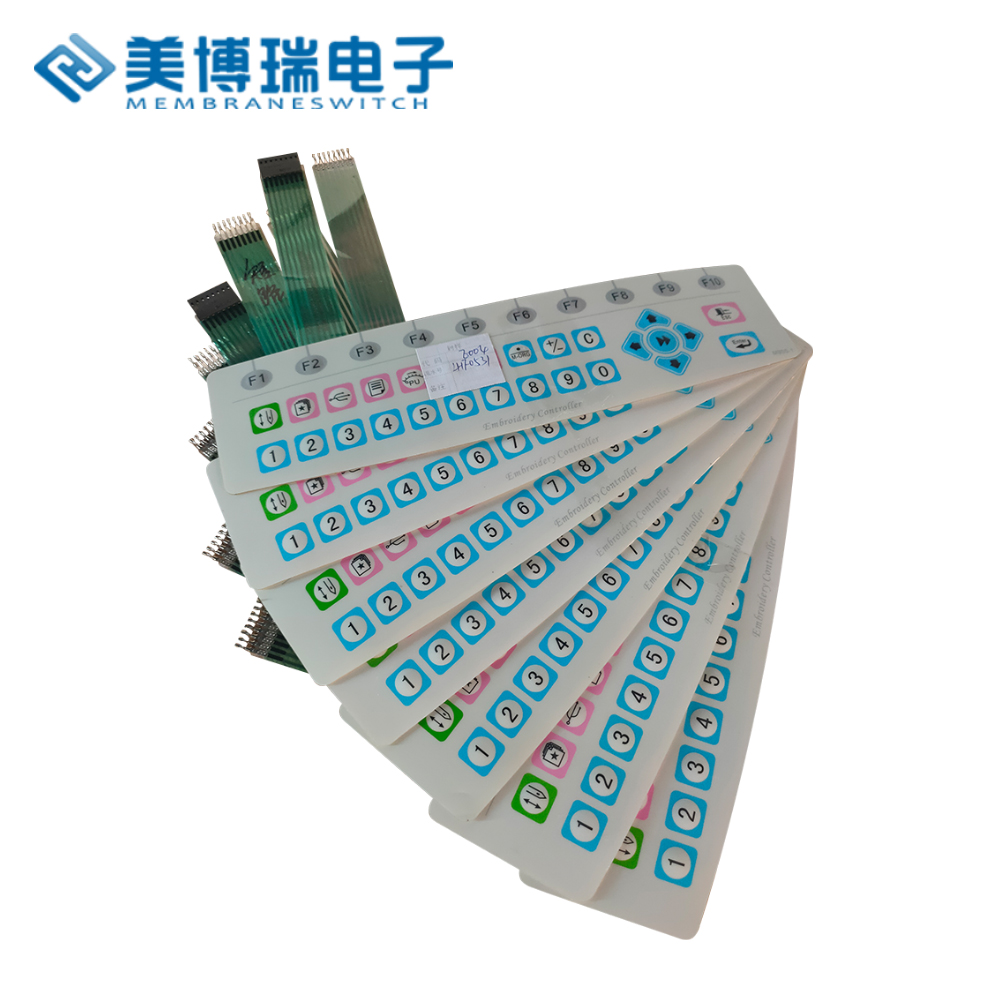
Custom MBR OEM Flexible Waterproof Membrane Keypad Anti-Dust Moisture Proof Control Panel PET Silver Circuit
View Product Details →Engineering Custom OEM Control Panel Faceplates: Technical Material Selection & Substrate Mechanics
In modern industrial equipment, medical instrumentation, automotive diagnostics, and heavy-duty machinery, a control panel faceplate acts as the primary physical bridge between human operators and sophisticated electronic circuitry. Selecting an optimal manufacturer requires an in-depth understanding of substrate polymer chemistry, ink adhesion mechanics, tactile actuation dynamics, and micro-environmental sealing capabilities.
As a leading ISO 9001:2015 custom OEM control panel faceplate manufacturer, our facility prioritizes high-grade polymer substrates engineered to resist mechanical fatigue, chemical exposure, thermal shock, and ultraviolet degradation. The two most dominant substrates utilized in precision graphic faceplates and membrane overlays are Polyester (PET) and Polycarbonate (PC), supplemented by specialized Acrylic (PMMA) backers and glass/metal composites for ultra-rugged applications.
| Substrate Property | Autotex / Autostat Polyester (PET) | Polycarbonate (Lexan / Makrolon) | Custom Acrylic (PMMA) / PBT |
|---|---|---|---|
| Flexural Fatigue Life | > 5,000,000 Actuations (Superior for Embossed Domes) | ~ 100,000 Actuations (Prone to Stress Cracking) | Rigid / Non-Flexing (Used for Structural Backers) |
| Chemical Resistance | Exceptional (Alcohols, Solvents, Hydrocarbons, Acids) | Moderate (Susceptible to Esters, Ketones, Aromatic Hydrocarbons) | High Resistance to Cleaners & Disinfectants |
| Operational Thermal Range | -40°C to +120°C (-40°F to +248°F) | -30°C to +105°C (-22°F to +221°F) | -20°C to +85°C |
| UV Resistance & Weatherability | High (With XE-Grade UV Stabilized Hardcoats) | Moderate (Requires UV Stabilized Topcoats) | High Optical Clarity & Zero Yellowing |
| Surface Textures Available | Fine Velvet, Matte, Gloss, Anti-Glare, Micro-Structure | Velvet, Suede, Matte, Polished Clear | Optical Mirror Clear, Anti-Fingerprint Anti-Reflective |
Engineering Insight: Polymer Choice for Actuated Tactile Faceplates
When engineering an OEM faceplate with embossed tactile keys (rim embossing, pillow embossing, or dome profiles), Biaxially Oriented Polyester (PET) is strictly specified over Polycarbonate. PET exhibits superior tensile yield strength and flexural endurance, enduring millions of key presses without dynamic work-hardening, micro-fissuring, or aesthetic deformation under extreme cyclic loads.
Sub-Layer Circuit Architecture: Conductive Traces, Metal Domes & Illumination Solutions
A full-assembly OEM control panel faceplate integrates much more than decorative surface graphics. Beneath the reverse-printed graphic overlay lies an intricate multi-layer electronic stack-up tailored to your host MCU controller, PCB interface, or fieldbus communication bus.
1. Screen-Printed Silver/Carbon Conductive Traces vs. Copper FPC Circuits
Our production floor offers two distinct conductive circuit layer technologies depending on electrical resistance constraints, pitch density, and operating current:
- Silver-Flex Printed PET Circuits: High-purity conductive silver inks screen-printed on heat-stabilized PET substrate, over-printed with protective carbon dielectric ink to prevent silver electromigration. Ideal for standard low-current matrix keypads (resistance < 100 Ω/trace).
- Flexible Printed Circuits (FPC): Polyimide substrates with photolithographically etched copper traces (single-sided, double-sided, or multi-layer). FPC allows ultra-fine pitch trace density (< 0.5mm pitch), surface-mount technology (SMT) for microscopic side-emitting LEDs, and zero risk of silver oxidation in high-humidity industrial environments.
2. Haptic Feedback & Tactile Snap Ratio Engineering
Tactile perception directly impacts operator accuracy and user satisfaction. We tune key response using two distinct mechanical switch dome paradigms:
- Stainless Steel Metal Domes (Four-Leg & Circle Domes): Pre-nickel or gold-plated stainless steel domes placed directly above switch contact pads. Provides a crisp "click" feeling with a high tactile snap ratio (typically 40% to 65%) and actuation forces ranging from 180g to 500g. Rated for up to 1,000,000 to 5,000,000 operations.
- Hydro-Formed / Thermal Poly Domes: Embossed polyester substrate domes created via precision thermal molding dies. Provides a softer, silent tactile actuation ideal for medical environments requiring quiet operation and easy wipe-down cleaning.
3. Advanced Backlighting: LGF (Light Guide Film) & Integrated SMT LEDs
Modern HMI faceplates frequently require night-time visibility or status indicator backlighting. We deploy Light Guide Film (LGF) optics—a micro-structured optical PET film that redirects light from edge-lit SMT LEDs horizontally across the key matrix. LGF delivers perfectly uniform illumination across large control panel surfaces with minimal power consumption, zero heat buildup, and a total thickness expansion of under 0.2mm.
Environmental Sealing (IP67 / NEMA 4X) & Structural Adhesive Bonding Mechanics
Control panel faceplates deployed in industrial automation, agricultural machinery, oil & gas terminals, or medical sterilizers must withstand liquid immersion, high-pressure washdowns (IP69K), oil mist, and caustic chemical exposure. Complete structural integrity relies on precision pressure-sensitive adhesive (PSA) engineering.
Selective Perimeter Sealing Gaskets
Utilizing high-tack acrylic adhesives (such as 3M 467MP, 3M 468MP, or 3M VHB series) laid in continuous perimeter paths, preventing moisture ingress into internal switch cavities.
Hydrophobic Venting Membranes
Incorporating microscopic ePTFE breathable vents between switch layers to equalize internal air pressure during thermal cycling without admitting water vapor or air contaminants.
EMI / RFI Shielding Barriers
Applying conductive aluminum foil, copper foil, or screen-printed graphite grids connected to an earth ground trace to block electromagnetic interference in high-voltage environments.
Future Sourcing & Manufacturing Trends in Control Panel Faceplates (2025–2030)
As industrial equipment transitions towards Industry 4.0 connectivity, intelligent automation, and hybrid touch interfaces, custom OEM control panel faceplate manufacturing is undergoing rapid technological evolution. Global procurement teams and hardware design engineers must align with these emerging material and manufacturing trends:
1. Transition to Capacitive Touch Faceplates & Seamless Smart Surfaces
Traditional mechanical switch contacts are increasingly supplemented or replaced by Capacitive Touch Membrane Panels integrated behind continuous, completely smooth polycarbonate or glass faceplates. Capacitive sensing eliminates mechanical wear completely, enables sleeker industrial design aesthetics, and allows 100% flat glass/PET surfaces that satisfy ultra-strict hygienic washdown mandates in hospital and food processing environments.
2. Embedded Anti-Microbial & Self-Healing Nanocoatings
Post-pandemic healthcare equipment and shared industrial control terminals demand surfaces that actively inhibit microbial growth. Advanced faceplate substrates now feature silver-ion (Ag+) infused anti-microbial hardcoats permanently bonded into the polyester matrix during polymer extrusion. Furthermore, self-healing polyurethane topcoats are gaining traction, allowing surface micro-scratches caused by fingernails or stylus tools to repair automatically under ambient room temperature.
3. Digital UV Inkjet Hybrid Manufacturing & Rapid Prototyping
While traditional high-volume production still relies on precision silk-screen printing (utilizing automated 350+ mesh screen frames), fast-turnaround prototyping and high-mix low-volume (HMLV) orders are shifting to Industrial Mimaki Digital UV Printing. Digital UV printing eliminates die/screen tooling setup costs, supports photorealistic color gradients, and enables dynamic serial number printing or multi-language interface variants within a single production run.
4. Eco-Friendly Bio-Based Polymers & Circular Supply Chain Compliance
Global environmental regulations, including EU RoHS 3, REACH SVHC, and halogen-free directives, are forcing control panel manufacturers to phase out phthalate plasticizers and solvent-based inks. Modern OEM faceplate fabrication utilizes 100% UV-curable, VOC-free ink chemistries and recyclable bio-PET film substrates, reducing overall carbon footprint while ensuring frictionless global market clearance.
Why Sourcing Managers Choose TAVO / MEIBORUI as Their OEM Faceplate Manufacturing Partner
Traced back to our initial manufacturing foundation in 1990, TAVO Electronic Information Technology Co., Ltd. has spent over three decades mastering the art and science of human-machine interfaces. Operating out of our state-of-the-art production base in the Robot Industry Port of Xianghe Economic and Technological Development Zone (Hebei) alongside our secondary Guangdong manufacturing center, we deliver end-to-end control panel solutions completely under one roof.
Unlike trading intermediaries or split-process vendors, every step of your custom control panel faceplate project is executed in-house:
- In-House Tooling & Mold Workshop: Equipped with 60 high-precision CNC engraving machines, automated die-punching units, and laser cutting systems for instant custom outline shaping.
- Precision Printing Ecosystem: Operating 37 automated screen-printing lines and high-resolution Mimaki digital UV printers inside cleanroom environments to maintain zero dust spot contamination.
- Rigorous Testing Laboratory: Every batch undergoes full automated optical inspection (AOI), computer circuit resistance testing, button life-cycle key press testing, programmable temperature & humidity thermal shock aging, xenon lamp UV exposure, and salt fog corrosion testing.
- German Technical Collaboration: Long-term technical co-development with leading German HMI engineering factories ensures our dimensional tolerances, color consistency (Pantone / RAL matching within ΔE < 0.5), and structural durability meet demanding European and North American industrial standards.
Control Panel Faceplate Procurement & Engineering FAQ
Direct technical answers to simplify your design, prototyping, and volume procurement workflow.
Accelerate Your Custom Control Panel Project Today
Need technical assistance selecting substrates, optimizing circuit layer stack-ups, or requesting a fast-turn prototype? Our experienced engineering team is ready to review your CAD files and provide a competitive OEM quotation within 24 hours.
Contact Us