OEM / ODM Industrial Keypads & Control Interfaces
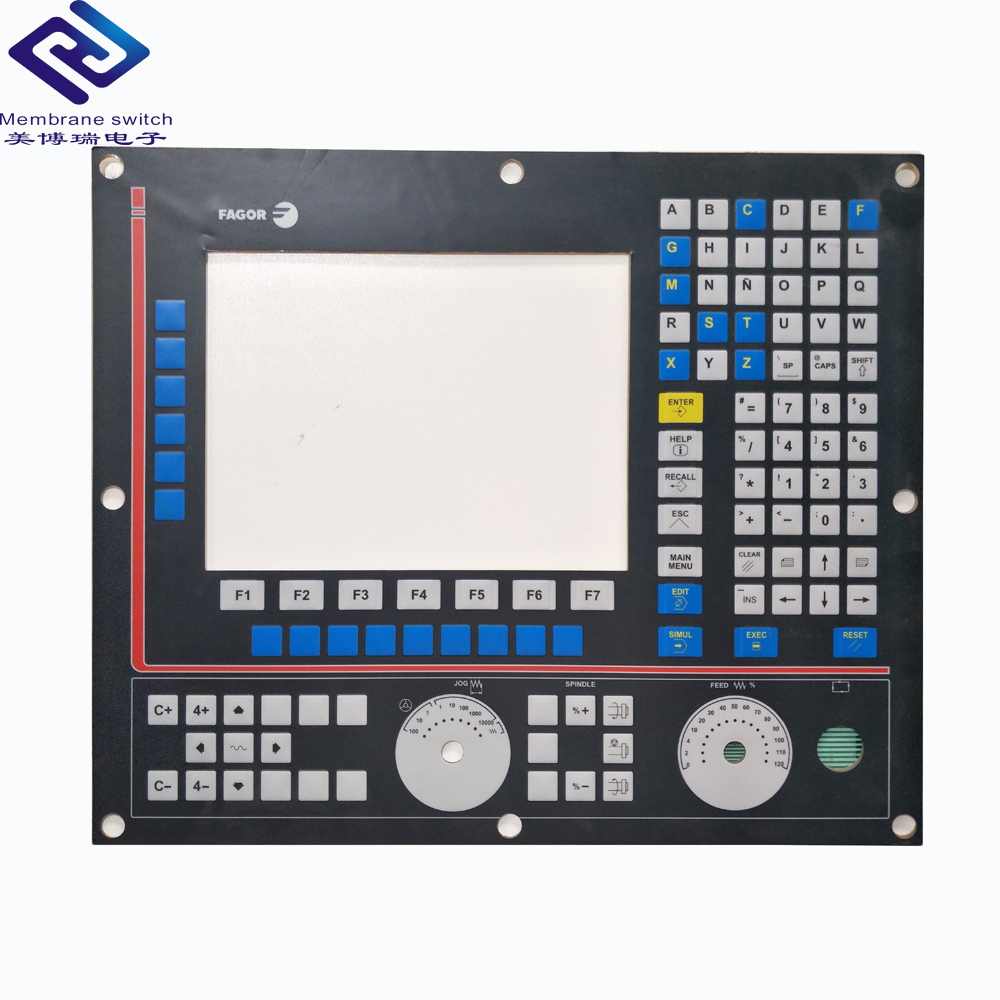
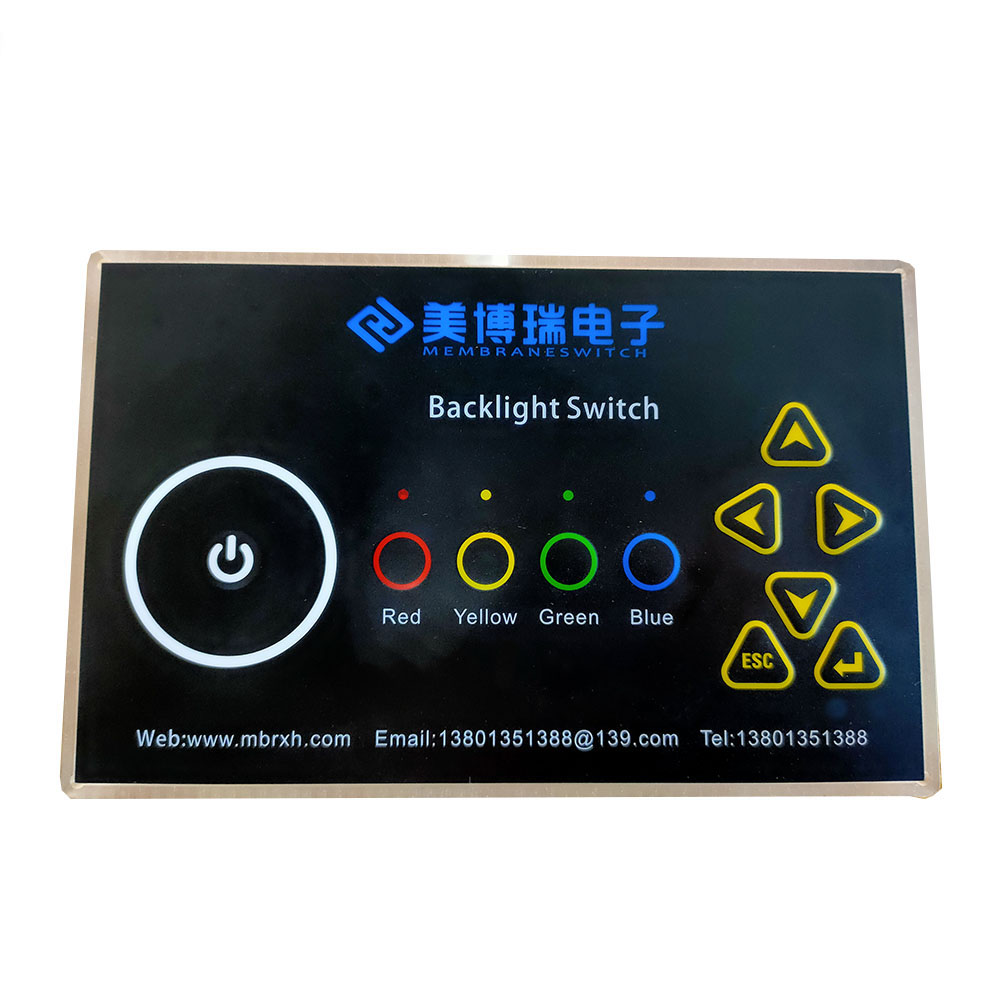
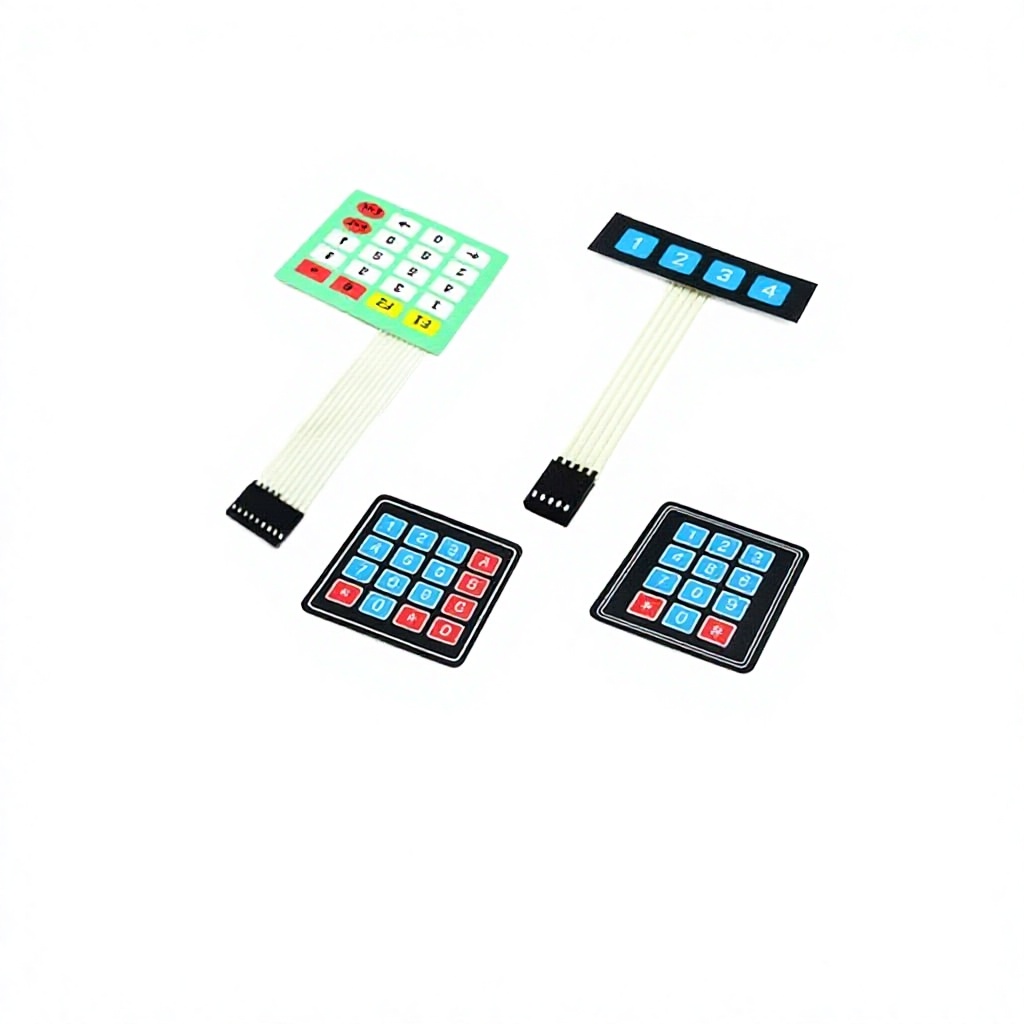
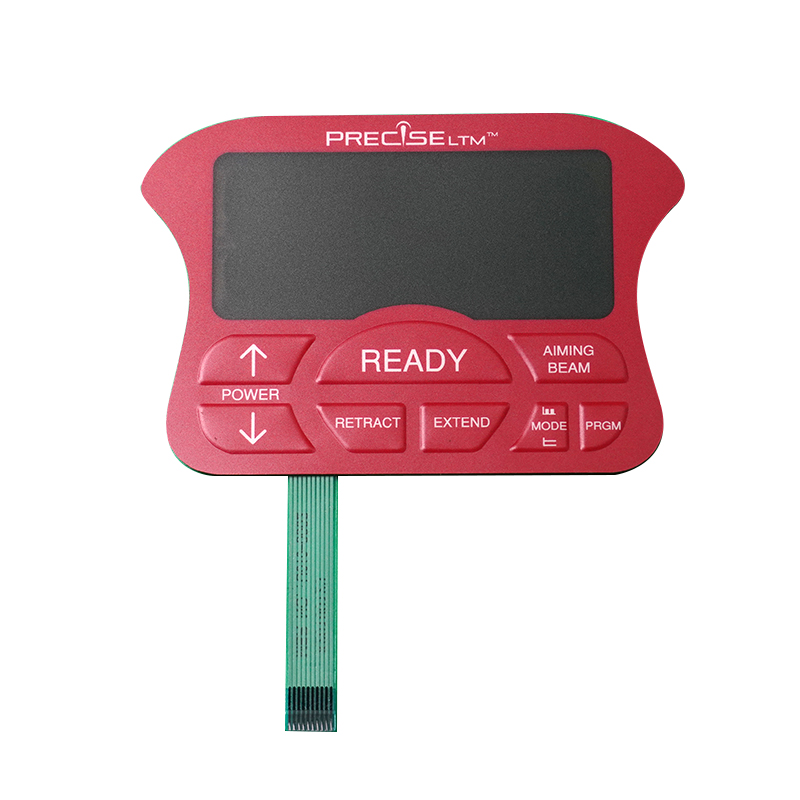
Enterprise OEM Manufacturing Capabilities & Quality Architecture
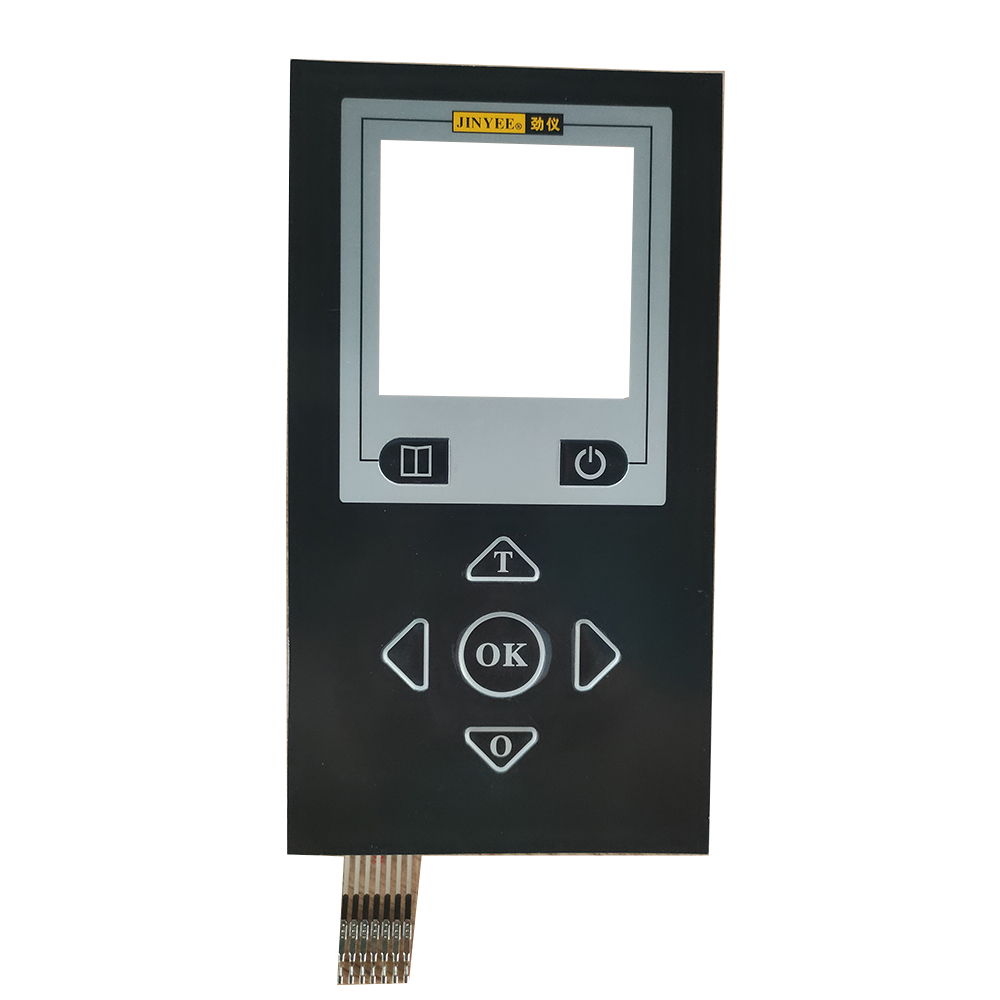
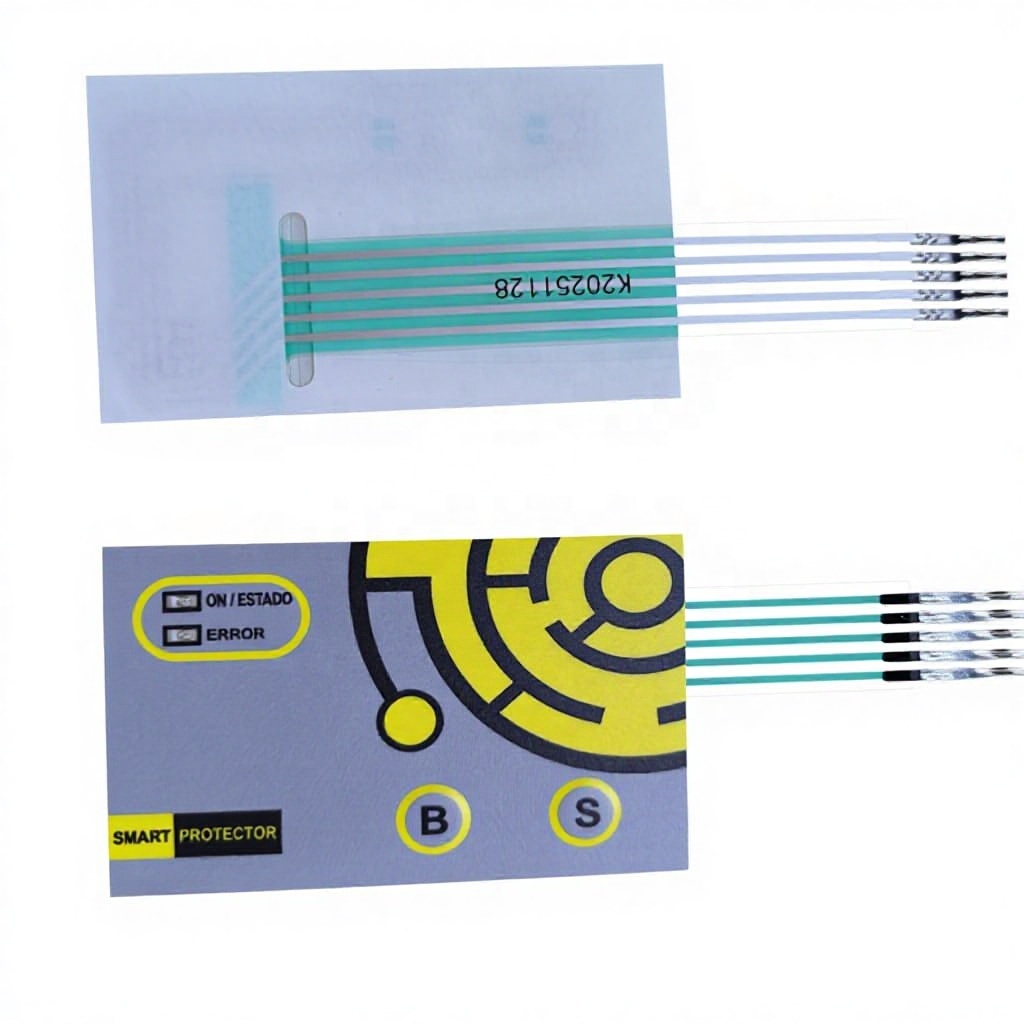
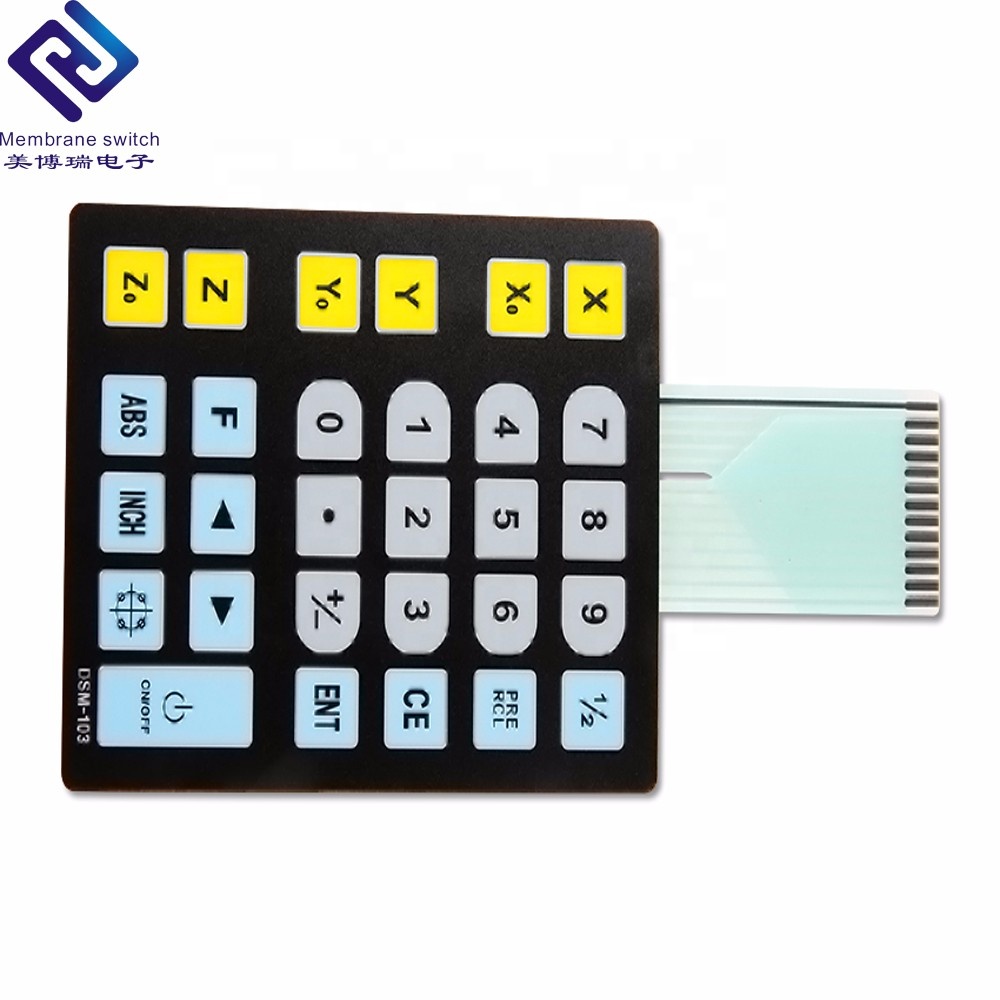
In the modern industrial human-machine interface (HMI) landscape, selecting a qualified custom OEM membrane switch factory and supplier is a strategic decision that directly influences system reliability, product lifespan, and operational safety. Custom membrane switches serve as critical input modules across telecommunications equipment, CNC automation systems, medical instruments, heavy locomotives, and commercial electronics. Operating at the intersection of electrical engineering, material science, and mechanical design, high-performance membrane keypads must withstand demanding environmental stressors including moisture ingress, thermal cycling, chemical exposure, and millions of mechanical actuation cycles.
Our manufacturing matrix, operating under ISO 9001 quality management guidelines and independently audited by Intertek, delivers end-to-end custom design, prototyping, tooling, and mass production. Tracing our technical lineage back to 1990, our facility encompasses over 2,219 square meters of climate-controlled production cleanrooms, supported by a specialized team of over 111 verified engineers and technicians. By integrating European technical alliances—specifically long-term engineering cooperation with leading German HMI manufacturers—we ensure that every graphic overlay, tactile dome array, and flexible circuit meets rigorous international standards.
Information Gain Insight: Unlike standard assembly operations that outsource critical processes, our factory executes 100% of manufacturing in-house—including precision CAD engineering, screen and digital UV printing, laser cutting, embossing, tactile dome placement, surface-mount technology (SMT) component integration, and automated optical inspection (AOI).
Material Science & Structural Architecture of Membrane Switches
A high-reliability custom membrane switch is a multilayered composite structure engineered for electro-mechanical performance. Optimizing a custom keypad requires selecting the ideal material stack-up based on environmental exposure, actuation feel, and electrical requirements.
1. Graphic Overlay Substrates: PET vs. PC vs. PVC
The top layer serves as the primary visual interface and environmental barrier. Sourcing teams must evaluate substrate performance under chemical and mechanical stress:
- Autotex Biaxially Oriented Polyethylene Terephthalate (PET): The industry standard for high-cycle industrial control panels. PET offers exceptional flex life (exceeding 5 million switch flexes), high chemical resistance to solvents, alcohols, and industrial cleansers, and superior mechanical toughness under temperature extremes (-40°C to +85°C).
- Polycarbonate (PC): Excellent optical clarity, high impact strength, and ease of thermal embossing. Recommended for static decorative panels, clear display display windows (LCD/LED), or budget-conscious medical housing. PC exhibits lower flex endurance compared to PET over extended actuation cycles.
- Polyvinyl Chloride (PVC): Cost-effective option tailored for basic consumer electronics and single-use disposable devices where cycle counts remain under 100,000 operations.
Layer 1: Graphic Overlay
Textured, matte, or glossy PET/PC with sub-surface screen or digital UV printing. Incorporates scratch-resistant hard-coats and anti-glare display windows.
Layer 2: Overlay Adhesive
High-tack acrylic adhesive (such as 3M 467MP or 3M 468MP) engineered to bond the graphic overlay to the underlying tactile retainer ring without bubbling.
Layer 3: Tactile Metal Domes
Stainless steel metal domes (four-leg, triangular, or oblong) delivering tactile feedback with actuation forces ranging from 180g to 500g and sharp snap ratios.
Layer 4: Circuit Substrate
Conductive silver ink printed on flexible PET, or fine-pitch etched copper Flexible Printed Circuits (FPC), or rigid FR4 PCB bases for complex SMT layouts.
Layer 5: Backlighting & Shielding
Integrated Light Guide Film (LGF), embedded surface-mount LEDs, and full aluminum foil or printed carbon EMI/ESD shielding layers to block noise.
Layer 6: Mounting Adhesive
Engineered structural adhesive tailored to the host enclosure substrate (plastics, powder-coated metals, aluminum, or stainless steel enclosures).
Comparative Technical Specification Matrix
To assist procurement managers and mechanical engineers in specifying optimal parameters for custom switch projects, the following matrix compares circuit options and performance metrics:
| Engineering Parameter | Silver Ink Printed PET Circuit | Flexible Printed Circuit (FPC) | Rigid PCB Backed Switch |
|---|---|---|---|
| Conductor Material | Screen-printed Conductive Silver/Carbon Ink | Etched Copper Foil (1oz / 2oz) | FR4 Fiberglass Reinforced Copper |
| Minimum Trace Pitch | 0.50 mm (0.020") | 0.15 mm (0.006") | 0.10 mm (0.004") |
| Contact Resistance | < 100 Ω (Depends on tail length) | < 1 Ω (Ultra-low resistance) | < 0.5 Ω (Ideal for dense circuitry) |
| SMT Component Soldering | Conductive Epoxy Bonding (LEDs only) | Reflow Soldering / Automated SMT | Standard Automated Surface Mount |
| Environmental Sealing | IP65 to IP67 Perimeter Seal | IP67 to IP68 Full Hermetic Seal | IP67 Sealed Front Housing Mounting |
| Actuation Lifespan | 1,000,000 to 3,000,000 Operations | > 5,000,000 Operations | > 5,000,000 Operations |
| Tooling & Unit Cost Ratio | Low Tooling Cost / Ultra-Economical | Moderate Tooling / High Density | Higher Tooling / Structural Module |
Future Procurement & Technology Trends in Membrane Switch Manufacturing
The human-machine interface sector is undergoing rapid technological convergence. Procurement executives must align their supply chains with key trends shaping modern OEM equipment manufacturing:
1. Integration of Hybrid Capacitive Touch & Tactile Membrane Panels
Modern equipment designers are transitioning from pure mechanical contact switches to hybrid HMI architectures. By combining zero-force capacitive touch keys (printed on PET or FPC) with tactile metal domes for primary emergency-stop or high-frequency input functions, engineers achieve sleek glass-like aesthetics alongside tactile reassurance. Capacitive sensor arrays eliminate mechanical wear, enabling seamless, easy-to-clean glass or PC surfaces ideal for sterile medical environments and food processing equipment.
2. Light Guide Film (LGF) & Ultra-Thin Uniform Backlighting
Traditional backlit membrane keypads relied on individual surface-mounted LEDs positioned beneath each key, causing hotspotting, uneven illumination, and elevated power consumption. Advanced OEM suppliers now utilize micro-embossed Light Guide Film (LGF). LGF channels light from a minimal number of side-firing LEDs across the entire key matrix, providing perfectly uniform lighting across translucent key legends, brand logos, and status indicators while reducing overall thickness down to 0.8mm.
3. Optical Bonding (OCA) & Display Integration
With industrial equipment increasingly adopting TFT LCD display screens and OLED modules, graphic overlays are evolving into integrated display filter windows. Using Optically Clear Adhesive (OCA) or Liquid Optically Clear Adhesive (LOCA), our factory laminates graphic overlays directly to LCD panels in cleanroom environments. This process eliminates internal air gaps, prevents moisture condensation, reduces glare, and dramatically improves sunlight readability for outdoor telecommunications and marine equipment.
4. Environmental Compliance, Anti-Migration Inks & Harsh Environment Sealing
Global regulatory frameworks—including RoHS 3 (EU 2015/863), REACH, and California Prop 65—demand strict chemical safety compliance. Furthermore, silver migration (the electro-chemical growth of silver whiskers between conductors under ambient moisture and DC voltage) remains a key failure mode in lower-grade membrane switches. Leading factories prevent silver migration through advanced carbon capping, dielectric insulation overprinting, and transition to copper FPC circuits for mission-critical aerospace and locomotive applications.
In-House Reliability Testing & Quality Control Protocols
To guarantee zero-defect shipments to global OEMs, custom membrane switches undergo rigorous physical, electrical, and environmental validation inside our certified quality laboratory. Our testing infrastructure includes:
Automated Circuit Continuity Testers
Computer-controlled pin-out testers verify 100% of open/short circuits, contact resistance thresholds, insulation resistance (>100MΩ at 100V DC), and loop resistance prior to final assembly.
Actuation Life Cycle Testing
Pneumatic key actuators cycle buttons continuously up to 5,000,000 presses while recording actuation force curves, snap ratios, and tactile drop-off to ensure long-term mechanical endurance.
Programmable Environmental Chambers
Thermal shock and humidity chambers subject keypads to extreme climate cycles (-40°C to +85°C at 95% RH) to verify adhesive bond strength and prevent delamination.
Salt Fog & Xenon Aging Chambers
Accelerated salt spray testing validates IP67 sealing and connector plating integrity, while Xenon arc lamps simulate years of solar UV radiation to prevent graphic yellowing or fading.
Mimaki Digital Color Spectrophotometry
Color matching accuracy for custom silkscreen and digital UV printing is verified against Pantone digital color libraries using automated spectrophotometers (Delta E < 1.0).
Full Dimensional & Pin Tail Inspection
CNC optical coordinate measuring machines (CMM) confirm die-cut perimeter tolerances (±0.1mm), tail lengths, pitch spacing (2.54mm / 1.0mm ZIF), and housing fitment.
Frequently Asked Questions for Custom Membrane Switch Sourcing
Comprehensive technical guidance addressing common engineering questions encountered during the supplier evaluation and procurement process.
What files and engineering details are required to start a custom OEM membrane switch quotation?
To generate an accurate technical quote and production drawing, please provide: 1) Vector artwork for the graphic overlay (Adobe Illustrator .AI, CorelDraw .CDR, or vector PDF) specifying Pantone color references; 2) Mechanical outline drawing (DXF or STEP) showing key locations, cutout dimensions, display window locations, and tail exit position; 3) Circuit schematic or pin-out table detailing key matrix connections and tail connector type (e.g., 2.54mm pitch female housing, 1.0mm ZIF flex tail); 4) Target operating environment (indoor, outdoor UV exposure, operating temperature, IP rating requirements); and 5) Estimated annual volume (EAV) and initial prototype quantity.
How does your factory handle rapid prototyping and small-batch OEM orders?
We provide agile prototyping programs to support engineering development and low-volume pilot production runs. By pairing digital laser cutting systems (eliminating initial steel rule die tooling for outlines) with high-resolution Mimaki digital UV printers, we produce fully functional sample prototypes in as little as 5 to 7 working days. Small-batch production orders are accommodated without restrictive minimum order quantities (MOQs), allowing OEMs to scale smoothly from prototype testing to full-rate production.
What options are available for EMI/RFI shielding and ESD protection in membrane control panels?
For industrial automation, CNC milling machinery, telecommunications, and medical equipment subject to electromagnetic interference (EMI) or electrostatic discharge (ESD), we incorporate custom grounding shielding layers. Options include: 1) Fully printed conductive carbon or silver grid layers; 2) Solid aluminum foil or copper foil laminates integrated into the switch stack-up; and 3) Transparent Indium Tin Oxide (ITO) conductive coatings over LCD display windows. These shielding layers are terminated to a dedicated ground trace in the flex tail or connected directly to a metal backer plate, suppressing ESD spikes up to 15kV.
How do metal dome tactile switches compare to embossed non-tactile poly-dome switches?
Metal domes (stainless steel snap domes placed over circuit contacts) deliver a crisp, tactile click with actuation forces ranging from 180g to 500g and an operating lifespan exceeding 1,000,000 to 5,000,000 operations. They offer tactile feedback for operators wearing gloves in industrial or medical settings. Non-tactile switches rely on flat circuit contacts with zero tactile click, requiring audio or visual feedback (such as an LED light or buzzer beep). Poly-domes (thermal embossing of the PET overlay itself to form switch domes) offer moderate tactile feel at lower tooling costs, but have lower actuation life compared to stainless steel metal domes.
What integrated sub-assemblies can your factory manufacture alongside membrane keypads?
As a full-service HMI solution supplier, we manufacture turnkey integrated front panel assemblies. In addition to standard membrane switches, we offer: 1) Rigid aluminum, stainless steel, or acrylic metal backer plates with studs and standoffs; 2) FR4 PCB backed switch sub-assemblies with surface-mounted (SMT) LEDs, resistors, microcontrollers, and pin headers; 3) Silicone rubber keypads over membrane switch arrays for soft-touch aesthetic buttons; 4) LGF light guide backlighting modules; and 5) Capacitive touch panels laminated to graphic overlays with optically clear adhesives (OCA).
Partner with a Leading Custom Membrane Switch Factory
Consult with our engineering team today to review your project drawings, optimize material selection, and request a competitive factory-direct quotation.