
Engineering Architecture of Non-Tactile Switch Panels
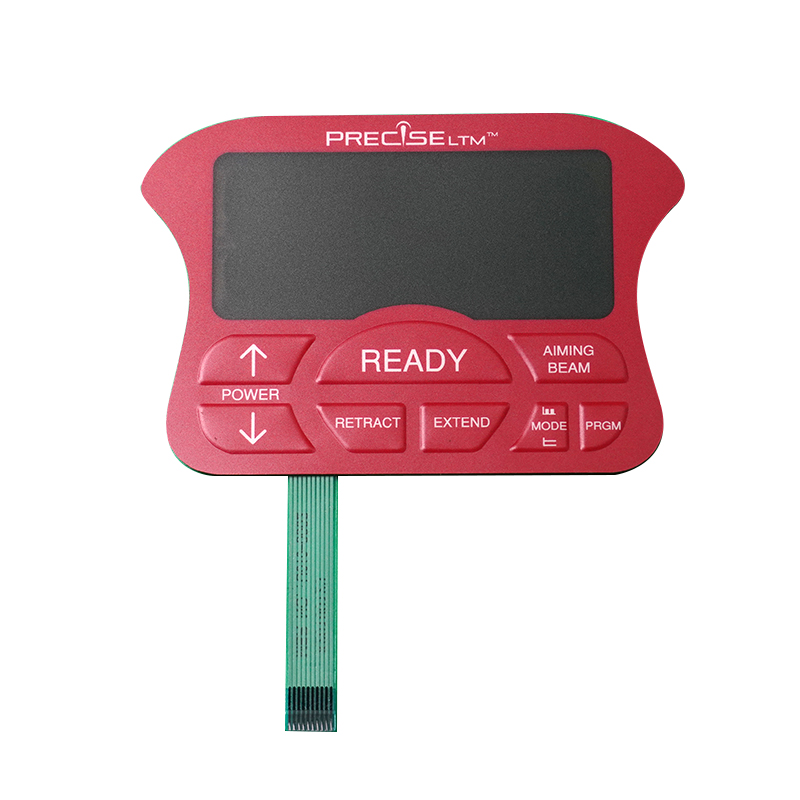
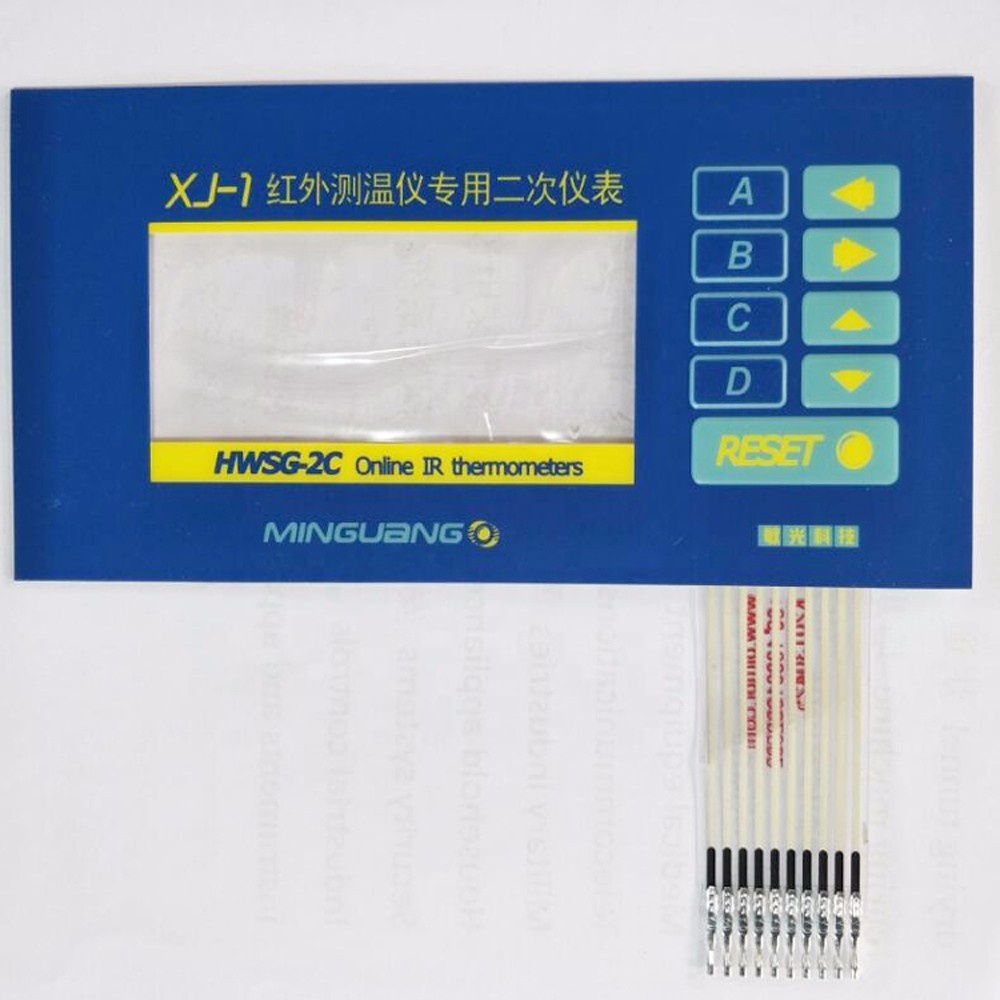
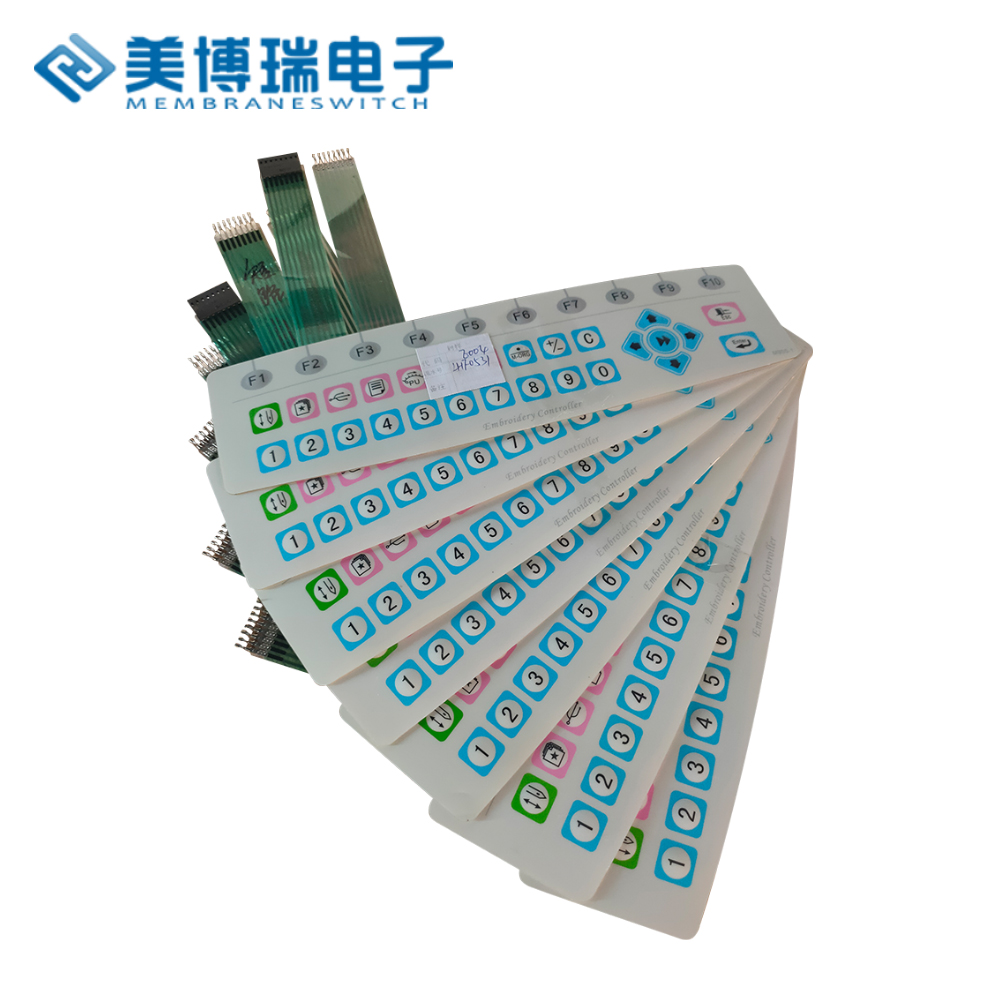
In modern Human-Machine Interface (HMI) design, non-tactile switch panels represent a cornerstone of sleek, durable, and highly reliable control interfaces. Unlike tactile membrane switches—which rely on metal domes or polyester snap domes to produce physical click feedback—non-tactile switch panels utilize a completely flat, multi-layer planar architecture. Activation occurs when light finger pressure depresses the flexible upper graphic overlay and conductive layer through a precision-engineered spacer gap into direct electrical contact with a lower circuit trace.
Because non-tactile switches eliminate internal mechanical spring elements, they provide an extraordinary mechanical lifespan exceeding 5 million to 10 million actuations without physical fatigue. This flat topology makes non-tactile switch panels the preferred engineering choice for sterile medical environments, cleanroom instrumentation, heavy industrial equipment, and high-frequency input terminals where ingress protection (IP67/IP68), ease of surface sanitation, and long-term contact reliability are mandatory.
Precision Layer Mechanics & Stack-Up Engineering
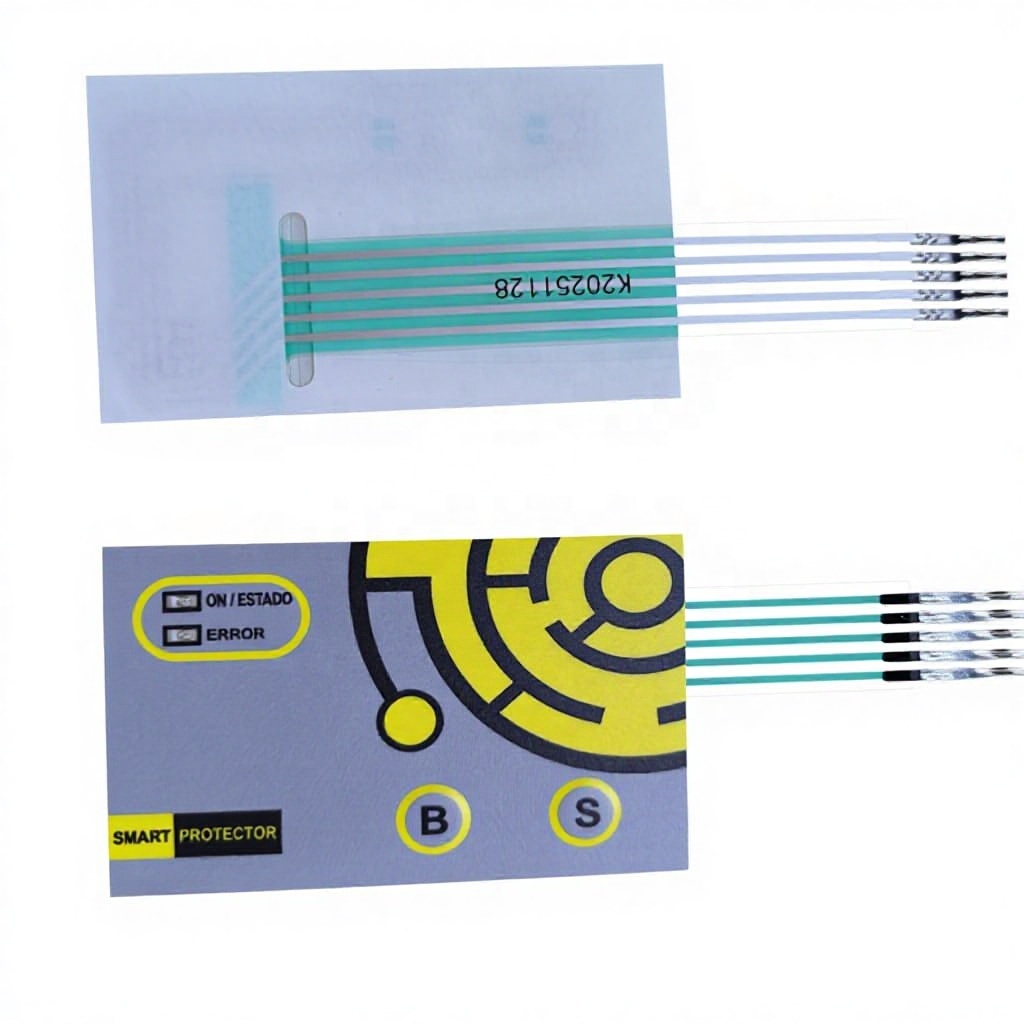
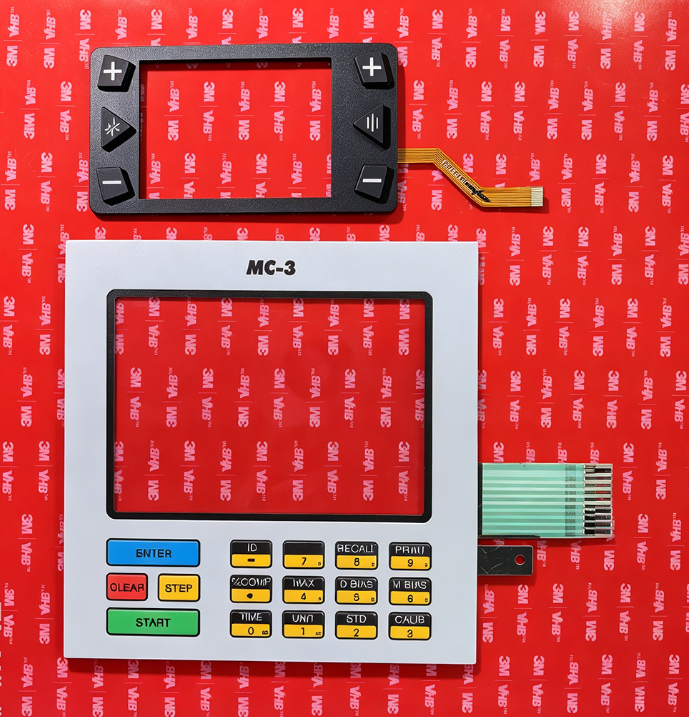
A high-performance non-tactile switch panel manufactured by TAVO Electronic Information Technology Co., Ltd. consists of multiple custom-engineered substrate layers laminated together with industrial-grade pressure-sensitive adhesives (typically 3M 467MP, 3M 468MP, or 3M 200MP series):
- Layer 1: Front Graphic Overlay Substrate: Autotex/Autostat biaxially oriented Polyethylene Terephthalate (PET) or Polycarbonate (PC) featuring anti-glare, UV-resistant, scratch-resistant, or chemical-hardened coatings.
- Layer 2: Graphic Print & Secondary Inks: Sub-surface screen-printed or digital UV-printed functional graphics, custom Pantone/RAL color matching, and selective light-transmissive display windows.
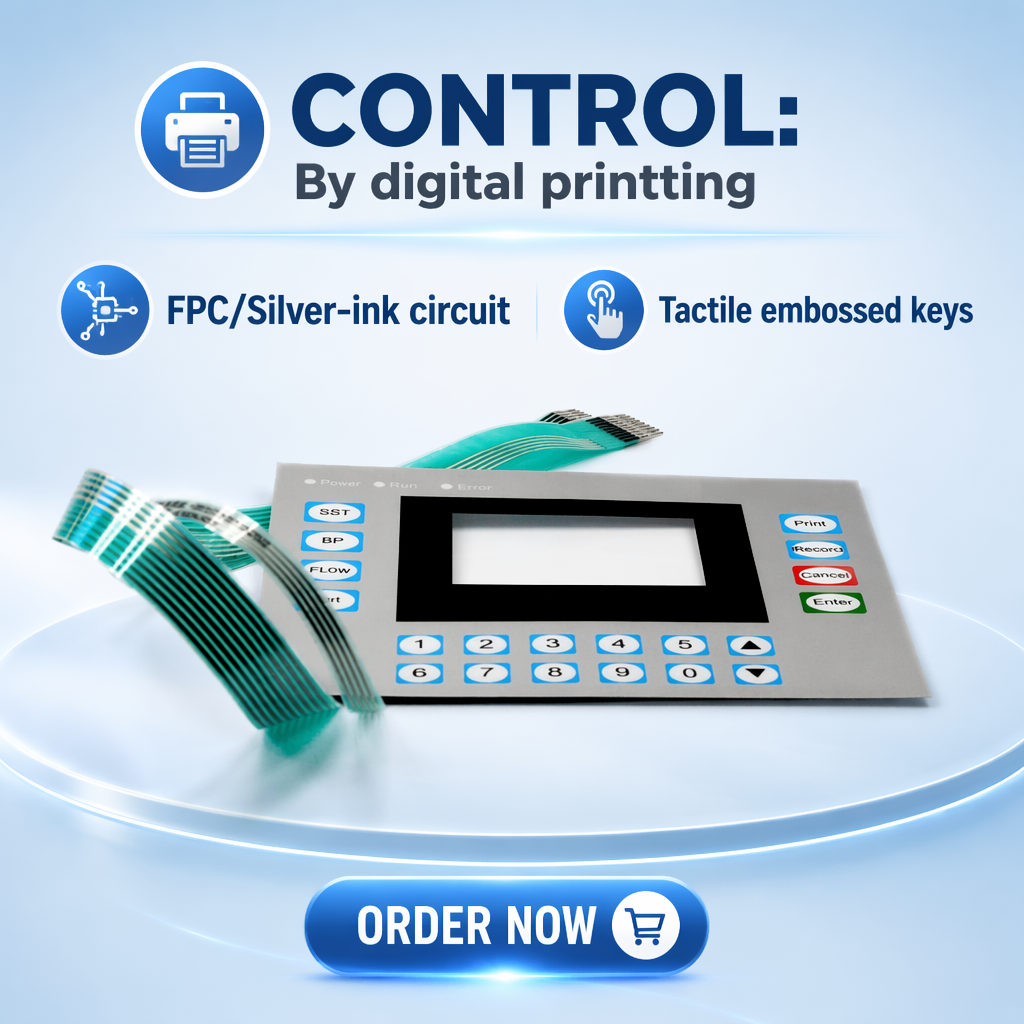
- Layer 3: Top Conductive Circuit Layer: Flexible PET film printed with high-conductivity screen-printed silver ink, conductive carbon traces, or a flexible printed circuit (FPC) copper layer.
- Layer 4: Precision Isolation Spacer: Die-cut polyester film coated on both sides with high-tack acrylic adhesive, engineered with tight tolerance cutout pockets that define switch actuation zones.
- Layer 5: Bottom Conductive Circuit Layer: Complementary stationary circuit traces featuring silver/carbon contact pads, ground plane shielding grids, or integrated ESD static suppression loops.
- Layer 6: Rear Industrial Adhesive & Rigid Backer Options: High-shear 3M structural adhesive backing, optional aluminum metal backer plates, stainless steel plates, or rigid FR4 PCB sub-assemblies for panel mounting.
Material Selection Matrix: PET vs. Polycarbonate vs. Hardcoated Substrates
Selecting the optimal graphic overlay material is critical to ensuring chemical resistance, UV stability, and flex fatigue resistance during decades of operational use. The table below highlights key performance attributes evaluated during OEM design engineering:
| Material Property | Polyester (PET - e.g., MacDermid Autotex) | Polycarbonate (PC - e.g., Lexan) | Hardcoated Acrylic / Glass Hybrids |
|---|---|---|---|
| Flex Fatigue Resistance | Superior (> 5 Million actuations) | Moderate (< 100,000 actuations) | N/A (Rigid Panels Only) |
| Chemical & Solvent Resistance | Excellent (Resists IPA, bleach, oils) | Fair (Vulnerable to harsh solvents) | Exceptional (Immune to most chemicals) |
| Optical Clarity (Display Windows) | High (Requires selective clear coating) | Crystal Clear (Natural clarity) | Ultra-High Transparency (> 92%) |
| UV Degradation Resistance | High (Outdoor UV-stabilized PET available) | Prone to yellowing unless treated | Immune to UV degradation |
| Operating Temperature Range | -40°C to +85°C | -30°C to +105°C | -40°C to +125°C |
Manufacturing Advantage & Enterprise Capability
As a specialized manufacturer and global exporter based in the Robot Industry Port of Xianghe Economic and Technological Development Zone, Langfang, Hebei—with a secondary manufacturing base in Huizhou, Guangdong—TAVO Electronic Information Technology Co., Ltd. brings unmatched OEM capability to global electronics brands. Tracing our technical lineage to 1990, we maintain full end-to-end in-house control over every step of non-tactile switch panel fabrication.
In-House Equipment & Production Infrastructure
Our dual production facilities encompass over 2,219 m² of verified cleanroom processing space equipped with state-of-the-art machinery:
- 37 Silkscreen Printing Machines: Capable of micro-pitch silver circuit printing, selective window lacquering, and high-density carbon cross-over isolation.
- 4 Mimaki Digital UV Printers: Delivering high-resolution photo-quality digital graphics, rapid prototyping, and short-run production without expensive screen tooling.
- 18 Laser Cutting Machines & 7 Digital Engravers: Enabling tight-tolerance contour cutting (+/- 0.05mm), tail profiling, and rapid tooling-free prototype iterations.
- 60 CNC Mold-Making Machines: In-house toolmaking for precision embossing, steel rule dies, and complex perimeter punch dies.
- Integrated Reliability Test Testing Lab: Equipped with automated computer circuit testers, button life-cycle testers, programmable temperature/humidity chambers, xenon lamp UV aging chambers, thickness/tension meters, and automatic salt fog chambers.
Need Custom Engineering Support for Your Switch Panel?
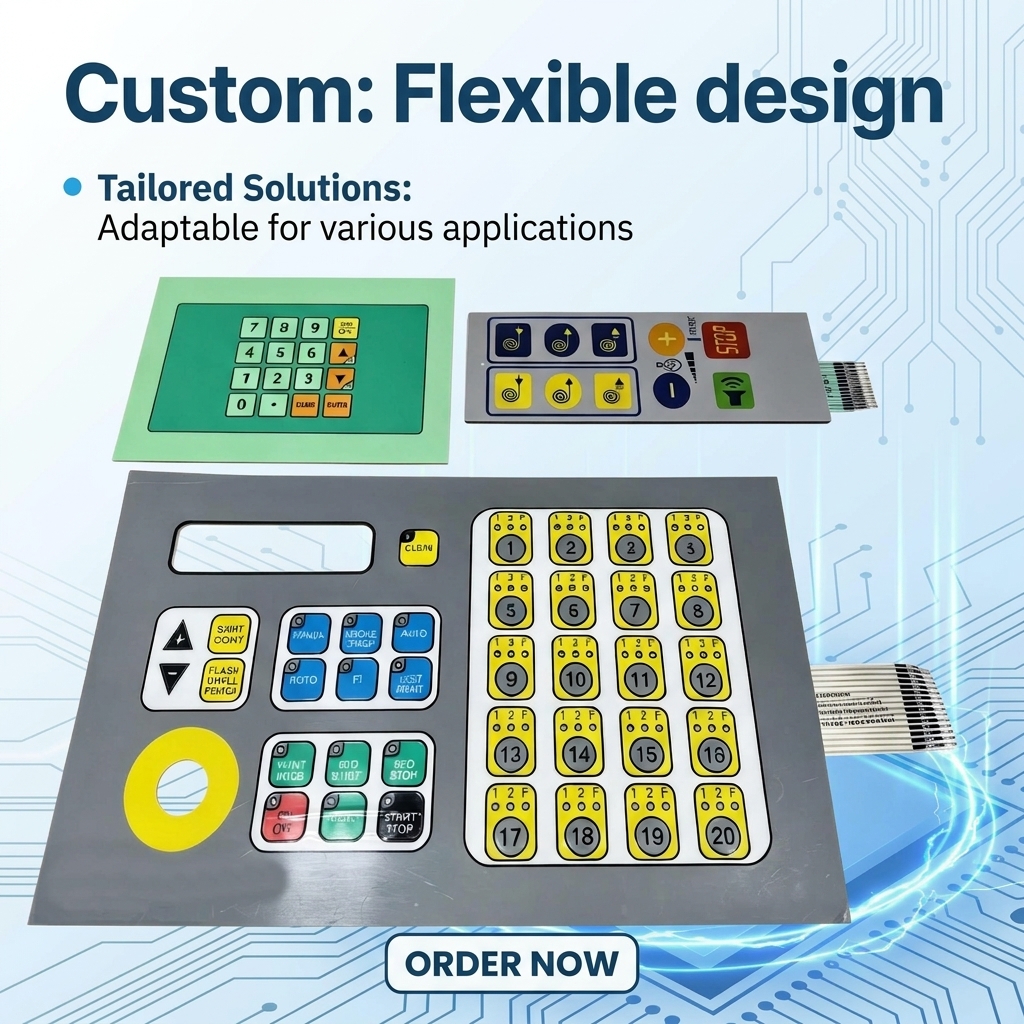
Upload your DXF, AI, or CAD files today. Our senior engineering team will evaluate your circuit pinouts, material requirements, and environmental specifications to deliver a DFM report and competitive prototype quote.
Get a QuoteFuture Procurement Trends for OEM Buyers (2025–2030)
As global original equipment manufacturers (OEMs) upgrade their next-generation control interfaces, procurement strategies for non-tactile switch panels are rapidly evolving beyond simple piece-part pricing toward total cost of ownership (TCO) and value-added integration:
1. Turnkey Sub-System Box-Build Integration
OEM buyers increasingly demand fully integrated Human-Machine Interface assemblies. Rather than purchasing graphic overlays, circuits, backplates, and displays separately, buyers prefer ready-to-mount sub-assemblies. TAVO specializes in integrating non-tactile switch panels with rigid FR4 PCBs, CNC-machined aluminum backers, surface-mounted LEDs, optical bonding (OCA/LOCA) display glass, and custom molded silicone keypads, reducing client assembly labor and supply chain complexity.
2. Transition to FPC (Flexible Printed Circuit) Substrates
While screen-printed conductive silver ink on PET film remains a cost-effective solution for standard matrix keypads, high-density circuits, fine-pitch connectors (0.5mm ZIF), and assemblies requiring dense SMT component placement are shifting to Flexible Printed Circuit (FPC) copper substrates. Polyimide FPC layers offer lower line resistance, superior current capacity for backlighting arrays, and outstanding thermal endurance during automated SMT reflow soldering.
3. Eco-Compliant Materials & Halogen-Free Manufacturing
Environmental regulations across North America and the European Union (RoHS 3, REACH, WEEE) are driving the adoption of halogen-free flame-retardant films, water-based graphic inks, and lead-free conductive pastes. Modern procurement teams prioritize suppliers like TAVO who enforce full material traceability, chemical compliance reporting, and green manufacturing protocols across all raw material suppliers.
Technological Evolution & Industry Trends
The boundary between traditional electromechanical membrane switches and modern touch interfaces is blurring. Non-tactile switch panels are evolving through several major technological trends:
Light Guide Film (LGF) & Uniform Backlighting
Traditional point-source SMT LED backlighting often suffered from hot-spotting and uneven light distribution. Modern non-tactile panels integrate ultra-thin (0.125mm–0.25mm) micro-structured Light Guide Film (LGF). By coupling side-firing LEDs into the LGF, light is evenly refracted upward through key icons, text legends, and border accents, yielding sleek automotive-grade backlighting with minimal power consumption and reduced LED component counts.
Hybrid Capacitive Touch & Active Haptic Feedback Integration
By pairing a flat non-tactile graphic overlay with capacitive touch sensor foils or printed copper capacitance grids, manufacturers can create completely solid-state control surfaces. To compensate for the loss of physical tactile confirmation, high-end medical and industrial controls now embed miniature piezoelectric or linear resonant actuator (LRA) haptic engines behind the switch panel, delivering instantaneous localized vibration pulses upon switch actuation.
Electromagnetic Shielding (EMI/RFI) & ESD Protection
With the proliferation of wireless communications, high-frequency industrial drives, and sensitive medical monitors, electromagnetic compatibility (EMC) is critical. Non-tactile switch panels are engineered with integrated printed conductive grid layers (silver or aluminum foil shielding) grounded directly to the chassis, dissipating up to 15kV static electrostatic discharges (ESD) and preventing high-frequency RF interference from affecting system logic.