Precision OEM Polycarbonate & Membrane Interface Products
Engineered to exact OEM specifications with custom surface textures, integrated circuit layers, selective embossing, and environmental sealings.
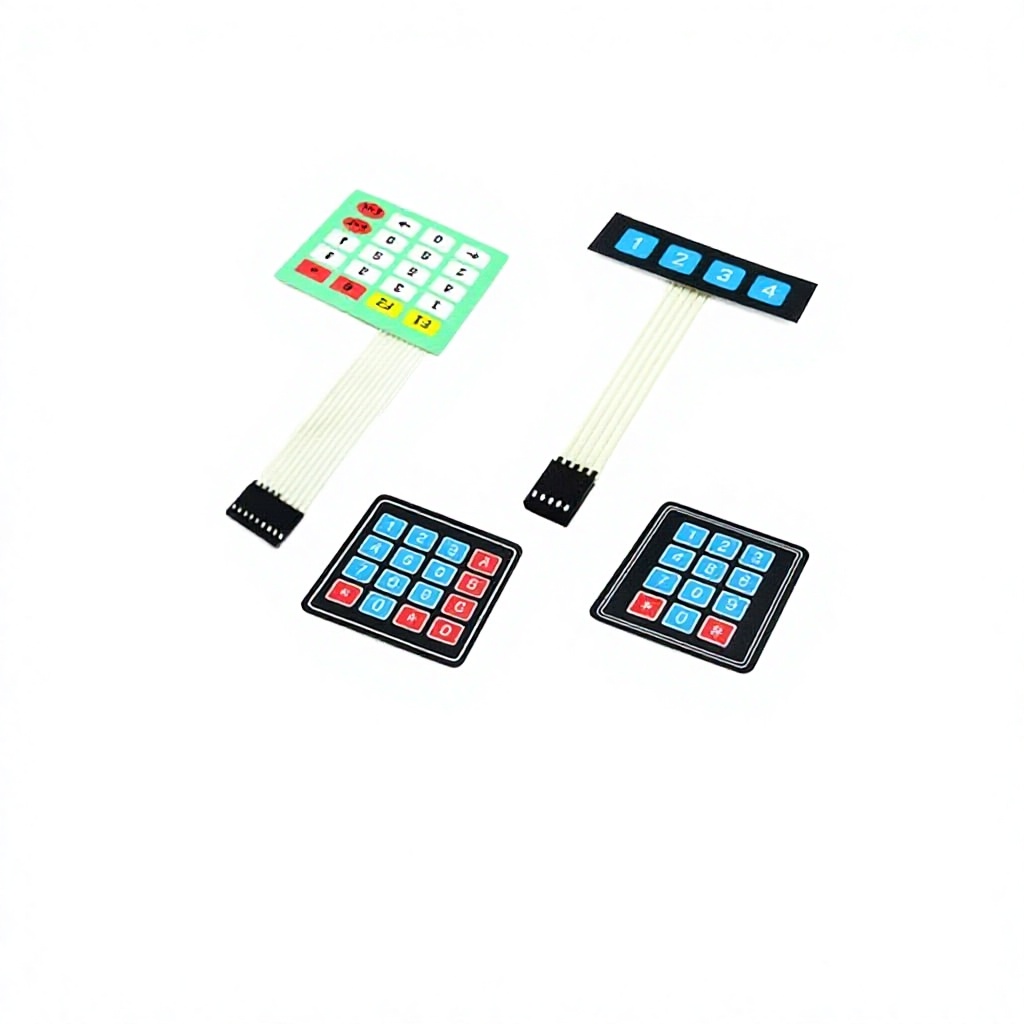
High Reliability Custom FPC Membrane Switch Flexible Printed Circuit Keypad for Test and Measurement Equipment
View Product Details →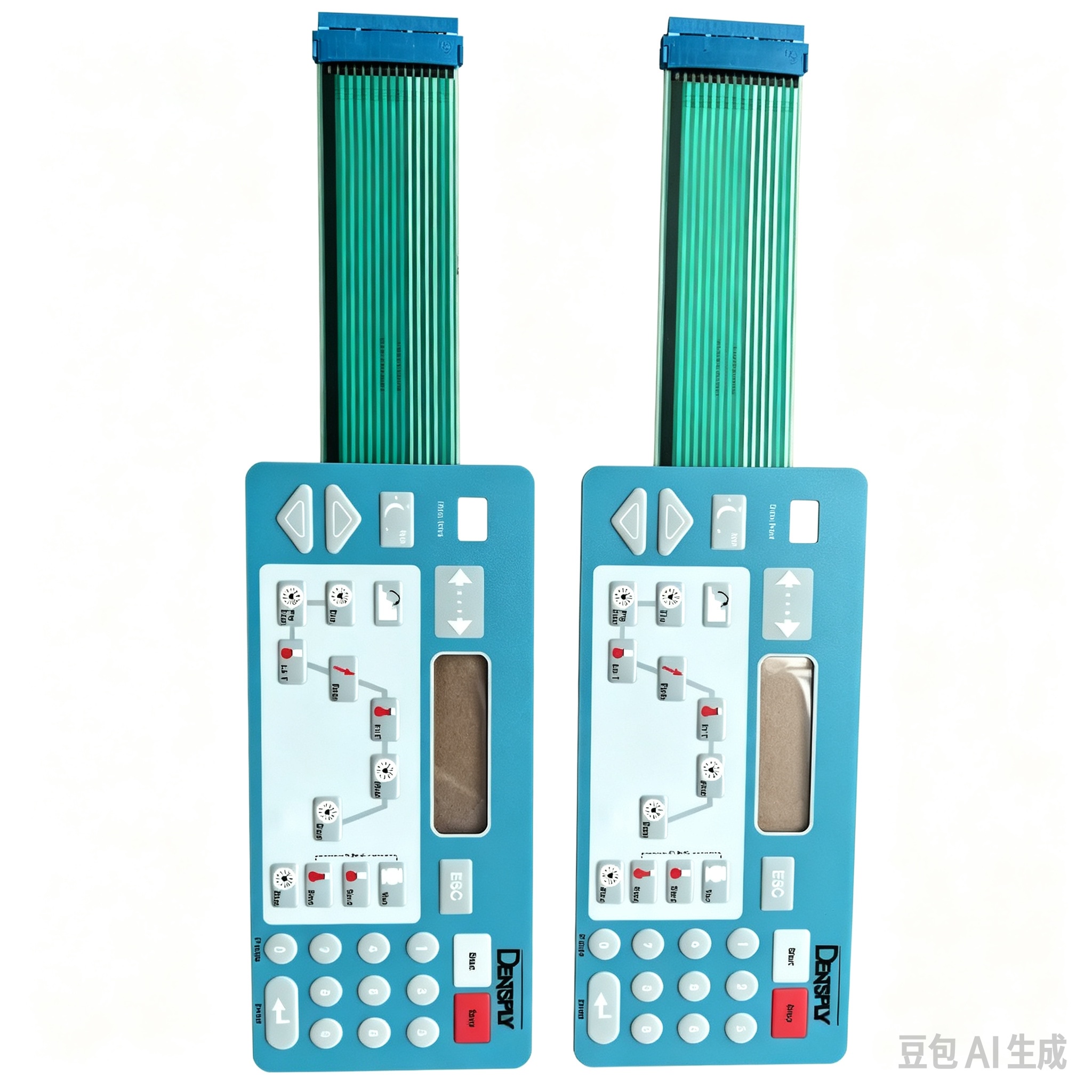
Factory Custom Waterproof Polyester Membrane Switch On Off Button Panel
View Product Details →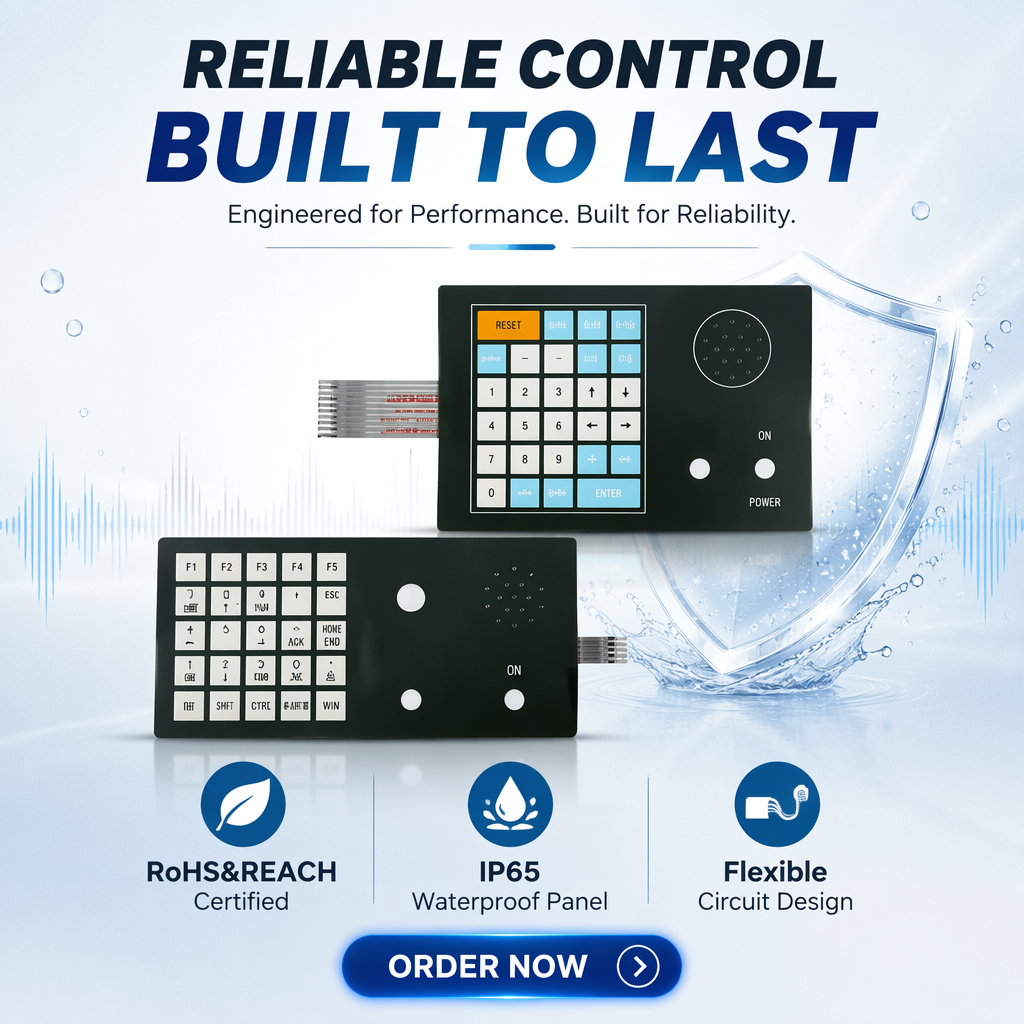
3x4 3*4 12 Key PET Matrix Array Membrane Button Switch Keyboard Keypad Waterproof Eco-friendly for Home Appliance
View Product Details →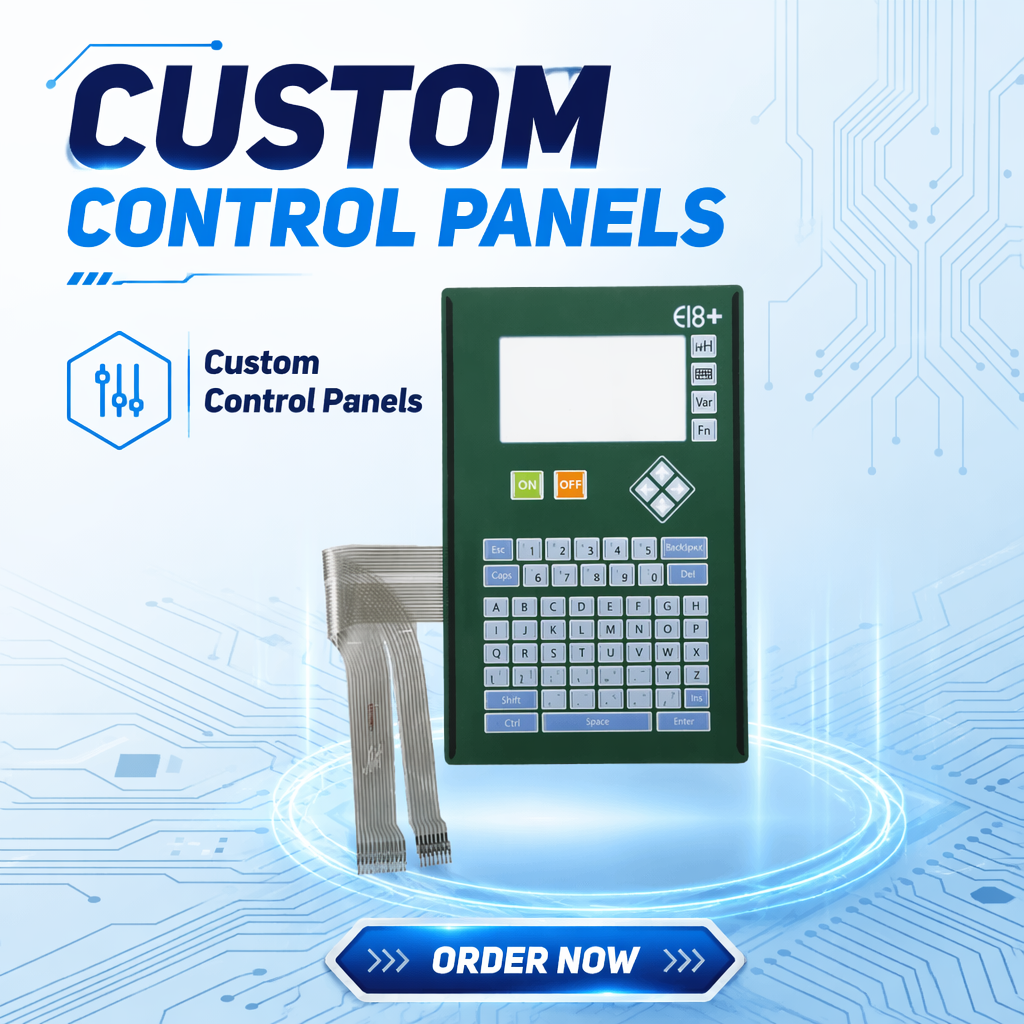
Fast Delivery OEM PBT Keyboard Cap Mechanical Switch Compatible Silkscreen Printed Customized Designs 2.54mm Pitch Factory
View Product Details →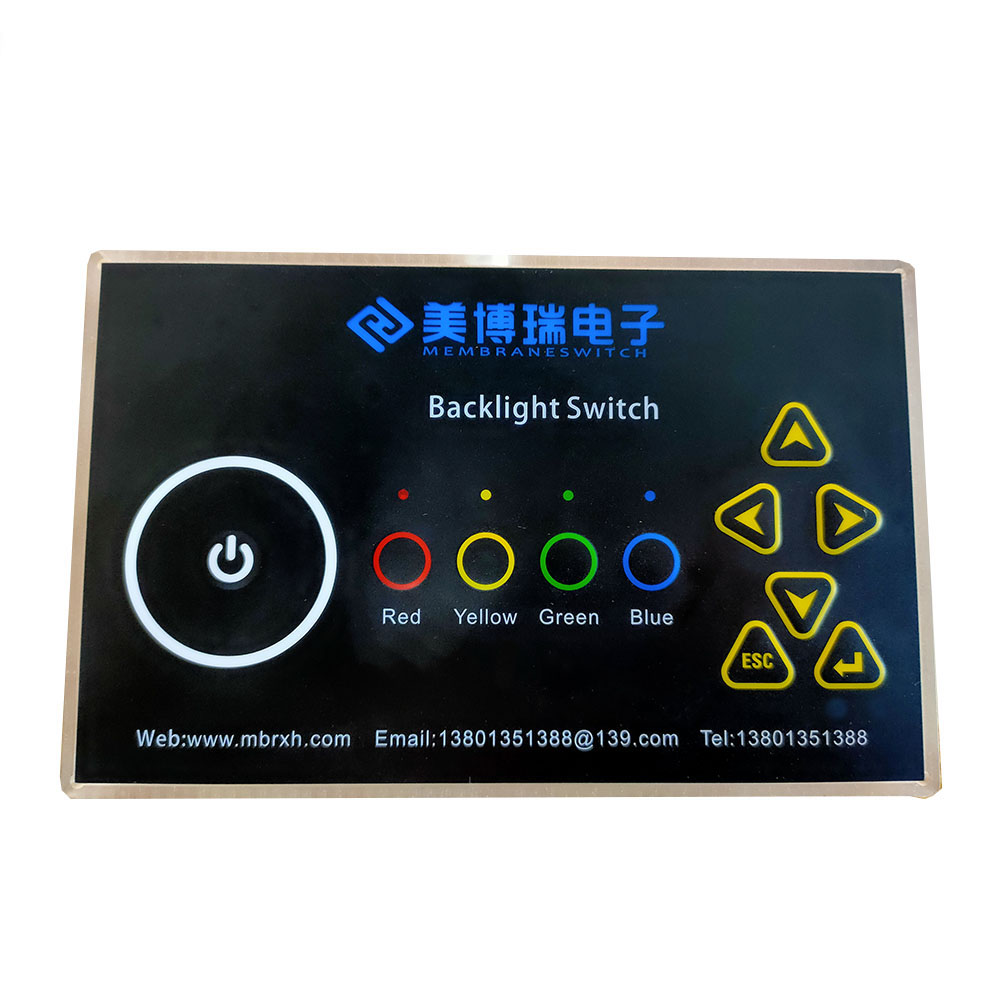
MEIBORUI MBR PBT Keyboard Cap PET Membrane Keypad Custom Color Silkscreen Sticker Printing Replacement Keycaps
View Product Details →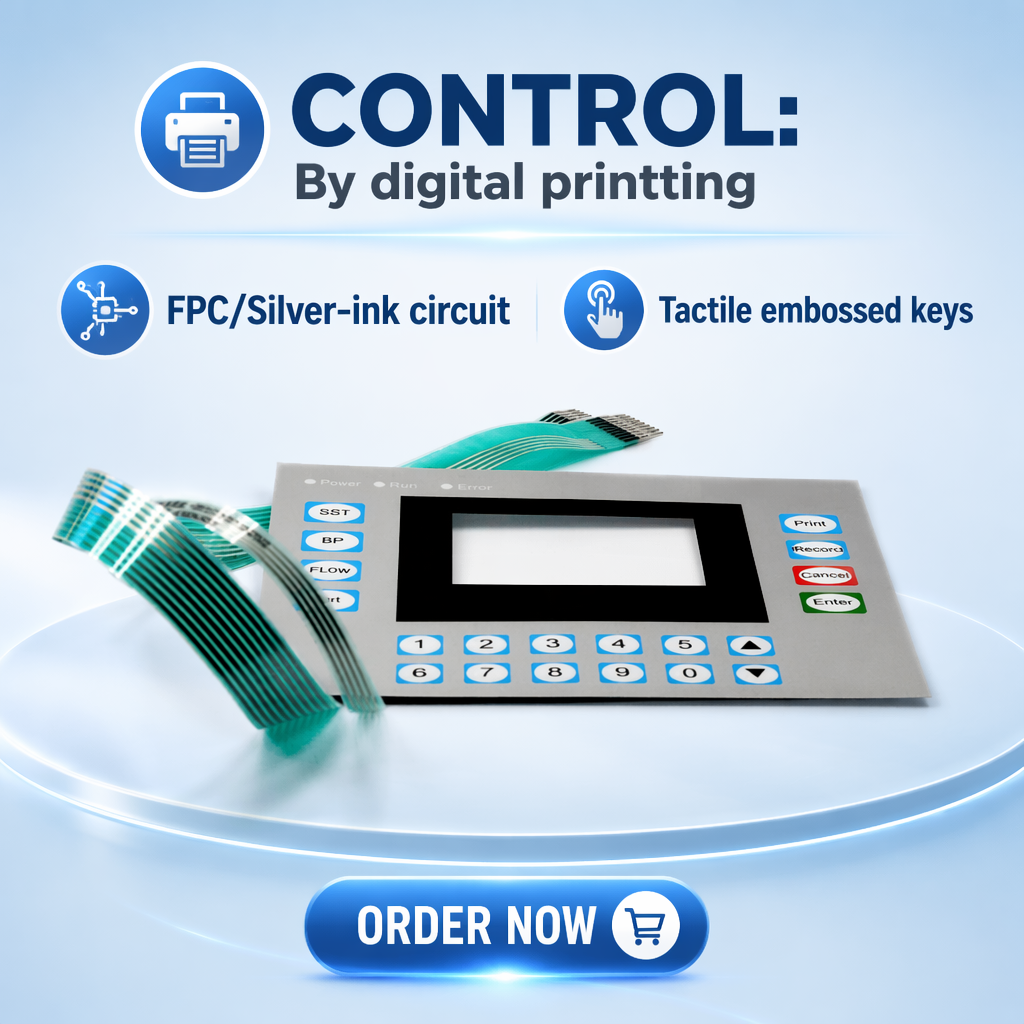
MEIBORUI Fast Turnaround Waterproof Durable Eco-friendly ISO9001 Certified PCB Prototyping Service Accept Sample Order Custom
View Product Details →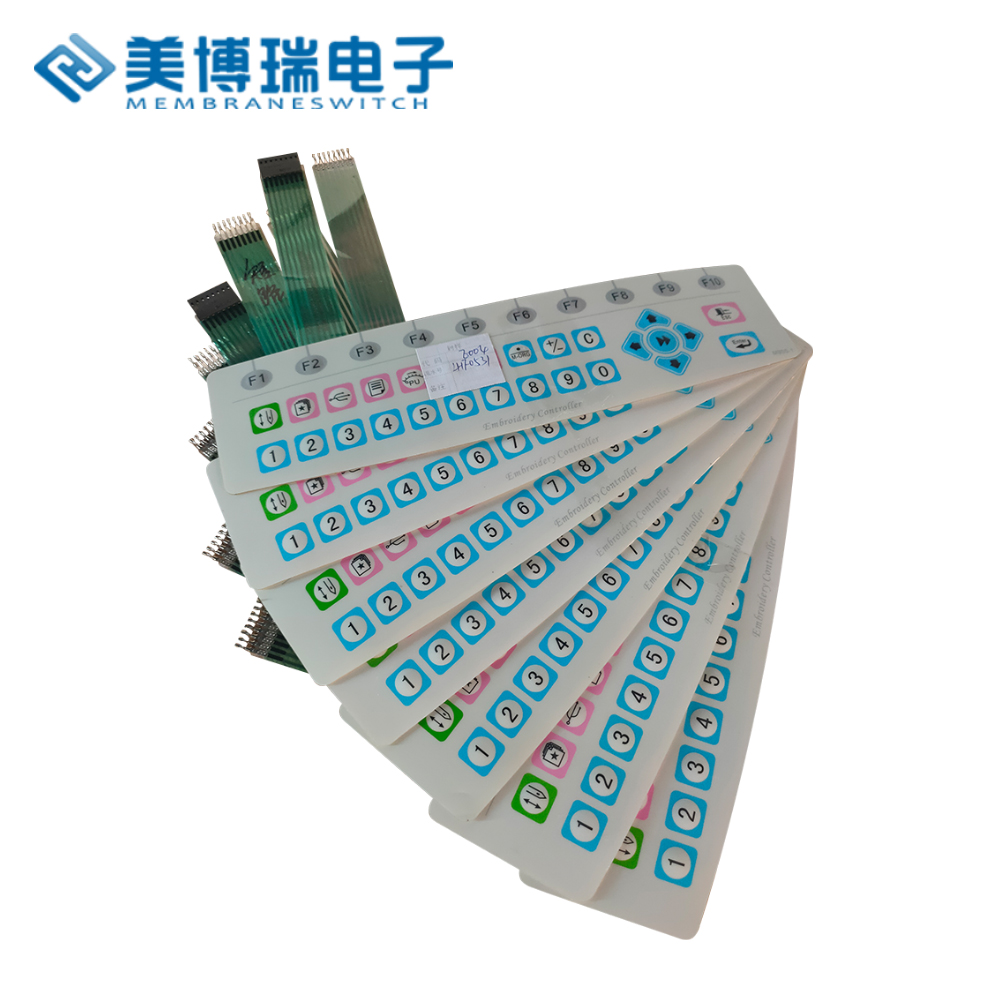
Custom MBR OEM Flexible Waterproof Membrane Keypad Anti-Dust Moisture Proof Control Panel PET+Silver Circuit 1 Keyboard
View Product Details →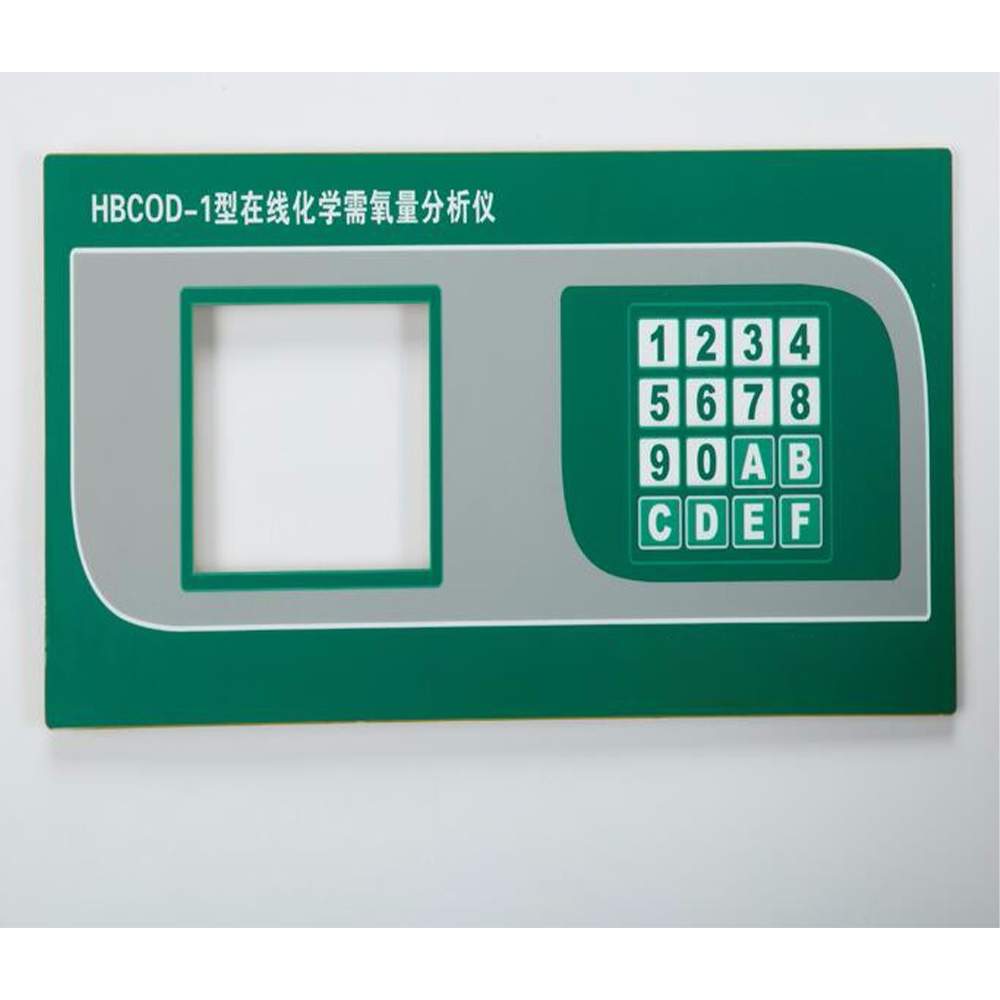
High Quality PET PC Membrane Keyboard Custom Logo Customized Color/Size Fast Delivery MBR Meiborui
View Product Details →High-Performance Polycarbonate Graphic Overlays for OEM Applications
A comprehensive technical evaluation of polymer selection, graphic sub-surface printing, mechanical embossing, and environmental sealing for industrial Human-Machine Interfaces (HMI).
In modern industrial automation, medical diagnostic instrumentation, aerospace controls, and commercial electronic appliances, the front panel graphic overlay serves as both the primary visual branding element and the initial mechanical barrier against environmental ingress. As a premier custom OEM polycarbonate overlay panel factory and supplier, TAVO Electronic Information Technology Co., Ltd. (MEIBORUI / MBR) integrates material science expertise with advanced converting technologies to manufacture high-reliability interface panels engineered for rigorous operational life cycles.
Polycarbonate (PC), commercially recognized under trademarked formulations such as SABIC Lexan™ and Covestro Makrolon®, remains the industry benchmark substrate for rigid and semi-flexible control overlays. Characterized by exceptional impact strength, optical transparency, dimensional stability, and high thermal deflection limits, customized polycarbonate overlay panels provide an unmatched substrate solution for protective faceplates, dead-front illuminated displays, integrated keypads, and capacitive touch sensor housings.
Sub-Surface Screen & Digital Printing
Graphics, logos, and color boundaries are reverse-printed on the second surface (backside) of transparent polycarbonate film. This technique encapsulates the ink behind the clear polymer layer, rendering the visual interface completely impervious to physical abrasion, surface scratching, chemical solvents, and aggressive cleaning agents.
Precision Embossing & Tactile Feedback
Utilizing custom CNC-machined male/female aluminum tooling, localized actuation zones are thermoformed or cold-embossed with stainless steel metal domes or polyester poly-domes. Options include rim embossing, pillow embossing, and custom hydro-formed tactile profiles delivering crisp tactile snap ratios.
Optical Display Windows & Dead-Front Effects
By applying specialized transparent colored inks or optical clear adhesives (OCA), display cutouts maintain crystal-clear visibility for LCD, LED, or OLED screens. Selective hard-coat texturing allows high-gloss clear display windows surrounded by matte anti-glare panel body textures.
Specialized Adhesive Backing & EMI Shielding
Precision die-cut high-performance acrylic transfer adhesives (e.g., 3M 467MP, 3M 468MP, 3M 300LSE) ensure permanent bond strength across metal housings, textured plastics, and powder-coated cast aluminum enclosures. Integrated conductive silver grids or aluminum foil layers provide robust EMI/RFI shielding.
Polycarbonate (PC) vs. Polyester (PET) Substrate Selection
Selecting the optimal polymer film is critical to long-term reliability under mechanical fatigue, chemical exposure, and temperature fluctuations.
| Performance Parameter | Polycarbonate (Lexan / Makrolon) | Polyester (Autotex / Melinex PET) | Engineering Selection Guidance |
|---|---|---|---|
| Tensile Strength & Toughness | Superior Impact Strength (60-70 MPa) | High Tensile Strength (170-200 MPa) | PC excels in heavy industrial faceplates requiring high impact resistance. |
| Flexural Fatigue Life (Switch Actuations) | Moderate (~100,000 to 500,000 cycles) | Exceptional (>5,000,000 cycles) | PET is preferred for non-backed high-actuation tactile membrane switches. |
| Thermal Tolerances | Continuous -40°C to +135°C (HDT @ 0.45MPa: 138°C) | Continuous -40°C to +120°C | Polycarbonate maintains structural rigidity under higher ambient heat. |
| Chemical & Solvent Resistance | Moderate (Sensitive to strong aromatic solvents) | Excellent Resistance to harsh chemicals | Hard-coated PC or hard-coated PET recommended for medical washdowns. |
| Optical Clarity & Light Transmission | High Transparency (>89% transmission) | Slight hazy translucency unless optical grade | PC offers superior clarity for integrated LCD/OLED display windows. |
| Embossing & Formability | Outstanding Cold & Thermoforming | Requires tight temperature control during embossing | PC allows deeper, sharp-edged key embossing geometries without stress whitening. |
Information Gain: Hard-Coated Polycarbonate Innovations
Historically, standard uncoated polycarbonate suffered from susceptibility to surface scratching and degradation when exposed to harsh industrial solvents like acetone or methyl ethyl ketone (MEK). Modern OEM manufacturing overcomes these physical limitations through the application of proprietary UV-cured polyurethane hard-coats (e.g., HP92S, HP12). Hard-coated polycarbonate panels combine the deep draw embossing and superior impact strength of PC with pencil hardness ratings exceeding 3H and complete chemical resistance to alcohols, industrial degreasers, and aggressive sanitizer solutions.
Future Sourcing & Procurement Trends in Graphic Overlays
Key technological advancements reshaping global procurement strategies for custom OEM interface hardware through 2030.
1. Hybrid Digital UV Printing & Short-Run Agility
Traditional high-volume screen printing requires dedicated mesh screen fabrication and color-matching setups for each Pantone hue. Procurement trends show a 40% shift toward hybrid manufacturing—utilizing high-resolution Mimaki digital UV roll-to-roll printers for intricate gradient artwork and rapid prototyping, combined with automated screen printing for metallic inks, conductive silver traces, and high-density light-blocking background layers.
2. Seamless Capacitive Touch & Dead-Front Illumination
OEM equipment designers are rapidly replacing electromechanical switches with flush glass or polycarbonate capacitive touch surfaces. Advanced dead-front overlay techniques utilize semi-transparent grey or black inks over LED indicators. When unlit, the panel displays a clean, uninterrupted solid surface; when backlighting illuminates, icons appear with high contrast and zero light leakage.
3. Antimicrobial & Self-Cleaning Surface Coatings
In medical diagnostic devices, food processing equipment, and high-traffic commercial terminals, buyer specifications increasingly demand embedded antimicrobial agents. Formulated with silver-ion technology, these permanent hard coatings actively inhibit bacterial growth and fungal formation, withstanding repeated hospital-grade disinfectant chemical wipes without surface haze.
4. Direct CAD-to-Laser Tool-less Die Cutting
To shorten time-to-market and eliminate initial hard tooling costs ($500-$2000 per steel rule die), top-tier suppliers have adopted 18-station high-precision CO2 laser cutters. Laser converting enables micro-hole alignment, complex external perimeter shapes, and internal display window cutouts with zero edge burr and precise spatial tolerances (±0.05mm).
Request Custom OEM Samples & Engineering DFM Review
Upload your CAD vector drawings (.DXF, .AI, .PDF) and color specifications. Our technical engineering team provides manufacturability feedback, material stack-up recommendations, and direct factory pricing within 24 hours.
Send an InquiryEnd-to-End In-House Manufacturing Workflow
From graphic prepress and ink formulation to automated printing, thermoforming, and 100% electrical optical inspection.
DFM Engineering
CAD artwork review, film output preparation, and layer stack-up structural optimization.
Precision Printing
Cleanroom screen printing & Mimaki digital UV printing with Pantone match verification.
Tactile Embossing
CNC male/female tooling for precise rim, pillow, or dome tactile key forming.
Laser Die-Cutting
Tool-less laser converting or precision steel rule die perimeter cutting.
Adhesive Lamination
Cleanroom lamination of 3M functional adhesives and rear release liners.
Why Leading Global OEMs Trust TAVO / MBR
Established in 1990, TAVO Electronic Information Technology Co., Ltd. has spent over three decades perfecting the art and engineering of custom membrane interfaces and graphic overlays. Operating from our primary production hub in the Robot Industry Port (Langfang, Hebei) and secondary manufacturing facility in Huizhou, Guangdong, our combined 2,219+ m² cleanroom floorspace houses modern automated production lines.
Our technical collaboration with German membrane switch engineering experts ensures strict adherence to European quality standards. We maintain complete ownership of all production equipment—including 37 screen printing units, 4 digital UV printers, 18 laser cutters, 60 CNC mold machine setups, and automated punch presses—ensuring zero quality leakage through third-party outsourcing.
Factory Quality Assurance Protocols
- ISO 9001:2015 Management System: Certified quality control across every production stage.
- Intertek Onsite Assessed: Verified enterprise capability, equipment ownership, and credit standing.
- Xenon Lamp UV Aging Chamber: Verifies ink lightfastness and substrate non-yellowing.
- Salt Fog Corrosion Testing: Simulates marine and aggressive chemical environment resistance.
- Actuation Endurance Testing: Automated pneumatic key plungers test button fatigue past 1 Million cycles.
Frequently Asked Sourcing & Procurement Questions (FAQ)
Direct answers from our technical engineering team regarding drawing requirements, material specs, tolerances, and ordering logistics.
What technical design files are required to initiate a custom polycarbonate overlay quote?
- Vector Graphic File: Adobe Illustrator (.AI), CorelDraw (.CDR), or vector .PDF containing artwork, text, and layout details.
- Mechanical Dimension Drawing: AutoCAD (.DXF or .DWG) or 3D STEP file showing perimeter dimensions, window cutouts, hole locations, and tight tolerances.
- Color Specifications: Pantone (PMS) color codes or RAL color numbers. For color matching to existing hardware, physical sample chips can be submitted.
- Material & Finishing Specs: Desired substrate thickness (e.g., 0.125mm, 0.175mm, 0.25mm, 0.5mm, 0.76mm, 1.0mm), surface texture (matte, velvet, gloss, anti-glare), and rear adhesive selection (e.g., 3M 467MP, 3M 468MP, 3M 300LSE).
How do I choose between 3M 467MP, 3M 468MP, and 3M 300LSE transfer adhesives?
- 3M 467MP (200MP Adhesive, ~0.05mm thick): Industry standard for flat, smooth metal surfaces (aluminum, stainless steel) and smooth rigid plastics.
- 3M 468MP (200MP Adhesive, ~0.13mm thick): Twice as thick as 467MP; designed to fill gaps and bond securely to textured metal surfaces, cast aluminum, or coarse powder coatings.
- 3M 300LSE (Acrylic Adhesive for Low Surface Energy): Formulated specifically to form high-strength bonds on hard-to-stick low surface energy (LSE) plastics such as polypropylene (PP), polyethylene (PE), powder-coated surfaces, and textured ABS.
What are the standard dimensional tolerances for custom laser-cut and die-cut overlays?
- Laser Cutting Perimeter & Hole Locations: ±0.05 mm (±0.002 in)
- Steel Rule Die Cutting: ±0.10 mm (±0.004 in)
- Screen-to-Edge Print Alignment: ±0.15 mm (±0.006 in)
- Key Embossing Height Uniformity: ±0.08 mm (±0.003 in)
Does TAVO support small batch orders, rapid prototyping, and sample validation?
How are transparent LCD/LED display windows treated to prevent glare or scratching?
What international commercial terms (Incoterms) and payment methods do you accept?
Ready to Upgrade Your Equipment Control Interfaces?
Partner with an ISO 9001 certified OEM factory with over 30 years of specialized experience in polycarbonate graphic overlays, membrane switches, and flexible circuits.
Send an Inquiry