Precision-engineered tactile switch solutions, PET/PC conductive membranes, and IP67 industrial control panels engineered for high-reliability OEM/ODM applications.
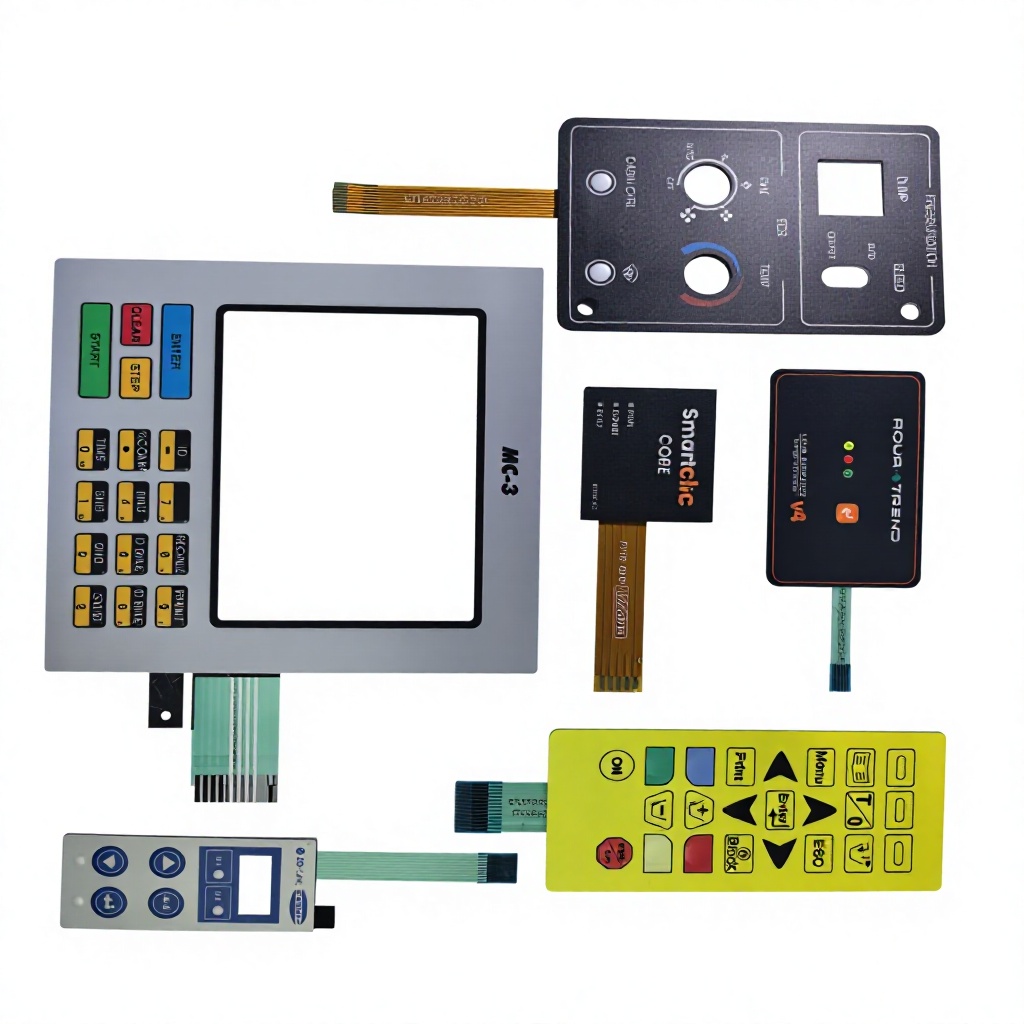
MBR Pet Conductive Film PET/PC Membrane Switch Board Waterproof Durable ISO9001 Certified Customized Size Metal Dome Tactile Key
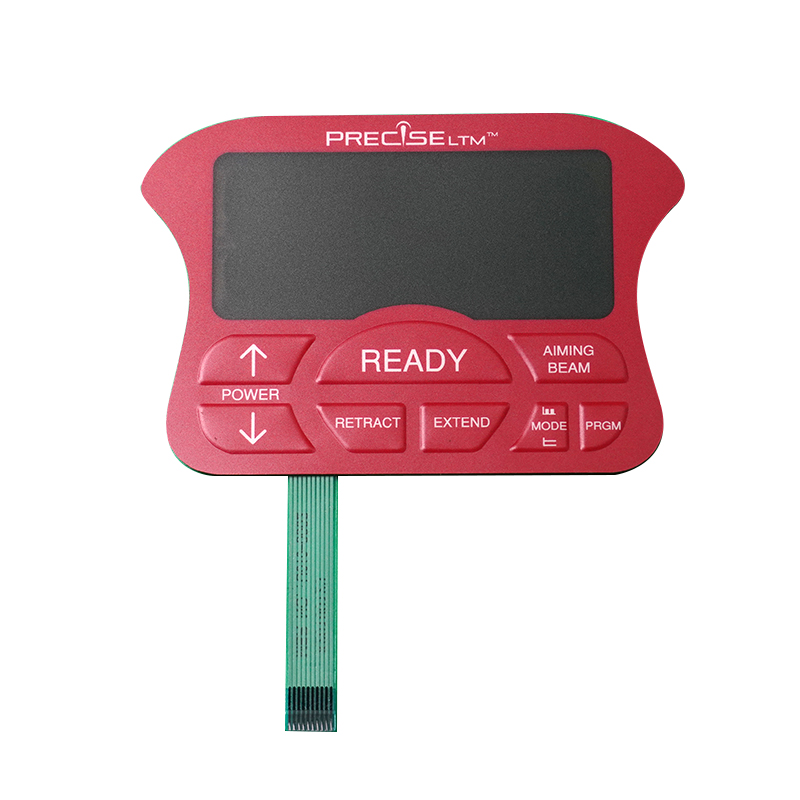
Anti-interference Locomotive Membrane Control Panel High Temperature Resistant PET Keypad Waterproof Durable Eco-friendly
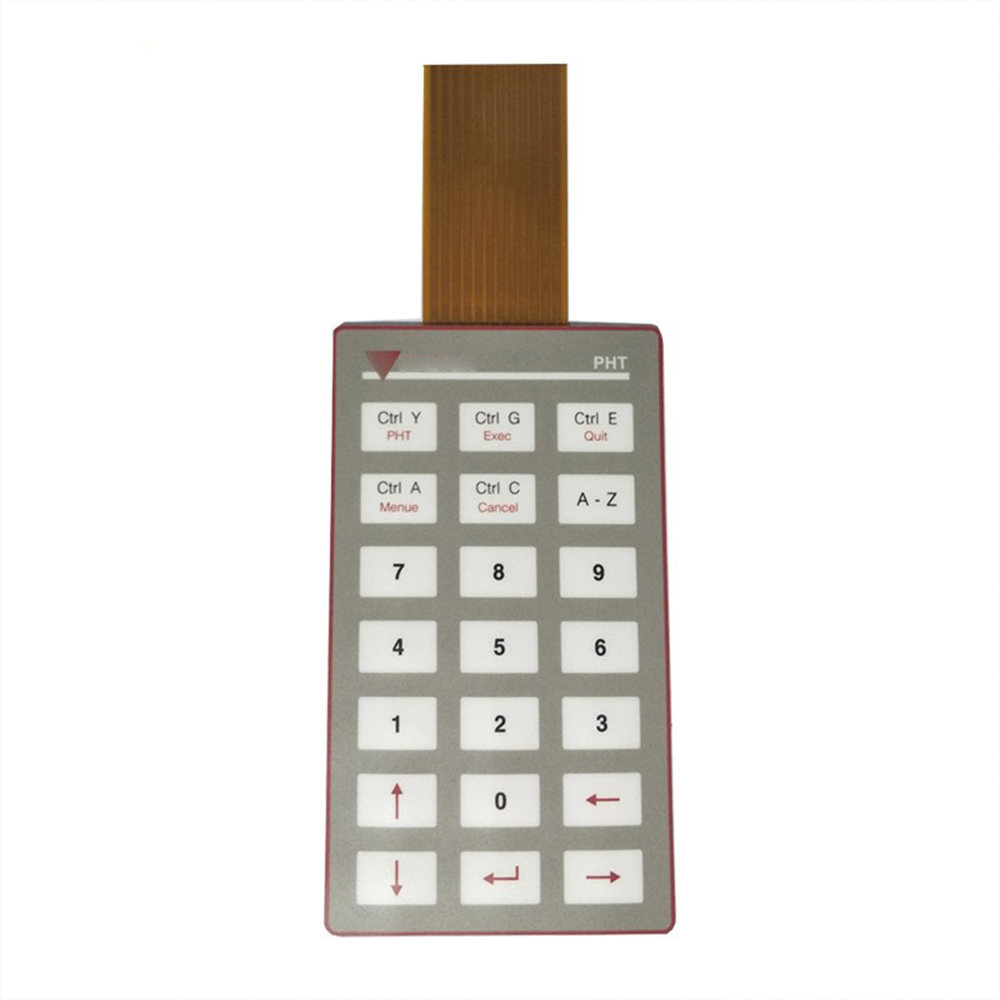
Computer Keyboard Membrane Panel Temperature Control Keypad Touch Switch Waterproof Eco-friendly PET/PC Material Customized
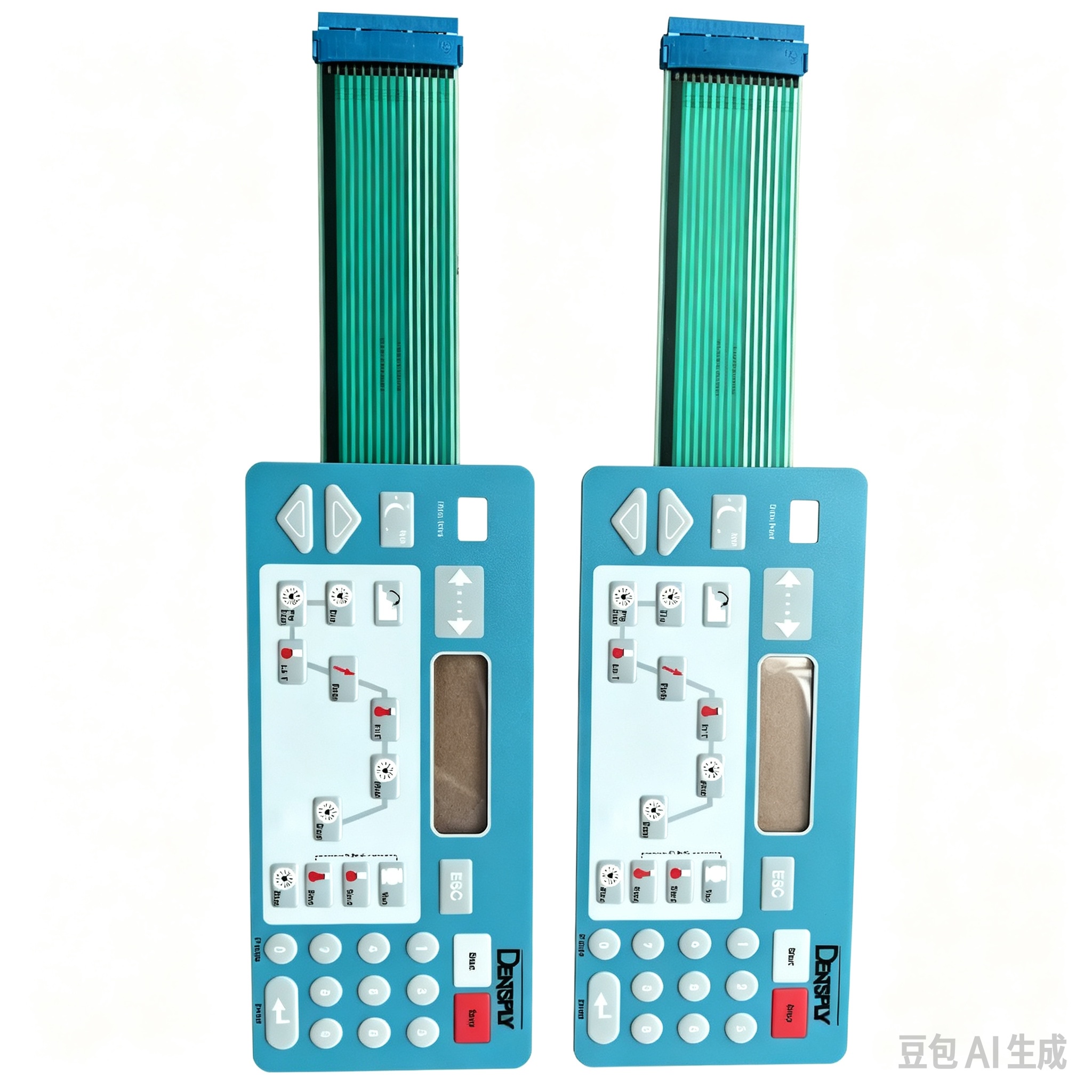
Factory Custom Waterproof Polyester Membrane Switch On Off Button Panel
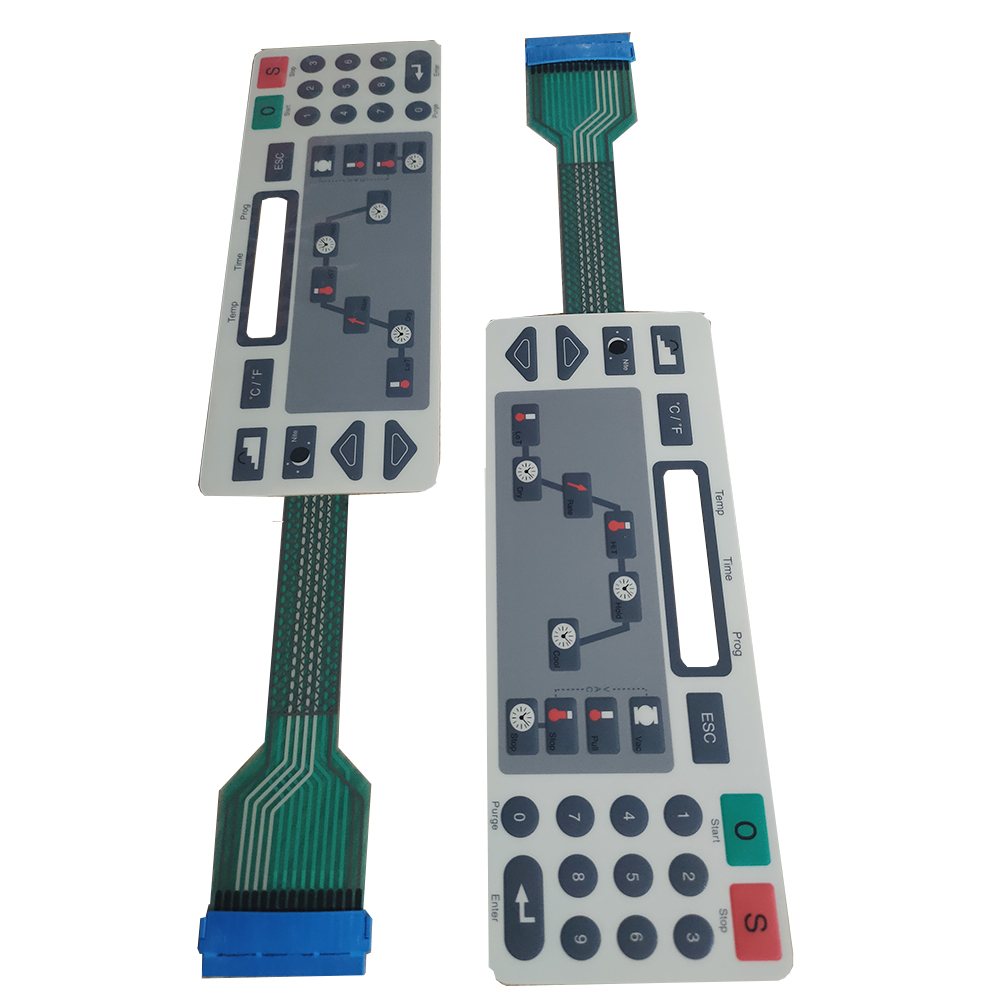
High Quality IP67 Waterproof 3M Adhesive Acrylic Metal/Poly Dome LCD Membrane Switch Custom Keypad Flexible Cable Custom Color
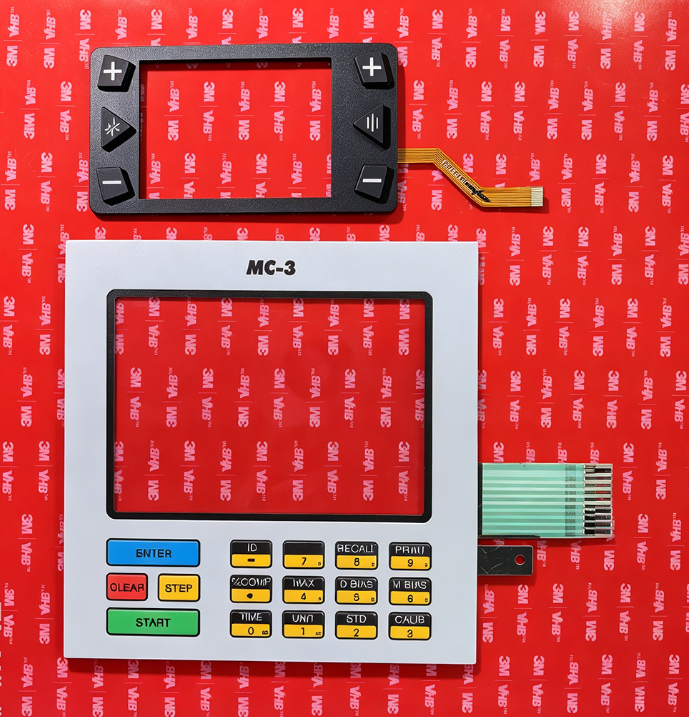
MBR High Quality IP67 Waterproof 3M Adhesive Flexible Cable Membrane Keypad PVC/PET/PC Dome Buttons Custom Cable Length Keypad
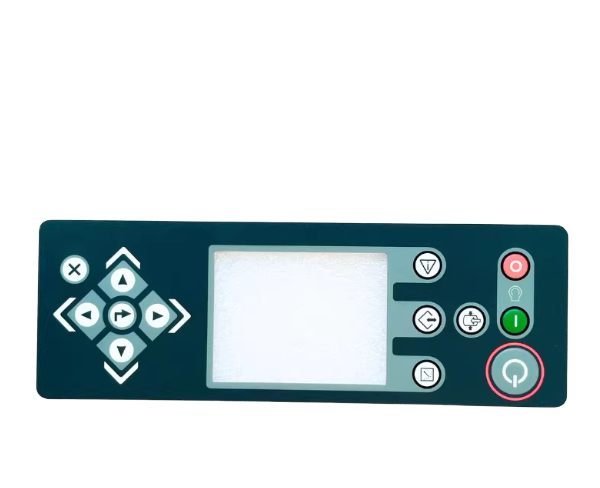
Custom Flexible Temperature Touch Control Keypad Membrane Panel Clear Transparent Window Waterproof Eco-friendly PET HMI
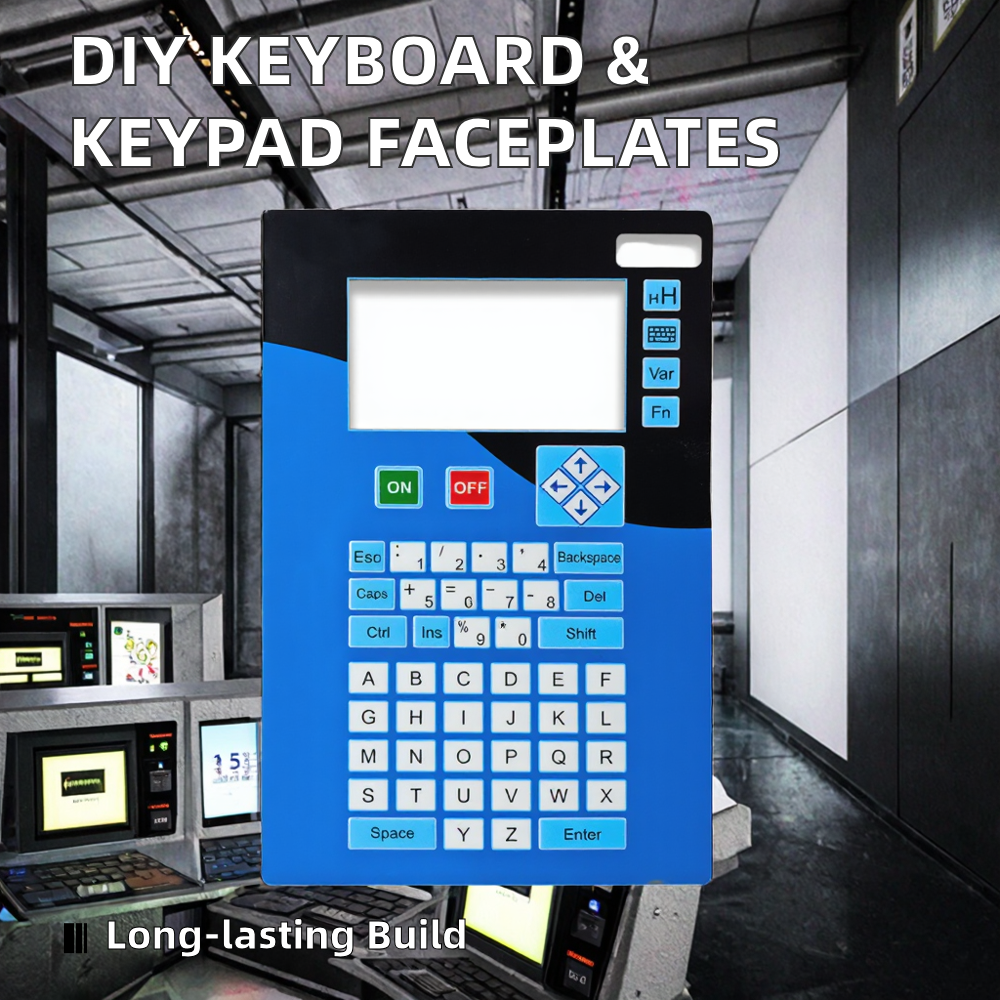
Custom Embossed Tactile Key Membrane Switch/Keypad/Keyboard Backlight LED Water-proof Panel Mounting ISO9001 Certified
Engineering Architecture of Custom OEM Tactile Metal Domes
Tactile metal domes (also termed stainless steel domes or snap domes) represent the core contact interface in modern Human-Machine Interface (HMI) design. As global equipment manufacturers shift toward sleek, ergonomic, yet physically responsive user control interfaces, custom tactile metal dome assemblies have become indispensable across medical, aerospace, automotive, rail transit, and heavy industrial instrumentation.
At their fundamental physical level, tactile metal domes act as normally-open (NO) momentary switches. When depressed by an operator, the dome collapses under mechanical load, establishing an electrical bridge between two conductive traces on a underlying printed circuit board (PCB), flexible printed circuit (FPC), or silver-printed polyester (PET) membrane layer. Upon release, the mechanical strain energy stored within the dome’s cold-rolled stainless steel matrix returns the dome to its original convex profile, immediately breaking the electrical circuit and delivering crisp tactile feedback.
Metallurgical Composition & Mechanical Physics
The operational longevity and tactile feel of a metal dome depend entirely on material selection and heat treatment. Premium OEM dome manufacturing utilizes SUS301 stainless steel (often fully hard or 3/4 hard condition). SUS301 offers exceptional yield strength, high elastic limit, and superior fatigue resistance compared to standard SUS304 grades.
For applications requiring low electrical contact resistance (< 100 mΩ) or operational deployment in corrosive, high-humidity environments, domes undergo electroplating processes:
- Stainless Steel (Bare): Standard economical choice, ideal for dry environments and long shelf life.
- Silver Plating (Ag): Dramatically lowers contact resistance (< 0.5 Ω) and reduces electrical noise / contact bounce during high-speed actuation.
- Gold Plating (Au): Offers maximum oxidation resistance and zero contact corrosion over millions of cycles, required for critical medical and military HMIs.
Tactile Snap Ratio Physics
The tactile "click" felt by an operator is quantified by the Snap Ratio (Click Ratio) formula:
Where P1 is the Trip Force (Actuation Force) and P2 is the Contact Force. Optimal tactile satisfaction requires a snap ratio between 40% and 60%. A ratio below 30% yields a mushy feel, while a ratio exceeding 70% accelerates metal fatigue.
Comparative Breakdown of Metal Dome Geometries
| Dome Profile Type | Actuation Force Range | Typical Size (Diameter) | Tactile Feedback Feel | Best Sourcing Application |
|---|---|---|---|---|
| Four-Leg Domes (4-Leg) | 120g – 500g | 6.0mm – 20.0mm | Strong, distinct tactile snap with anti-rotation legs | Double-sided PCBs, large industrial keypads, membrane switches |
| Triangle Domes (3-Leg) | 160g – 400g | 5.0mm – 12.0mm | High force density in compact footprint | Handheld instruments, tight-space control keypads |
| Round Domes (Circle) | 100g – 300g | 3.0mm – 10.0mm | Smooth, uniform actuation regardless of pressure angle | Compact electronic enclosures, miniature push-buttons |
| Oblong / Oval Domes | 180g – 350g | Custom Rectangular | Directional tactile click along long axis | Narrow bezel interfaces, long spacebar-style switches |
Engineering Custom Tactile Membrane Stack-Up Architecture
Integrating tactile metal domes into a complete membrane switch overlay requires meticulous multi-layer mechanical stacking. A failure in adhesive selection, venting dynamics, or retainer alignment will result in dome displacement, dead keys, or air pocket lock-up under barometric pressure fluctuations.
Layer 1 & 2: Graphic Overlay & Top Adhesive
The front surface utilizes high-durability Autotex PET (Polyester) or Lexan PC (Polycarbonate) ranging from 0.125mm to 0.25mm. PET offers superior chemical resistance and flexural life exceeding 5 million flexes without cracking. The top adhesive (3M 467MP/468MP) bonds the overlay seamlessly to the internal switch layer.
Layer 3 & 4: Dome Retainer & Metal Dome Layer
A custom die-cut clear PET carrier sheet holds the precision metal domes in exact X-Y alignment over the underlying circuit pads. Micro-venting channels are cut into the retainer spacer layer to permit air displacement during key depression, preventing pneumatic resistance and maintaining IP67 sealing.
Layer 5 & 6: Circuit Substrate & Rear Adhesive
The circuit layer consists of conductive silver ink screen-printed on PET, a polyimide Flexible Printed Circuit (FPC), or a rigid FR4 PCB substrate. The assembly is finalized with high-tack acrylic adhesive (such as 3M 200MP / 300LSE) for permanent mounting onto aluminum, plastic, or sheet metal backer plates.
Factory Strength & OEM Manufacturing Capabilities
Reflecting over three decades of engineering excellence, TAVO Electronic Information Technology Co., Ltd. delivers vertically integrated manufacturing from custom CAD layout to 100% automated electrical testing.
Integrated In-House Manufacturing Control
Unlike trading intermediaries that outsource critical steps, TAVO maintains complete control over every stage of tactile dome membrane switch production across our dual bases in Hebei and Guangdong:
- 37 Silkscreen Printing Lines: Precision color matching using Pantone and RAL standards with UV-curable and conductive silver inks.
- Mimaki Digital UV Printers: Ideal for rapid prototyping, complex color gradients, and low-MOQ pilot runs without costly tooling charges.
- 60 CNC Mold-Making Machines: In-house steel die fabrication for embossing key rims, dome pockets, and cutouts with ±0.05mm precision.
- 18 Laser Cutting Systems: Automated outline profiling and adhesive spacer venting without stress-deforming internal materials.
- Advanced Reliability Test Lab: Programmable thermal shock chambers (-40°C to +85°C), salt spray corrosion testers, xenon aging chambers, and million-cycle actuation life testers.
Quality Assurance & Compliance Standards
Our factory operates strictly under the ISO 9001 Quality Management System and has undergone rigorous onsite evaluation by Intertek. Furthermore, our decades-long technical partnership with European engineering standards ensures that every batch meets the strictest export quality thresholds for buyers in North America, Germany, and Western Europe.
Future Sourcing Trends in Tactile Metal Dome Technology
As global OEMs prepare for next-generation equipment deployments, the design requirements surrounding tactile switches and metal dome interfaces are undergoing significant technological convergence. Sourcing directors and engineering leads must consider the following emerging industry shifts:
1. Hybrid Tactile-Capacitive HMI Architectures
Modern industrial and medical control panels increasingly merge solid-state capacitive touch sensors with traditional tactile metal dome buttons. Capacitive sensing handles high-frequency menu navigation, slider adjustments, and proximity wake-up, while mechanical metal dome keys remain assigned to safety-critical commands (Emergency Stop, Start, Calibrate) where physical feedback is required to prevent accidental activation.
2. Micro-Thin LGF (Light Guide Film) Backlighting
Legacy backlighting required bulky electroluminescent (EL) panels or matrix LEDs that created uneven hot spots and inflated panel thickness. Future-proof procurement favors LGF Light Guide Film integrated directly over the metal dome layer. Using surface-mount side-firing LEDs, micro-etched optical dots inside the LGF scatter light uniformly across graphics and key borders, maintaining an ultra-thin panel profile under 1.5mm.
3. Copper FPC Substrates Replacing Silver Printing
While silver-printed PET circuits remain cost-effective for standard keypads, high-density designs with integrated SMT LEDs, microcontrollers, and tight pitch connectors are migrating toward polyimide Flexible Printed Circuits (FPC). Copper traces eliminate silver migration risks in high-humidity ambient conditions and allow direct reflow soldering of components, raising assembly reliability to automotive standards.
4. Harsh-Environment Hermetic Sealing (IP68 & Antimicrobial)
Medical equipment and food processing machinery require frequent washdowns with aggressive chemical solvents. Sourcing trends prioritize hard-coated textured films with permanent antimicrobial surface treatments (zinc or silver ion additives) combined with perimeter perimeter perimeter 3M 300LSE gasket sealing to prevent liquid ingress under high-pressure cleaning.
Frequently Asked Questions (OEM Sourcing FAQ)
Direct technical answers to common engineering and procurement inquiries regarding custom metal dome membrane switches.
What files and technical details are required to start a custom OEM tactile metal dome quote?
- Vector outline drawing (PDF, DXF, DWG, Step, or AI format) indicating dimensions, tolerances, cutouts, and connector tail length.
- Graphic overlay artwork file with Pantone or RAL color references specified.
- Circuit schematic or pin-out layout defining key common lines, LED polarity, and connector pitch (e.g., 2.54mm or 1.0mm ZIF).
- Target actuation force (e.g., 250g, 350g, 450g), tactile dome type, backlighting requirements, and operating temperature environment.
How do you prevent metal dome movement or misplaced keys over long-term operation?
What is the difference between stainless steel, silver-plated, and gold-plated metal domes?
Can metal dome membrane switches be fully sealed to IP67 or IP68 standards?
Do you support small-batch prototype runs before full-scale production?
What trade terms and international logistics options are supported?
Request a Custom OEM Tactile Metal Dome Quote
Connect directly with our senior HMI engineering team. We will review your CAD drawings, recommend optimal layer stack-ups, and provide a competitive factory-direct proposal within 24 hours.