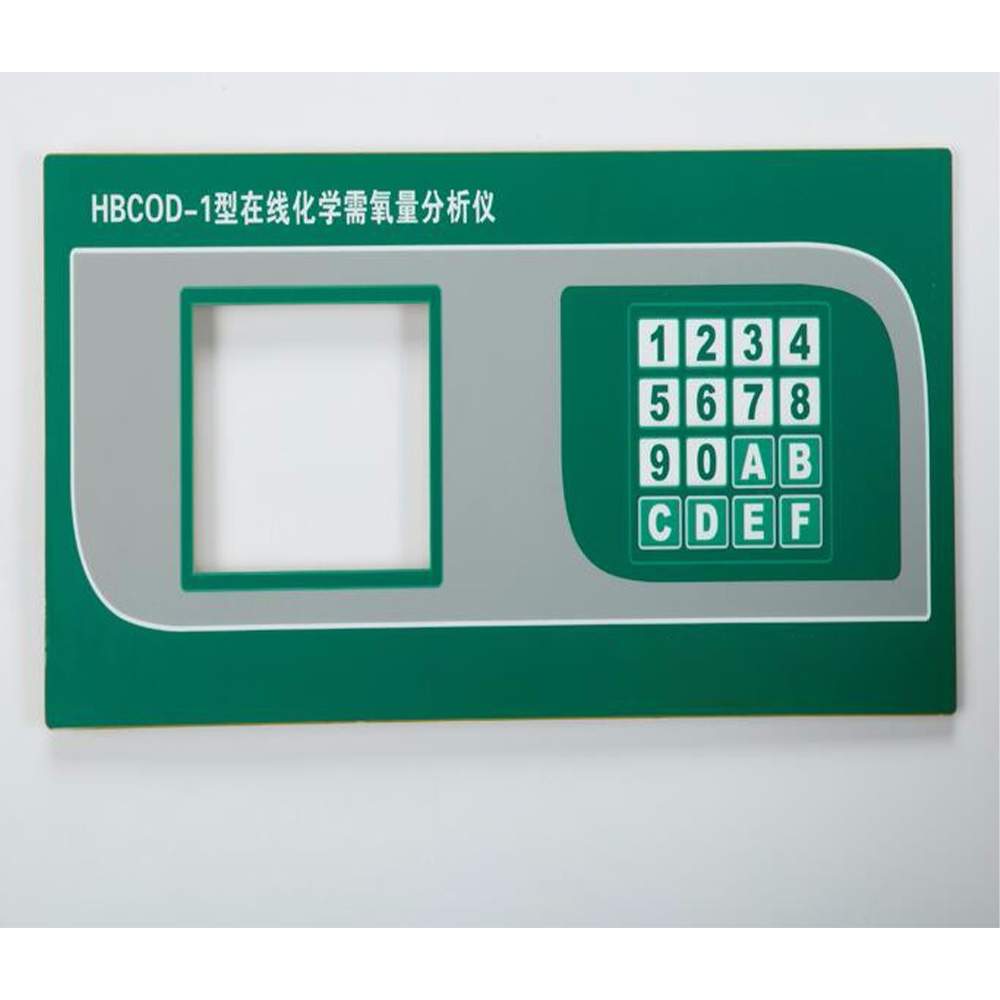
Featured Custom Membrane Keypads & Interface Assemblies
Explore our certified OEM/ODM product portfolio engineered with custom backlight options, high tactile resilience, EMI shielding, and extreme environment sealing.
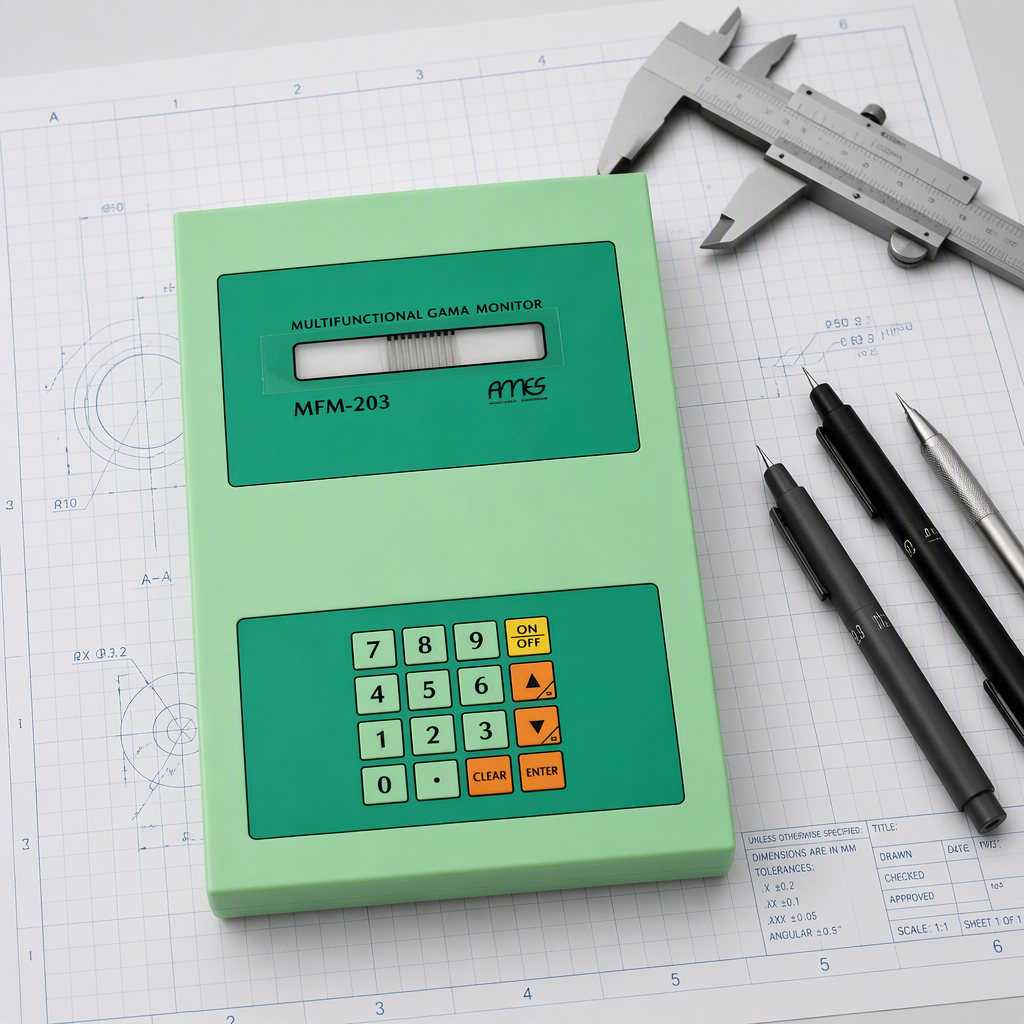
Waterproof Polyester Membrane Keypad Panel PET PC Plastic Keyboard Panel Mount for HMI Display Screens Remote Controllers
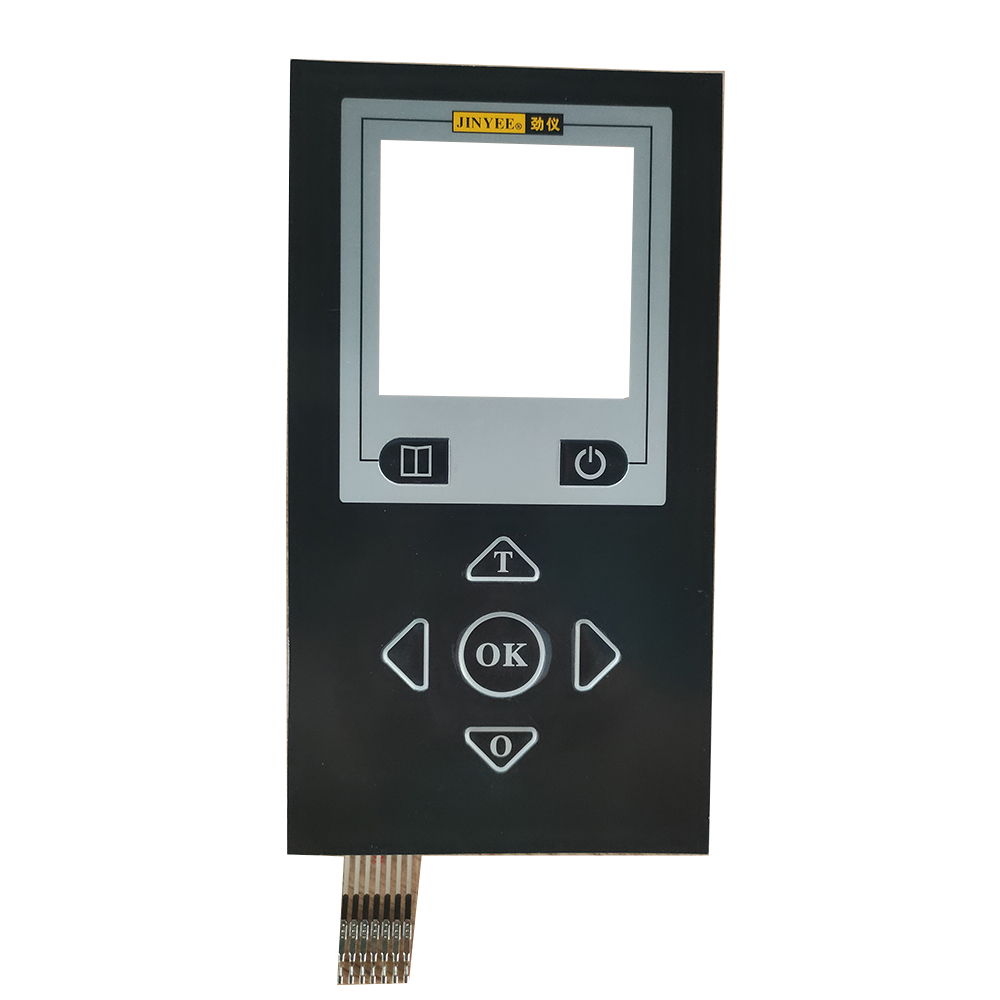
MBR IP67 Waterproof Industrial Membrane Keyboard with PET Overlay for Telecommunication Equipment (CN OEM/ODM Model)
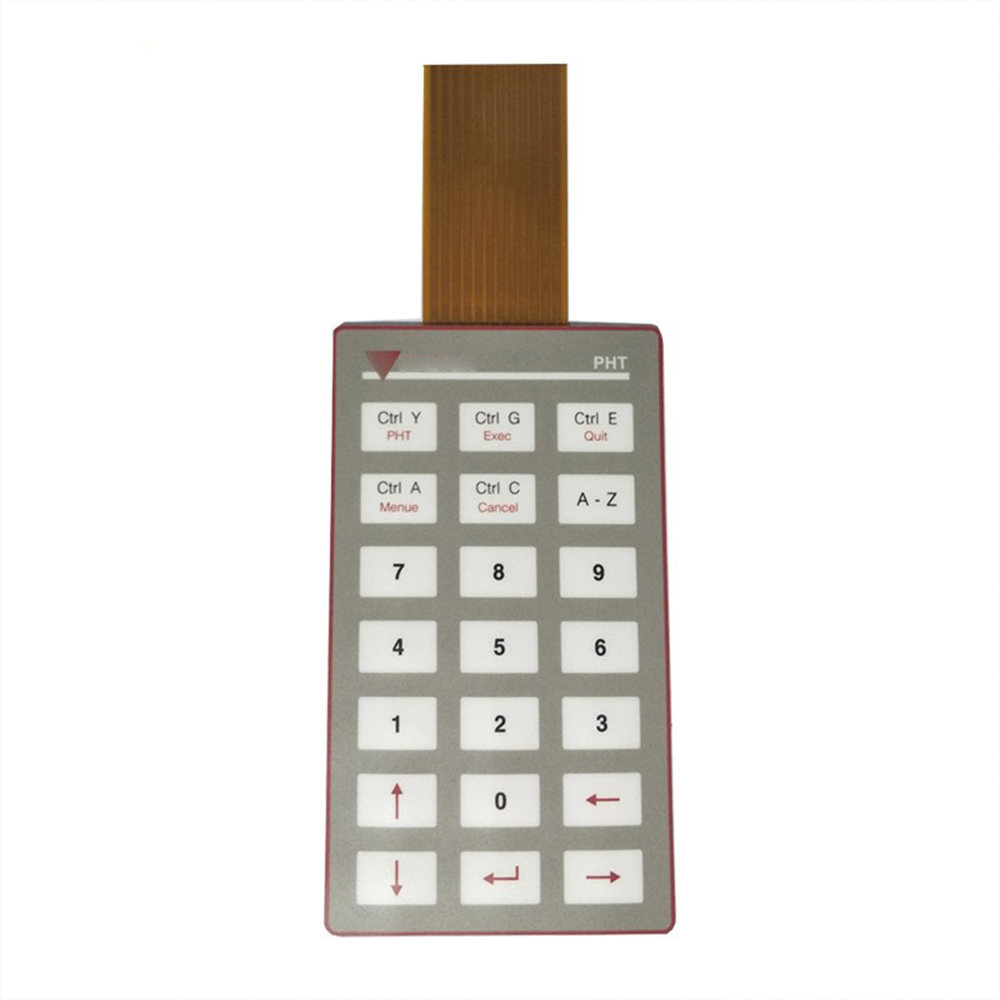
Computer Keyboard Membrane Panel Temperature Control Keypad Touch Switch Waterproof Eco-friendly PET/PC Material Customized
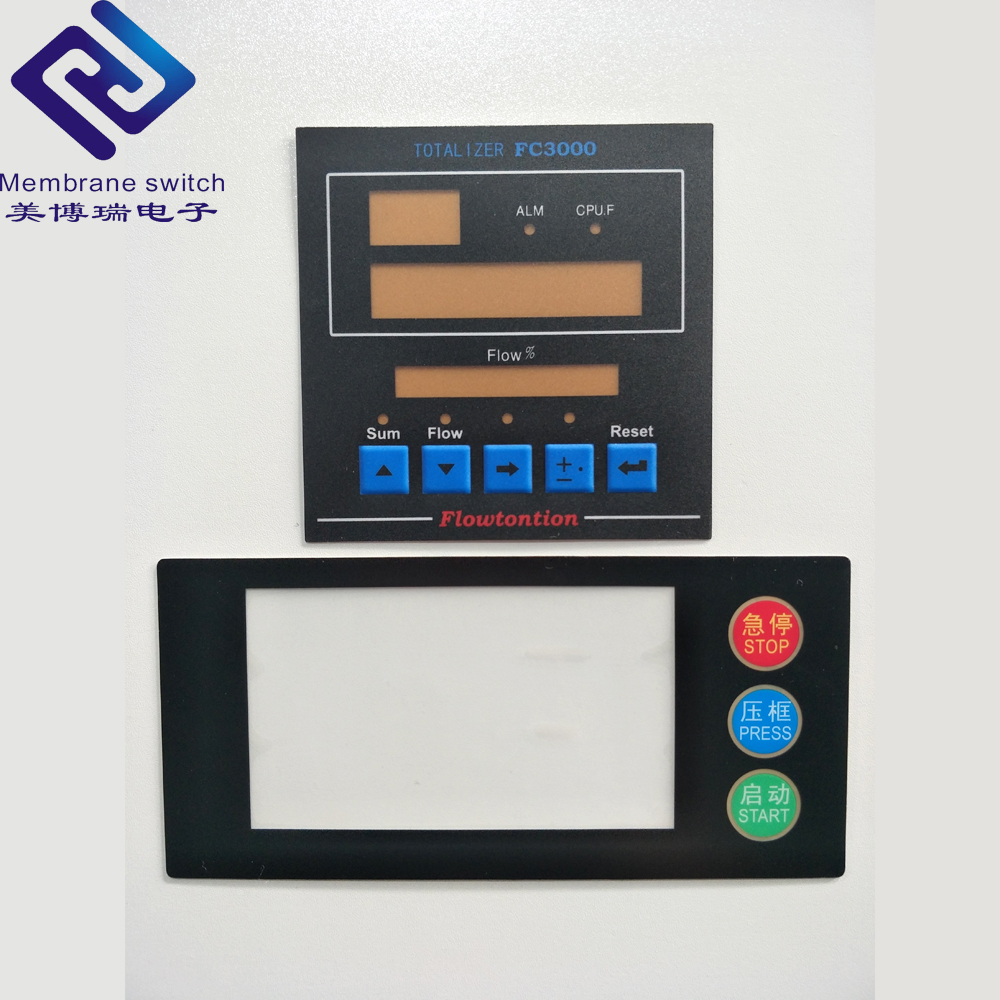
High Quality IP67 Waterproof 3M Adhesive Metal/Poly Dome LCD Membrane Switch Custom Keypad Flexible Cable Telecommunication
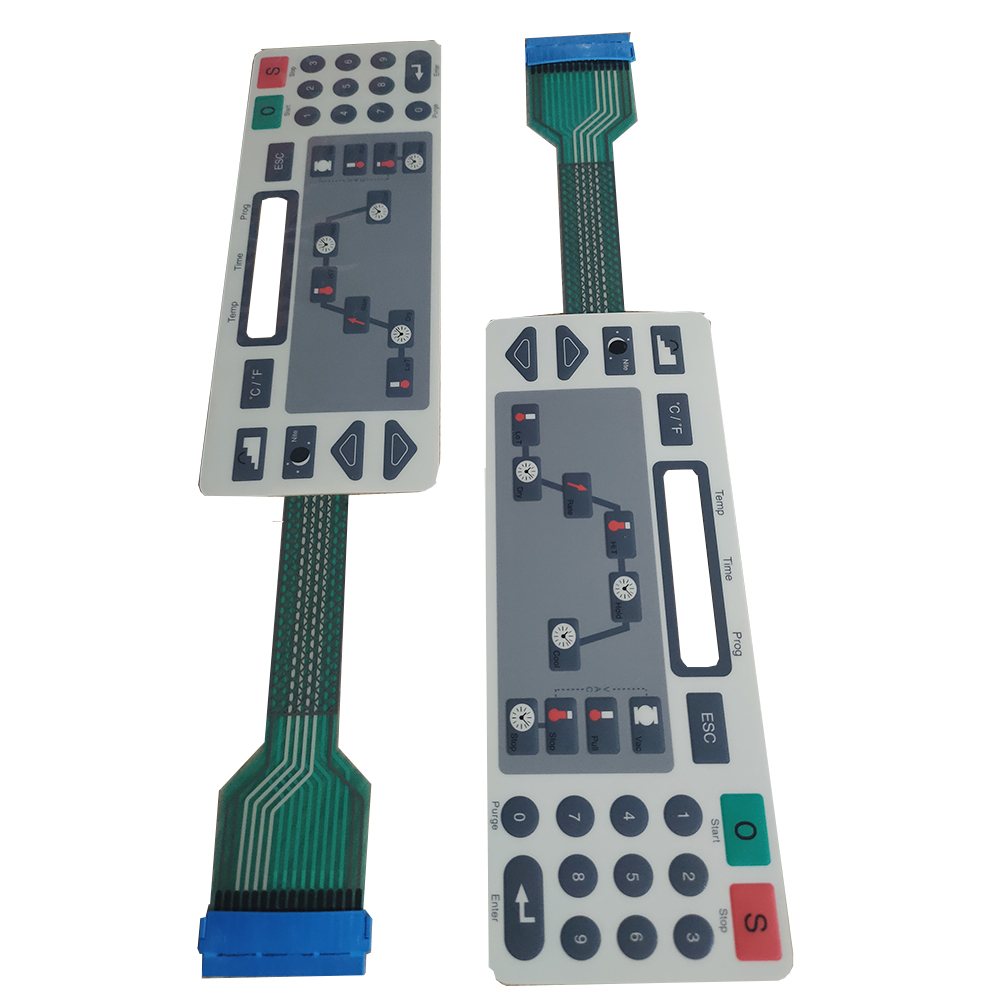
High Quality IP67 Waterproof 3M Adhesive Acrylic Metal/Poly Dome LCD Membrane Switch Custom Keypad Flexible Cable Custom Color
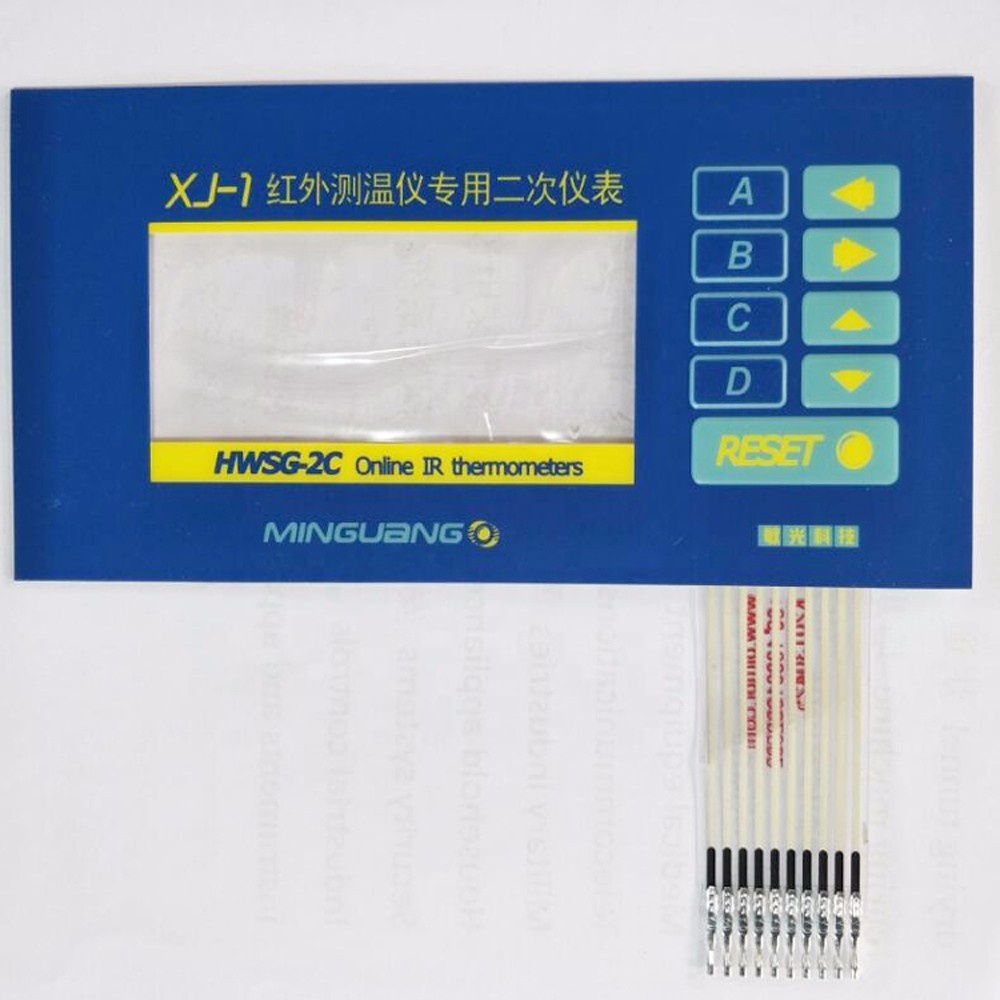
Fast Delivery OEM PBT Keyboard Cap Mechanical Switch Compatible Silkscreen Printed 2.54mm Pitch ISO Certified Factory Direct
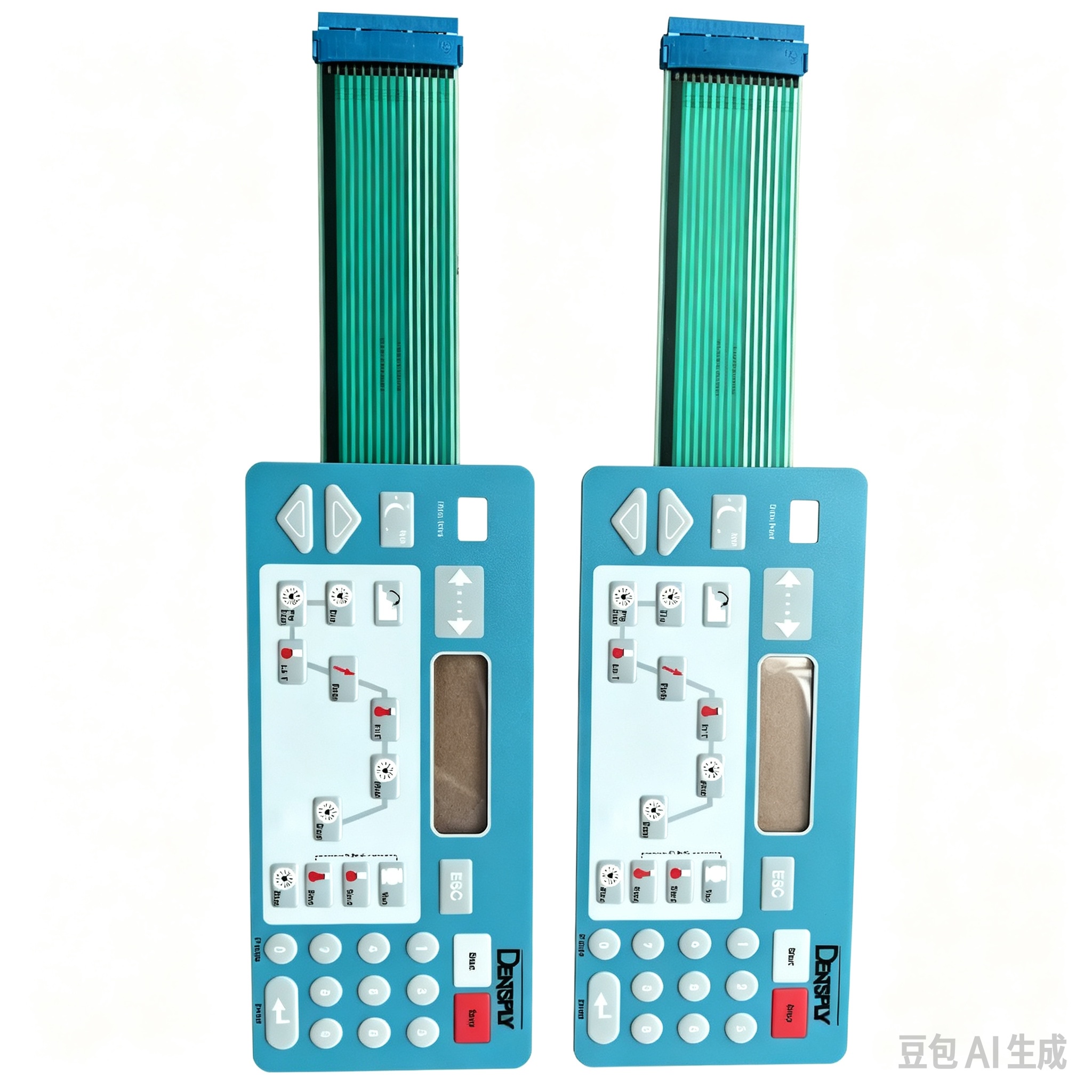
Factory Custom Waterproof Polyester Membrane Switch On Off Button Panel
Engineering White Paper: Backlit Membrane Keypad Technologies & Selection Criteria
A comprehensive analysis for procurement managers and HMI structural engineers evaluating illumination options, tactile response, and physical layer stack-ups.
Information Gain Insight: Selecting the correct backlighting method for custom OEM membrane switches requires balancing power budget, optical uniformity, total stack-up thickness, and environmental operating temperatures. Below is an engineering comparison compiled by TAVO's senior R&D team.
| Backlight Technology | Thickness Addition | Illumination Uniformity | Power Consumption | Operating Lifespan | Key Advantage |
|---|---|---|---|---|---|
| Light Guide Film (LGF) | 0.125mm – 0.25mm | 90% – 95% Uniformity | Very Low (Side LEDs) | 50,000+ Hours | Ultra-thin, zero heat, precise targeted key illumination without light bleed. |
| Surface Mount LED (SMT Chip) | 0.8mm – 1.5mm (Embossed) | Localized Spot Lighting | Moderate (per LED) | 100,000+ Hours | Cost-effective indicator status lights integrated directly onto silver or FPC circuits. |
| Electroluminescent (EL) Lamp | 0.2mm – 0.3mm | 85% Surface Uniformity | High Voltage (AC Inverter) | 3,000 – 8,000 Hours | Smooth ambient glow; best for low-duty cycle or dark-room emergency equipment. |
| Fiber Optic Weave | 0.3mm – 0.5mm | 90% Uniformity | Low (Remote Source LED) | 50,000+ Hours | Robust against high moisture, explosion-proof zones, zero heat at switch site. |
LGF Precision Backlighting
Light Guide Film (LGF) utilizes micro-replication optical dot pattern etching to route light from edge-mounted SMT LEDs evenly across icons and key legends. This eliminates bright spots and shadows while preserving an ultra-slim panel profile under 1.5mm.
Tactile Metal Dome Integration
Utilizing high-grade stainless steel 304/316 metal domes (ranging from 6mm to 20mm, actuation force 180g to 420g), TAVO delivers crisp tactile feedback rated for over 1,000,000 to 5,000,000 switch operations in harsh industrial environments.
Environmental Sealing & EMI
Integrated full-perimeter sealing gaskets (achieving IP67/IP68 wash-down protection) combined with printed graphite or aluminum foil shielding grids protect sensitive electronics from Electrostatic Discharge (ESD) up to 15kV and Electromagnetic Interference (EMI).
Future Procurement Trends & HMI Technological Development
Strategic insights into next-generation industrial user interfaces, material evolutions, and global supply chain strategies.
1. Transition to Hybrid Capacitive-Tactile Interfaces
Procurement departments are increasingly sourcing hybrid membrane panels that combine zero-force capacitive touch keys for quick menu navigation with tactile metal domes for critical power/safety commands. This dual-architecture reduces mechanical wear while satisfying intuitive user expectations.
2. Optical Bonding (OCA) with TFT LCD & Touch Glass
Modern medical and outdoor instrumentation require high sunlight readability and zero internal moisture condensation. The market is shifting from traditional perimeter frame tape mounting to Optically Clear Adhesive (OCA) full-surface bonding between graphic overlays and display modules.
3. Antimicrobial & Chemically Hardened PET Overlays
Post-pandemic healthcare standards demand membrane graphic overlays coated with permanent silver-ion antimicrobial treatments (e.g., Autotex AM) and chemical resistance to harsh wipe-downs containing isopropyl alcohol, bleach, and quaternary ammonium compounds.
4. Copper FPC Circuits Replacing Silver Ink flex
As pin pitches shrink down to 0.5mm and SMT LED component density increases, OEMs are transitioning from screen-printed silver ink circuits to double-sided polyimide Flexible Printed Circuits (FPC) to completely eliminate silver migration issues in humid environments.
30+
Years Industry Expertise
100%
In-House Manufacturing
5M+
Actuation Lifespan Domes
IP67/68
Ingress Sealing Rated
Why Partner with TAVO Electronic Information Technology
A heritage of engineering excellence dating back to 1990, delivering complete vertical integration, German technical standards, and verified supply chain resilience.
Vertically Integrated Manufacturing Capabilities
Unlike trading intermediaries, TAVO Electronic Information Technology Co., Ltd. controls every single manufacturing step under one roof. Operating from our primary manufacturing base in the Robot Industry Port of Xianghe Economic and Technological Development Zone (Langfang, Hebei) and our secondary processing base in Huizhou, Guangdong, we eliminate hidden supply delays.
- State-of-the-Art Machinery: Equipped with 37 precision screen printing machines, 4 Mimaki heat-setting UV digital printers, 18 laser cutting units, 60 CNC mold-making machines, and 7 digital engravers.
- Strict In-House Reliability Testing: Every production batch undergoes automated computer circuit continuity testing, button life-cycle flex testing, programmable temperature (-40°C to +85°C) & humidity chamber exposure, xenon arc UV aging, and salt spray corrosion validation.
- Sino-German Technical Cooperation: Long-term technical alignment with leading German membrane switch manufacturers ensures European precision tolerances, color accuracy, and material consistency.
Verified Enterprise Specifications
| Quality Certifications: | ISO 9001 System / Intertek Onsite Assessed |
| Production Space: | 2,219+ m² Verified Workshop Floorspace |
| R&D Engineering: | 30+ Senior Staff with >15 Years Avg. Experience |
| Export Reach: | USA, Germany, Italy, France, Canada, Middle East, etc. |
| Key OEM Clients: | Siemens, ABB, Haier, High-Speed Rail Projects |
Frequently Asked Questions (Procurement & Engineering FAQ)
Direct answers to technical queries regarding design submission, material selection, backlighting implementation, and quality verification.
What design files and specifications are required to receive an accurate OEM/ODM quotation?
To generate a precise engineering quote and stack-up recommendation, please provide:
- Vector Graphic Artwork: AI, CDR, or PDF format with specified Pantone or RAL color codes.
- Mechanical CAD Drawing: DXF, DWG, or STEP file indicating key dimensions, display window cutouts, embossing heights, and tail exit locations.
- Electrical Schematic: Circuit pin-out diagram, connector pitch (e.g., 2.54mm, 1.0mm ZIF), matrix vs. common bus routing.
- Environmental Requirements: Operating temperature range, UV exposure, chemical contact, and required IP ingress sealing level.
How does Light Guide Film (LGF) prevent light bleeding between adjacent keys?
LGF technology utilizes precision optical dot patterns calculated specifically for your graphic artwork layout. By printing opaque light-blocking barrier masks (black optical isolation layers) directly around designated key regions and display windows, light is strictly contained and guided only to illuminated icons, completely eliminating crosstalk light bleed.
What is the difference between Polycarbonate (PC) and Polyester (PET) graphic overlays?
Polycarbonate (PC) offers higher clarity, easy die-cutting, and cost advantages, making it ideal for flat, low-flex panels or indoor test equipment. However, Polyester (PET, such as MacDermid Autotex) features vastly superior flex life (>5,000,000 actuations vs. 100,000 for PC), high resistance to chemical solvents, and superior environmental thermal stability, making PET the mandatory standard for tactile membrane switch overlays.
Can TAVO integrate surface mount LEDs, resistor chips, and connectors directly into the keypad assembly?
Yes. We utilize automated Surface Mount Technology (SMT) lines to bond ultra-thin LEDs (0603, 0805, or side-firing packages) and passive components using conductive epoxy or solder onto Flexible Printed Circuits (FPC) or silver-printed circuit layers. Connectors ranging from standard 2.54mm female housings to 0.5mm/1.0mm pitch ZIF flex tails are fully supported.
How does TAVO ensure IP67 or IP68 waterproof ratings for membrane switch panels?
Achieving an IP67 or IP68 seal requires a continuous perimeter water-block adhesive frame (utilizing premium 3M 467MP, 3M 468MP, or 3M VHB acrylic foams) around the active circuit area. Additionally, we engineer breathing channels routed internal to the panel structure rather than extending to the exterior, balancing actuation air pressure without compromising moisture barrier integrity.
Does TAVO support small batch prototyping and pilot production runs?
Yes. Recognizing that hardware startups and industrial equipment OEMs require rapid engineering validation, TAVO maintains dedicated digital UV printing and laser cutting cells. This allows us to manufacture rapid prototypes without expensive hard tooling dies, shortening time-to-market for prototype testing.
Ready to Upgrade Your Product Interface?
Consult with TAVO's senior HMI design engineers today. We offer complimentary DFM (Design for Manufacturability) reviews, material sampling, and custom prototyping support.