IP67 Waterproof
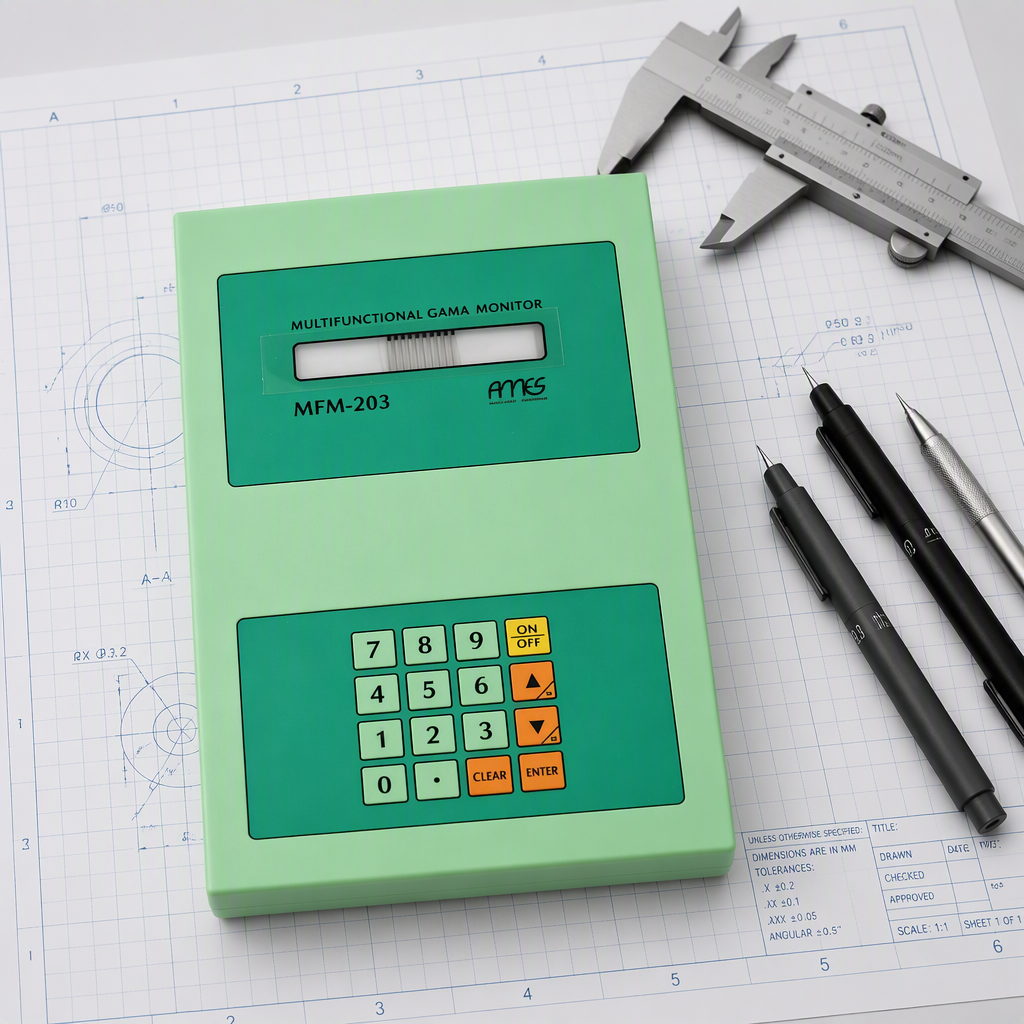
Explore our custom OEM/ODM product portfolio engineered for telecom, CNC machinery, medical devices, and smart industrial automation controls.
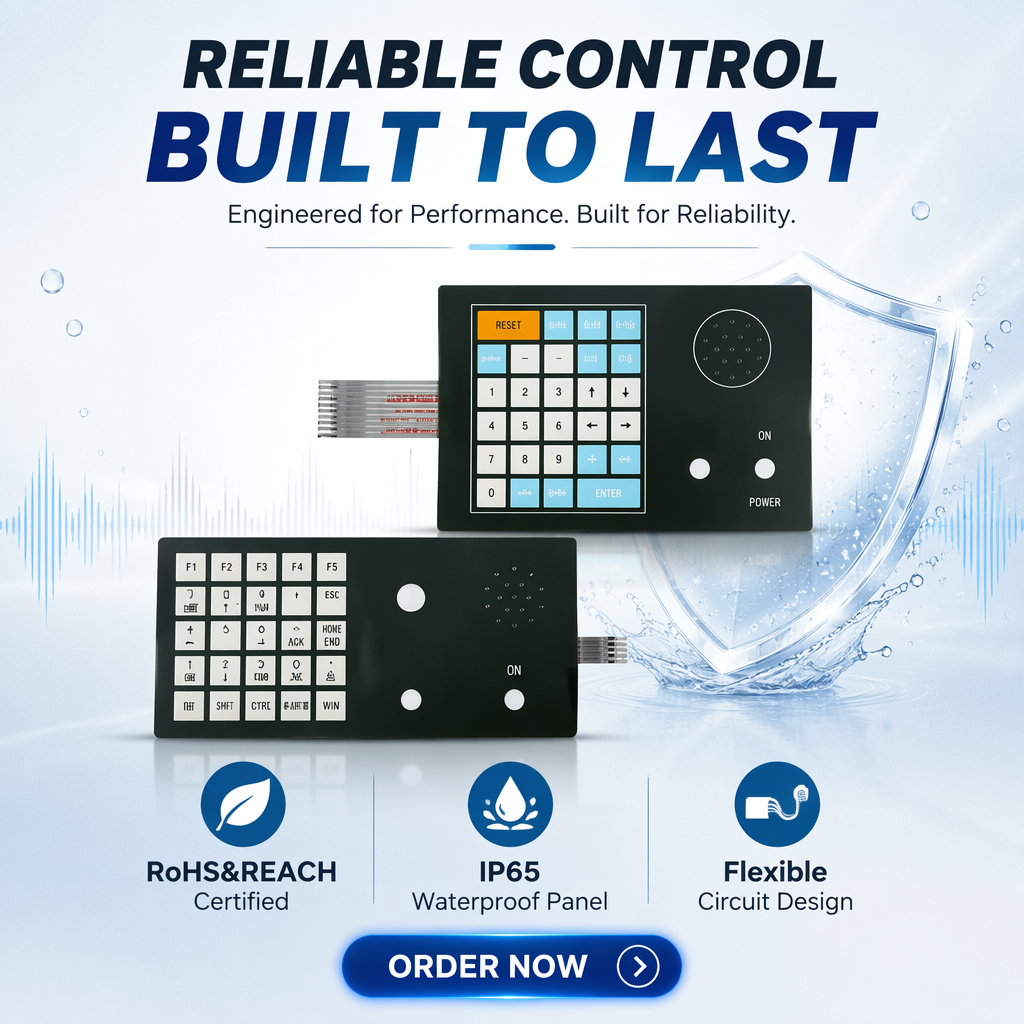
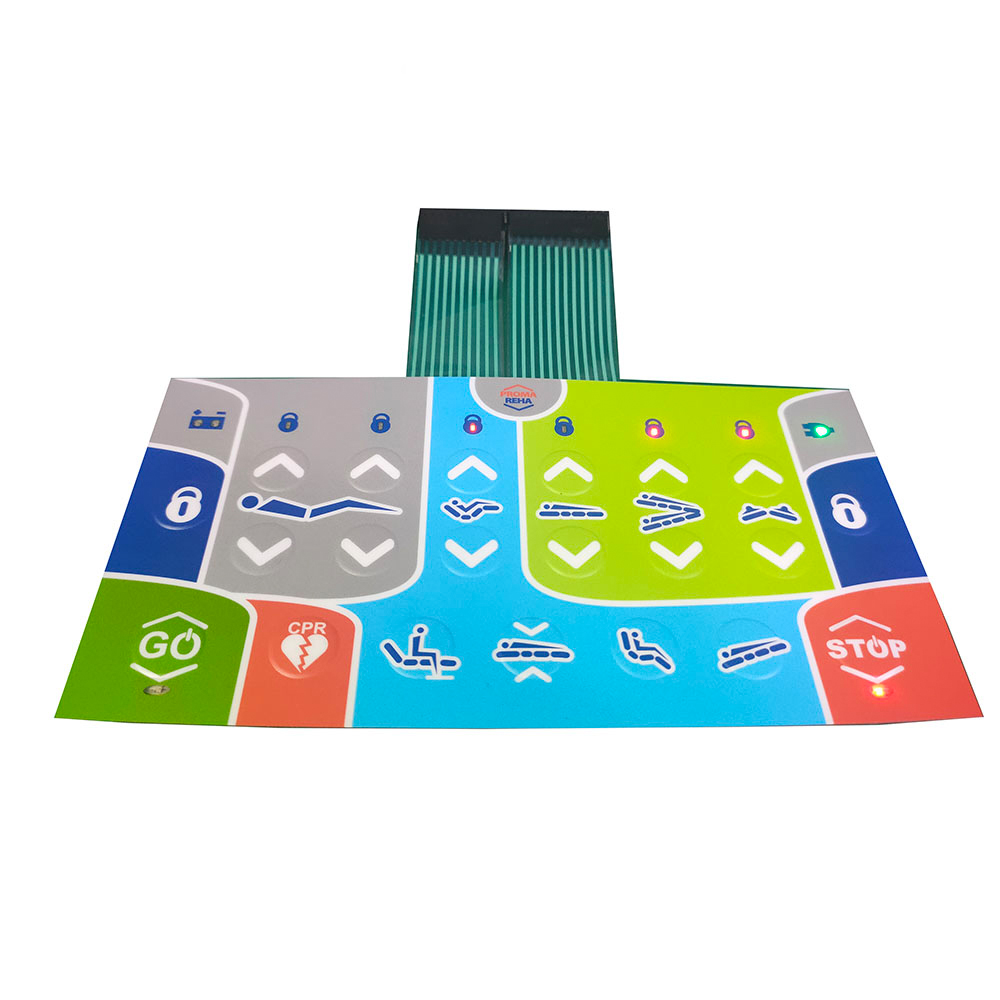
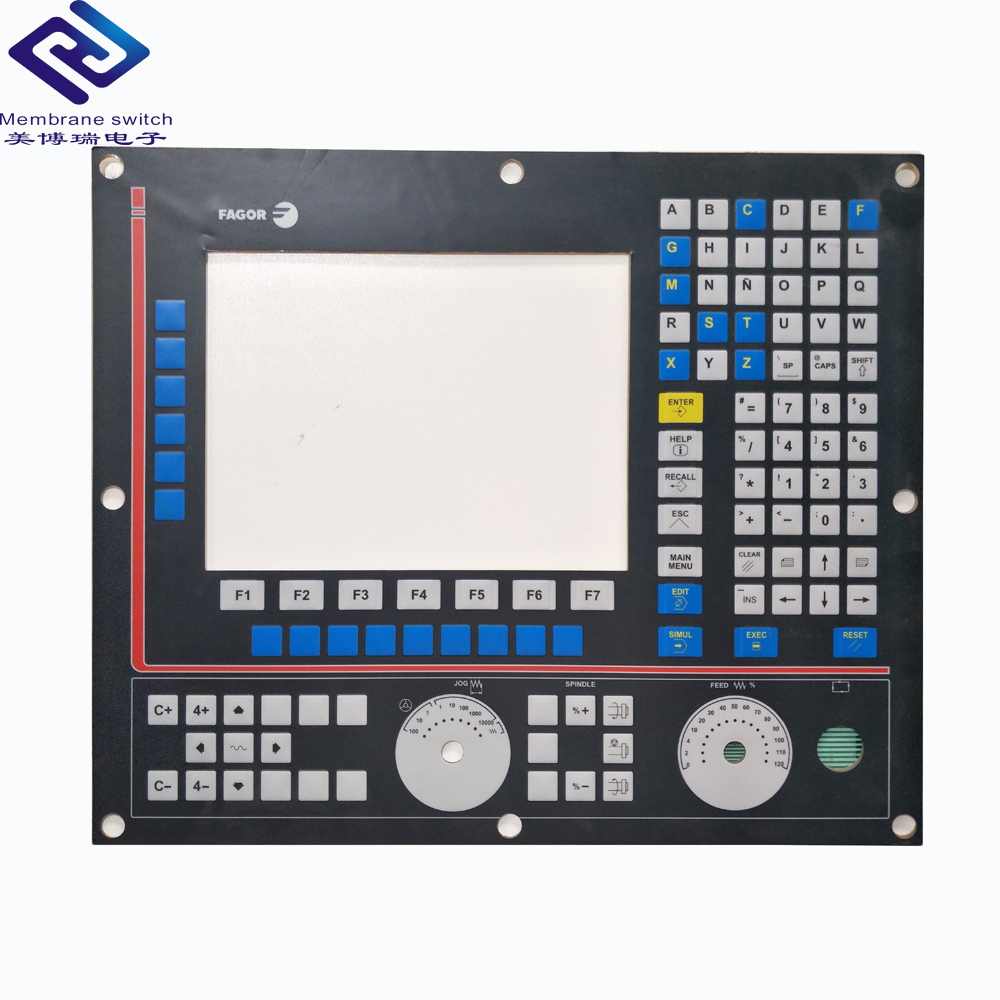
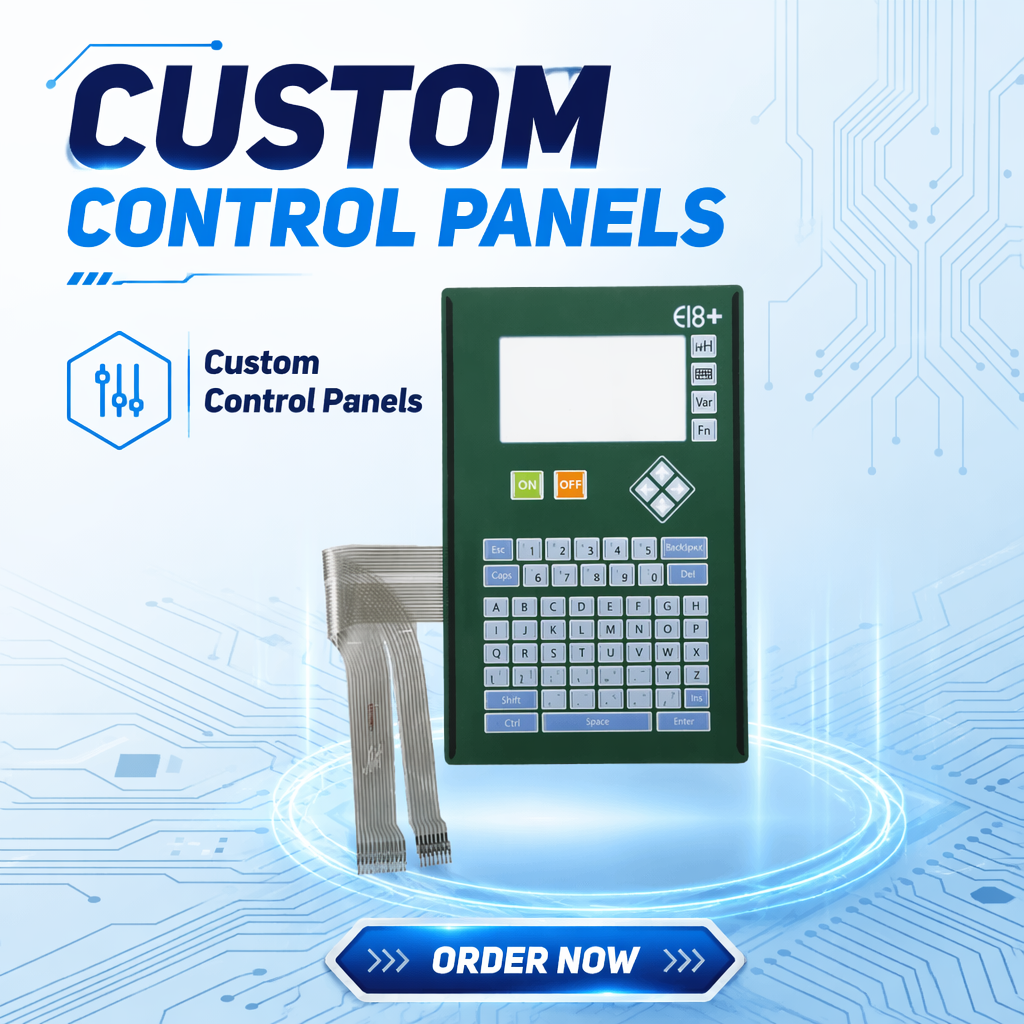
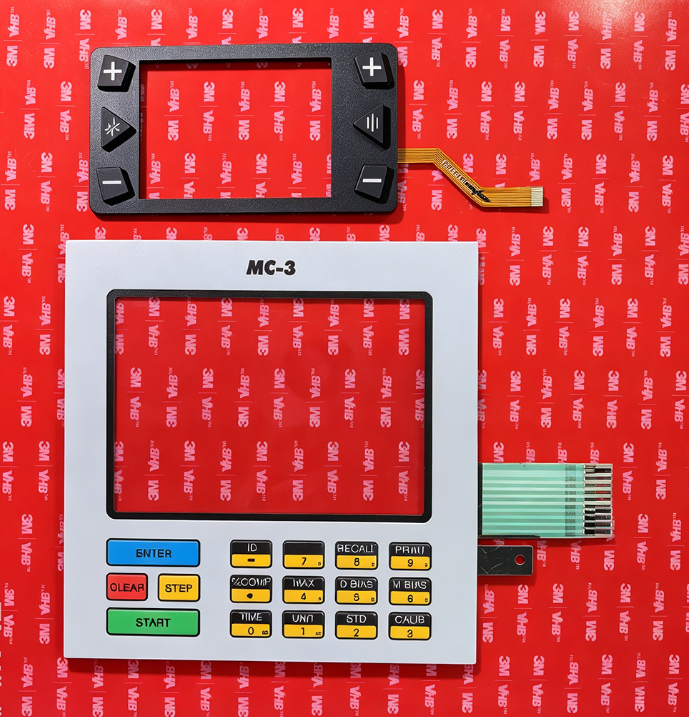
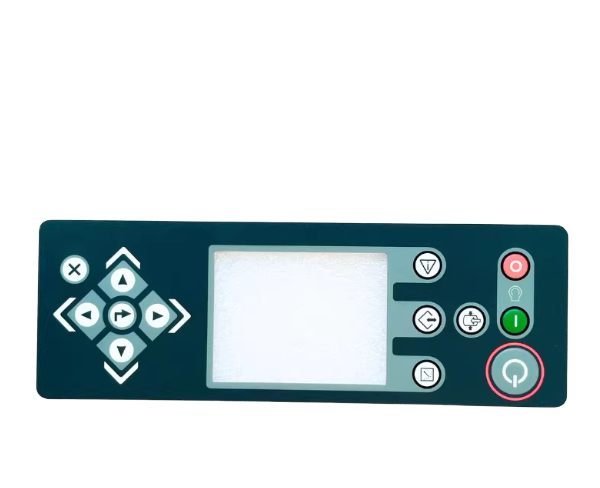
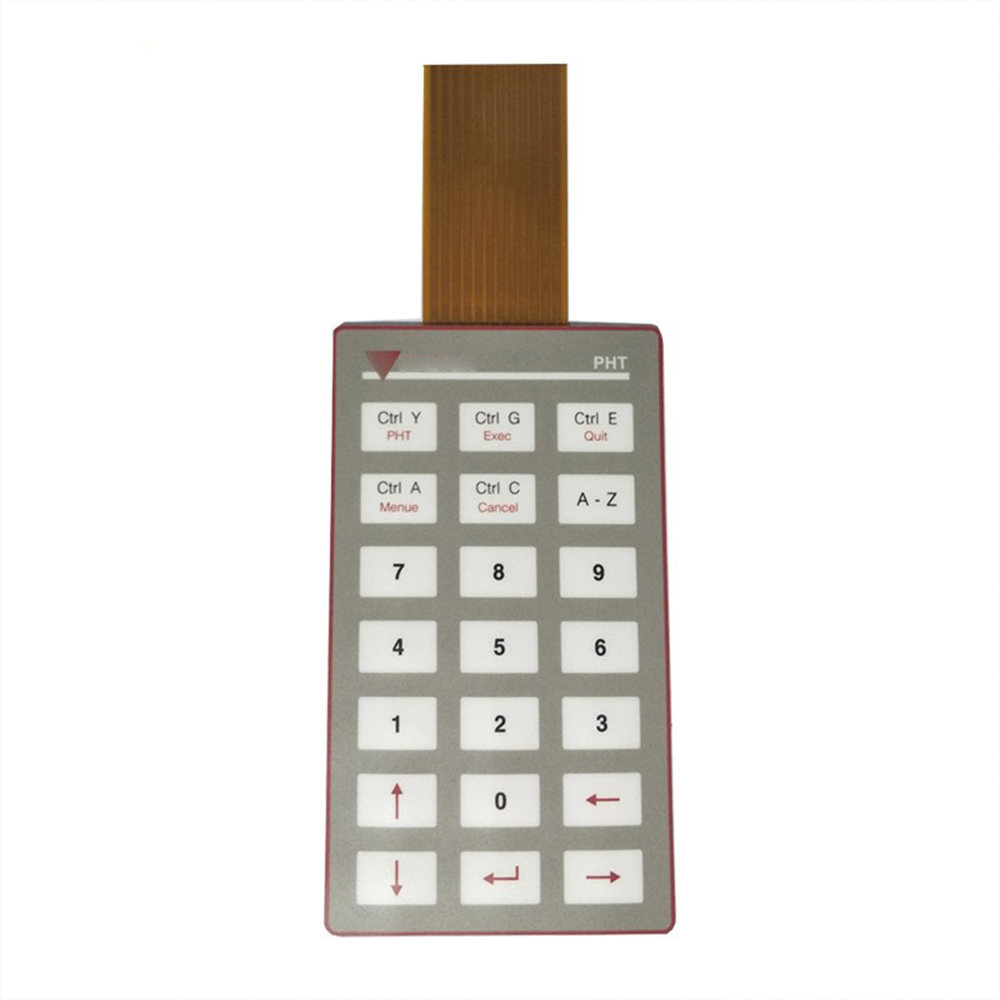
An in-depth whitepaper analysis on custom polymer choice, optical clarity specs, window treatment technologies, and structural layer stack-ups for heavy industrial and medical HMIs.
In contemporary Human-Machine Interfaces (HMI), a Display Window Overlay serves as both the protective outer faceplate and the optical aperture for embedded LCD, LED, OLED, or VFD display modules. Functioning as the primary interface between the user and the underlying electronics, display window overlays must maintain structural integrity under severe mechanical stress, exposure to aggressive cleaning solvents, UV radiation, and outdoor environmental fluctuations.
Custom graphic window overlays are engineered by combining advanced optical-grade polymers—such as biaxially oriented Polyethylene Terephthalate (PET), Polycarbonate (PC), or PMMA Acrylic—with selective back-surface screen printing, precision selective texturing, and optically clear adhesives (OCA). Beyond basic aesthetics, an engineered overlay provides critical ingress protection (up to IP67/NEMA 4X seals), electro-static discharge (ESD) shielding, and light diffusion management.
Technical Stack-Up Analysis: A typical high-performance OEM Display Window Overlay comprises five specialized layers manufactured in registered cleanroom environments:
Selecting the correct plastic substrate is pivotal for ensuring long-term optical transparency, chemical tolerance, and dimensional stability. The table below outlines key technical parameters for primary overlay polymers used in custom OEM/ODM manufacturing:
| Material Parameter | Autotex PET (Polyester) | Polycarbonate (PC - Lexan) | PMMA (Acrylic) Lens | Optically Clear Glass |
|---|---|---|---|---|
| Optical Transmittance (VLT) | 88% - 91% | 86% - 89% | 92% - 93% | 94% - 98% |
| Abrasion / Pencil Hardness | 3H - 7H (Hardcoated) | HB - 2H (Standard) / 5H (Hardcoated) | 3H - 5H | 9H (Tempered) |
| Chemical / Solvent Resistance | Exceptional (Alcohols, Cleaners, Oils) | Moderate (Vulnerable to Esters/Ketones) | Good | Impervious |
| Flexural Fatigue Life | > 5,000,000 cycles (Ideal for Keypads) | < 50,000 cycles (Risk of Cracking) | Rigid (No flex) | Rigid |
| UV & Outdoor Resistance | Excellent (UV-stabilized XE grades) | Fair (Yellows unless UV coated) | Outstanding | Impervious |
| Embossing & Tactile Domes | Ideal for Pillow/Rim Embossing | Suitable for Shallow Embossing | Not Applicable | Not Applicable |
High-gloss clear display windows offer pristine optical clarity for indoor displays. However, under direct sunlight or intense ambient factory lighting, specular reflection can cause eye fatigue. Selective Anti-Glare texturing scatters reflected light, boosting display readability without compromising character sharpness.
Dead-front printing uses semi-transparent tint layers over window areas. When the backlighting or LED display is off, the window area appears completely black and seamless with the surrounding graphic panel. Once illuminated, the icon or display screen shines through brightly.
For medical diagnostic equipment and food processing facilities, overlays are treated with silver-ion technology (such as Microban or Autotex AM). This permanently inhibits bacterial growth (99.9% reduction of MRSA and E. coli) while withstanding daily washdowns with bleach and isopropyl alcohol.
Operating since 1990, TAVO Electronic Information Technology Co., Ltd. combines three decades of membrane keypad and graphic overlay manufacturing expertise with state-of-the-art precision tooling.
Our headquarters and primary production cleanrooms span 2,219 square meters in the Robot Industry Port of Xianghe Economic Zone (Langfang, Hebei), supplemented by our southern processing base in Huizhou, Guangdong. Order production is balanced across both facilities to optimize lead times.
Equipped with 37 precision screen printing lines, 4 Japanese Mimaki digital UV printers for high-resolution graphics, 18 laser-cutting machines, 60 CNC mold-making setups, and automated optical inspection (AOI) stations to ensure exact color matching (Pantone/RAL) and zero defect rates.
Every product line undergoes rigorous validation in our onsite laboratory, utilizing programmable temperature/humidity chambers (-40°C to +125°C), Xenon lamp UV aging test chambers, automatic salt fog corrosion testers, computer continuity testers, and key stroke life-cycle actuators.
International Quality Standards & Compliance: TAVO maintains a long-term technical partnership with leading German membrane switch manufacturers, integrating European precision standards into our daily quality management system. Onsite operations are certified under ISO 9001:2015 and audited by Intertek, with all raw materials compliant with RoHS 3.0, REACH, and UL 94V-0 flame retardancy specifications.
Key industry directions driving the procurement of custom HMIs, optical window overlays, and touch control keypads for 2025 and beyond.
Traditional mechanical window overlays leave a small air gap between the polymer lens and the TFT display, leading to parallax errors, internal reflections, and condensation risk. Modern OEM procurement is shifting rapidly toward direct optical bonding using liquid optically clear adhesives (LOCA) or dry film OCA, bonding the overlay directly to the LCD glass for perfect outdoor readability and high shock resistance.
End-users increasingly expect sleek, smartphone-like touch glass aesthetics without losing physical button feedback in critical industrial setups. Hybrid HMI overlays feature capacitive touch sensor zones (printed with transparent conductive inks or FPC circuits) combined with raised tactile metal domes for emergency stop buttons and blind operation controls.
Rather than using dozens of individual surface-mount LEDs that generate hot spots and raise power consumption, modern display overlays embed thin Light Guide Films (LGF). LGF technology routes light from a few side-firing LEDs evenly across the entire key layout and window perimeter, ensuring ultra-thin profiles (<1.5mm) and uniform light distribution.
Flush, non-porous front overlays designed for easy sanitization. Resistant to aggressive hospital disinfectants (CaviWipes, bleach solutions), featuring clear anti-glare display windows and antimicrobial surface layers for diagnostic equipment and infusion pumps.
Heavy-duty control panels constructed from scratch-resistant Autotex PET with rim-embossed tactile buttons. Engine-oil resistant, dust-proof, and splash-proof (IP65/IP67) to withstand harsh machine shop environments.
Outdoor UV-stabilized overlays engineered to prevent yellowing or embrittlement under continuous exposure to solar radiation. Integrated dead-front display windows and silicone gaskets ensure long service life in smart energy meters and outdoor wireless gear.
Answers to common engineering, technical, and procurement questions regarding custom display window overlays and membrane switch keypads.
Partner with a verified ISO 9001:2015 OEM/ODM manufacturer with 30+ years of technical experience. Request a free engineering stack-up review, material samples, or a instant project estimate today.