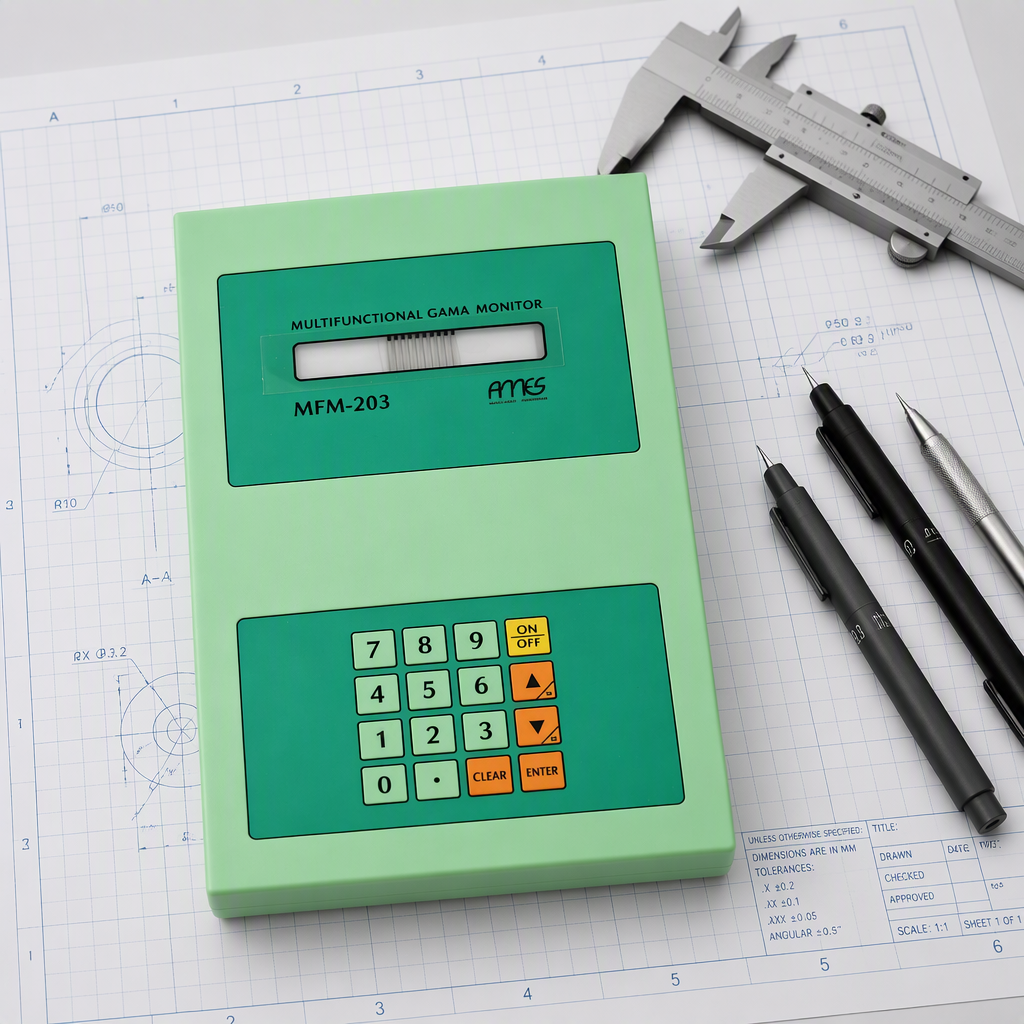
MEIBORUI Fast Turnaround Membrane Prototyping
- PET/PVC Substrates & Custom Sizes
- ISO Certified Fast Tooling
- Low MOQ Sample Orders Supported
Custom engineered human-machine interfaces designed for harsh industrial, medical, and commercial environments.
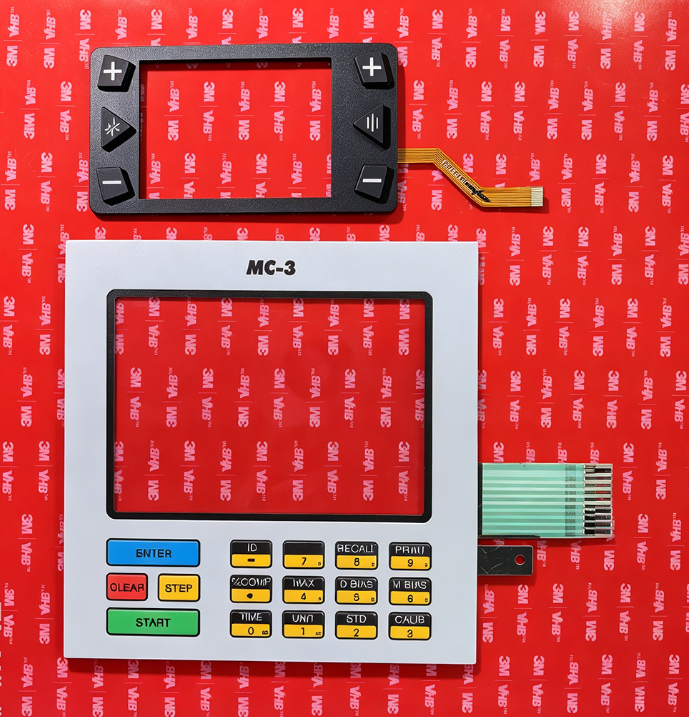
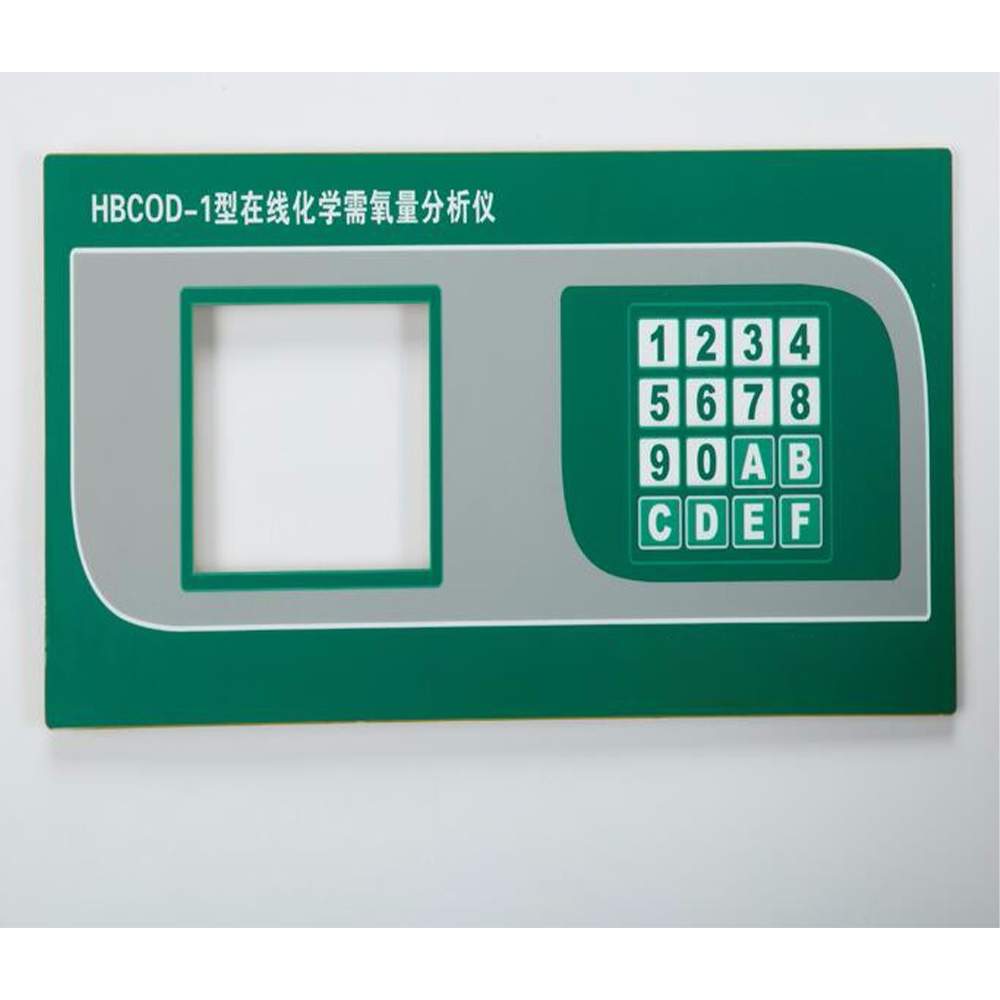
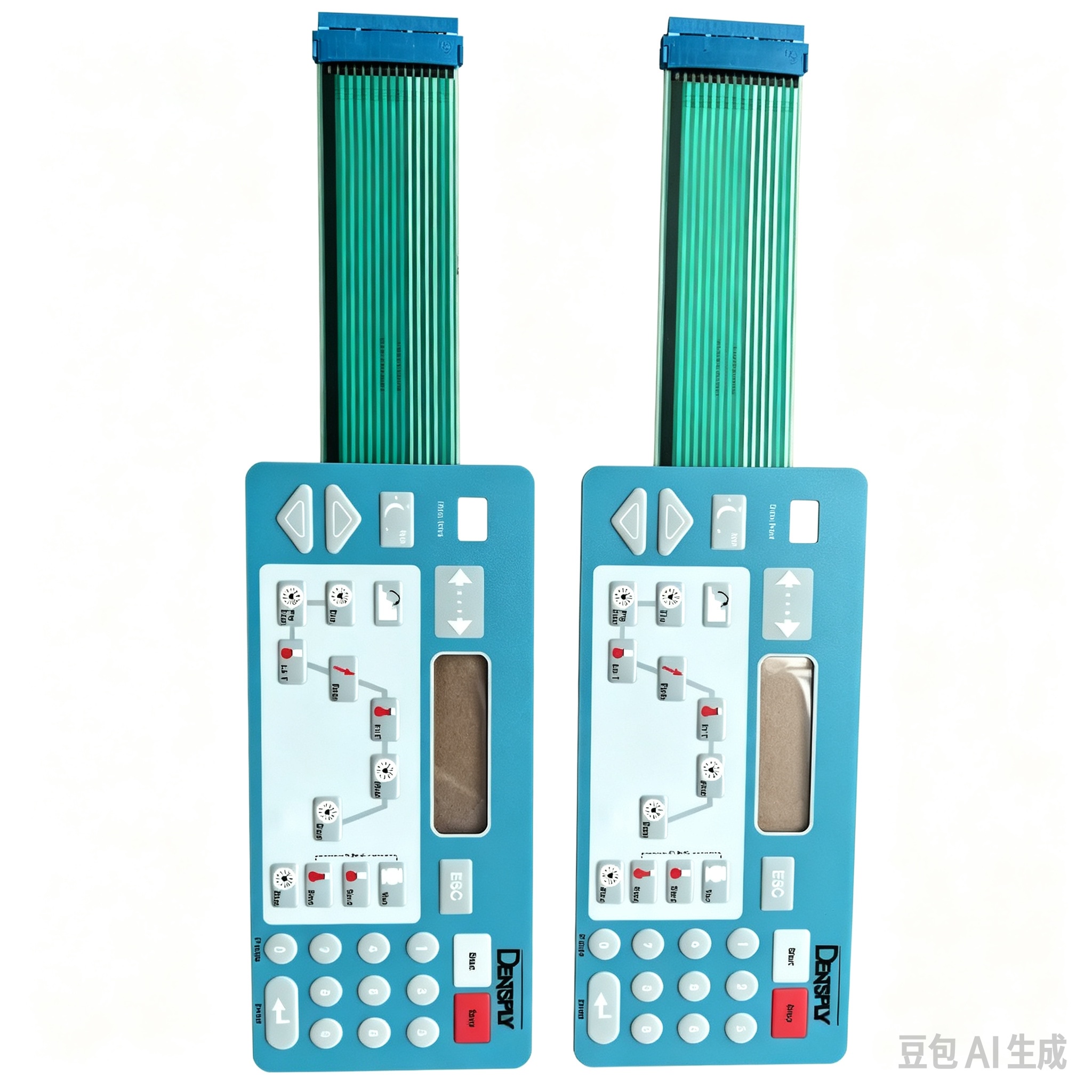
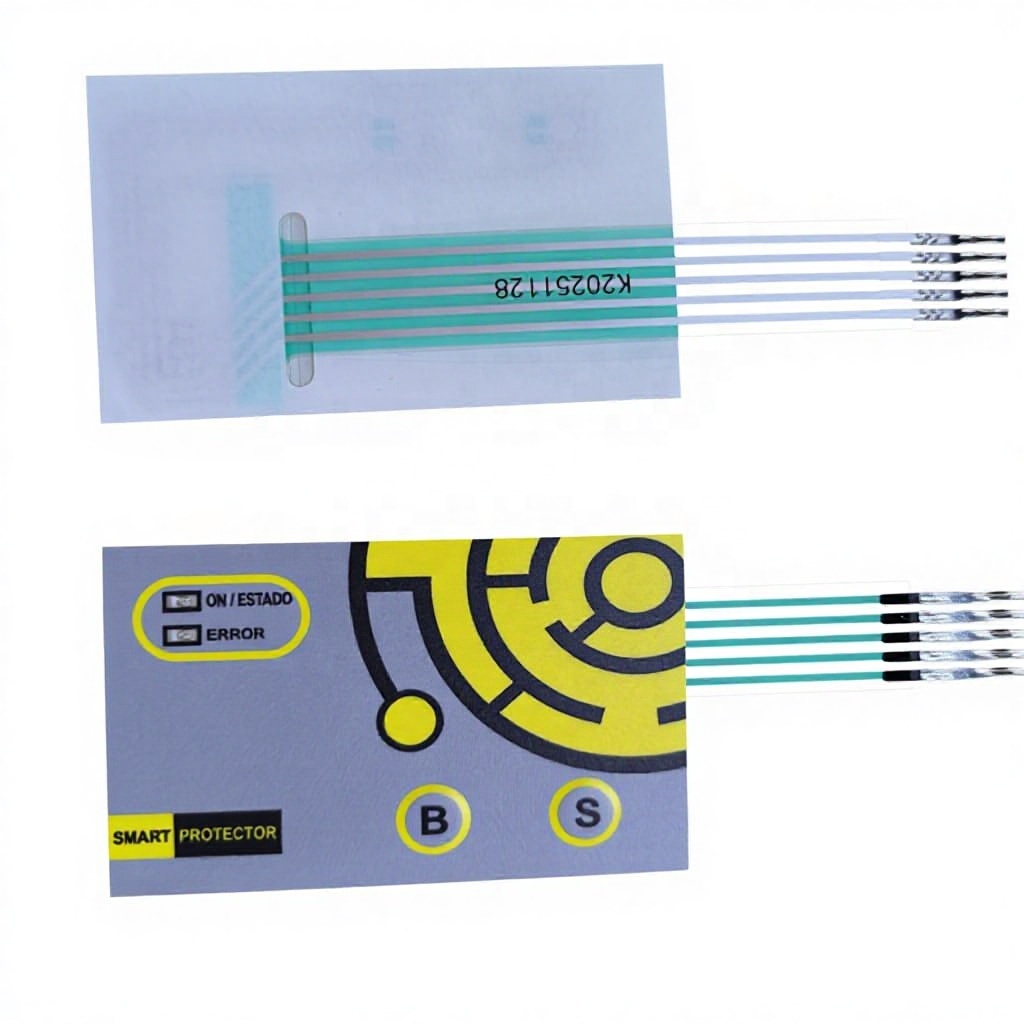
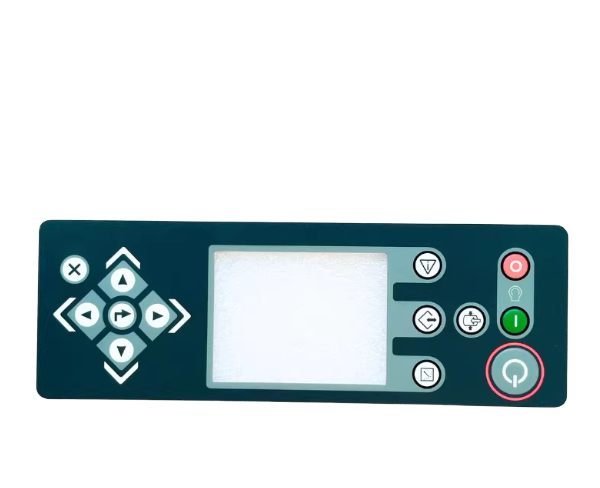
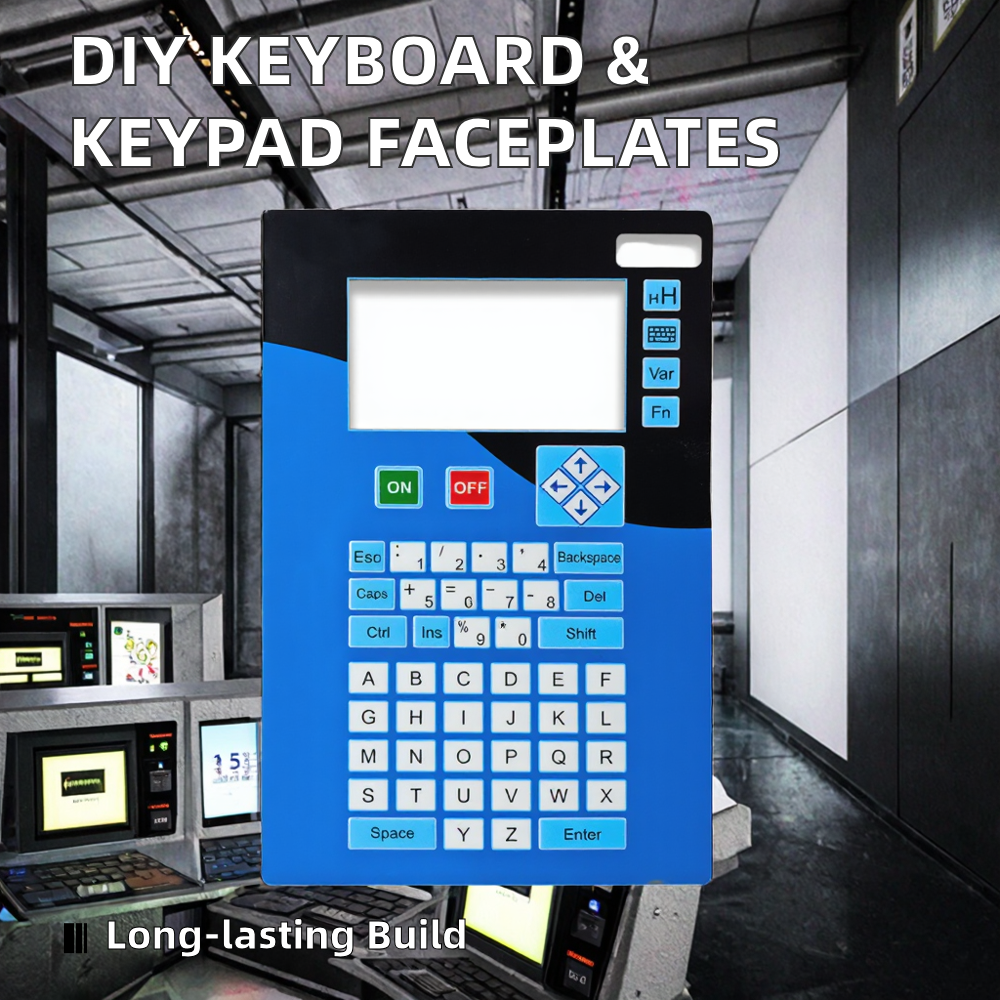
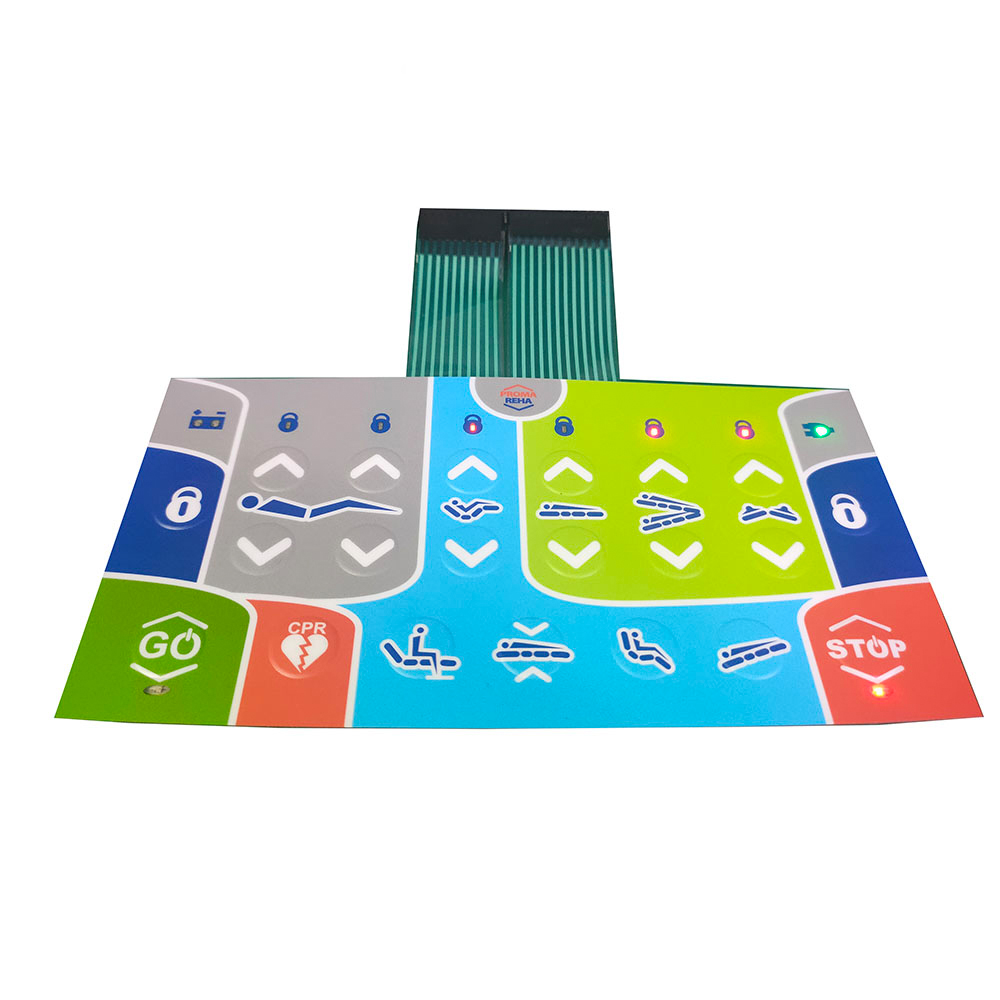
An in-depth analysis of structural layer composition, polymer material selection, and electrical circuit performance for modern Human-Machine Interfaces (HMIs).
In modern industrial design, medical instrumentation, commercial appliances, and automotive controls, the flexible touch switch (commonly categorized alongside custom membrane keypads and flexible capacitive sensor panels) serves as the primary gateway for user communication. Unlike legacy discrete mechanical switches, flexible touch switches offer fully sealed planar or embossed operator interfaces that prevent ingress of dust, liquids, chemical solvents, and electromagnetic interference (EMI).
A high-reliability custom membrane switch or flexible touch control panel comprises several engineered thin-film layers bonded together with specialized acrylic pressure-sensitive adhesives (such as 3M 200MP, 3M 467MP, or 3M 468MP). Understanding this stack-up is crucial for hardware procurement engineers specifying OEM/ODM solutions:
Acts as the external user interface. Manufactured from optical-grade Autotype Polyester (PET) or Polycarbonate (PC) ranging from 0.125mm to 0.25mm thickness. Features sub-surface second-surface screen printing or digital UV printing to ensure zero graphic wear during heavy cleaning.
Provides crisp mechanical feedback via stainless steel metal domes (Four-leg, Round, or Triangle domes) or poly-domes embossed directly into the film overlay layer. Acrylic spacer layers insulate contact gaps until user actuation pressure is applied.
Printed with conductive silver/carbon inks on flexible PET film, or fabricated as a Kapton-based Flexible Printed Circuit (FPC) with etched copper traces. Incorporates dielectric insulation coatings to eliminate silver migration under ambient humidity.
Selecting the optimal substrate material dictates chemical durability, actuation life cycle, optical window transparency, and thermal limits of your OEM custom keypad. Below is our engineering comparison matrix based on decades of manufacturing data:
| Material Property | Polyester (PET) | Polycarbonate (PC) | Polyimide (Kapton / FPC) | Polybutylene Terephthalate (PBT) |
|---|---|---|---|---|
| Flexural Fatigue Life | > 5,000,000 Cycles | ~ 100,000 Cycles | > 10,000,000 Cycles | High Rigid Cap Application |
| Chemical Resistance | Superior (Alcohols, Cleaners, Oils) | Moderate (Vulnerable to Solvents) | Exceptional Chemical Inertness | Excellent Industrial Resistance |
| Operating Temp Range | -40°C to +85°C | -30°C to +105°C | -40°C to +125°C+ | -40°C to +130°C |
| Optical Clarity (Windows) | Very High (Autoflex Hardcoat) | Excellent Natural Transparency | Amber / Opaque | Opaque / Solid Colors |
| Best Suited Application | Industrial HMIs & Medical Keypads | Low-flex Overlay & Housings | High-density SMT & Fine Pitch Circuits | Heavy-duty Caps & Key Assemblies |
How emerging materials, backlight integration, and capacitive sensing are reshaping next-generation operator controls.
Traditional pressure-actuated membrane switches are rapidly evolving into continuous Capacitive Flexible Touch Panels. By replacing mechanical metal domes with ultra-thin ITO (Indium Tin Oxide) or printed copper sensor arrays, OEMs achieve sleek, completely flat glass/plastic front surfaces. These zero-force touch controls support multi-touch gestures, proximity sensing, and seamless wipe-down cleaning essential for modern medical isolation wards and food processing plants.
Eliminating uneven hot spots in dark control environments is now achieved via LGF (Light Guide Film) technology. By optically bonding ultra-thin micro-etched polycarbonate guide films over surface-mount side-firing LEDs, light is distributed perfectly across key icons, text, and dead-front graphic borders with minimal power consumption and ultra-low profile height (<1.5mm overall stack thickness).
To combat display reflection and moisture condensation in outdoor field equipment, Optically Clear Adhesive (OCA) bonding is used to laminate touch layers directly to LCD/OLED displays. Furthermore, sub-surface anti-microbial hardcoats are now applied to polyester overlay layers, continuously neutralizing bacterial contamination in critical medical diagnostic equipment.
Strategic shifting towards integrated HMI modules, early-stage engineering involvement, and rigorous vendor compliance.
Procurement teams are moving away from sourcing standalone membrane overlays, PCB sub-assemblies, display windows, and metal backplates from separate suppliers. Strategic sourcing managers prefer single-source OEM/ODM partners capable of delivering fully integrated box-build HMI sub-assemblies—combining rigid aluminum backer plates, custom FPC circuits, optical LCD display bonding, SMT LED components, and pre-tested wire harnesses. This reduces internal factory assembly time and minimizes logistical supply chain risks.
Leading global buyers now engage membrane switch manufacturers during the initial concept design stage rather than post-prototype. Through Design for Manufacturability (DFM) reviews, engineers analyze circuit resistance, pin-out routing, dome actuation forces (from 160g to 400g), key embossing heights, and connector strain relief. Early technical collaboration prevents expensive tooling revisions, streamlines prototype turnaround times to under 7 business days, and ensures high first-pass yields during high-volume ramp-up.
Geopolitical stability and uninterrupted delivery schedules require manufacturers to possess resilient production footprints. Sourcing strategies favor manufacturers operating dual-production facilities with balanced capacity allocation. Having automated screen printing, CNC tooling, and environmental test labs distributed across specialized manufacturing hubs ensures uninterrupted replenishment schedules for critical OEM production lines worldwide.
Global regulatory frameworks including EU RoHS 3, REACH SVHC, and Halogen-Free mandates require complete material traceability. Procurement teams require comprehensive material composition disclosures (MDS) along with salt fog corrosion test reports, UV degradation testing, and lifecycle validation exceeding 1 million to 5 million operations. Partnering with ISO 9001 and Intertek-assessed facilities ensures long-term operational peace of mind.
Over three decades of concentrated focus on custom membrane switches, graphic overlays, and flexible circuit manufacturing.
Every critical operation—CAD drawing conversion, film output, precision silk-screen printing, digital Mimaki UV printing, key embossing, laser die-cutting, cleanroom assembly, and 100% electrical computer testing—is executed strictly inside our owned facilities.
Our workshop houses 60 CNC mold-making machines, 37 precision screen printing lines, 18 automated high-speed laser cutters, 4 Mimaki heat-setting digital printers, and 7 digital engravers to handle prototype samples and high-volume mass production smoothly.
In cooperation with German technical partners, we maintain rigorous production standards. Our internal lab utilizes button life-cycle testers, programmable humidity/temp chambers, xenon lamp aging testers, and auto salt fog chambers to ensure total reliability.
Direct answers to engineering, file formatting, tooling, and lead time questions from our technical team.
To provide a detailed engineering review and itemized quote, please provide:
Stainless Steel Metal Domes: Placed inside the spacer gap between circuit layers. Provide a sharp, audible click with a distinct snap ratio. Typical actuation forces range from 220g to 400g with a lifespan of 1 to 5 million actuations. Preferred for industrial control rooms, automotive panels, and emergency stop interfaces.
Embossed Poly-Domes (Polyester Domes): Formed by thermally pushing tactile domes directly into the PET film layer and printing conductive ink underneath. Offer a softer tactile click, lower unit tooling cost, and high fatigue life (>2 million actuations). Ideal for high-volume commercial appliances and handheld electronics.
Waterproof sealing is engineered by implementing a continuous, un-punched perimeter adhesive gasket around the circuit cavity using high-tack acrylic adhesives (such as 3M 468MP or 3M 300LSE). The flexible connector tail exits through a specialized internal labyrinth seal or air-vent path that prevents water ingress while balancing atmospheric pressure changes, ensuring reliable IP67 protection against liquid washdowns and outdoor rain.
Screen Printing (Silkscreen): Best suited for medium to high-volume production runs. Deposits thick, vibrant, highly opaque ink layers with exact Pantone color matching and specialized metallic or textured varnish effects.
Digital UV Printing (Mimaki Printers): Ideal for rapid prototyping, short-run batches, photorealistic color gradients, and serial numbering without requiring physical screen stencil setup. Allows fast 24 to 48-hour graphic proofing.
Yes. To protect sensitive microcontrollers from static discharge (ESD up to 15kV) or severe high-frequency electromagnetic interference (EMI/RFI), we print a full coverage conductive aluminum foil layer, printed carbon grid, or selective silver grounding plane directly above the active circuit layer. This shielding plane connects to a dedicated ground trace in the flex tail.
Fast-Turn Prototypes: 5 to 7 business days following drawing approval.
Standard Mass Production: 12 to 15 business days depending on order complexity, tooling requirements (CNC steel male/female embossing dies vs laser cutting), and component SMT integration.
All finished membrane keypads and flexible touch panels undergo 100% automated computer circuit testing before packaging. Parts are stacked with non-scratch protective film interleave sheets, vacuum-sealed in anti-static ESD moisture-barrier bags, and packed into reinforced double-wall corrugated shipping cartons with corner protectors for safe express air freight (DHL, FedEx, UPS) or sea shipment.
Send us your project specifications, mechanical vector drawings, or circuit requirements. Our engineering team will deliver a comprehensive DFM review, material recommendation, and quote within 24 hours.