Featured OEM/ODM Circuit & HMI Assemblies
Engineered to exact engineering specifications with rigorous quality assurance, custom stack-ups, and international export certifications.
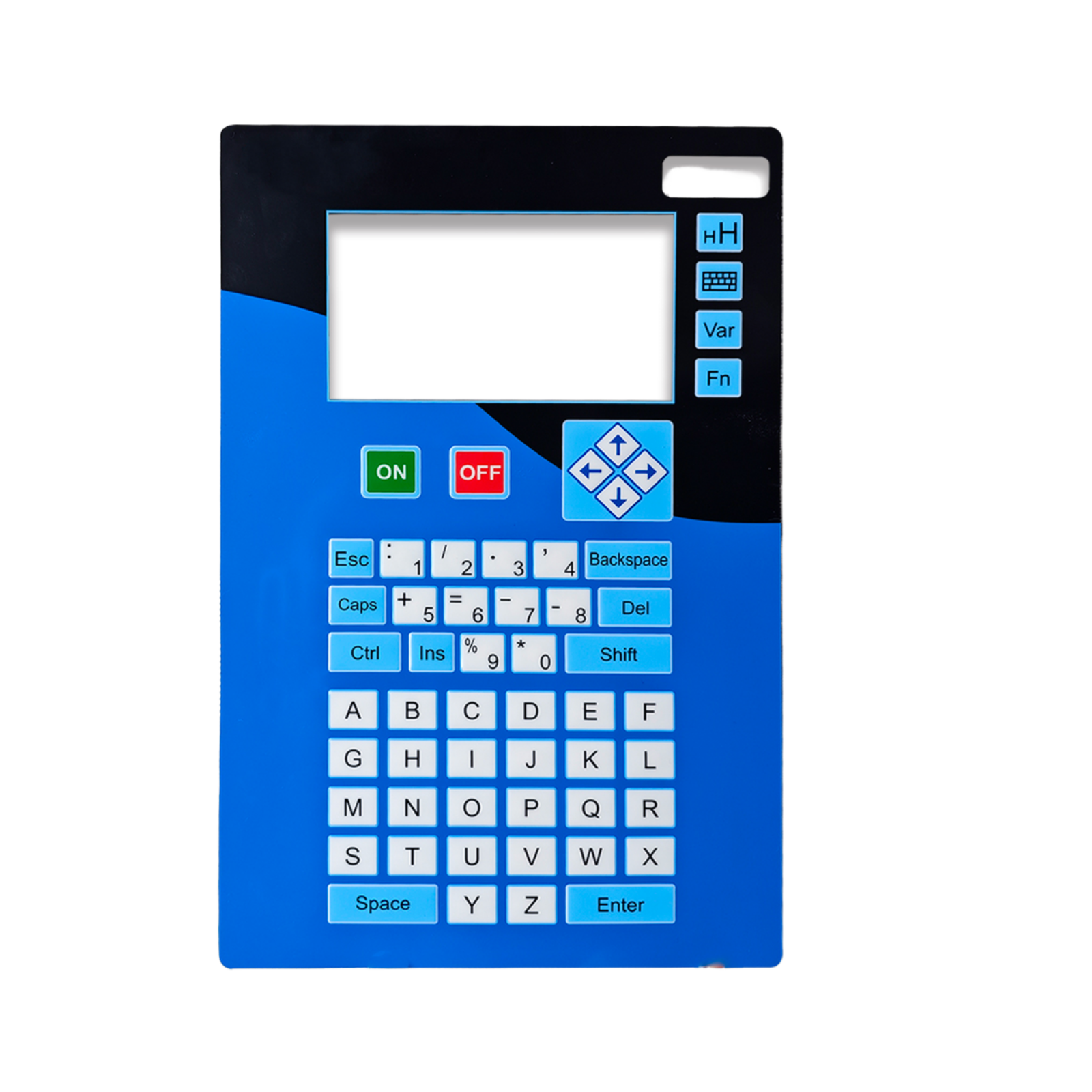
Custom Printed Membrane Switch Embossed Metal Dome Keypad Water-proof Home Appliance
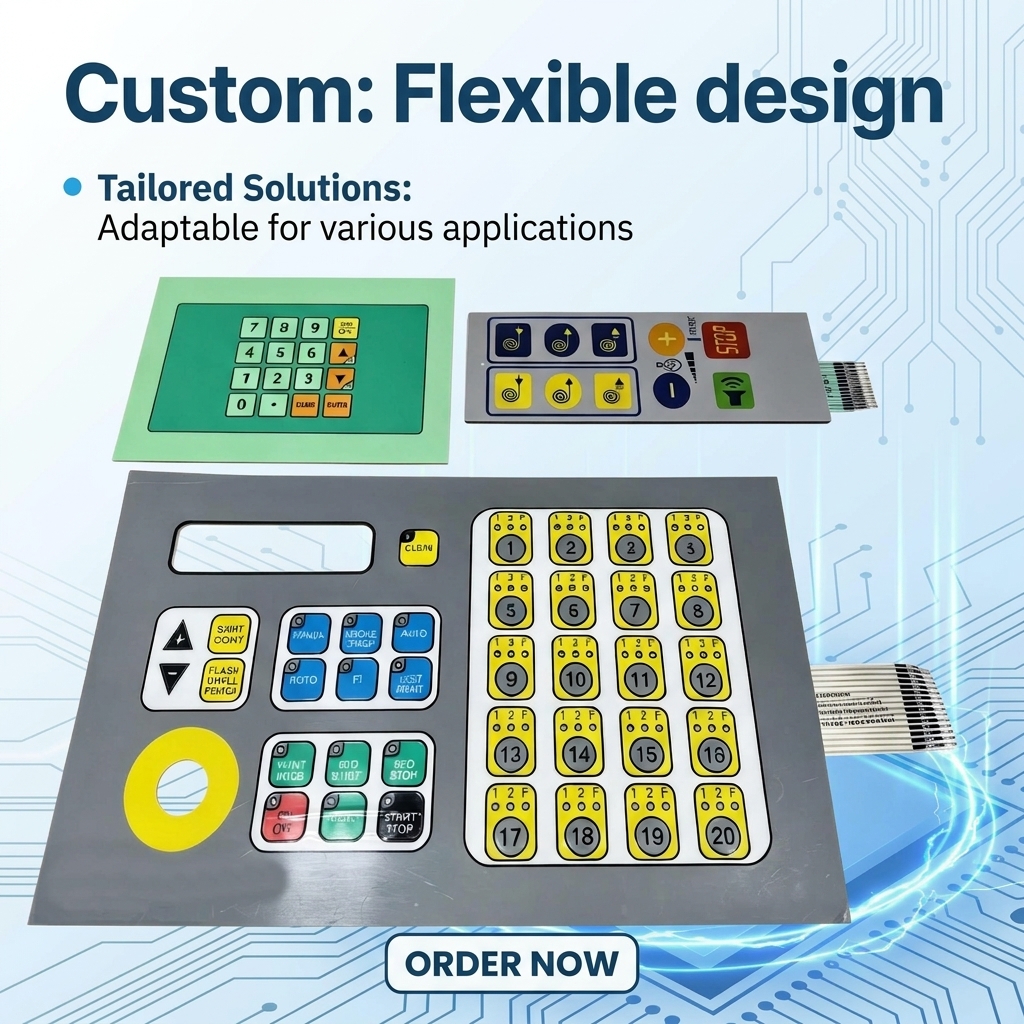
FPC Membrane Switch Keypad Flexible Circuit With LED Illumination for Railway Control Panel
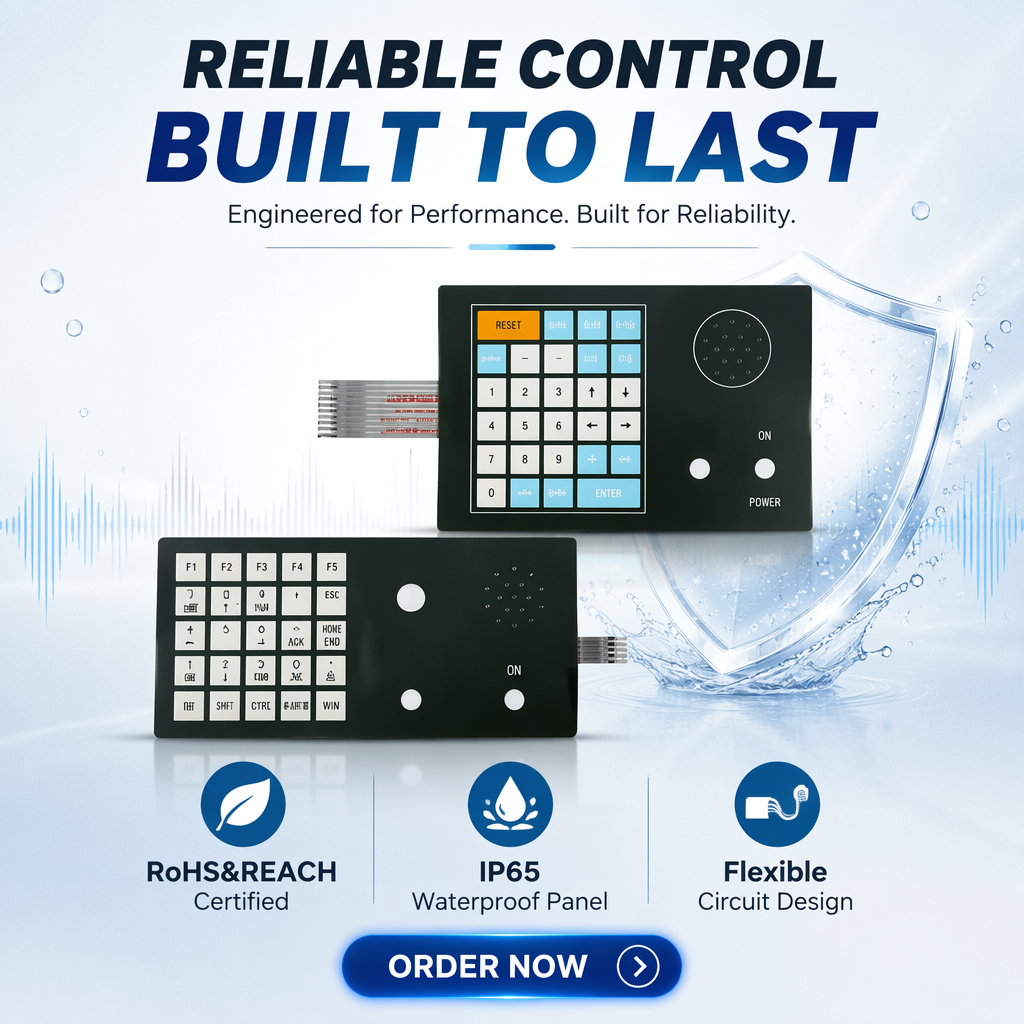
3x4 12 Key PET Matrix Array Membrane Button Switch Keyboard Keypad Waterproof Eco-friendly
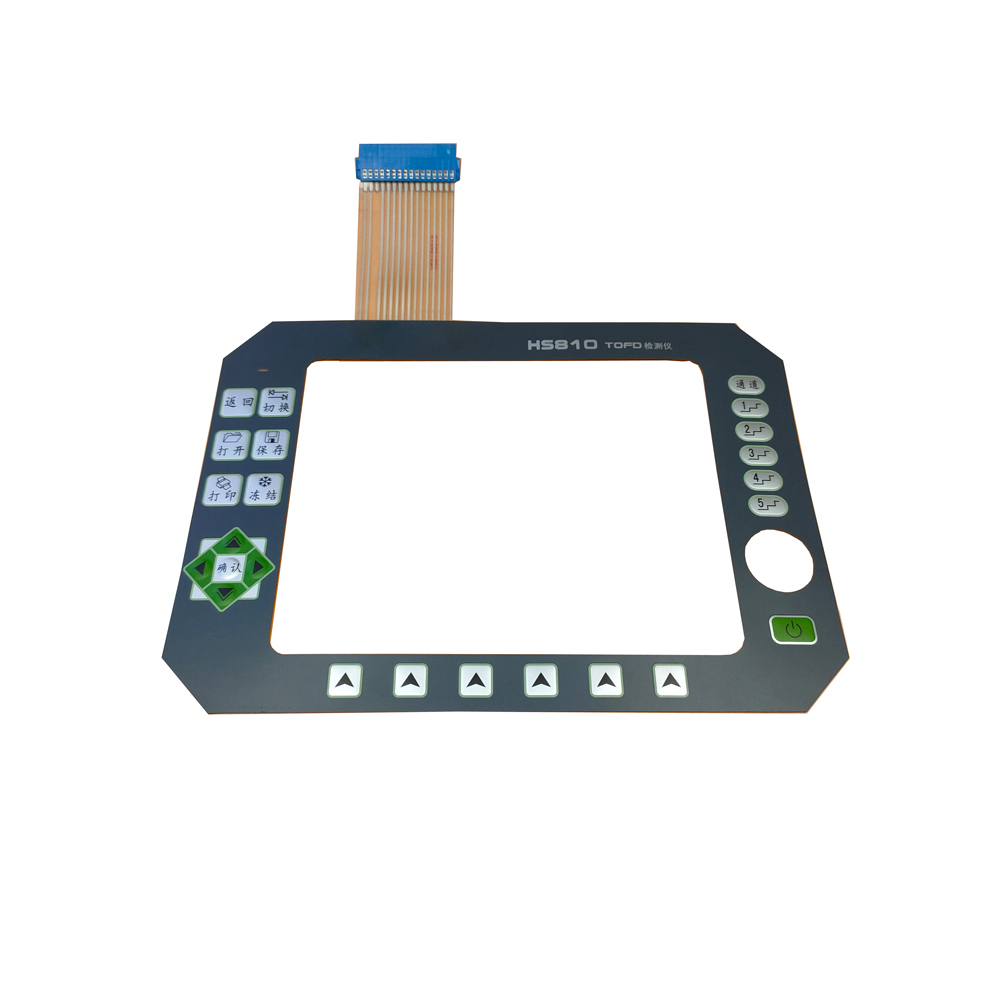
Custom PBT Keyboard Cap Silkscreen Printed Waterproof Adhesive Sticker Durable Computer Parts
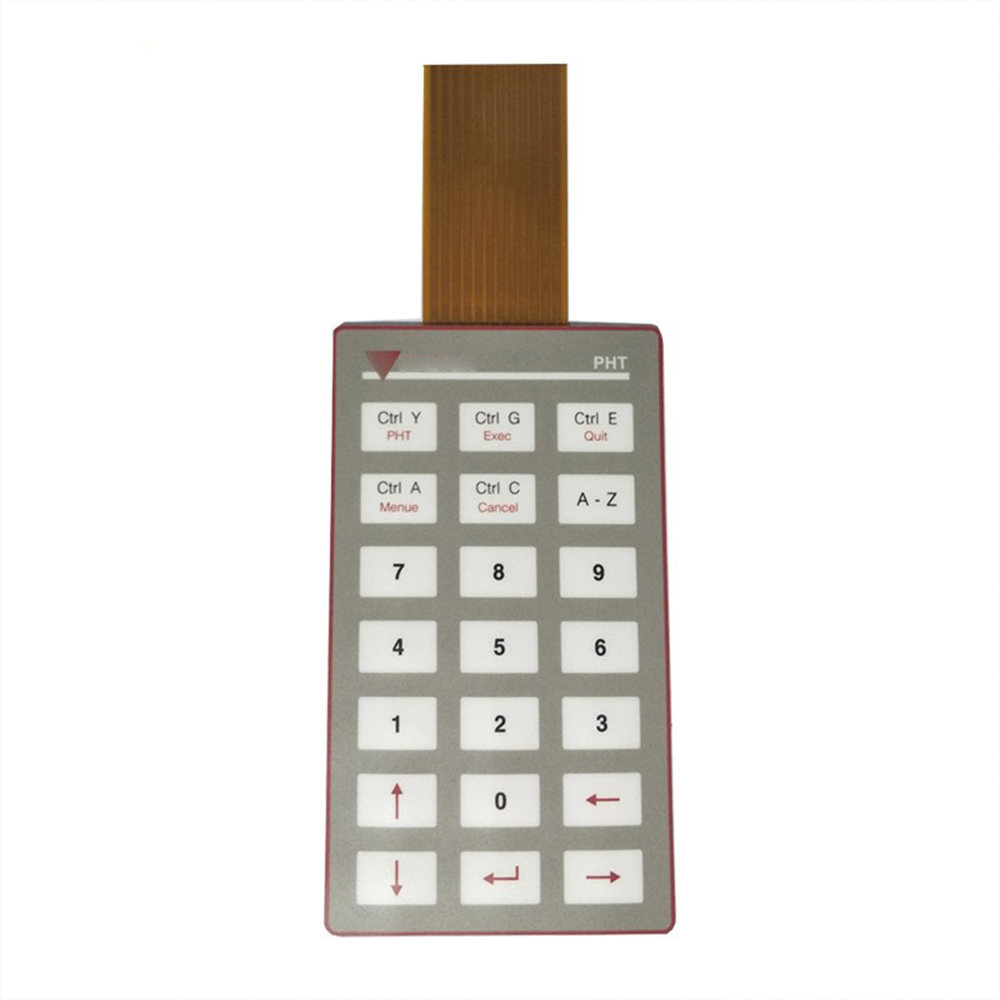
Computer Keyboard Membrane Panel Temperature Control Keypad Touch Switch Waterproof PET/PC
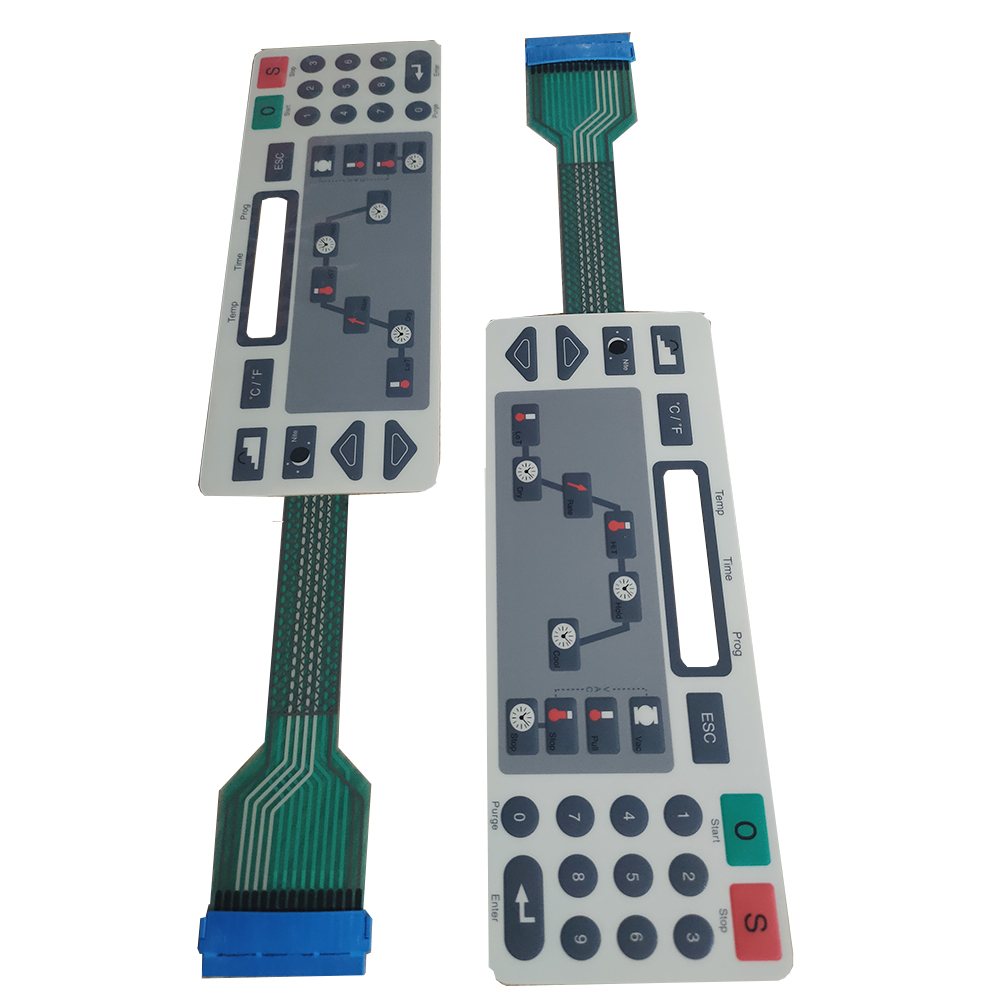
IP67 Waterproof 3M Adhesive Acrylic Metal/Poly Dome LCD Membrane Switch Custom Keypad
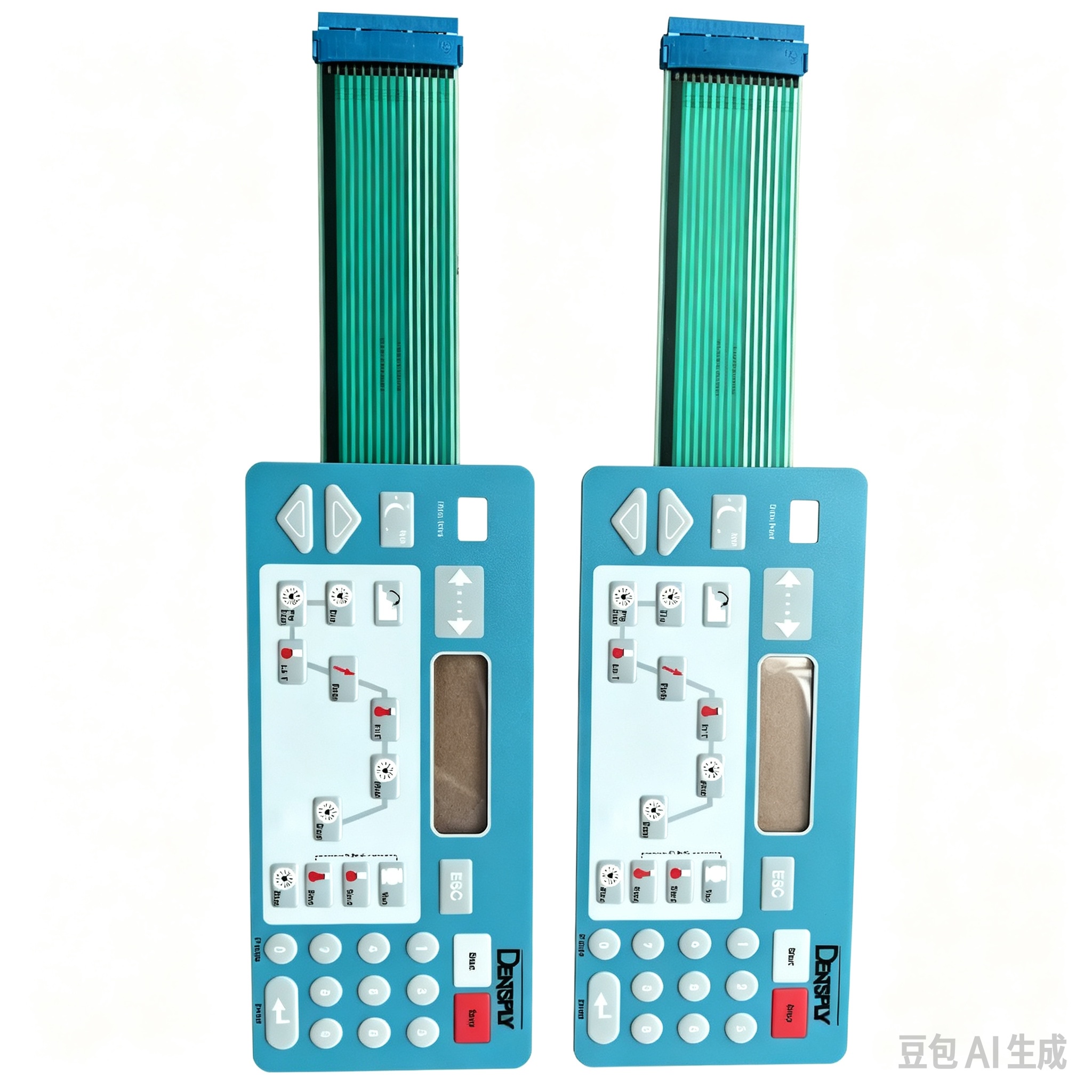
Factory Custom Waterproof Polyester Membrane Switch On Off Button Panel Overlay
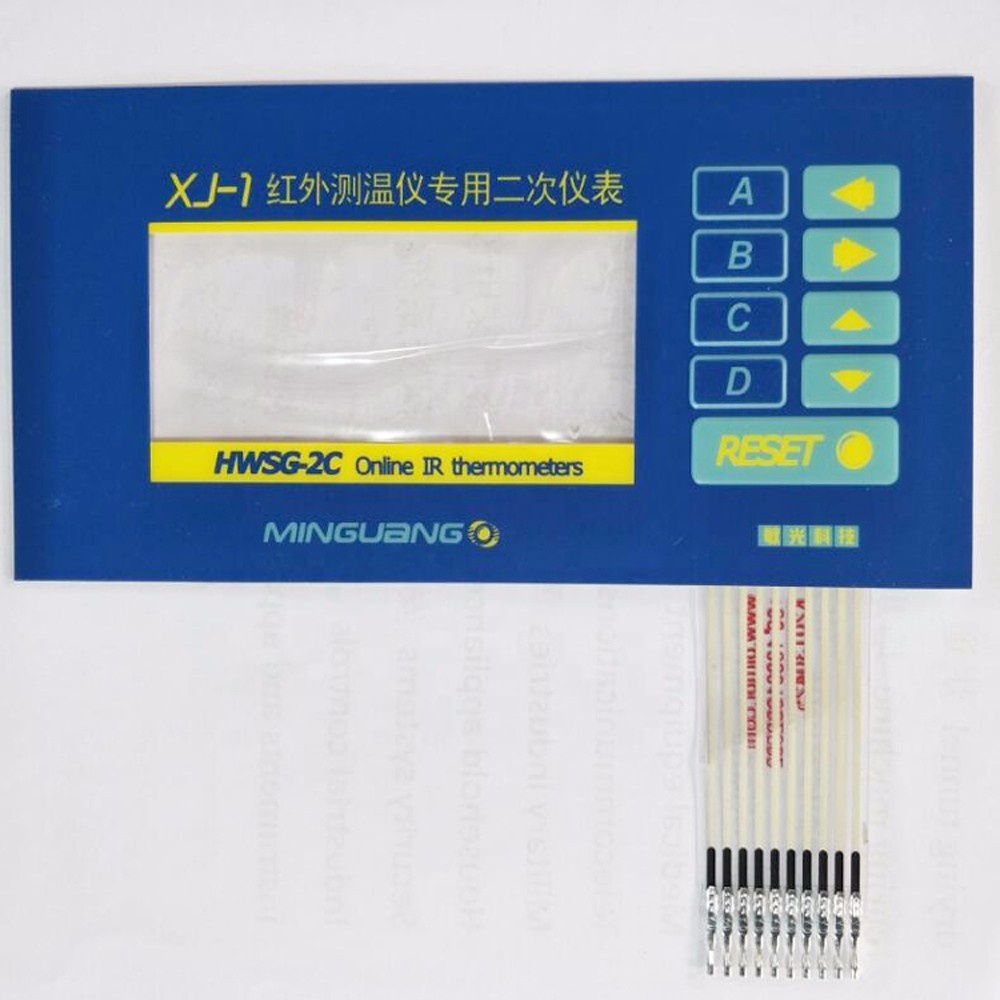
Fast Delivery OEM PBT Keyboard Cap Mechanical Switch Compatible Silkscreen Printed 2.54mm Pitch
Enterprise Strengths & Global Manufacturing Authority
Three decades of specialized engineering, dual production hubs, and strict ISO 9001:2015 quality frameworks.
Tracing our technical lineage back to 1990, TAVO Electronic Information Technology Co., Ltd. has spent over thirty years mastering the research, engineering, and precision fabrication of Flexible Printed Circuit (FPC) board assemblies, membrane switches, graphic overlays, and integrated human-machine interfaces (HMI). Our operational footprint bridges high-precision manufacturing and global procurement demands through strategic infrastructure and international technical collaboration.
We operate dual production facilities located strategically in the Robot Industry Port of Xianghe Economic & Technological Development Zone (Langfang, Hebei) and a secondary advanced processing base in Huizhou, Guangdong. This dual-base architecture provides unmatched production redundancy and dynamic workload balancing. Machinery allocation is optimized across both locations so order processing is matched precisely to specialized equipment—preventing bottlenecks and ensuring zero-compromise lead times.
Through a long-standing technical exchange agreement with leading German membrane and circuit manufacturers, TAVO integrates European tolerance standards, advanced polyimide (PI) etching methodologies, and rigorous visual and electrical inspection workflows directly into our factory floor.
Our operations are fully assessed on-site by Intertek and certified under ISO 9001 quality management systems. Major global OEMs including Siemens, ABB, and Haier rely on TAVO custom circuits in high-reliability fields such as high-speed rail locomotives, clean energy power plants, medical diagnostic equipment, and defense systems.
Engineering Specifications & Material Stack-Up Architecture
Comprehensive engineering analysis of high-reliability FPC flexible circuits and integrated HMI modules.
Flexible Printed Circuits (FPCs) represent the critical connectivity backbone where dynamic flexure, weight reduction, and extreme space efficiency are mandated. Unlike rigid PCB solutions, FPCs utilize flexible dielectric substrates that maintain stable electrical performance across millions of bending cycles. Below is an engineering overview of our standard and advanced OEM/ODM stack-up configurations:
Base Substrates & Dielectrics
Polyimide (PI) film ranging from 0.5 mil to 5 mil thickness is utilized for high-thermal durability (-40°C to +125°C). Polyester (PET) substrates are available for cost-sensitive commercial applications.
Conductor Metallurgy
Rolled Annealed (RA) copper foils for extreme dynamic flexibility and high-frequency bending, or Electro-Deposited (ED) copper for ultra-fine trace definition down to 0.075mm (3 mil) line/space width.
Coverlays & Surface Finishes
Polyimide coverlays with modified acrylic or epoxy adhesives provide environmental sealing. Surface finishes include ENIG (Electroless Nickel Immersion Gold), Immersion Silver/Tin, and Selective Hard Gold Plating.
Stiffeners & Mechanical Backers
Integrated FR4, Polyimide, Stainless Steel, or Aluminum backer plates bonded via thermally conductive adhesives to support SMT connectors, ZIF tails, and component mounting zones.
Backlighting Integration
Surface-mount Micro LEDs, Light Guide Film (LGF) networks, and side-firing optic systems integrated directly onto the FPC layer to ensure crisp, uniform key and symbol illumination.
EMI & ESD Shielding
Printed silver grid, aluminum foil laminate, or specialized carbon EMI shielding layers applied directly to neutralize electromagnetic interference in critical medical and industrial controls.
| Technical Parameter | Standard Commercial Grade | High-Precision Industrial / Medical Grade |
|---|---|---|
| Base Material Thickness | 0.025mm - 0.050mm (PET / PI) | 0.0125mm - 0.125mm (High-Temp Polyimide) |
| Minimum Line Width / Spacing | 0.125mm / 0.125mm (5 mil) | 0.075mm / 0.075mm (3 mil HDI Class) |
| Copper Foil Type & Weight | 1/2 oz (18µm) ED Copper | 1/3 oz to 2 oz RA (Rolled Annealed) Copper |
| Dielectric Voltage Breakdown | ≥ 1500V DC | ≥ 2500V DC (Enhanced Insulation) |
| Actuation Life Cycle (Tactile Domes) | 1,000,000 cycles | 5,000,000+ cycles (Stainless Steel Metal Domes) |
| Operating Temperature Window | -20°C to +70°C | -40°C to +125°C (Extended Thermal Tolerance) |
| Environmental Sealing Class | IP54 Dust & Splash Protection | IP67 / IP68 Hermetic Sealing (3M Marine Adhesive) |
Future Procurement Trends in FPC Circuits & HMI Integrations
Strategic market analysis for engineering buyers, component specifiers, and global supply chain managers.
As global OEM manufacturers accelerate product miniaturization, IoT connectivity, and ergonomic interface design, procurement directors must adapt to shifting technological demands. Sourcing strategy is no longer confined to unit price evaluation; it hinges on choosing manufacturing partners capable of delivering integrated micro-engineering, robust environmental compliance, and rapid supply chain responsiveness.
1. Convergence of Rigid-Flex & Embedded SMT Assemblies
Buyers are moving away from discrete wiring harnesses toward fully integrated Rigid-Flex FPC assemblies. Direct Surface Mount Technology (SMT) integration of microcontrollers, tactile drivers, active LEDs, and ZIF connectors directly onto the flexible circuit eliminates secondary interconnect costs and drastically reduces physical enclosure depth.
2. Sustainability & Halogen-Free Materials Compliance
Global regulatory bodies (RoHS 3, REACH, TSCA) are enforcing stringent material audits. Modern procurement requires halogen-free polyimide resins, lead-free HASL/ENIG surface chemistry, and eco-friendly UV-cured digital printing inks that lower carbon footprints without compromising dielectric breakdown thresholds.
3. Transition to Digital UV Printing & Rapid Tooling
To support agile hardware development and short-run market testing, factories equipped with high-precision digital UV inkjet printers (such as TAVO's Mimaki digital array) bypass traditional silkscreen prep costs. This allows custom graphic overlay prototyping and short-run production within 72 hours.
Technology Development Trends & Smart Surface Evolution
The roadmap from mechanical switches to intelligent, touch-responsive graphic control surfaces.
The human-machine interface landscape is undergoing a massive shift from basic mechanical pushbuttons to smart dynamic surfaces. Driven by advancements in smart home appliances, automotive cockpits, medical equipment, and industrial automation, future FPC circuit boards and membrane panels are evolving across several key vectors:
- Capacitive Touch Circuit Integration: Transitioning from physical contact closure to capacitive proximity sensors printed directly onto copper FPC layers, allowing sleek, continuous glass or acrylic front surfaces with zero mechanical wear.
- Light Guide Film (LGF) Uniform Illumination: Replacing bulky cluster LEDs with ultra-thin (0.125mm) micro-structured optical light guide films that distribute side-emitted LED light uniformly across complex icons, preventing hot spots and optical bleed.
- Optically Clear Adhesive (OCA) Window Bonding: Utilizing bubble-free optical bonding film to laminate anti-glare display windows directly over TFT screens and LCD panels, guaranteeing IP67 splash proofing and pristine crystal-clear visibility.
- Hybrid Polycarbonate/PBT Wear-Resistant Coatings: Incorporating hard-coated texturing films with selective matte/gloss finishes, scratch resistance (≥3H pencil hardness), and chemical immunity against harsh hospital disinfectants and industrial oils.
In-House Manufacturing Infrastructure & Quality Control Testing
Vertical integration guarantees rigorous quality control from CAD design to final product testing.
A persistent risk in international sourcing is sub-tier supplier outsourcing. TAVO maintains total vertical control over every production phase inside our owned facilities. Our engineering infrastructure houses high-precision equipment to satisfy full-scale OEM volume manufacturing:
Reliability Testing Laboratory: Quality is verified in our dedicated environmental test lab before shipment. Our quality control procedure includes 100% computer circuit testing (open/short circuit detection), button actuation life testing, programmable temperature and humidity environmental cycling chambers, xenon lamp UV aging acceleration chambers, and automatic salt fog corrosion testing for harsh environment verification.
Frequently Asked Questions (Sourcing & Technical FAQ)
Answers to common engineering questions regarding drawing formats, stack-ups, lead times, and trade terms.
What vector artwork and schematic file formats are required to start tooling?
We accept CAD drawings in DXF, DWG, or STEP format for mechanical dimensions and tail layouts. Graphic overlays require graphic vector files in Adobe Illustrator (.AI), CorelDRAW (.CDR), or high-resolution vector PDF with Pantone (PMS) or RAL color references specified. Circuit schematics can be provided as Gerber, netlists, or PDF wiring pin-outs.
Does TAVO accommodate low-volume prototype orders and pilot production runs?
Yes. We support agile prototyping and low minimum order quantities (MOQ). Bypassing hard tooling through digital laser cutting and UV inkjet printing enables rapid prototype delivery in as little as 3 to 5 business days, allowing design validation prior to mass volume tooling.
What is the difference between silver ink membrane circuits and polyimide FPC copper circuits?
Silver ink circuits are screen-printed onto PET film, offering an economical solution for low-current commercial keyboards and appliances. Polyimide FPC copper circuits use etched solid copper foil, which supports higher circuit density, lower electrical resistance, fine-pitch ZIF tail connectors, reflow SMT component soldering, and superior durability under repeated dynamic bending.
How are waterproof ratings (IP67 / IP68) achieved on custom HMI panels?
Waterproof sealing is achieved using continuous perimeter gasket layers made with premium 3M closed-cell acrylic foam adhesives (e.g., 3M 200MP, 3M 300LSE, or 3M VHB series). The graphic overlay is engineered without break lines around display windows, sealing internal silver/copper circuitry against moisture, splash, and dust ingress.
What internal quality control and electrical testing steps are conducted for export orders?
Every custom batch undergoes 100% automated computer circuit testing for continuity, contact resistance, and insulation resistance. Physical samples undergo key force actuation profiling, cross-hatch paint adhesion testing, thermal shock conditioning, and visual color matching under standard D65 illumination booths.
What international trade delivery terms and payment options are supported?
We support standard international commerce terms including FOB (Free on Board), CFR (Cost and Freight), CIF (Cost, Insurance, Freight), and EXW (Ex Works). Accepted payment methods include Wire Transfer (T/T), Letter of Credit (L/C), and D/P D/A in USD, EUR, or CNY.
Start Your Custom OEM/ODM Circuit Project Today
Submit your engineering drawings, schematic requirements, or graphic concept. Our senior engineering team will provide a manufacturability review, stack-up recommendation, and competitive quote within 24 hours.
Send an Inquiry