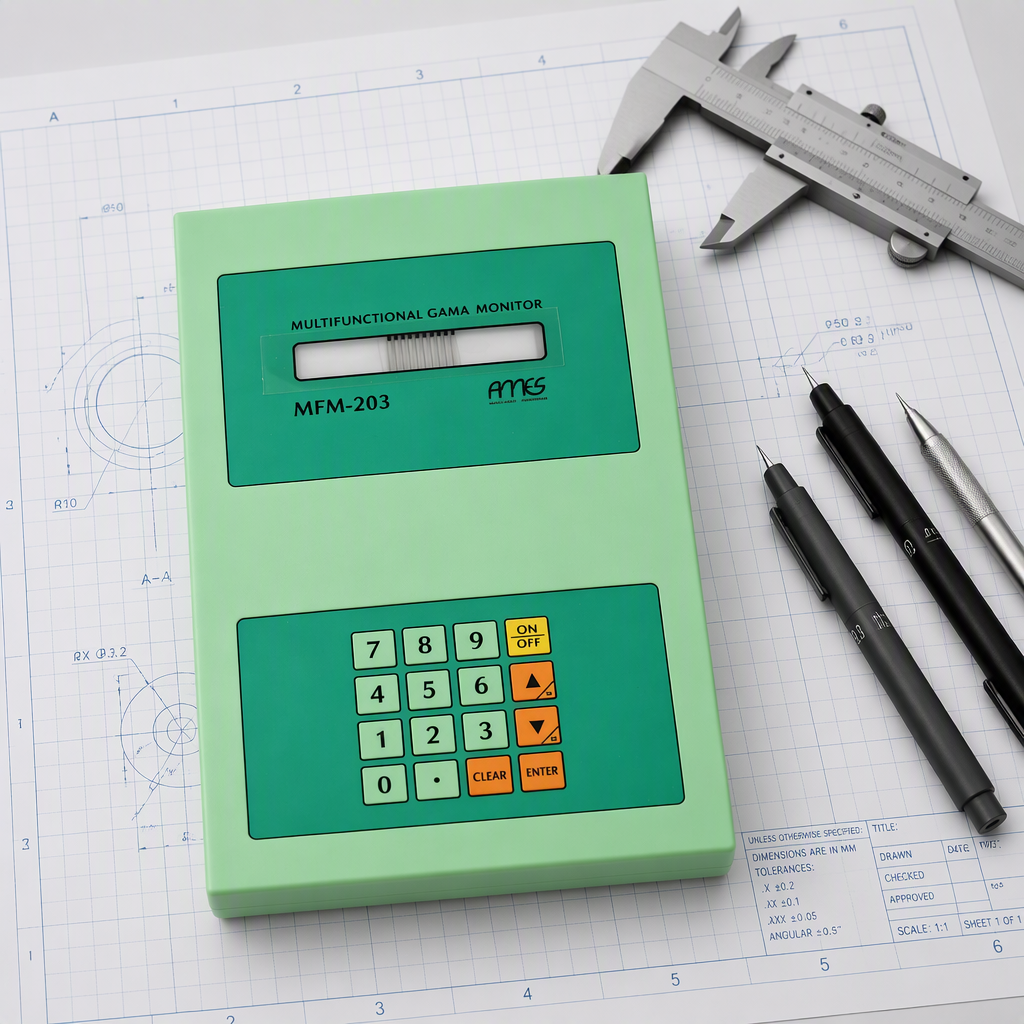
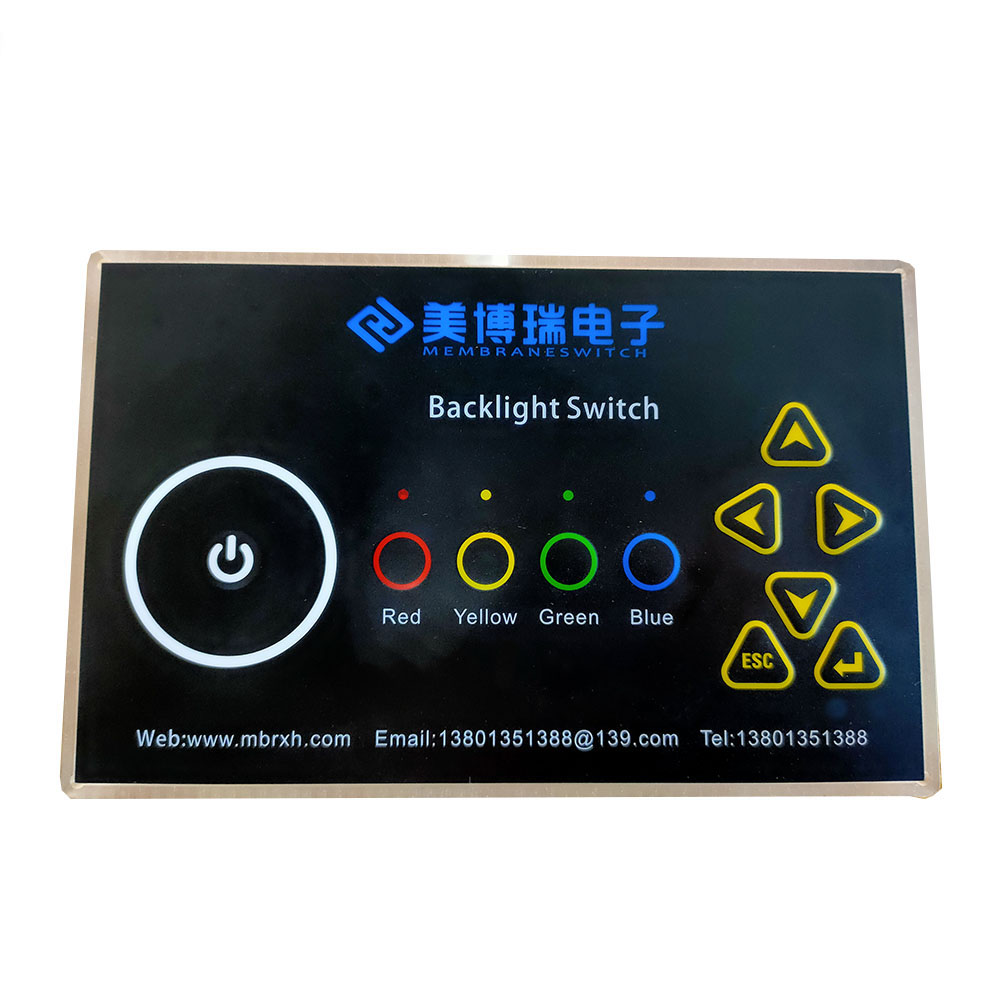
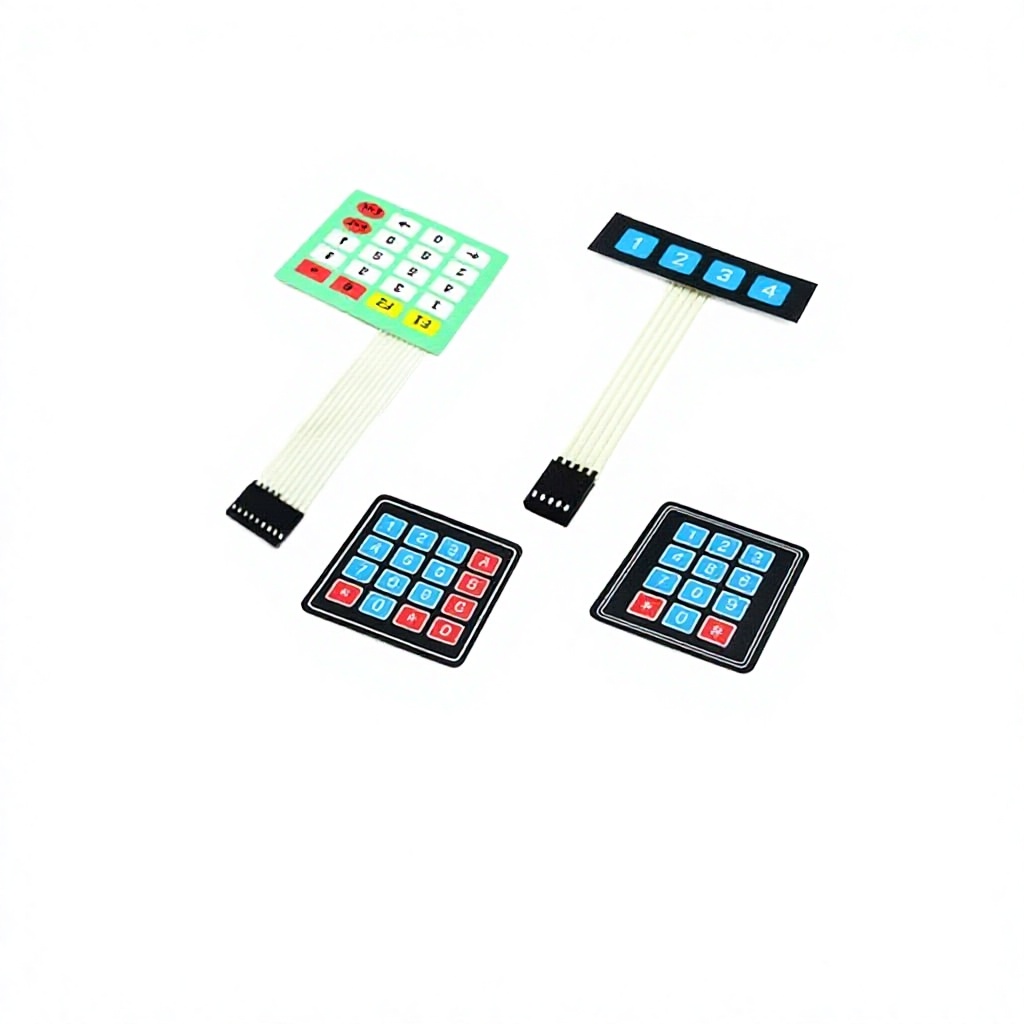
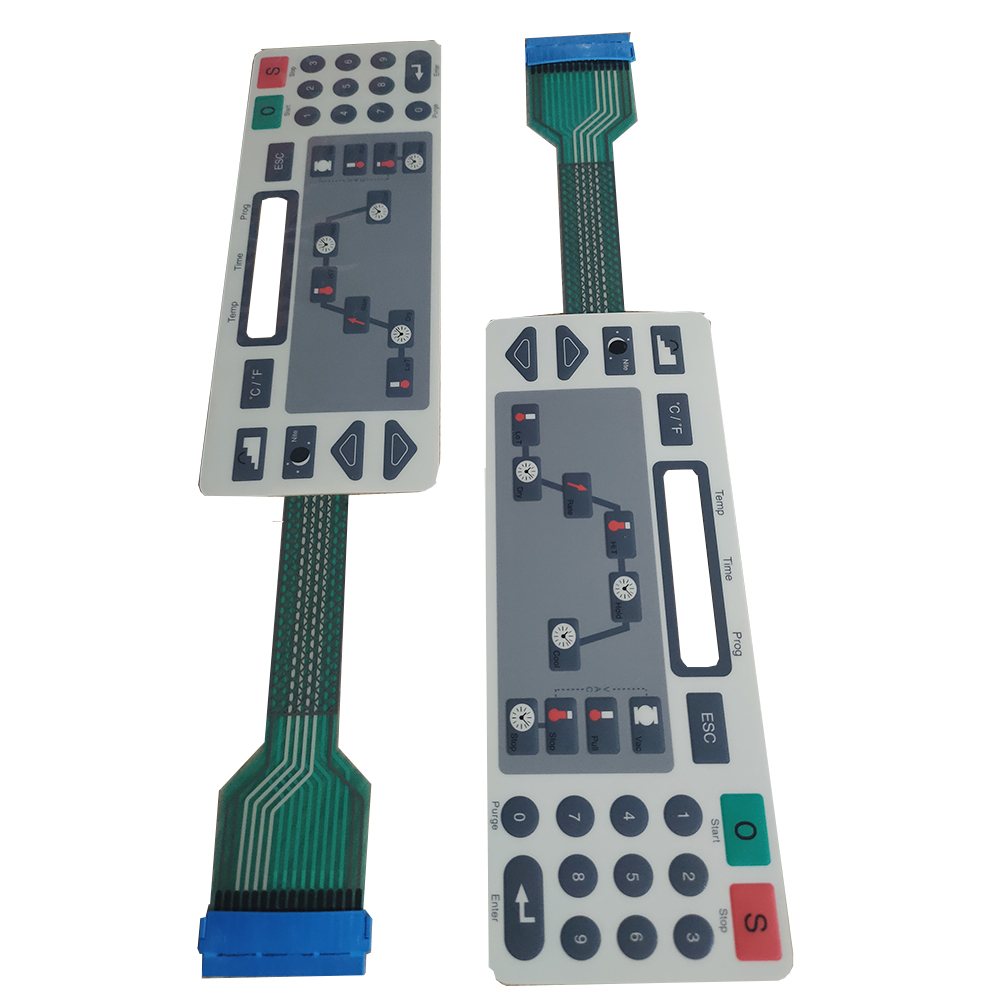
OEM/ODM Front Panel Overlay Suppliers & Exporter

Engineered Graphic Overlays, Waterproof Membrane Keypads & Integrated HMI Assemblies for Global Medical, Industrial & Instrumentation OEMs

Precision Manufactured Products

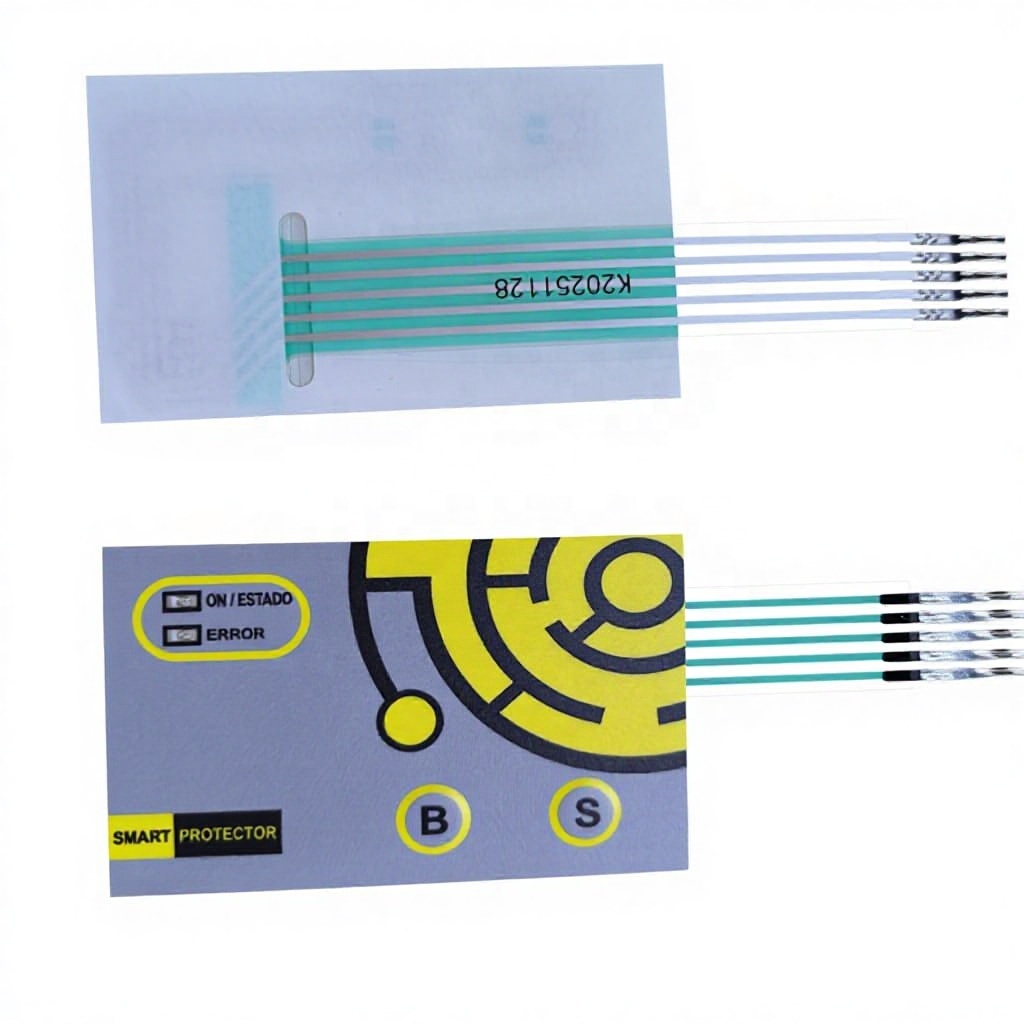
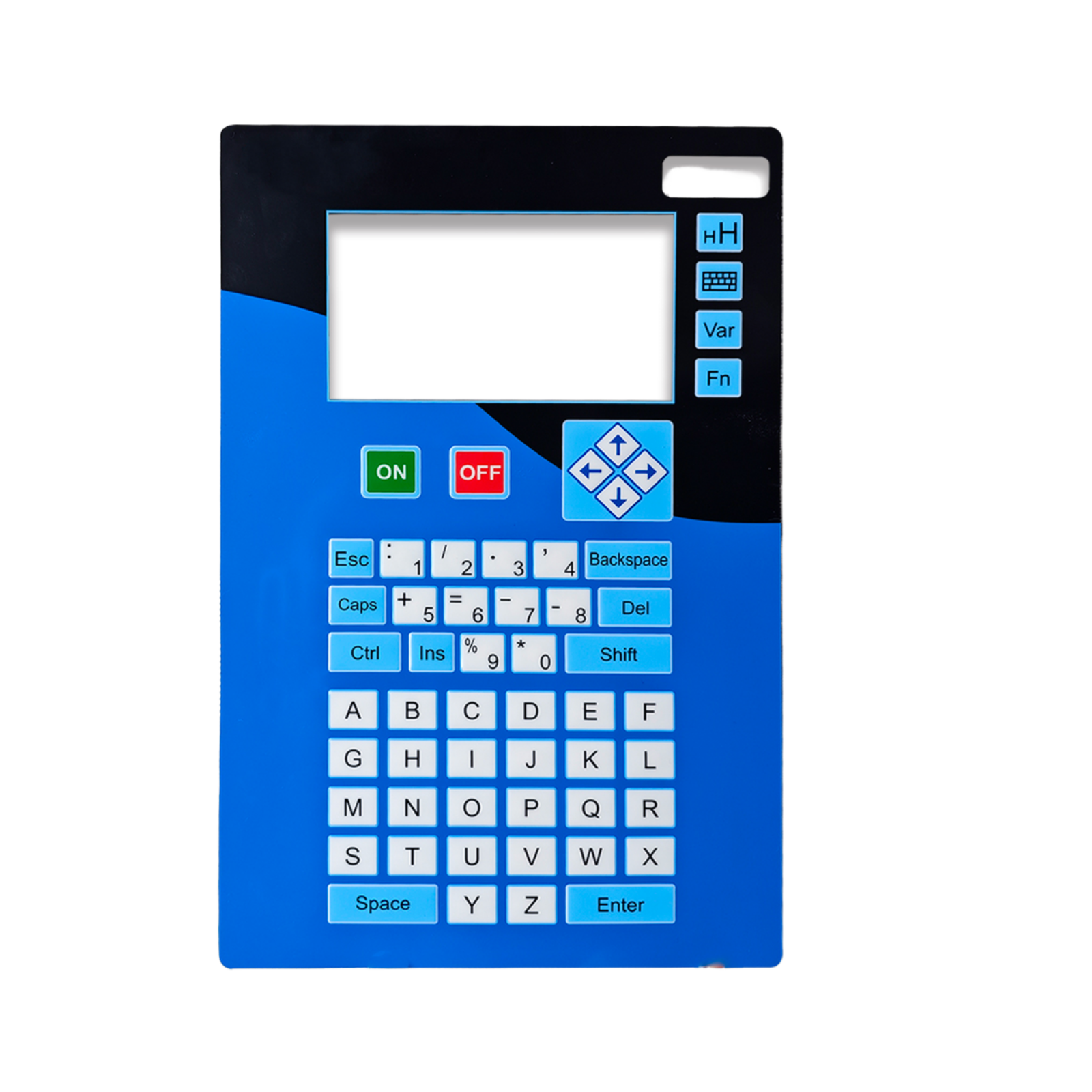
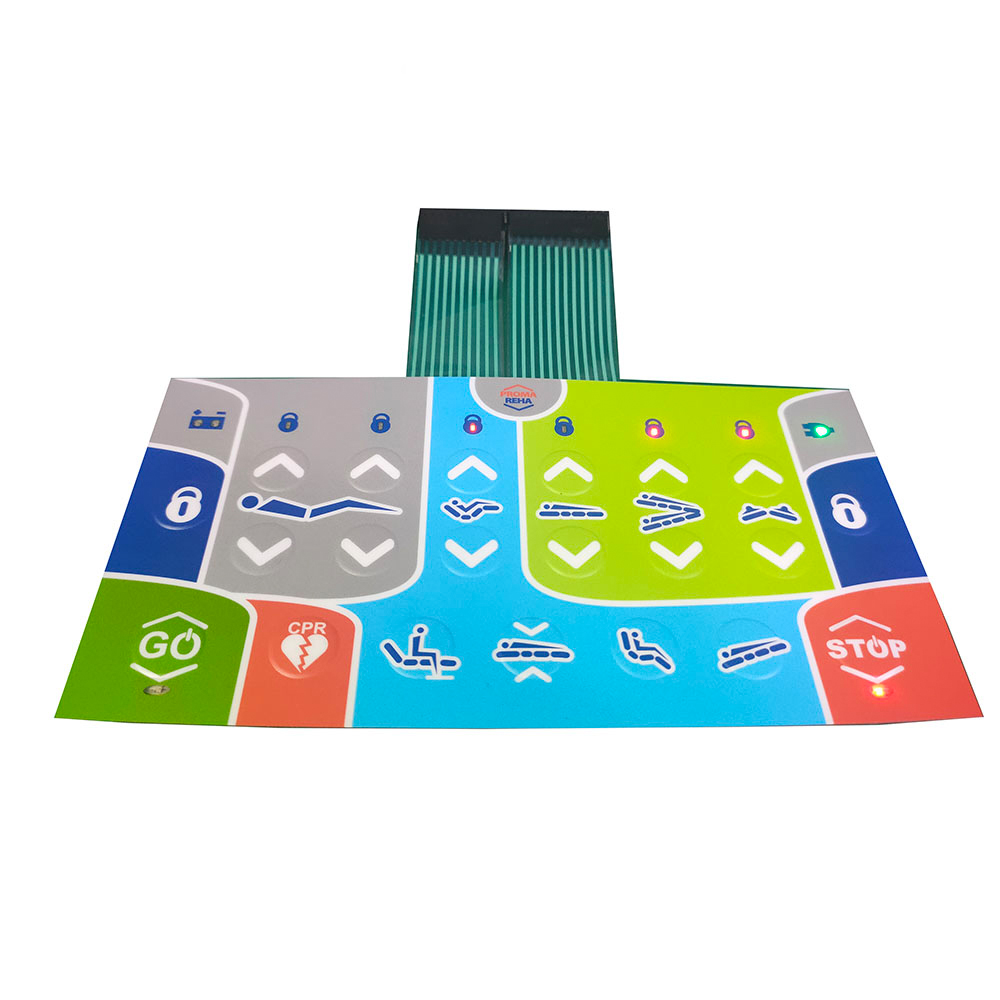
Custom Front Panel Overlays & Membrane Switches

Explore our ISO 9001:2015 certified range of custom polycarbonate, polyester, and acrylic graphic overlays, FPC keypads, and tactile human-machine interfaces.

Enterprise Strengths & Proven Authority

Why Sourcing Managers & Design Engineers Partner with TAVO

Combining over three decades of engineering heritage with state-of-the-art precision equipment, cleanroom processing, and international quality certifications.

1990
Industry Heritage Since
111+
Verified Technical Staff
2,219 m²
Verified Production Floor
4.9 / 5.0
Global Buyer Rating

Dual Production Bases

Our dual processing facilities in Xianghe Economic Development Zone (Hebei) and Huizhou (Guangdong) allow dynamic capacity allocation. Your order is processed on specialized equipment best suited for your exact batch size and tolerance specs.

ISO 9001 & Intertek Assessed

Operated strictly under ISO 9001 Quality Management Systems and audited onsite by Intertek. Every batch undergoes 100% optical and electrical testing, including loop resistance, insulation impedance, button life actuation, and environmental aging.

Advanced In-House Equipment

Equipped with 37 precision screen printing machines, 4 Mimaki heat-setting UV digital printers, 18 automated laser cutting units, 60 CNC mold-making setups, and programmable environmental test chambers for complete end-to-end control.

Industry Whitepaper & Technical Guide

Engineering Engineering Guide to Front Panel Overlays & HMI Assemblies

An authoritative technical analysis on material selection, adhesive engineering, environmental sealing, optical windows, and backlighting integration for OEM equipment manufacturers.

In modern industrial equipment, medical devices, test instruments, and smart appliances, the front panel overlay serves as both the primary user contact surface and the critical protective barrier for internal electronic sub-systems. A professionally engineered graphic overlay must withstand millions of actuations, resist harsh chemical cleaning agents, deliver clear visual signaling, and prevent ingress from water, dust, and electro-static discharge (ESD).

As a premier OEM/ODM front panel overlay supplier and global exporter, TAVO Electronic Information Technology Co., Ltd. provides complete engineering and manufacturing integration—converting CAD drawings, vector artwork, and circuit schematics into highly reliable human-machine interface (HMI) modules.

1. Substrate Material Selection: Polycarbonate vs. Polyester vs. Acrylic

Selecting the correct base film is the foundational decision in front panel overlay engineering. The three primary polymers utilized across the industry are Polycarbonate (PC), Polyethylene Terephthalate (PET), and Polymethyl Methacrylate (PMMA Acrylic).

Material Type Flexural Life (Actuation Cycles) Chemical & Solvent Resistance Optical Clarity & UV Stability Recommended Application
Autotex Polyester (PET) > 5,000,000 cycles Excellent (Alcohols, Solvents, Acids) High (With UV hard-coat options) Tactile membrane switches, medical keypads, harsh chemical environments
Lexan Polycarbonate (PC) ∼ 100,000 cycles Moderate (Susceptible to aromatic hydrocarbons) Superior Clarity, Easy Embossing Static graphic overlays, non-tactile display panels, indoor instrument faceplates
PMMA Acrylic Rigid (Non-flexible) Good surface hardness (up to 6H) Crystal Clear Optics (92% transmission) Thick protective lens overlays, touch display covers, premium control panels
Engineering Insight (Information Gain): For applications requiring embossed keys or metal dome tactile feedback, engineered PET films (such as MacDermid Autotex XE/XE) offer vastly superior fatigue resistance compared to Polycarbonate. Polycarbonate will develop micro-cracks at the embossed perimeter after approximately 100,000 flexes, whereas hard-coated PET withstands over 5 million switch actuations without localized stress failure.

2. Precision Printing & Color Control Technologies

Achieving absolute brand consistency and visual depth requires specialized printing methodologies tailored to the production volume and visual design:

  • Silk-Screen Printing: Utilizing high-mesh stainless steel or polyester screens with UV-curable and solvent-based inks. Screen printing delivers thick ink deposits, perfect solid color opacity, Pantone PMS color matching within ΔE < 1.0, and high-density silver ink conductivity for switch matrices.
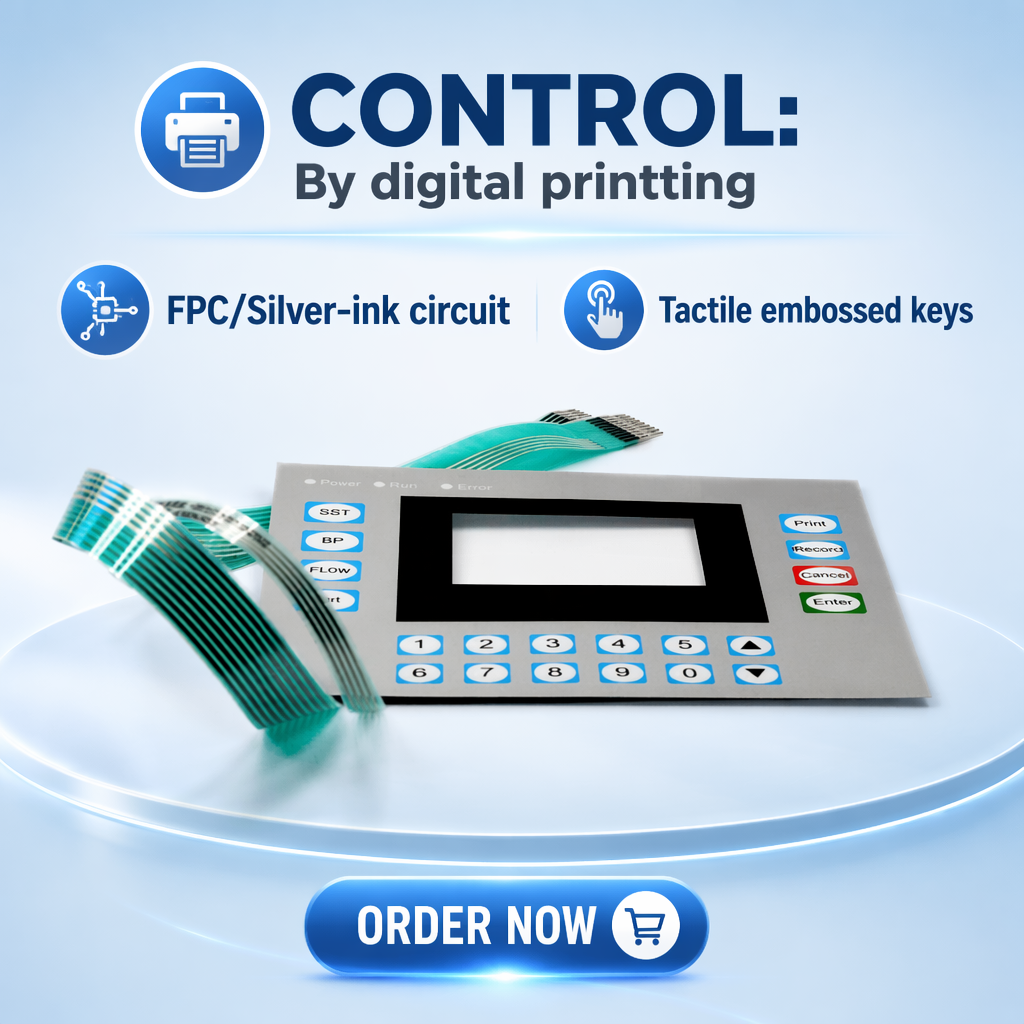
  • Digital UV Printing (Mimaki Systems): Ideal for fast-turnaround prototyping, short-to-medium production runs, fine gradient transitions, and full-color photorealistic graphics. Digital printing eliminates traditional tooling film costs while supporting variable data printing (serial numbers, custom language localized overlays).
  • Dead-Front Window Printing: By applying translucent grey or black tint coatings to display cutout areas, icons remain completely invisible ("dead-front") until backlighting LEDs are illuminated from behind.

3. Tactile Feedback & Key Embossing Profiles

Tactile response provides crucial tactile assurance to operators in industrial and medical environments. Key embossing physically raises button areas to guide finger placement:

  • Rim Embossing: Only the perimeter edge of the key is raised. This provides structural stiffness while maintaining a flat center area ideal for custom graphic icons.
  • Pillow (Plateau) Embossing: The entire key surface is elevated uniformly. Perfect for larger touch zones or switches integrated with silicone keycaps.
  • Metal Dome Integration: Stainless steel tactile domes (4-leg or round, ranging from 6mm to 20mm with actuation forces from 180g to 450g) are placed beneath the overlay layer, offering crisp snap-action feel and tactile feedback.

4. Environmental Sealing & Adhesive Engineering (IP67 / NEMA 4X)

To prevent ingress of liquids, oil, washdown spray, and atmospheric humidity, front panel overlays rely on engineered acrylic adhesive transfer tapes. TAVO standardizes on high-performance 3M 467MP, 3M 468MP, and 3M 300LSE pressure-sensitive adhesives.

For IP67 and NEMA 4X compliance, a continuous peripheral adhesive seal surrounds the circuit cavity and connector tail exit port, ensuring complete liquid-tight integrity during high-pressure washdown procedures in food processing or medical disinfection environments.

Strategic Sourcing Insights

Future Procurement Trends in Front Panel Overlays (2025–2030)

Key technological shifts and supply chain priorities shaping global procurement strategy for HMI components.

1. Capacitive Touch & Optical Bonding Integration

Traditional mechanical dome switches are increasingly giving way to seamless capacitive touch panels. Front panel overlays are now produced with integrated ITO film or printed silver capacitive sensors, bonded directly to display glass using OCA (Optically Clear Adhesive) for zero air-gap clarity and sleek, flush glass/acrylic aesthetics.

2. Anti-Microbial & Chemical Hard-Coatings

Post-pandemic healthcare standards require front panel surfaces capable of enduring aggressive chemical wipe-downs (Bleach, Isopropyl Alcohol, Hydrogen Peroxide). Advanced polyurethane and silver-ion embedded hard-coats permanently inhibit microbial growth while delivering 3H+ scratch resistance.

3. Ultra-Thin LGF Backlighting Solutions

Rather than embedding dozens of discrete surface-mount LEDs, modern designs integrate Light Guide Film (LGF) optics. LGF technology redistributes light from 2 or 3 edge-mounted LEDs evenly across large graphic panels, reducing power consumption by up to 70% and drastically reducing overall thickness to under 1.5mm.

Industry Evolution

Technological Advances in Custom Front Panel Manufacturing

How modern HMI engineering is breaking the boundaries between graphics, circuits, and structural enclosures.

The global front panel overlay market is undergoing a rapid transition from basic decorative nameplates to smart, multi-functional human-machine interfaces. Driven by Industry 4.0 automation, smart medical equipment, and electric vehicle (EV) charging infrastructure, OEMs require suppliers capable of managing complete sub-assembly manufacturing.

From Single-Layer Graphics to Fully Integrated Sub-Assemblies

Historically, an OEM procurement department sourced graphic overlays from a printing company, membrane switches from a flex-circuit factory, and aluminum backer plates from a sheet metal shop. Today, industry leaders like TAVO offer complete turnkey integration:

Full Stack OEM Integration: Graphic Overlay + Embossing + Stainless Domes + Flexible Printed Circuit (FPC) or Rigid FR4 PCB Substrate + SMT Mounted Components + Aluminum Backer Plate + Optical Display Window Bonding + Custom Connector Tail Termination.

By consolidating these sub-systems into a single inspected HMI assembly, global buyers eliminate cumulative manufacturing tolerances, reduce supply chain management costs by up to 35%, and shorten time-to-market for new equipment launches.

Procurement FAQ

Frequently Asked Questions for Engineering Buyers

Detailed technical answers addressing common artwork, tooling, testing, and shipping questions.

What vector files and specifications are needed to initiate a custom front panel overlay quote?
To generate an exact quote and pre-production engineering drawing, please provide: (1) Outer dimension outline drawing in PDF, DXF, or STEP format; (2) Graphic artwork in Adobe Illustrator (.AI), CorelDraw (.CDR), or vector PDF format with Pantone (PMS) color codes specified; (3) Preferred substrate material (Polycarbonate, Polyester PET, or Acrylic) and surface finish (Matte, Fine Velvet, Gloss); (4) Key embossing requirements (Rim emboss, Pillow, or Flat); (5) Circuit tail length, pin pitch, and connector type (if switch layers are included); (6) Estimated annual purchase order quantity.
How does TAVO ensure accurate color matching across multi-batch production runs?
We utilize X-Rite spectrophotometers to measure color consistency against standardized Pantone PMS swatches or customer-supplied physical target samples. Every ink batch is formulated and verified before printing, keeping color variance strictly within ΔE < 1.0. For reverse-printed transparent films, color inspections are conducted through the actual substrate to account for refractive index shifts.
What is the difference between screen printing and digital UV printing for front panel overlays?
Screen printing uses physical mesh stencils to deposit precise liquid inks. It offers superior ink density, 100% solid opacity, metallic color capabilities, and lower unit costs on high-volume production runs (> 500 pcs). Digital UV printing utilizes our Mimaki high-resolution digital printers, curing ink instantly with UV light. Digital printing requires no physical screens, making it extremely cost-effective for rapid prototyping, short runs (1 to 200 pcs), and multi-color gradient artwork.
Can TAVO manufacture waterproof front panel overlays for outdoor or medical washdown use?
Yes. We engineer IP65, IP67, and NEMA 4X rated waterproof graphic overlays using high-tack 3M 300LSE or 3M VHB perimeter gasket adhesives, Autotex XE UV-resistant polyester base films, and fully enclosed circuit cavities. These assemblies prevent liquid ingress against high-pressure water jets, rain, sea spray, and chemical disinfectant scrub-downs.
What reliability and quality testing equipment does TAVO operate in-house?
Our quality control lab features automated computer circuit analyzers (loop resistance, insulation resistance, short circuit detection), button life-cycle testers (actuation durability testing up to 5M cycles), programmable high/low temperature & humidity chambers (-40°C to +120°C), xenon lamp UV aging chambers, salt spray corrosion test units, and adhesion tape peel strength testers.
Do you support prototype sampling and low Minimum Order Quantities (MOQ)?
Yes. Unlike traditional suppliers requiring high minimum order quantities, TAVO supports low-MOQ pilot orders and rapid prototype samples. By utilizing laser cutting and digital UV printing, we can produce prototype samples in as fast as 3 to 5 business days, enabling engineering teams to evaluate physical fit, tactile feel, and graphics before releasing full tooling.

Request a Fast Engineering Review & Quotation

Collaborate directly with our engineering team to select materials, optimize tolerances, and manufacture custom front panel overlays tailored to your exact equipment specifications.