High-Precision Matrix Membrane Switch Products
Engineered for harsh industrial, medical, locomotive, and smart appliance control interfaces requiring certified IP67 sealing, high actuation tactile feedback, and extended operating cycles.
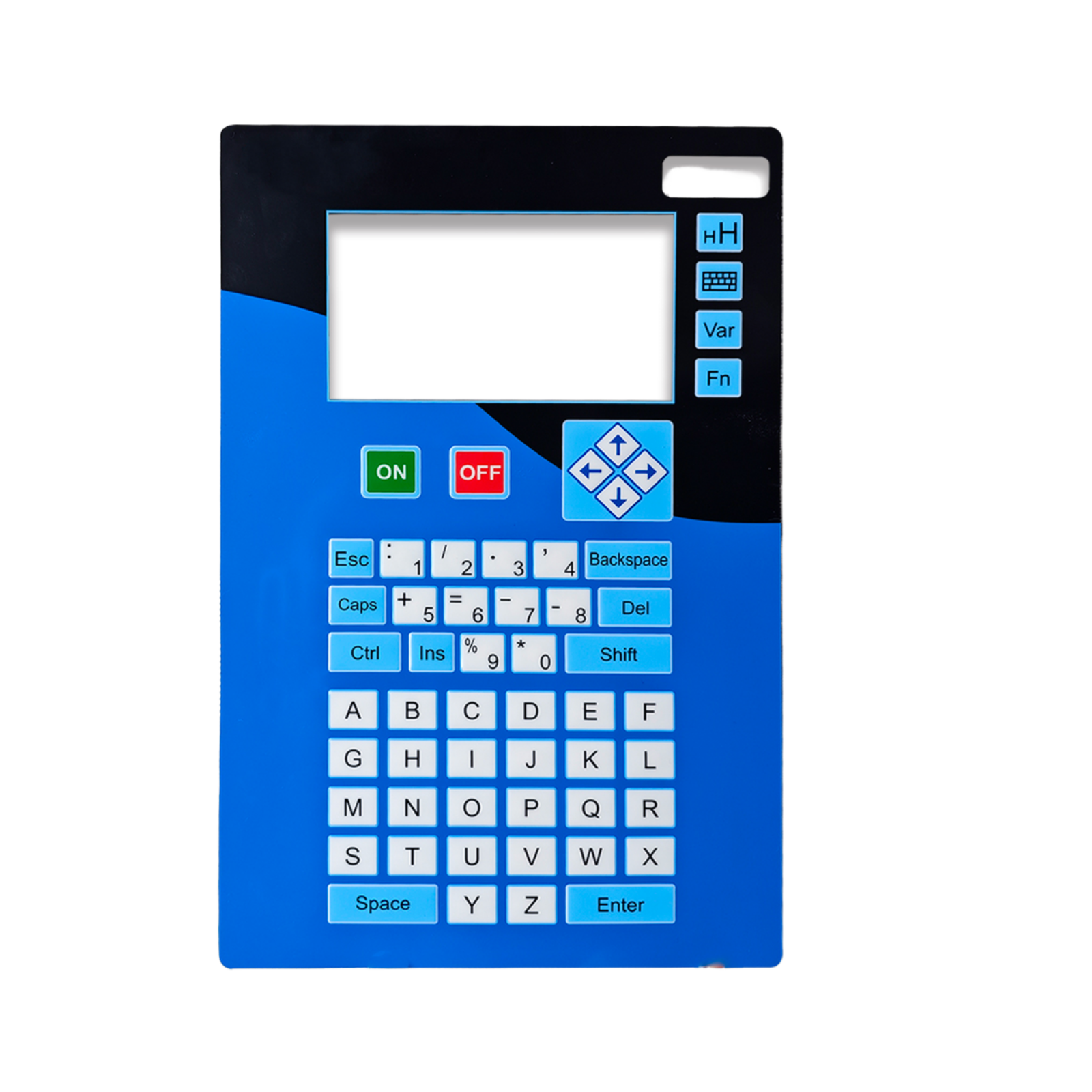
China MEIBORUI Custom Printed Membrane Switch Embossed Metal Dome Keypad Water-proof Home Appliance Use 3M Adhesive
View Product Details →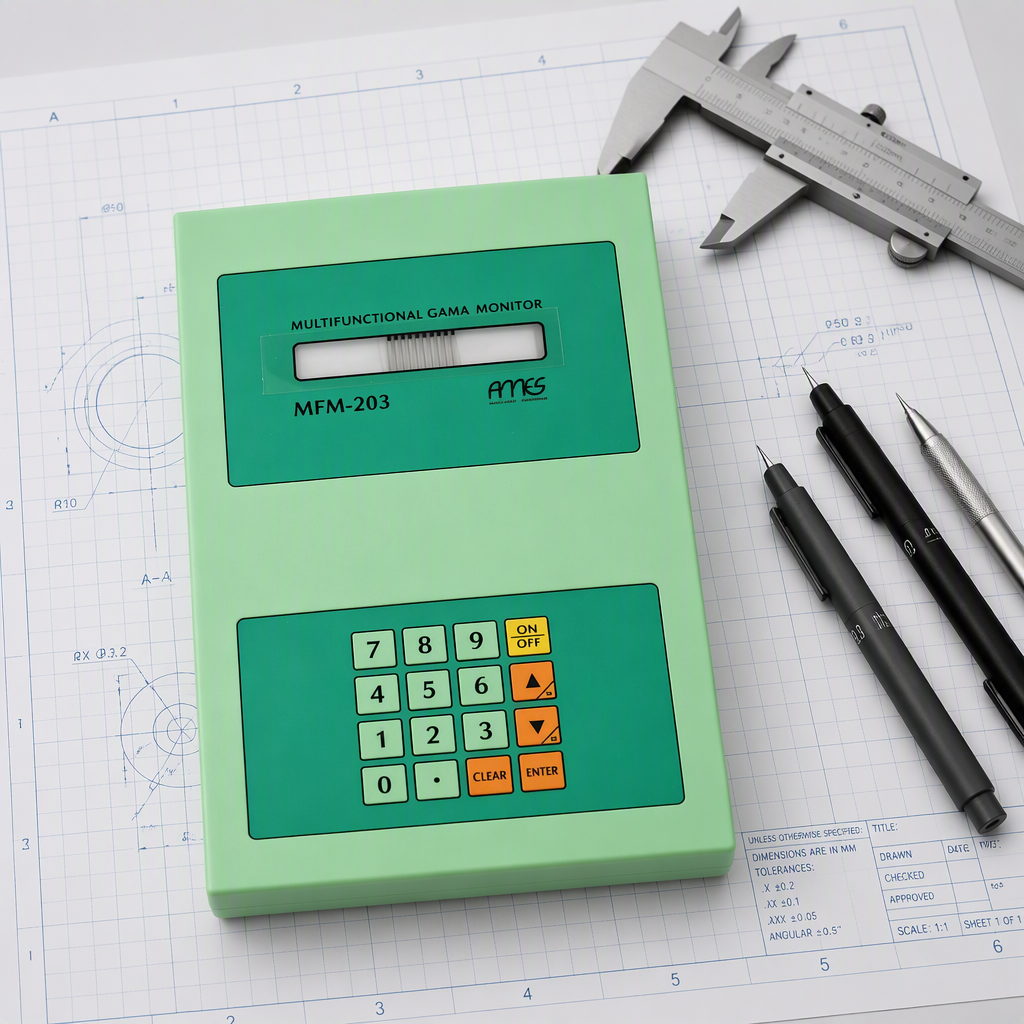
MBR IP67 Waterproof Industrial Membrane Keyboard PET Overlay for Telecommunication Equipment (OEM/ODM Model)
View Product Details →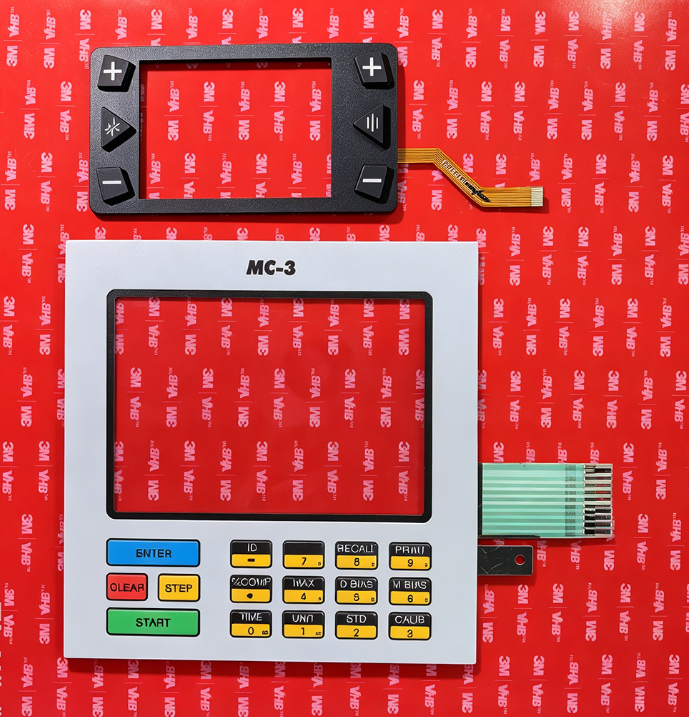
MBR High Quality IP67 Waterproof 3M Adhesive Flexible Cable Membrane Keypad PVC/PET/PC Dome Buttons Custom Cable Length Keypad
View Product Details →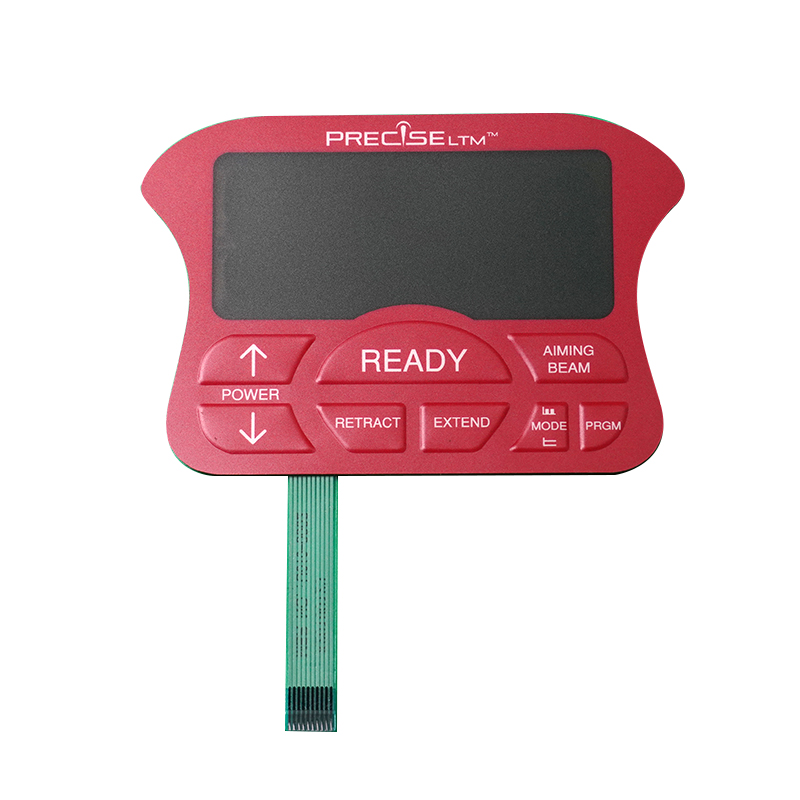
Anti-interference Locomotive Membrane Control Panel High Temperature Resistant PET Keypad Waterproof Durable Eco-friendly
View Product Details →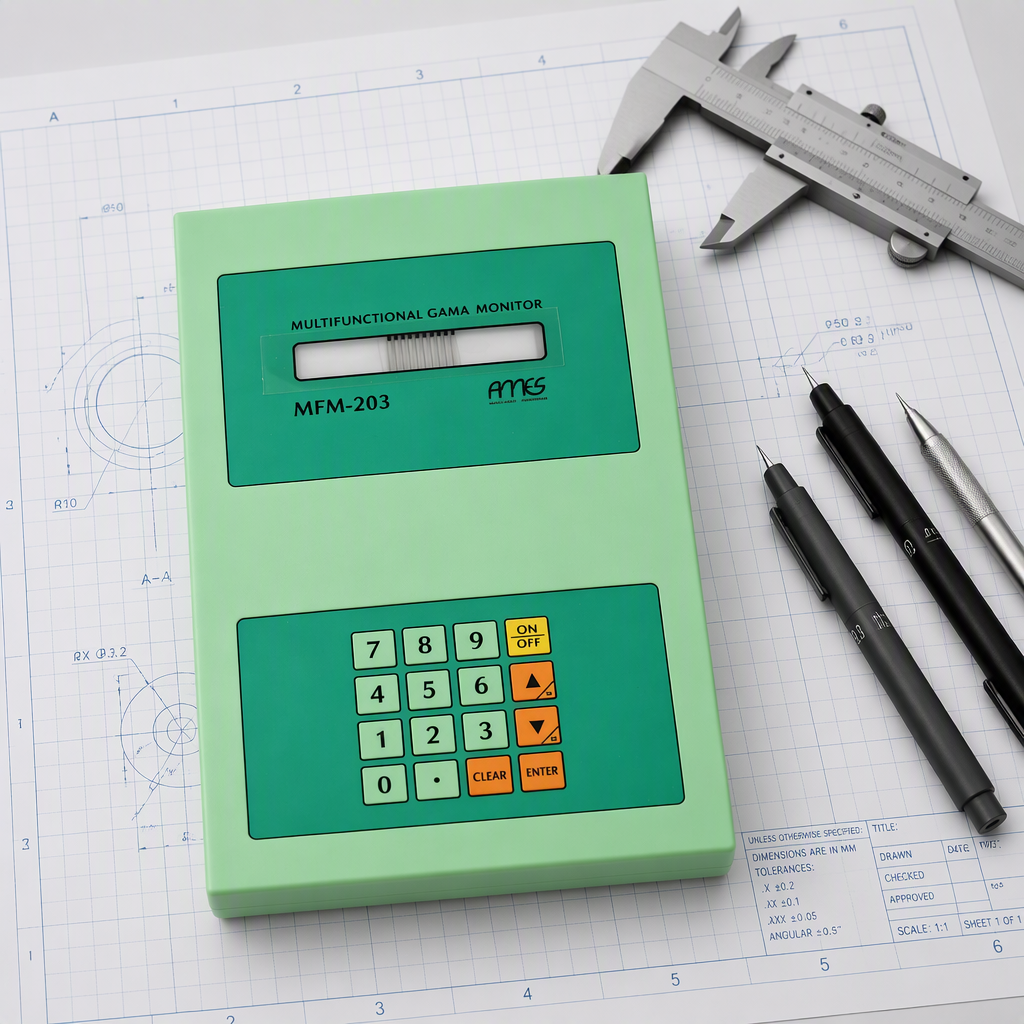
MEIBORUI Fast Turnaround Membrane Keyboard Prototyping Service PET/PVC Materials Custom Colors Sizes ISO Certified Sample Orders
View Product Details →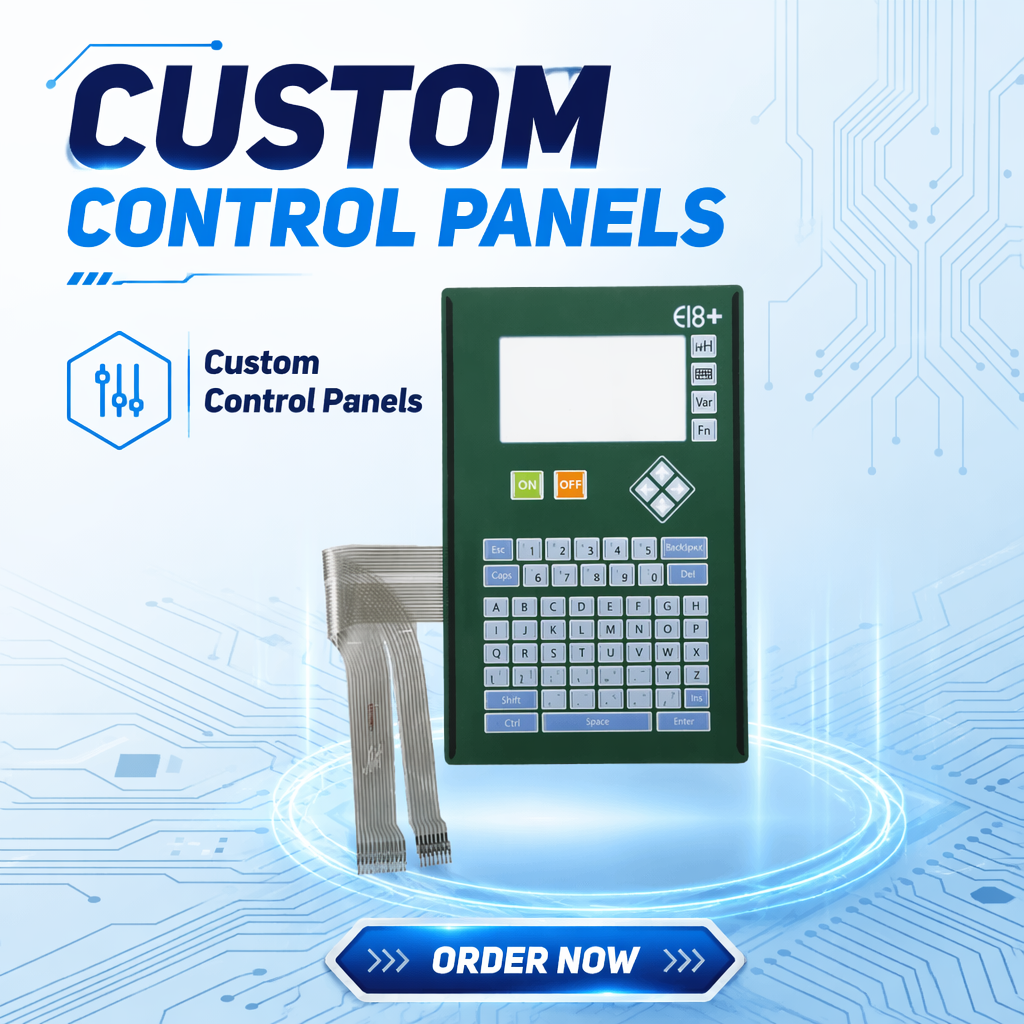
Fast Delivery OEM PBT Keyboard Cap Mechanical Switch Compatible Silkscreen Printed Customized Designs 2.54mm Pitch Factory
View Product Details →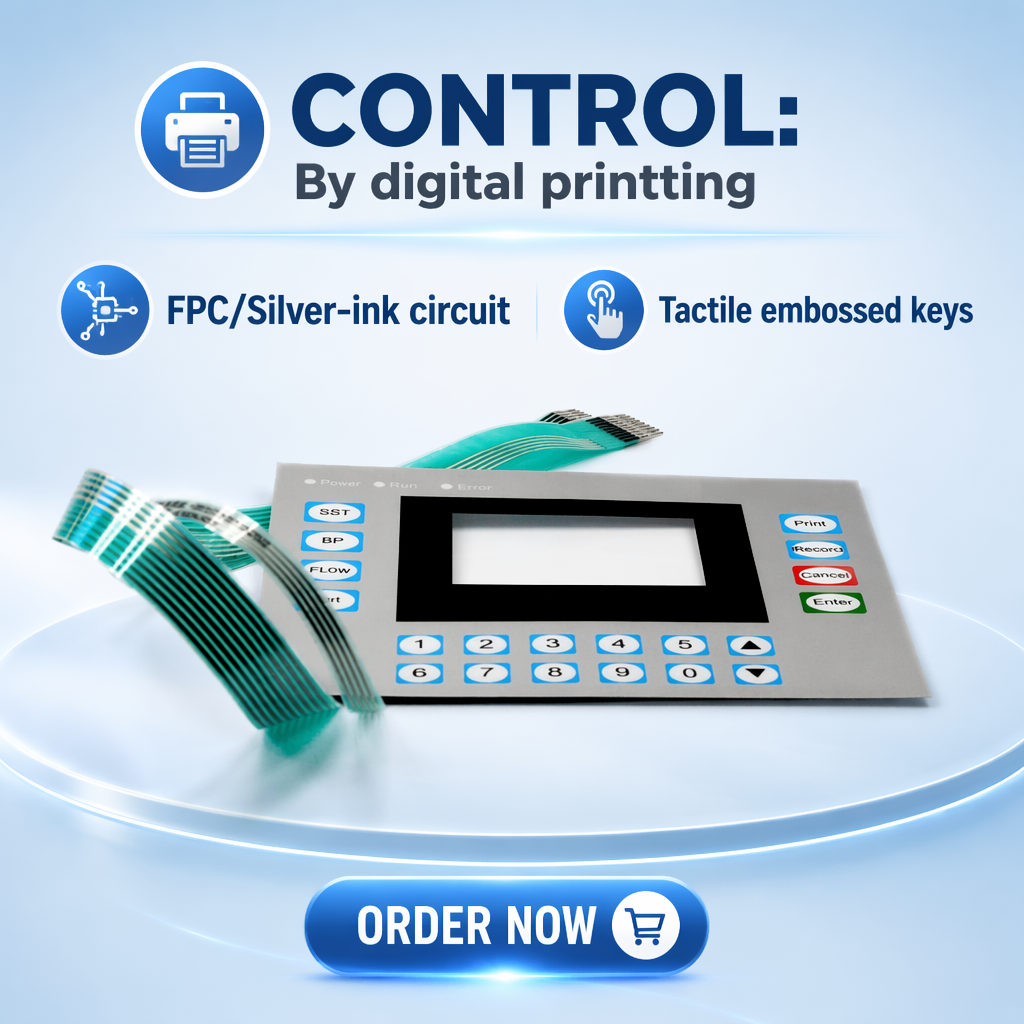
Custom FPC Membrane Switch With Embedded LED Backlight Flexible Circuit Keypad for Smart Home Appliance Control OEM
View Product Details →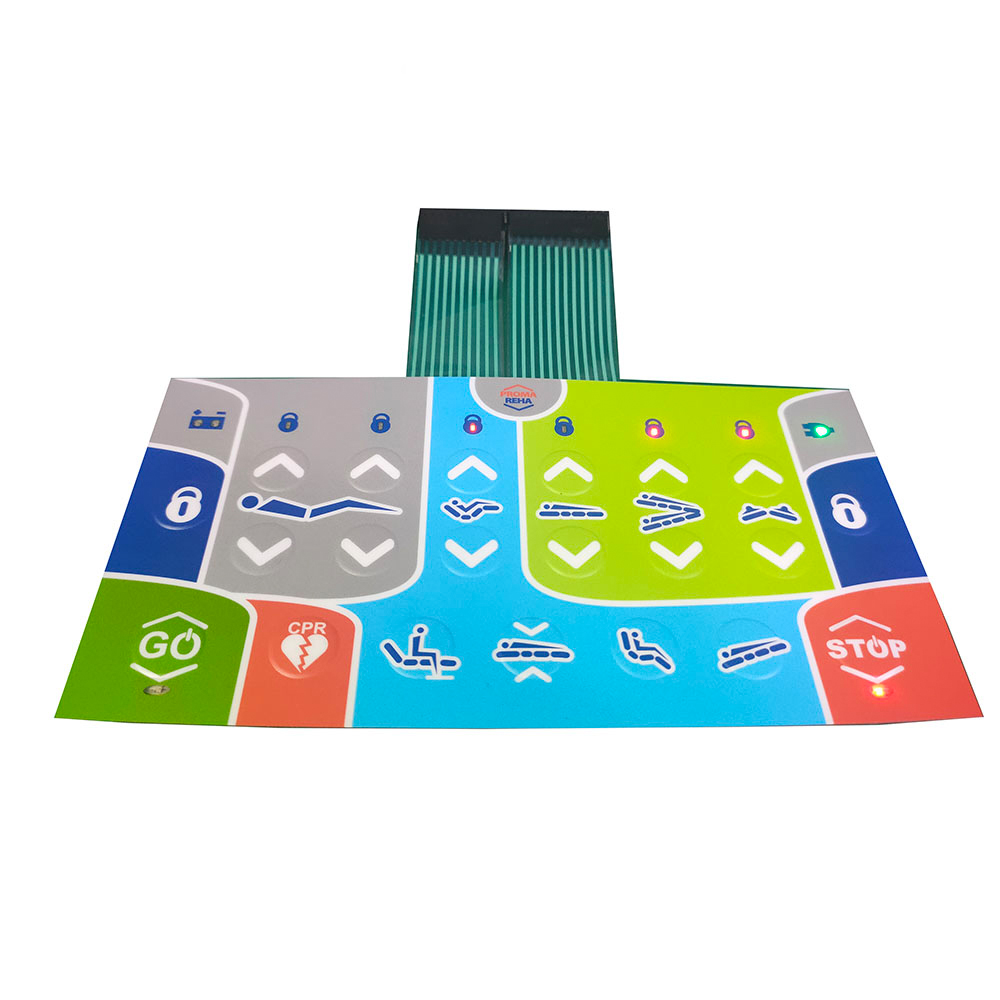
High Quality PBT Keyboard Cap Customized Color & Size Silkscreen Printing ISO9001:2015/ROHS Certified Fast Delivery Meiborui
View Product Details →Executive Sourcing Overview: The Matrix Membrane Switch Landscape
A matrix membrane switch utilizes a grid of row and column electrical traces to monitor multiple switch locations using minimal Microcontroller Unit (MCU) I/O pins. For example, an 8x8 matrix design can process up to 64 individual key inputs utilizing only 16 pin connections (8 rows + 8 columns). This spatial and electrical efficiency makes matrix keypads the global standard for complex Human-Machine Interfaces (HMIs) across medical instrumentation, military communication modules, locomotive controls, and heavy industrial automation.
When procurement managers and system architects evaluate the top 10 matrix membrane switch factories and exporters, technical competency must be audited beyond basic screen-printing. Superior suppliers distinguish themselves through cleanroom printing environments, sub-millimeter precision in layer registration, advanced ESD (Electrostatic Discharge) shielding, dynamic environmental testing (thermal shock, salt fog, UV degradation), and full Design-for-Manufacturability (DFM) technical support.
Information Gain Key Takeaway: Transitioning from simple discrete wiring to an optimized matrix circuit topology reduces PCB layout footprint by up to 45%, lowers cable harness costs, and vastly improves IP67 sealing integrity by reducing tail lead density.
Anatomy of an Industrial-Grade Matrix Membrane Switch
High-reliability matrix switches are composite structures constructed from multiple functional layers laminated together with optical and structural adhesives. Precision engineering at each layer prevents contact bounce, silver migration, and fluid ingress:
| Layer Index | Component Layer | Primary Material / Specification | Engineering Function |
|---|---|---|---|
| Layer 1 | Graphic Overlay | Autotex / Melinex PET or Hardcoated PC (0.125mm–0.25mm) | Provides visual aesthetics, chemical resistance, anti-glare finish, and key legend printing. |
| Layer 2 | Overlay Adhesive | 3M 467MP / 3M 468MP High-Performance Acrylic | Bonds graphic overlay seamlessly to the upper circuit/dome retainer without air bubbles. |
| Layer 3 | Dome Retainer & Tactile Domes | Stainless Steel Domes (4 Leg / 2 Leg, 180g–450g actuation) | Delivers crisp tactile feedback, snap-ratio feel, and physical contact bridge. |
| Layer 4 | Matrix Circuit Layer | Screen-Printed Conductive Silver Ink on PET or Flexible Copper FPC | Houses X-Y matrix trace routing, silver grid ESD shielding, and LED mounting pads. |
| Layer 5 | Rear Adhesive & Carrier Backer | 3M VHB / 3M 9472LE with optional Aluminum or FR4 Backplate | Secures assembly to housing enclosure; structural backers resist high mechanical flex. |
Future Sourcing Trends in Matrix Membrane Switch Manufacturing
As industrial equipment shifts toward Industry 4.0, smart medical wearables, and IoT controls, global procurement teams are adopting new technical evaluation benchmarks when selecting matrix membrane switch suppliers:
1. Transition from Silver Ink to FPC Matrix Circuits
While silver paste printed on PET remains cost-effective, high-density matrix switches increasingly demand Flexible Printed Circuits (FPC) with etched copper traces. Copper flex circuits handle tighter pin pitch (0.5mm vs 2.54mm), withstand aggressive vibration without trace micro-cracking, and allow direct Surface-Mount Technology (SMT) soldering of fine-pitch LEDs and IC controllers.
2. LGF (Light Guide Film) Uniform Backlighting
Traditional discrete LED arrays create hot-spot lighting under switch keys. Future-ready exporters integrate micro-structured Light Guide Film (LGF) powered by side-firing LEDs. LGF distributes light uniformly across entire matrix keypads and graphic icons while maintaining a slim thickness under 1.5mm.
3. Hybrid Capacitive & Tactile Matrix Panels
Modern HMIs combine mechanical metal dome matrix switches for critical stop/start emergency buttons with capacitive touch sensor zones for smooth sliding controls. Top-tier factories feature cleanroom optical bonding capabilities to fuse LCD/TFT displays directly behind clear graphic overlay windows using OCA (Optically Clear Adhesive).
4. Sustainable & UV-Cured High-Durability Inks
Environmental regulations (RoHS 3.0, REACH, halogen-free requirements) require factories to adopt eco-friendly UV-cured screen printing inks and digital Mimaki UV printers. Digital UV printing allows low-MOQ prototyping and rapid full-color graphic customization without expensive silk-screen tooling costs.
Enterprise Capability & Manufacturing Verification: TAVO / MEIBORUI Advantage
Rooted in membrane switch processing since 1990, TAVO Electronic Information Technology Co., Ltd. (operating alongside the MEIBORUI manufacturing ecosystem) represents top-tier Chinese export engineering excellence. Spanning over 2,200 square meters of verified cleanroom production space in the Robot Industry Port of Xianghe Economic and Technological Development Zone (Hebei) alongside processing assets in Guangdong, TAVO maintains full control over every manufacturing stage.
In-House Equipment Fleet
- 37 High-Precision Silkscreen Printing Machines
- 4 Mimaki Heat-Setting Digital UV Printers
- 18 Laser Cutting & High-Speed Punching Units
- 60 CNC Mold-Making & Tooling Stations
- 7 Digital Engraving Systems
Rigorous Quality Assurance Testing
- Computerized Automated Circuit Testers (Open/Short)
- Button Life-Cycle Actuation Test Units (1,000,000+ clicks)
- Programmable Temperature & Humidity Environmental Chambers
- Xenon Lamp UV Aging Accelerated Test Chambers
- Automatic Salt Fog Spray Chambers for Corrosion Protection
International Technical Synergy: TAVO maintains long-term technical and equipment cooperation with leading German membrane switch manufacturers, ensuring processing precision, surface tactile feel, and QC standards conform strictly to European and North American OEM expectations.
Procurement & Technical Engineering FAQ
Address key technical roadblocks, design submission guidelines, and sourcing logistics when ordering custom matrix membrane keypads.
Accelerate Your Custom Matrix Switch Project Today
Work directly with our 30+ senior engineers and international trade team. Get DFM design feedback, sample prototyping, and factory-direct pricing within 24 hours.