Featured HMI & Optical Overlay Solutions
Engineered human-machine interface components designed for medical electronics, industrial machinery, and smart home appliances. Custom window clarity, EMI shielding, and environmental IP67 sealing.
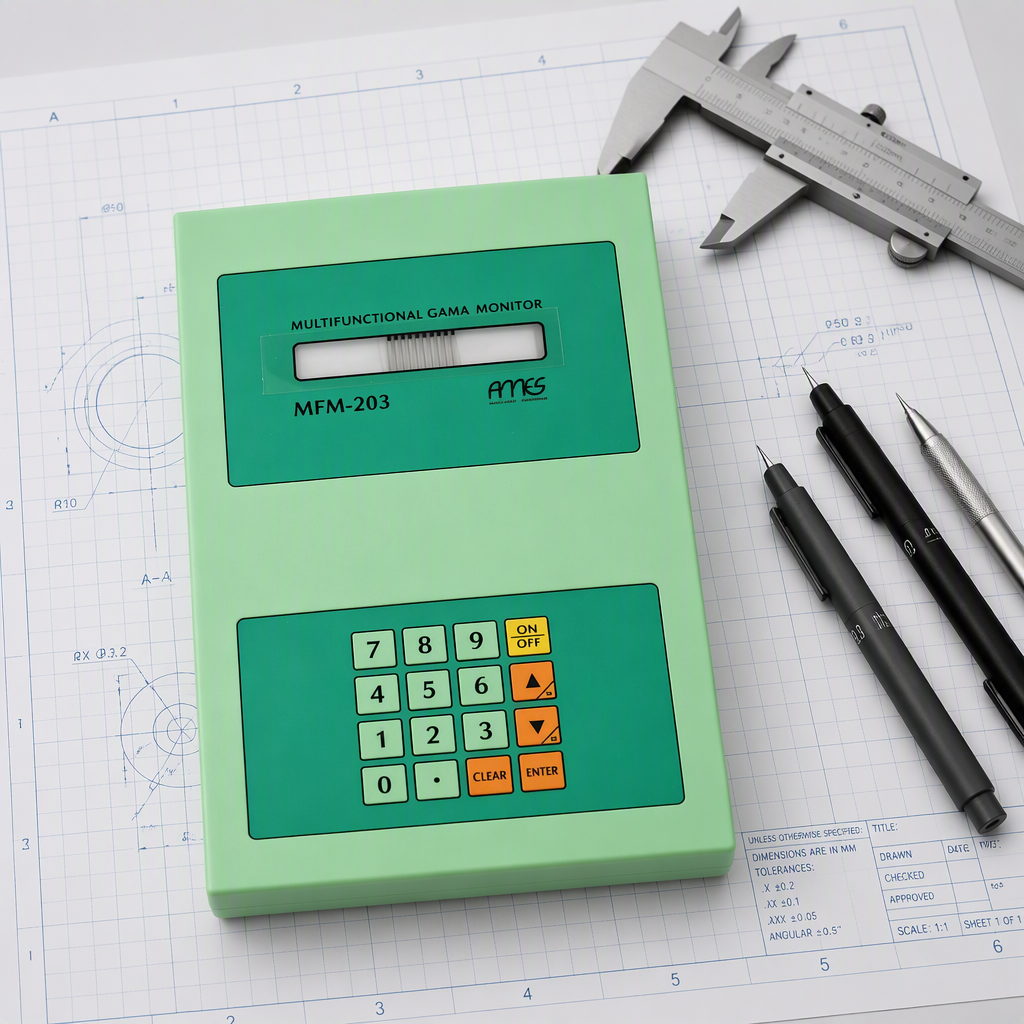
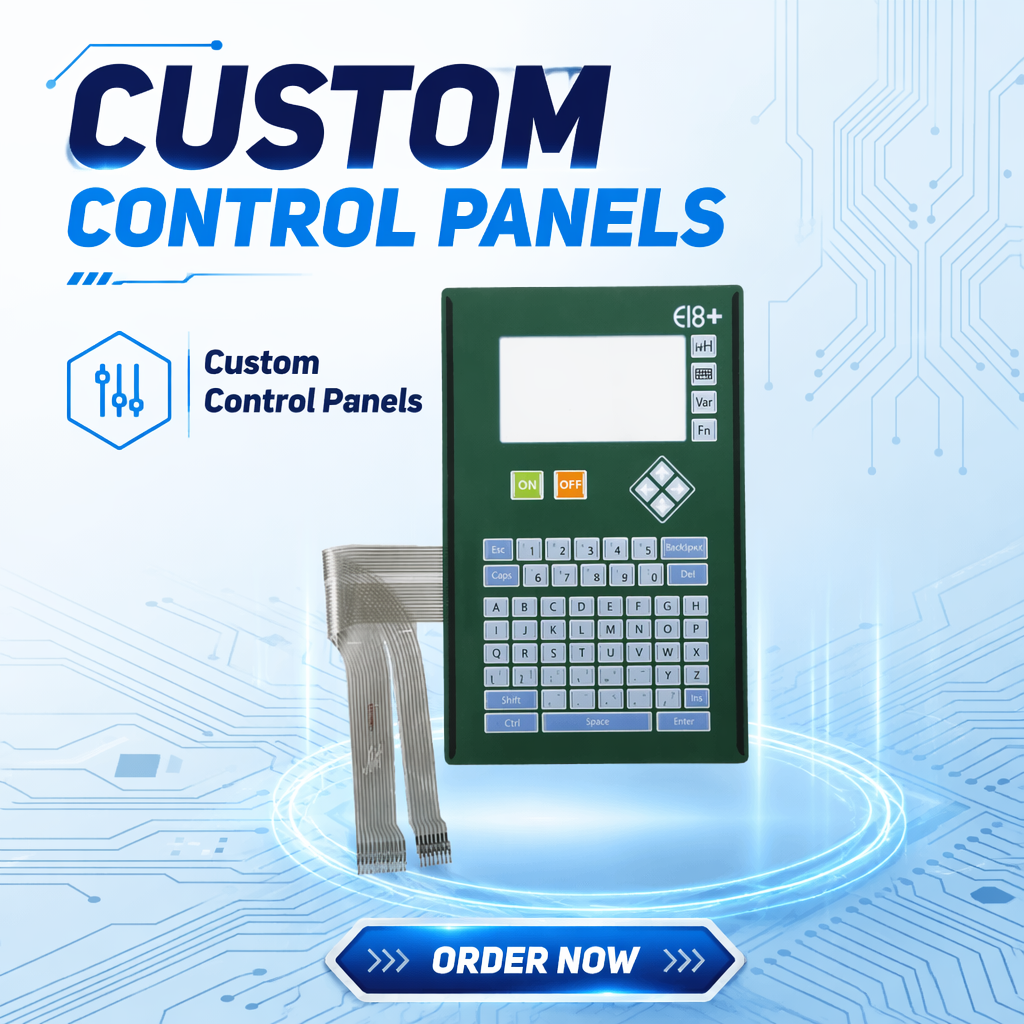
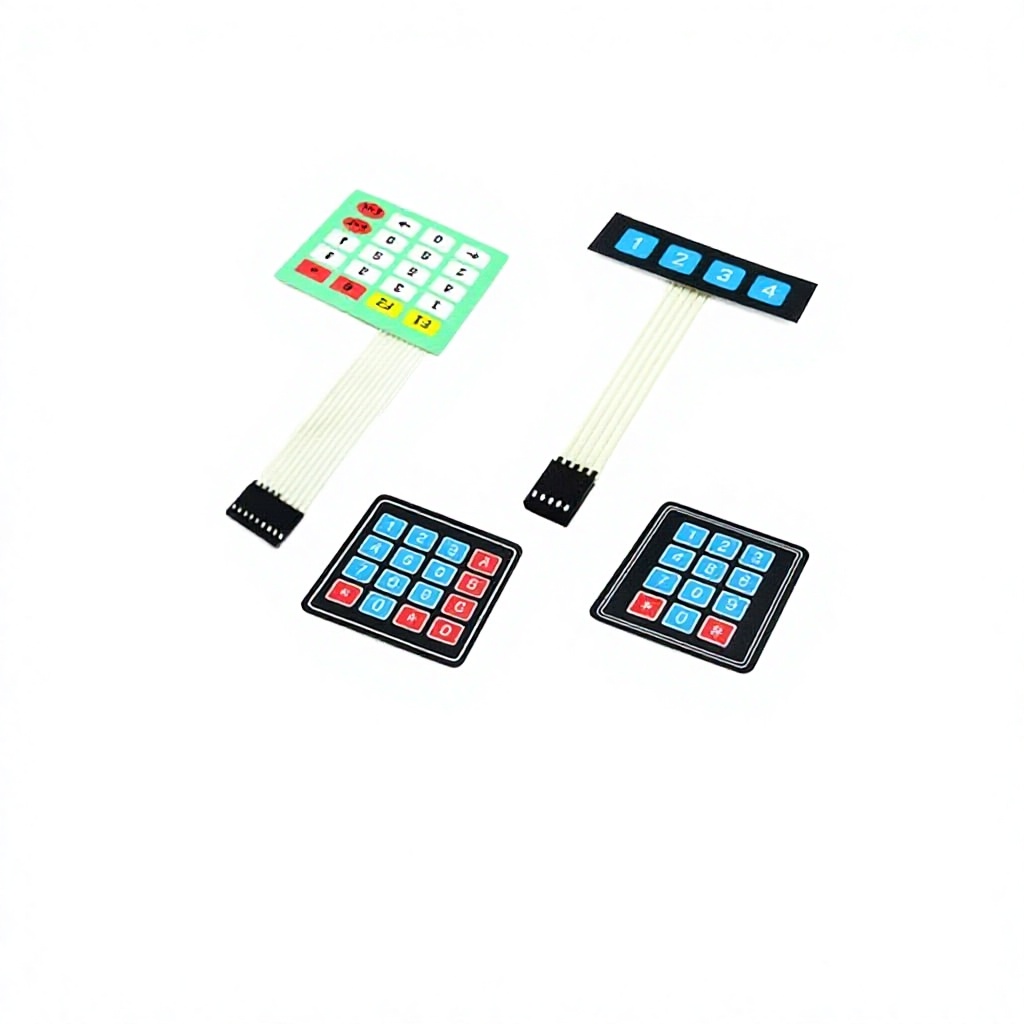
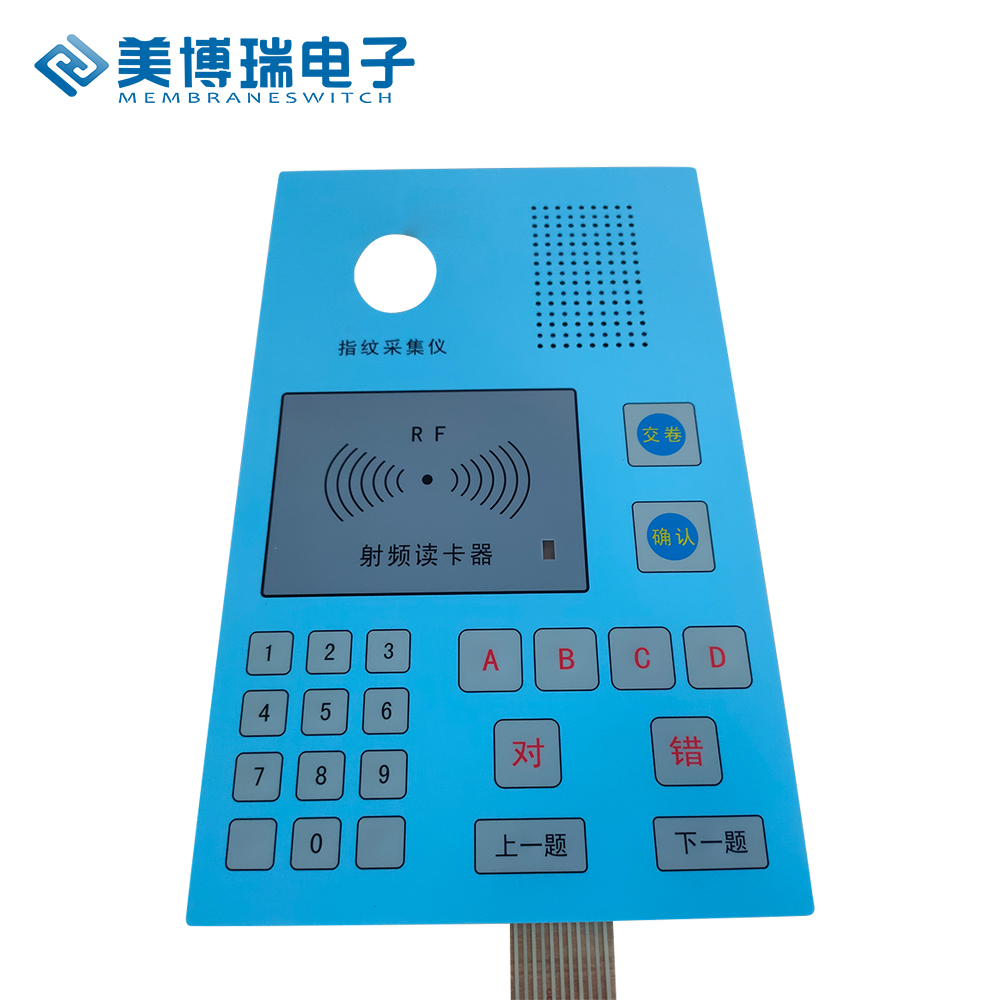
Optical Window Overlay Engineering: Material Selection & Sourcing Metrics
An optical window overlay serves as the critical protective and aesthetic front face of a Human-Machine Interface (HMI). It spans across LCD, LED, OLED, and TFT displays in industrial automation, medical diagnostics, outdoor kiosks, and commercial electronics. Sourcing engineers must balance light transmission, haze index, chemical resistance, anti-fingerprint properties, and precise mechanical alignment.
When evaluating a Top 10 Optical Window Overlay Factory & Exporter, procurement teams must go beyond simple unit cost. Modern electronic displays demand optical clarity without parallax distortion, extreme abrasion resistance against repeated cleaning with isopropyl alcohol or bleach, and UV stability for long-term outdoor operation. Polymer substrates such as Polycarbonate (PC), Polyester (PET), and PMMA (Acrylic) each present distinct mechanical and optical trade-offs.
| Performance Specification | Polyester (Autotex PET) | Polycarbonate (Lexan PC) | PMMA (Acrylic Window Overlay) |
|---|---|---|---|
| Visible Light Transmission (VLT) | 89% - 92% (High Clarity Grade) | 88% - 90% | 92% - 93% (Superior Clarity) |
| Taber Abrasion / Scratch Resistance | 3H - 4H (Hardcoated Surface) | 1H - 3H (Requires Hardcoat) | 3H - 5H (Inherent Surface Hardness) |
| Flexural Fatigue (Button Embossing) | > 5,000,000 Actuations | < 100,000 Actuations (Prone to Crazing) | Not Flexable (Rigid Panel Only) |
| Chemical & Solvent Resistance | Excellent (Alcohols, Cleaners, Fuel) | Moderate (Susceptible to Esters/Ketones) | Good (Resistant to Mild Acids/Bases) |
| Outdoor UV Aging (Yellowing Index) | UV Stabilized PET: Delta E < 2 (5 Yrs) | Standard PC: High Yellowing; UV Grade Needed | Inherently UV Stable (Minimal Yellowing) |
| Thermal Operating Range | -40°C to +105°C | -30°C to +120°C | -20°C to +85°C |
Core Manufacturing Processes for Precision Overlays
Achieving high optical performance requires cleanroom processing, high-precision screen printing, UV digital inks, and advanced adhesive lamination.
Optically Clear Adhesive (OCA) Bonding
Lamination of ultra-clear bubble-free pressure-sensitive adhesives (3M 8171 / 8172 series) eliminates Newton rings, minimizes light reflection, and enhances outdoor sunlight readability for TFT and OLED integration.
Selective Anti-Glare (AG) & Anti-Reflective (AR)
Micro-textured hardcoat surface treatments eliminate ambient reflections while preserving high-contrast display resolution. Ideal for medical monitors and outdoor field instrumentation.
Dead-Front Printing & Tinted Windows
Specialized optical inks allow indicator icons and secondary displays to remain invisible (dead-fronted) until illuminated by backlighting LEDs, delivering sleek modern industrial aesthetics.
IP67/IP68 Environmental Gasket Sealing
Integration of precision-punched 3M 467MP, 468MP, or VHB foam tape backing prevents fluid ingress, oil penetration, and particulate dust contamination in heavy industrial environments.
Laser Die-Cutting & CNC Milling
Sub-millimeter edge tolerances (±0.05mm) for display cutouts, bevels, mounting holes, and connector slots using automated high-power CO2 laser systems and CCD vision CNC routers.
EMI/RFI Shielding Integration
Deposition of micro-thin conductive ITO (Indium Tin Oxide) films or printed silver grid layers provides electromagnetic compatibility (EMC) without sacrificing visual transparency.
Top 10 Global Optical Window Overlay Factories & Exporters Criteria
Selecting a tier-1 manufacturing partner requires rigorous evaluation of cleanroom standards, equipment automation, and long-term supply chain reliability. Below is the benchmark criteria defined by senior HMI procurement directors.
1. Cleanroom Environment (Class 10,000 / ISO 7)
Dust pinholes or airborne micro-particulates trapped between display windows destroy optical purity. Top exporters print and laminate optical windows strictly inside positive-pressure filtered cleanrooms.
2. Digital UV & Automated Silkscreen Capabilities
Hybrid printing systems—combining Mimaki heat-setting UV printers for high-resolution graphics and 37+ automated silkscreen machines for high-opacity white/black blockouts—ensure color consistency across massive batch production (Delta E < 0.8).
3. Complete In-House Tooling & Testing Lab
Vertically integrated factories reduce prototype turnaround times from weeks to days. In-house computer circuit testers, button life-cycle testers, programmable temperature/humidity chambers, and salt fog chambers verify durability prior to shipment.
4. Global Logistics & Regulatory Compliance
Established exporters possess full ISO 9001:2015 accreditation, Intertek facility assessments, and strict adherence to EU RoHS 3 and REACH regulations. Dual production sites provide supply chain security against regional disruptions.
Future Procurement Trends in Display Overlays & Keypads
As smart devices, IoT control units, and human-machine interaction evolve, procurement teams must anticipate key technological shifts over the next decade.
Smart Capacitive Touch & Haptic Overlays
Transition from traditional mechanical dome switches toward seamless, completely flat glass-like capacitive touch overlay panels featuring localized piezo-haptic feedback. Easy to wipe down and sanitize in hospital and food-processing settings.
Hydrophobic & Anti-Fingerprint Coatings
Oleophobic nano-coatings applied via vacuum deposition prevent oils and fingerprints from obscuring optical windows. Essential for high-traffic touchscreens in commercial point-of-sale (POS) terminals and public kiosks.
Curved & 3D Formed Film Overlays
High-pressure thermoforming enables 3D shaped graphic overlays with raised contours, ergonomic wrist guides, and wraparound edges that integrate smoothly into sleek plastic housings.
Zero-VOC Eco-Friendly Production
Strict global environmental standards are driving adoption of solvent-free water-based adhesives, low-energy LED-curable inks, and recyclable bio-based PET substrates across tier-1 export factories.
Factory Strength & Enterprise Capabilities
TAVO Electronic Information Technology Co., Ltd. traces its membrane switch and graphic overlay heritage back to 1990. Operating out of the Robot Industry Port in Xianghe Economic Development Zone (Hebei) alongside a secondary production base in Huizhou (Guangdong), TAVO delivers complete end-to-end manufacturing under one roof.
Equipped with 60 CNC mold-making machines, 37 precision silkscreen printing stations, 4 Mimaki digital UV printers, 18 laser cutters, and 7 digital engraving systems, TAVO guarantees strict quality control without outsourcing critical steps. Having established technical cooperation with German engineering standards, TAVO serves world-renowned OEMs including Siemens, ABB, and Haier across 30+ countries.
Sourcing & Technical FAQ
Common questions answered by our application engineers for OEM buyers and product design teams.
What engineering files are required to obtain a fast production quote?
To provide an accurate technical quote and DFM (Design for Manufacturing) review, please provide vector outline drawings (PDF, DXF, DWG, AI, or CDR), color callouts (Pantone or RAL codes), window clarity specifications, key embossing preferences, circuit pin-out diagrams, and operating temperature range.
How do you prevent Newton rings on display optical windows?
Newton rings occur when smooth transparent surfaces make contact with display glass, creating visual rainbow interference. We eliminate this by applying micro-antiglare coatings, selective matte finishes, or utilizing Optically Clear Adhesives (OCA) for direct air-gap-free lamination.
What is the difference between Autotex PET and Lexan Polycarbonate overlays?
Autotex PET (Polyester) offers exceptional flex fatigue resistance (>5 million actuations), making it superior for tactile embossed buttons and harsh chemical environments. Lexan Polycarbonate (PC) is ideal for flat graphic panels requiring high impact strength and flame retardancy (UL94 V-0/V-2), but is less flex-tolerant over millions of switch presses.
Can optical windows be custom tinted or dead-fronted?
Yes. We apply custom transparent optical inks in red, green, blue, yellow, or neutral smoke grey to match specific display LED wavelengths. Dead-front printing allows display screens or icons to blend seamlessly into the dark background panel until activated by internal LED backlighting.
What die-cutting and dimensional tolerances can your factory achieve?
Utilizing high-precision CCD vision laser cutter machines and CNC router systems, we achieve outer dimension and display cutout tolerances of ±0.05mm (±0.002 inches), ensuring perfect alignment with metal enclosures or molded plastic bezels.
Do you support rapid prototyping and small pilot runs?
Yes. TAVO supports low minimum order quantities (MOQ) for prototype testing, engineering pilot runs, and small-batch custom production. Digital UV printing and laser cutting eliminate early tooling costs for prototype iterations.
How does your factory ensure waterproof IP67/IP68 sealing?
We incorporate continuous rim adhesive gaskets using industrial-grade 3M 467MP, 468MP, or VHB adhesive transfer tapes. Moisture-barrier layers combined with sealed connector tails ensure complete resistance to high-pressure washdowns, rain, and submersion.
Start Your Custom Optical Window & Overlay Project Today
Work directly with a tier-1 ISO 9001 certified Chinese factory. Get professional DFM feedback, material datasheets, and sample kits for your engineering team.