Featured Clear Panel Overlays & HMI Keypad Assemblies
Explore our ISO9001:2015 certified range of custom clear panel overlays, membrane keypads, and industrial display windows engineered for harsh environment reliability and maximum optical clarity.
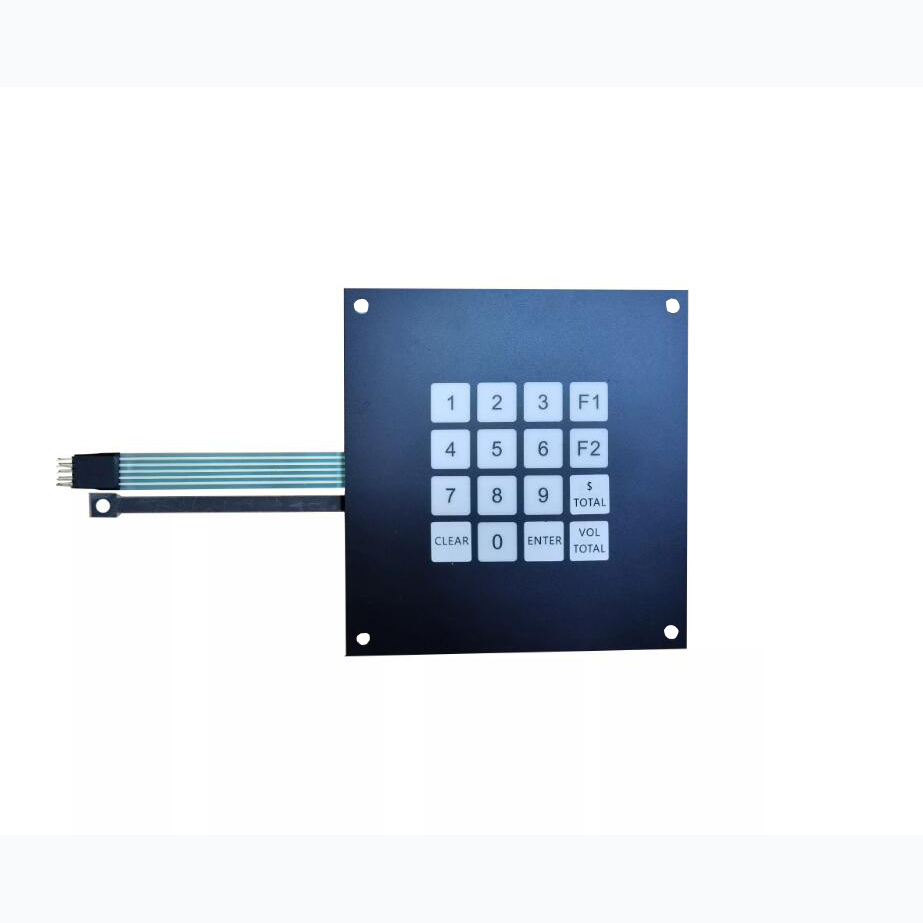
Custom Fuel Dispenser Oiling Machine with Membrane Keypad & Remote Controller
Durable design, UV-resistant clear display window, ISO9001 certified for outdoor fuel terminals.
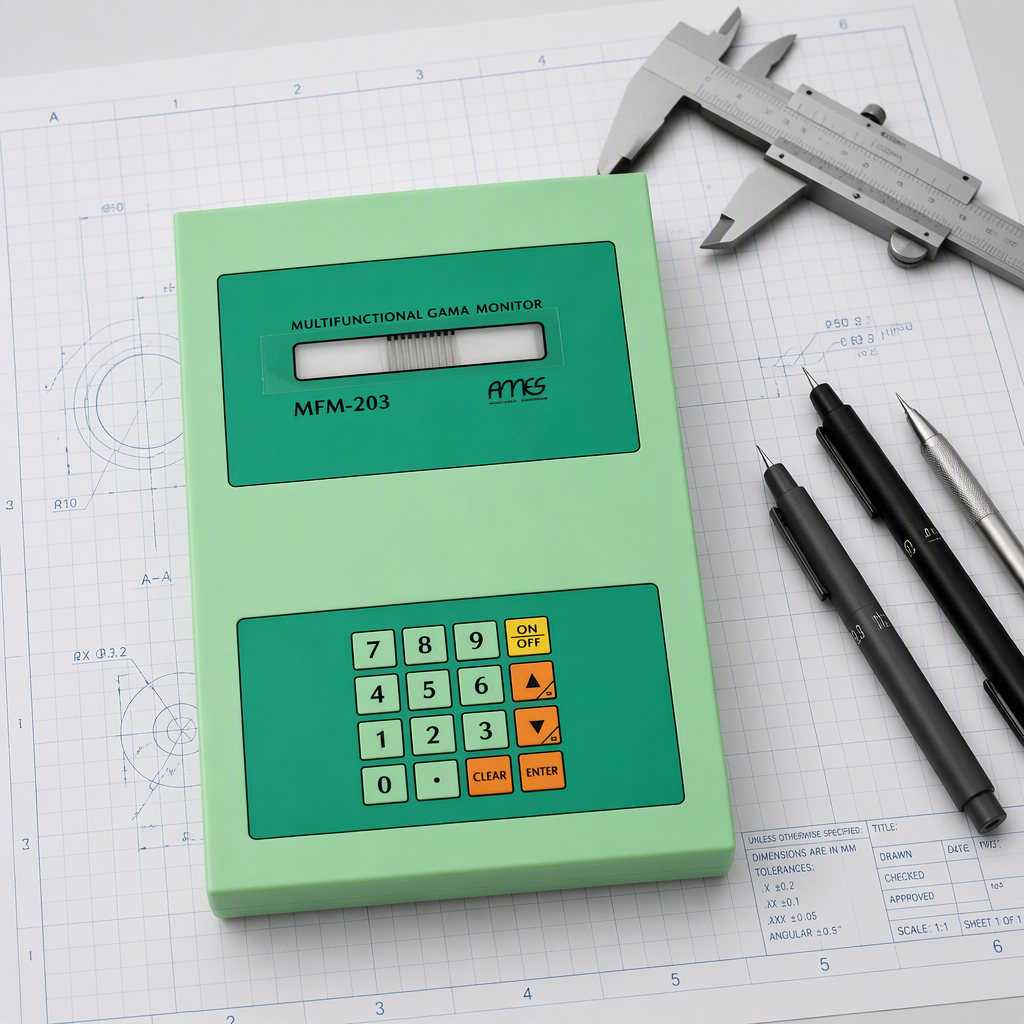
Waterproof Polyester Membrane Keypad Panel PET/PC Plastic Interface
Panel mount clear lens overlay designed for HMI display screens and industrial remote controllers.
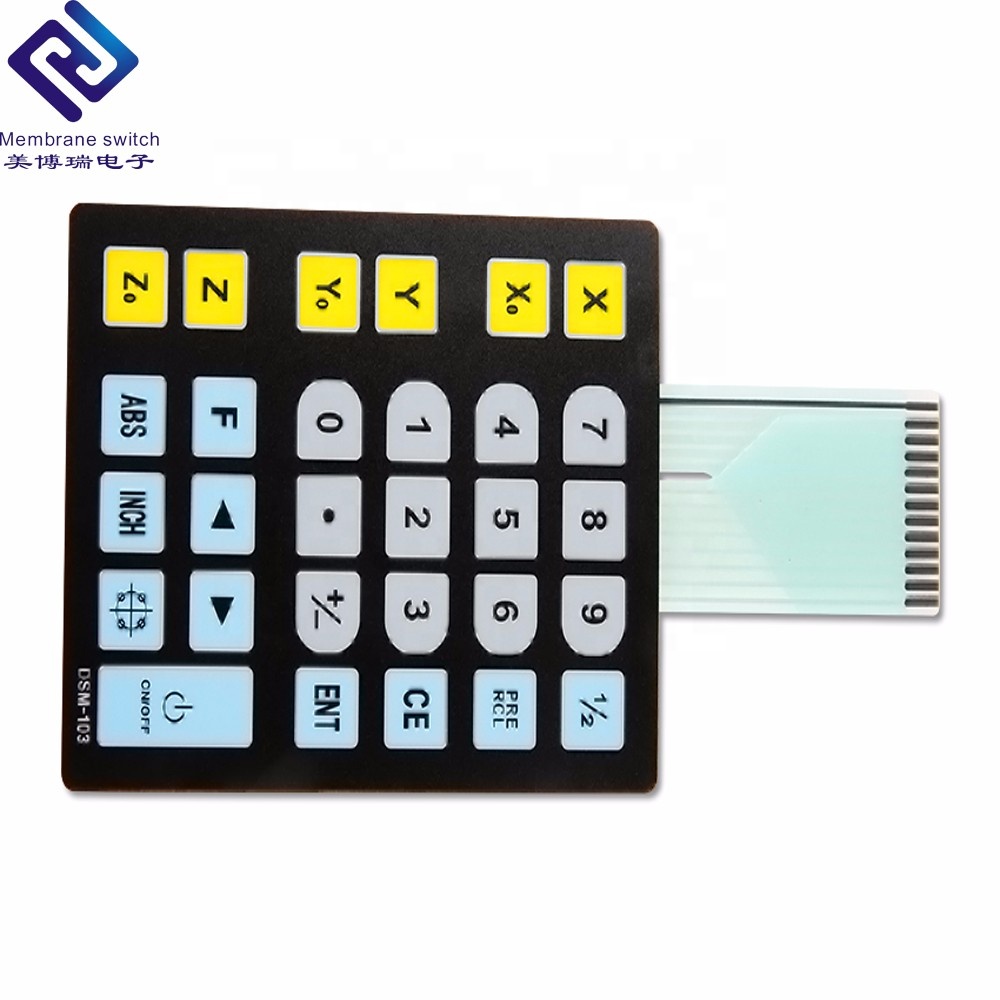
MBR High Quality IP67 Waterproof Clear Window Membrane Keypad
3M premium adhesive backing, flexible FPC/silver cable, metal dome buttons for telecommunication equipment.
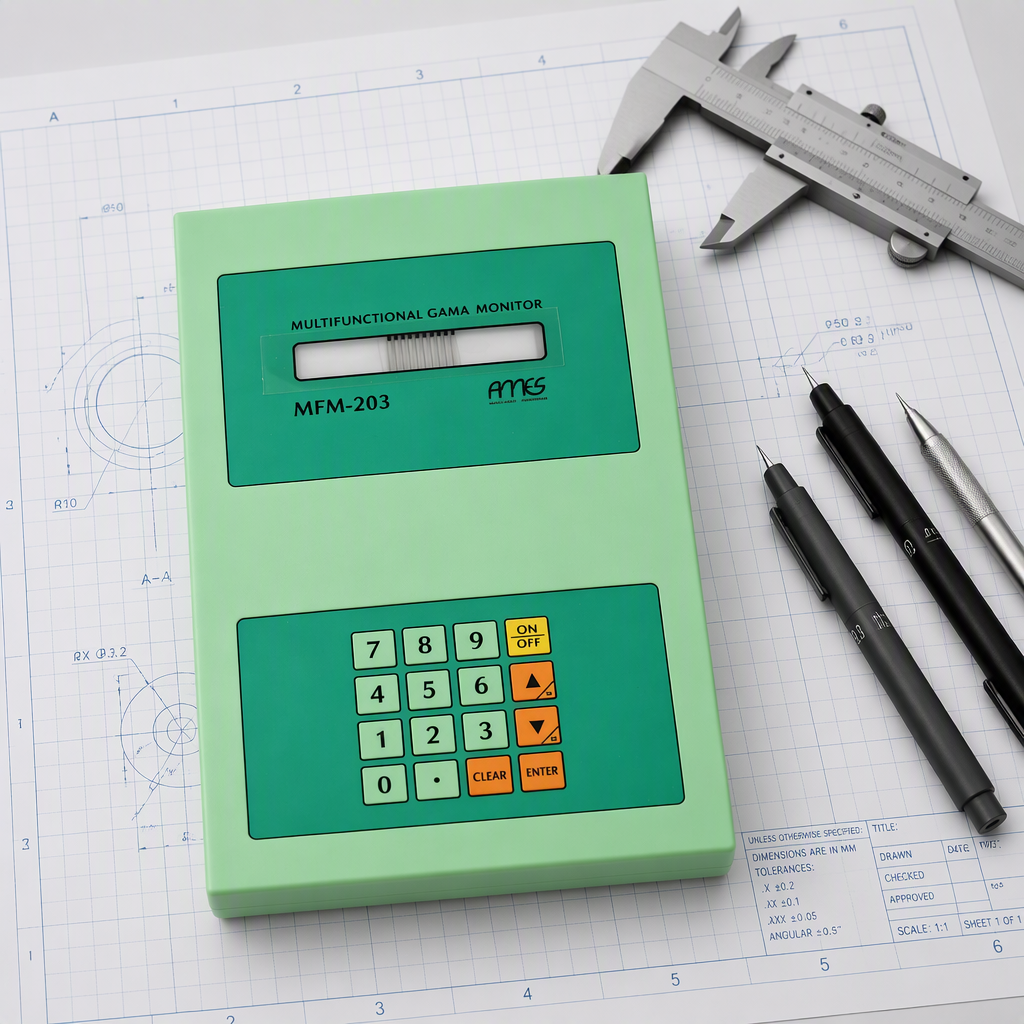
MEIBORUI Fast Turnaround Membrane Overlay Prototyping Service
Custom PET/PC optical overlays, tailored colors, sub-surface silk-screen printing, rapid sample turnaround.
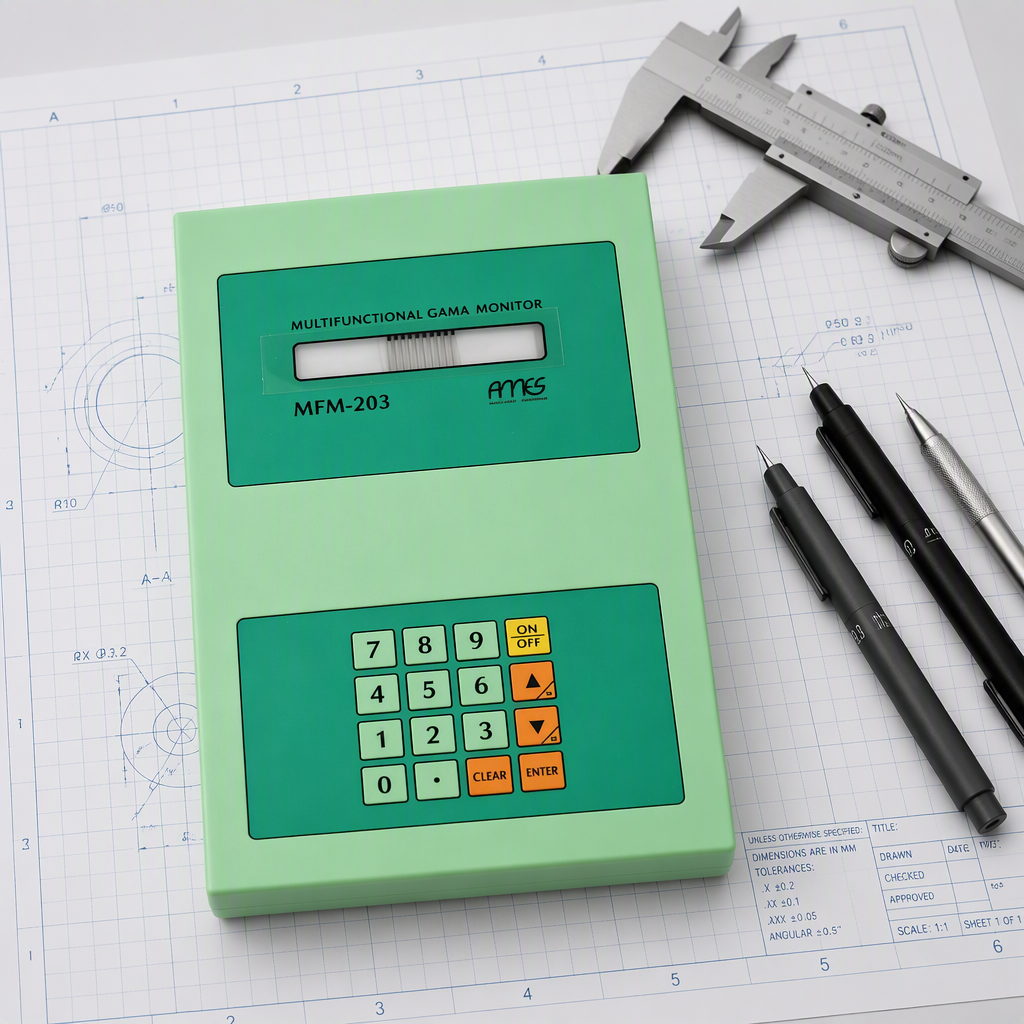
MBR IP67 Industrial Sealed PET Overlay with Crystal Clear Lens
Custom OEM/ODM graphic overlay engineered specifically for rugged telecommunication and power electronics.
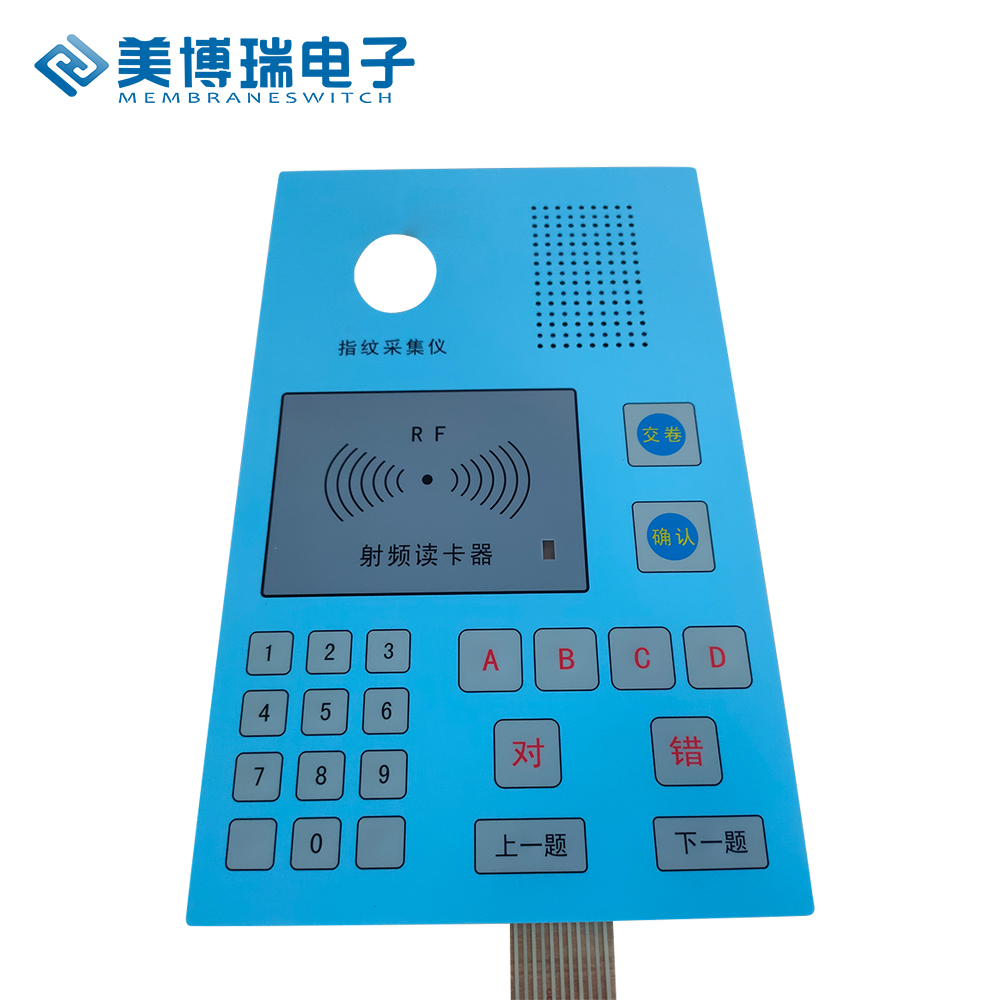
MBR Environmentally Sealed Clear Window Membrane Switch Panel
IP65 waterproof rating, 3M VHB/200MP adhesive layer, conductive silver ink layout, scratch-resistant PET/PC.
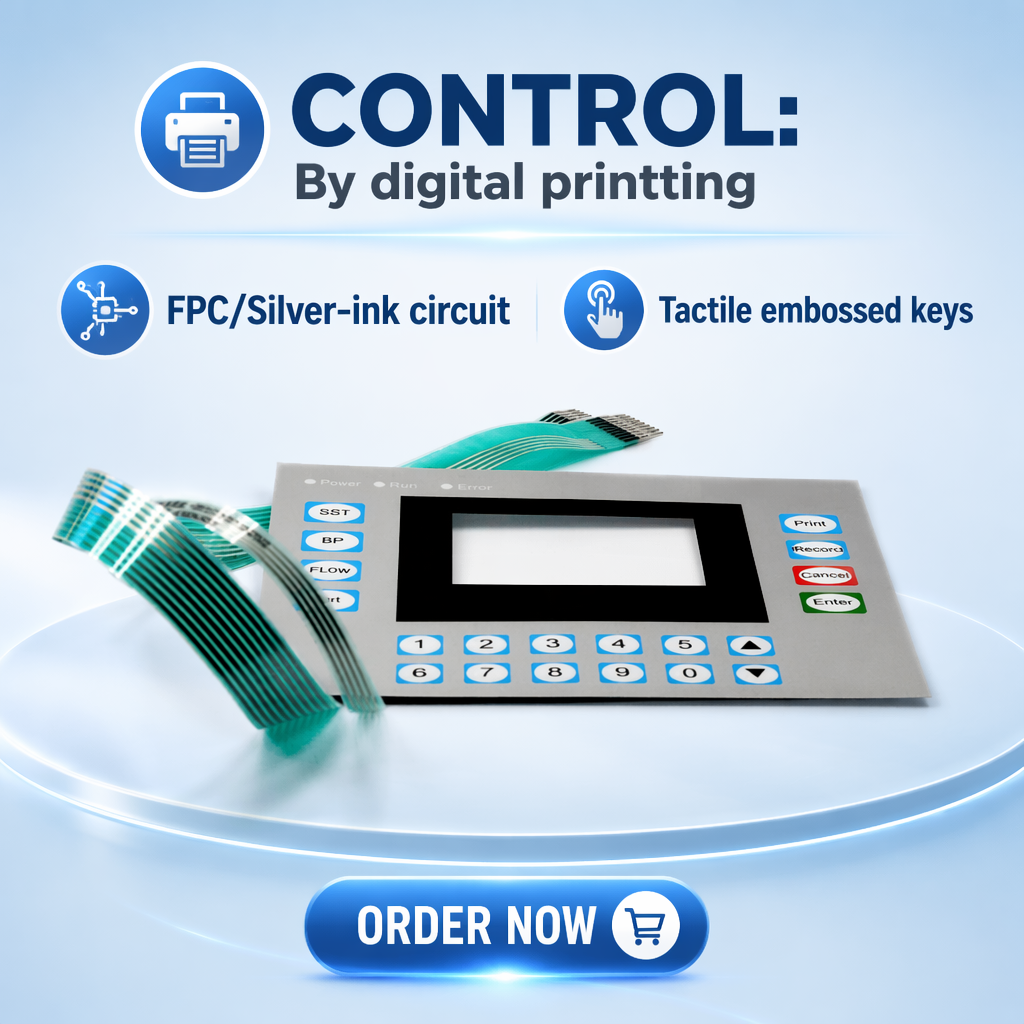
MEIBORUI Integrated PCB Backer & Graphic Overlay Prototyping
Durable, eco-friendly ISO9001 assembly. Low MOQ prototyping with high-precision clear window alignment.
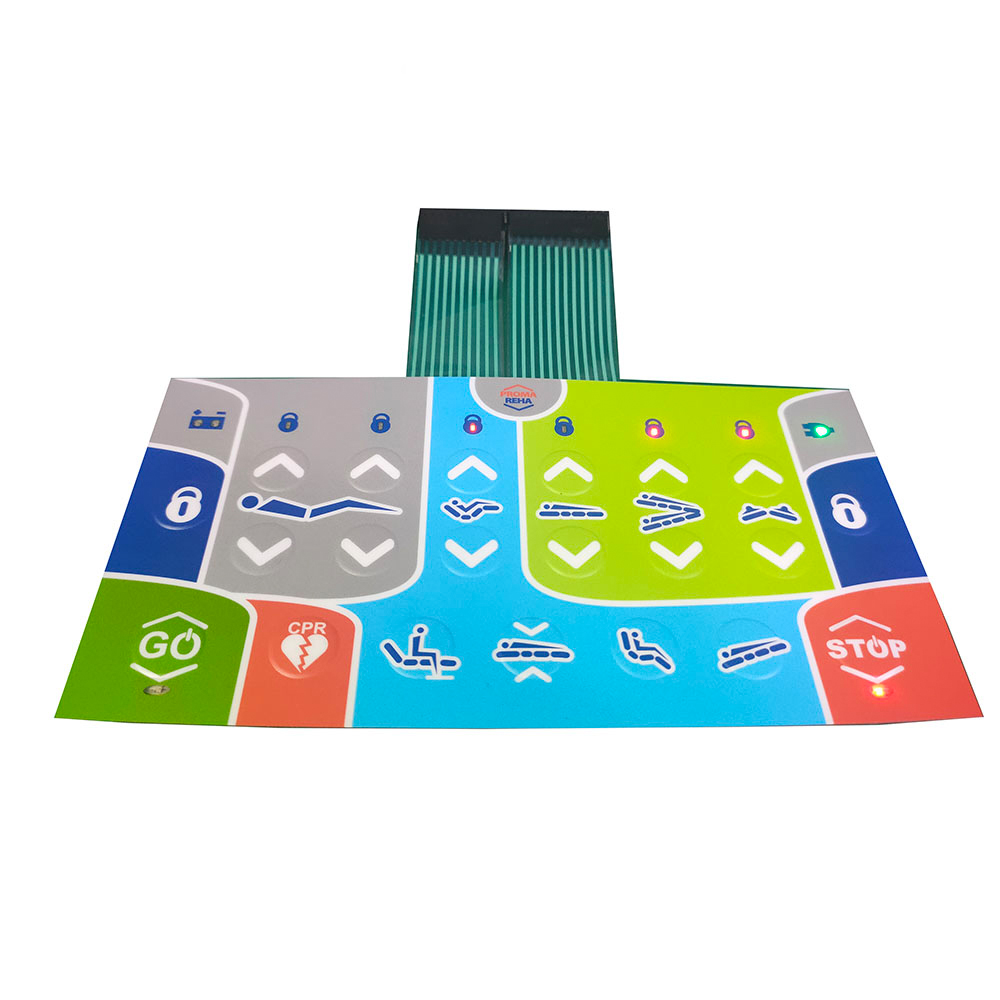
Custom Precision Molded PBT Keycaps & Overlay Components
Silkscreen printing, RoHS/REACH compliant, fast delivery from Meiborui manufacturing facilities.
China Clear Panel Overlay Manufacturing: Technical Architecture & Engineering Standards
Understanding the optics, material substrate characteristics, surface treatments, and layer stack-ups required for high-reliability Human-Machine Interfaces (HMI).
A clear panel overlay—frequently referred to as a clear display window overlay, transparent lens interface, or graphic overlay with transparent display cutouts—serves as the primary protective and visual interface layer for electronic instruments, medical diagnostic devices, outdoor fuel dispensers, industrial automation panels, and commercial appliances. Sourcing high-precision clear panel overlays from leading Chinese manufacturers requires an in-depth understanding of polymer physics, sub-surface printing, optical clarity optimization, and environmental sealing protocols.
As global OEMs transition toward sleeker, touch-enabled, and highly durable control interfaces, the clear display window must maintain optical transmission rates exceeding 91% while resisting UV degradation, chemical exposure, physical abrasion, and ambient moisture ingress. TAVO Electronic Information Technology Co., Ltd. (operating advanced manufacturing facilities in Xianghe, Hebei and Huizhou, Guangdong) stands at the forefront of this technology, blending over three decades of engineering expertise (since 1990) with state-of-the-art digital printing and automated inspection systems.
Substrate Material Selection: Polycarbonate (PC) vs. Autotex Polyester (PET) vs. Acrylic (PMMA)
The core structural layer of a clear panel overlay determines its mechanical toughness, flexural life, thermal tolerance, and long-term optical fidelity. Chinese specialized factories utilize three dominant optical-grade thermoplastic films:
| Performance Metric | Polycarbonate (PC - Lexan / Makrofol) | Polyester (PET - Autotex / Melinex) | Acrylic / PMMA (Rigid Lenses) |
|---|---|---|---|
| Light Transmission (ASTM D1003) | 88% - 90% | 89% - 92% | 92% - 94% (Highest Clarity) |
| Pencil Hardness (ASTM D3363) | HB - 1H (Requires Hardcoat for 3H) | 2H - 3H (Standard Hardcoated PET) | 3H - 5H (Naturally Abrasion Resistant) |
| Flexural Switch Life (Actuations) | ~100,000 Cycles (Prone to Crazing) | > 5,000,000 Cycles (Superior Flex) | Not Flexible (Rigid Window Insert Only) |
| Chemical Resistance (DIN 42115) | Moderate (Vulnerable to Solvents/Esters) | Exceptional (Resists Alcohol, Oils, Acids) | Moderate to High |
| UV Stability & Outdoor Life | Requires UV-stabilized Grade (e.g., HP92W) | Excellent (Autotex XE UV-Resistant Series) | Outstanding (Minimal Yellowing over 10 yrs) |
| Embossing & Tactile Domes | Excellent Formability (Hot/Cold Emboss) | Requires Precision Hot Embossing | Non-Embossable |
Sub-Surface Printing & Window Optical Treatment Technologies
To guarantee that graphics, branding logos, and color boundaries remain completely protected from surface scratching and chemical cleaning solutions, top China clear panel overlay factories utilize 100% sub-surface screen printing and digital UV printing. Inks are deposited on the reverse side of the transparent substrate in reverse sequence, leaving the pristine top surface intact.
For the clear window zone where LCD, LED, OLED, or VFD displays sit beneath the panel, specific optical finishing processes are applied:
- Crystal Clear Gloss Windows: Selective optical varnishes are applied to standard matte films to turn the window area 100% transparent, eliminating light scattering and maximizing display crispness.
- Anti-Glare (AG) Texturing: Micro-textured matte surface structures diffuse ambient room lighting or harsh sunlight, eliminating specular reflections that cause operator fatigue.
- Tinted / Filter Windows: Transparent color inks (e.g., Red, Green, Smoke Gray, Amber) are screen-printed over clear windows to match LED emission wavelengths or conceal segment displays when non-illuminated ("dead-front" effect).
- Anti-Fingerprint (AF) & Oleophobic Coatings: Chemical nanocoatings applied to touch-sensitive clear panels reduce oil transfer from operator hands and streamline wipe-down maintenance in medical environments.
Why Partner with TAVO / Meiborui: Integrated Manufacturing Excellence
Discover the engineering capability, full-process in-house equipment, and international quality controls that make TAVO the preferred China clear panel overlay supplier for Fortune 500 OEMs.
Full In-House Manufacturing
Unlike trading entities, TAVO executes 100% of clear panel overlay manufacturing inside our own facilities. From CAD engineering, optical film cutting, and color matching to sub-surface printing, laser micro-machining, cleanroom optical bonding, and 100% electrical/optical inspection—quality never leaves our roof.
ISO 9001 & Intertek Audited
Our quality management system is certified to ISO 9001:2015 standards and verified on-site by Intertek. Every clear panel overlay order is backed by material lot traceability, RoHS/REACH compliance documentation, spectroradiometer color verification, and automated optical inspection (AOI).
Sino-German Technical Synergy
Through long-term engineering collaboration with leading European HMI manufacturers, TAVO merges advanced German process standards with China's agile supply chain. We operate 4 high-speed Mimaki digital UV printing lines and 18 automated laser cutters for rapid prototyping and mass production scalability.
Future Procurement & Technological Trends in Clear Panel Overlays
How technological convergence, smart HMI integration, and eco-sustainable material science are transforming global clear panel overlay sourcing strategies.
The global market for Human-Machine Interfaces is undergoing a structural transition. Procurement managers and hardware design engineers are moving away from traditional mechanical push-buttons and standalone acrylic lenses toward fully integrated, ultra-thin, optically bonded overlay modules. B2B buyers seeking competitive advantage through China sourcing must align their engineering specs with five key future trends:
1. OCA / LOCA Optical Bonding Integration
Modern clear panel overlays are no longer attached using simple air-gap perimeter tape. Leading factories now utilize Optically Clear Adhesive (OCA) or Liquid OCA (LOCA) to bond the PET/PC clear window directly to the TFT-LCD or OLED display module. This eliminates reflection losses at air-glass interfaces, boosts contrast by 400%, and prevents internal condensation in outdoor environments.
2. In-Mold Decoration (IMD) & IME Technology
In-Mold Electronics (IME) merges sub-surface graphic overlay printing with thermoformed 3D clear windows and printed capacitive touch sensors in a single injection-molded plastic structure. This reduces component count, eliminates assembly labor, and creates completely sealed, seamless 3D HMI surfaces suitable for automotive and medical devices.
3. Antimicrobial & Self-Healing UV Hardcoats
Driven by post-pandemic hygiene imperatives in medical instruments and public-use kiosks (e.g., fuel dispensers, ATM keypads, ticketing machines), demand for bio-inhibitory silver-ion hardcoats (such as Autotex AM) has surged. Concurrently, nano-engineered self-healing clear coatings that automatically repair micro-scratches from fingernails are entering high-end industrial designs.
4. Integrated Light Guide Films (LGF) & Dead-Front Effects
Future clear panel overlays combine "dead-front" clear windows (which appear completely black and opaque when powered off) with ultra-thin Light Guide Films (LGF) powered by side-emitting SMD LEDs. This allows dynamic visual indication where control icons only illuminate when specific machine states are triggered, elevating industrial aesthetic appeal.
5. Sustainable Bio-Based & Recycled PET Substrates
Global environmental regulations (EU Eco-Design Directive, RoHS 3, REACH) are pushing Chinese overlay factories to introduce bio-based polyester films derived from renewable plant sugars and PCR (Post-Consumer Recycled) PET films. Sourcing managers can now achieve corporate ESG sustainability targets without compromising optical clarity or chemical resistance.
6. Hybrid Capacitive Touch Sensing Overlays
Replacing traditional mechanical metal domes, graphic overlays are increasingly backed with transparent ITO (Indium Tin Oxide) or printed silver-nanowire capacitive touch sensors. Operating through a crystal-clear PC or PET overlay up to 3mm thick, capacitive touch interfaces offer zero mechanical wear and lifetime actuation limits.
Frequently Asked Questions for Clear Panel Overlay Sourcing
Direct technical answers to common questions asked by hardware engineers, optical designers, and procurement teams when specifying custom clear panel overlays from China.
What design files and specifications are required to receive an accurate custom quotation?
- Vector Artwork File: Adobe Illustrator (.AI), CorelDraw (.CDR), vector PDF, or DXF showing graphic layers, color callouts (Pantone or RAL codes), and clear window boundary dimensions.
- Substrate & Thickness: Specified material (e.g., Autotex PET F200, Lexan Polycarbonate 8010) and thickness (typically 0.125mm, 0.175mm, 0.25mm, 0.5mm, or rigid 1.0mm - 3.0mm PC/PMMA).
- Window Optical Specs: Clear gloss, anti-glare matte finish, dead-front tint color, or LED color filters.
- Adhesive Requirement: Selective die-cut adhesive type (e.g., 3M 467MP for smooth surfaces, 3M 468MP for rough metal, or 3M VHB for heavy waterproofing).
- Target Quantity: Prototyping quantity (5–50 pcs) or annual mass-production volume.
How do you prevent Newton's Rings and optical parallax in clear window display overlays?
- Applying an internal micro-anti-newton spacer printing layer or anti-glare fine texture to the inner window surface.
- Maintaining a precise spacer tape air-gap thickness (typically 0.2mm to 0.5mm) around the display window perimeter.
- Executing full optical bonding using bubble-free Liquid Optical Clear Adhesive (LOCA) or dry OCA film in our Class 10,000 cleanroom.
What is the difference between screen printing and digital UV printing for clear panel overlays?
Digital UV Printing (Mimaki Digital Lines): Ideal for rapid prototyping, short-run production, photo-realistic color gradients, and continuous variable serial numbering. Digital printing eliminates screen setup tooling costs and allows delivery of custom samples in as fast as 48 hours.
How do TAVO clear panel overlays withstand harsh outdoor environments and chemical exposure?
Can you integrate metal domes, PCB boards, or silicone keypads behind clear panel overlays?
What quality testing procedures are conducted prior to shipment?
- Optical Inspection: Automatic Optical Inspection (AOI) checking clear windows for dust specs, pinholes, and scratch defects (>0.05mm threshold).
- Spectrophotometer Analysis: Ensuring strict Pantone/RAL color consistency across batches.
- Adhesion Testing: Cross-hatch tape adhesion testing (ASTM D3359) for sub-surface ink bonding.
- Dimension Verification: 2D Optical Measuring Projector checking die-cut edge tolerances within ±0.05mm.
- Environmental Stress Testing: Humidity, thermal shock (-40°C to +85°C), and key life cycle testing (>1,000,000 presses).
Ready to Engineer Your Custom Clear Panel Overlay?
Collaborate directly with TAVO's senior HMI design engineering team. From material selection and DFM (Design for Manufacturability) analysis to rapid prototyping and full-scale ISO9001 mass production, we deliver optical clarity and long-term reliability.
✓ Confidentiality Guaranteed (NDA Available) | ✓ Fast Prototype Turnaround | ✓ Global Shipping via Express/Freight