Conductive Silver Circuits & Custom Keypad Assemblies
Explore our flagship OEM conductive screen-printed circuits, membrane switches, and PBT mechanical keycap systems engineered for harsh operating environments.
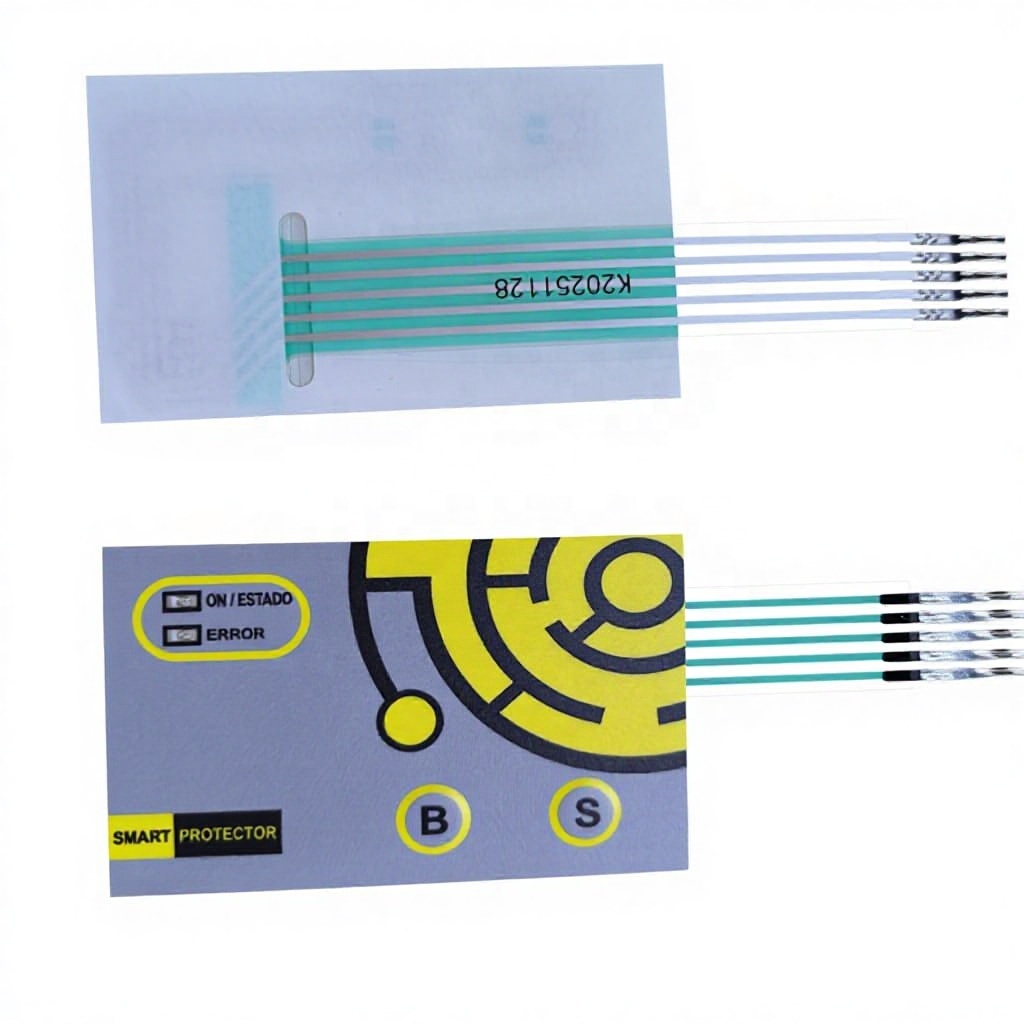
Fast Delivery OEM Waterproof Membrane Keyboard PBT Cap Mechanical Compatible
Explore Specifications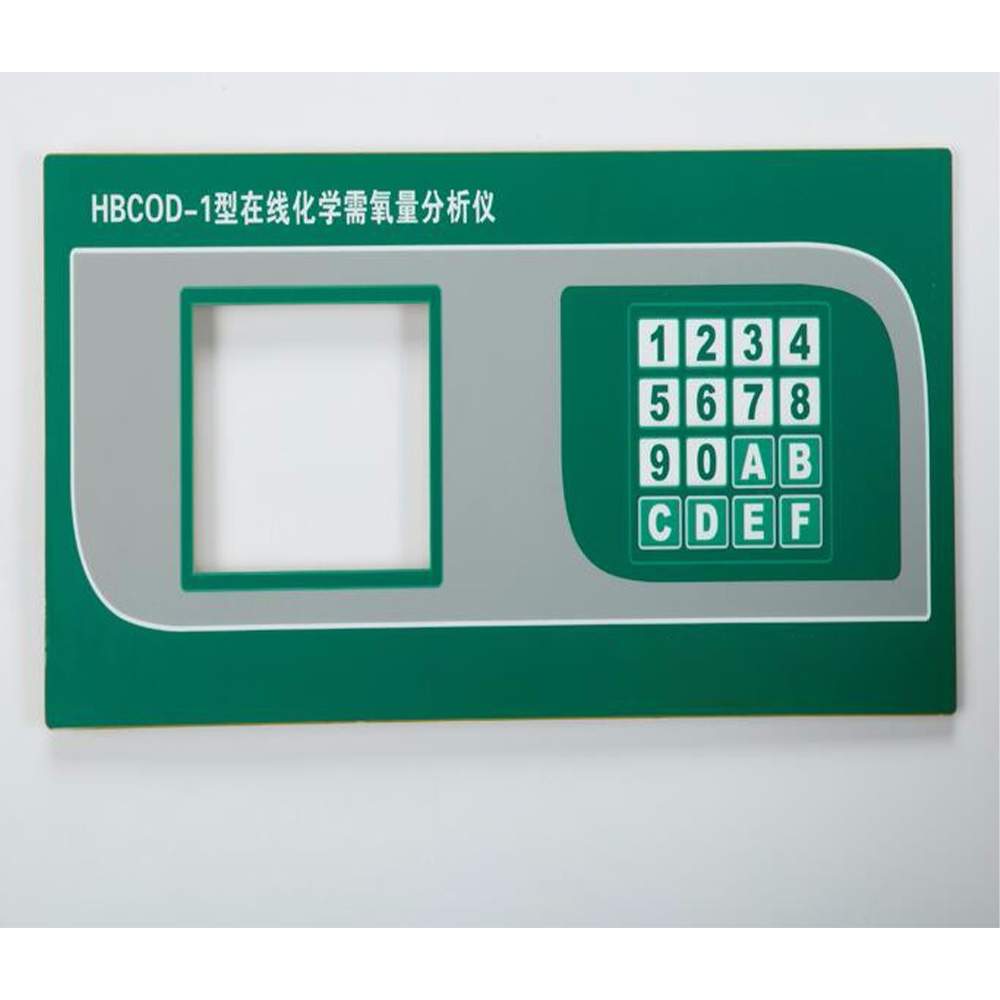
High Quality PET PC Membrane Keyboard Custom Logo Color & Size Fast Delivery
Explore Specifications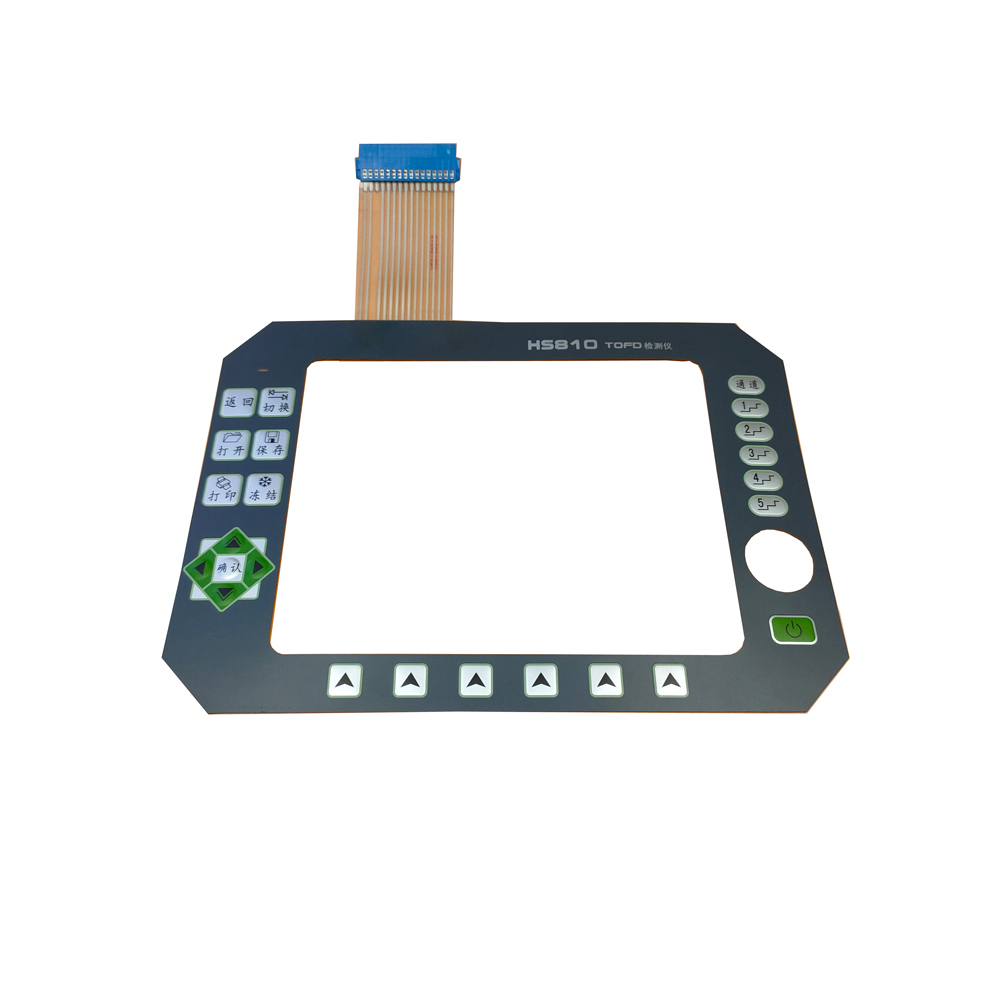
Meiborui Custom PBT Keycap Silkscreen Printed Waterproof Adhesive Sticker
Explore Specifications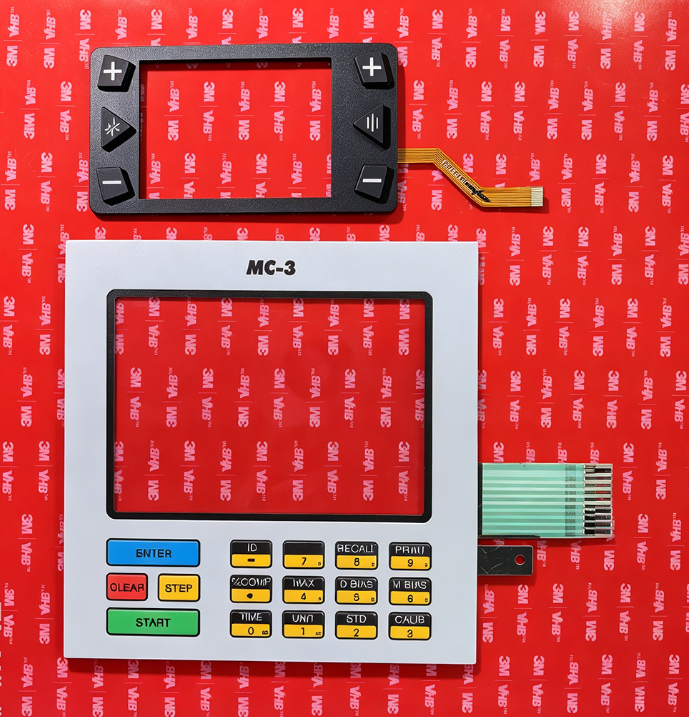
MBR IP67 Waterproof 3M Adhesive Flexible Cable Membrane Keypad PVC/PET/PC
Explore Specifications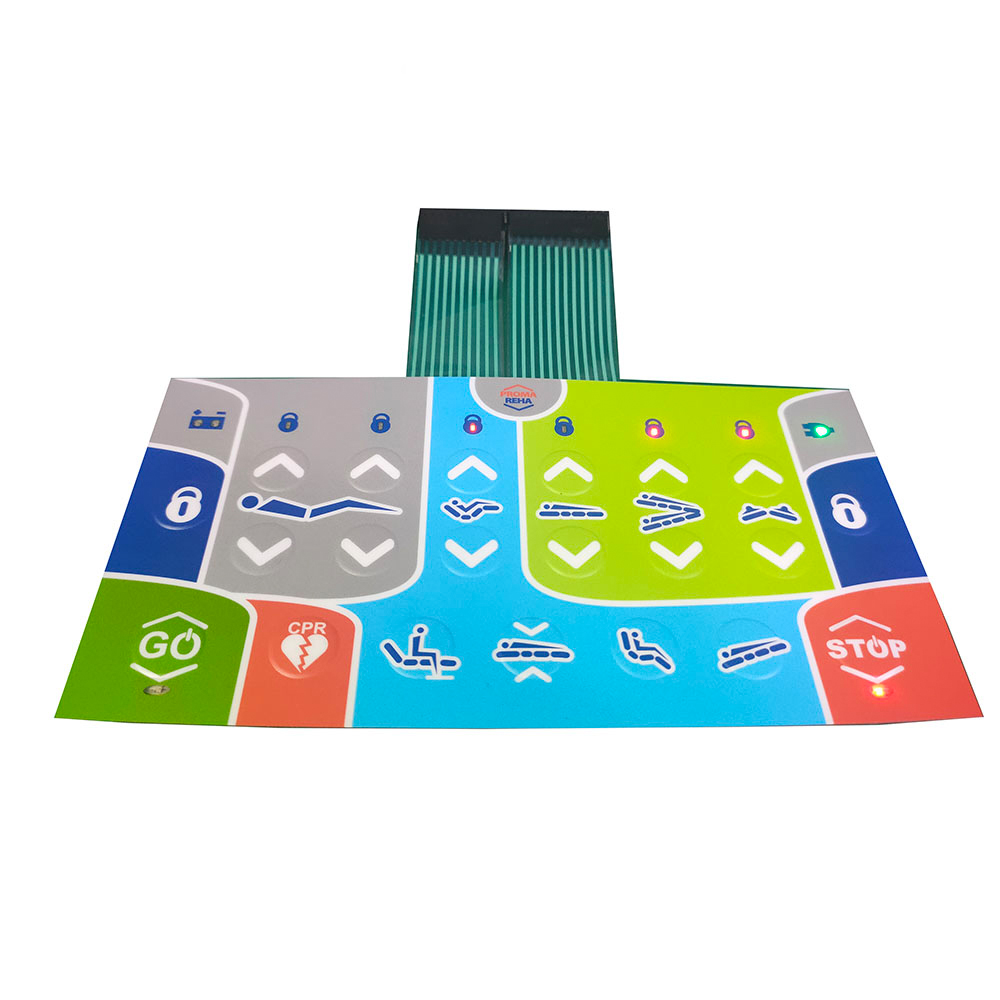
High Quality PBT Keyboard Cap Customized Silkscreen ISO9001:2015 Certified
Explore Specifications
Fast Delivery OEM PBT Keyboard Cap Mechanical Compatible 2.54mm Pitch
Explore Specifications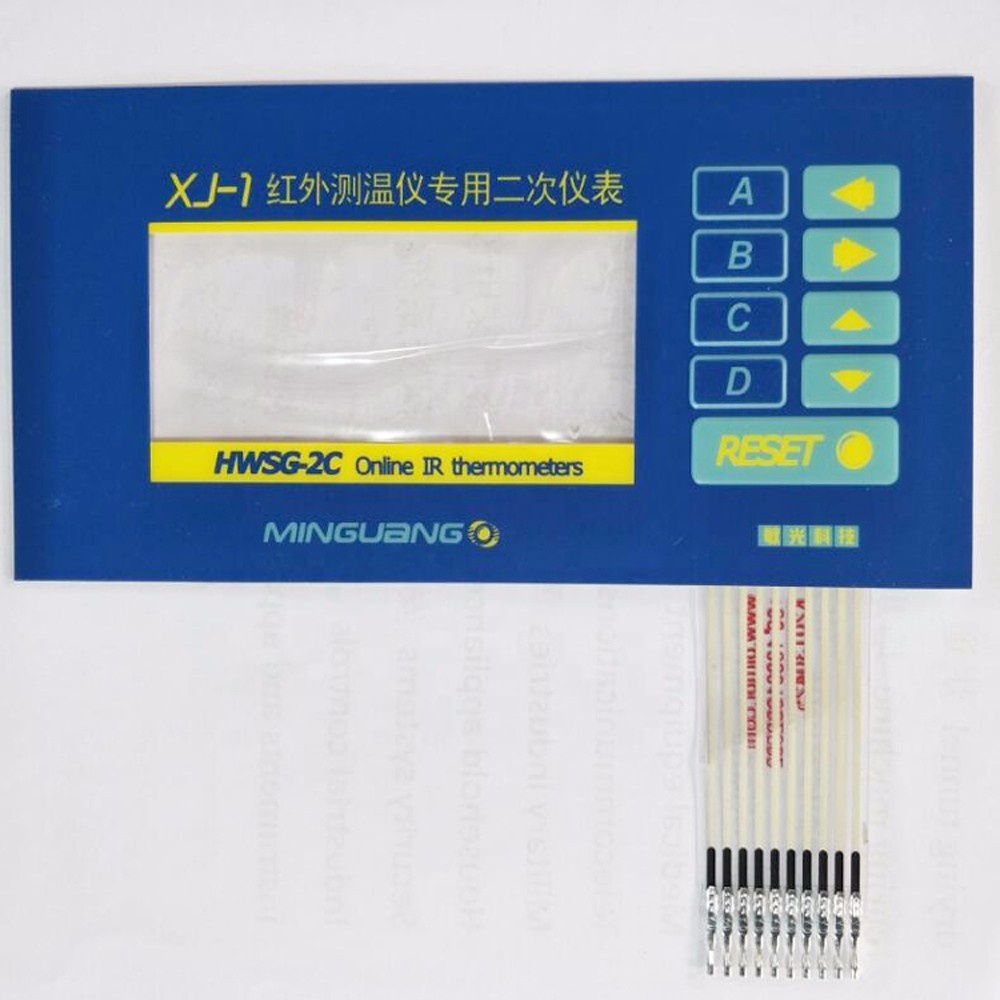
OEM PBT Mechanical Switch Compatible Keyboard Cap Silkscreen Printed ISO Direct
Explore Specifications
MEIBORUI Fast Turnaround Membrane Keyboard Prototyping Service PET/PVC
Explore Specifications1. Technical Whitepaper: The Science of Conductive Silver Circuits
Conductive silver circuits—primarily produced via Polymer Thick Film (PTF) screen-printing technology—serve as the foundational neural network for modern Human-Machine Interfaces (HMIs), flexible sensors, and membrane keypads. As global industrial automation, medical diagnostic instrumentation, and commercial appliances evolve toward sleeker form factors and higher environmental resilience, sourcing high-grade silver conductive traces from top Chinese exporters has become a strategic priority for tier-1 OEMs in North America and Western Europe.
1.1 Chemical Formulation & Polymer Thick Film Mechanics
At its core, a conductive silver circuit consists of micronized metallic silver flakes (typically 1 to 10 microns in particle diameter) suspended within a thermoplastic resin matrix (such as polyester or polyurethane) dissolved in organic solvents. Upon screen printing onto dimensionally stable substrates like heat-stabilized Polyethylene Terephthalate (PET) or Polyimide (PI), the printed sheet undergoes controlled thermal cross-linking. As the solvent dissipates, the conductive silver flakes physically consolidate, forming overlapping metallic pathways capable of passing electrical signals with minimal voltage drop.
1.2 Technical Comparison: Substrate Selection Matrix
Choosing the correct flexible substrate directly impacts structural longevity, flexural fatigue strength, and temperature resilience. Below is an engineering comparison matrix used by TAVO / Meiborui technical teams when advising global procurement managers:
| Substrate Material | Thermal Stability (°C) | Flexural Endurance (Cycles) | Dielectric Strength | Recommended Application |
|---|---|---|---|---|
| Heat-Stabilized PET | -40°C to +120°C | > 1,000,000 cycles | 150–200 kV/mm | Industrial Control Keypads, Home Appliances |
| Polyimide (PI / Kapton) | -200°C to +260°C | > 5,000,000 cycles | 200–250 kV/mm | Reflow Soldering SMT, Aerospace, Automotive HMIs |
| Thermoplastic Polyurethane (TPU) | -30°C to +90°C | High Elastic Elongation | 100–120 kV/mm | Wearable Electronics, Bio-Medical Sensors |
| Polycarbonate (PC) | -30°C to +105°C | Moderate Flex Lifecycle | 120–150 kV/mm | Static Graphic Overlays, Rigid Backer Assemblies |
1.3 Silver Electromigration Mitigation & Protective Encapsulation
A critical engineering challenge in high-humidity or direct-current bias environments is silver electromigration—the electrochemical growth of silver dendrites across adjacent circuit traces that leads to electrical short-circuiting. To eradicate this failure mode, premier Chinese manufacturers apply two advanced defensive layers:
- Carbon Graphite Over-Printing: Printing a conductive carbon paste layer over vulnerable silver contact pads and interconnect fingers to shield silver particles from moisture exposure while preserving tactile contact integrity.
- Dielectric UV Encapsulation: Full coverage of non-contact traces with an ultra-fine, pinhole-free UV-cured dielectric coating (insulation resistance > $10^{12} \ \Omega$ at 500V DC) that blocks ambient moisture penetration.
2. Strategic Future Procurement Trends in Flexible Circuits (2025–2030)
Global procurement directors are transitioning from simple component-level sourcing to strategic lifecycle partnerships. As human-machine interaction shifts toward smart touch interfaces, purchasing teams must align with suppliers capable of supporting next-generation structural and electrical innovations.
Trend 1: Hybrid Printed Electronics (HPE) Integration
The boundary between flexible printed circuits and traditional surface-mount technology (SMT) is dissolving. Modern production lines now integrate micro-LEDs, passive resistors, capacitors, and IC drivers directly onto silver-printed PET circuits using conductive isotropic epoxy adhesives (ECA). Sourcing HPE components reduces total assembly weight by up to 60% compared to rigid FR4 PCBs while delivering fully integrated backlit switch assemblies.
Trend 2: Ultra-Fine Line Pitch and High-Density Interconnects
Miniaturization in portable medical monitors and handheld diagnostic devices requires conductive trace widths and spacing down to 0.15 mm (150 microns), compatible with zero-insertion-force (ZIF) connectors at 0.5mm pitch. This mandates automated cleanroom screen-printing facilities equipped with optical registration alignment systems.
Trend 3: Environmental Compliance & Low-Temperature Green Chemistry
With Western markets tightening REACH and RoHS compliance standards, leading exporters are adopting low-voc, water-dispersible, and low-temperature curing inks (< 110°C). These formulations significantly lower manufacturing carbon footprints while allowing the use of ultra-thin, eco-friendly thermoplastic films.
Trend 4: Integration with Multi-Touch Capacitive Panels & LGF Backlighting
Tactile metal dome switches are increasingly paired with capacitive touch sensors and Light Guide Film (LGF) illumination. LGF technology uses micro-refractive dot matrix structures to route light from edge-mounted surface LEDs across the keypad surface, providing flawless backlighting uniformity with under 0.8mm total thickness profile.
Why Global Industry Leaders Choose TAVO / Meiborui
Combining over three decades of manufacturing heritage with German technical precision and dual-factory redundancy across China's major industrial hubs.
30+ Years Heritage & German Tech Alliance
Established in 1990, TAVO / Meiborui has focused solely on membrane switch circuits and printed electronics. Long-term technical cooperation with German membrane switch experts ensures technical workflows meet strict European precision standards.
Advanced In-House Machine Fleet
Our dual manufacturing bases in Hebei (Xianghe Robot Industry Port) and Guangdong (Huizhou) feature 37 precision screen printers, 4 Mimaki heat-setting digital UV printers, 18 laser cutters, and 60 CNC mold machines for rapid tooling.
Comprehensive In-House Reliability Lab
Quality is verified with automated computer circuit resistance testers, actuation life-cycle test rigs, programmable temp/humidity chambers, xenon lamp UV aging chambers, and salt-fog corrosion test chambers.
Proven Tier-1 Brand Partnerships
Trusted supplier to global giants such as Siemens, ABB, and Haier, with applications spanning high-speed locomotive controls, aerospace programs, Xugong heavy machinery, and medical devices across 30+ countries.
3. Frequently Asked Questions (Procurement & Technical FAQ)
What technical design files are required to obtain a custom prototype quotation?
- Outline & Mechanical Drawings: DXF, DWG, or PDF detailing dimensions, cutouts, tail pitch, and tail length.
- Graphic Artwork: Vector files in Adobe Illustrator (.AI), CorelDraw (.CDR), or high-res PDF with specified Pantone color references.
- Electrical Schematic: Circuit pin-out diagram, silver trace resistivity limits, LED position/polarity, and contact dome layout.
How do you prevent silver migration in high-humidity operating environments?
What is the standard turn-around time for prototypes versus mass production?
Can you integrate SMT components and metal backer plates directly into the assembly?
What quality assurance tests are performed on finished circuit batches?
Ready to Start Your Custom Flexible Circuit Project?
Connect directly with our senior engineering team to receive a free Design for Manufacturability (DFM) review, engineering drawings, and competitive direct factory pricing within 24 hours.
Send an Inquiry