Recommended Product Solutions
Engineered Copper FPC Circuits, Custom Waterproof Keypads & Industrial HMI Controls
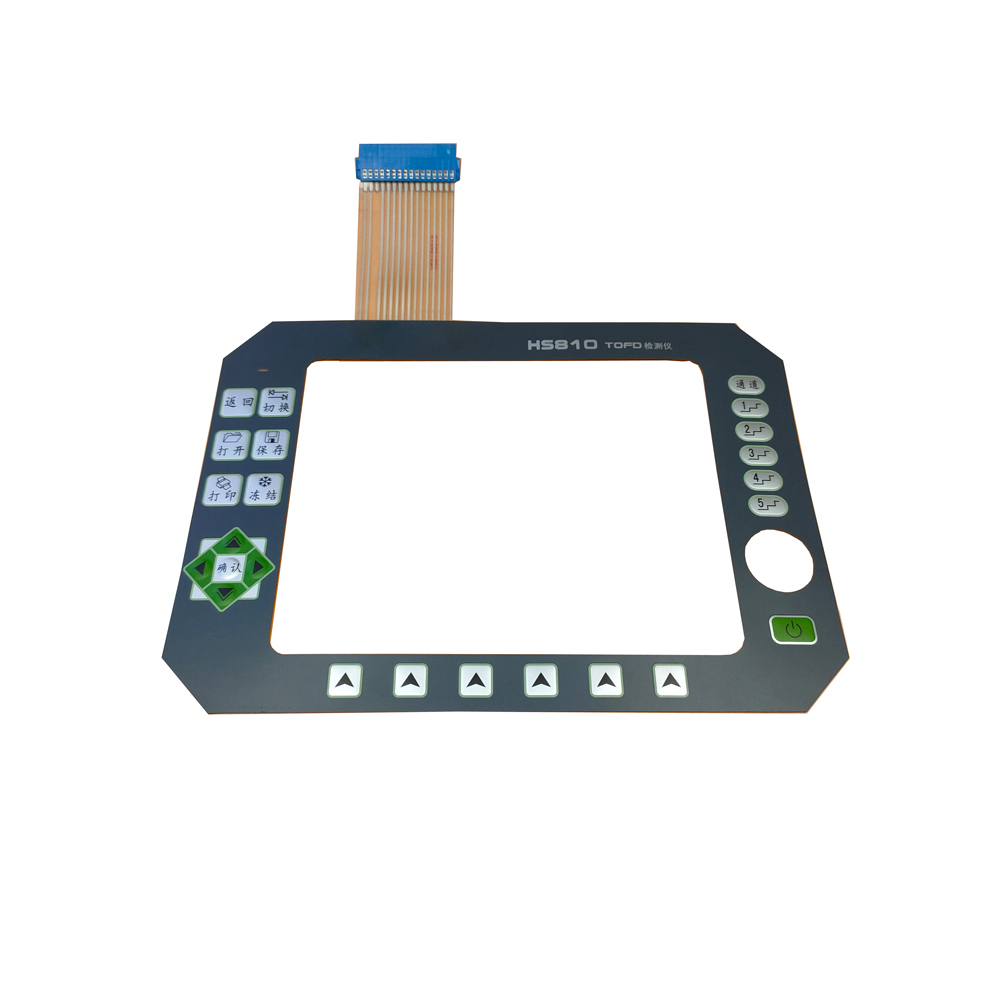
Meiborui Custom PBT Keyboard Cap Silkscreen Printed Waterproof Adhesive Sticker
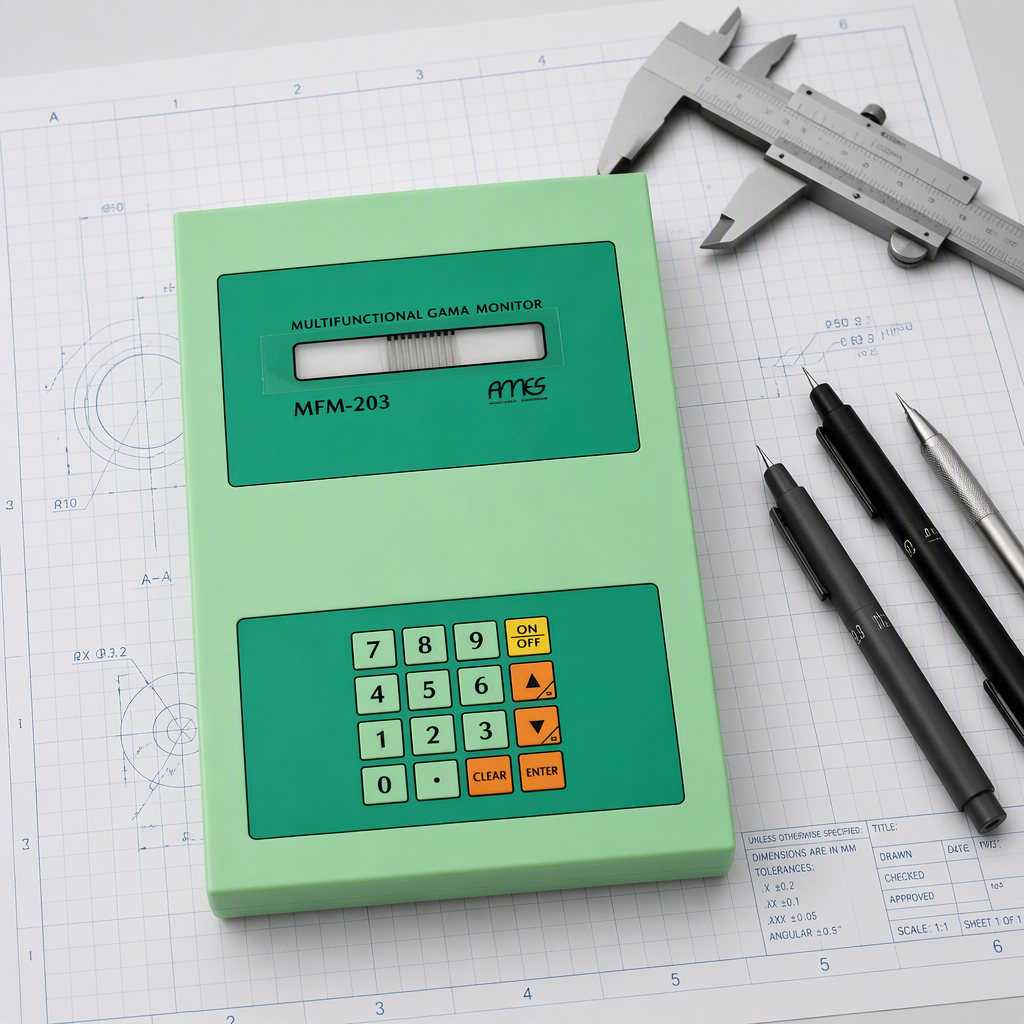
Waterproof Polyester Membrane Keypad Panel PET PC Plastic Keyboard Panel
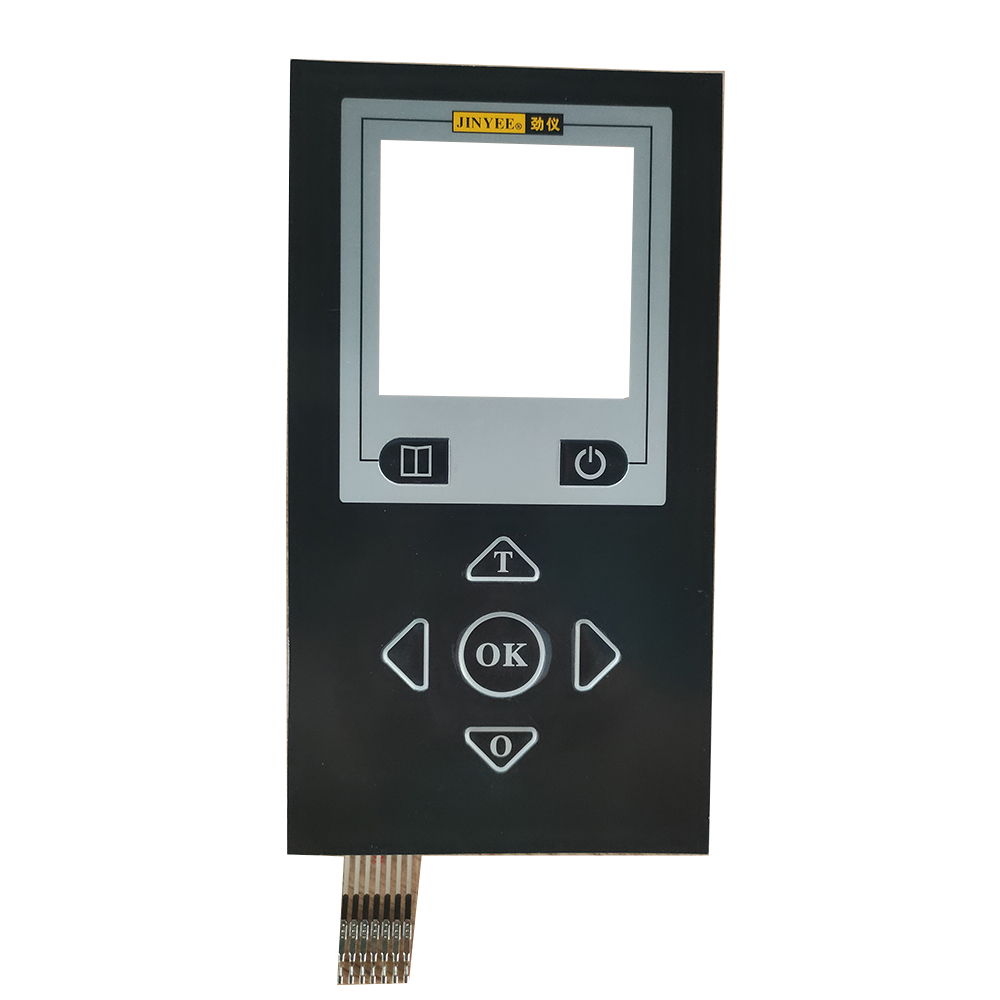
MBR IP67 Waterproof Industrial Membrane Keyboard with PET Overlay
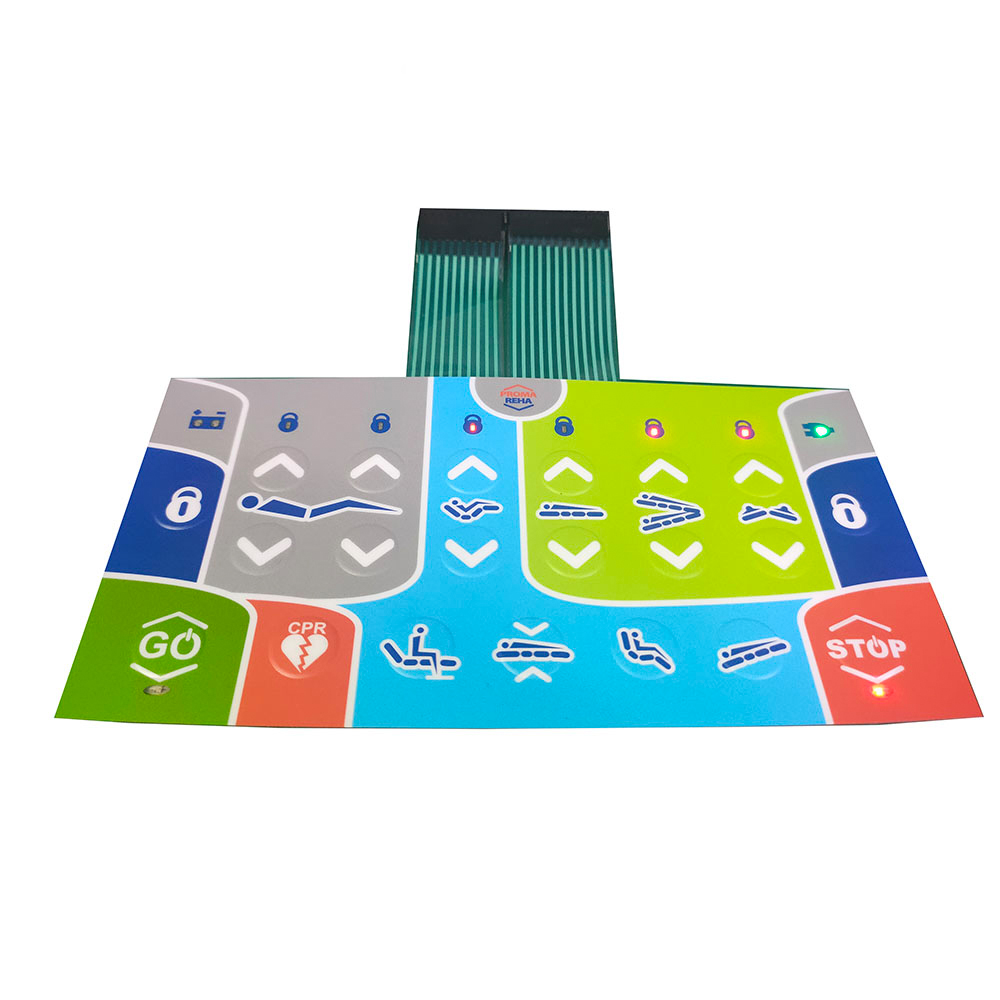
High Quality PBT Keyboard Cap Customized Color & Size Silkscreen Printing
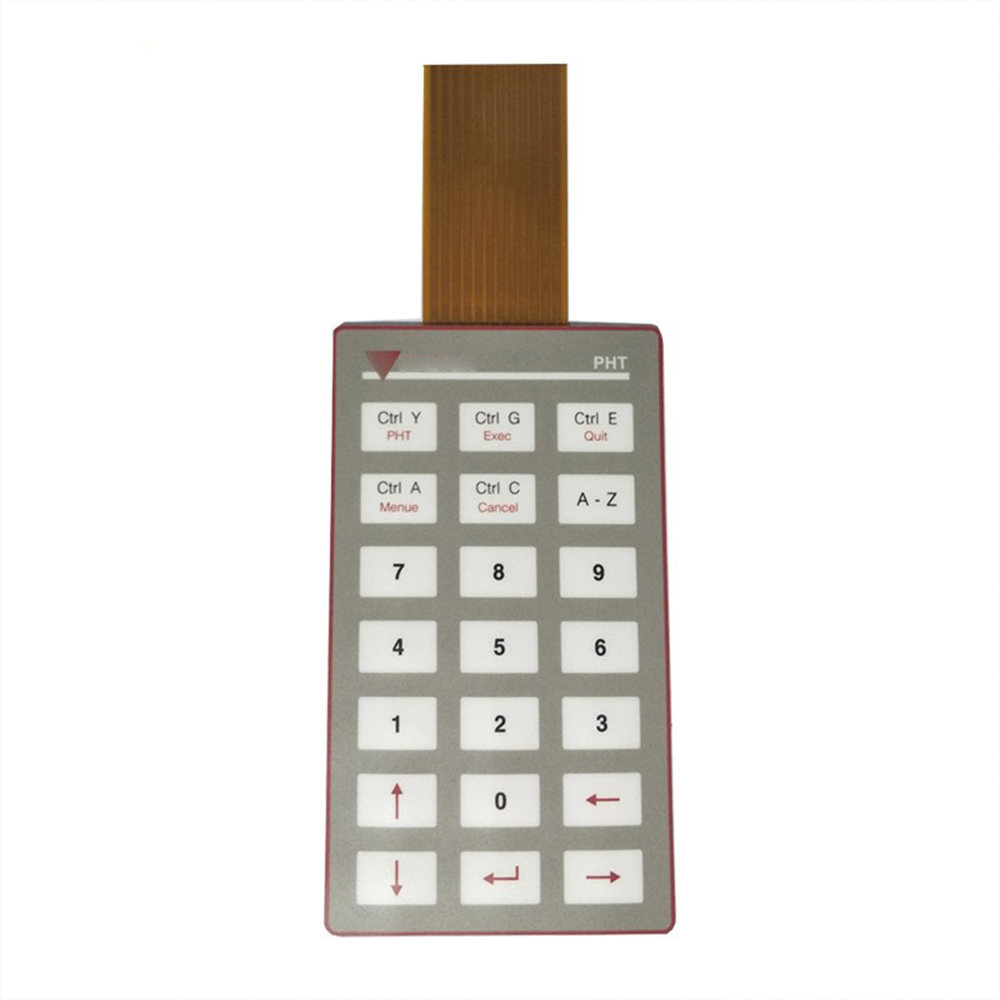
Computer Keyboard Membrane Panel Temperature Control Keypad Touch Switch
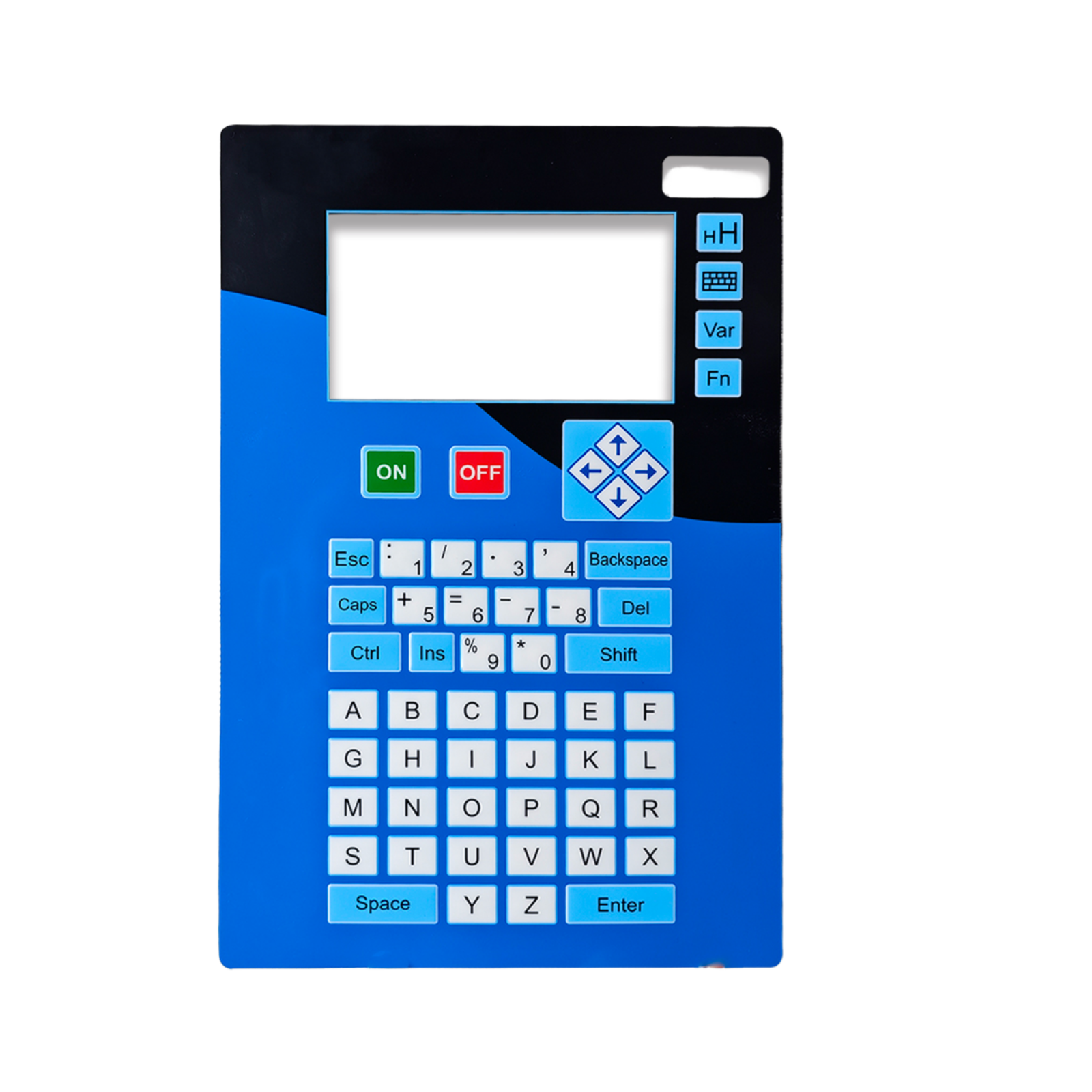
China MEIBORUI Custom Printed Membrane Switch Embossed Metal Dome Keypad
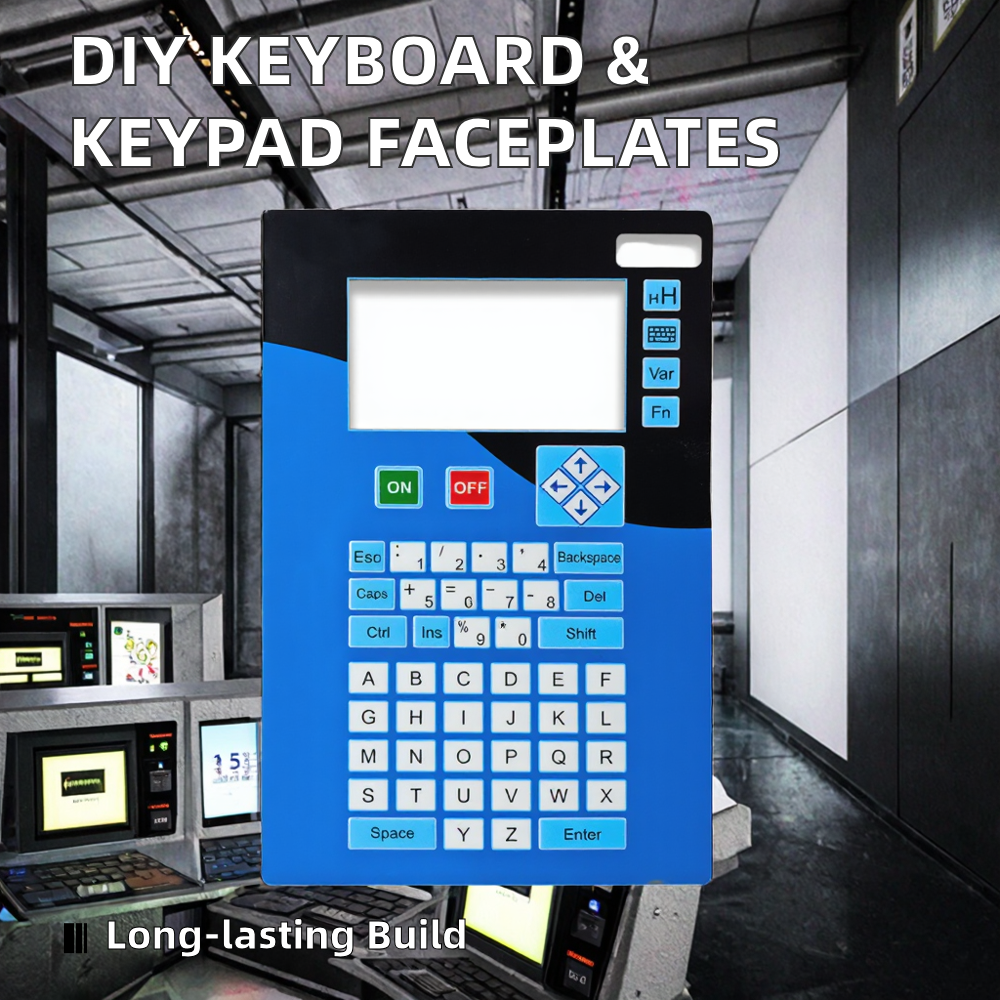
Custom Embossed Tactile Key Membrane Switch/Keypad Backlight LED Panel
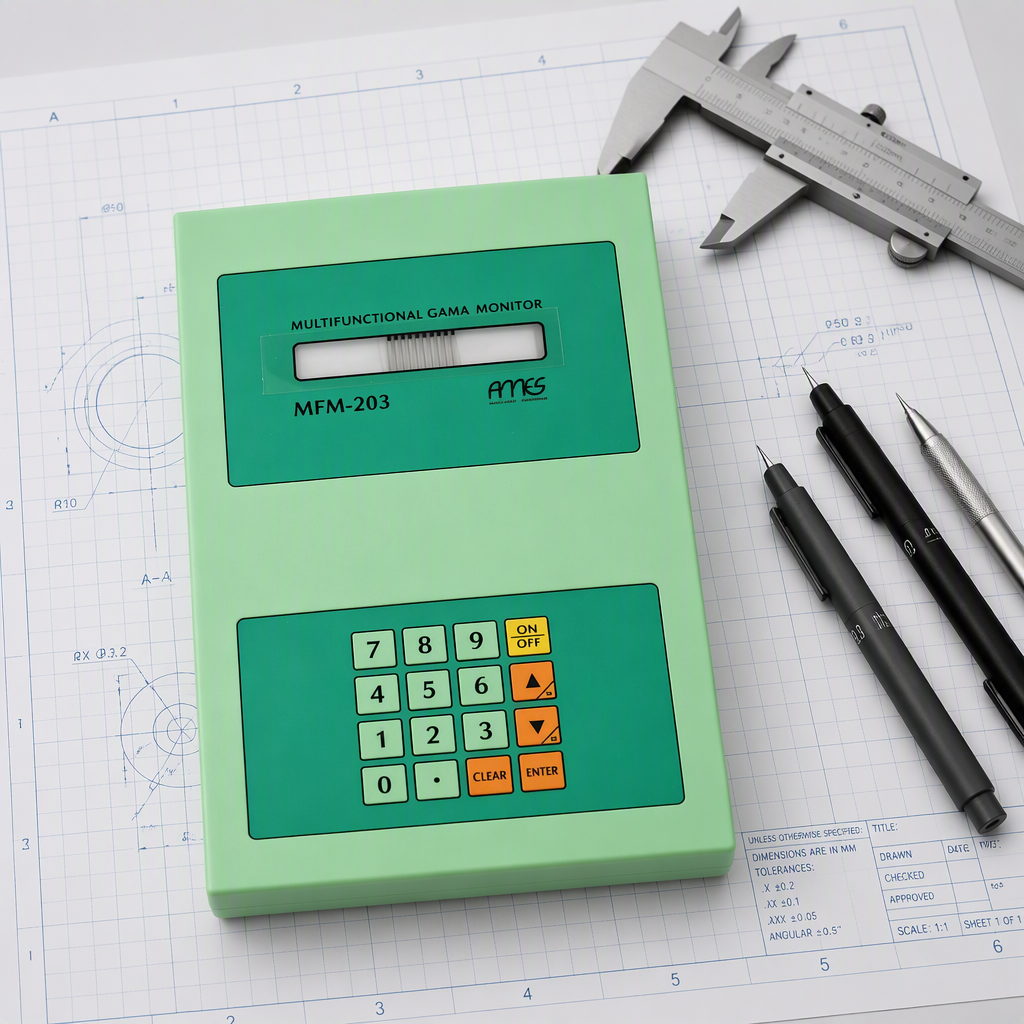
MBR IP67 Waterproof Industrial Membrane Keyboard PET Overlay (OEM Model)
Executive White Paper: Engineering & Sourcing Flexible Copper FPC Switches in China
In modern electronics design, human-machine interfaces (HMI) have evolved beyond simple visual appeal to become central nodes of system reliability, tactile feedback, and structural endurance. Sourcing from top China copper FPC switch factories represents a critical strategic advantage for global Original Equipment Manufacturers (OEMs) in industrial automation, medical equipment, aerospace, and high-end automotive sectors.
Unlike traditional membrane switches that rely on screen-printed conductive silver ink on PET (Polyester) substrate films, Flexible Printed Circuit (FPC) copper switches utilize polyimide (PI) substrates bonded with etched copper foil layers. This structural transition unlocks orders of magnitude higher trace conductivity, micro-pitch density, mechanical flex life, and thermal resistance—allowing seamless integration of surface-mount devices (SMT) such as ultra-bright LEDs, resistors, microcontrollers, and ZIF connectors directly onto the flexible circuit layout.
Material Physics & Architectural Breakdown: Copper FPC vs. Silver Flex Circuits
To make informed procurement decisions, hardware engineering teams and global sourcing directors must evaluate the fundamental physics separating polyimide copper flex circuits from polyester silver conductive circuits. Below is an engineering benchmark matrix developed from rigorous laboratory testing under ambient, high-humidity, and thermal cycling environments:
| Performance Metrics | Copper Flex Circuit Switches (FPC) | Silver Conductive Ink Flex Switches | Engineering Impact & Benefit |
|---|---|---|---|
| Base Substrate | Polyimide (PI / Kapton), 1mil - 5mil | Polyester (PET), 3mil - 7mil | PI offers superior thermal range (-40°C to +125°C) and zero deformation during soldering. |
| Conductive Trace Material | Rolled Annealed (RA) or Electro-Deposited (ED) Copper | Screen-Printed Silver / Carbon Paste Ink | Copper provides near-zero electrical resistance (<0.05 Ω/sq vs 15-30 Ω/sq for silver). |
| Minimum Trace / Space Pitch | 0.075 mm / 0.075 mm (3 mil / 3 mil) | 0.30 mm / 0.30 mm (12 mil / 12 mil) | FPC allows ultra-dense pinouts, routing complex matrix switches into compact connector tails. |
| SMT Component Soldering | Reflow / Hand Soldering with High Bond Strength | Conductive Epoxy Bonding Only (Fragile) | Copper FPC allows true solder joints, preventing LED lifting during mechanical shock or vibration. |
| Current Carrying Capacity | Up to 5.0 Amperes (based on copper weight) | Typically < 100 Milliamperes | FPC can route power rails and signal lines on the same flexible substrate. |
| Silver Migration Risk | Absolute Zero (100% Copper Construction) | High Risk under humidity + DC bias voltage | Eliminates circuit shorts caused by dendrite growth in medical and marine environments. |
| Mechanical Flex Endurance | > 5,000,000 Bending Cycles (RA Copper) | ~ 100,000 to 500,000 Flexes | Essential for dynamic hinge mechanisms, wearable medical monitors, and robotic joints. |
Multi-Layer FPC Switch Architecture: Structural Layer Stack-Up
A premium custom copper FPC switch manufactured by qualified Chinese exporters like TAVO / Meiborui consists of a multi-layer composite engineered to withstand harsh chemical exposure, washdowns, and repetitive mechanical actuation. The typical 6-layer stack-up includes:
Layer 1: Hard-Coated Graphic Overlay
Fabricated from Autotype Velvet PET or Polycarbonate (PC), reverse-printed with UV-cured inks matching Pantone/RAL color specs. Features matte, gloss, or textured finishes with clear display windows for LCDs and LEDs.
Layer 2: Embossed Keys & Metal Domes
Contains tactile stainless steel domes (four-leg or round, actuation force 180g to 450g) mounted under poly-embossed or frame-embossed keys to deliver crisp tactile feedback and distinct user feel.
Layer 3: Top Polyimide Coverlay
A photo-imageable flexible coverlay film (0.5mil to 1mil) that insulates copper traces while exposing only gold-plated solder pads for components and contact points.
Layer 4: Etched Copper Circuit (1oz / 2oz)
Precision photolithography etched Rolled Annealed copper layer forming the electrical switch matrix, grounding planes, and LED driver buses with Immersion Gold (ENIG) surface treatment.
Layer 5: Shielding & Isolation Layers
Integrated aluminum foil or printed carbon mesh shielding layers connected to ground to provide continuous Electromagnetic Interference (EMI) and Electrostatic Discharge (ESD) defense up to 15kV.
Layer 6: Structural Backer & 3M Laminate
High-grade 3M 467MP, 468MP, or VHB adhesive coupled with rigid aluminum plates, stainless steel sheets, or FR4 glass-epoxy backers for robust structural mounting onto host enclosures.
Enterprise Advantage Analysis: Sourcing from Leading China Exporters
When purchasing managers evaluate high-volume and custom prototyping orders, assessing factory infrastructure, quality accreditation, and processing independence is vital. As demonstrated by established Chinese industry leaders like TAVO Electronic Information Technology Co., Ltd. (operating with rich membrane switch roots dating back to 1990), top-tier Chinese exporters offer advantages that trading intermediaries cannot replicate:
- Full In-House Manufacturing Independence: Every core phase—including graphic art conversions, screen printing, digital UV printing on Mimaki heat-setting printers, precision laser cutting, CNC mold creation, SMT component placement, cleanroom lamination, and 100% automated circuit testing—is executed internally across primary production bases in Xianghe Economic Zone (Hebei) and Huizhou (Guangdong).
- Rigorous Quality System Verification: Certified under ISO 9001 quality management systems and verified onsite by independent inspection bodies like Intertek, top factories maintain strict traceability from raw material lot tracking to final dispatch inspection.
- Advanced Laboratory Quality Testing: In-house reliability testing equipment includes computer circuit continuity testers, automated button life-cycle test units, programmable temperature and humidity environmental chambers, xenon lamp UV aging chambers, and salt fog corrosion test cabinets.
- Flexible Minimum Order Quantities (MOQ): Unlike traditional European or American fabricators enforcing steep setup costs and high MOQs, top Chinese factories accommodate pilot production runs, fast-turn prototype iterations, and scale production effortlessly.
Factory Equipment Benchmark (TAVO / Meiborui Capabilities)
A true direct OEM manufacturer controls specialized machinery to deliver exact geometric tolerances and zero-defect yield rates:
Future Technology & Sourcing Trends (2025–2030)
The global human-machine interface landscape is undergoing rapid technological convergence. Procurement specialists and hardware engineers should factor the following emerging trends into their multi-year sourcing strategies:
Capacitive Touch & Hybrid FPC
Replacing mechanical domes with etched capacitive copper sensor pads on polyimide flex circuits. Enables sleek glass or plastic front surfaces with zero moving parts, IP68 sealing, and gesture recognition.
LGF (Light Guide Film) Backlighting
Utilizing micro-dots etched onto ultra-thin optical film driven by side-firing SMD LEDs. Provides perfectly uniform backlighting across expansive key arrays while reducing total LED count and power draw by up to 70%.
OCA Optical Bonding & Integrated Display Windows
Optically Clear Adhesive (OCA) laminating technique bonds transparent overlay windows directly to TFT LCDs or OLED displays, eliminating air gaps, preventing internal condensation, and maximizing sunlight readability.
Environmentally Compliant Eco-Processes
Strict global adherence to RoHS 3.0, REACH, and Halogen-Free chemical mandates. Modern Chinese manufacturing lines utilize lead-free SMT reflow and water-based eco-cleaning solvents without compromising bond strength.
Sourcing Workflow & Quality Audit Best Practices
To ensure smooth execution when ordering custom copper FPC switches from Chinese exporters, follow this structured procurement engineering process:
- Design File Submission: Provide DXF/DWG outline drawings, Gerber files for copper FPC traces, graphic vector artwork in AI or PDF format with Pantone/RAL color codes, and circuit schematic pin-outs.
- Design for Manufacturability (DFM) Review: Factory engineers analyze copper trace widths, bend radii, tail lengths, LED drive currents, and overlay embossing heights to optimize yield and longevity.
- Tooling & Sample Approval: Golden samples are manufactured and subjected to electrical continuity checks, color spectroradiometry, actuation force measurements, and temperature endurance tests.
- Mass Production & Testing: 100% automated open/short circuit testing is performed on every production flexible circuit before final lamination and pack-out.
Comprehensive Frequently Asked Questions (FAQ)
Why should I choose a Copper FPC switch over a Silver Ink Membrane Switch?
Copper FPC switches are ideal for applications requiring high circuit density, low electrical resistance, direct soldering of surface-mount components (LEDs, resistors, connectors), dynamic bending endurance, or operation in high-humidity/extreme temperature environments where silver migration poses a failure risk.
What engineering files are required to initiate a custom FPC switch quotation?
To provide an exact quotation and DFM analysis, please submit an outline drawing (PDF, STEP, or DXF), circuit schematic or Gerber files, graphic overlay artwork with Pantone color references, connector tail specifications, estimated order quantities, and target operating environmental conditions.
How do Chinese factories ensure color accuracy on graphic overlays?
Leading manufacturers utilize X-Rite spectroradiometers to match colors against physical Pantone Solid Coated or RAL color standards under standardized D65 lighting. Both precision silkscreen printing and digital UV printing are calibrated to maintain tight color tolerances (Delta E < 1.5).
What options are available for backlighting copper FPC keypads?
Backlighting can be achieved through surface-mounted discreet LEDs, Light Guide Film (LGF) modules for uniform light dispersion across large key areas, or Electroluminescent (EL) lamps for low-profile monochromatic illumination.
Can copper FPC switches be integrated with rigid backing plates?
Yes. FPC switches are routinely laminated with anodized aluminum plates, stainless steel sheets, FR4 PCB boards, or molded plastic housings using high-performance 3M structural adhesives to provide rigid mechanical support and mounting studs.
What quality certifications and environmental compliances do your products meet?
Production facilities maintain ISO 9001:2015 quality management certifications and Intertek factory assessment credentials. All raw materials—including polyimide films, copper foils, overlay films, inks, and adhesives—fully comply with EU RoHS, REACH, and UL 94V-0 flammability standards.
Partner with China's Premier Copper FPC Switch Manufacturer
Ready to upgrade your product's human-machine interface? Submit your design files, electrical schematics, or sample requests directly to our senior engineering team for rapid DFM feedback and competitive factory-direct pricing within 24 hours.
Inquire Now