Featured Product Catalog
Precision Polyester Graphic Overlays & Keypad Assemblies
Explore our core engineered interface components manufactured with medical-grade Polyester (PET), precision screen printing, and extreme environmental sealing.
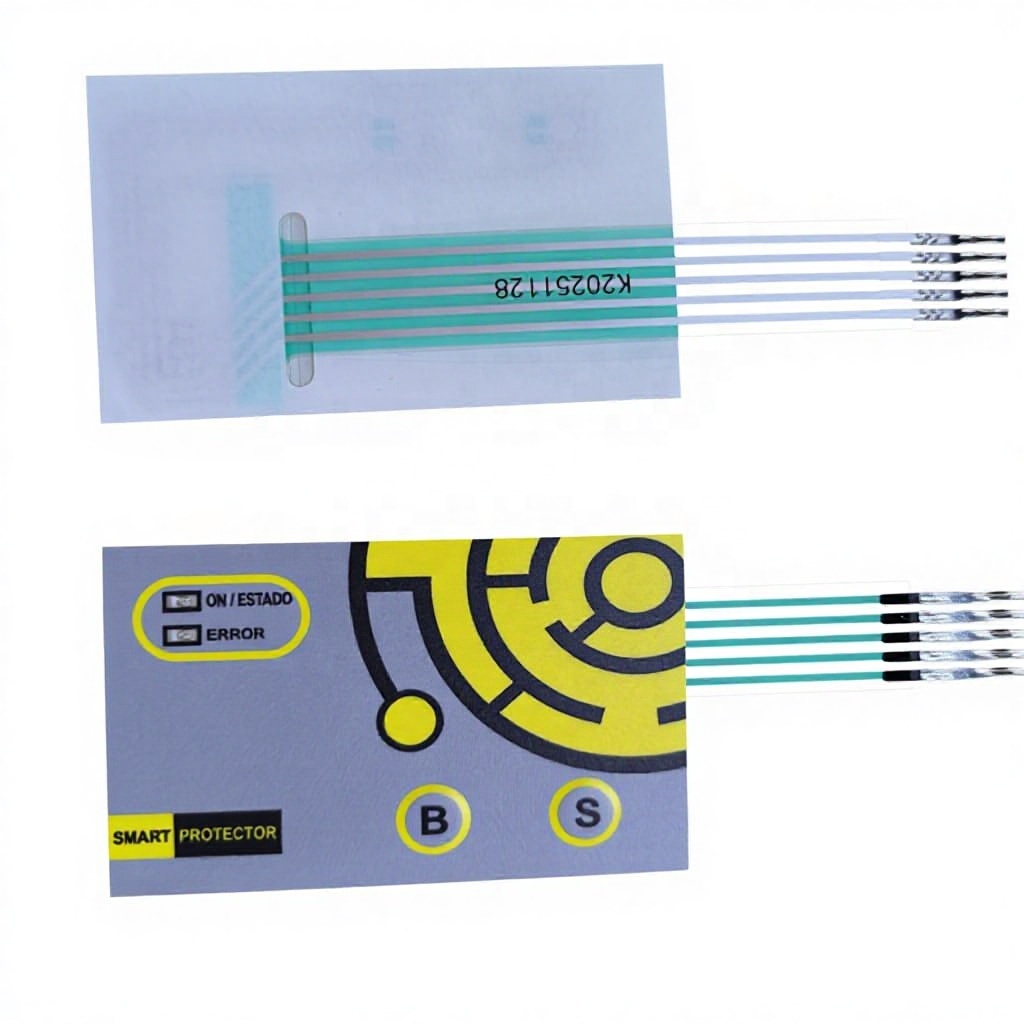
Waterproof Polyester Membrane Keypad Panel PET/PC
View Specifications →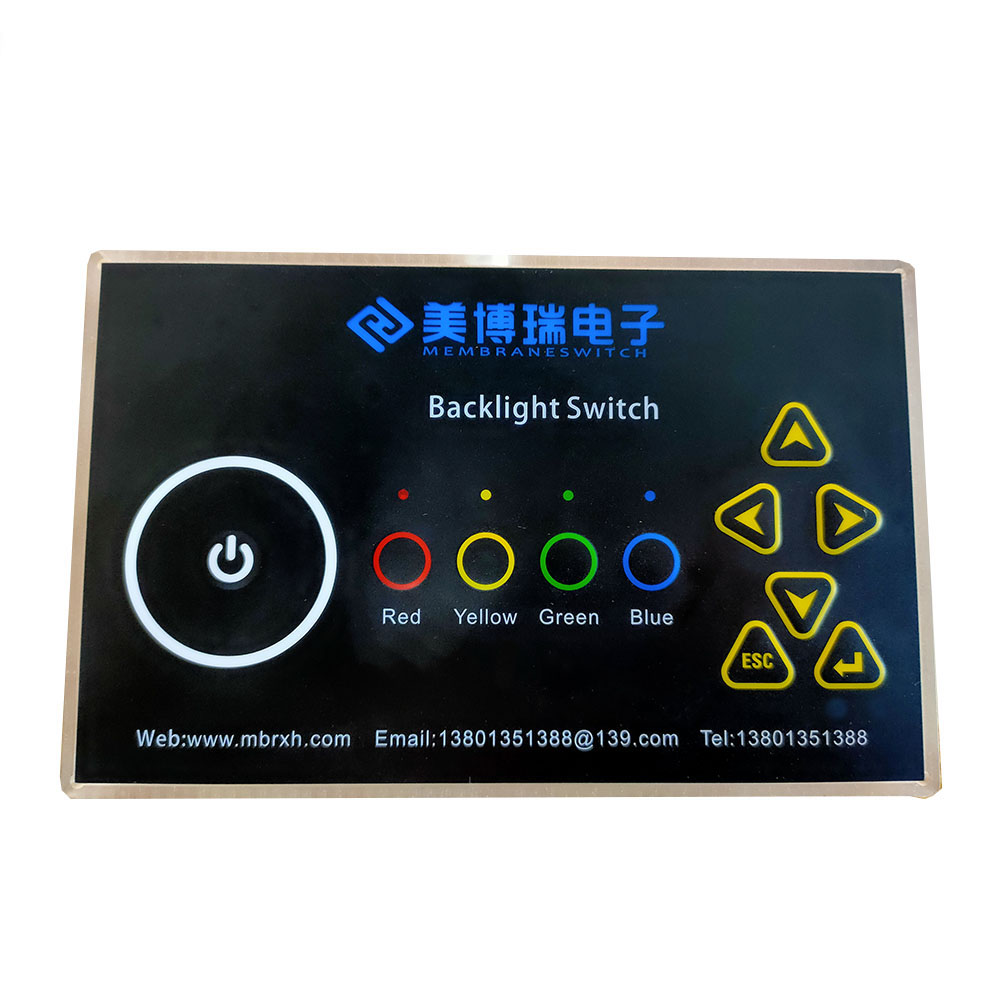
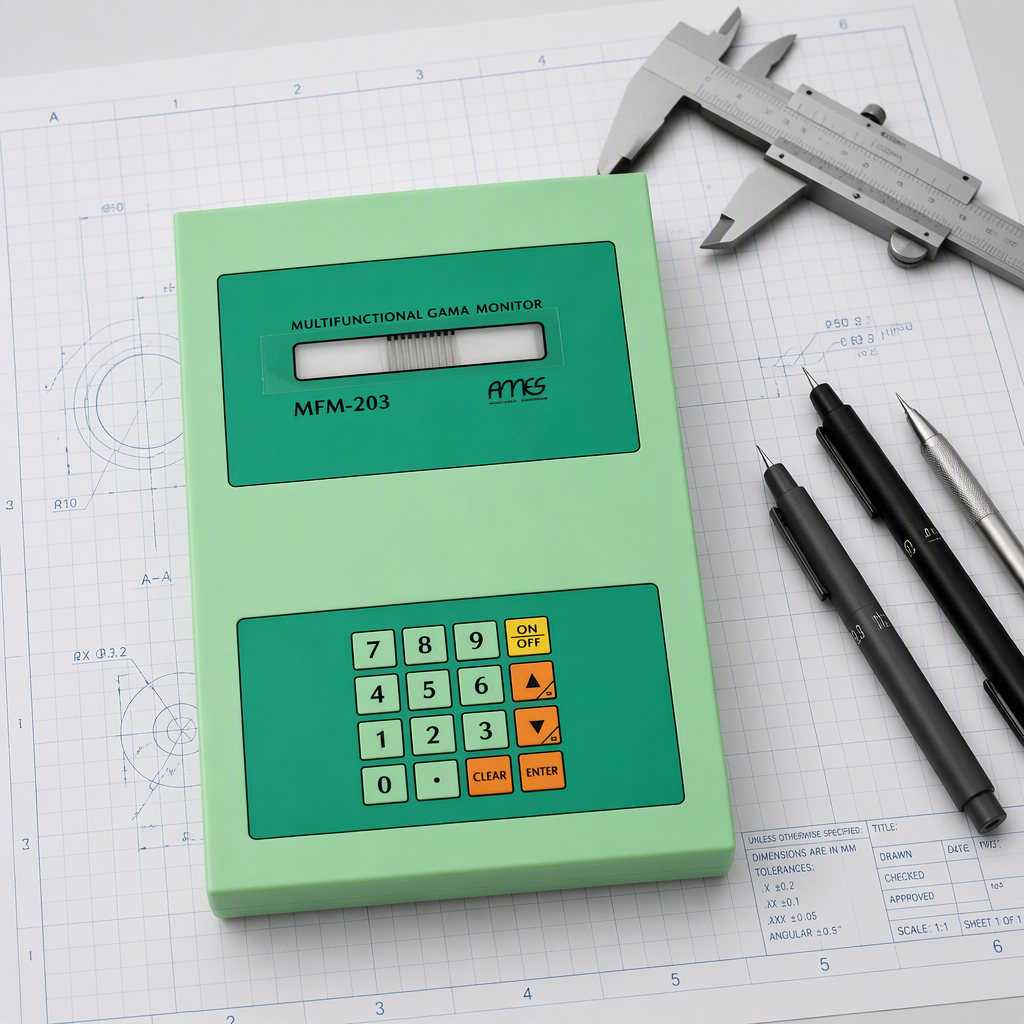
MEIBORUI MBR PBT Keycap PET Membrane Keypad
View Specifications →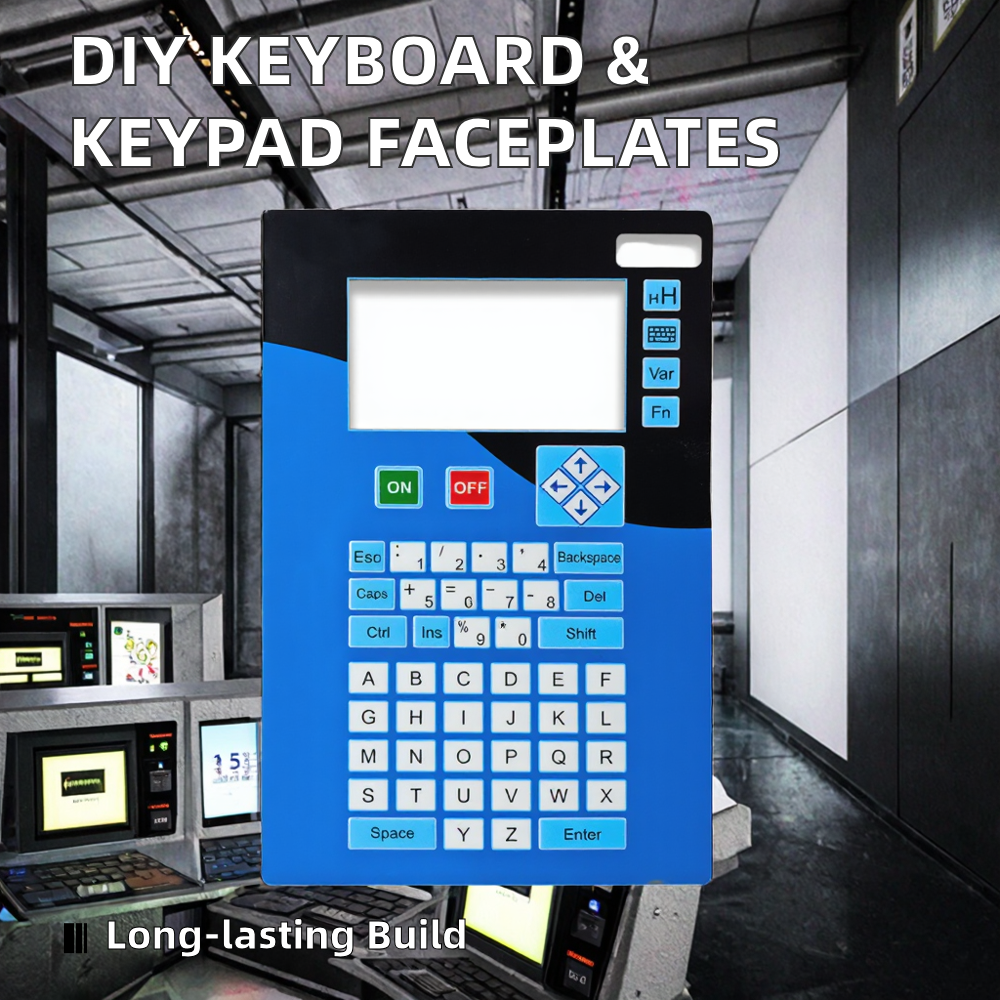
Custom Embossed Tactile Key Membrane Switch
View Specifications →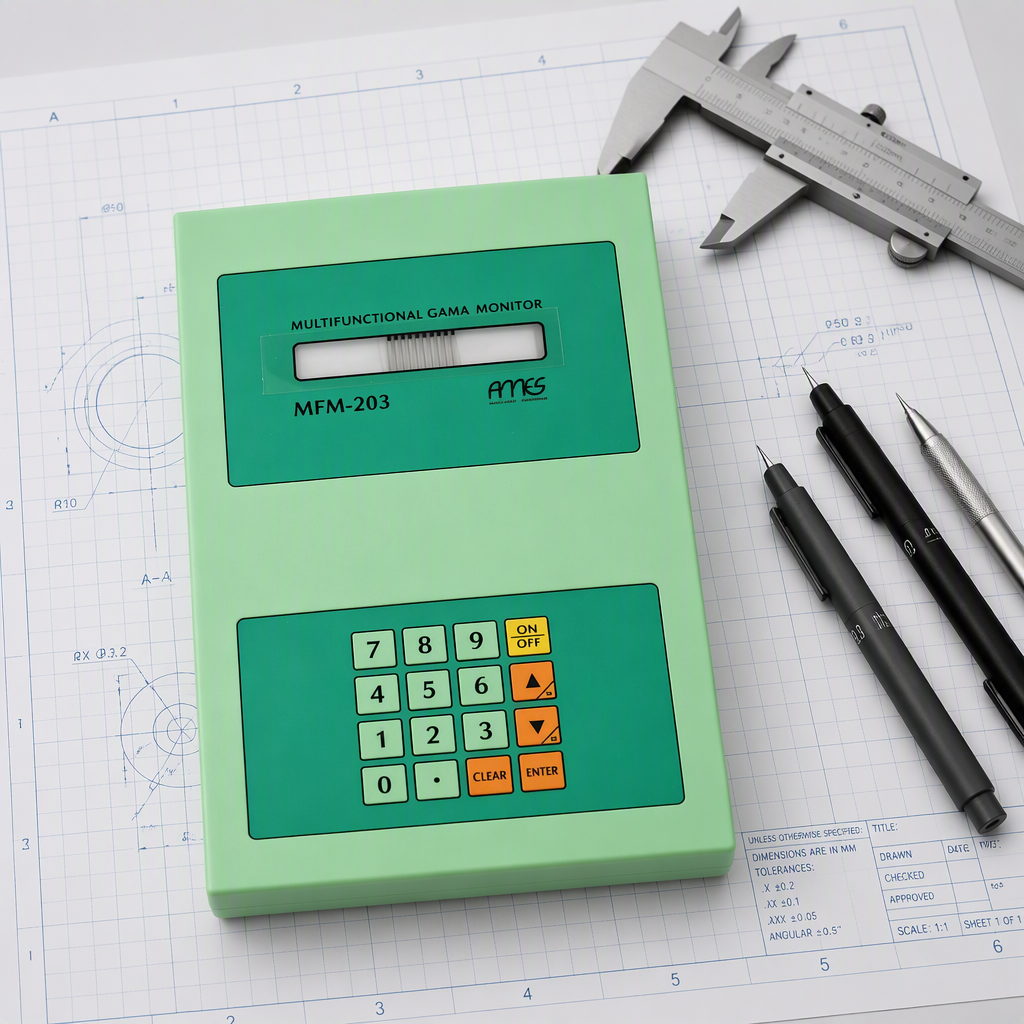
MBR IP67 Waterproof Industrial PET Membrane Overlay
View Specifications →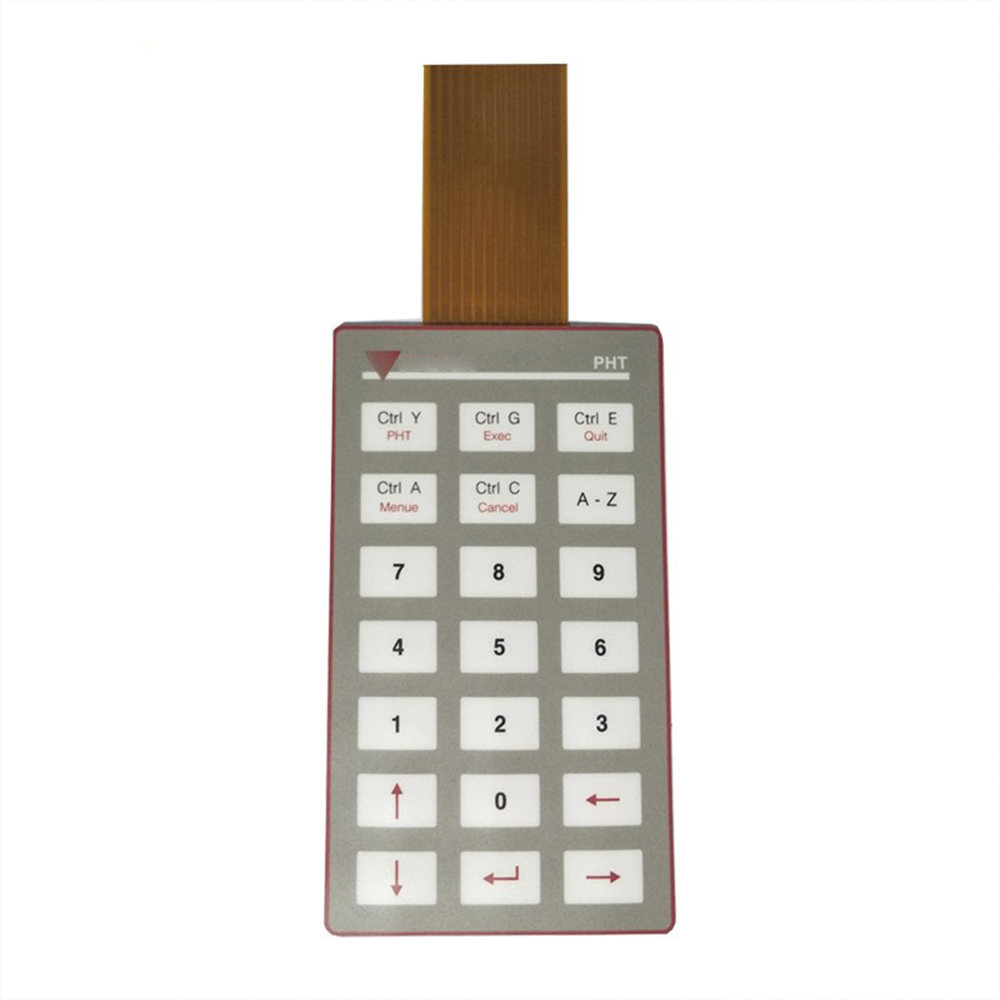
Temperature Control Touch Switch Polyester Panel
View Specifications →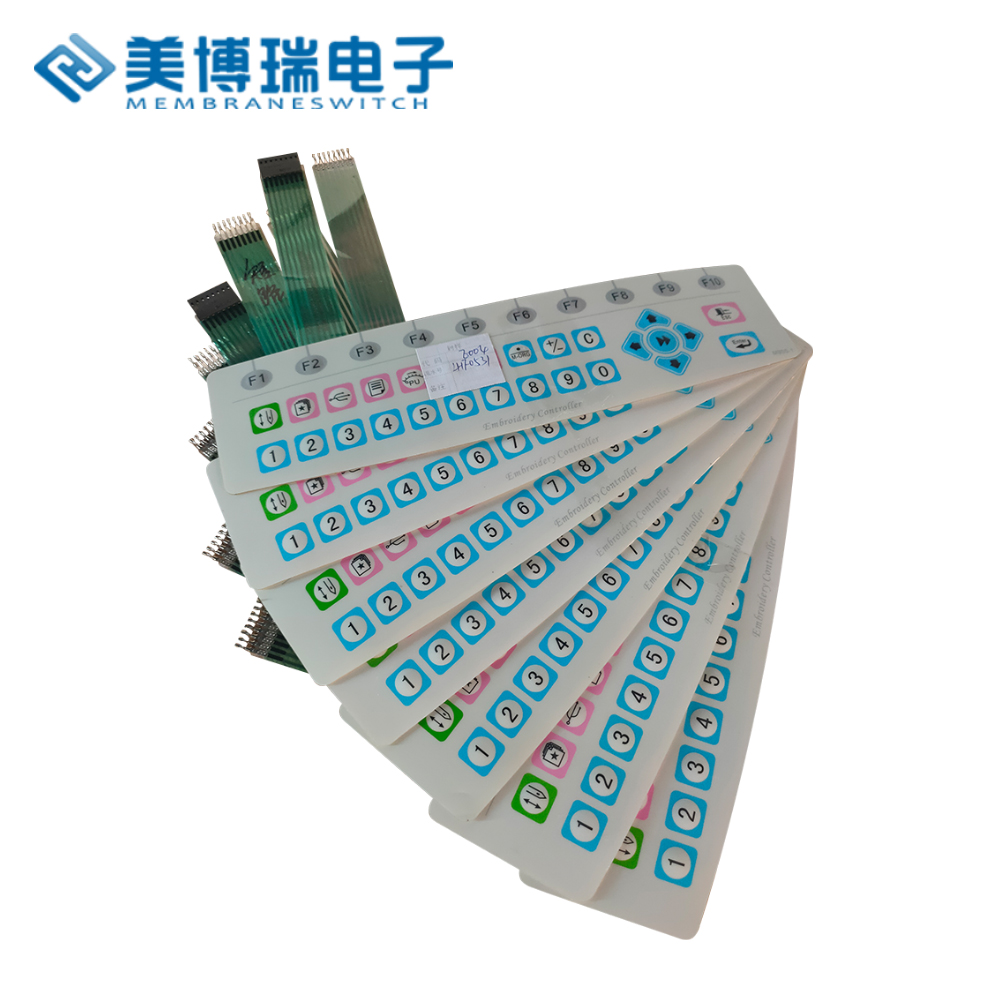
Custom Flexible Waterproof PET + Silver Circuit Keypad
View Specifications →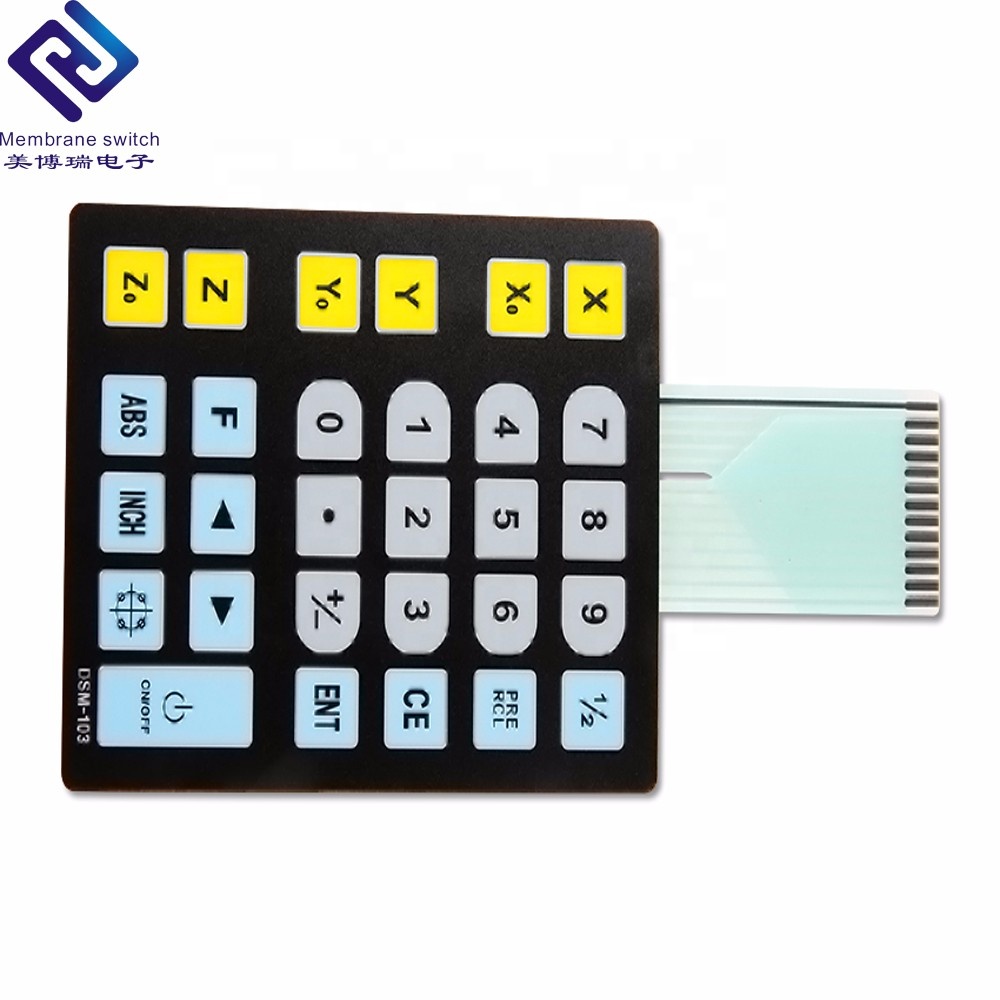
IP67 Telecommunication PET Overlay & 3M Adhesive Keypad
View Specifications →34+
Years Engineering Heritage
5,000,000
PET Flex Actuation Life
37+4
Screen & Mimaki UV Printers
IP67/IP69K
Ingress Protection Rating
Industry Whitepaper & Technical Guide
Polyester (PET) Graphic Overlay Engineering: Material Selection, Layer Architecture & Manufacturing Excellence
A comprehensive technical insight into why Polyester (Polyethylene Terephthalate) has superseded traditional Polycarbonate (PC) in high-reliability Human-Machine Interfaces (HMI) for medical, industrial, and telecommunication control systems.
Extreme Flexural Endurance
Polyester films (e.g., MacDermid Autotype Autotex) withstand over 5 million switch actuations without micro-cracking or switch dome deformation, compared to Polycarbonate which typically fails at 100,000 cycles.
Chemical & Solvent Immunity
Biaxially oriented PET exhibits exceptional resistance to aggressive industrial solvents, alcohols, hydraulic fluids, brake fluids, and medical-grade disinfectants (bleach, isopropyl alcohol) that dissolve or haze PC surfaces.
Optical Clarity & Anti-Glare
Engineered with selective textures, UV hard-coats, and crystal-clear LCD display windows, PET graphic overlays maintain over 91% optical transmittance while eliminating specular glare under bright ambient lighting.
Information Gain Insight for Sourcing Engineers: When selecting substrate materials for high-actuation membrane switches with tactile rim embossing or metal dome arrays, Polycarbonate (PC) suffers from stress whitening and plastic fatigue along the embossed perimeter after 100k-200k presses. By contrast, Polyester (PET) maintains dimensional stability, tensile modulus (3.8 GPa), and zero stress whitening up to 5,000,000 cycles, drastically lowering field replacement costs in critical industrial and telecommunication control systems.
Substrate Comparison Matrix: Polyester (PET) vs. Polycarbonate (PC) vs. PVC
Understanding material physics is essential for choosing the right front panel overlay for heavy-duty operational environments. The table below details key mechanical and chemical parameters evaluated in TAVO's reliability testing laboratory:
| Performance Characteristic | Polyester (PET) Substrate | Polycarbonate (PC) Substrate | PVC (Polyvinyl Chloride) |
|---|---|---|---|
| Flexural Fatigue Life (Actuations) | > 5,000,000 Cycles | 100,000 – 300,000 Cycles | < 50,000 Cycles |
| Chemical & Solvent Resistance | Superior (Esters, Alcohols, Oils) | Moderate (Prone to crazing) | Poor (Attacked by solvents) |
| Tensile Strength (PSI) | 25,000 – 30,000 PSI | 8,500 – 10,000 PSI | 6,000 PSI |
| Operating Temperature Range | -40°C to +120°C (-40°F to 248°F) | -30°C to +105°C (-22°F to 221°F) | -10°C to +60°C (14°F to 140°F) |
| Embossing Retention & Memory | Excellent (Thermal Formed) | Good (Cold/Heat Formed) | Poor (Deforms over time) |
| UV & Atmospheric Aging Resistance | High (With UV Hard-Coat) | Yellows over time without coating | Degrades rapidly |
Anatomy of a High-Durability Polyester Graphic Overlay & Switch Assembly
A professional-grade graphic overlay is not merely a printed plastic sticker—it is an intricately engineered multi-layer stack-up designed for electromechanical signaling, tactile responsiveness, structural rigidity, and ingress protection (IP65/IP67/IP69K). Below is the standard engineering stack-up applied at TAVO Electronic Information Technology Co., Ltd.:
- Layer 1: First-Surface Coating & Substrate (0.125mm - 0.25mm PET) – Reverse-printed on the sub-surface to shield ink graphics from abrasions, moisture, and chemical contact. Hard-coated options (Autotex XE / Fine Texture) provide scratch resistance (3H-5H pencil hardness).
- Layer 2: Selective Texture & Display Window Coatings – Gloss-cleared optical windows for LED/LCD displays paired with surrounding matte or satin textured surfaces for anti-glare operational readability.
- Layer 3: Sub-Surface Screen Printed Graphic Inks – Precision Pantone/RAL color-matched inks, conductive silver shielding inks (EMI/ESD grid), and light-blocking opaque mask layers to prevent LED light bleeding.
- Layer 4: High-Tack Graphic Pressure-Sensitive Adhesive (3M 467MP / 3M 468MP) – Ensures hermetic bonding between the polyester graphic overlay and the underlying circuit spacer or metal backing plate.
- Layer 5: Tactile Dome Retainer & Contact Circuitry – Stainless steel snap domes (4-leg or 2-leg, 180g–500g actuation force) housed within precision die-cut spacer pockets, offering distinct tactile feedback upon key depression.
- Layer 6: Flexible Conductive Circuit / FPC Base Layer – Screen-printed conductive silver ink traces on PET or flexible copper etched polyimide circuits (FPC) with gold-plated contact pads for ultra-low electrical resistance (<100 ohms).
- Layer 7: Rear Mounting Adhesive (3M 200MP / 300LSE) – High-bond acrylic adhesive specifically selected for low surface energy (LSE) plastics, powder-coated enclosures, or die-cast aluminum chassis.
Strategic Sourcing Trends
Future Procurement & Development Trends in Polyester Overlays & HMIs
As global OEMs transition toward smart manufacturing, Internet of Things (IoT) hardware, and sustainable supply chains, graphic overlay procurement strategies are shifting rapidly. Here are the five key technological trends shaping 2025–2030 sourcing decisions:
1. Integration of In-Mold Electronics (IME) & Capacitive Touch
Traditional mechanical switches are increasingly augmented by smooth, flat capacitive touch polyester interfaces. By combining capacitive silver sensor arrays directly onto flexible PET films with OCA (Optically Clear Adhesive) glass bonding, OEMs achieve 100% flat, continuous glass-like control panels that are effortless to sanitize in medical and cleanroom environments.
2. Eco-Friendly Bio-PET & Recycled Substrates (rPET)
European and North American environmental regulations (RoHS, REACH, WEEE) are driving demand for sustainable graphic panel substrates. Top China suppliers like TAVO are implementing bio-based PET films and halogen-free, zero-VOC UV cured inks that maintain physical flex performance while reducing carbon footprint during mass manufacturing.
3. LGF (Light Guide Film) & Mini-LED Uniform Backlighting
Uneven backlight hot-spots degrade product aesthetic perception. Sourcing managers are opting for ultra-thin Light Guide Film (LGF) modules (0.125mm–0.25mm) illuminated by side-emitting micro LEDs. LGF distributes crisp, uniform backlighting across embossed switch icons and logos with minimal power consumption.
4. Antimicrobial & Self-Healing Surface Hard Coatings
Post-pandemic healthcare standards demand active surface protection. Advanced PET overlays incorporate silver-ion antimicrobial additives into the hard-coat layer, destroying 99.9% of surface bacteria (ISO 22196 compliant). Furthermore, micro-scratch self-healing coatings extend panel aesthetics in high-traffic commercial terminals.
Enterprise Manufacturing Capabilities
Why Partner with TAVO / MEIBORUI Electronic Technology?
Combining over three decades of custom membrane manufacturing heritage with state-of-the-art German technical collaboration and dual-plant production capacity.
Integrated In-House Manufacturing Ecosystem
TAVO Electronic Information Technology Co., Ltd. operates a 2,219 square meter main facility in the Robot Industry Port of Xianghe Economic and Technological Development Zone (Hebei), complemented by a southern production base in Huizhou (Guangdong). Every step of production—from CAD drawing engineering, film output, color matching, and screen printing to CNC embossing, laser die-cutting, automated SMT component placement, and final inspection—is performed 100% in-house.
Onsite Assessed & Certified: Verified by Intertek, ISO 9001 certified, and serving top tier OEMs like Siemens, ABB, Haier, and high-speed rail locomotive control projects.
Core Tooling & Facility Metrics:
- 37 Silkscreen Printers (High-precision manual & semi-auto)
- 4 Mimaki Digital Printers (UV heat-setting for rapid prototypes)
- 18 Laser Cutting Units (Tooling-free, rapid die-less sample cutting)
- 60 CNC Mold Machines (In-house precision embossing tooling)
- Reliability Test Lab (Salt fog, Xenon aging, Temp/Humidity chambers)
- 30+ Senior Engineers (>15 Years average membrane industry experience)
Engineering FAQ
Polyester Graphic Overlay Procurement & Technical FAQ
Direct technical answers to the most common questions raised by OEM sourcing managers, hardware designers, and quality assurance engineers.
What engineering design files are required to initiate a custom polyester overlay quote?
To generate an accurate DFM (Design for Manufacturability) review and quotation, please provide: 1) Vector artwork files (Adobe Illustrator .AI, CorelDraw .CDR, or vector .PDF) specifying Pantone C/RAL color codes; 2) 1:1 scale dimensional outline mechanical drawings (.DXF, .DWG, or .STEP); 3) Circuit schematic pin-out definition (if integrating switch matrix or FPC connectors); 4) Desired surface finish (Autotex matte, gloss, or selective texture) and embossing style (rim, pillow, or metal dome tactile); 5) Operating environment specifications (temperature range, IP sealing target, UV exposure).
Why choose Polyester (PET) over Polycarbonate (PC) for tactile switch keypads?
Polyester (PET) offers vastly superior flexural fatigue resistance (>5 million switch actuations compared to Polycarbonate's ~100k–300k limit). PC is prone to micro-fracturing, stress whitening, and loss of tactile dome shape along embossed key perimeters after repeated presses. Additionally, PET features superior resistance to aggressive chemicals, industrial solvents, alcohols, and medical cleaners, preventing surface hazing and chemical attack.
How does TAVO achieve IP67 or IP68 waterproof performance for graphic overlay keypads?
IP67 sealing is achieved through a combination of engineering measures: 1) Continuous closed-loop perimeter pressure-sensitive adhesives (e.g., 3M 200MP / 300LSE series or 3M VHB foam tapes); 2) Internal air venting channels engineered toward dry interior zones or sealed gore breathers, preventing internal pressure buildup during thermal cycling; 3) Full encapsulation of flexible printed tails and connectors. Every waterproof keypad batch undergoes bubble-emission or water immersion pressure testing in our QA laboratory.
Does TAVO support small-batch prototype prototyping before mass tooling?
Yes! TAVO operates 4 Mimaki heat-setting UV digital printers and 18 precision laser cutting machines specifically dedicated to rapid prototyping and low-volume pilot production runs. This enables engineers to test physical ergonomics, optical clarity, and circuit continuity without incurring expensive hard tooling die costs during early NPI (New Product Introduction) phases.
What adhesive options are available for low surface energy (LSE) plastic or powder-coated metal enclosures?
We utilize genuine 3M industrial adhesives selected based on substrate surface energy. For smooth metals and high surface energy plastics (ABS, Polycarbonate), 3M 467MP (2 mil) or 3M 468MP (5 mil) acrylic transfer adhesives are recommended. For powder-coated metals, textured surfaces, or low surface energy plastics (Polypropylene, Polyethylene), we specify 3M 300LSE or 3M 9472LE adhesives, offering exceptional peel shear strength and temperature stability.
How do you guarantee color accuracy across different production batches?
Color matching at TAVO is strictly controlled using X-Rite spectrophotometers under standardized D65 lighting environments. We perform sub-surface light transmission compensation, ensuring that colors printed over dark or metallic backgrounds match the exact target Pantone C or RAL color standard (Delta E < 1.0). Golden sample master panels are maintained for every OEM part number for long-term consistency across repeat orders.
Request a Fast Technical Quote & Free Sample Kit
Partner with China's leading polyester graphic overlay and membrane switch manufacturer. Send us your drawings for a free DFM manufacturability analysis and rapid price quote within 24 hours.