ISO9001
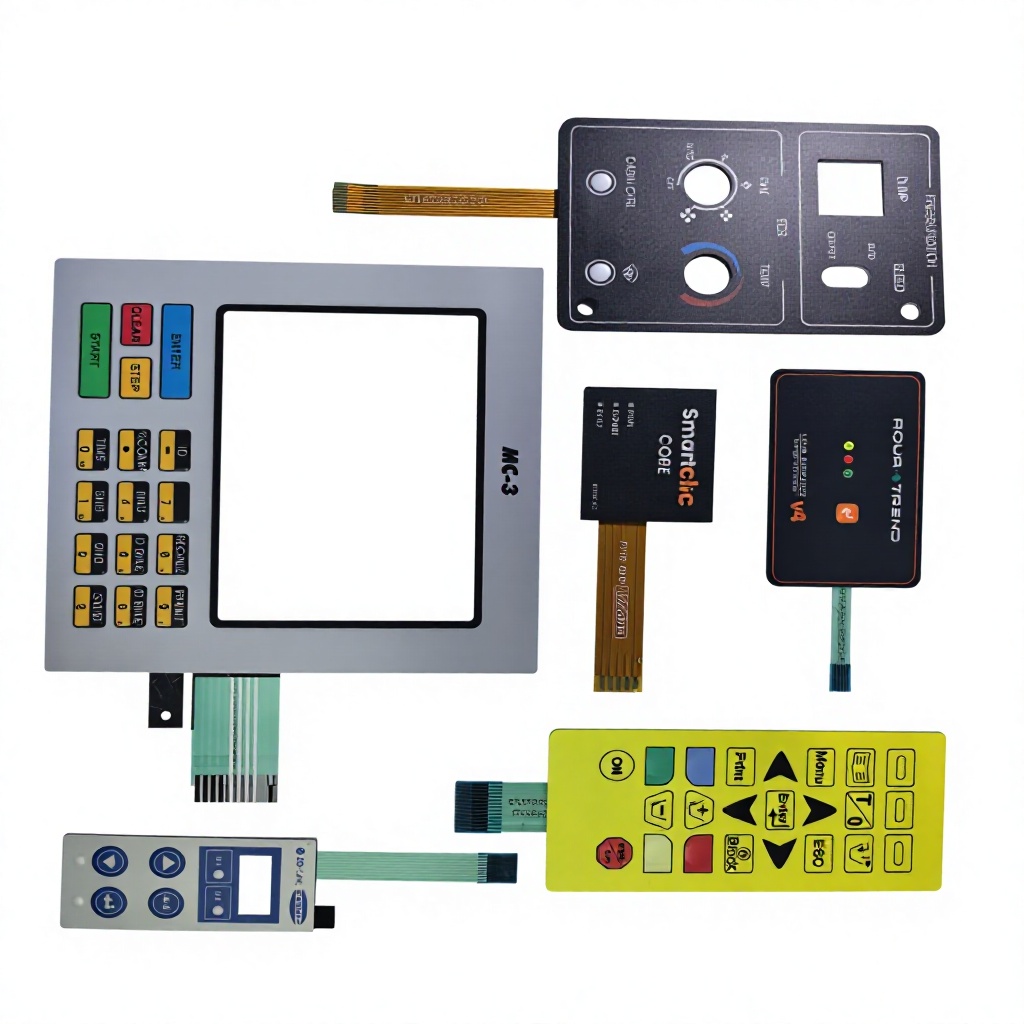
MBR PET Conductive Film Tactile Metal Dome Membrane Switch
Customized size waterproof PET/PC switch board with high-durability metal domes providing tactile feedback for industrial interfaces.
Directly manufactured by ISO 9001 and Intertek-verified facilities. Designed for industrial CNC machinery, medical equipment, telecommunications, and railway transportation control systems.
Customized size waterproof PET/PC switch board with high-durability metal domes providing tactile feedback for industrial interfaces.
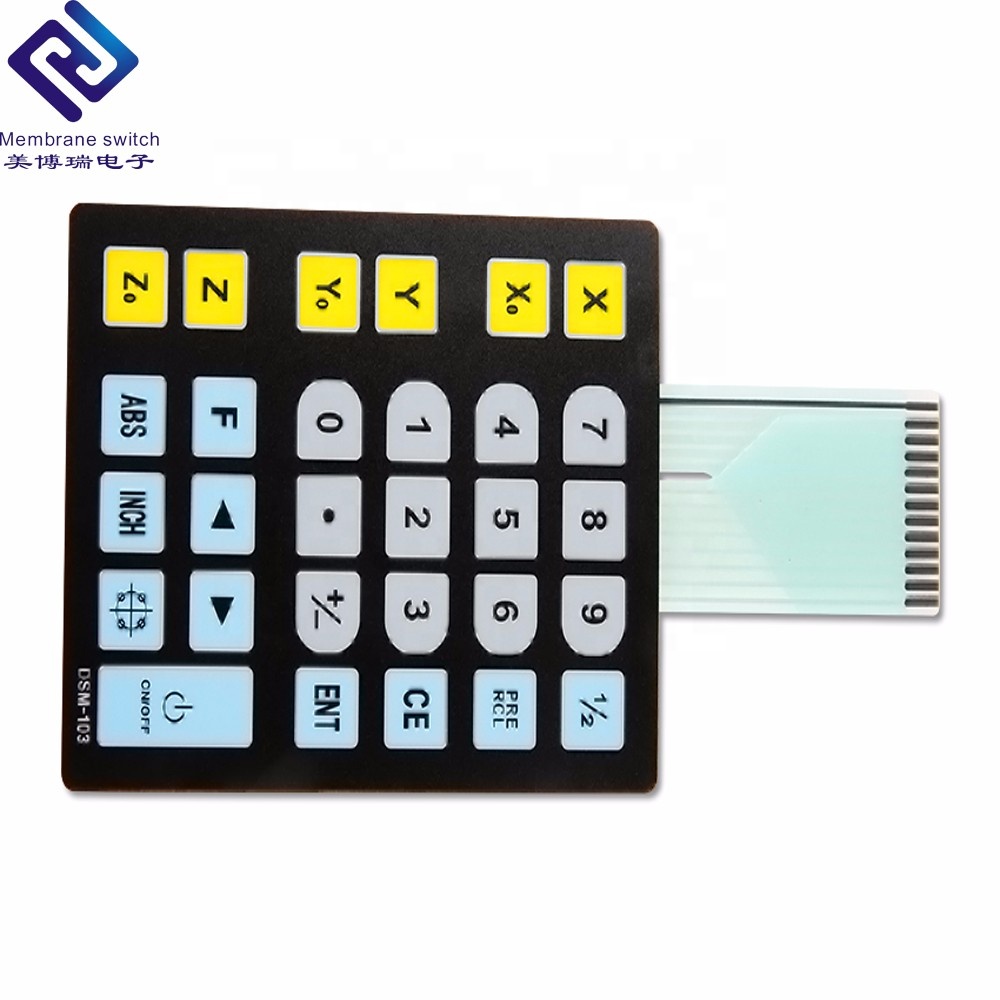
Flexible cable telecom keypad engineered with 3M high-performance adhesive and tactile dome buttons for outdoor telecom gear.
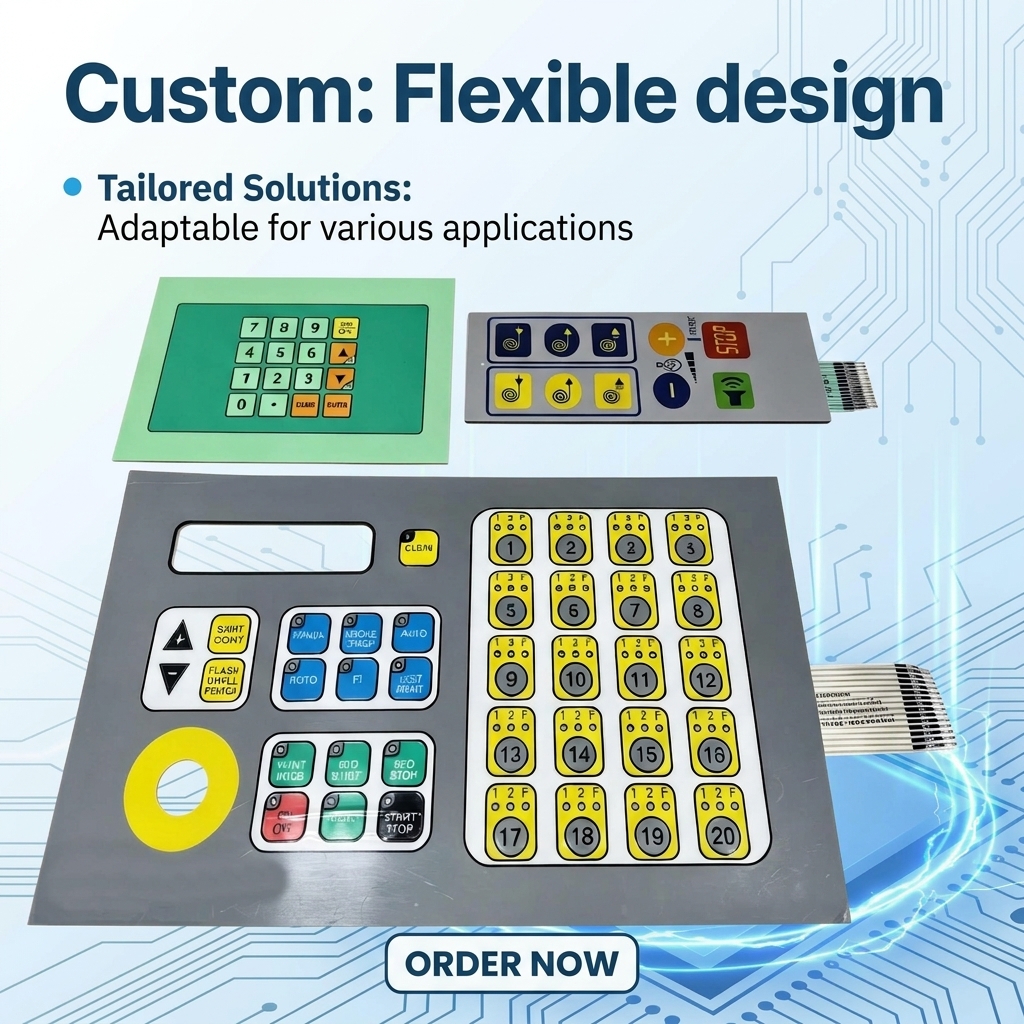
Heavy-duty flexible copper circuit with LED illumination custom built for railway locomotive control panel applications.
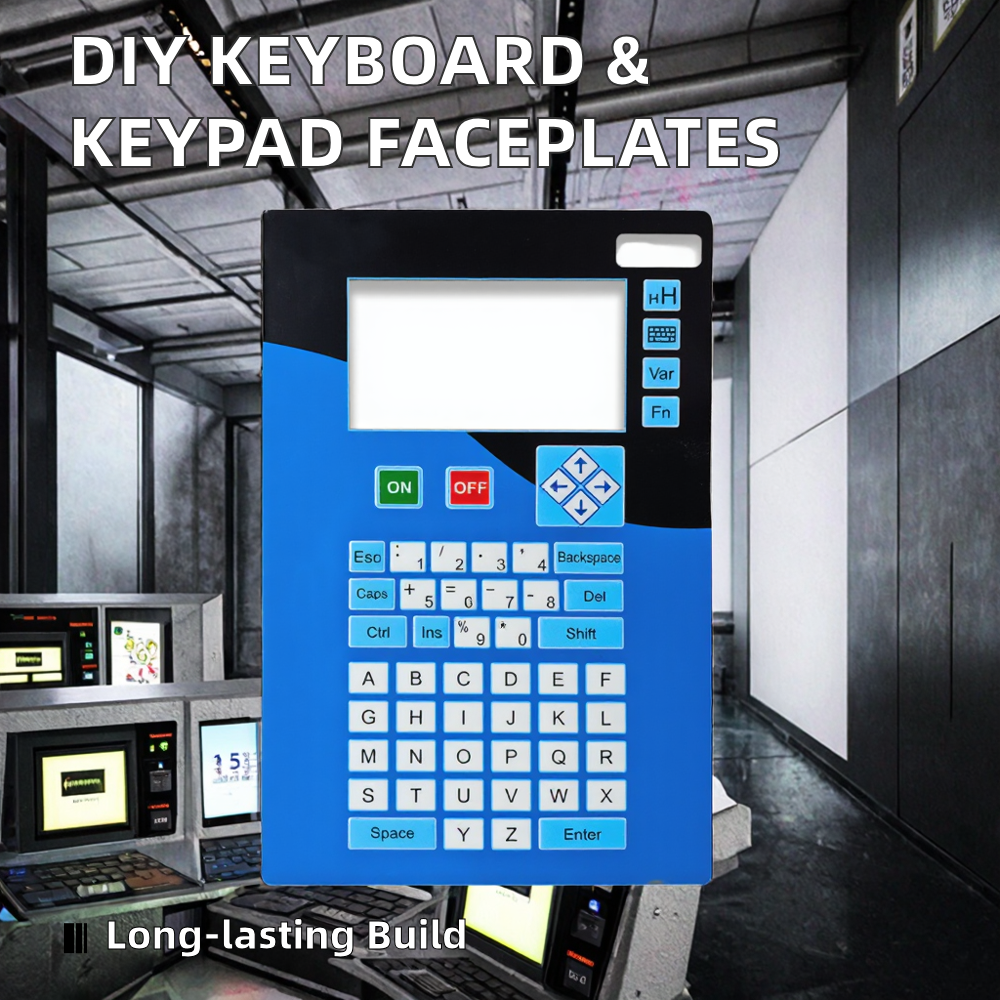
Panel mounting graphic overlay switch featuring embossed tactile buttons, LED backlighting, and environmental sealing.
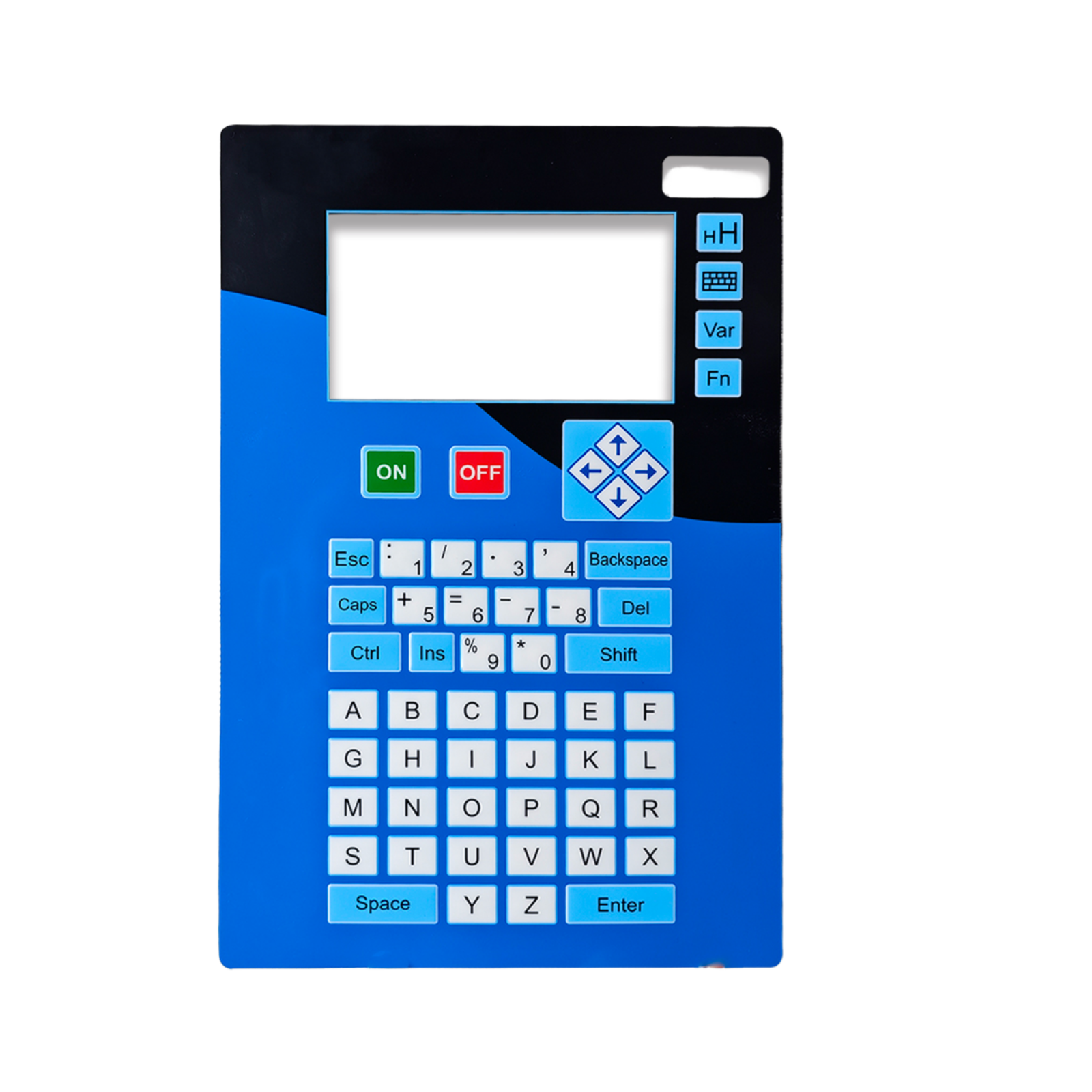
Precision silk-screened home appliance membrane switch panel utilizing 3M adhesive backing and gold-plated metal domes.
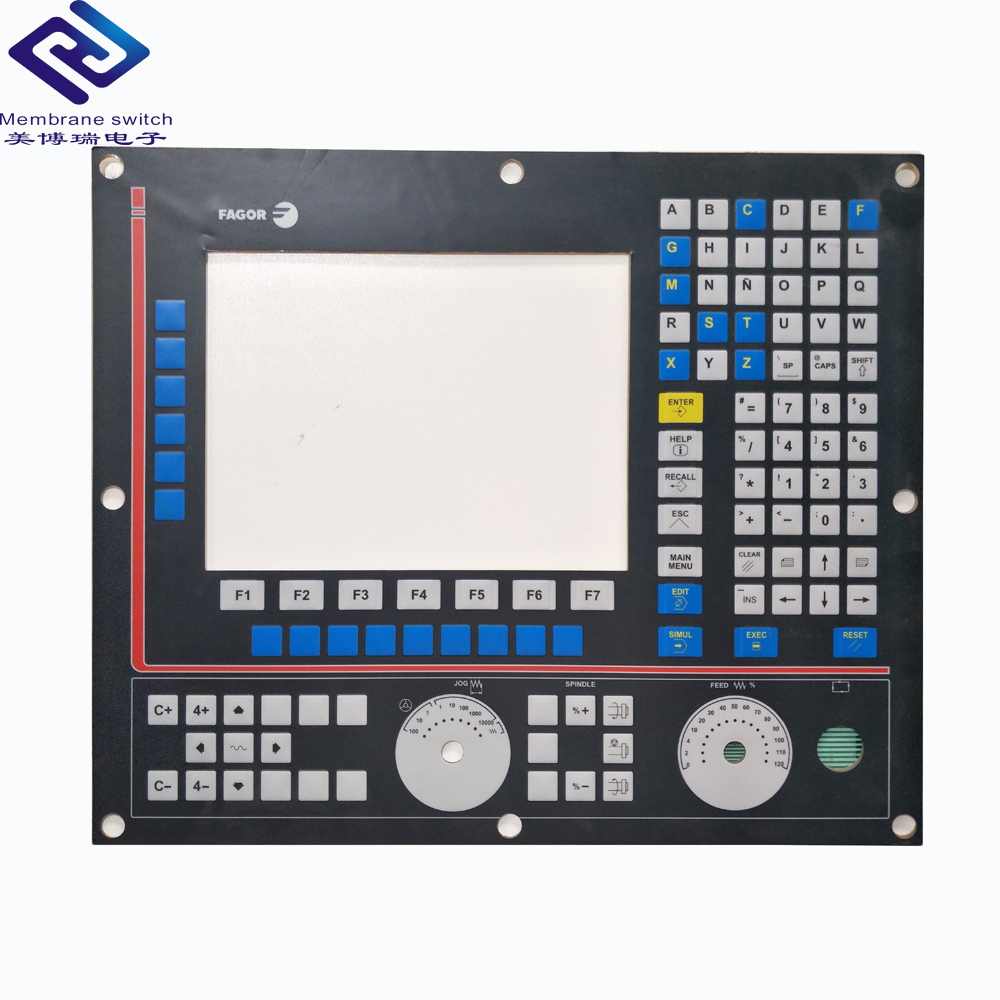
Ruggedized industrial grade control panel designed for harsh machine tool operating environments, resistant to oil and abrasion.
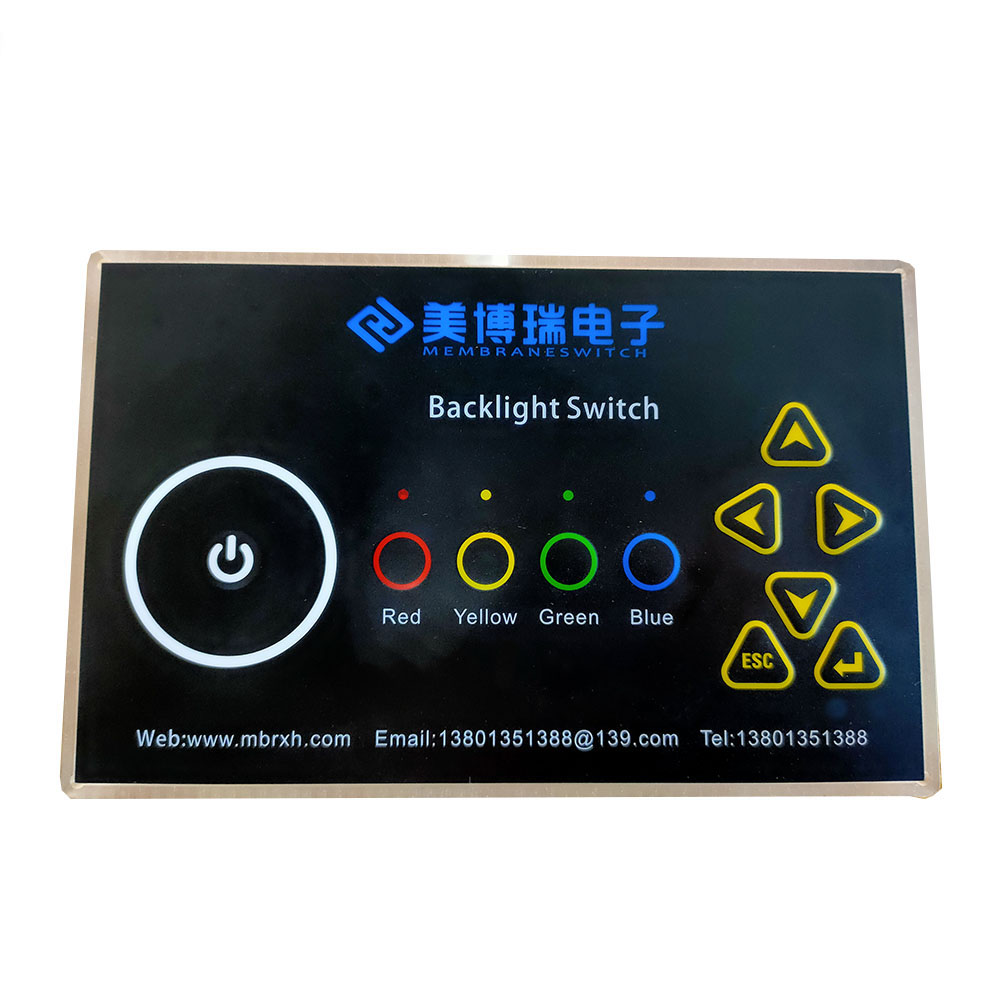
Custom silkscreen sticker printed keycaps with PET membrane switch underlying matrix for ergonomic industrial input devices.
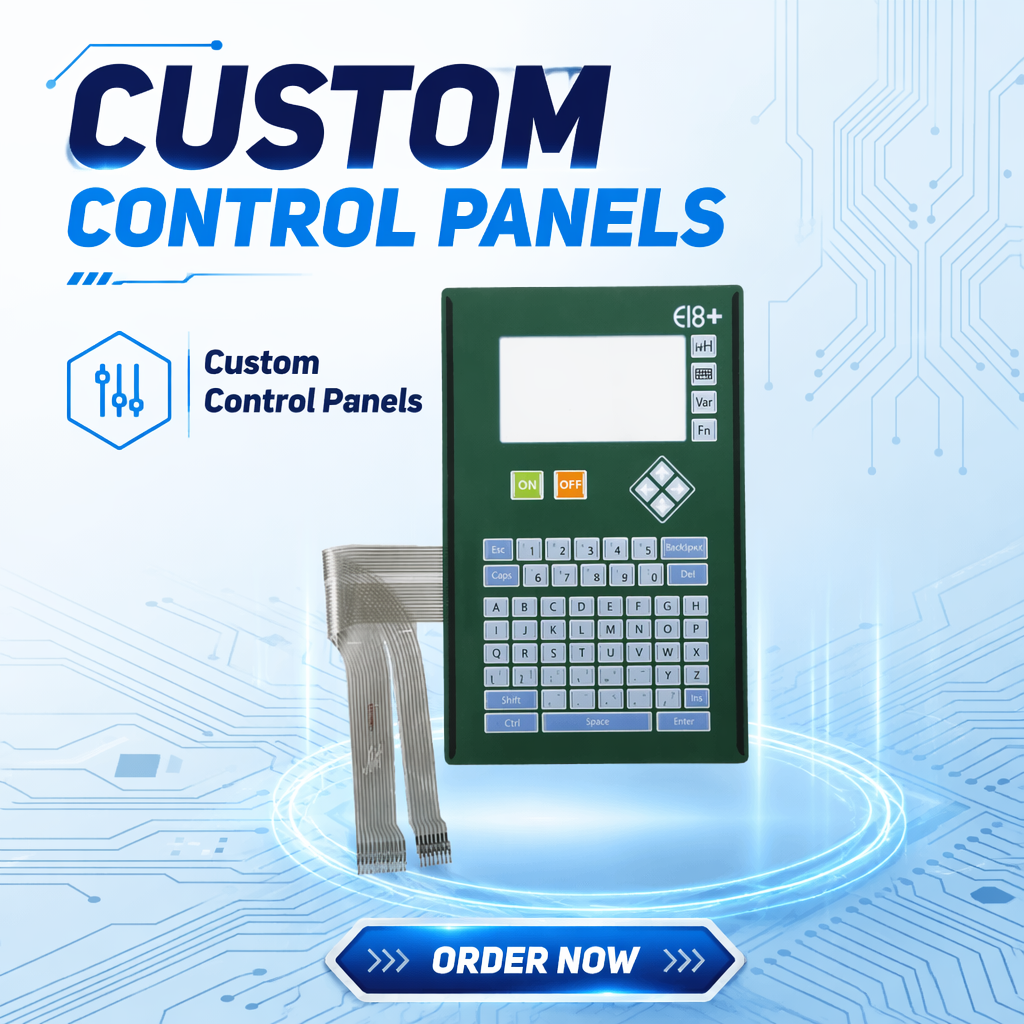
Silkscreen printed customized designs with 2.54mm pitch connectors, blending tactile feel with long stroke mechanical key switches.
In global human-machine interface (HMI) engineering, China has transitioned from a high-volume low-cost manufacturing hub into an advanced ecosystem for high-precision tactile keypad panels, metal dome arrays, and integrated flexible printed circuit (FPC) assemblies. Modern industrial control systems, medical equipment, and automotive cockpits require HMI interfaces that deliver crisp tactile feedback, long actuation lifecycles (over 1,000,000 operations), and complete sealing against ingress (up to IP67/IP68 standards).
Sourcing engineers and procurement directors navigating China's manufacturer landscape must look beyond surface aesthetics. Evaluating a supplier requires analyzing raw material supply chains (such as MacDermid Autotype PET films, 3M 200MP/467MP/468MP pressure-sensitive adhesives, and stainless steel spring-dome alloys), cleanroom manufacturing tolerances, automated silk-screen vs. digital UV printing capabilities, and climate aging testing regimes.
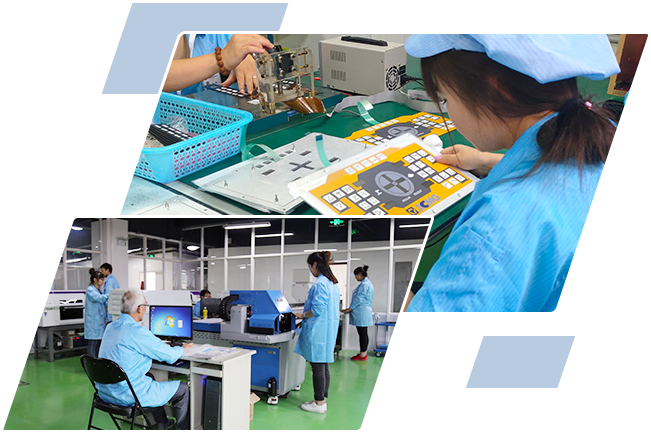
The distinction between top-tier OEMs and secondary assembly workshops lies in **in-house tooling, registration accuracy (<±0.05mm), and snap ratio tuning**. Leading Chinese facilities manage the full lifecycle under one roof—from CAD/Gerber circuit engineering and CNC mold fabrication to laser cutting, surface mount technology (SMT) LED placement, and environmental chamber testing.
A tactile keypad panel relies on engineered elastic deformation to provide physical tactile feedback when pressed. Understanding the stack-up layer physics is essential for choosing the right specification for your OEM project.
The tactile "click" felt by an operator is quantified by the Snap Ratio ($R$). It is defined as the percentage drop in force between the peak actuation force ($F_1$) and the contact point force ($F_2$):
Snap Ratio (%) = [(F1 - F2) / F1] × 100%
To achieve optimal ergonomic response without causing operator fatigue during prolonged use, high-precision Chinese factories target a **Snap Ratio between 40% and 60%**. A snap ratio below 30% feels spongy and uncertain, whereas a ratio above 70% can cause high localized mechanical stress, shortening the dome's lifespan.
| Actuation Element | Actuation Force ($F_1$) | Typical Travel Stroke | Expected Life Cycle | Best Suited Application |
|---|---|---|---|---|
| Four-Leg Stainless Metal Dome | 220g – 500g | 0.4mm – 0.6mm | 1,000,000+ actuations | Industrial CNC, Outdoor Telecom, Defense |
| Triangle Metal Dome with Legs | 160g – 280g | 0.3mm – 0.5mm | 1,000,000+ actuations | Dense Keypad Matrix, Handheld Instruments |
| Embossed Poly Dome (PET) | 150g – 300g | 0.2mm – 0.4mm | 500,000+ actuations | Medical Disposable Monitors, Consumer Appliances |
| Silicone Rubber Keypad Overlay | 80g – 220g | 1.0mm – 2.5mm | 2,000,000+ actuations | POS Terminals, Remote Controls, Heavy Equipment |
As industrial automation, smart medical devices, and electric vehicles (EV) mature, procurement officers must align their component specifications with upcoming technology trajectories:
Integration of capacitive touch slider surfaces combined with physical tactile emergency-stop or high-frequency buttons on a single control overlay panel.
Replacing screen-printed silver ink with etched copper polyimide (FPC) circuits to eliminate silver migration issues caused by humidity and voltage bias.
LGF backlighting technology channels side-emitting SMT LEDs across the keypad faceplate, offering uniform key backlighting with less than 0.6mm added stack thickness.
Furthermore, **environmental sustainability** is driving top Chinese factories to migrate towards solvent-free digital UV inkjet printing (e.g., high-resolution Mimaki production lines) and REACH/RoHS 3 compliant adhesives. Digital printing reduces setup waste for small-batch prototyping while keeping custom color matching (Pantone / RAL) exact within $\Delta E < 1.0$.
When evaluating China suppliers, buyers should look for audited technical capabilities. Facilities like TAVO Electronic Information Technology Co., Ltd. (MEIBORUI) exemplify the rigorous standards required by international OEMs such as Siemens, ABB, and Haier.
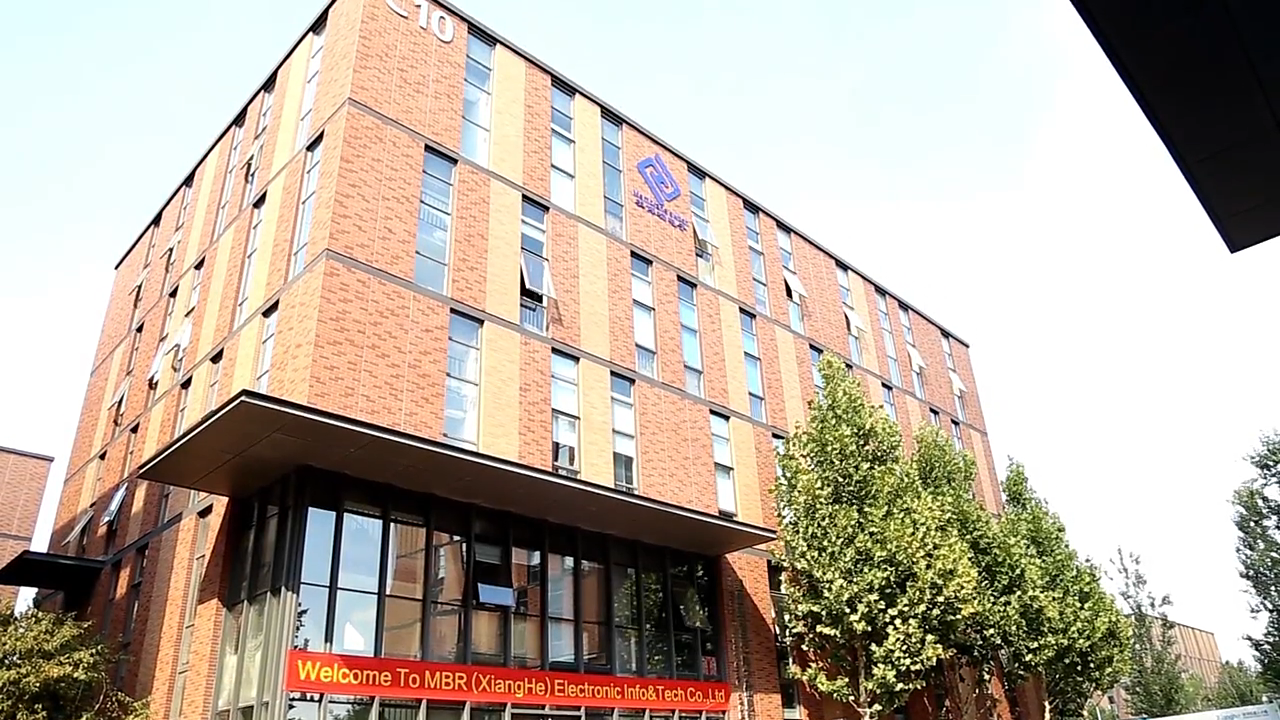
Operating a primary plant in the Robot Industry Port of Xianghe Economic Zone (Hebei) alongside a secondary processing hub in Huizhou (Guangdong), TAVO maintains over **2,219 m² of verified production cleanrooms** and employs 111+ specialized staff.
High quality suppliers do not rely on third-party labs for routine batch certification. Every production lot undergoes rigorous stress testing inside dedicated testing facilities:
Automated pin-to-pin open/short testing, checking line resistance (<100Ω), loop capacitance, and LED polarity verification before packaging.
Pneumatic micro-actuators cycle metal domes at 2 to 5 Hz up to 1,000,000+ presses to evaluate tactile force decay and contact degradation.
Programmable temperature and humidity chambers (-40°C to +85°C), xenon lamp aging chambers, and salt fog corrosion testing for maritime gear.
Technical guidance for design engineers, purchasing managers, and supply chain coordinators.
To produce an accurate engineering review and tooling quotation, suppliers require:
IP67 sealing prevents dust ingress and water immersion up to 1 meter depth. Chinese manufacturers achieve this by engineering a continuous closed-loop perimeter gasket layer using 3M 300LSE or 3M VHB high-tack acrylic adhesive. Additionally, venting paths for tactile metal domes are routed internally through non-conductive channels rather than venting directly out the rear tail exit.
Screen Printing: Ideal for high-volume production runs (>500 pcs) requiring solid spot colors, high opacity white backings, metallics, or specialized textured selective varnishes. Offers superior UV stability outdoors.
Digital UV Printing: Excellent for low-to-medium volume, rapid prototyping, and multi-color gradient artwork. Eliminates screen tooling fees and shortens lead times by 3 to 5 business days.
Electromagnetic interference (EMI) shielding is accomplished by inserting a full-surface printed aluminum foil layer or printed conductive carbon matrix layer between the graphic overlay and the circuit layer. This shield layer connects to a dedicated ground trace, diverting static discharge (ESD up to 15kV) away from sensitive internal microcontrollers.
Typical prototype tooling (steel rule dies, laser cutting setup, film screens) ranges from $150 to $450 depending on complexity. Prototype samples are delivered within 7 to 10 working days. Full production orders are completed in 2 to 3 weeks following sample sign-off.
Yes. Unlike traditional mass-production factories, TAVO supports lower Minimum Order Quantities (MOQs) for engineering development, pilot runs, and field testing to help OEMs shorten time-to-market.
Streamline your procurement process with our dedicated engineering support team.
Submit your project drawings or specifications to receive an itemized manufacturing quote within 24 hours.