High-Performance Waterproof Keypad Products
Engineered to withstand extreme fluid submersion, dust contamination, chemical abrasion, and heavy actuation cycles. Directly sourced from certified China OEM manufacturing facilities.
-
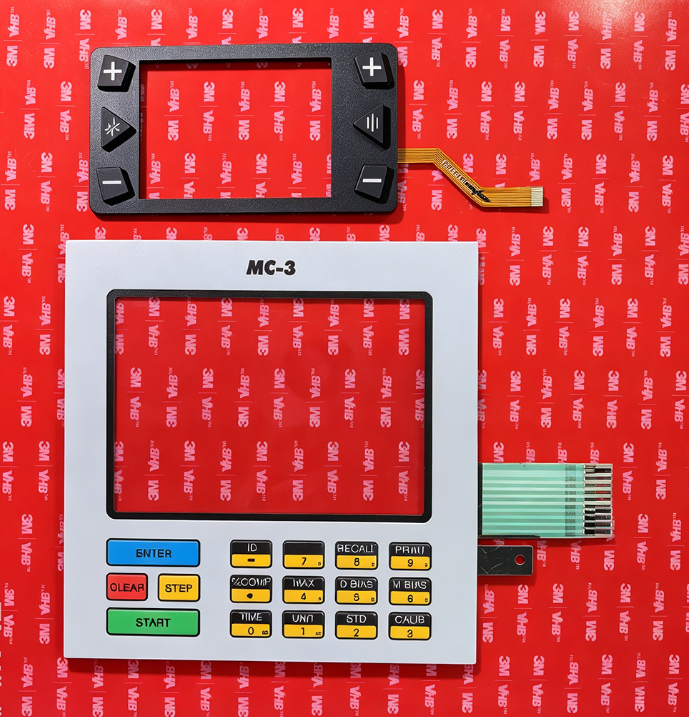
MBR High Quality IP67 Waterproof 3M Adhesive Flexible Cable Membrane Keypad PVC/PET/PC Dome Buttons Custom Cable Length Keypad
-
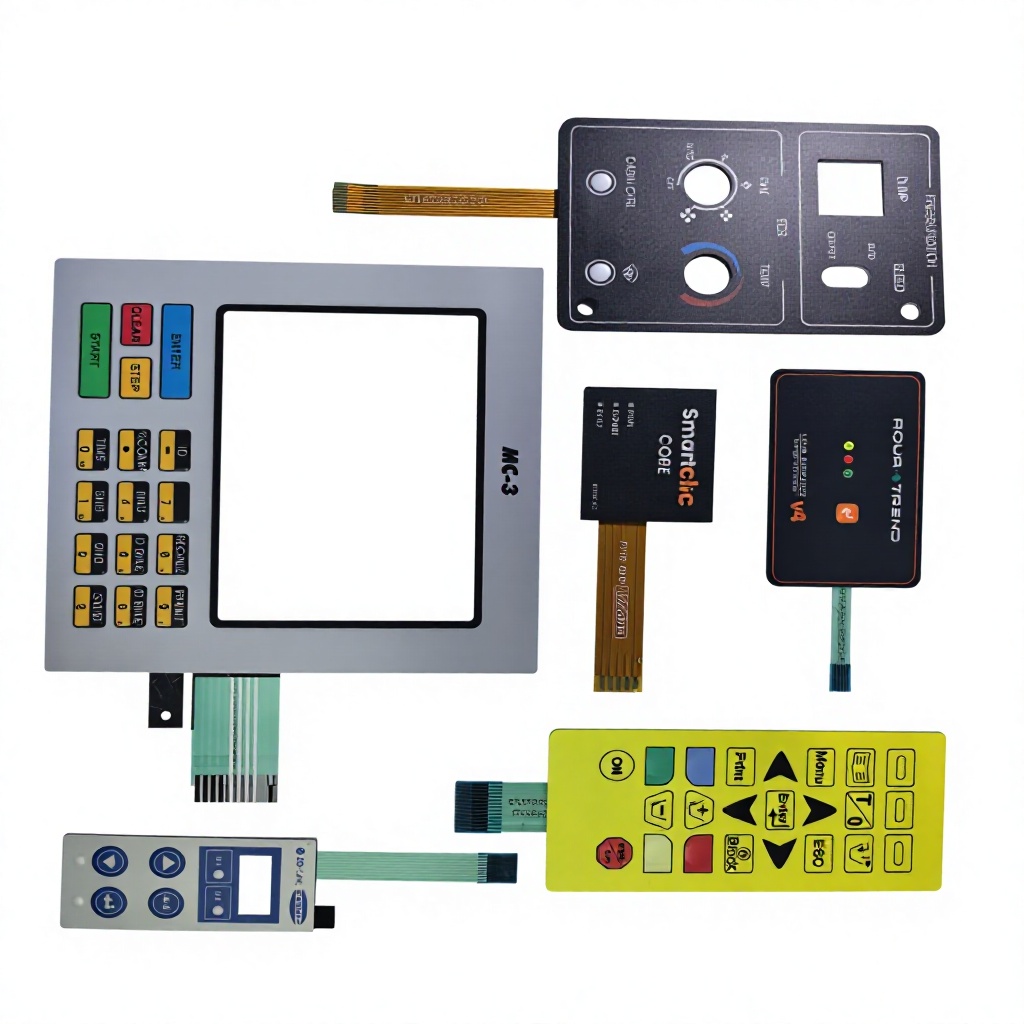
MBR Pet Conductive Film PET/PC Membrane Switch Board Waterproof Durable ISO9001 Certified Customized Size Metal Dome Tactile Key
-
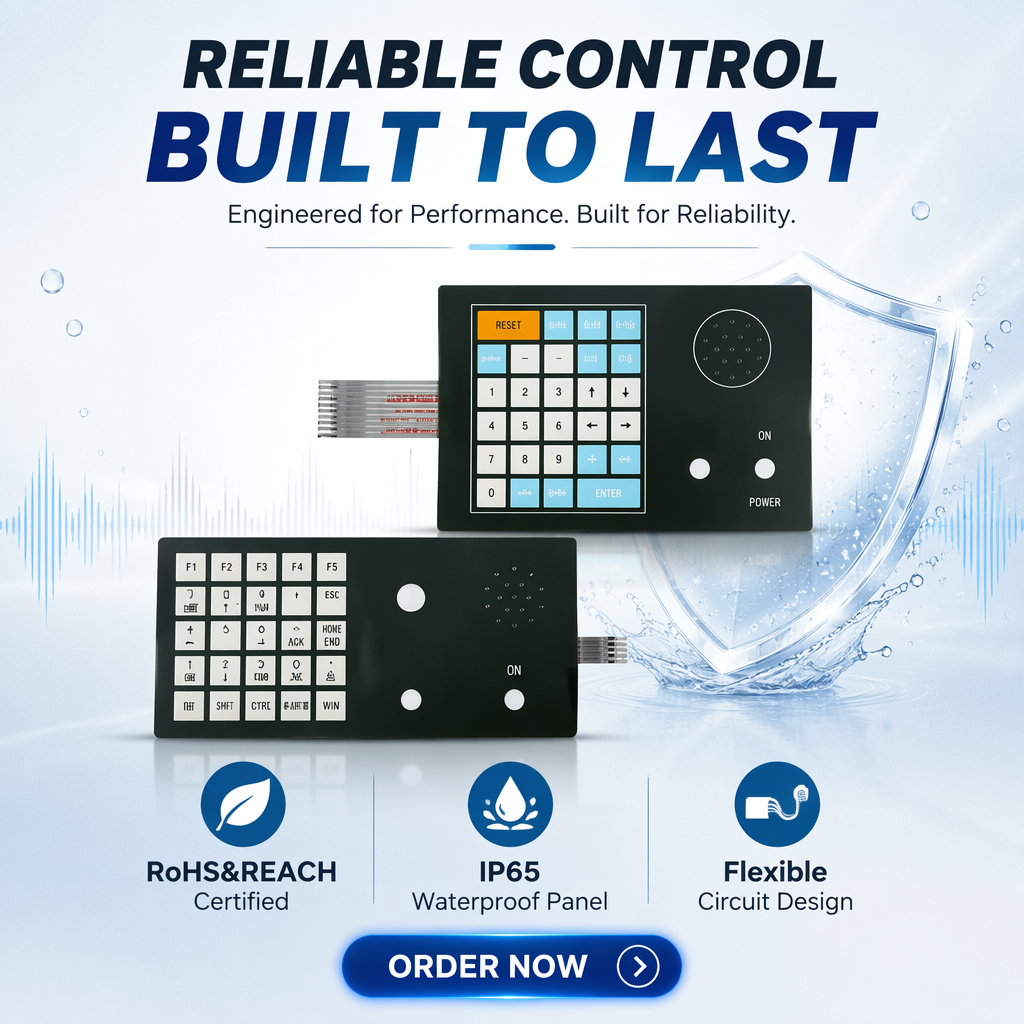
3x4 3*4 12 Key PET Matrix Array Membrane Button Switch Keyboard Keypad Waterproof Eco-friendly for Home Appliance
-
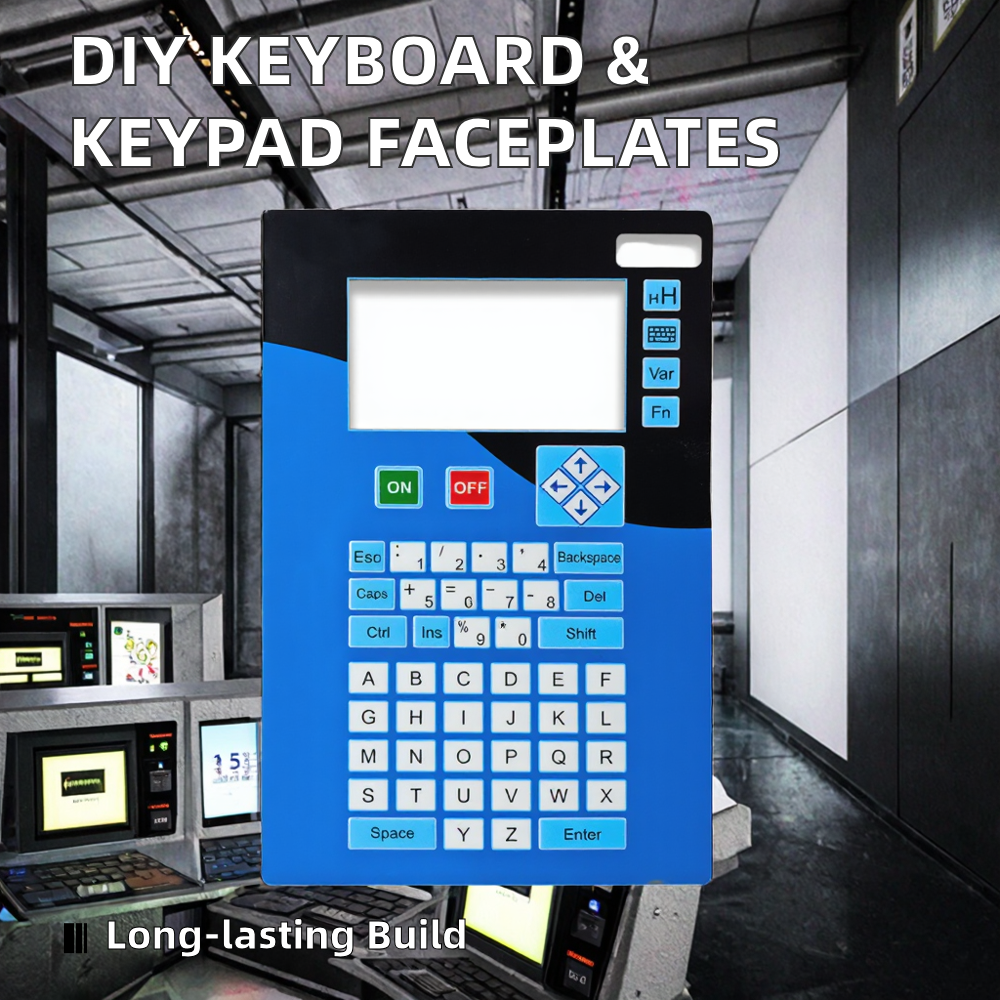
Custom Embossed Tactile Key Membrane Switch/Keypad/Keyboard Backlight LED Water-proof Panel Mounting ISO9001 Certified
-
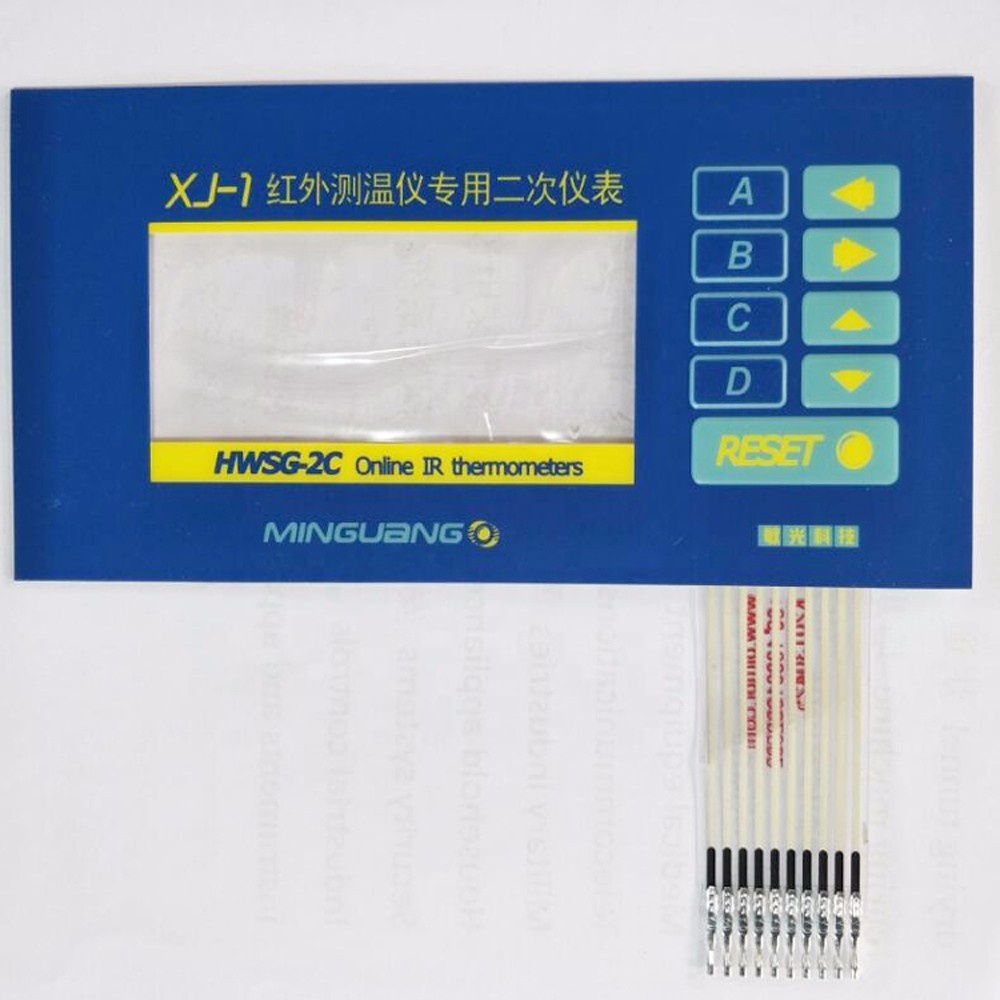
Fast Delivery OEM PBT Keyboard Cap Mechanical Switch Compatible Silkscreen Printed 2.54mm Pitch ISO Certified Factory Direct
-
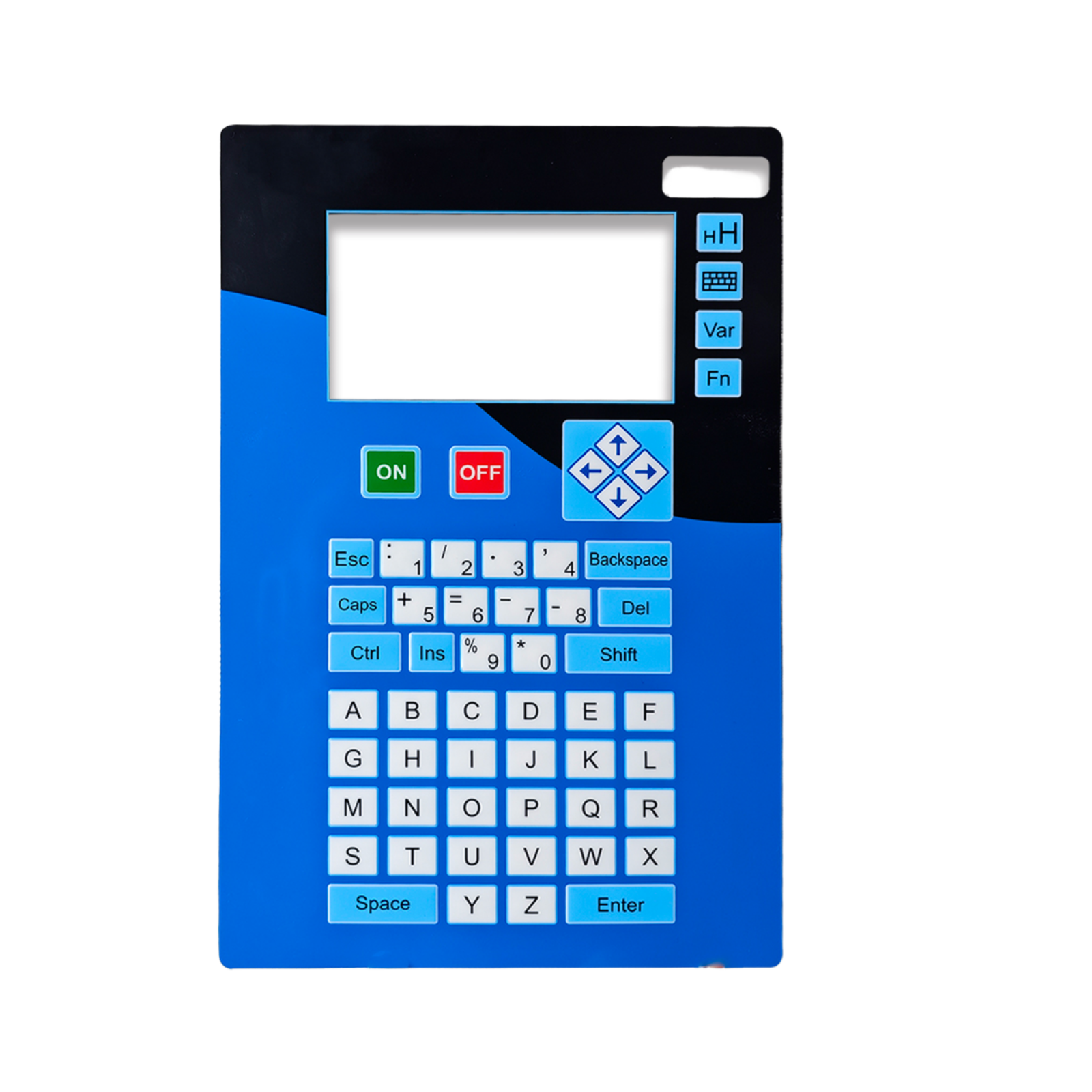
China MEIBORUI Manufacturer Custom Printed Membrane Switch Embossed Metal Dome Keypad Water-proof Home Appliance Use 3M Adhesive
-
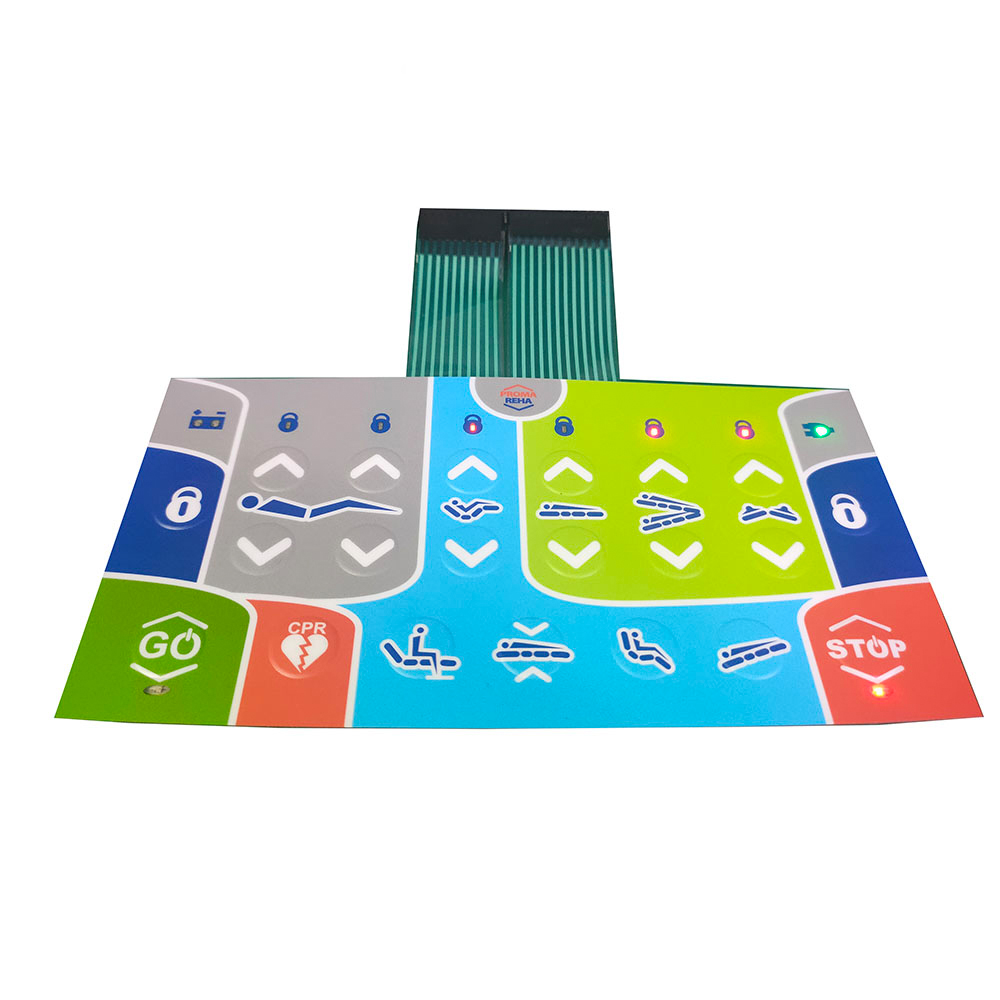
High Quality PBT Keyboard Cap Customized Color & Size Silkscreen Printing ISO9001:2015/ROHS Certified Fast Delivery Meiborui
-
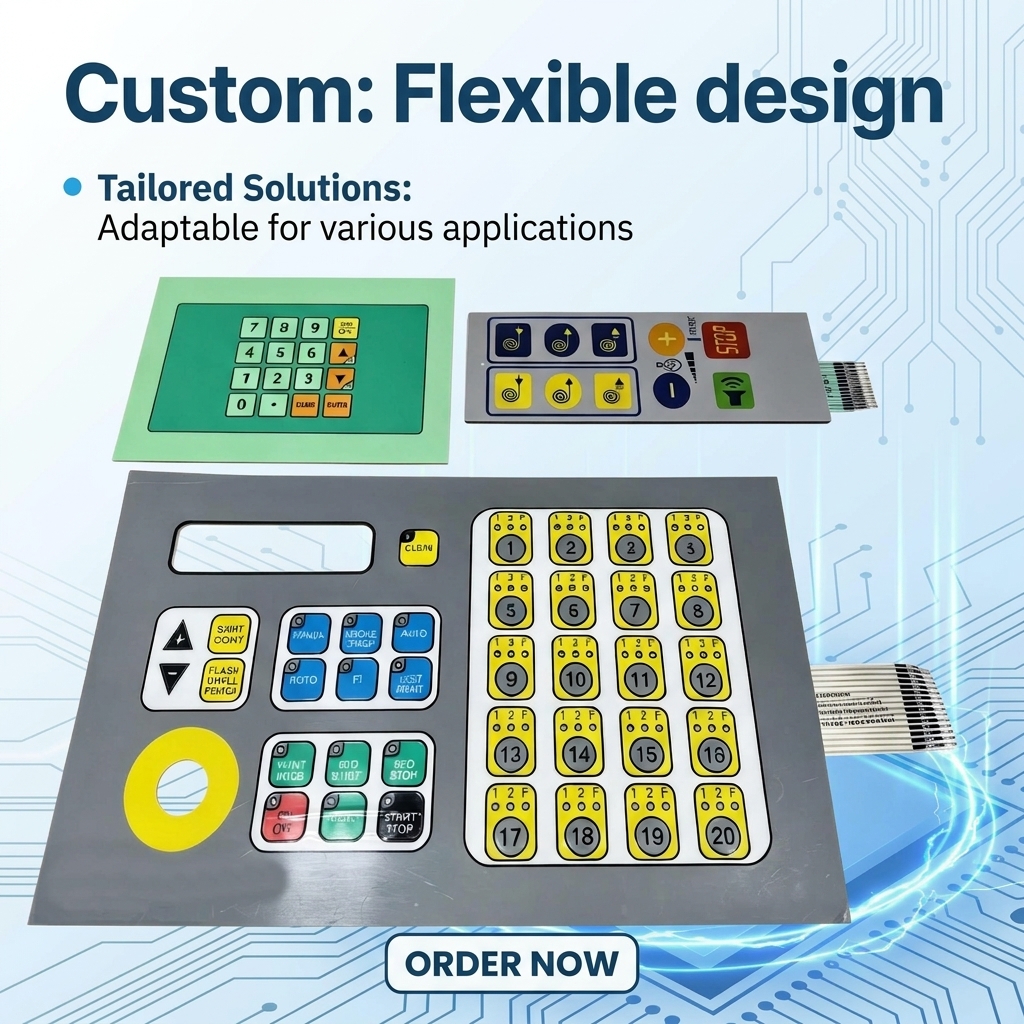
FPC Membrane Switch Keypad Flexible Circuit With LED Illumination for Railway Locomotive Control Panel Manufacturer
Engineering Excellence: Waterproof Keypad Panel Technology
Strategic B2B Sourcing Overview & Information Gain Synthesis
In modern Human-Machine Interface (HMI) design, liquid intrusion remains the single leading cause of field unit failure across industrial equipment, outdoor marine systems, medical devices, and commercial appliances. Sourcing an authentic China Waterproof Keypad Panel Manufacturer requires a nuanced understanding of material stack-ups, perimeter sealing physics, and adhesive chemistry rather than relying solely on superficial visual specifications.
Waterproof keypad panels are highly engineered, multi-layered passive control assemblies. Unlike standard mechanical switches that rely on physical rubber boots or dynamic O-rings—which inevitably degrade due to ozone exposure, mechanical fatigue, and thermal cycling—a fully integrated waterproof membrane switch utilizes continuous, non-porous synthetic film barriers bonded with specialized high-tack acrylic adhesives. This whitepaper serves as an authoritative technical breakdown for procurement officers, system architects, and electrical design engineers seeking robust supplier partnerships in China.
1. Technical Architecture of Waterproof Keypad Panels
Achieving true IP67 (immersion up to 1 meter for 30 minutes) or IP68 (continuous submersion under pressure) protection requires engineered structural layer synergy. A defect in a single layer or poor adhesive selection will compromise the hermetic seal via capillary migration under pressure differentials.
| Layer Element | Primary Material Specifications | Waterproof & Functional Contribution |
|---|---|---|
| Graphic Overlay | Autotex XE PET / Sabic Lexan PC / TPU (0.125mm - 0.25mm) | Continuous hydrophobic front face barrier; chemical, UV, and scratch resistance. |
| Top Gasket / Seal | 3M 467MP / 3M 468MP / 3M 300LSE Frame Adhesives | Eliminates lateral liquid ingress around perimeter windows and key embossings. |
| Tactile Array | Stainless Steel Snap Domes / Embossed Poly Domes | Provides tactile response while maintaining a fully enclosed internal air cavity. |
| Circuit Substrate | Silver Printed Polyester (PET) or Polyimide Copper FPC | Encapsulated electrical traces carrying low-voltage switching signals safely. |
| Perimeter Water-Cap Ring | Closed-Cell Micro-Porous Gasket or Custom Gel Ring | Prevents moisture venting back into internal logic boards via pinhole voids. |
| Rear Mounting Adhesive | 3M 200MP / 3M VHB High-Strength Acrylic Tape | Hermetically bonds the complete keypad module to the housing mounting plate. |
The Physics of Fluid Ingress Prevention: Standard keypads fail under fluid spray due to micro-gaps created during key actuation. When a button is depressed, internal air volume compresses, generating localized negative pressure upon release. If the perimeter seal is permeable, this vacuum draws surface liquids into the circuit traces, inducing silver migration (short-circuiting). Leading OEM suppliers like TAVO Electronic / MEIBORUI solve this by engineering internal pressure-equalization channels combined with hydrophobic vent membranes (such as expanded PTFE plugs), allowing air pressure equalization without permitting water molecules (H2O droplets) to cross the electrical domain.
Enterprise Strengths: Why Partner with TAVO & MEIBORUI
Over Three Decades of Dedicated HMI Innovation & Manufacturing Mastery
Selecting a Chinese manufacturing partner requires verifying in-house manufacturing depth versus trading agency markups. Tracing its core membrane switch capabilities back to 1990, TAVO Electronic Information Technology Co., Ltd. (along with the MEIBORUI production ecosystem) represents a top-tier OEM/ODM source with audited technical heritage.
Key Enterprise Capabilities:
- Fully Integrated In-House Production: From artistic graphic overlay design, CTP film output, screen printing, and digital UV printing to automatic embossing, laser cutting, cleanroom SMT dome placement, and 100% electrical computer testing—every process remains strictly inside our owned facilities.
- Dual Manufacturing Footprint: Operating a primary production base in the Robot Industry Port of Xianghe Economic and Technological Development Zone (Hebei) alongside a secondary specialized assembly base in Huizhou (Guangdong). Capacity is dynamically balanced so complex orders avoid machinery bottlenecks.
- Sustained German Technical Exchange: We maintain long-term technical cooperation with senior German membrane switch engineering experts, continuously refining our registration accuracy, LGF (Light Guide Film) backlighting uniformity, and OCA (Optically Clear Adhesive) window bonding processes.
- Rigorous Testing Laboratory: Our onsite QC facility features programmable temperature & humidity chambers, button lifecycle test units, computer circuit continuity testers, xenon lamp UV aging chambers, and automatic salt fog testing units to validate IP67/IP68 sealing integrity before shipment.
Market Trends & Sourcing Evolution (2025–2030)
Where Waterproof Keypad Technology is Heading
Global procurement teams must align their multi-year component sourcing strategies with ongoing technological shifts in industrial interface design. The market for waterproof keypad panels is transitioning from isolated tactile switches toward integrated, intelligent HMI modules.
Trend 1: Hybrid Capacitive Touch & Waterproof Tactile Overlay Integration
Pure mechanical switches are increasingly merging with capacitive touch sensors. Equipment operators demand sleek, seamless glass or plastic front panels, yet industrial environments mandate physical tactile feedback for blind operation (e.g., wearing thick work gloves). Modern designs incorporate waterproof capacitive touch overlays where keys auto-calibrate sensitivity to ignore surface water droplets while responding flawlessly to intentional finger presses.
Trend 2: Migration from Silver Ink PET to Polyimide Copper FPC Circuits
While screen-printed silver paste on PET film remains cost-effective for standard matrices, high-reliability applications (such as railway locomotive control panels, aerospace, and medical ventilators) are rapidly adopting Flexible Printed Circuits (FPC). FPC substrates allow finer line pitch (down to 0.15mm), direct SMT mounting of dense micro-LEDs and IC controllers, and zero risk of silver electromigration in extreme humidity.
Trend 3: LGF (Light Guide Film) Backlighting Efficiency
Traditional discrete LED backlighting often results in hot-spotting and uneven illumination across key legends. Next-generation waterproof keypads utilize ultra-thin (0.125mm) side-lit Light Guide Films (LGF) positioned directly beneath the graphic overlay. LGF diffuses LED light evenly across large key clusters, reducing overall power consumption by up to 60% while maintaining an IP67 hermetic seal thickness profile under 2.0mm.
Trend 4: Digital UV Prototyping & Tool-less Agile Procurement
OEM buyers are reducing time-to-market cycles from months to days. Advanced China suppliers have deployed high-resolution digital UV printing engines (such as Mimaki digital systems) paired with automated multi-head laser die-cutters. This eliminates traditional silkscreen tooling and steel rule die setup fees for pilot production runs, giving buyers unprecedented agility during field testing phases.
Frequently Asked Questions (FAQ)
Direct technical answers to common engineering and commercial queries encountered during OEM waterproof keypad procurement.