High-Precision Molded Silicone Keypads & Custom HMI Solutions
Explore our engineering-grade custom molded silicone keypads, membrane switches, and PBT mechanical caps engineered for industrial, medical, and automotive OEM applications.
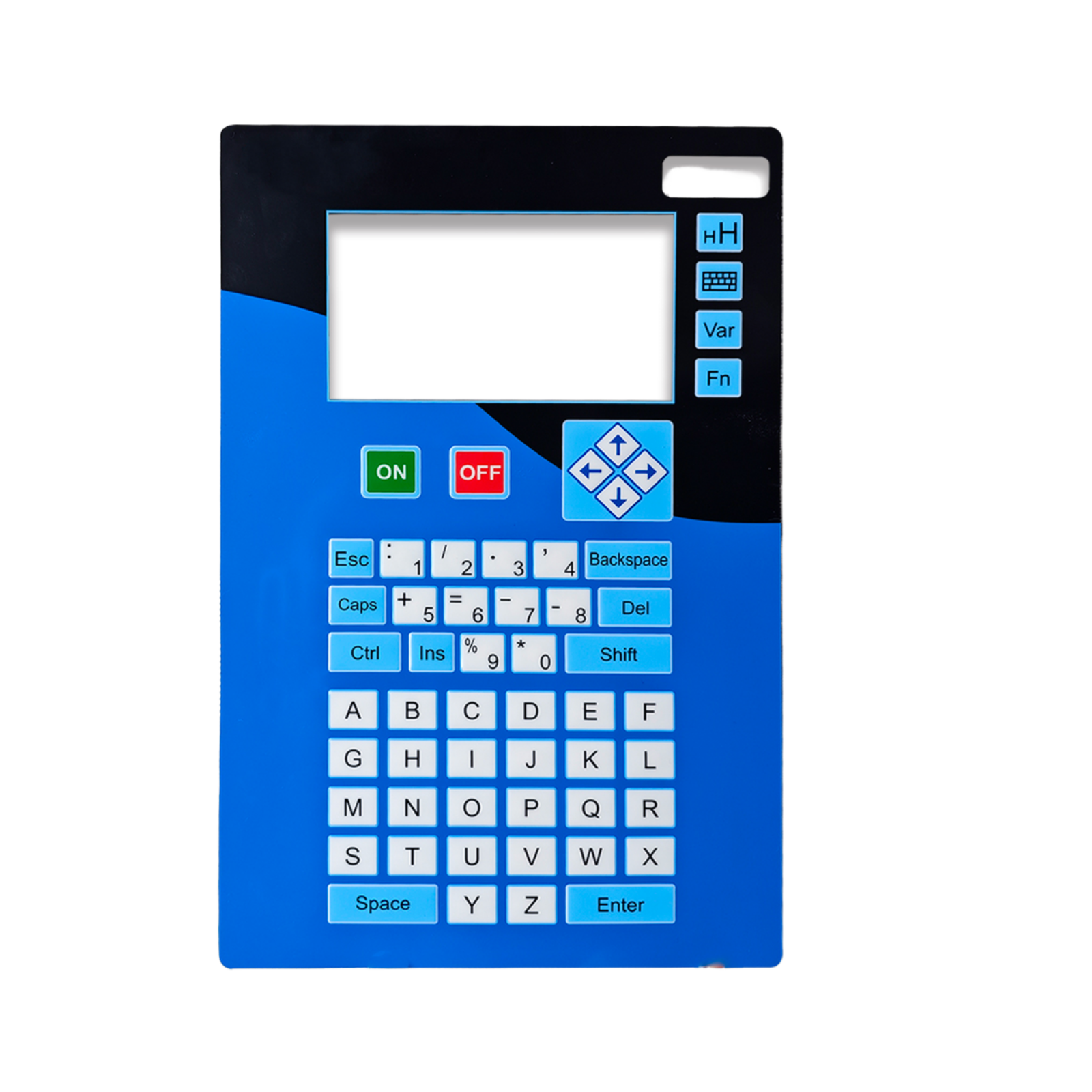
China MEIBORUI Custom Printed Membrane Switch Embossed Metal Dome Keypad
View Product Details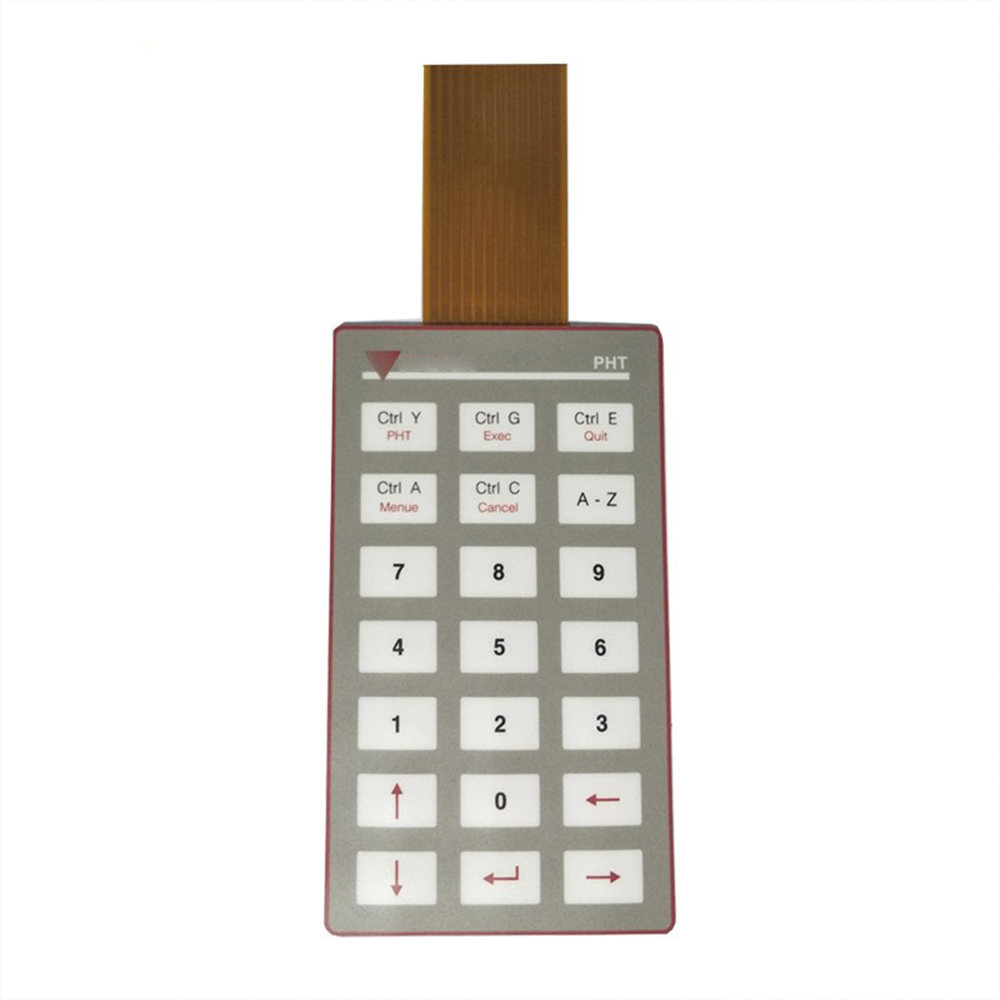
Computer Keyboard Membrane Panel Temperature Control Keypad Touch Switch
View Product Details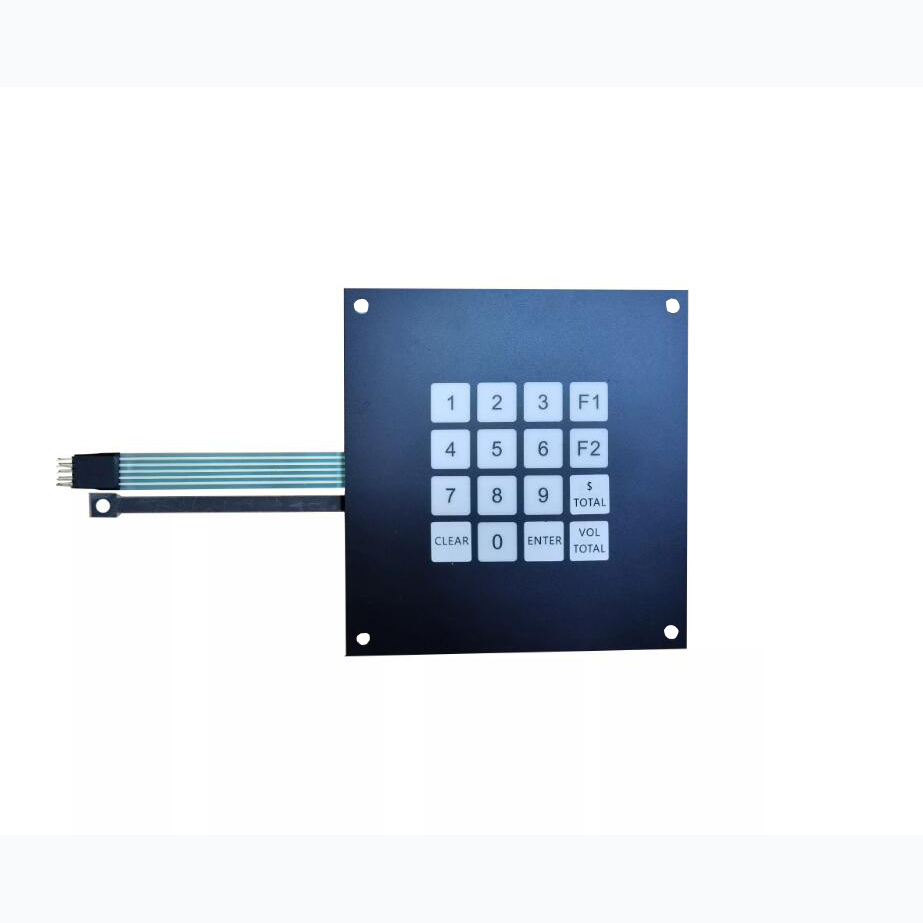
Custom Fuel Dispenser Oiling Machine Membrane Keypad & Remote Controller
View Product Details
Fast Delivery OEM PBT Keyboard Cap for Mechanical Switch Compatibility
View Product Details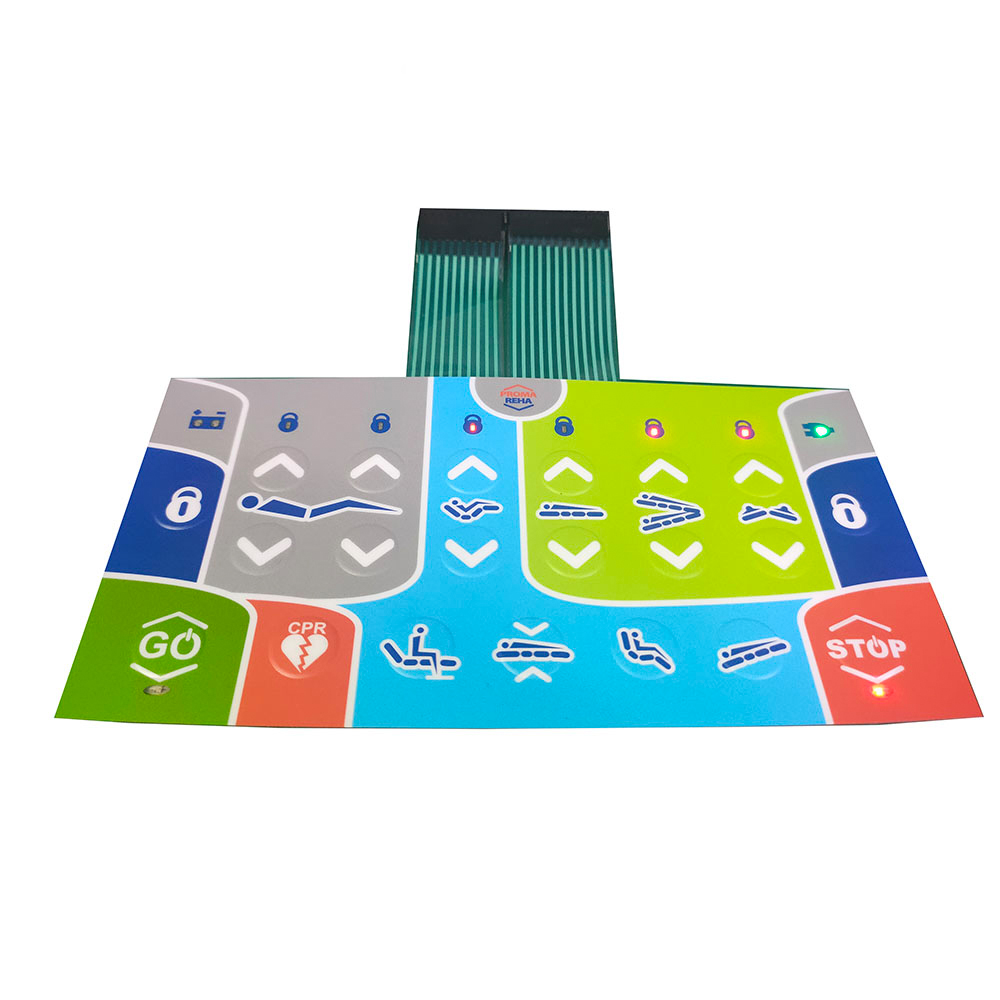
High Quality PBT Keyboard Cap Customized Color & Size (Meiborui OEM)
View Product Details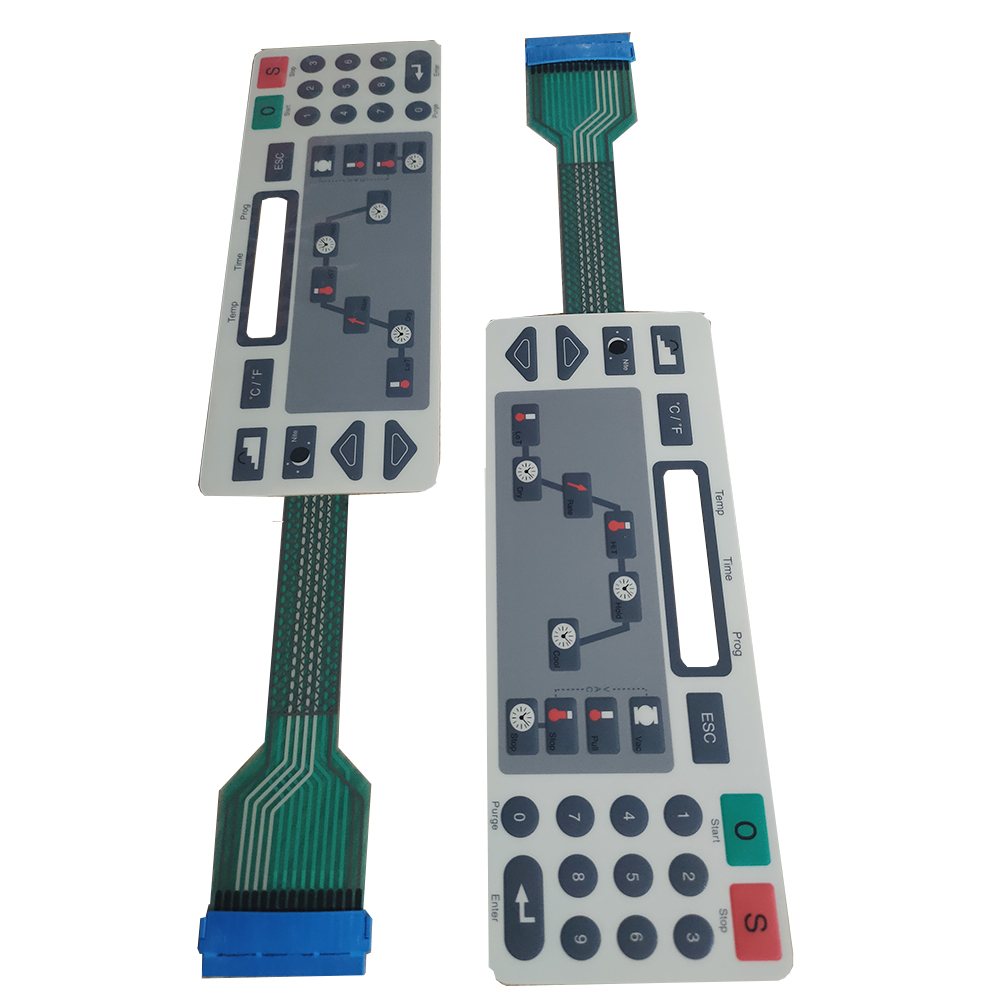
IP67 Waterproof Acrylic Dome LCD Membrane Switch Custom Keypad Assembly
View Product Details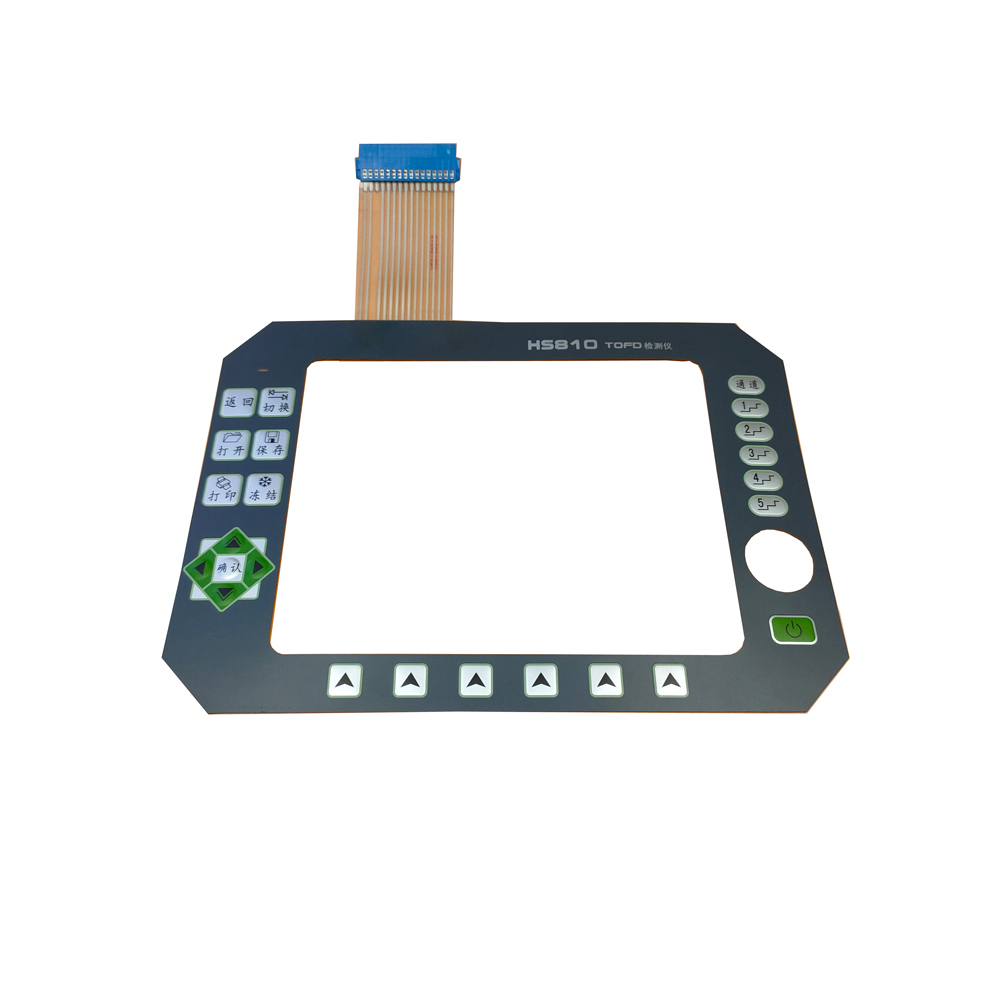
Meiborui Custom PBT Keyboard Cap Silkscreen Printed Computer Keyboard Parts
View Product Details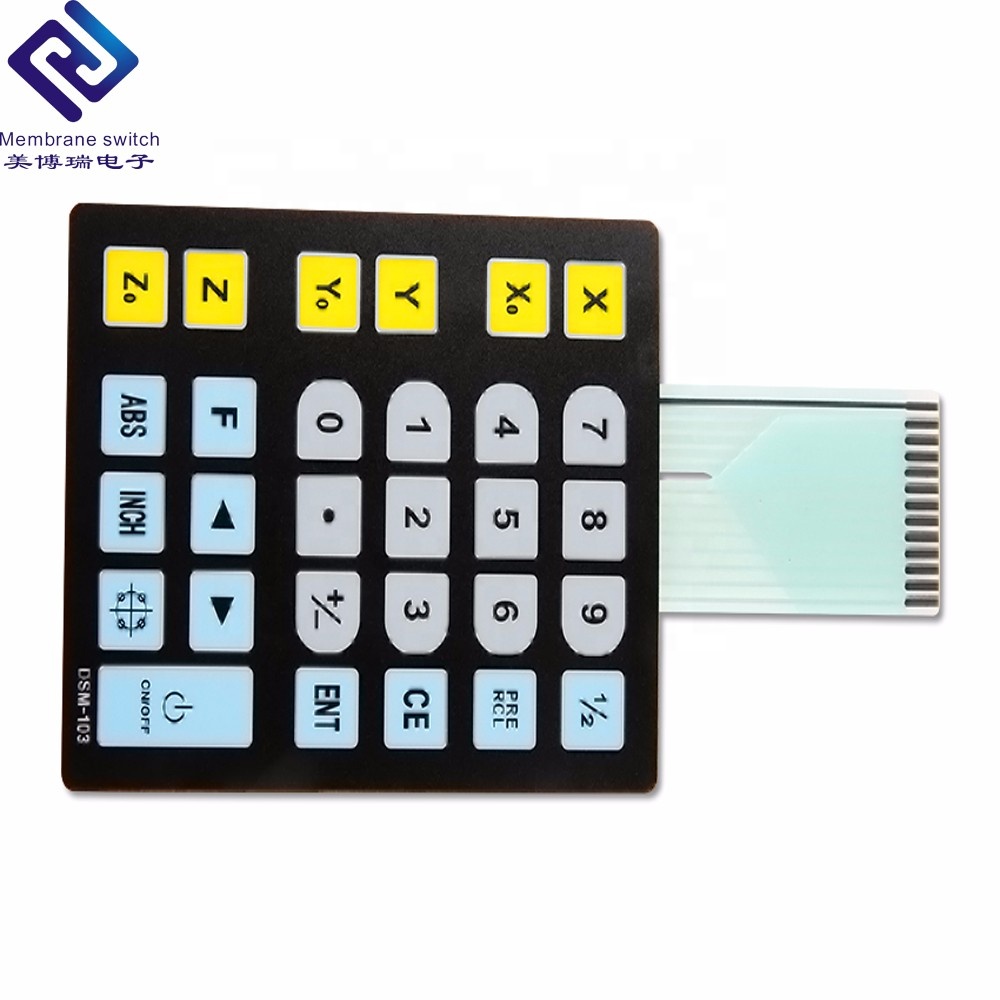
Factory Membrane Switch Keypad with Silicone Rubber Buttons (4*4 / 3*4 Layout)
View Product DetailsEngineering Molded Silicone Keypads: Material Science & HMI Architecture
A comprehensive analysis of elastomeric compression molding, durometer selection, contact geometry, and surface protection coatings for OEM engineering teams.
Understanding Elastomeric Keypad Mechanics
Molded silicone rubber keypads (elastomeric keypads) represent a pivotal human-machine interface (HMI) technology widely favored across medical equipment, industrial automation controllers, military field devices, and premium consumer electronics. Manufactured through high-temperature compression molding or Liquid Silicone Rubber (LSR) injection molding, silicone keypads combine tactile feedback, environmental sealing, and structural longevity into a single monolithic component.
The core mechanism of a molded silicone keypad relies on the compression webbing—a thin angled wall surrounding the key cap. When an operator depresses the key, the webbing undergoes elastic deformation until it reaches a critical collapse point, yielding a distinct, tactile click. This physical phenomenon, quantified by the Tactile Snap Ratio Formula: Snap Ratio = (F1 - F2) / F1 × 100% (where F1 is the peak actuation force and F2 is the return force), directly dictates user satisfaction and ergonomic error reduction.
Material Durometer & Conductive Contact Pillars
Silicone durometer selection typically spans 30 Shore A to 80 Shore A depending on the required actuation feel. Lower durometers (30A–40A) provide plush, low-force actuation suited for handheld medical monitors, whereas higher durometers (60A–80A) prevent accidental actuation in ruggedized industrial cabs.
To bridge the electrical connection with the underlying Printed Circuit Board (PCB) or Flexible Printed Circuit (FPC), silicone keypads integrate conductive elements beneath the key center:
- Low-Resistance Carbon Pills: Molded carbon disks delivering electrical contact resistance <150 Ω, serving standard micro-current logic circuits.
- Gold-Plated Contact Pillars: Solid gold-flashed brass or nickel pills providing ultra-low resistance (<1 Ω) for mission-critical aerospace or low-voltage signal applications.
- Printed Conductive Inks: Screen-printed carbon or silver conductive traces directly applied to the lower silicone surface for cost-effective, multi-point matrices.
HMI Technology Comparison Matrix for Technical Sourcing
| Performance Metrics | Molded Silicone Rubber Keypad | Tactile Membrane Switch | Capacitive Touch Panel |
|---|---|---|---|
| Tactile Feedback | Exceptional (Custom Snap Ratio 40%–65%) | Good (Metal/Poly Domes) | None (Requires Haptic Motor) |
| Actuation Life Cycle | 1,000,000 to 10,000,000 Actuations | 500,000 to 3,000,000 Actuations | >50,000,000 Touches |
| Environmental Sealing | IP67 / IP68 Seamless Monolithic Shield | IP65 / IP67 Layered Perimeter Seal | IP67 / IP69K Optical Bonding Surface |
| Operating Temperature | -40°C to +200°C (Wide Thermal Resilience) | -20°C to +70°C | -20°C to +70°C |
| Backlighting Synergy | Laser Etched Light Guides / LGF / LED RGB | Embedded Surface-Mount LEDs / LGF | TFT / OLED Display Underlay |
| Tooling Cost & Lead Time | Moderate (3D Compression Mold Tooling) | Low (Steel Rule Dies / Laser Cut) | High (Glass Photolithography / OCA Tooling) |
Future Procurement Trends in Molded Silicone Keypad Manufacturing
Key technological shifts reshaping global supply chains, material engineering, and custom HMI assembly integration over the next decade.
1. Advanced Laser-Etched LGF Backlighting Integration
Traditional backlight methods often suffered from uneven illumination bleed across multi-key pads. The industry is rapidly adopting Light Guide Film (LGF) optics paired with precise spray-coated laser ablation. Translucent silicone keypads are sprayed with a light-blocking black or metallic topcoat, followed by automated laser removal of legend zones. Combined with ultra-thin LGF layers, side-emitting RGB micro-LEDs now provide crisp, daytime-visible legibility at a fraction of power consumption.
2. Medical-Grade Antimicrobial & Bio-Compatible Coatings
In response to elevated infection control standards in hospital environments, global OEMs require ISO 10993 and FDA 21 CFR 177.2600 compliant bio-compatible silicone elastomers. Factories are introducing silver-ion antimicrobial nano-coatings directly into the polyurethane (PU) or ultraviolet (UV) top-protect coat. This prevents bacterial colonization while enabling harsh chemical washdowns using alcohol, bleach, and quaternary ammonium compounds without graphic degradation.
3. Dual-Durometer Molding & Hybrid Rubber-Plastic Keycaps
To eliminate key wobble and offer a premium tactile feel similar to luxury vehicle switchgear, manufacturers are combining hard thermoplastic keycaps (such as PBT or ABS) with flexible silicone bases via overmolding or two-shot injection molding. Dual-durometer molding creates rigid key tops with soft, durable elastomeric actuation webs, satisfying both structural stiffness and high tactile snap requirements.
4. Full Structural Box Build & Turnkey HMI Assembly
Strategic buyers are consolidating suppliers by shifting from discrete component sourcing to turnkey turnkey electromechanical sub-assemblies. Top silicone keypad factories now integrate rigid PCBs, flexible copper FPC circuits, plastic enclosures, metal backers, LCD display windows, and optical adhesives in-house. This single-source approach reduces assembly tolerance stack-ups and simplifies quality warranty management.
5. Precision LSR Injection Molding & Sustainable Processing
While compression molding remains dominant for standard runs, Liquid Silicone Rubber (LSR) injection molding is rapidly scaling for high-volume automated manufacturing. LSR offers superior dimensional tolerances (±0.05mm), cleaner flash-free key edges, and zero volatile organic compounds (VOCs). Additionally, zero-waste cold-runner tooling systems reduce material waste, helping OEMs achieve Scope 3 supply chain sustainability targets.
Why Sourcing Directors Partner with Our Manufacturing Base
Combining 30+ years of membrane switch and elastomeric keypad engineering with state-of-the-art testing laboratories and dual production hubs.
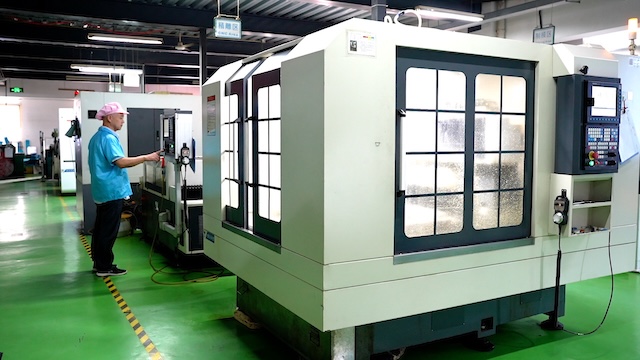
30+ Years Heritage & Dual Manufacturing Hubs
Tracing our technical roots back to 1990, our organization has spent over three decades mastering human-machine interface technologies. We operate two fully equipped, vertically integrated manufacturing bases: our primary facility in the Robot Industry Port of Xianghe Economic and Technological Development Zone (Hebei) and a secondary processing hub in Huizhou (Guangdong).
By balancing capacity across both facilities, we guarantee continuous production flow and eliminate single-point risk for global OEM supply chains. Both sites adhere strictly to ISO 9001 Quality Management Systems and have passed comprehensive onsite assessments conducted by Intertek.
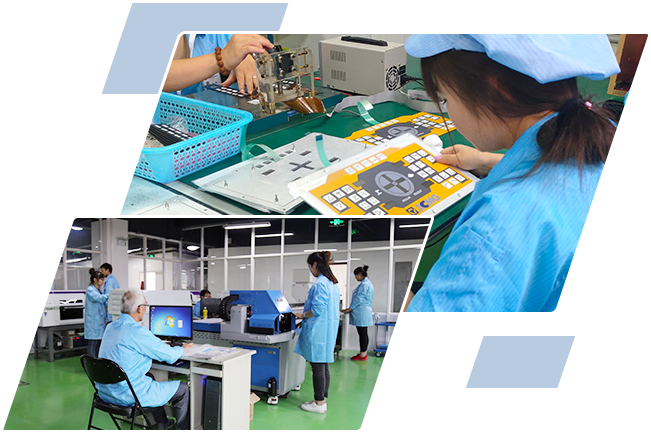
Complete In-House Manufacturing & German Engineering Standards
What differentiates a tier-one factory from trading intermediaries is full control over the manufacturing value chain. Every production step—3D tool die making, rubber mixing, vulcanization compression, laser ablation, silkscreen printing, SMT component soldering, and final testing—occurs inside our cleanrooms.
Through long-term technical exchanges with leading German membrane switch manufacturers, we have adopted strict European quality tolerances. Our engineering plant operates heavy-duty precision machinery:
- 37 Precision Silkscreen Printing Machines for multi-layer ink registration.
- 4 Mimaki Digital Heat-Setting Printers for rapid graphic overlay prototyping.
- 60 CNC Mold-Making Tools & Engravers for fast mold fabrication.
- 18 High-Speed Laser Cutting Stations for intricate key shapes and zero-tooling samples.
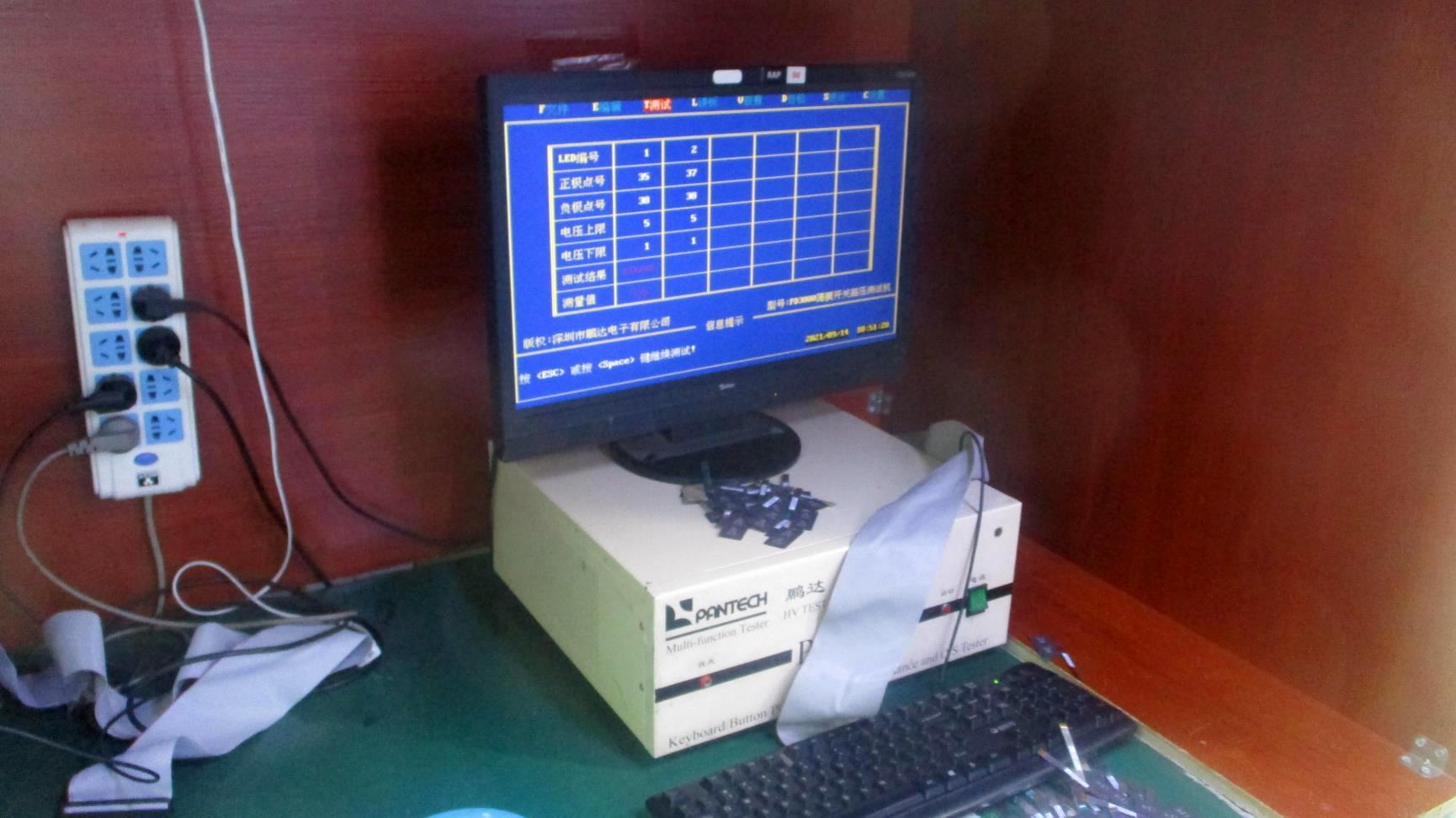
Rigorous Quality Assurance & Environmental Testing Lab
Reliability is never an accident—it is scientifically measured. Every batch of custom silicone keypads undergoes complete physical, electrical, and environmental stress testing in our onsite laboratory before shipping. We supply full inspection reports including RoHS, REACH, and material traceability certificates with every batch.
Our in-house reliability testing equipment includes:
- Computerized Circuit Continuity Testers: Automated pin-to-pin open/short testing.
- Multi-Actuator Life-Cycle Test Units: Simulating millions of button presses.
- Programmable Temperature & Humidity Chambers: Thermal shock testing from -40°C to +150°C.
- Xenon Lamp UV Aging & Automatic Salt Fog Chambers: Verifying legend paint durability and corrosion resistance.
Frequently Asked Questions for Sourcing & Engineering Teams
Technical answers to common questions encountered when specifying, designing, and ordering custom molded silicone keypads.
Accelerate Your Custom HMI Project with Technical Experts
Whether you require a rapid prototype silicone keypad sample or a full production run integrated with flexible circuits and metal backers, our engineering team provides DFM reviews within 24 hours.
Send an Inquiry