Featured Screen Printed Circuits & Keypad Assemblies
Explore our top-rated OEM/ODM human-machine control solutions, manufactured in-house with German-partnered technology, high-conductive silver ink matrices, robust IP67 environmental seals, and long-life tactile actuation.
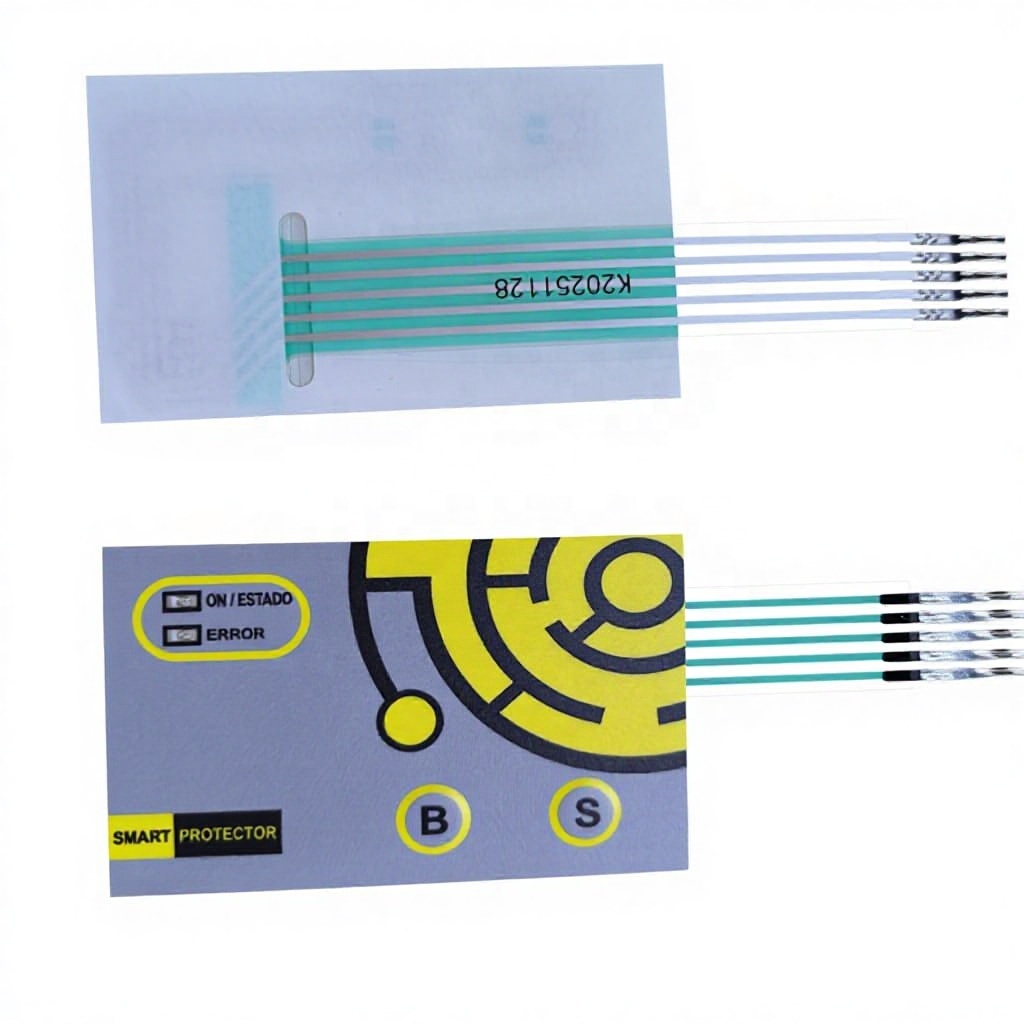
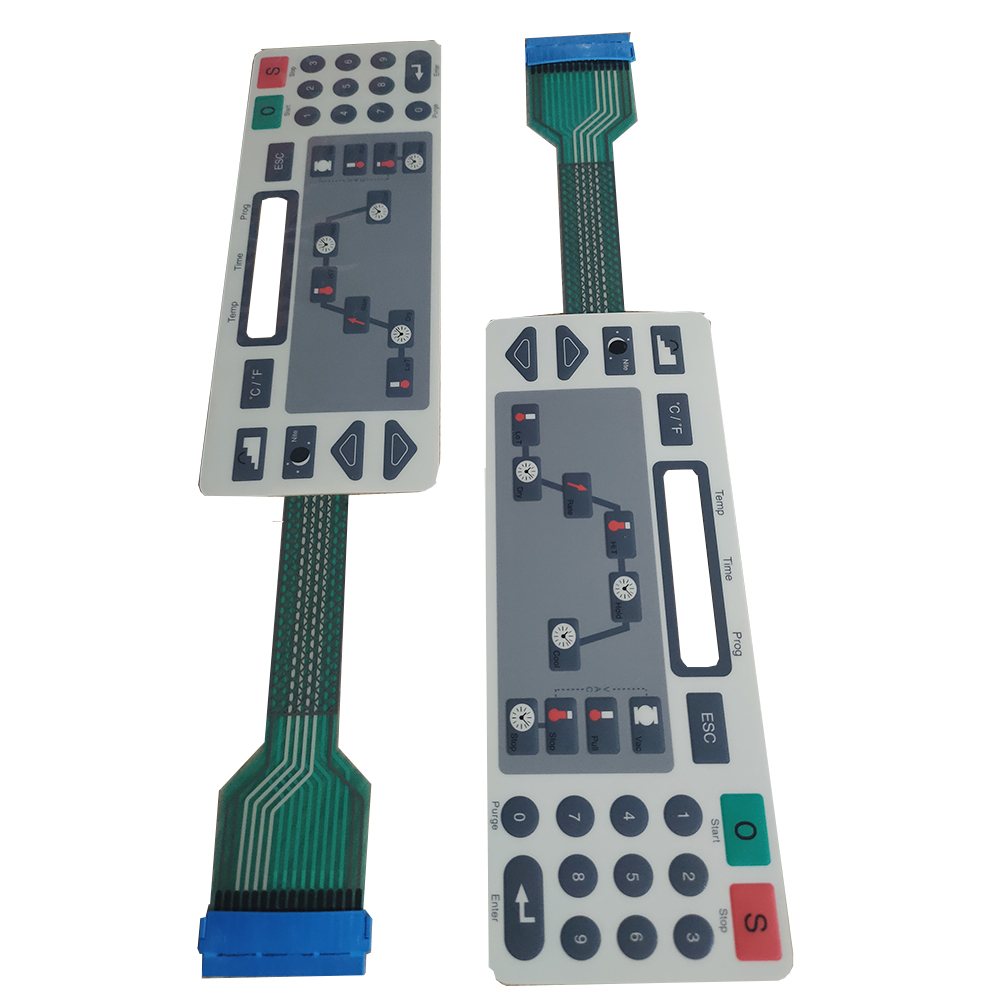
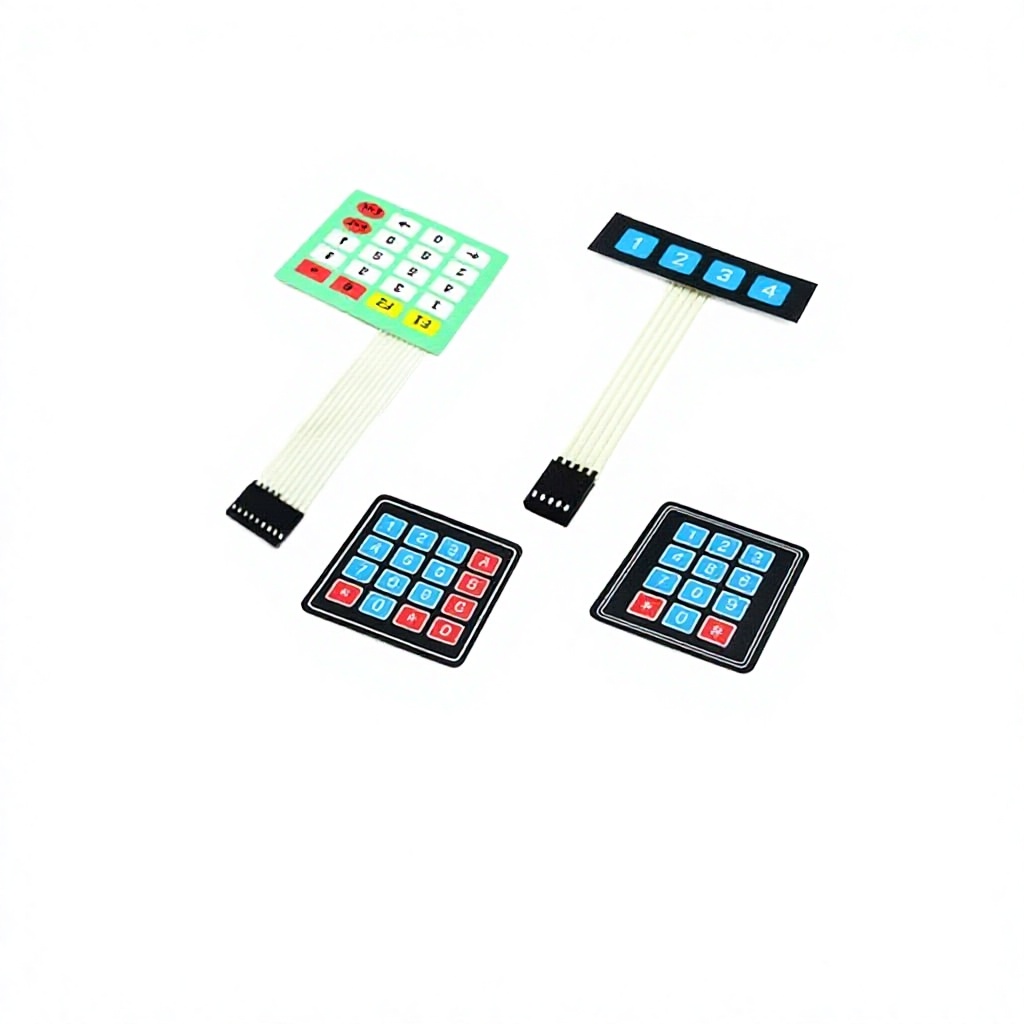
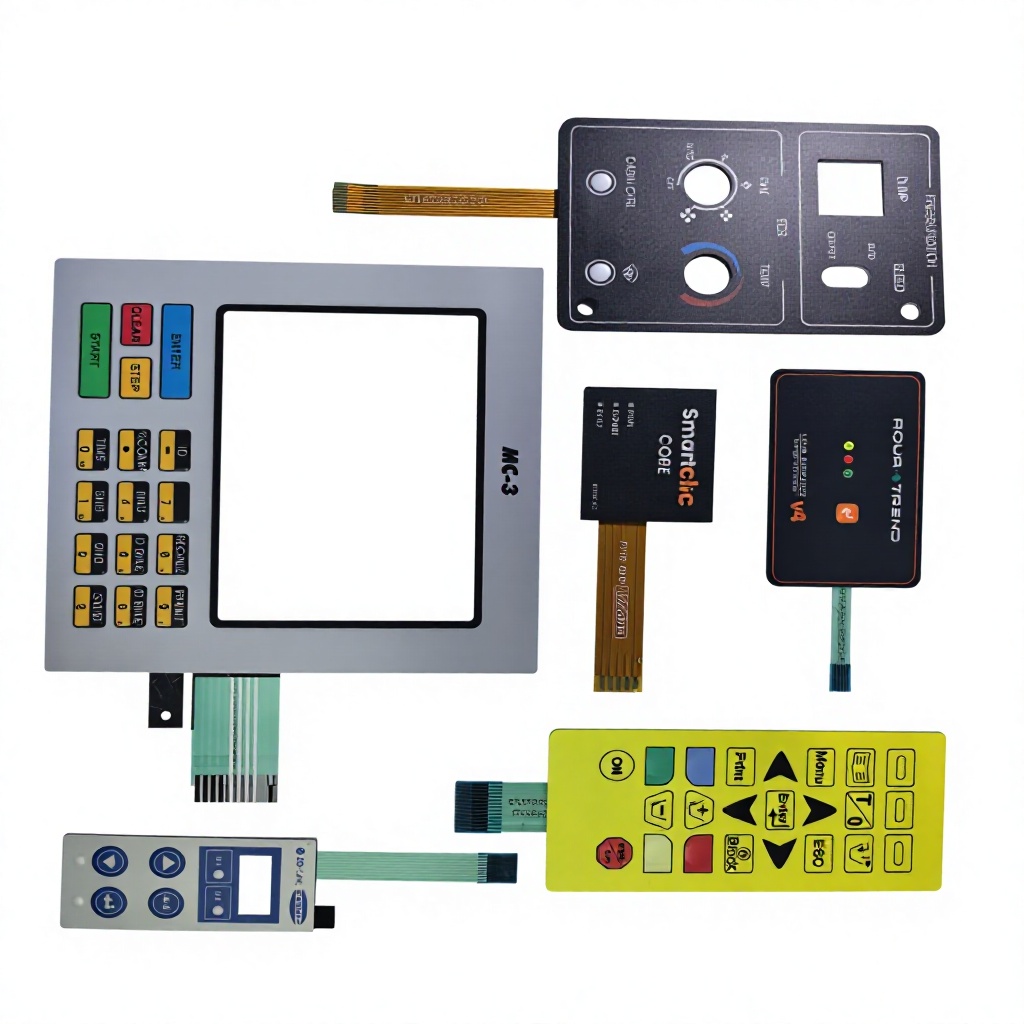
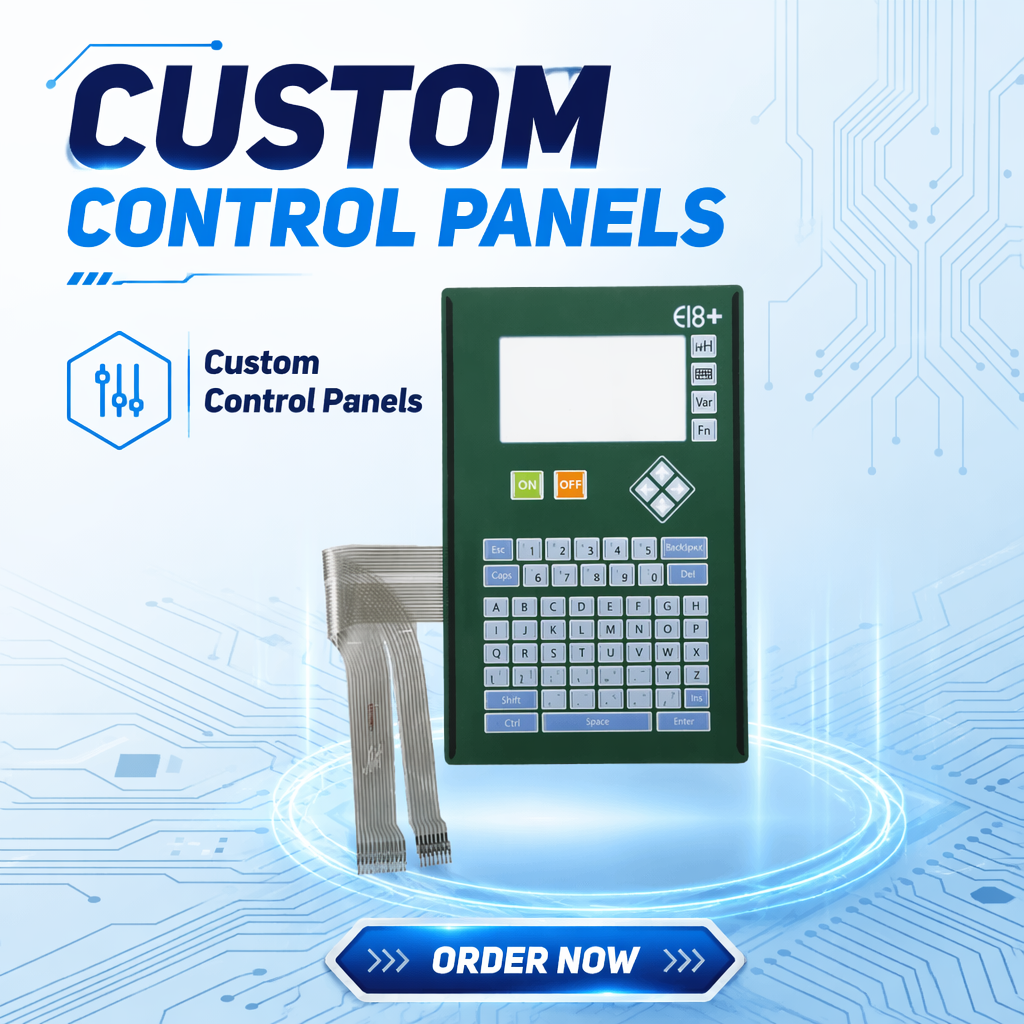

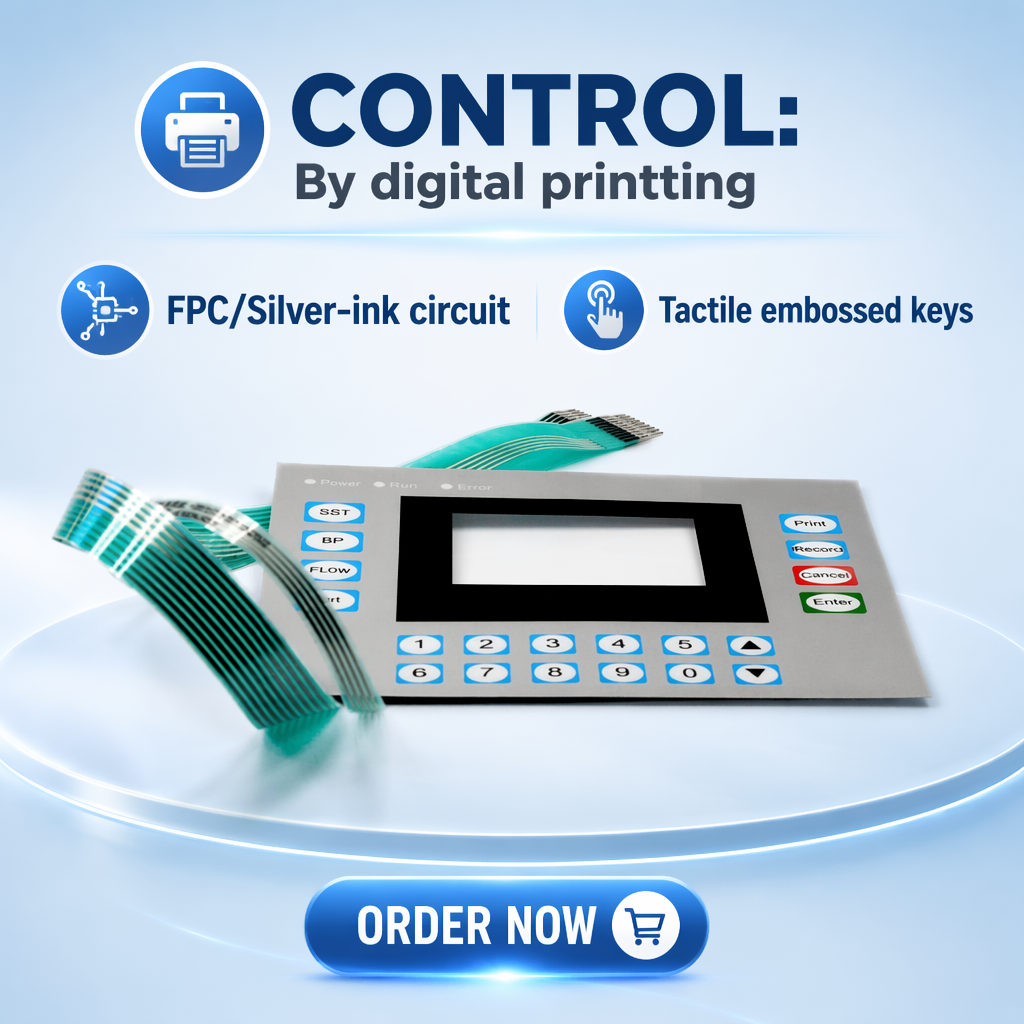
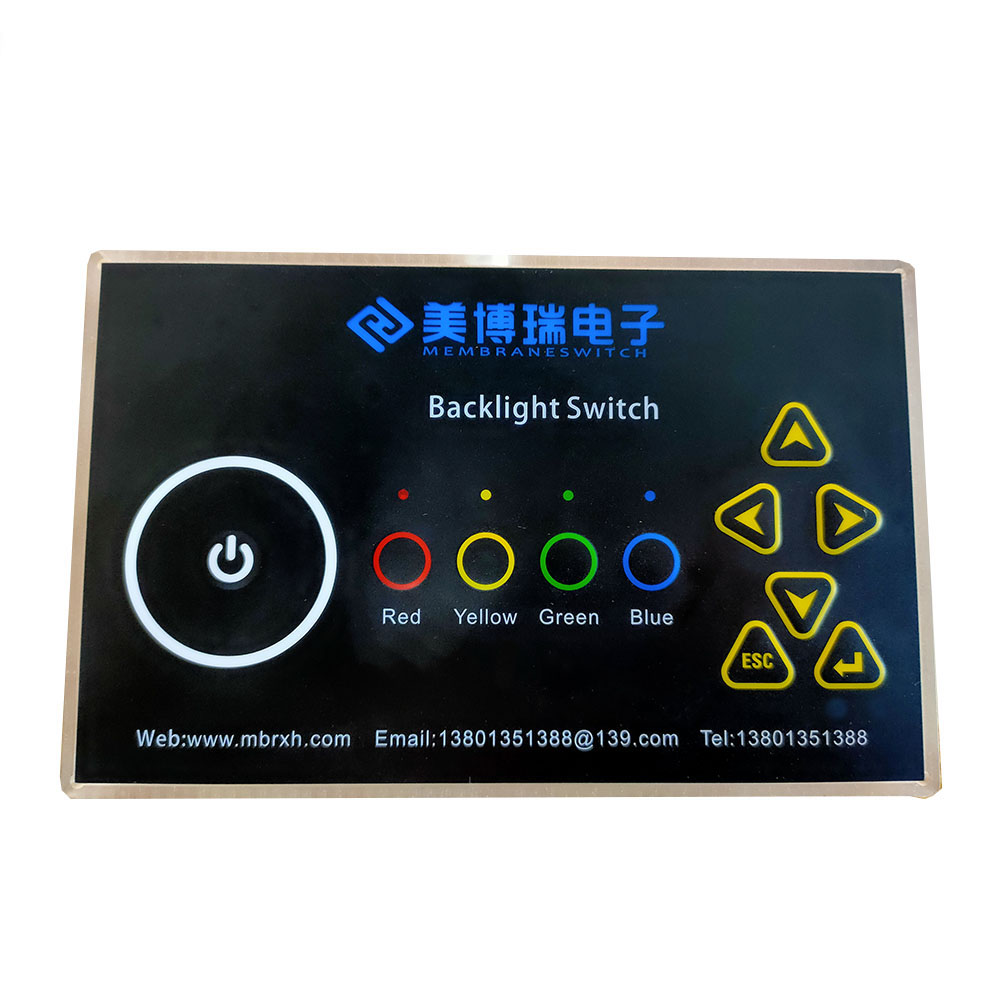
The Engineering Guide to Custom Screen Printed Circuits & HMI Systems
In modern industrial automation, medical devices, high-speed rail transportation, and smart home appliances, human-machine interface (HMI) keypads and flexible screen printed circuits serve as the critical neural link between user command and electronic execution. Sourcing reliable screen printed circuits demands deep material knowledge, precise conductivity engineering, and rigorous environmental sealing.
Conductive Ink Metallurgy
Precision additive screen printing utilizes micro-refined conductive silver inks (sheet resistance < 0.015 Ω/sq/mil) and carbon ink overprinting. This prevents silver electromigration under DC bias voltages while maintaining extreme trace flexibility without micro-fracturing during mechanical flexing.
Polymer Substrate Science
We utilize optical-grade heat-stabilized Polyester (PET) and Polycarbonate (PC) films engineered for high tensile strength, chemical resistance against harsh detergents/solvents, and exceptional dimensional stability (thermal shrinkage < 0.1% at 150°C) during multi-layer ink curing.
IP67 Waterproofing & Sealing
Through integrated perimeter gasket die-cutting, liquid-tight rear adhesives (3M 467MP, 3M 468MP, 3M 300LSE), and potted SMT LED components, our switch assemblies prevent ingress of dust, oils, humidity, and direct water jets, reaching IP67 & NEMA 4X performance standards.
Technical Comparison: Substrate & Circuit Technology Matrix
Selecting the correct circuit architecture depends on operating environment, contact resistance limits, tactile feedback needs, and total cost of ownership. The matrix below outlines key engineering trade-offs.
| Performance Metrics | Silver Screen Printed PET Circuit | Copper Polyimide Flex Circuit (FPC) | Rigid FR4 PCB-Backed Switch |
|---|---|---|---|
| Base Substrate Material | Heat-stabilized PET (Autotype/Melinex) | Polyimide (PI) / Kapton Film | FR4 Glass-reinforced Epoxy |
| Trace Conductor Type | Screen-Printed Conductive Silver / Carbon Paste | Etched Copper Foil (1oz / 0.5oz) | Etched Copper Foil (1oz to 3oz) |
| Trace Resistance | 10 Ω – 100 Ω (Depending on trace length) | < 1 Ω (High conductivity for dense circuitry) | < 0.1 Ω (Optimal for power & dense components) |
| SMT LED / Component Integration | Conductive Epoxy Bonding | Reflow Soldering / Surface Mount | Standard High-Temp Reflow Soldering |
| Minimum Pitch / Trace Width | 0.5 mm pitch / 0.25 mm trace | 0.2 mm pitch / 0.10 mm trace | 0.15 mm pitch / 0.08 mm trace |
| Bending & Flexural Life | Excellent for static & gentle flex applications | Dynamic high-flex life (> 10,000,000 bends) | Rigid (No flexure) |
| Tooling & Unit Cost Ratio | Low Tooling / Ultra Cost-Effective | Moderate Tooling / Balanced Cost | Higher Initial Tooling / Heavy-duty Cost |
Need Custom Circuit Layering & Design Advice?
Download our comprehensive technical drawing template, material stack-up guide, and full product catalog.
Get CatalogPrecision Multi-Layer Stack-Up Engineering
A custom screen-printed membrane circuit is rarely a single sheet. It is a harmonious composite of up to eight specialized functional layers designed for maximum tactile response, environmental isolation, and long-term signal integrity.
1. Graphic Overlay Layer (Front Surface)
Printed on the reverse side of transparent Polycarbonate or Polyester film to protect artwork from abrasion, UV radiation, and cleaning chemicals. Features textured, matte, or high-gloss finishes, clear/tinted LCD display windows, and raised key embossing (pillow, rim, or dome embossing).
2. High-Tack Top Adhesive
Die-cut acrylic adhesive film (such as 3M 467MP) that permanently bonds the graphic overlay panel to the tactile dome retainer layer, creating a hermetic seal over the internal active contact points.
3. Tactile Metal Dome / Poly Dome Layer
Stainless steel metal domes (four-leg, triangular, or round, ranging from 6mm to 20mm with actuation forces of 200g to 500g) or thermoformed PET poly domes. Provides unmistakable snap-ratio tactile feedback and snap-action circuit closure.
4. Upper & Lower Conductive Circuit Layers
Precision screen-printed conductive silver traces with insulating dielectric bridges for crossover circuits. In non-tactile switches, an insulating spacer layer separates top and bottom conductive contacts until compressed.
5. Integrated Backlighting (LED / LGF Film)
Side-emitting surface-mount LEDs coupled with ultra-thin Light Guide Film (LGF) channel light uniformly across individual key legends, icon borders, or entire panel surfaces with minimal power consumption and thin profile (< 1.5mm).
6. Rear Mounting Adhesive & Rigid Backer
Heavy-duty pressure-sensitive adhesives matched to host housing materials (plastics, powder-coated steel, aluminum), backed optionally by CNC-machined aluminum plates, stainless steel plates, or FR4 boards for structural rigidity and stud mounting.
Future Trends in Screen Printed Circuits & Smart HMI Procurement
As global industrial buyers seek lighter, sleeker, smarter, and more eco-friendly control panels, screen-printed flexible electronics are rapidly evolving. Procurement leaders must align with suppliers capable of driving next-generation technology integration.
Capacitive Touch & In-Mold Electronics (IME)
The industry is transitioning from mechanical contact switches toward seamless 3D-formed capacitive touch surfaces. By integrating screen printed conductive silver inks directly into thermoformed plastic parts via In-Mold Electronics (IME), OEMs achieve zero-gap, waterproof, and ultra-hygienic user panels ideal for medical and culinary environments.
Hybrid Flexible Printed Electronics
Merging high-speed screen printing of passive circuit lines with automated SMT placement of active micro-controllers, Bluetooth micro-transceivers, and optical sensors directly onto flexible PET substrates. This drastically reduces wire harness bulk and simplifies final assembly for equipment manufacturers.
Sustainable Inks & Eco-Substrates
Driven by global ESG requirements and EU environmental standards, circuit factories are adopting bio-based polyester films, halogen-free dielectric inks, energy-efficient UV-LED curing, and closed-loop silver recovery systems to minimize carbon footprints during large-scale manufacturing.
Why Global OEMs Partner with TAVO Electronic Technology
Rooted in membrane switch engineering since 1990, TAVO combines decades of hands-on expertise with state-of-the-art automated fabrication across dual manufacturing hubs in Xianghe (Hebei) and Huizhou (Guangdong).
End-to-End In-House Fabrication
We eliminate quality leakage by keeping 100% of manufacturing processes in-house. From artwork engineering, photolithography film output, and 37 precision screen printing lines, to Mimaki digital UV printing, 60 CNC mold machining centers, 18 laser cutters, automated metal dome placement, and high-temp curing ovens—your order stays under strict internal supervision.
Sino-German Technical Synergy
TAVO maintains long-term technical exchanges and equipment sharing with leading German membrane switch manufacturers. This alliance infuses European precision standards into our production lines, ensuring tight tolerances (±0.05mm), flawless color reproduction (Pantone / RAL matching), and unmatched actuation longevity.
Stringent Inspection & Test Laboratory
Every batch undergoes rigorous verification inside our dedicated testing lab equipped with automated computer circuit testers, button actuation life cycle test units, programmable temp/humidity chambers, xenon lamp UV aging chambers, digital thickness meters, and salt fog corrosion chambers.
Tier-1 OEM Approved Reliability
Our screen-printed control assemblies are deployed in mission-critical applications by fortune-500 industrial giants including Siemens, ABB, and Haier. TAVO switches are operational in high-speed rail locomotives, aerospace instruments, heavy Xugong machinery, and medical monitoring systems across 30+ countries.
Frequently Asked Questions for Sourcing Managers & Engineers
Clear, authoritative technical answers to common questions encountered when designing and purchasing screen printed flexible circuits and membrane keypads.
What artwork and schematic files are required to launch a custom production order?
To initiate engineering review and CAD/CAM prepress drawings, we require: (1) Vector graphic artwork in AI, CDR, or vector PDF format with Panton/RAL color callouts; (2) Mechanical outline drawings in DXF, DWG, or STP format specifying dimensions, embossing contours, window locations, and tail exit points; (3) Electrical schematic or pin-out layout drawing defining circuit contacts, common lines, pin pitch (1.0mm, 2.54mm, or ZIF flex connector), and LED polarities.
How does TAVO support prototype development and rapid short-run sampling?
Unlike standard factories with high minimum order quantities (MOQs), TAVO maintains flexible short-run prototype tooling lines. Utilizing digital Mimaki UV printers and high-speed laser cutting systems, we can fabricate functional prototypes without expensive steel steel dies, allowing engineering teams to test ergonomics, backlighting, and electrical fitment within 3 to 7 business days before committing to high-volume hard tooling.
What printing technology is recommended: Precision Screen Printing or Digital UV Printing?
Precision silk-screen printing remains the industry gold standard for large production volumes, solid Pantone spot color matching, high-density opaque background flood coats, and high-conductivity silver paste printing. Digital UV printing is highly recommended for short runs, prototype batches, multi-color gradient artwork, or photographic designs because it bypasses physical screen preparation costs while maintaining exceptional resolution and color fidelity.
How do you guarantee long-term silver trace conductivity and prevent electromigration?
Silver electromigration occurs when moisture and direct DC voltage cause silver ions to migrate across adjacent circuit paths, causing short circuits. TAVO prevents this through three technical barriers: (1) Applying a complete carbon ink encapsulation layer over all exposed silver traces; (2) Printing high-insulation UV dielectric lacquer over non-contact circuit paths; (3) Utilizing hermetic perimeter 3M gaskets to block ambient humidity and moisture ingress completely.
Can ESD shielding or EMI protection layers be integrated into thin screen-printed switches?
Yes. To safeguard sensitive microprocessor equipment against Electrostatic Discharge (ESD up to 15kV) or Electromagnetic Interference (EMI), we print a full ground plane layer—either a cross-hatched silver/carbon grid or solid aluminum foil layer—positioned directly beneath the top graphic overlay. This shield routes static discharge away from internal circuit lines directly to the equipment earth ground.
What international trade, payment, and shipping terms do you support?
We accept standard international commercial terms including EXW, FOB, CFR, CIF, and DDP shipping. Payment methods supported include T/T (Telegraphic Transfer), L/C at sight, and D/P D/A in major currencies (USD, EUR, CNY). Our dedicated 20-person export department manages all customs documentation, hazardous chemical compliance certificates (RoHS/REACH), and air/sea freight logistics worldwide.
Accelerate Your HMI Engineering Project Today
Partner with China's leading screen printed circuit manufacturer. Our senior engineering team is ready to analyze your drawings, perform Design for Manufacturability (DFM) reviews, and deliver competitive factory-direct pricing within 24 hours.