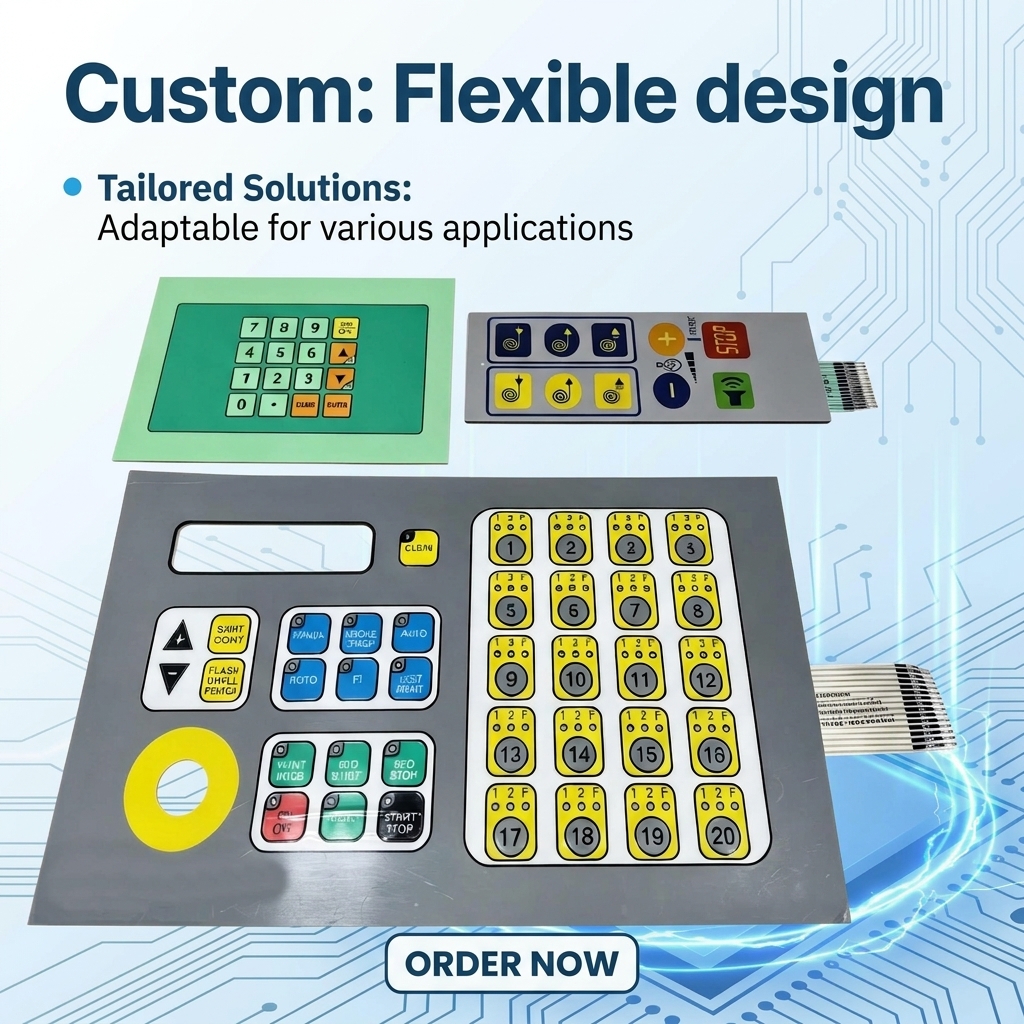
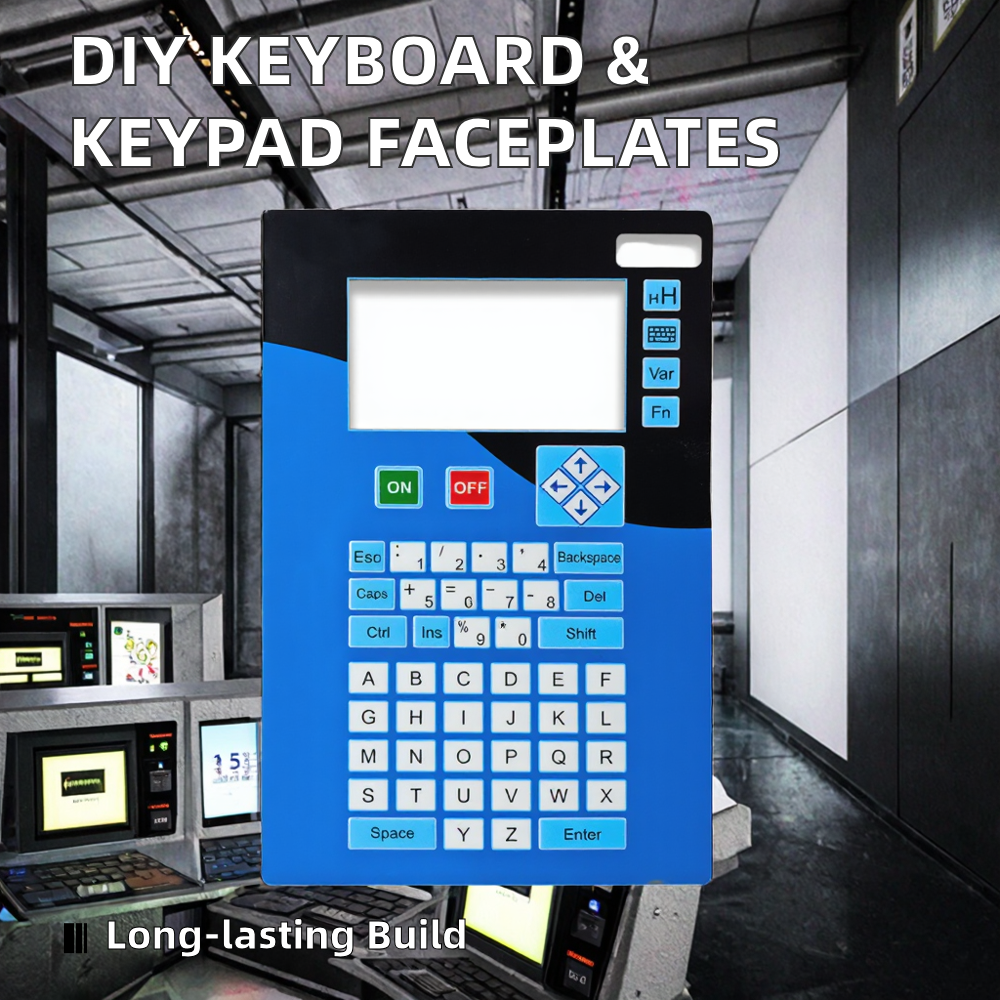
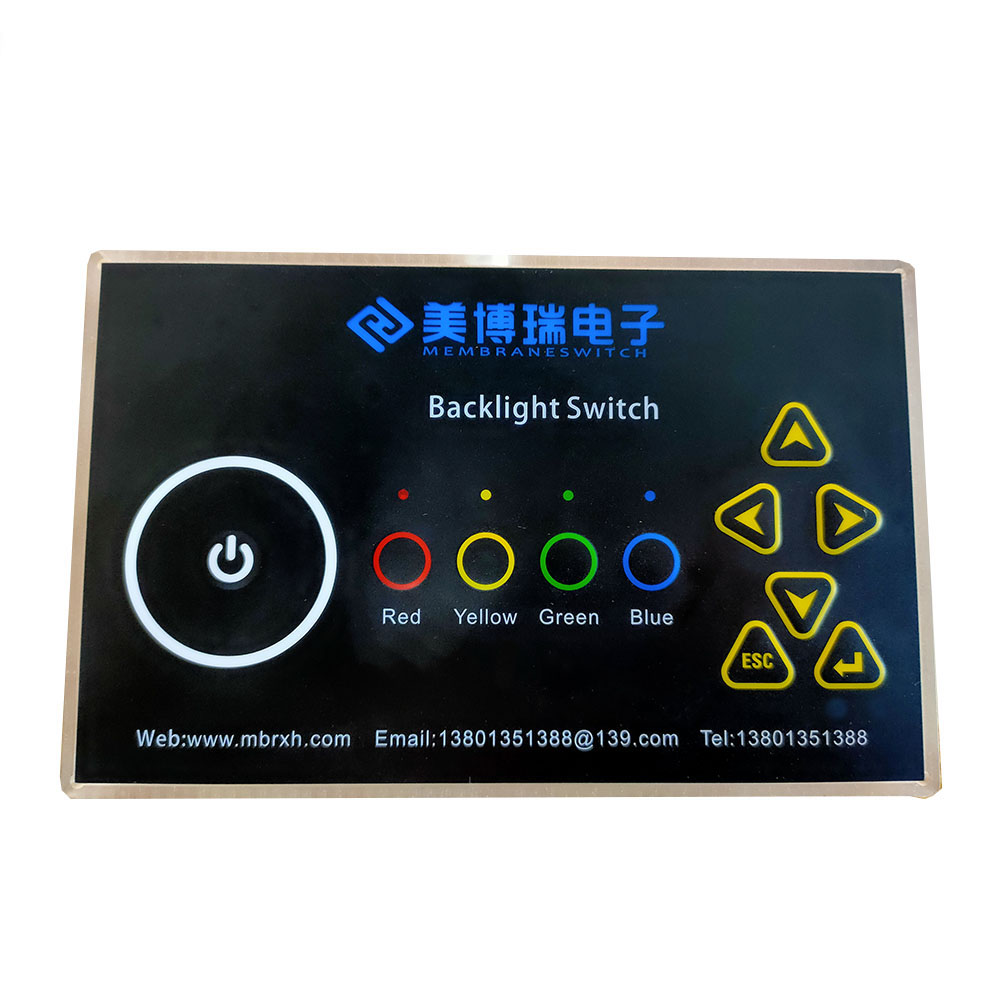
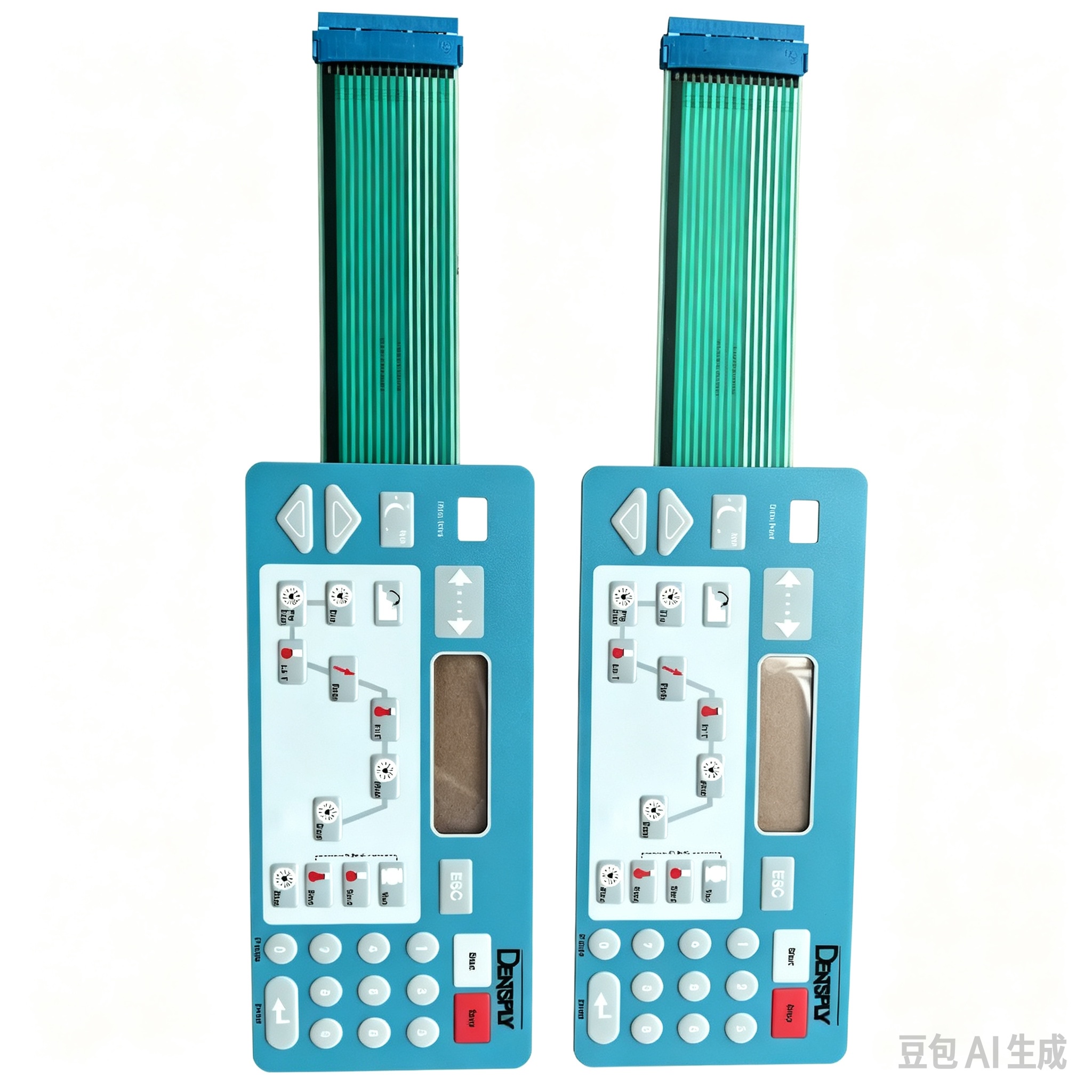
Featured Product Portfolio
Engineered human-machine interface solutions designed for extreme reliability, IP67 sealing, and optimized actuation precision.
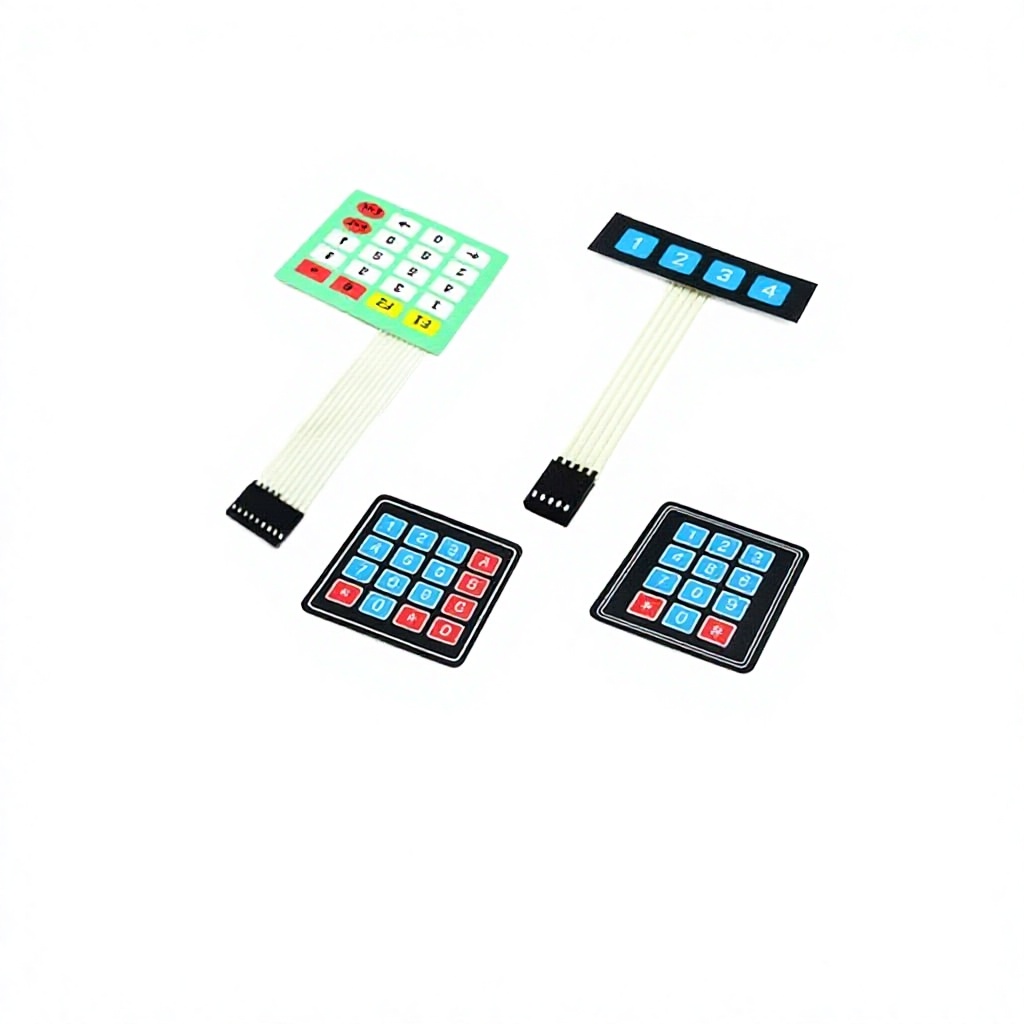
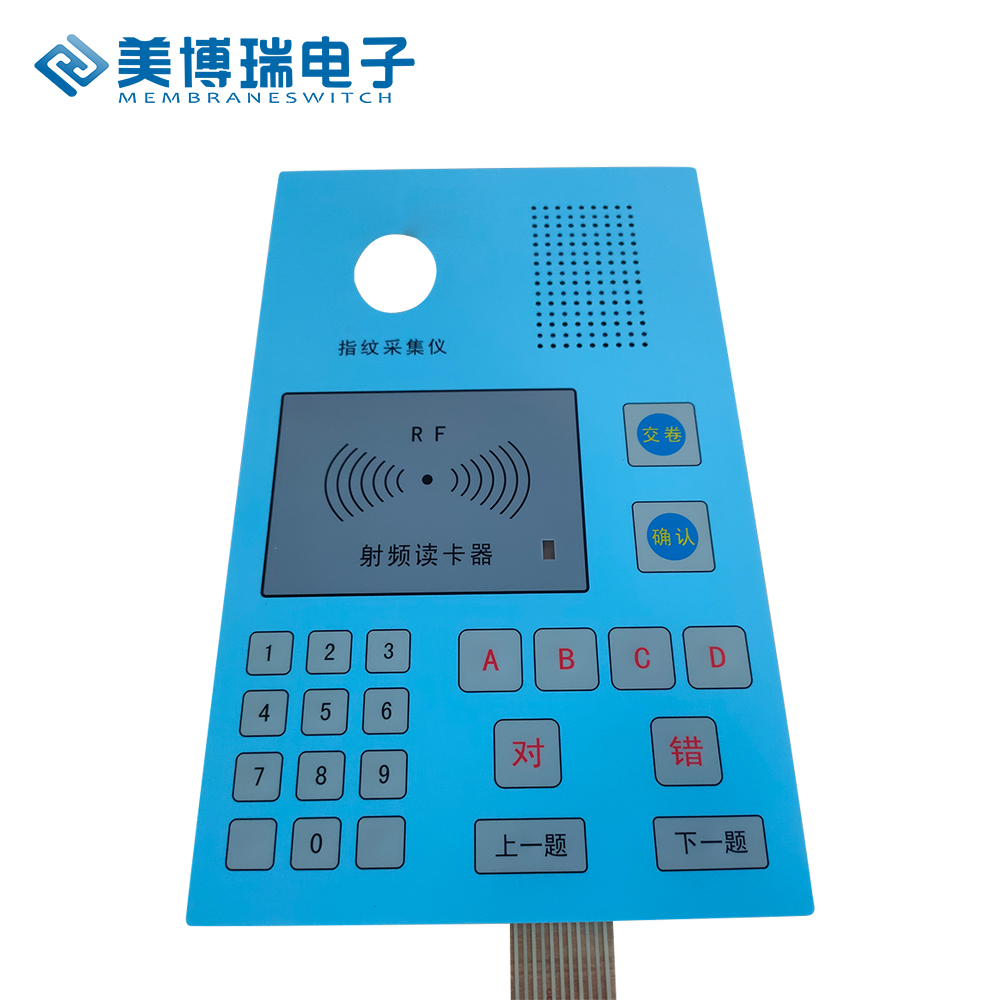
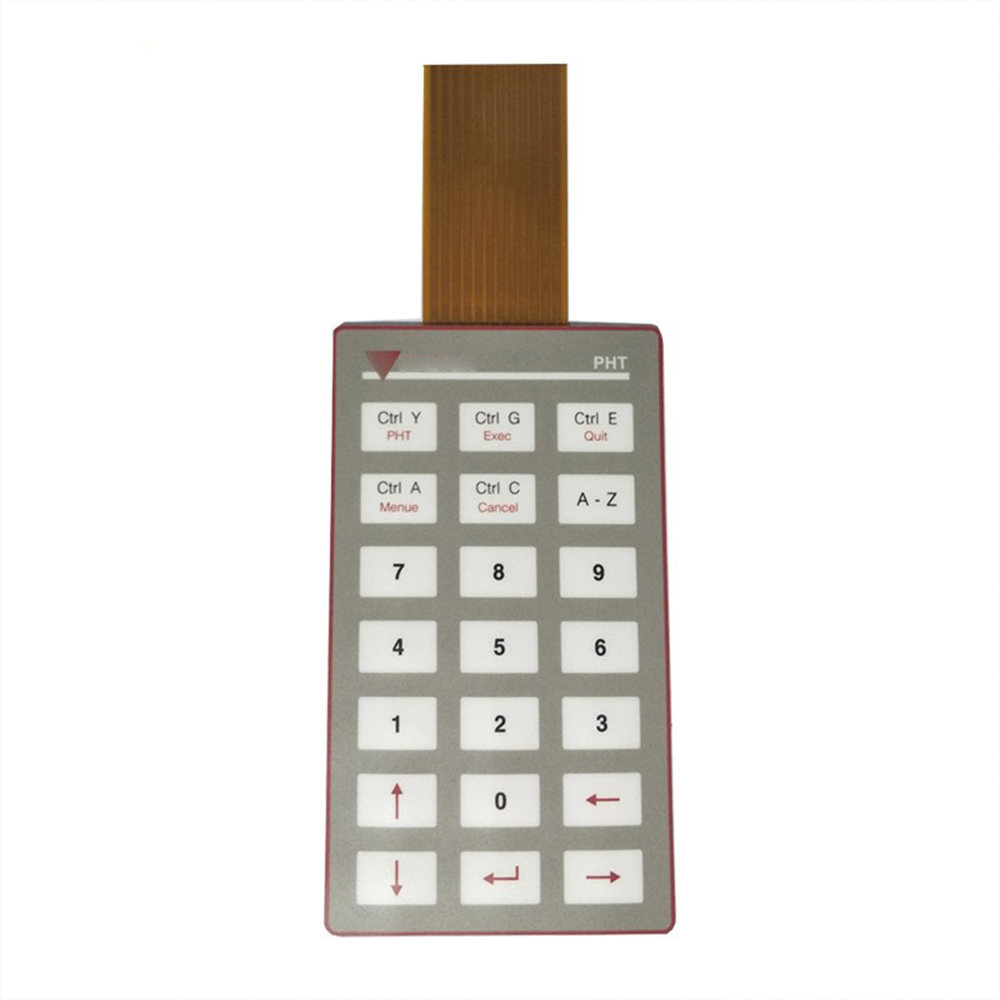
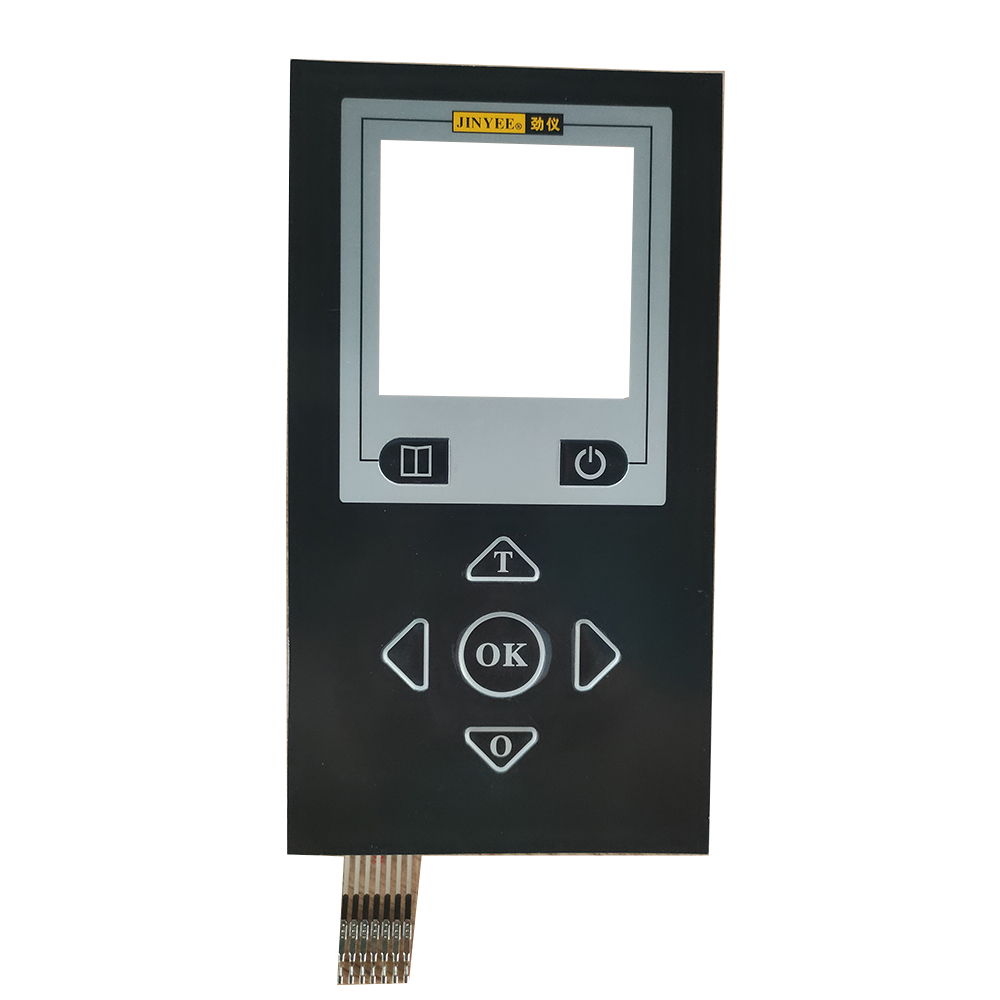
Why Leading Global OEMs Partner with TAVO / MBR
A proven track record of precision engineering, dual-factory risk mitigation, and international quality certifications.
Dual Manufacturing Facilities
Operating primary production lines in the Robot Industry Port of Xianghe Economic and Technological Development Zone (Langfang, Hebei) alongside secondary processing bases in Huizhou, Guangdong. This dual-facility structure balances high-volume orders and mitigates supply chain disruptions.
ISO 9001 & Intertek Certification
Rigourously audited by Intertek and operating under ISO 9001 certified quality control systems. Every touch sensor panel undergoes computer-automated circuit testing, life-cycle actuation analysis, optical transmission mapping, and environmental chamber aging.
German Technology Exchange
Maintaining long-term technical cooperation with premier German membrane switch engineers. This alliance drives advanced printing precision, light-guide film (LGF) developments, and optical clear adhesive (OCA) bonding techniques for heavy industrial applications.
Industry White Paper: Next-Generation Touch Sensor Panel Engineering & Sourcing
A comprehensive architectural breakdown for procurement leads, hardware engineers, and system integrators.
1. Technical Architecture & Sensing Technologies Compared
Touch sensor panels serve as the critical nexus between human operational command and electronic control boards. Factory buyers must distinguish between three primary technology matrices when specifying custom interface assemblies:
A. Projected Capacitive (PCAP) & Surface Capacitive Touch Panels
Capacitive touch panels detect changes in electrical capacitance across conductive ITO (Indium Tin Oxide) or printed silver nanowire matrices. When a user's finger (or conductive stylus) touches the glass or hard-coated PET cover glass, it alters the local electrostatic field. TAVO integrates capacitive sensor films beneath scratch-resistant polycarbonate (PC) or optical-grade polyester (PET) overlays, supporting multi-touch functionality, glove operation, and water-rejection algorithms for industrial control consoles.
B. FPC-Backed & Silver Ink Resistive Touch Switches
Resistive touch panels rely on mechanical force pressing a flexible top layer into contact with a lower conductive layer separated by microscopic isolation spacer dots. While legacy resistive designs used screen-printed silver ink traces on PET, modern high-reliability systems utilize Polyimide Flexible Printed Circuits (FPC). FPC construction allows tight trace pitch (down to 0.15mm), direct Surface Mount Technology (SMT) component integration (LEDs, resistors, ICs), and significantly lower electrical trace resistance (<10 Ω vs >100 Ω for silver ink).
C. Integrated Membrane Switch & Tactile Dome Panels
Combining graphic overlays with stainless steel metal domes (typically 6mm to 20mm diameter, 180g to 500g actuation force), these panels provide unmistakable tactile tactile response combined with IP65 to IP68 front-panel sealing. Incorporating LED backlighting via Light Guide Film (LGF) ensures uniform illumination across low-light military, medical, and rail locomotive panels.
| Engineering Parameter | Capacitive Touch Panels | FPC Membrane Switches | PET Silver Ink Panels |
|---|---|---|---|
| Operating Lifespan | > 10,000,000 touches | > 3,000,000 actuations | > 1,000,000 actuations |
| Trace Resistance | N/A (Sensing Matrix) | < 5 - 10 Ω (Copper Traces) | 30 - 150 Ω (Silver Ink) |
| Component Integration | Controller ICs, Drivers | SMT LEDs, Resistors, ZIF connectors | Crimp Connectors, Surface LEDs |
| Environmental Sealing | IP67 / IP68 Seamless Glass/PET | IP65 / IP67 Sealed Perimeter | IP54 / IP65 Standard Gasketing |
| Chemical Resistance | High (Alcohols, Acids, Cleaners) | High (Polyimide / PET Overlay) | Moderate (Depends on PC/PET grade) |
| Operating Temperature | -20°C to +70°C | -40°C to +85°C | -20°C to +65°C |
2. Future Development Trends in Touch Panel Manufacturing (2025–2030 Horizon)
The global industrial control and medical instrument markets demand thinner, smarter, and environmentally robust user interfaces. TAVO's R&D department highlights four dominant trends governing touch sensor panel manufacturing:
A. Optical Bonding (OCA/OCR) Integration
Eliminating air gaps between cover overlays, touch sensor layers, and underlying TFT-LCD displays via Optically Clear Adhesive (OCA) or Optically Clear Resin (OCR) dramatically reduces internal light reflection (from 8% down to <0.2%). This improves sunlight readability for field test equipment, rail locomotives, and marine displays while preventing internal moisture condensation.
B. Hybrid Force Sensing & Haptic Feedback
To eliminate false triggers in critical environments (e.g., medical surgical consoles or power grid panels), touch panels are integrating piezo-electric haptic drivers and strain-gauge force sensing. This requires a specific minimum activation pressure before registering a command, providing auditory and tactile confirmation even through heavy rubber gloves.
C. Micro-LED Backlighting & Light Guide Film (LGF) Optimization
Legacy backlighting required bulky side-lit LEDs that created uneven illumination "hotspots." Advances in ultra-thin (0.125mm) LGF optical films allow light from side-mounted SMT LEDs to distribute uniformly across key legends and brand logos with minimal power consumption (<20mA).
D. Sustainable & Antimicrobial Surface Coatings
Post-pandemic medical device procurement mandates hospital-grade antimicrobial film overlays (incorporating silver-ion technology) capable of withstanding harsh daily sterilization protocols involving isopropyl alcohol, bleach, and quaternary ammonium compounds without yellowing or micro-cracking.
3. Strategic B2B Procurement Trends & Sourcing Guidelines
When sourcing custom touch sensor panels from overseas exporters, enterprise buyers must look beyond initial tooling quotes. A robust Total Cost of Ownership (TCO) evaluation framework includes:
- Design for Manufacturability (DFM) Review: Partnering with factories that perform early CAD/Gerber circuit analysis prevents trace necking, pin-out mismatch, and inadequate tails routing.
- Tooling & NPI Agility: Look for suppliers utilizing high-speed digital UV printing (such as Mimaki digital printers) and laser cutting for rapid prototyping prior to investing in hard steel steel-rule die tooling.
- Supply Chain Traceability: Ensure raw materials utilize top-tier brands (e.g., 3M 467MP/468MP adhesives, MacDermid Autotype PET films, DuPont silver inks) to guarantee batch-to-batch peel strength and UV durability.
Procurement & Engineering FAQ
Direct answers to technical questions frequently raised by sourcing teams and design engineers.
Accelerate Your Touch Panel Project Today
Contact our senior engineering team to request sample kits, receive a DFM feedback report, or download our complete product design guide.